Geomechanics, Streamlined.
© 2026 Geomechanics.io. All rights reserved.
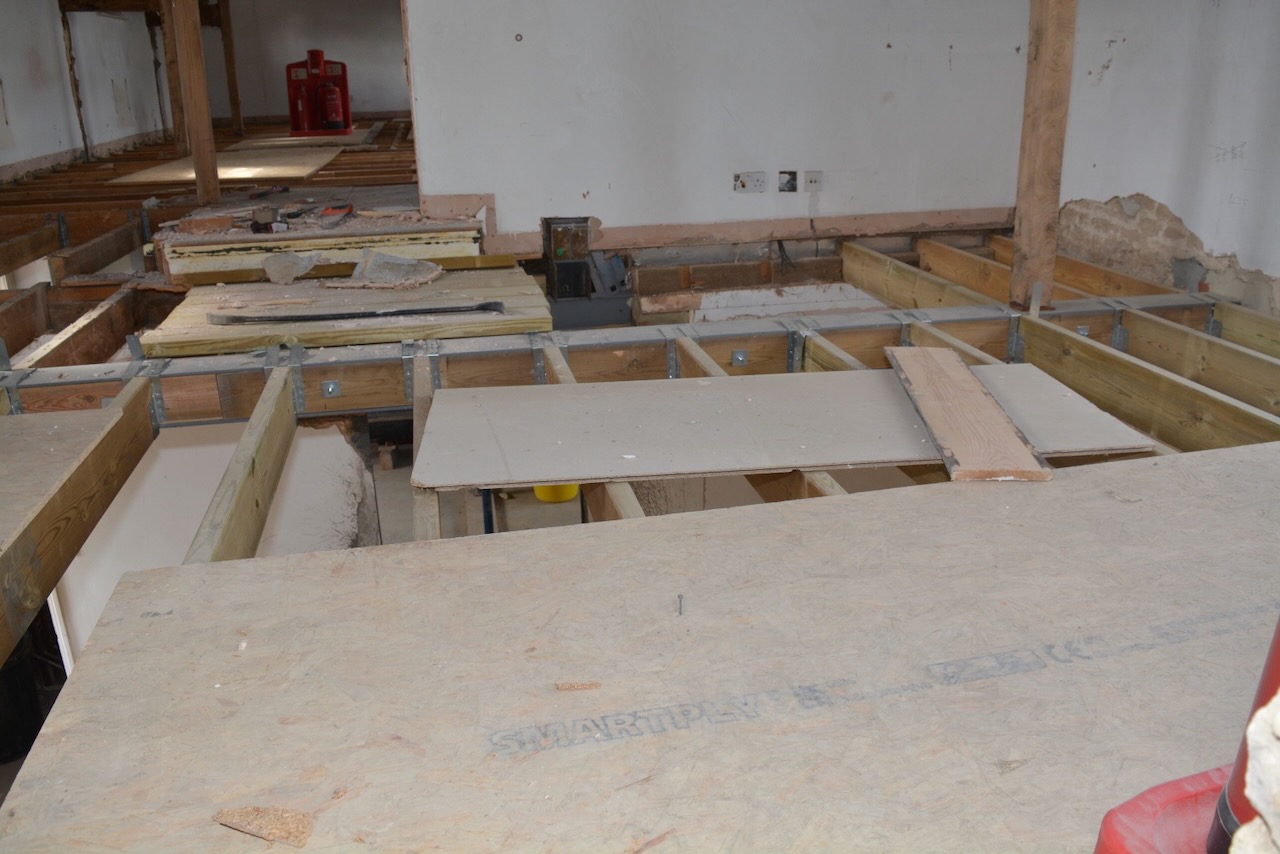
W G Carter Limited has been fined £120,000 plus £5,247 costs at Bristol Magistrates Court after 59-year-old worker Richard “Felix” Roper died falling from a stripped first floor onto a concrete ground slab at a barn house in Nether Westcote. A joint HSE and Gloucestershire Police investigation found work at height was not properly planned or supervised, with workers allowed onto joists where floorboards and structural supports had been removed while others continued lifting boards. After a Prohibition Notice, the firm switched to installing replacement joists from below using work-at-height equipment and blocking access to the first floor.
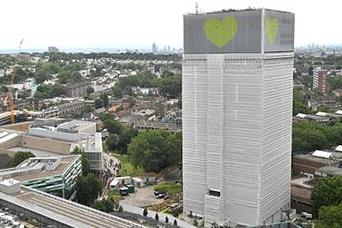
Metropolitan Police have submitted 20 investigation files on the Grenfell Tower fire to the Crown Prosecution Service, covering 20 companies and organisations and 54 individuals. Potential charges span corporate manslaughter, gross negligence manslaughter, health and safety offences, fraud and fraud-related offences, and misconduct in public office, following work by a 220-strong investigation team. The CPS aims to issue charging decisions by June 2027, the fire’s tenth anniversary, a timetable relevant for dutyholders involved in high-rise cladding, fire safety design and regulatory compliance.
Government Actuary’s Department actuaries have delivered probabilistic analysis to the Office of Rail and Road on how climate-related hazards such as extreme rainfall, heat and flooding are evolving across UK rail and strategic road assets. Using long‑term climate projections and hazard frequency–severity modelling, the work maps where risks to embankments, cuttings, track buckling and drainage exceedances are likely to increase. The outputs will feed into ORR’s scrutiny of Network Rail and National Highways’ asset management, resilience upgrades and future capital planning.
A new draft supplemental environmental impact statement from the US Army Corps of Engineers and BLM models a 27% tailings storage facility failure at NOVAGOLD’s proposed Donlin Gold mine in Alaska, warning a toxic wave could reach Crooked Creek village in 90 minutes, bury it in tailings and leave metal contamination in the Kuskokwim River basin for more than a century. The scenario, far larger than the previously assessed 0.5% spill, projects long-term erosion, groundwater mounding, altered stream channels and persistent reductions in fish abundance, with NGOs demanding analysis of a full dam failure. The 40-million-ounce, 2.22 g/t deposit is permitted for 1.1 million ounces per year over 27 years, but the SEIS outcome could modify, reaffirm or rescind the existing federal permit.
Asbestos management consultancy Acorn Analytical Services has appointed Ben James as commercial manager to lead its sales team and secure larger, more complex consultancy and removal projects. James, a former apprentice carpenter and joiner, moved into asbestos work in his early twenties after his grandfather died from asbestosis and has since progressed from trainee asbestos surveyor to contract manager over nine years. He will oversee new technical enquiries, key account management and site visits, and is qualified to deliver asbestos awareness, non-licensed removal and duty-to-manage training under a Level 3 teaching qualification.
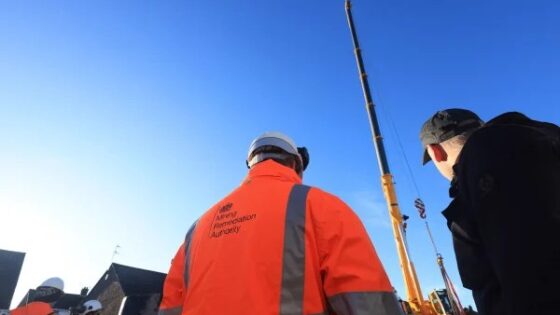
Homes on Benbuck View and Dunmoss View in Coalsnaughton, Clackmannanshire are to be demolished after Mining Remediation Authority investigations confirmed historic underground workings had caused active mine subsidence beneath the two streets. The decision follows visible ground movement reported on 18 May and subsequent detailed geotechnical assessments that ruled out practical stabilisation options for the affected plots. Engineers will now need to manage demolition, backfilling and long-term ground monitoring, with implications for foundations and service corridors on adjacent properties built over former coal measures.
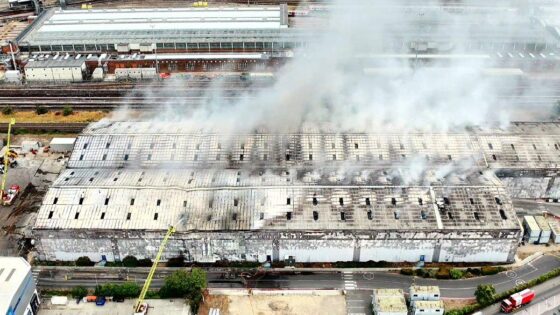
A major fire at LondonEnergy’s Wembley Waste Transfer Station on Hannah Close, Neasden, has required 20 fire engines and about 125 firefighters to bring the blaze under control. The incident at the enclosed waste-handling facility raises immediate concerns over structural integrity of steel frames, cladding performance under high thermal loads, and potential damage to concrete slabs from prolonged heating and quenching. Engineers will need rapid assessment of fire spread pathways through waste stockpiles and building services to inform repairs, resilience upgrades and future fire-separation design.
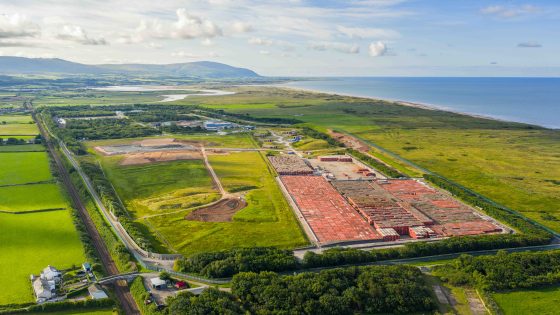
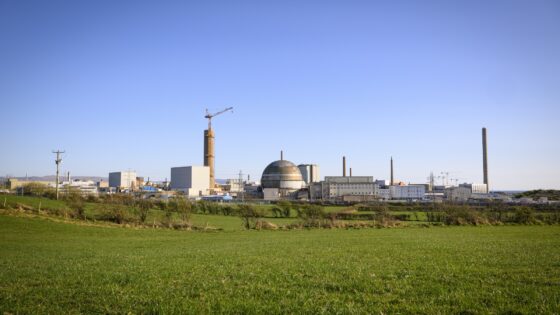
Plans for a 5m tall wildlife tower at Nuclear Waste Services’ Low Level Waste Repository (LLWR) in Cumbria set out a dedicated habitat structure within an active nuclear waste site, integrating ecological features into a highly regulated industrial landscape. The tower will be sited within the LLWR perimeter, requiring careful foundation design and construction sequencing around existing low-level waste vaults and engineered cap systems. For civil and geotechnical teams, the scheme signals growing expectations to incorporate biodiversity structures into nuclear and hazardous waste infrastructure without compromising containment performance.
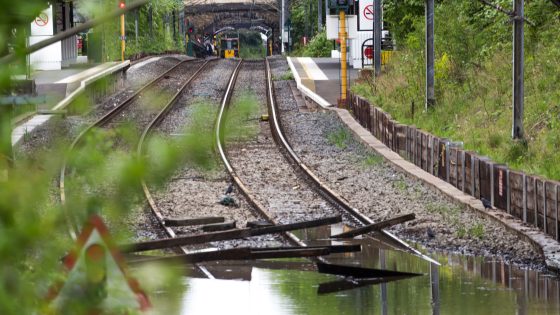
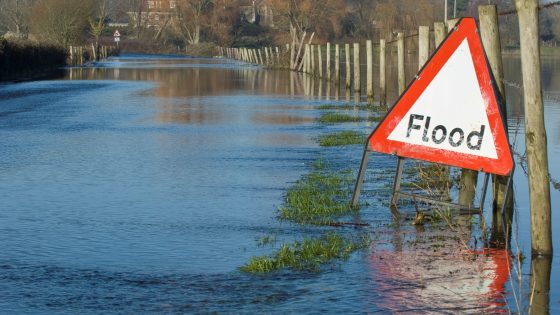
Flash flooding in Birmingham on 27 August, triggered by intense short‑duration rainfall on parched, largely impermeable urban surfaces, overwhelmed a combined sewer network sized for historic return periods rather than today’s convective storm patterns. Drainage specialists are calling for a “surface‑first” strategy using blue‑green infrastructure such as swales, rain gardens and permeable paving to attenuate runoff before it reaches pipes. For designers, the event reinforces the need to prioritise exceedance routing, overland flow paths and retrofit SuDS over simply upsizing buried sewers.
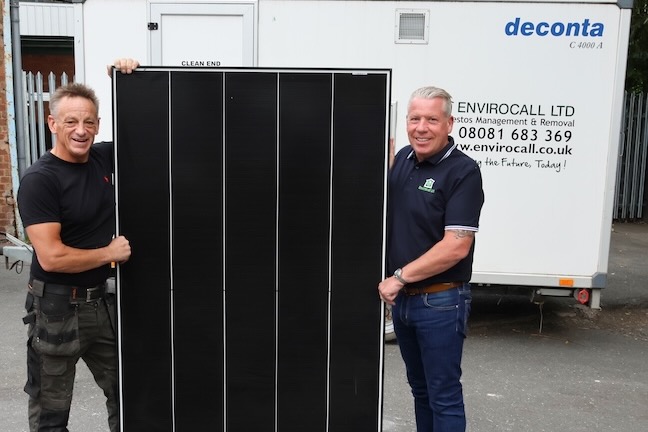
Envirocall is converting all 19 asbestos decontamination units to off‑grid solar power systems engineered with D G Electrical Services, removing dependence on mains electricity at site. Each three‑stage DCU comprises a dirty zone for stripping contaminated PPE and tools, a hot/cold shower section for fibre removal, and a clean area for redressing, with the new solar arrays and storage sized to run showers, lighting and ventilation autonomously. The move enables DCU deployment on remote or constrained sites where temporary grid connections or diesel generators are costly or impractical.
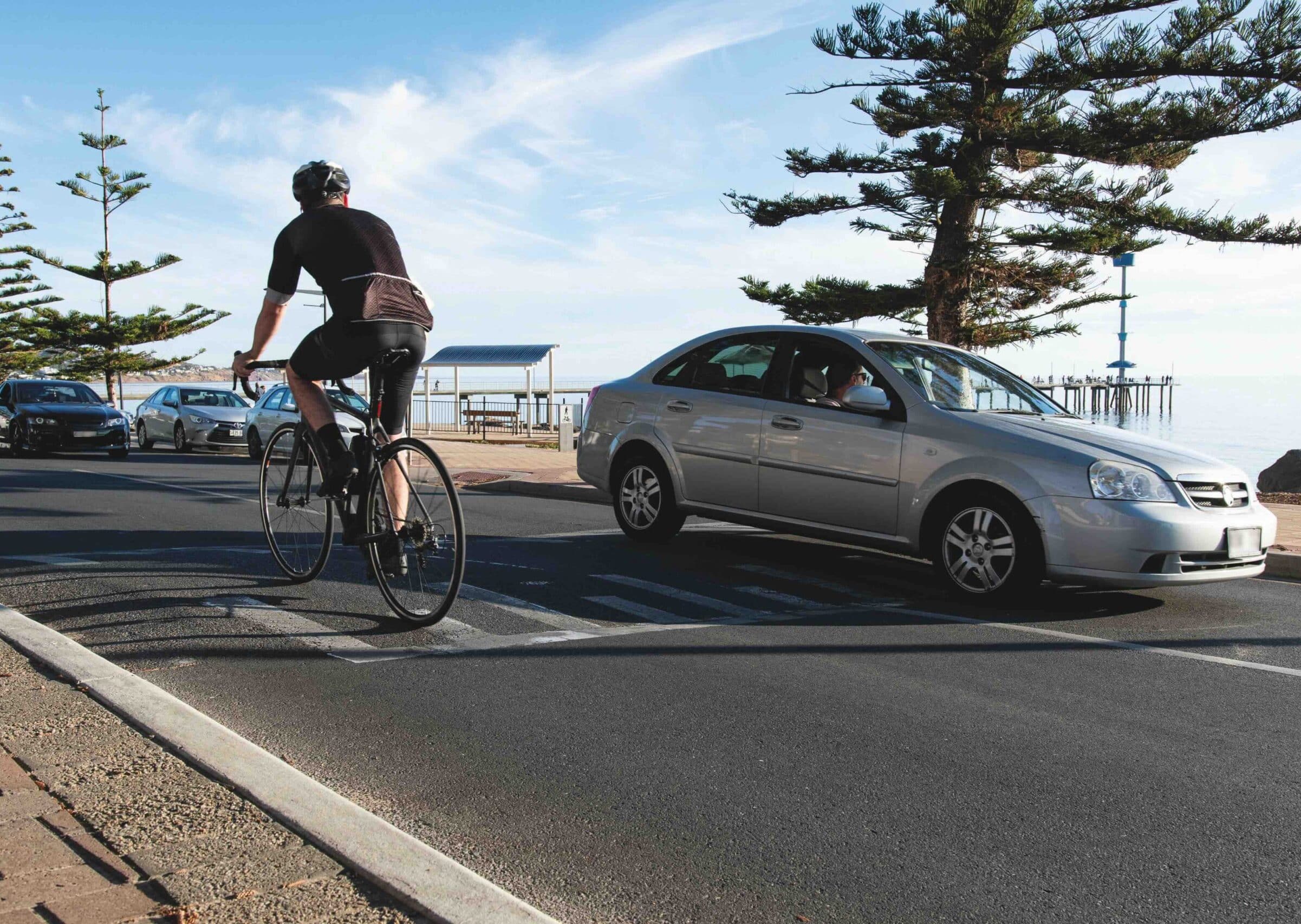
Adelaide University researchers are stress‑testing Australia’s transport networks against severe and extreme weather using the Federal Government’s first National Climate Risk Assessment (NCRA) as a baseline and extending it to state and council level assets. The work focuses on road and coastal infrastructure in councils such as the City of Holdfast Bay, examining failure modes under compound hazards like storm surge plus fluvial flooding and prolonged heatwaves. Findings are feeding into corridor‑scale adaptation options, including revised pavement design lives, drainage capacity upgrades and relocation or armouring of low‑lying links.
A slope collapse at an open pit gold mine near Policarpa in Colombia’s Nariño department has killed 13 workers and injured seven, after a night-time landslide buried crews who were later recovered by firefighters and residents using excavators. Local authorities have not confirmed whether the operation had mining permits, despite witnesses saying around 50 people, mainly from the Quillacinga Indigenous group and including four victims from one family, regularly worked the site. The incident again exposes geotechnical and safety risks at Colombia’s largely unregulated artisanal and illegal gold mines, which involve an estimated 200,000–400,000 people.
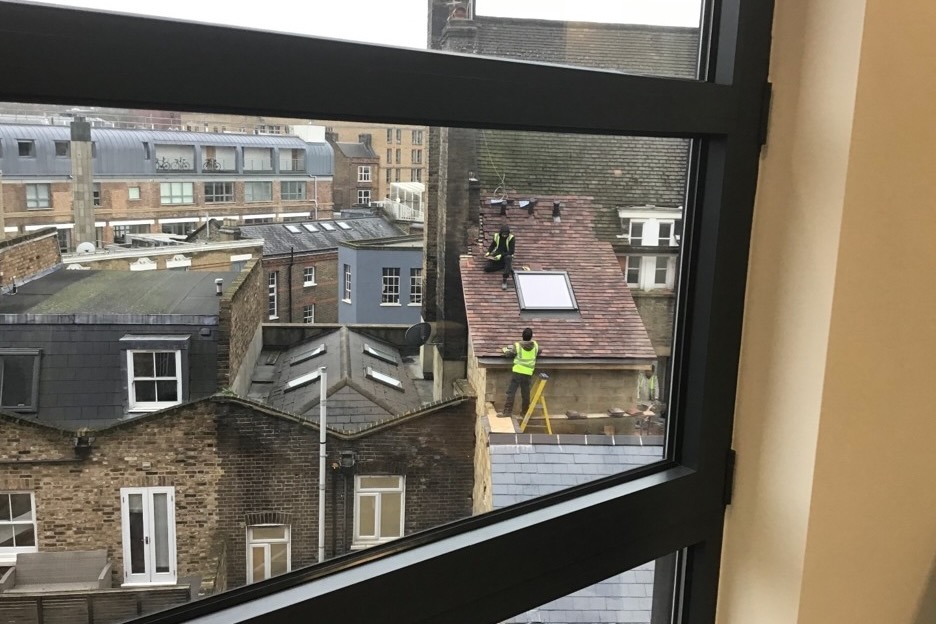
B&O Developments and director Sanjay Swaminaryan were fined at City of London Magistrates’ Court after members of the public reported unsafe roof work on a Kings Cross site to the Health and Safety Executive. The prosecution centred on workers operating at height without adequate edge protection or fall-arrest systems, breaching the Work at Height Regulations 2005. The case signals that HSE will act on public reports of poor temporary access, scaffolding and roof-work controls, with direct implications for contractors’ site supervision and CDM compliance.
Venezuela’s government and opposition have agreed to jointly seek the return of about 31 tonnes of gold, worth roughly US$4.4 billion, held in the Bank of England’s vaults beneath Threadneedle Street to fund reconstruction after June’s earthquakes that killed more than 6,000 people and damaged homes, hospitals and infrastructure. The bullion, about one-fifth of Venezuela’s reported 161-tonne reserves in 2018, has been frozen since 2018 amid UK recognition of Juan Guaidó over Nicolás Maduro. Any release is expected to involve complex UK court proceedings and strict transparency safeguards on reconstruction spending.
Asbestos management consultancy Acorn Analytical Services has expanded its contracts team, promoting long-serving staff member David Kelsey to senior contracts manager and elevating Ellis Bastable and Charlie Dalby to contracts managers. Kelsey, one of Acorn’s first full-time employees with nearly 13 years’ service, will oversee the contracts department, manage two contracts managers and ensure nationwide deployment of asbestos analysts. Bastable and Dalby, both former asbestos analysts who gained BOHS P402 surveying qualifications, will now manage client asbestos portfolios, coordinate removal works and arrange analytical support.
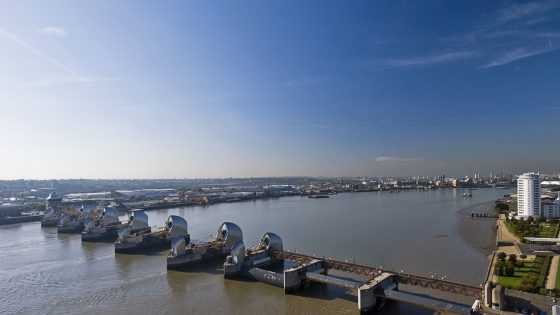
A 15‑year review of the Environment Agency’s Thames Estuary 2100 (TE2100) Plan finds sea levels in the estuary are rising faster than earlier design assumptions, putting additional pressure on the 520‑square‑kilometre flood risk management area. The findings are expected to trigger earlier or more extensive upgrades to defences including the Thames Barrier, raised tidal walls and embankments, and secondary barriers on tributaries. For geotechnical and civil engineers, this signals a need to revisit crest levels, overtopping criteria, and foundation performance under higher hydraulic loading over the plan horizon to 2100.
Fourteen illegal chrome miners were found dead and at least eight injured after a cave-in near an abandoned shaft by the Nkaneng informal settlement, close to Marikana in South Africa’s North West province, with the collapse estimated around 21:00 on Monday. Police have intensified action against illegal chrome operations in the province, seizing 20 trucks and 15 excavators over the past two years and arresting survivors on suspicion of illegal mining. The incident underlines ongoing geotechnical and safety risks where informal miners re-enter abandoned gold, platinum and chrome workings without ground support or regulated access control.
A worker at the Sellafield nuclear decommissioning site “died suddenly” during the week commencing 6 July, prompting an immediate review by the Office for Nuclear Regulation (ONR). ONR has confirmed the death was not work-related and that there was no radiological or conventional safety incident affecting the wider site. Routine regulatory oversight of Sellafield’s legacy waste facilities, spent fuel management and construction activities continues unchanged, with no impact reported on nuclear safety cases or site operations.
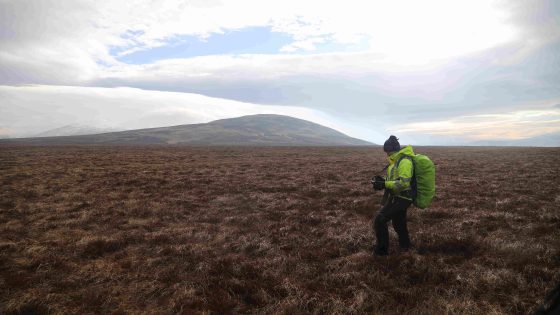
The British Geological Survey has launched a four‑year ground investigation of the River Tweed catchment to characterise groundwater behaviour and its interaction with river levels for improved flood forecasting. Work will include installing new monitoring boreholes, logging groundwater heads and flow paths, and integrating hydrogeological data with existing river‑gauge and rainfall records across the cross‑border catchment. Findings are expected to refine flood models used by local authorities and infrastructure owners, particularly for groundwater‑dominated flood events and prolonged saturation of transport and drainage assets.
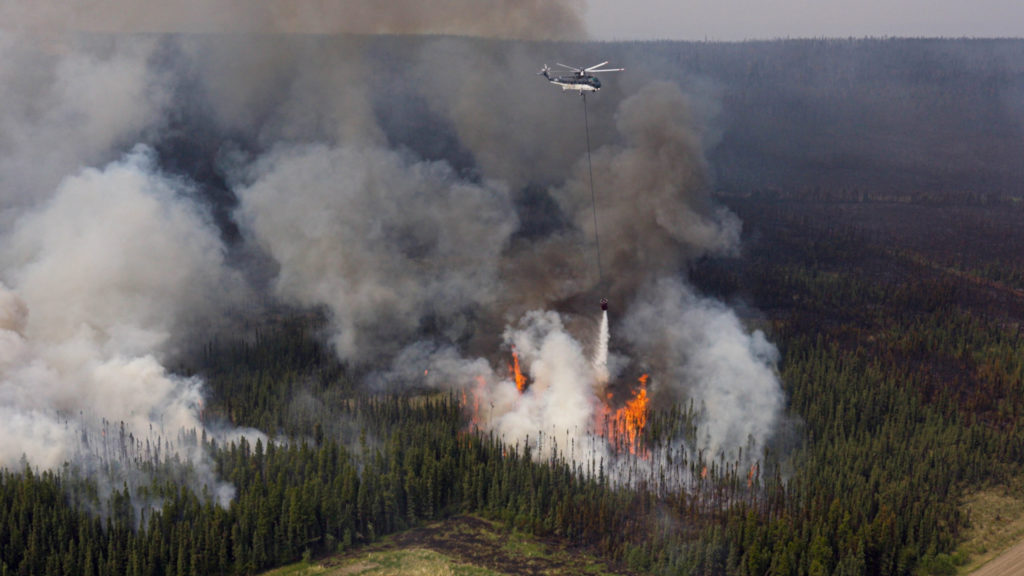
Wildfire seasons in Western Canada are intensifying, with 2023 seeing more than 2,240 fires burning 2.84 million hectares in B.C. and insured losses of $720 million in the Okanagan/Shuswap and $1.3 billion from the 2024 Jasper fire, forcing repeated evacuations at sites such as Artemis Gold’s Blackwater and Cameco’s Cigar Lake. Operators and insurers are now treating wildfire as a core business-interruption risk, driving investment in backup generation for long transmission corridors, detailed continuity planning, and stricter underwriting. Engineers are also redesigning mine layouts and buildings for fire, favouring sites on ridge tops, wider building separation, non-combustible steel roofing and use of natural and linear infrastructure firebreaks.
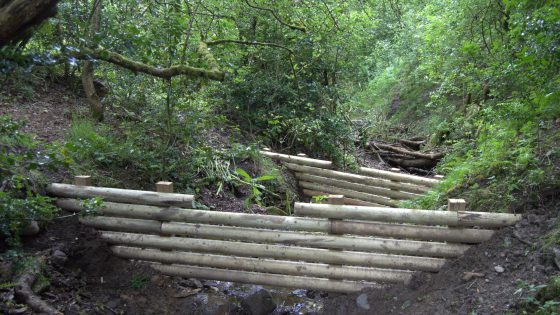
National Trust and United Utilities are installing a series of timber “leaky dams” on moorland and farmland above the Stubbins Estate in Lancashire in a two‑year natural flood management programme to slow runoff into the River Irwell. The structures are designed to back up high flows in small headwater channels while allowing baseflow to pass, temporarily storing stormwater on the floodplain and in upstream depressions. For civil and drainage engineers, the scheme signals continued deployment of low‑cost, nature‑based attenuation measures alongside conventional hard‑engineered defences in upland catchments.
Construction recorded the highest number of worker fatalities in Britain in 2025/26, according to new Health and Safety Executive (HSE) figures on work-related deaths. Although absolute numbers are not yet broken down publicly by sub-sector, the data place construction ahead of manufacturing, agriculture and waste, continuing a long-term pattern of disproportionate risk. The figures will sharpen scrutiny of temporary works design, work-at-height controls and plant–people interface management on sites, particularly for SMEs and subcontractor-heavy projects.
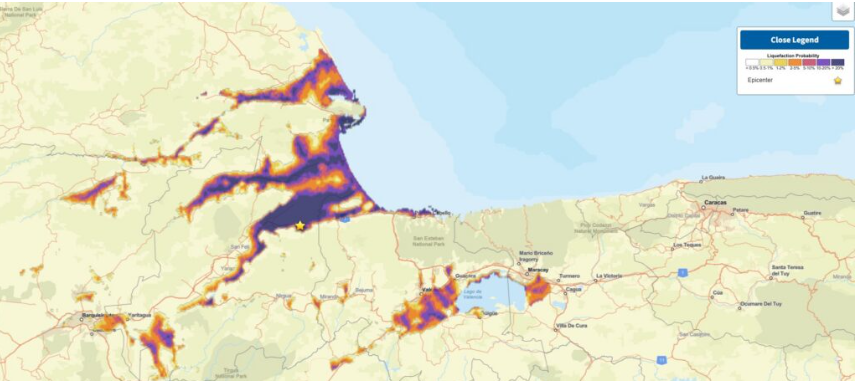
Recent major earthquakes in Venezuela and the southern Philippines have exposed how delayed mapping of landslides and liquefaction can mask the worst damage for days, especially in remote mountain valleys and low-lying coastal plains. Geoscientists are pushing for rapid post-event zonation using satellite interferometry, UAV photogrammetry and pre-existing susceptibility maps to identify blocked river valleys, buried roads and lateral spreading along reclaimed or alluvial ground. For geotechnical teams, this means integrating near-real-time remote sensing with ground reconnaissance to prioritise slope stabilisation, bridge access and lifeline corridor repairs.
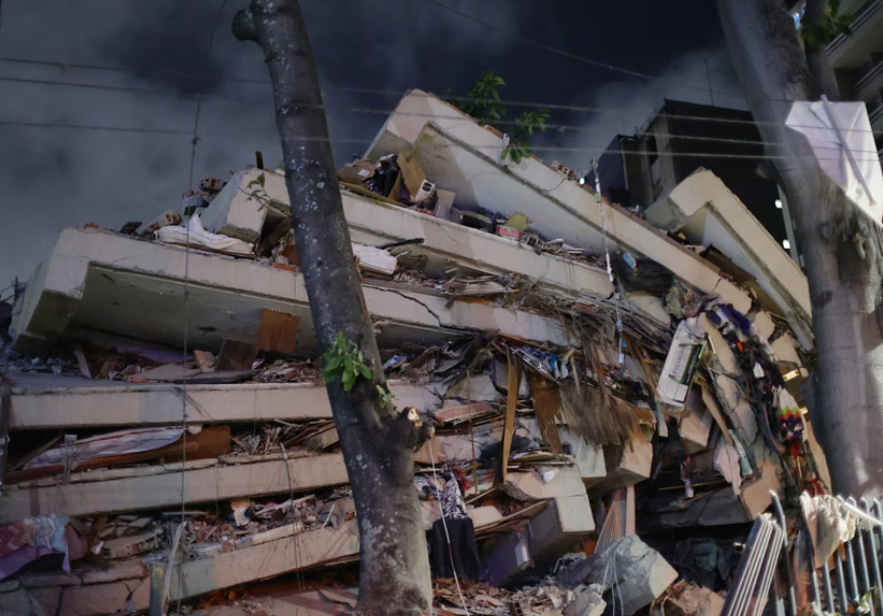
Two shallow earthquakes of magnitude 7.1 and 6.8 struck near Caracas and La Guaira within hours, collapsing mid‑rise reinforced concrete apartment blocks and older unreinforced masonry in hillside barrios, with hundreds confirmed dead and thousands displaced. Liquefaction, lateral spreading and rockfalls have damaged key transport links, including sections of the Caracas–La Guaira motorway and port access roads, complicating access for rescue equipment and temporary shoring. Geotechnical teams are racing to assess slope stability on steep, weathered tropical soils and to prioritise demolition versus retrofit of heavily cracked shear‑wall structures.