Geomechanics, Streamlined.
© 2026 Geomechanics.io. All rights reserved.
Texas startup Hertha Metals has raised $133.65 million in Series A funding, including $65 million from the US government’s IBAS programme, to build its Hertha Chalyx plant targeting 10,000 tonnes per year of steel-grade and magnet-grade high-purity iron. The facility will deploy the FLEXHERS process—a single continuous hydrogen/natural-gas reduction reactor coupled with electric arc furnace technology—claiming 25% lower production costs than blast furnaces and emissions cuts of 50% (natural gas) to up to 98% (hydrogen). Chalyx, alongside the existing 360 t/y Pi100 pilot in Conroe, aims to create a fully domestic feedstock source for NdFeB magnet and defence manufacturers.
We Recycle Solar will build the US’ first end-to-end critical materials recovery facility for retired solar panels on a 10-acre campus outside Dallas, targeting Q3 2027 start-up. The Arizona-based firm says the commercial-scale plant will process one panel per minute and recover up to 96% of contained silver, copper, silicon, aluminium and glass through a proprietary extraction process that avoids any offshore smelting. WRS plans a further $100 million investment in four additional US facilities within four years, aiming to capture value from an $80 billion projected 2050 solar-panel waste stream.
Aston University is partnering with Jesmonite Ltd under an Innovate UK knowledge transfer partnership to redevelop Jesmonite’s low‑carbon acrylic, resin-based composites with added biochar as potential cement alternatives for façades and surface applications. Researchers from Aston’s Energy and Bioproducts Research Institute and Department of Civil Engineering will characterise the materials at molecular level and test mechanical and durability performance while targeting further reductions in embodied carbon. The work aims to move Jesmonite’s currently niche, film-set and design products into mainstream construction specifications, offering designers non‑cementitious façade and cladding options.
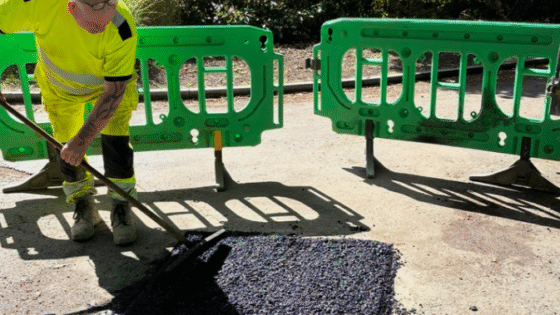
Maidstone Borough Council has started a small-scale trial in two parks using a proprietary pothole repair mix that incorporates recycled clothing fibres as a partial replacement for conventional bituminous or aggregate content. The material is being laid in localised defects rather than full-width resurfacing, targeting reduced embodied carbon and lower-temperature installation compared with standard hot asphalt. If performance on ravel resistance, adhesion and durability under light vehicular loading proves acceptable, the council may extend the approach to wider footpath and car park maintenance.
Global technology-sector gold demand stayed flat at 323 tonnes in 2025 despite surging AI chip sales, as miniaturisation and design changes to reduce or remove gold offset new AI-related uses, the World Gold Council reports. Gold traded around US$4,270/oz on Friday, roughly 14% higher year-on-year, keeping cost pressure on manufacturers that are redesigning connectors and contacts. Co-packaged optics (CPO) for hyperscale AI data centres, backed by Nvidia and other chipmakers, could become a meaningful new source of demand because lasers and high‑frequency electrodes in CPO packages still rely on gold’s durability and conductivity.
Carbon capture in cement production is being pushed as a near‑term route to cut emissions from a material responsible for up to 8% of global CO₂ output, with technologies such as post‑combustion capture on kiln exhausts and oxy‑fuel firing now moving from pilots to early commercial schemes. Current projects focus on retrofitting existing clinker lines, integrating amine‑based capture units and planning CO₂ transport to geological storage or utilisation plants. For designers and contractors, this raises immediate questions on specifying low‑embodied‑carbon concretes, verifying EPD data, and managing supply risk as capture retrofits disrupt plant operations.
IperionX has validated continuous operation of its GenX hydrogen magnesiothermic reduction (HAMR) titanium furnace at its Virginia R&D facility, achieving a sixfold increase in throughput and a 75% cut in energy intensity versus its previous batch process. The commercial-scale system processed over 500 kg of recycled titanium powder in four continuous runs over 41 hours at roughly 12 kg/h, with all samples meeting oxygen specifications and showing substantially lower magnesium, hydrogen and power consumption at steady state. A second US Army SBIR contract allows project-specific defence orders up to a collective US$99 million, supporting scale-up of domestic titanium powder-to-part capacity in a market that currently has no US titanium sponge production despite aerospace demand above 31,000 t/y.
Breedon has appointed Catherine Gibson as managing director for cement, products and surfacing solutions in Great Britain, adding her to Breedon GB CEO Mike Pearce’s leadership team at a time he describes as “challenging” but with “significant opportunities ahead”. Gibson previously sat on the Travis Perkins group executive committee, overseeing Keyline, its heavyside and civils brand, and other multi-site operations. With more than 25 years’ experience in UK building materials manufacturing and distribution, she is expected to focus on commercial performance and “sustainable growth” across Breedon’s heavy materials portfolio.
Tokamak Energy has completed a 14‑month test campaign on Demo4, its high‑temperature superconducting (HTS) magnet testbed in Oxford, aimed at validating magnet performance for compact spherical tokamak fusion reactors. The Demo4 system is designed to operate HTS coils at cryogenic temperatures while subjecting them to high magnetic fields and mechanical loads representative of reactor conditions, a critical step for future fusion power plant infrastructure. Results will inform structural design, thermal management and lifecycle performance of full‑scale HTS magnet assemblies for grid‑scale fusion demonstrators.
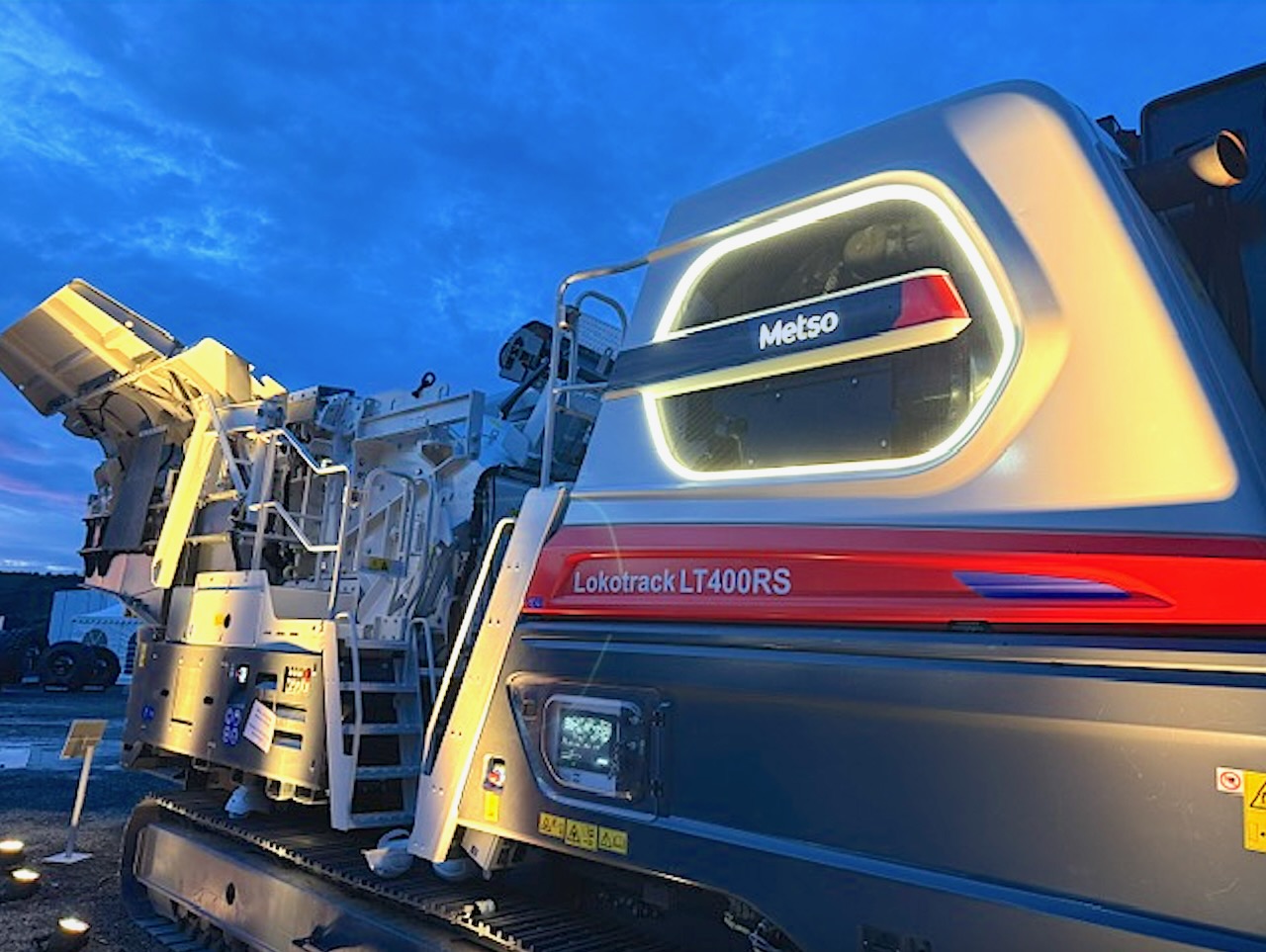
Metso distributor McHale Plant Sales is taking orders in the UK and Ireland for two new Lokotrack units – the 70‑tonne LT400RS diesel‑electric mobile impact crusher and the LT200HPX mobile cone crusher with integrated screening – with deliveries from early 2025. The LT400RS, built around a 250 kW Nordberg NP1213MR impactor and 430 kW genset, targets concrete, asphalt and mixed demolition waste containing rebar and wood, using a 6.4 m² two‑deck screen, wind sifter and electromagnet to improve separation, fuel use and CO₂ output. The LT200HPX packages a Nordberg HP200e cone, two‑deck pre‑screen and 5.6 m² product screen on a single track chassis with wide conveyors and smart folding for high‑capacity, easily transported hard‑rock and aggregate production.
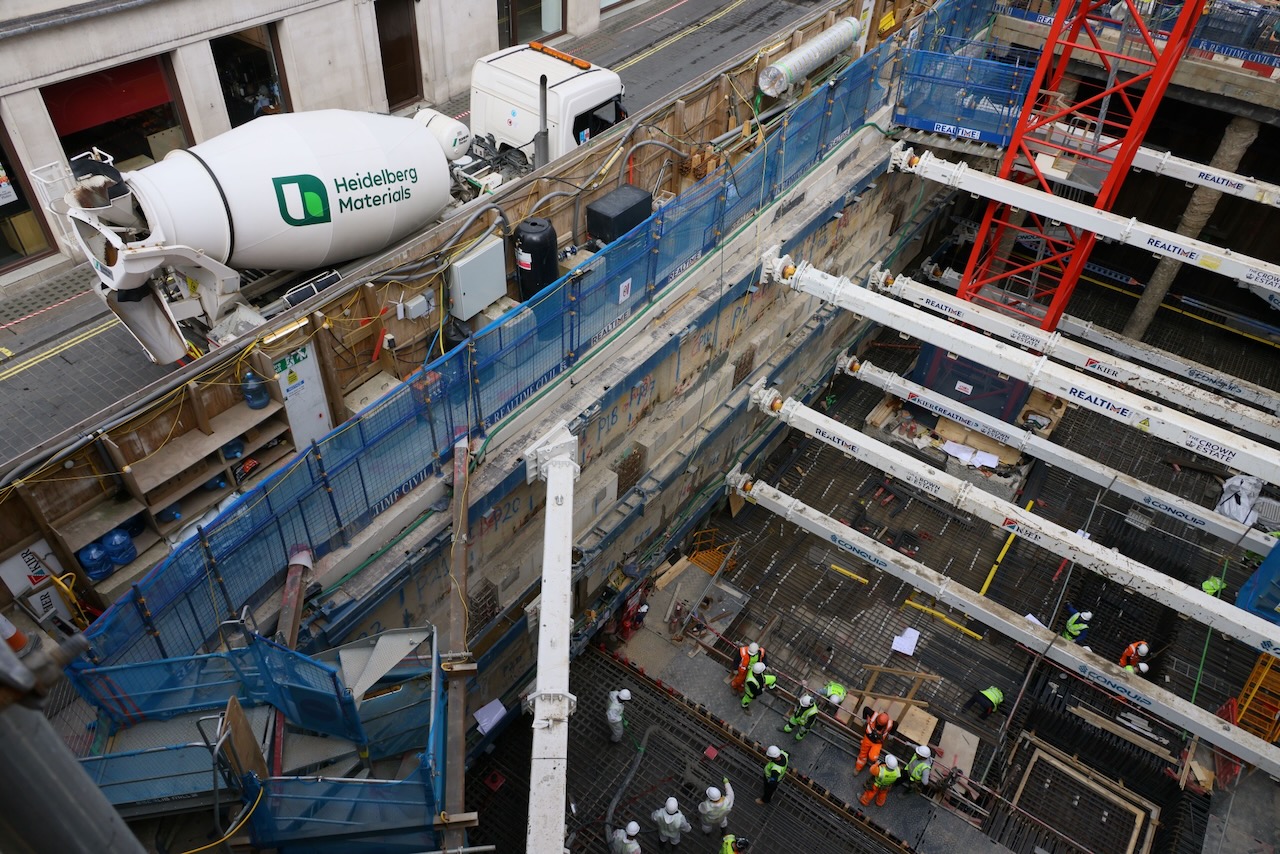
Heidelberg has supplied low carbon concrete, using carbon capture–decarbonised cement and GGBS, to Realtime Civil Engineering and Kier for the Crown Estate’s 33–35 Piccadilly redevelopment in central London. The mix design replaces a significant portion of Portland clinker with ground granulated blast-furnace slag, cutting embodied CO₂ compared with conventional CEM I concrete while maintaining structural performance suitable for a high-end commercial building. For contractors and designers, the project shows practical deployment of carbon capture–enabled binders on a constrained urban site with demanding specification control.
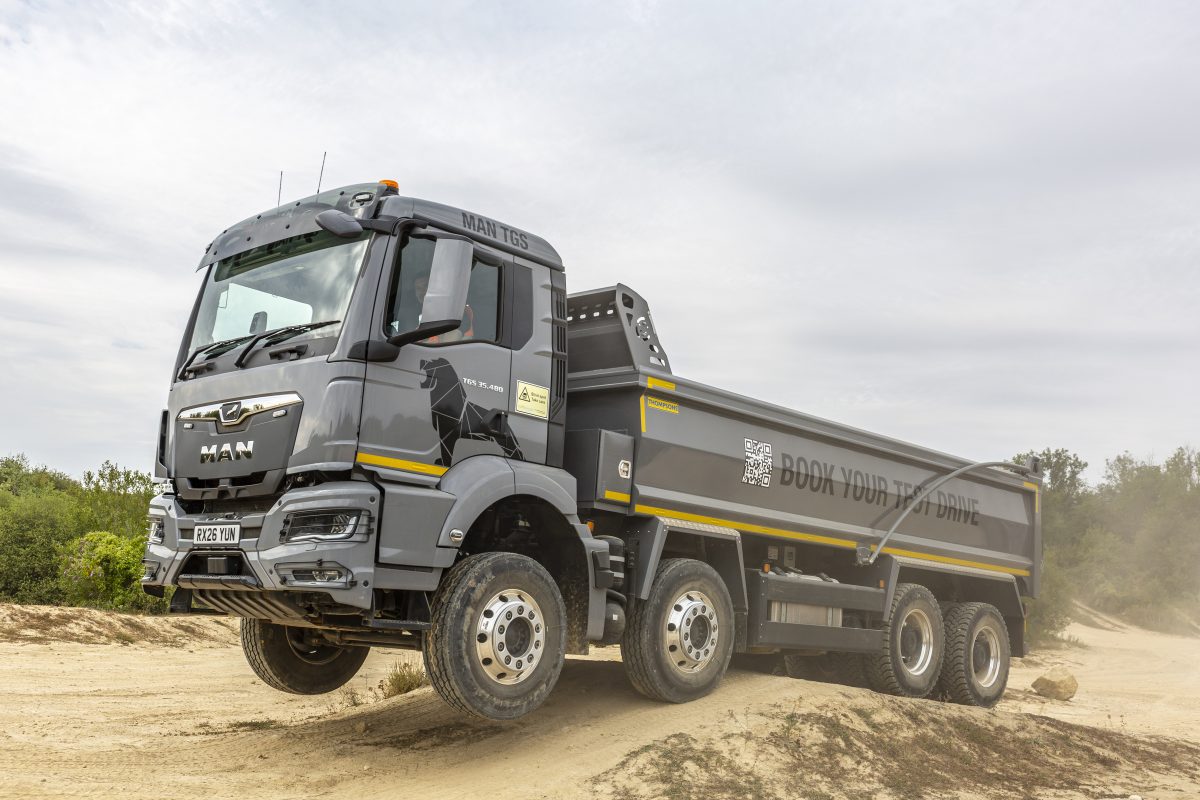
Michelin’s X Works Z2 and D2 315/80 R22.5 tyres are now available as original equipment on selected Man TGS construction trucks and tippers in the UK, offering the first B‑rated steer axle tyre for combined road and site use on fuel efficiency. Internal simulations show up to 10% longer life on steering axles and up to 25% on drive axles versus the previous generation, with a higher 158/150 load index adding 500kg capacity per single tyre position. The tyres are retreadable, feature reinforced sidewalls, 3PMSF winter approval and are compatible with electric trucks, targeting lower whole‑life operating costs.
A new US Mint one‑dollar “Trump gold coin” marking the 250th anniversary of American independence sold out within hours of its 2 September release, despite containing no gold and being struck instead from a copper alloy with 6% zinc, 3.5% manganese and 2% nickel. Marketed in rolls of 25 coins for $61, the gold‑coloured piece contrasts sharply with the Mint’s true bullion products priced up to $19,600 for palladium, gold and silver issues. The coin is legal tender with a circulating finish but is being positioned primarily as a collectible.
Two-phase flow between solid particles and interstitial air is shown to control how powders settle, discharge and move through hoppers, chutes and transfer points, with air pressure gradients often dominating behaviour in fine or aeratable materials. Jenike & Johanson’s microlearning session explains how phenomena such as flooding, ratholing and erratic discharge arise when air cannot escape freely, and why conventional single-phase flow assumptions fail. The content points engineers towards incorporating air permeation, deaeration and venting design into bulk solids handling calculations and equipment selection.
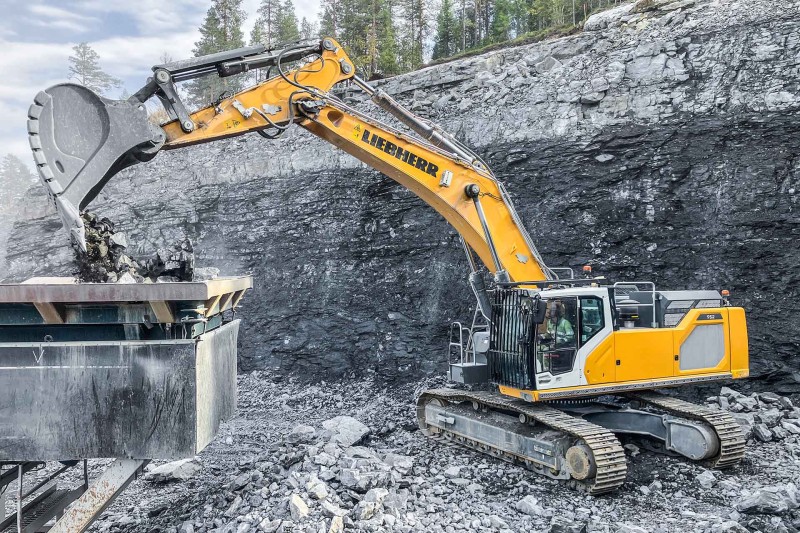
Liebherr has launched three 50‑tonne Generation 8 crawler excavators at Steinexpo – the R 948 G8 for earthmoving, the R 958 G8 for mining with an S‑HD chassis and ME equipment, and the versatile R 952 G8 with three chassis variants and higher engine power. All models feature LPE (Liebherr Power Efficiency) claiming up to 10% lower fuel use, Bucket Fill Assist automation, Modetronic adaptive machine settings, and an automatic central lubrication system. A passive 2D machine control system co‑developed with Leica Geosystems plus on‑board weighing is standard, with upgradeable 3D and semi‑automation options.
Revenue at Belgian building materials group Etex rose 4.9% in H1 2026, with cash flow up 8.8%, driven by stronger demand across several global markets. The supplier of lightweight construction systems, fibre cement boards and plasterboard reported that France and the UK lagged, reflecting weaker residential activity and delayed refurbishment work. For contractors and specifiers, the figures signal continued availability and investment capacity in Etex’s product lines, but with potentially tighter pricing and lead times in underperforming Western European markets.
IperionX has secured a US Army SBIR Phase III contract allowing US defence agencies to place titanium orders up to a collective $99 million, with the first two task orders worth about $19.8 million. Funding will expand integrated titanium powder-to-finished-component production at its Virginia facility, adding continuous HSPT and dehydride furnace capacity and bringing titanium fastener finishing fully in-house. The programme targets industrial-scale manufacture of titanium track pins, bolts and fasteners, with inspection and acceptance planned at Detroit Arsenal and Aberdeen Proving Ground, and may extend to aerospace‑grade components.
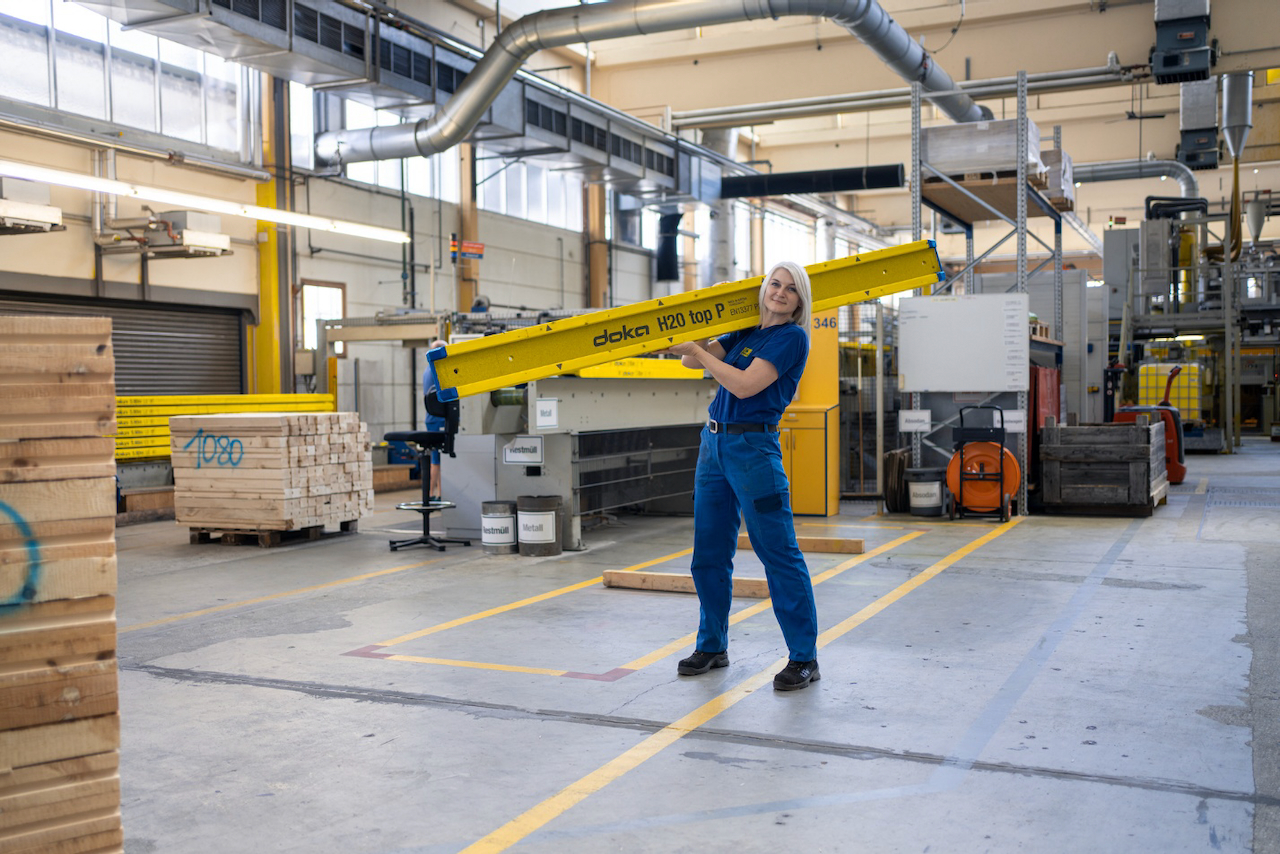
Doka has published product carbon footprints for more than 9,000 formwork and related products, giving contractors project-specific CO₂ data for lifecycle assessments and procurement decisions. The company, led on sustainability by Julia Weber, is targeting net zero by 2040 and has committed to cut Scope 1, 2 and 3 emissions by 42% by 2030, in line with the Science Based Targets initiative and the Paris Agreement 1.5°C pathway. For designers and temporary works engineers, the expanded dataset enables more accurate embodied carbon calculations at product and system level.
Modern highway construction is shifting towards low-carbon materials such as geopolymer concrete, high-recycled-content asphalt and bio-based binders to cut embodied CO₂ and improve performance under higher traffic loads and more intense rainfall. Designers are trialling warm-mix asphalt to reduce laying temperatures by 20–40°C and using secondary aggregates from construction and demolition waste to limit quarrying and landfill. Key challenges include variable material quality, limited long-term durability data, gaps in standards and specifications, and the need to adapt pavement design methods and site quality control.
Clean tech startup Voya Energy has secured US$35 million, led by Energy Impact Partners with backing from John Doerr and others, to commercialise aluminium-based metal fuel generators for large off-grid users such as data centres and industrial plants. The system uses low‑grade scrap aluminium pellets in a proprietary metal‑air cell with custom electrolyte, producing electricity electrochemically with no on-site combustion or air emissions and operating independently of the grid. Current designs target up to 2 MW per 20‑foot containerised generator with a separate 10‑foot fuel module holding about 100 MWh, scaling to roughly 100 MW and 10 GWh per acre.
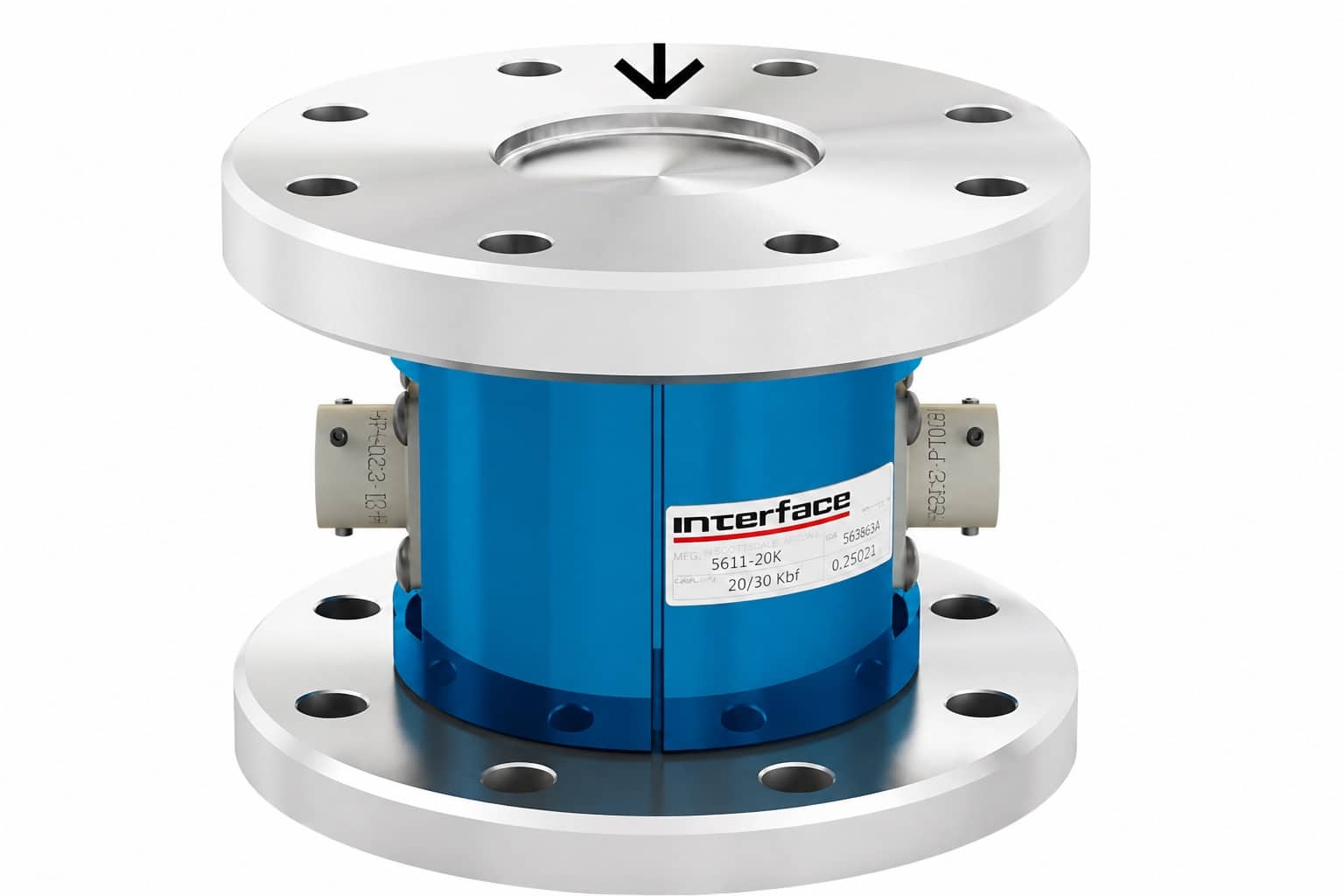
The Interface 5600 2-Axis Axial Torsion Load Cell combines compressive force and torsional moment measurement in a single flange-mount transducer, capturing both at the same point for demanding test and measurement rigs. Its compact, multi-axis design reduces fixture complexity compared with separate axial and torque sensors, freeing space around test specimens and simplifying alignment. For mining equipment OEMs and materials labs, the unit supports more accurate characterisation of drill strings, couplings and rotating components under combined loading.
Drywall manufacturer Siniat has achieved a 5% reduction in carbon intensity across its plasterboard products following a £170m upgrade of its Bristol HQ production line (opened March 2025) and improvements at its Ferrybridge plant, enabling retirement of older, less energy‑efficient equipment. The programme forms part of parent company Etex’s target to cut Scope 1 and 2 emissions by 35% using higher recycled content, lower energy intensity per tonne and a zero‑waste‑to‑landfill approach. Verified Environmental Product Declarations now cover over 86% of Siniat products, giving designers and contractors project‑level carbon data aligned with UK Net Zero Carbon Building Standard reporting.
Niron Magnetics has secured a $150 million loan from the Shakopee Mdewakanton Sioux Community and a conditional $150 million, 20‑year direct loan commitment from the US Department of War’s Office of Strategic Capital to build its first full‑scale iron nitride magnet plant in Sartell, Minnesota. The facility, targeting start-up in 2027, will manufacture rare-earth-free iron nitride permanent magnets, aiming to establish a domestic supply for defence and other critical industries. For materials and mining suppliers, the project signals growing demand for iron-based magnet feedstocks and equipment for end-to-end magnet manufacturing lines.
Hertha Metals has produced 99.95% purity (3N5) magnet-grade iron at its demonstration-scale FLEXHERS (flexible fuel hydrogen electric reduction smelting) plant in Conroe, Texas, using fully domestic iron ore and natural gas. The Houston startup says it is the first US producer to meet top rare earth magnet makers’ iron specifications with entirely domestic inputs, addressing a material that currently is almost wholly imported. With US defence manufacturers facing a 1 January 2027 deadline to cut Chinese-origin magnet content, Hertha plans its next Chalyx facility to supply high-purity iron for NdFeB magnet producers.