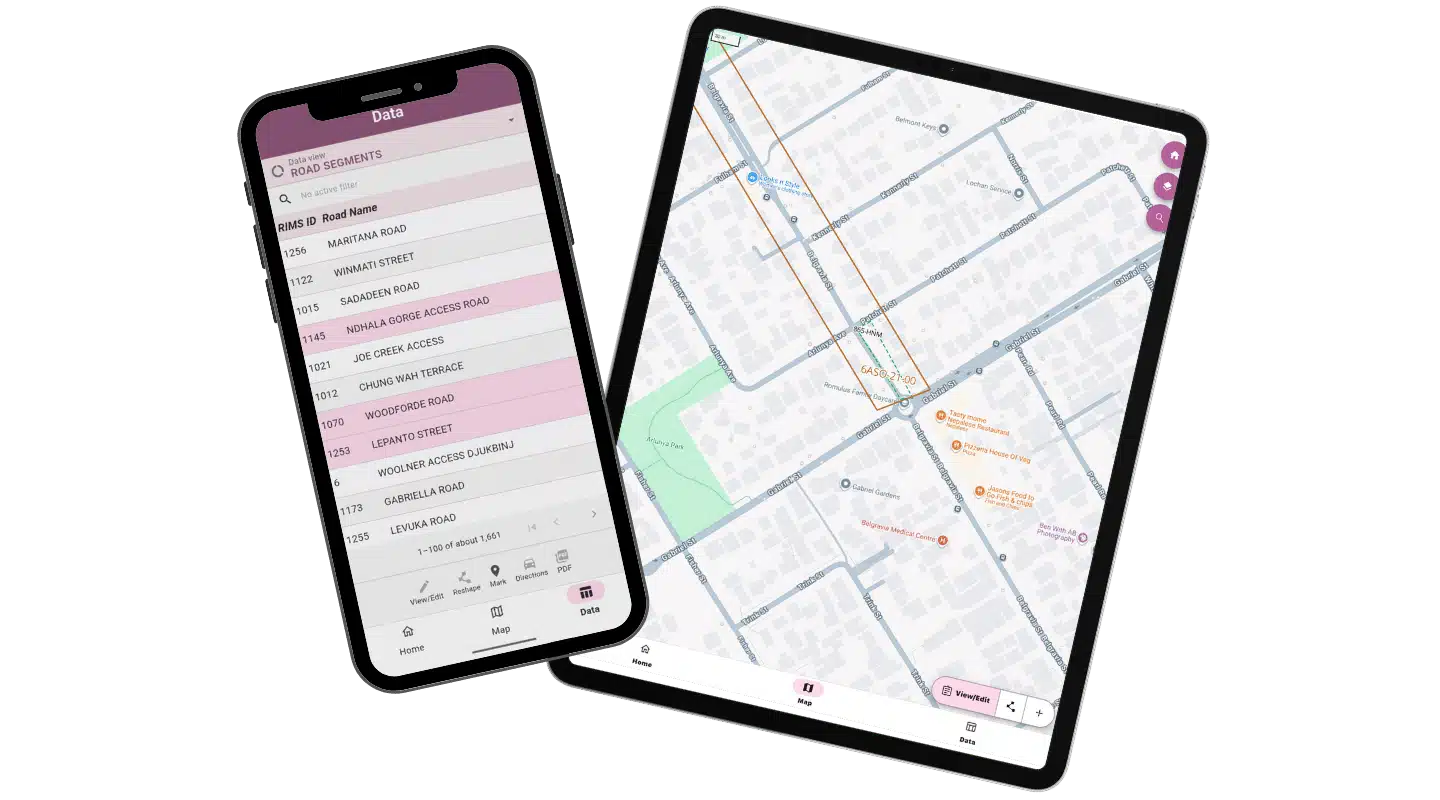
GBM Konect has released Konect 2, a complete rebuild of its 15‑year‑old Australian field data capture and mobile mapping platform used on infrastructure sites and remote corridors with poor connectivity. The new version is designed to synchronise geospatial and asset data from tablets and phones to central systems once coverage is restored, reducing manual re‑entry and gaps between as‑built field records and office GIS/asset databases. For civil and road projects, this targets more reliable inspection, defect logging and construction QA data directly from the workfront.
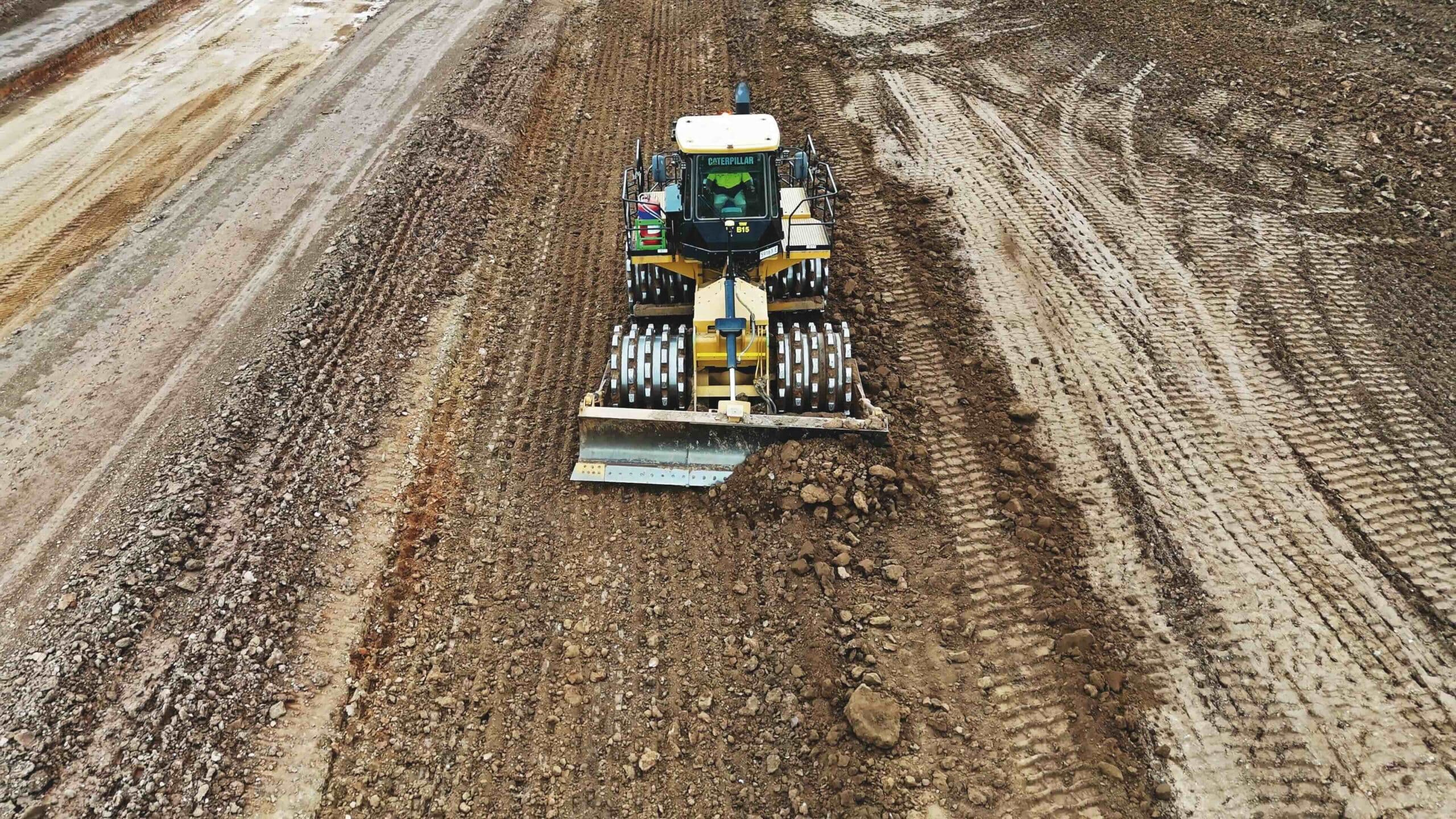
Topcon’s new MC-Mobile machine control platform, distributed by Aptella, targets mixed fleets by running the same GNSS and total station hardware across excavators, skid steers and compact track loaders, with a single control box and interchangeable brackets. The system integrates with Topcon’s MAGNET and Sitelink3D software, allowing survey set-out, as-built capture and machine guidance from one kit, reducing idle time when swapping between 2D and 3D or between brands. For contractors and councils, the key gain is faster deployment on small urban and maintenance jobs where frequent machine changes typically erode productivity.
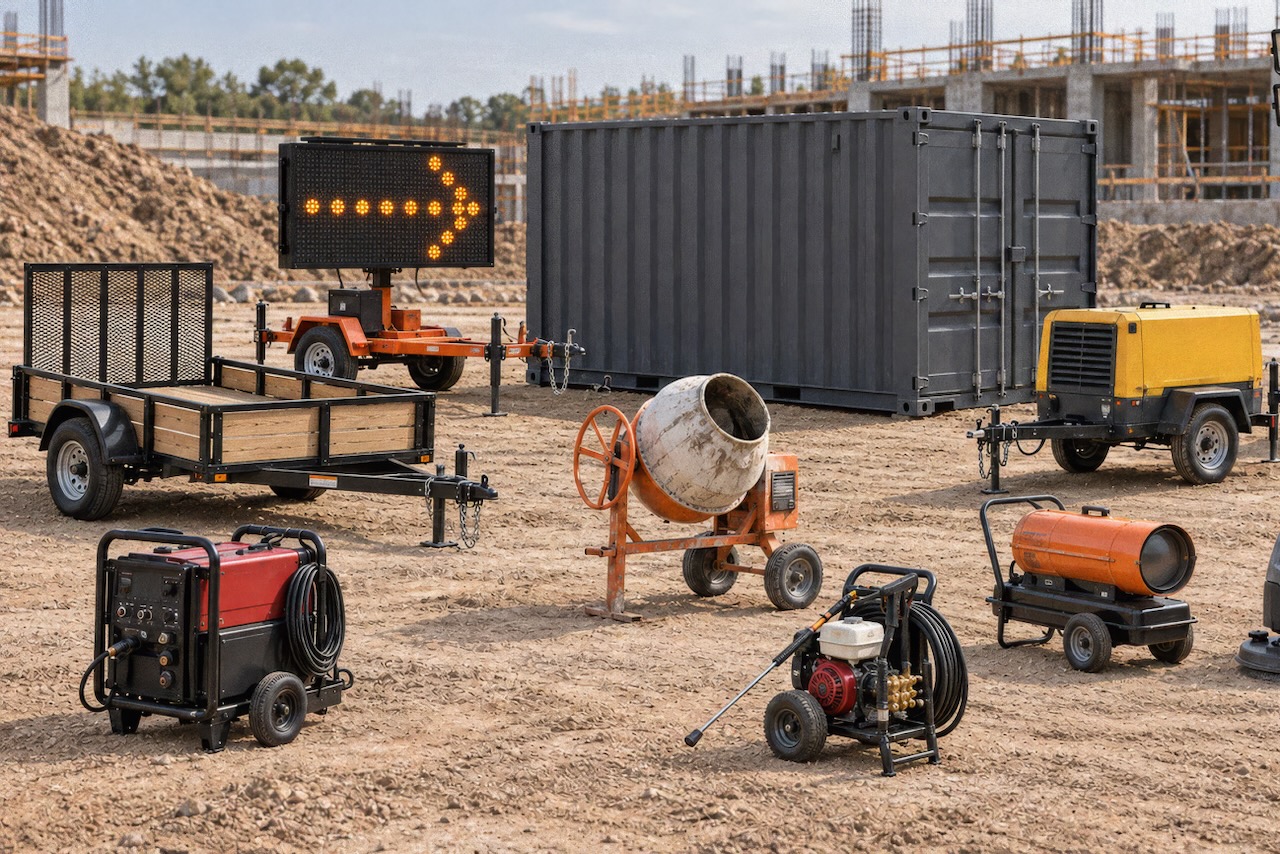
Trackunit has launched the battery-powered Spot S300 tracker to bring frequently moved unpowered assets – such as trailers, containers, portable heaters, welders and message boards – into the connected fleet without any wiring. The LTE Cat 1 bis device, operating on standard 4G networks, reports location typically four times per day, with adjustable frequency via Trackunit’s apps, and activates simply by peeling a sticker for near-instant reporting. Data from Spot S300 feeds directly into Trackunit Manager and the IrisX platform, allowing mixed powered/unpowered fleet dashboards and utilisation reporting.
Construction projects are losing productivity not from lack of BIM, drones or field apps, but from fragmented information spread across client CDEs, ERPs, email, shared folders and specialist platforms. Procore/Dodge data show UK and Irish professionals spend about 18% of project time – over eight working weeks a year – just searching for information, while 74% of US professionals move AI-generated work between applications at least three times a day. The emerging focus is on permission-aware integration so tools like Autodesk, Dropbox Sign and AI search (e.g. ChatGPT connected to Dropbox) can surface authoritative, up-to-date records without forcing all parties onto a single system.
Asset Vision is promoting a “connected operational intelligence” layer for road asset management, integrating condition data, work orders and contractor performance across entire networks for road authorities, service providers and self-delivery teams. The cloud-based platform is pitched to handle ageing pavements and structures under tighter maintenance budgets by centralising inspections, defect logging and response times in near real time. For engineers, the approach aims to link field data capture, network-level dashboards and contract KPIs so maintenance priorities, risk and funding trade-offs can be managed from a single system.
Geoscience Australia has released the Green Iron StoryMap, an interactive tool within the Digital Atlas of Australia that layers iron ore deposits, renewable energy zones, existing rail and port corridors, and water resources to map green iron potential. Users can interrogate spatial data on proximity of high‑grade ore bodies to wind and solar resources, transmission lines and gas pipelines, helping screen locations for hydrogen‑based direct reduction or electrified pelletising. For miners and infrastructure planners, it offers a first‑pass, national‑scale view of where integrated green iron hubs could be technically viable.
The Institution of Civil Engineers has launched a mobile careers app to help civil engineering and infrastructure students plan and track their route to professional qualification. The app provides structured guidance on ICE membership grades, IPD and CPD requirements, and routes to EngTech, IEng and CEng, alongside tools to log experience on site placements and design projects. For employers and mentors, it offers a standardised framework for monitoring graduate development against ICE competence statements.
Proof-of-concept tests have been completed on the UKRI-supported Manufacturer’s Information Hub (MIH), a not-for-profit platform to share structured construction product data across Europe via a standard API. Phase one defined how to connect manufacturer databases, created requirements for a standard data dictionary to validate and present attributes, and set rules to cut complexity and compliance risk around safety and environmental performance. Subject to funding, a small-scale working prototype linking a handful of manufacturers and users is targeted for spring 2027, with full-scale testing through 2027 and initial platform functionality from 2028.
Syntax has launched its Syntax Maintenance Cost Budgeting tool for mining operators, integrating directly with SAP Cloud ERP to give finance and maintenance teams site-, cost-centre- and asset-level visibility of maintenance expenditure. The system replaces spreadsheet-based workflows with automated data consolidation and predictive budgeting, enabling forward-looking control of major cost drivers such as mobile fleets, fixed plant and critical spares. For engineers, this supports more defensible life-of-mine maintenance plans, tighter cost tracking across multiple operations and faster budget revisions when production or asset strategies change.
Workday has been named a leader in the Gartner Magic Quadrant for Cloud HCM Suites for 1000-plus Employee Enterprises for the 11th consecutive year, reinforcing its position in large-scale workforce management. The NASDAQ-listed platform (WDAY) integrates HR, finance and IT functions, using enterprise AI to connect HR data, business processes and analytics in a single cloud environment. For mining operators running multi-site workforces above 1000 staff, this signals continued vendor stability for centralised rostering, skills tracking and compliance management.
Westbourne Civil Engineering has adopted MA EnviroTech’s MukAway platform to manage surplus materials, source fill, book haulage and generate compliance and carbon data across its road, sewer and groundworks schemes in the north of England, including Riverpark Road in Manchester (498 homes), Fox Wood Garden Village in Knowsley (350 homes) and Half Penny Meadows in Clitheroe (426 homes). MukAway now covers more than 1,000 sites and 100 companies in the UK and Ireland, with 1.4m m³ of material listed. The system offers local surplus–demand matching, the UK’s first direct digital haulage link, and ten‑year retention of Duty of Care and Materials Management Plan records, tightening auditability on bulk earthworks movements.
NavVis has launched the NavVis CLX, an agile handheld reality capture device using dual LiDAR architecture to generate clean, low-noise point clouds for high-volume, day-to-day mine and plant documentation. Positioned to complement the backpack-style NavVis VLX and trolley-based NavVis MLX, the CLX is intended for frequent use by non-specialist staff, putting “professional reality capture in every hand”. For mining engineers and survey teams, this points to wider, lower-cost 3D documentation of underground drives, process plants and brownfield modifications without full survey campaigns.
Workday has launched Workday AI Research, a dedicated technical team to develop reliable, auditable AI models for enterprise HR, finance, and IT workflows used by mining and resources companies. The group will publish methods and evaluation frameworks for areas such as bias detection in workforce analytics, explainable decision support for rostering and payroll, and efficiency gains in large-scale ERP data processing. For mine operators, this signals more rigorous, research-backed AI tools embedded in core systems that govern labour planning, contractor management, and compliance reporting.
Datamine has appointed former KPMG and EY consultant Phil Ciezak as chief operating officer and long‑time mining software leader Anthony Cook as chief product officer to drive its integrated geology, planning and fleet management platforms. The move targets tighter linkage between Datamine’s mine planning, scheduling and ore control tools and its real‑time operational systems for drill‑and‑blast, haulage and processing. For engineers, this signals more emphasis on end‑to‑end data workflows, decision support and interoperability across existing Datamine deployments.
Deswik, part of Sandvik Mining, has launched Deswik NOVA, an integrated surface mine planning platform that combines mining, blending and haulage in a single environment. The tool is aimed at data-intensive open pits where planners must rapidly test multiple scenarios, linking block models, stockpile balances and truck haulage routes without exporting between separate packages. For geotechnical and mining engineers, this promises tighter coupling between pit designs, material movement schedules and plant feed quality control, with fewer manual hand-offs and version risks.
Prolec’s SiteGuard Pro virtual barrier system is now integrated into Trimble Earthworks, combining a height and slew limiter with automatic motion‑inhibit to stop excavators when 3D site‑referenced ceilings, walls, floors or surfaces are at risk of being breached. Avoidance zones can be defined in Trimble Business Center and enforced directly from the Earthworks cab display, preventing boom, stick, bucket and counterweight from entering restricted envelopes during normal excavation workflows. The system targets high‑risk environments such as nuclear sites, work near overhead cables and high‑value infrastructure, enabling contractors to meet motion‑inhibit tender requirements in the UK.
Australia’s transport infrastructure sector is being pushed to deliver more road and rail projects, faster, despite chronic shortages of experienced designers, modellers and project managers. Autodesk argues the practical AI opportunity is using tools such as automated clash detection, generative alignment options and machine‑assisted quantity take‑offs to extend the capacity of scarce senior engineers rather than replace them. For geotechnical and civil teams, this points to AI handling repetitive corridor design, drainage iteration and documentation, freeing specialists to focus on constructability, risk and stakeholder constraints.
Rising concern among construction professionals over data privacy and cyber security is slowing adoption of artificial intelligence tools, according to a new Royal Institution of Chartered Surveyors (Rics) report. Respondents cited risks around sharing commercially sensitive project data from BIM models and cost plans with cloud-based AI platforms, and uncertainty over where training data is stored and processed. The findings signal that AI deployment on live projects, including for quantity take-off automation and programme optimisation, may stall without clearer contractual, regulatory and data-governance frameworks.
Deswik has opened a new office in Almaty, Kazakhstan, expanding its in‑country team to support mine planning and scheduling customers across Central Asia. The enlarged local staff, led by Territory Manager Zhanash Sultanova and experienced mining specialists, will deliver on-site implementation, training and troubleshooting for Deswik’s software suite. For regional operators, this should reduce reliance on remote support and shorten turnaround times for complex tasks such as multi-pit scheduling, haulage simulation and detailed drill‑and‑blast design.
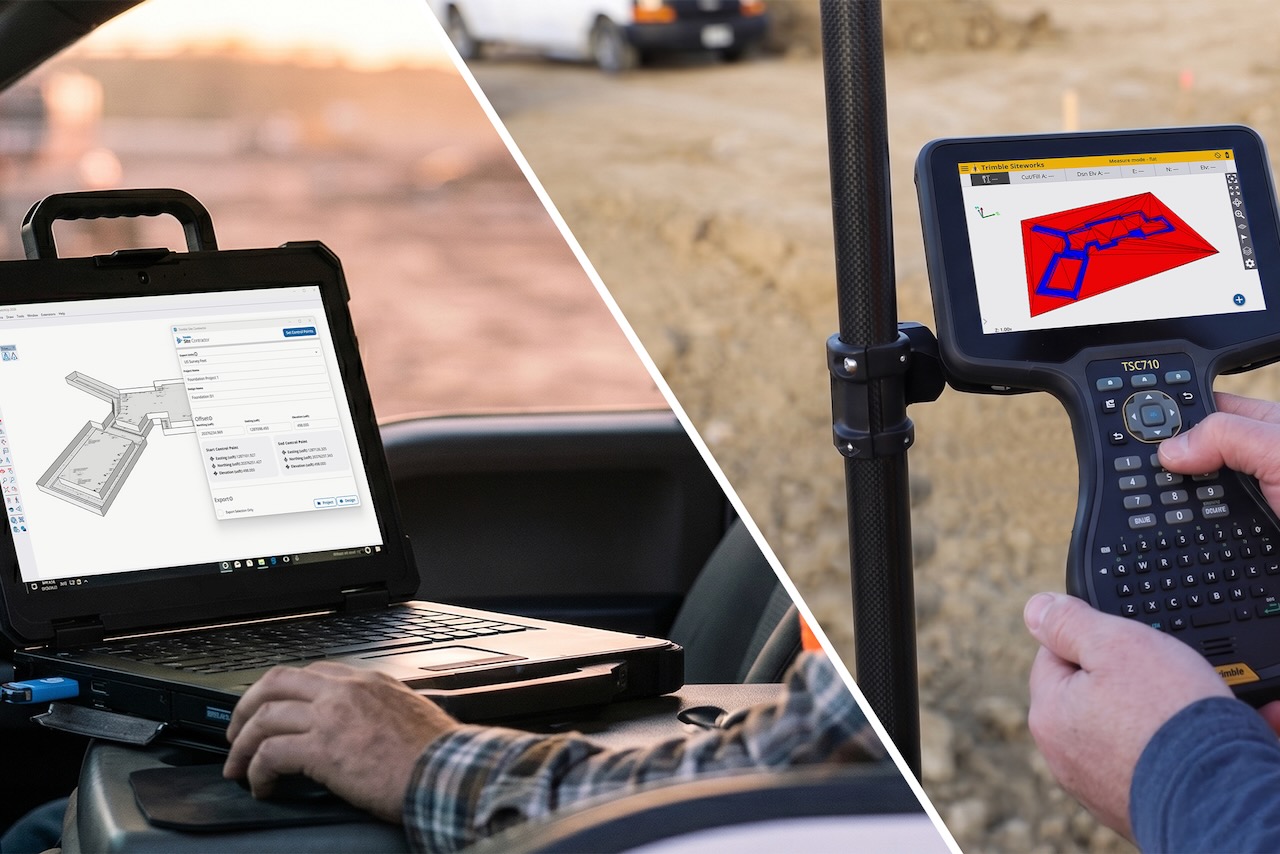
Trimble has released SketchUp Pro Civil Contractor, linking Trimble SketchUp directly with Trimble Siteworks and the Trimble Earthworks grade control platform to create a single 3D earthworks model from design through layout, machine guidance and verification. The tool targets contractors handling grading, excavation and utilities who lack traditional 3D CAD skills, offering a faster way to generate field-ready models for dozers, excavators and survey kits. Streamlined data exchange between design, surveying and earthmoving is intended to cut rework, reduce downtime and improve positional accuracy on site.
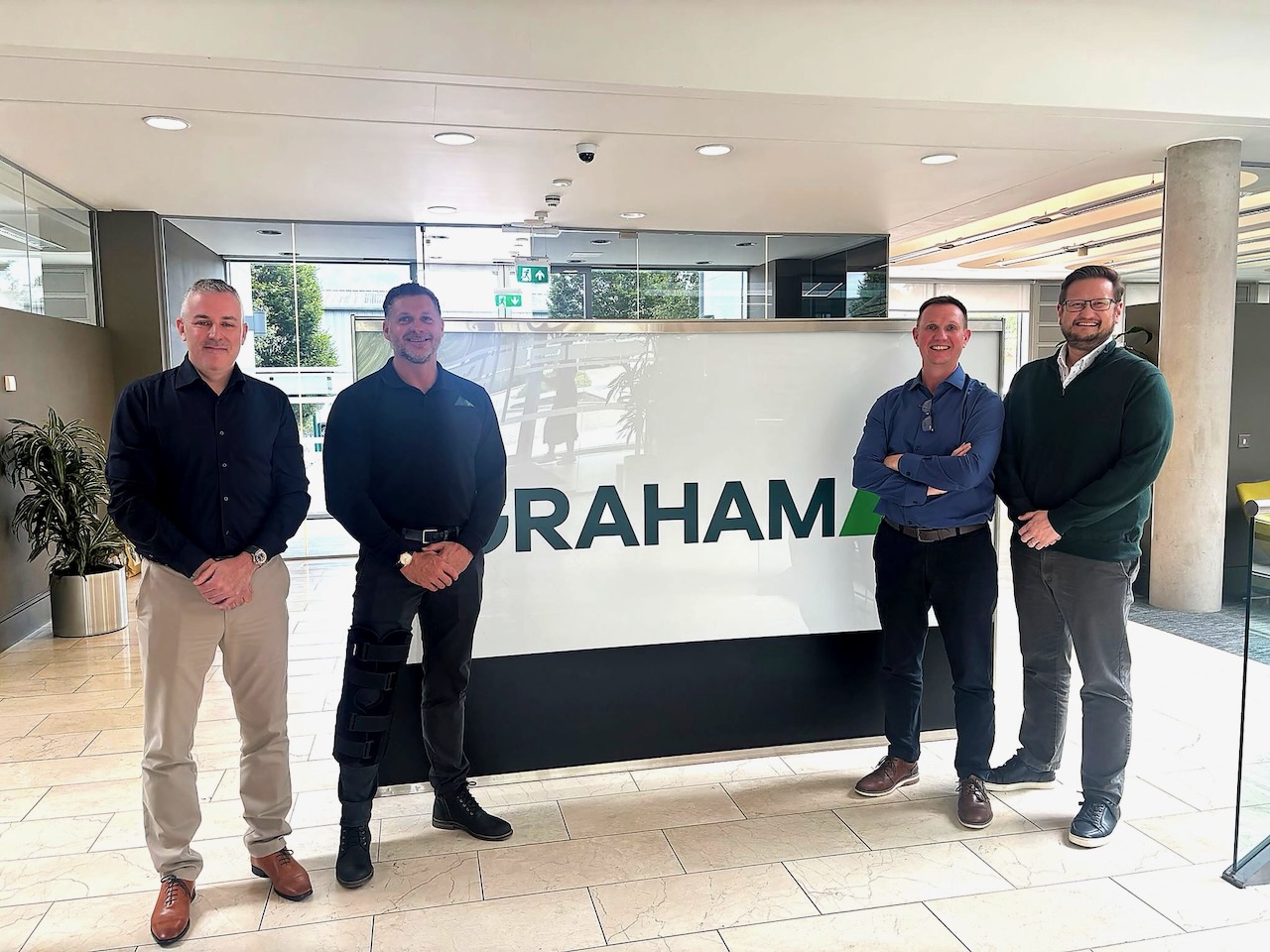
Graham has signed a three‑year deal making MukAway its primary materials management platform across UK and Ireland infrastructure sites, in one of MukAway’s largest contracts to date. The decision centres on handling very high volumes of earthworks on nationally significant infrastructure projects with full digital visibility of material movements and logistics. Graham’s team cites MukAway’s ESG dashboard as a key feature, giving project managers usable, site-level sustainability data in real time to inform haulage choices, disposal routes and reuse strategies.
Emesent is opening its Brisbane headquarters on 20 August for a free National Science Week evening (5:30–9:00pm), offering students, industry and the public hands-on access to its autonomous mapping technology for “the world’s most inaccessible places”. In partnership with Surveyors Australia, the event will showcase Emesent’s drone-based LiDAR and autonomy stack used for GPS-denied underground mines and other confined environments. For mining engineers and surveyors, it is a rare chance to interrogate hardware–software workflows, data outputs and practical deployment constraints directly with the development team.
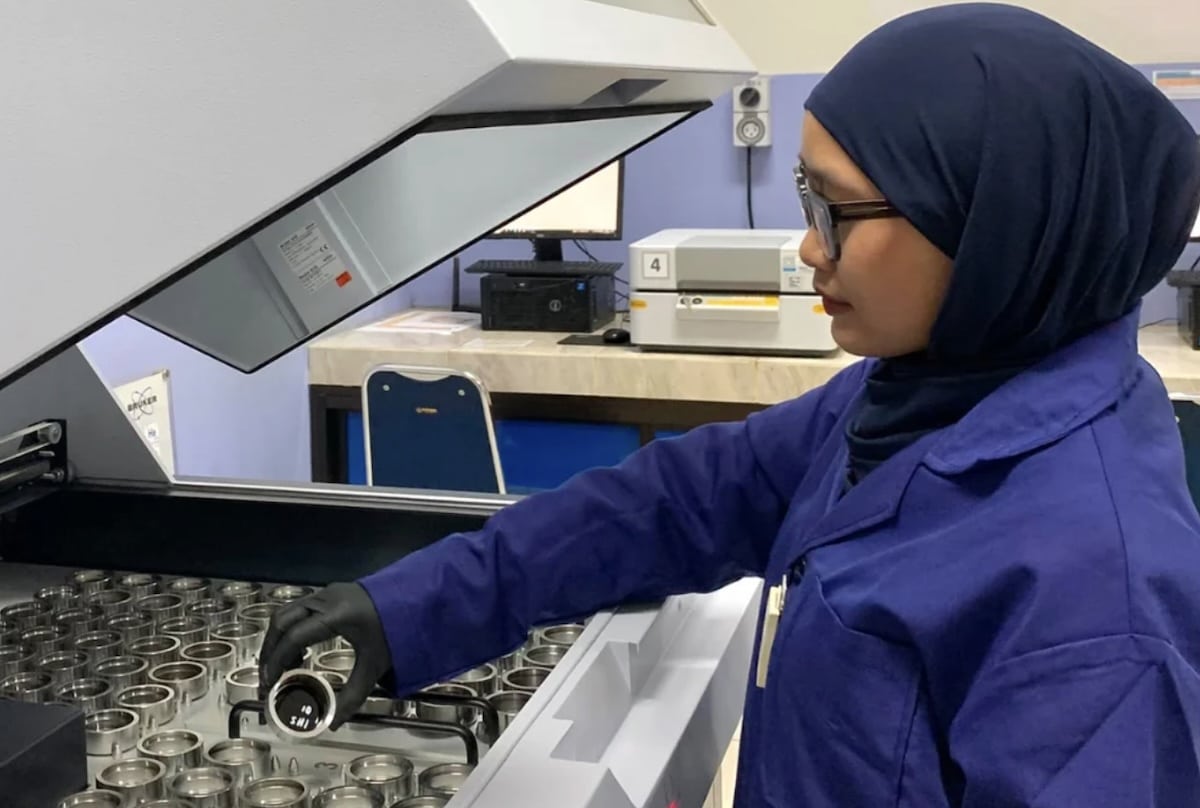
PT Hengjaya Mineralindo has deployed Datamine’s CCLAS laboratory information management system at its Hengjaya open-pit laterite nickel mine in Morowali, Central Sulawesi, to tighten control of saprolite and limonite assay data. The system centralises sample tracking, results validation and reporting across the nickel laboratory workflow, reducing manual data entry and the risk of transcription errors. More reliable, time-stamped laboratory data supports tighter grade control, reconciliation and ore blending decisions for the Nickel Industries Limited subsidiary.
Future Homes Hub has released version 3 of its Whole Life Carbon Assessment tool for new homes, aligned with the RICS Whole Life Carbon Assessment Professional Standard (2nd edition) and incorporating sector-specific defaults, assumptions and methodologies. The 2026 update extends the Conventions to cover site infrastructure, adding standard scopes for site preparation, estate roads, utilities and off-plot works that were previously a “data black hole”. For developers and civil engineers, this enables more comprehensive, comparable embodied carbon reporting across multi-site housing schemes and clearer allocation of infrastructure emissions.
Geomechanics, Streamlined.
© 2026 Geomechanics.io. All rights reserved.