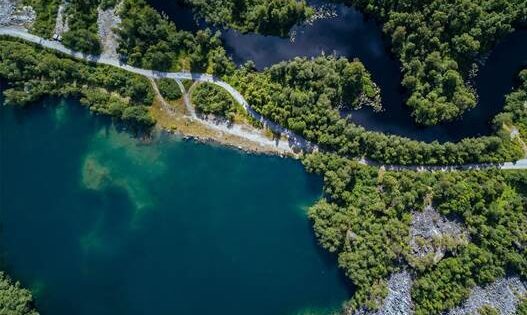
BQE Water has restarted the selenium removal plant at Centerra Gold’s Kemess project in British Columbia, using its patented Selen-IX™ ion exchange process to treat mine-impacted water. The Kemess installation was the first full-scale Selen-IX™ plant, designed to remove dissolved selenium to low µg/L levels without generating large volumes of sludge typical of lime co-precipitation systems. The restart confirms long-term operability of the modular Selen-IX™ circuit, relevant for sites facing tightening selenium discharge limits in mountainous, high-runoff catchments.
Egis has appointed Jamie Gleave as senior environmental impact assessment technical director for the UK, bringing more than 25 years’ experience across energy, transport and water infrastructure, including Wylfa Newydd nuclear power station and National Grid electricity transmission schemes. Gleave previously served as EIA technical director at AECOM, where he led its global EIA technical excellence practice and directed environmental work on the A428 Black Cat to Caxton Gibbet and M42 Junction 6 DCO schemes, acting as expert witness. He will work with UK–Ireland head of environment Afshan Rasheed to build Egis’s EIA, DCO and technical assurance capability.
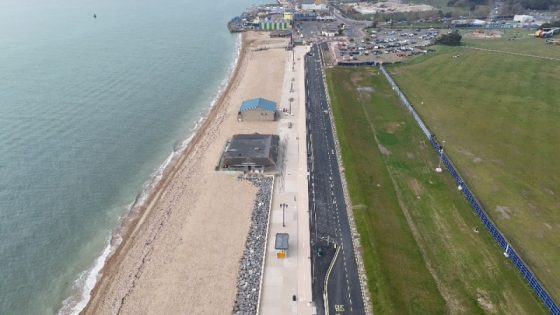
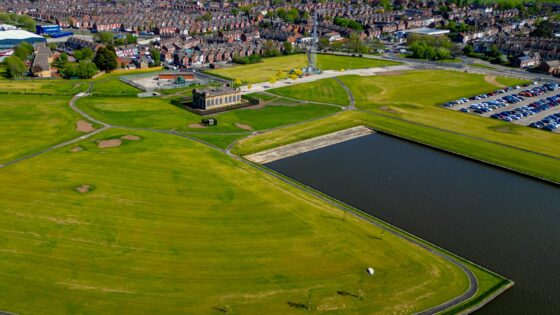
United Utilities has been fined £900,000 after admitting five environmental permit breaches linked to a major raw sewage discharge on the Fylde coast in June 2023, following failures in its wastewater treatment and overflow control systems. The incident involved untreated effluent bypassing normal screening and settlement processes during storm conditions, leading to prolonged discharge through combined sewer overflows into coastal waters used for bathing. For civil and environmental engineers, the case reinforces regulatory scrutiny on stormwater storage capacity, real-time CSO monitoring, and resilience of ageing sewer networks under intense rainfall events.
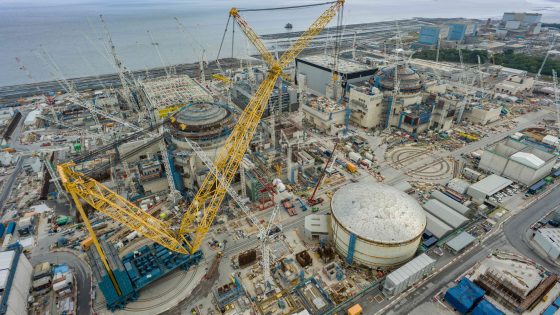
EDF’s Hinkley Point C nuclear project has applied for permission to appeal a tribunal decision that would bring the 3.2GW plant under Environmental Information Regulations, forcing greater disclosure of environmental data. The ruling, won by campaigners, could require release of detailed monitoring on coastal impacts, cooling water abstraction and construction emissions from major works such as the 900m seawater intake tunnels. Designers, contractors and consultants on similar large infrastructure schemes may face tighter scrutiny over environmental modelling assumptions, baseline data and ongoing performance reporting.
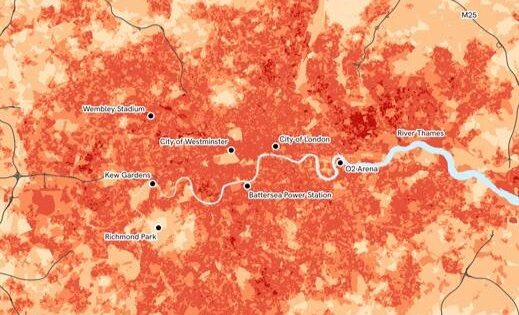
Eighty-three per cent of Britain’s cities – 59 urban areas – are classed as highly vulnerable to urban heat in new spatial analysis by Ordnance Survey, the Met Office and 4 Earth Intelligence. The dataset combines OS building footprints, surface cover and green space with Met Office temperature projections to map local heat exposure at street-block scale. For civil and geotechnical engineers, this points to urgent retrofit of shading, permeable and high-albedo surfaces, and revised pavement and rail design to cope with more frequent extreme surface temperatures.
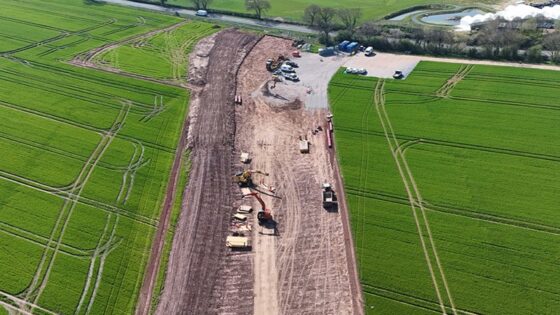
Galliford Try’s environment business has secured a £110M contract from Severn Trent Water to deliver the River Mease improvement project, targeting water quality upgrades on the protected River Mease catchment in the Midlands. Works are expected to centre on wastewater treatment enhancements, sewer network upgrades and nature-based solutions to cut nutrient loading into this Special Area of Conservation. The scale of the programme signals significant opportunities for geotechnical input on riverbank stabilisation, outfall structures and construction in sensitive, high-groundwater environments.
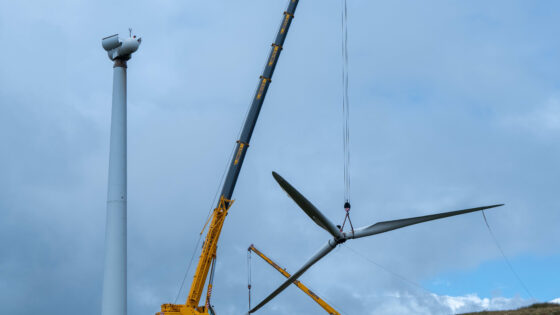
Decommissioning of Scotland’s first commercial wind farm, operated by ScottishPower, is being used as a UK-first testbed to align turbine end-of-life with material reuse and circular economy principles. Analysis of the dismantling process tracks recovery pathways for steel towers, concrete foundations and composite blades, examining options such as onshore recycling, repowering and secondary construction uses. Outcomes will inform future decommissioning strategies for UK wind assets, with direct implications for design-for-disassembly, waste permitting and contractual requirements on recyclability.
InCapture and Yara Pilbara Fertilisers have signed a non-binding MoU to evaluate large-scale offshore carbon storage infrastructure for industrial emitters in Western Australia’s Pilbara region. The partners will study technical options for multi-user CO₂ transport and injection, along with regulatory approvals for offshore storage permits and long-term liability. Outcomes could shape future capture hubs for gas, fertiliser and mining operations in the Pilbara, influencing pipeline routing, injection well design and integration with existing process plants.
Stantec has acquired Sydney-headquartered environmental consultancy Niche and its wholly owned subsidiary Ausecology, expanding its environmental and approvals capability across Australia. Niche brings specialist services in ecology, biodiversity assessment and environmental impact studies for transport, energy and resources projects, complementing Stantec’s existing design and engineering portfolio. The deal signals stronger in-house capacity for early-stage constraints mapping, permitting support and ecological monitoring on major linear infrastructure and mining-related developments in sensitive habitats.
Petrobras has confirmed an oil discovery at the Morpho exploration well in ultra-deep water block FZA-M-59, about 175 km off Amapá in Brazil’s Foz do Amazonas basin, after drilling that began in October 2025 at roughly $1 million per day. The company has already spent $300 million on the well, about half on environmental protection measures, and plans a wider Equatorial Margin campaign with three further wells in this block and six elsewhere, pending IBAMA licences. Environmental and Indigenous groups have launched legal challenges over spill risk, climate impacts and lack of community consultation, creating significant permitting and ESG uncertainty for future offshore development.
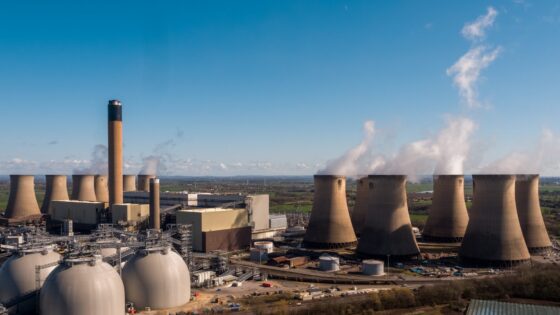
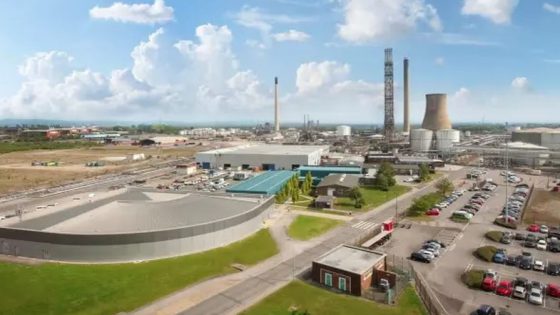
The Environment Agency has approved a variation to Drax Power Limited’s environmental permit, allowing post-combustion carbon capture to be added to its biomass-fired generating units at the Selby bioenergy plant in North Yorkshire. The decision enables integration of large-scale carbon capture and storage (CCS) infrastructure with existing flue gas treatment systems, including new absorber columns, solvent regeneration equipment and CO₂ compression and export facilities. Civil and geotechnical works will need to accommodate additional foundations, pipe racks and tie-ins within a live, high-load power station site.
Grey coastal protection is challenged as a default choice, with the Sir John Armitt Prize going to a coastal defence scheme that departs from traditional concrete and rock armour. The award citation is used to argue that hard, grey infrastructure is often a habit rather than an engineering necessity, opening the door for nature-based solutions such as dunes, saltmarsh and managed realignment. For coastal engineers, this signals growing professional backing for hybrid and soft defences where hydraulic loading, sediment transport and long-term adaptability allow.
New Environment Agency classifications under the Water Environment (Water Framework Directive) Regulations show only 14.3% of England’s surface water bodies achieve “Good ecological status” against retained EU standards. The results cover rivers, lakes, estuaries and coastal waters, and are based on biological, chemical and hydromorphological quality elements defined in the Directive. For civil and water engineers, the figures signal continued regulatory pressure on combined sewer overflows, wastewater treatment works and diffuse pollution controls in drainage and catchment management schemes.
Era4 is proposing a landfill gas-powered data centre in Canterbury, using on-site electricity generation from captured methane to run high-density AI compute loads rather than exporting power to the grid. The developer aims to integrate gas engines with modular data hall construction to match generation profiles, arguing this could provide lower-carbon, baseload power compared with diesel backup and grid-only supply. For civil and geotechnical teams, the concept raises design questions around foundation vibration from reciprocating engines, gas collection infrastructure, and long-term settlement on or adjacent to landfill.
Explosive growth in artificial intelligence is sharply increasing water demand at data centres, where server cooling for every AI prompt can consume vast volumes of water through evaporative and chiller-based systems. New analysis cited by ISOIL Industria points to “hidden” withdrawals at hyperscale facilities, particularly in water‑stressed regions, where cooling towers and adiabatic systems can rival local industrial use. For miners hosting or supplying power to such centres, the findings signal a need for integrated water‑balance modelling, metering and reuse strategies to protect allocations for processing plants and communities.
Plans for the Northfleet Harbourside regeneration in Gravesend, Kent – including 3,500 homes on a 20ha Thames waterfront site – have been refused over concerns residents could face “chronic exposure to toxic lead”. The brownfield site, formerly used for heavy industry, was judged to pose an unacceptable long-term health risk despite proposed remediation measures. The decision signals tougher scrutiny of contamination risk assessments and remediation strategies on large riverside regeneration schemes with legacy industrial pollution.
Dice Environmental has expanded its ecology services under new associate ecologist Rob Halcrow to support clients with Biodiversity Net Gain (BNG) planning requirements. The offer now covers Preliminary Ecological Appraisals, UKHab habitat surveys, BNG assessments with statutory metric calculations, protected species and bat surveys, Ecological Impact Assessments, and Ecological Clerk of Works (ECoW) support. Early-stage ecological input is positioned to help developers, architects and planning consultants identify constraints sooner, commission proportionate surveys and reduce programme and planning consent risk on infrastructure schemes.
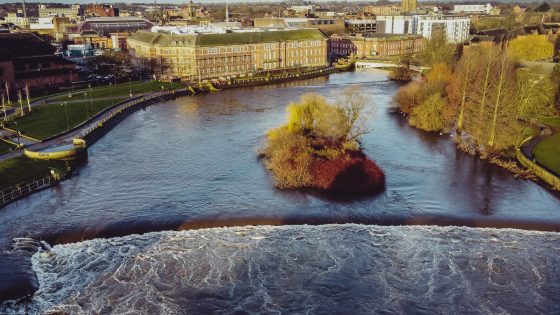
Keltbray has completed environmental remediation of the 9ha Waterfront East Park brownfield site on Chappell Drive in Doncaster, preparing it for future mixed-use development. Works are understood to have focused on treatment and removal of contaminated made ground typical of former industrial riverfront land, along with re-engineering of soils to achieve development-ready bearing capacities and platform levels. The scheme provides a cleaned and remediated development platform in a constrained urban setting, reducing geotechnical and contamination risk for follow-on infrastructure and building foundations.
The first UK carbon storage scheme to reuse existing infrastructure has secured a lease with The Crown Estate, clearing a key regulatory hurdle for offshore CO₂ injection and long-term subsurface storage. Repurposing existing offshore pipelines, platforms and wells is expected to cut upfront capex versus newbuild assets and shorten the timeline to first injection. For civil and geotechnical teams, the focus will be on verifying legacy asset integrity, adapting well and pipeline materials for CO₂ service, and reassessing seabed and reservoir behaviour under cyclic injection pressures.
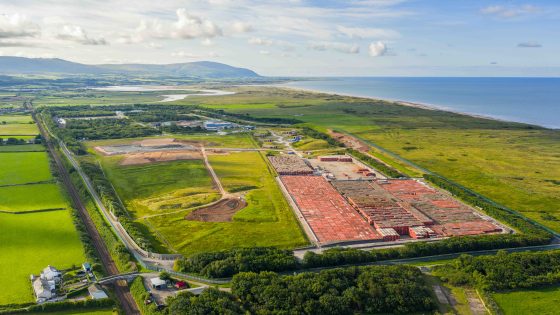
Nuclear Waste Services is procuring specialist technical support under a £17.8M Environmental Safety Case: General Tech inc Geological & Hydrogeological framework for the Low Level Waste Repository (LLWR) in Cumbria. The framework will cover geological, hydrogeological and wider environmental safety case inputs needed to justify continued operation and long‑term post‑closure performance of engineered vaults and near‑surface disposal structures. Consultants will be expected to provide site characterisation, groundwater and contaminant transport modelling, and support for regulatory submissions under the UK nuclear and environmental permitting regime.
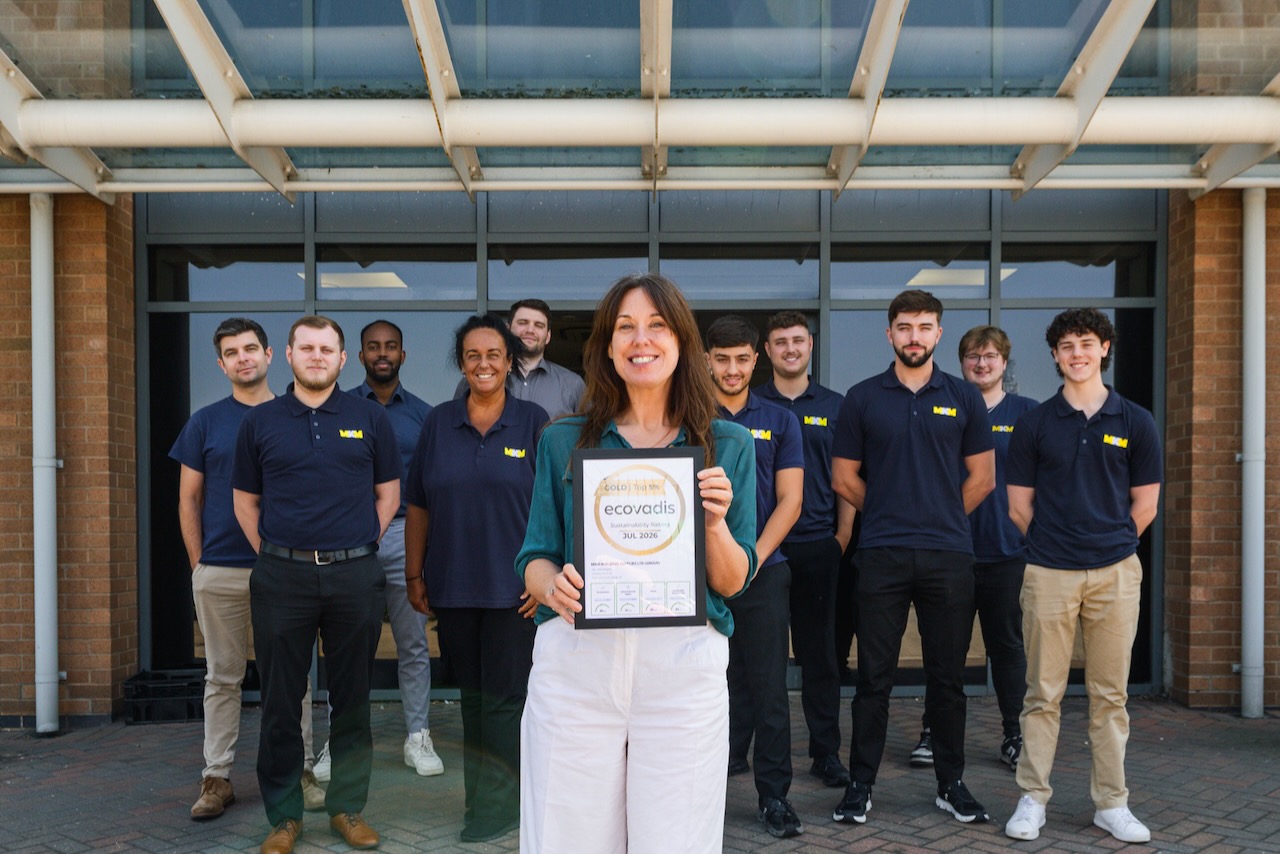
EcoVadis has awarded MKM Building Supplies a Gold medal, placing the independent merchant in the top 5% of 150,000 companies assessed worldwide for environmental, ethical, labour and human rights, and sustainable procurement performance. Key measures include opening its first two BREEAM Excellent certified branches in Cheltenham and Wolverhampton, rolling out electric forklift trucks across the network, and tightening supplier requirements via a strengthened Code of Conduct. For specifiers and contractors, MKM is also widening access to renewable heating technologies, energy‑efficient products and lower‑carbon construction solutions aligned with evolving UK building regulations.
WSP has been appointed to all three lots of the Environment Agency’s National Groundwater Modelling Framework, covering strategic modelling, regional and catchment-scale studies, and site-specific assessments. The framework will support regulation of abstraction, flood risk and drought management by standardising numerical groundwater models used to assess aquifer behaviour, contaminant migration and interactions with rivers and infrastructure. Consultants working on EA-regulated projects should expect closer alignment to EA-approved modelling tools, datasets and calibration approaches over the framework term.
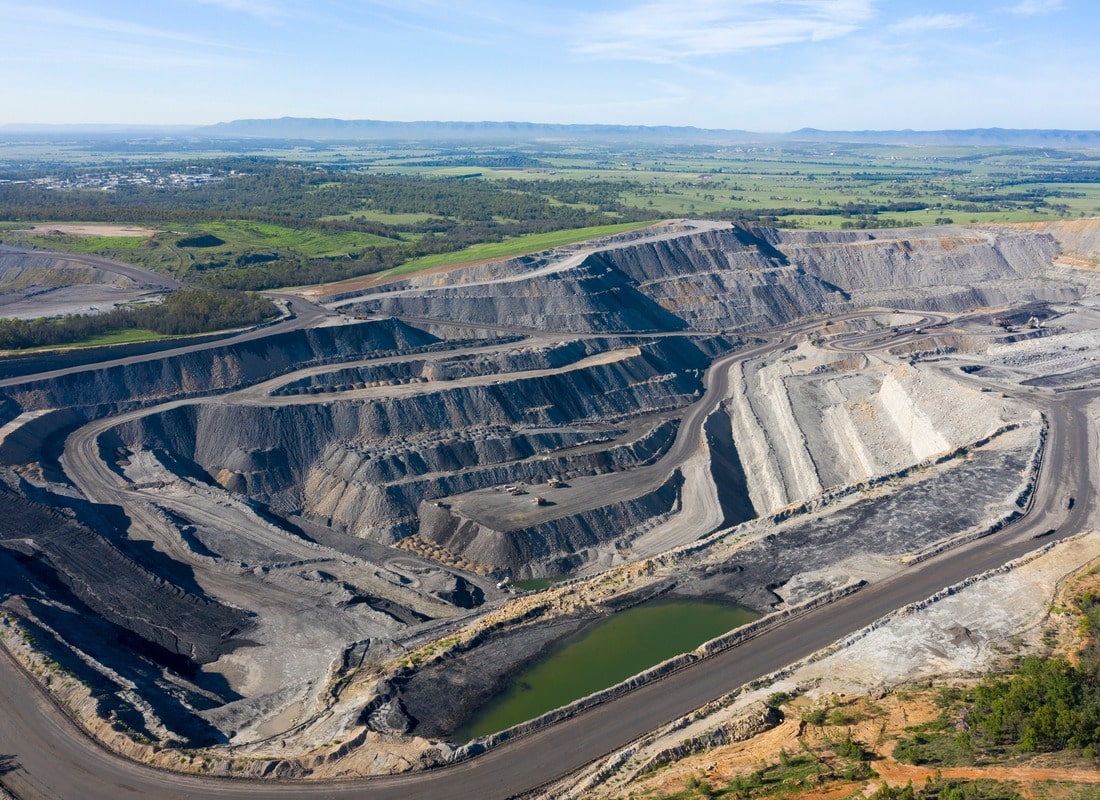
New South Wales coal mining has cut direct emissions by 30 per cent since 2005 and net emissions by 35 per cent once the federal Safeguard Mechanism is included, making it the fastest‑reducing sector in the state. The industry is now on track to meet legislated 2030 emissions targets, driven by mine‑site efficiency gains, progressive rehabilitation and changes in operational energy use. For mine planners and environmental engineers, the data signal mounting pressure on lagging sectors and a likely tightening of baseline and offset settings beyond 2030.
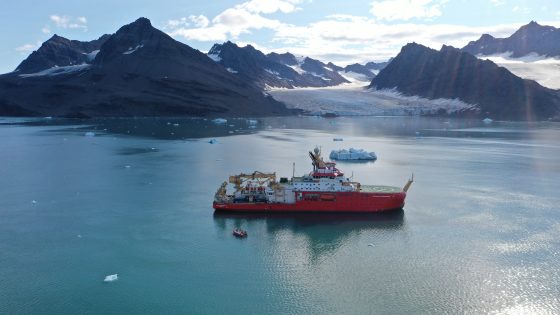
A fleet of autonomous marine robots, including the long‑range Autosub “Boaty McBoatface”, will be launched from the polar research vessel RRS Sir David Attenborough to survey rapidly melting Greenland outlet glaciers and adjacent fjords. The mission will map sub‑ice shelf geometry, measure water column temperature and salinity, and track glacier–ocean interactions that influence Atlantic Meridional Overturning Circulation. Data on seabed morphology, grounding line position and meltwater plumes will feed into improved sea level rise projections and coastal infrastructure design criteria.
Geomechanics, Streamlined.
© 2026 Geomechanics.io. All rights reserved.