Geomechanics, Simplified.
© 2026 Geomechanics.io. All rights reserved.

Senior leadership changes in UK infrastructure this month include new appointments at Kier, Costain and the Sizewell C nuclear project, signalling continued boardroom churn despite a seasonal slowdown. Moves at Kier and Costain affect major highways and rail frameworks, where both contractors hold multi‑year NEC contracts with National Highways and Network Rail worth hundreds of millions of pounds. Governance and delivery capability at Sizewell C are also in focus as the project advances enabling works for the twin EPR units and associated marine and civils packages.
HS2 Ltd reports steady 2025 build progress, with major earthworks, tunnelling and viaduct construction advancing on Britain’s largest live infrastructure scheme despite a leadership-led operational reset of the programme. Updated delivery plans are being phased in while maintaining work on key civil assets such as long-section bored tunnels and multi-span high-speed rail viaducts, rather than pausing site activity. For contractors and designers, the message is continuity of core geotechnical and structural work under revised governance and sequencing, not a wholesale slowdown.
Network Rail is delivering £160M of works over Christmas and New Year across England, Wales and Scotland, combining large-scale renewals of ageing track, structures and overhead line equipment with installation of modern digital signalling. Possessions will concentrate on key main line bottlenecks and junctions, with multi-day blockades used to replace life-expired assets and reconfigure layouts for higher line speeds and more reliable timetabling. Contractors will need to manage intensive access windows, complex isolations and winter working risks while handing back routes for the post-holiday peak.
NCE’s Top 10 most read in-depth pieces of 2025 span major UK infrastructure themes, from long-span bridge renewals and high-capacity rail corridors to complex urban tunnelling and flood defence upgrades. Interviews with project directors and design leads examine issues such as whole-life carbon in reinforced concrete, geotechnical risk allocation on large D&B contracts, and digital twins for asset monitoring. For practitioners, the list signals where peers are focusing attention: programme delivery under tight funding, resilience to extreme rainfall, and constructability on constrained brownfield sites.
Early-career civil engineers recognised as Graduates and Apprentices of the Year are calling for project delivery models that combine productivity gains with whole-life carbon reduction and climate resilience. They point to digital design tools and offsite manufacture to cut programme times while enabling low-carbon materials, and stress the need for earlier integration of environmental assessment into concept design. Their comments signal growing pressure on contractors and consultants to embed decarbonisation targets alongside traditional KPIs such as cost, time and asset performance.
The 20th International Conference of the Australian Flexible Pavement Association in Adelaide brought together more than 400 delegates, 50 speakers and 40 exhibitors to tackle emerging technical and delivery challenges in flexible pavements. Sessions focused on future-ready road design, including performance-based asphalt specifications, recycled materials in dense-graded and stone mastic mixes, and data-driven asset management for high-volume freight corridors. For practitioners, the event signalled accelerating adoption of advanced binders, additives and mechanistic-empirical design tools in Australian pavement practice.
Specialised Roading Equipment’s first fixed wing sprayer built specifically for Australia has arrived, offering a purpose-designed alternative to retrofitted units for bitumen and emulsion spraying on highways and regional roads. Developed from SRE’s New Zealand fleet experience, the aircraft integrates calibrated spray bars, automated rate control and GPS-based application management to improve coverage accuracy and reduce overspray. For road agencies and contractors, the move opens options for large-scale seal programmes in remote areas where ground sprayers struggle with access, crew exposure and tight weather windows.
RoadAid is expanding from Victorian road maintenance into large-scale critical infrastructure and interstate projects, leveraging a combined maintenance and labour hire model for civil crews. The company focuses on proactive road asset upkeep, supplying traffic management, asphalt and spray seal teams, and flexible night-shift labour to Tier 1 and Tier 2 contractors on major corridors. Its emphasis on stable, trained site teams and on-site culture is aimed at reducing rework, improving programme certainty and supporting long-duration pavement and rehabilitation contracts.
Outline proposals for the Northern Powerhouse Rail (NPR) network are now expected from the UK government in early 2026, resetting the timetable for defining new high-speed and upgraded rail corridors across key northern city pairs such as Liverpool–Manchester–Leeds. The plan is likely to clarify preferred route alignments, junction interfaces with existing main lines, and station options, which will drive subsequent GRIP/Project SPEED design stages and geotechnical investigation programmes. Contractors and consultants will be watching for commitments on phased delivery, electrification standards and target line speeds to shape bidding and resource planning.
Heathrow Airport will launch £1.3bn of terminal upgrades and a new baggage system in 2026, targeting more reliable operations and better accessibility across its busiest passenger hubs. Works are expected to include major reconfiguration of existing terminal layouts and replacement of legacy baggage handling equipment with higher-capacity, fully screened systems integrated into current structures. Civil and structural teams will need to manage complex phasing in a live airport environment, with tight possession windows, stringent security constraints and limited landside–airside access for heavy plant and materials.
The Construction Edition Official Sticker Album, featuring collectable images of construction machinery, is expanding distribution from more than 3,000 UK and Ireland supermarkets into plant and tool hire shops and dealer outlets. Publisher Paul Buist aims to use point-of-sale exposure at firms such as Shire Plant Hire to encourage customers to buy albums and sticker packs for children and young relatives, promoting early interest in plant and equipment. Interested hire shops and equipment dealers are invited to become stockists via The Construction Index contact channel.
Procurement delays on major schemes cut McLaughlin & Harvey Holdings’ turnover by 30% to £612.1m for the year to 30 June 2025, from £870.4m, as multiple large civil engineering and construction projects slipped into mid-to-late 2025/26. Despite the volume hit, operating profit rose to £12.8m and pre-tax profit to £18.2m, with both the Northern Ireland and Scottish construction arms contributing positively. The group reports net assets of £67m, cash of £148m and says most 2025/26 budgeted turnover is already secured in the order book.
Profits at GMI Construction Group rose sharply for the year to 30 September 2025, with profit before tax more than doubling to £2.31m on virtually flat turnover of £233.0m and gross margin improving from 3.3% to 4.8%. Cash at bank increased to £22.5m as the contractor delivered over 880,000 sq ft of industrial and logistics space and a 267,000 sq ft office scheme at Circle Square in Manchester, plus the Dakota Hotel in Newcastle and Hyatt Hotel in Leeds. Framework-delivered public sector projects now contribute 13% of turnover, up from 4%, giving a more visible forward pipeline for complex commercial, hotel and PBSA work.
Premier Forest Products has acquired Arnold Laver’s Manchester and Reading branches from the administrators of National Timber Group England, immediately safeguarding 36 jobs and planning to expand headcount at the two sites to more than 100. Both locations will now trade under the Premier Forest brand, with operations to be rebuilt and re-staffed to maintain continuity of structural timber and panel product supply into key regional construction markets. The deal follows National Timber Group’s collapse into administration in November after sustained financial pressure across UK timber and construction supply chains.
Northumberland County Council has submitted a funding bid to extend the reopened Northumberland Line after it carried nearly 1M passengers in its first year of operation, far above initial demand forecasts. The council is seeking backing to push services beyond the current corridor between Ashington and Newcastle, building on the recently delivered double-track sections, new stations and upgraded signalling. For civil and rail engineers, the move signals potential further works on earthworks, structures and level crossings along the former freight alignment if the extension is approved.
Government backing has been reaffirmed for the £2.5bn West Yorkshire Mass Transit network, but the delivery programme has been stretched so first services are now not expected until the late 2030s. The revised timetable is intended to reduce delivery and cost risk on the multi-line, multi-centre system linking Leeds, Bradford and surrounding towns, rather than compressing design, utilities and land acquisition phases. For civil and geotechnical teams, this signals a longer pipeline for corridor safeguarding, ground investigation and major structures planning, but slower conversion of outline concepts into detailed design work.
Associated British Ports has issued a planned procurement notice for an Early Contractor Involvement and Works Contractor package worth up to £500M for its Solent Gateway 2 expansion near the Port of Southampton. The contract will cover major marine and landside works to extend port capacity, with bidders expected to support design development, constructability reviews and phasing to maintain operations during construction. Geotechnical and marine civil specialists should anticipate complex quay wall, dredging and ground improvement requirements on a heavily constrained, tide‑influenced site.
Infrastructure’s exposure to corruption is linked to trillions of dollars in annual public spending, opaque political decision-making, and fragmented delivery chains spanning clients, contractors and consultants. The piece argues that structured project data – from procurement records and change orders to asset performance logs – can be mined to flag red‑flag patterns such as repeated single‑bid tenders, abnormal cost escalations and clustered contract awards. For engineers and asset owners, this implies designing data standards and digital workflows that make audit trails, benchmarking and anomaly detection routine parts of project delivery.
Arcadis has secured two National Highways contracts to provide programme and project management for asset management, roadside technology and major scheme delivery across multiple English regions. The work covers strategic road network assets and ITS/communications systems, supporting planning and delivery of upgrades on high‑traffic corridors where lane availability, pavement condition and real‑time traffic management are critical. For contractors and designers, this signals continued emphasis on integrated asset data, technology‑heavy schemes and coordinated delivery frameworks on England’s motorways and trunk roads.
Planning permissions for new homes in England fell to 42,000 units in Q3 2025, down 31% year-on-year and the lowest quarterly total in over 15 years, with only 1,311 projects approved between June and September, the 11th consecutive quarterly decline. Over the 12 months to September 2025, approvals dropped to 209,781 homes across 7,500 projects, 38% below the early‑2022 peak and just 36% of 2018 site numbers. London is hardest hit, with units approved down 49% on Q2 and 72% on Q3 2024, totalling fewer than 34,000 units and 910 projects.
Heatwave Construction Ltd of Uxbridge and director Gurcharan Singh Chahal have been ordered to pay more than £4,000 after repeatedly displaying the NICEIC logo on a company van despite losing registration on 4 January 2024. Hillingdon Council’s trading standards team issued warning letters on 30 August and 10 October 2024 and found the unauthorised branding still in use during a site visit on 7 November 2024, with Chahal twice failing to attend interviews under caution. The case signals tighter scrutiny of false electrical accreditation claims, with the judge warning of potential “deadly consequences” for clients relying on invalid certification.
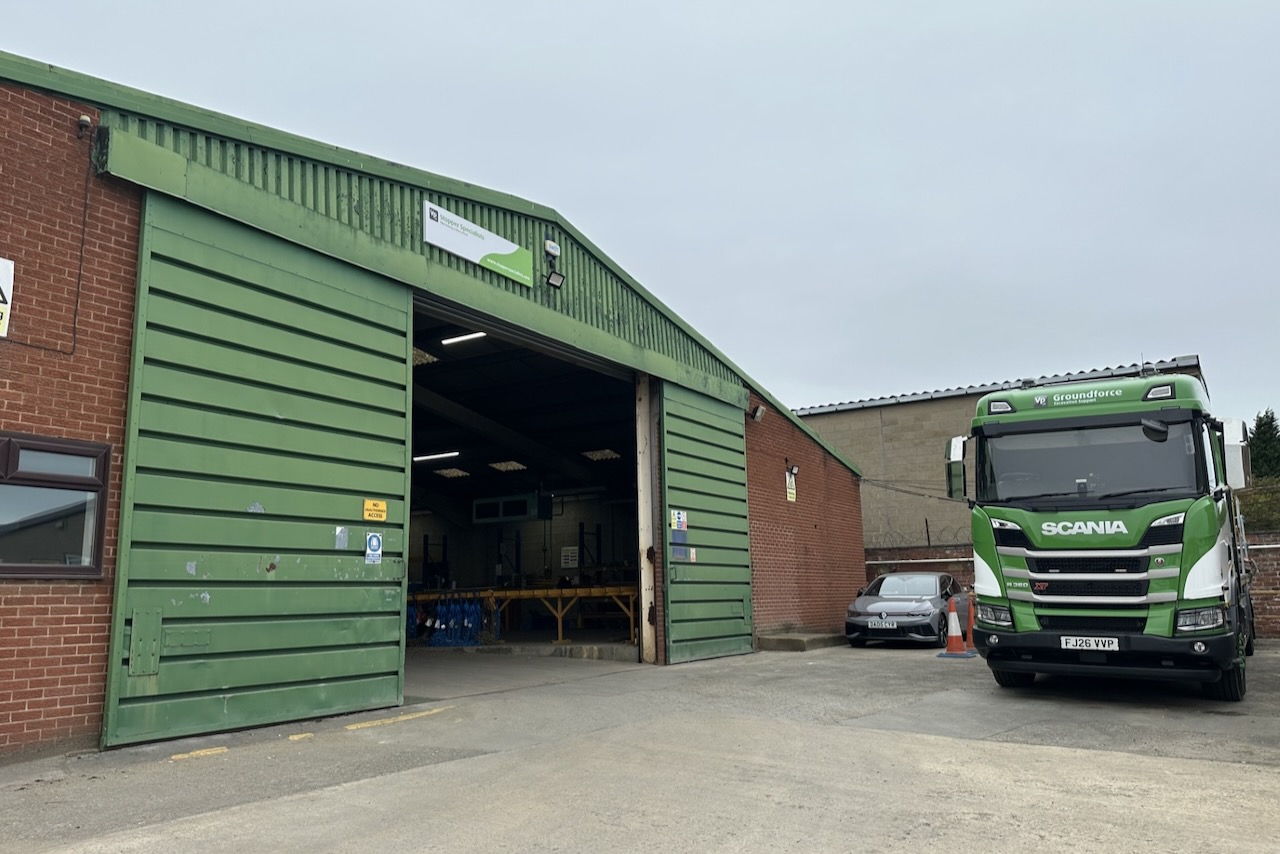
Vp, the specialist equipment rental group whose divisions include Groundforce and UK Forks, has appointed Mitie Communities managing director Alice Woodwark as chief executive from 1 February 2025, succeeding Anna Bielby after a short handover. Woodwark brings a facilities management and services background rather than construction plant hire, having led Mitie Communities since 2021 and previously spent nine years in senior roles at Compass Group following McKinsey, Oxford PPE and Stanford MBA training. She will also continue as an independent non-executive director at Vistry Group, sitting on its nomination, remuneration and audit committees.
Homes England has appointed five executive regional directors – Danielle Gillespie (northwest), Tom Bridges (northeast, Yorkshire and Humber), Jo Nugent (Midlands), Vicky Savage (London and east) and Kate McBride (south) – ahead of a new regional operating model starting in April 2026. The directors, expected to take up post from March 2026, will own regional development pipelines and sub‑regional programmes, spanning large-scale placemaking, growth partnerships and affordable housing schemes. Delivery teams will be backed by a nationally managed technical office and access to the National Housing Bank to align land and investment with local priorities.
Scottish Water has named Stantec and Aecom as primary designers and five asset delivery partners – M Group Water, Mott MacDonald Bentley, Farrans, WGM Engineering and Ross-Shire Engineering – for a six-year enterprise-style programme covering water and waste water upgrades from 2027 to 2033, with an option to extend a further six years. The framework, described as delivering around one-third of the SR27 capital investment programme, is Scottish Water’s largest procurement to date. Primary designers will hold end-to-end design accountability, while delivery partners will execute capital works once contracts are finalised by March 2026.
John Graham Construction has secured a £59m contract to build five student accommodation blocks of up to six storeys at Loughborough University’s Central Park, close to the Edward Herbert Building. The scheme will deliver 552 en-suite, self-catered bedspaces arranged around a landscaped square, plus amenity areas, sub-warden units, a plant block, utilities and associated external works. Construction is scheduled to start in early 2026 and complete by late summer 2027, fixing a tight 18–20 month delivery window for structural, M&E and external works integration.
Network Rail has appointed VolkerRail, Laing O’Rourke, AtkinsRéalis and Siemens Mobility to the Midlands Rail Hub Alliance to design and develop a £1.75bn programme of upgrades across the region’s rail network. Core works include two new chords at Bordesley to link the Chiltern main line into Birmingham Moor Street with the Camp Hill lines towards the South West and East Midlands, plus reopening platform 4 at Snow Hill to add direct Chiltern Railways services to London Marylebone. The alliance will also redesign Kings Norton station and its approaches to accommodate extra Cross City services and future Midlands Rail Hub-enabled stopping patterns.
SSEN Transmission has secured a £1bn bank facility backed by an £800M guarantee from the UK government’s National Wealth Fund to accelerate four major electricity transmission projects in the north of Scotland. The facility is expected to support high‑voltage onshore infrastructure connecting new offshore wind and grid reinforcement schemes in remote areas with challenging ground conditions and long linear wayleaves. For contractors and designers, the funding signals a firm pipeline of large-diameter cable routes, new substations and associated civil works over the next few years.
United Utilities is preparing for AMP8 (2025-2030) with a capital works programme several times larger than previous five-year cycles, forcing a shift in how it delivers major water and wastewater infrastructure. Directors are signalling earlier contractor involvement, more alliancing-style frameworks and greater use of offsite manufacture to manage programme risk across multiple large treatment upgrades and network resilience schemes. For geotechnical and civil teams, this points to higher volumes of parallel design-and-build work, tighter standardisation of earthworks and structures, and stronger pressure on delivery productivity.
The Linewide Alliance of KBR, WSP, Alstom, RATP Dev and John Holland has secured the $6.7 billion Linewide package for Melbourne’s Suburban Rail Loop (SRL) East, covering systems and infrastructure for a fully tunnelled 26‑kilometre twin‑bore metro corridor. Works include rail systems, power, signalling, communications and high‑capacity rolling stock integration for the orbital line linking Cheltenham to Box Hill. Geotechnical and civil interfaces will be critical, with continuous underground alignment, multiple underground stations and complex M&E fit‑out in constrained urban environments.
Manhole Form Hire is rolling out new certified, patented in-situ manhole formwork systems across Australian civil projects, using heavy-duty modular panels and corners that quickly configure into L-shapes and other geometries on constrained sites. The steel forms are designed for repeat hire, tight dimensional control and rapid pour-and-strip cycles, reducing on-site carpentry and crane time compared with traditional timber boxing. For contractors, the key gains are faster manhole construction, more consistent internal diameters and wall thicknesses, and improved safety around excavations.
Higgins Group has reported a 51% turnover increase to £315.1m for the year to 31 July 2025, with profit before tax rising to £1.05m and cash in the bank more than doubling to £24.9m while net debt fell by £20m to £14.7m. Higgins Partnerships delivered 189 homes across three new build projects in a predominantly “build year”, spent £7.3m on rectification works and holds remaining provisions of £3.9m. The group now carries a secured order book above £1.1bn and a development pipeline capable of generating over £600m.
Seymour Civil Engineering has begun infrastructure works for Rula Developments’ 54-acre Teeslink industrial and logistics hub at Stockton-on-Tees, delivering site access roads and development plateaux to service up to 775,000 sq ft of floorspace. The rail-adjacent site, next to Eaglescliffe station and around one mile from the A66, was acquired by Stockton-on-Tees Council in 2021 using Tees Valley Combined Authority Indigenous Growth Fund support. Rula plans build-to-suit units from 3,000 sq ft to 500,000 sq ft on freehold or leasehold terms, with first occupancies targeted by end-2026.
Lower Thames Crossing has appointed Department for Transport director general for roads, places and environment Emma Ward as senior responsible owner, confirming a revised completion date of 2034 for the £10bn-plus scheme. The project will deliver a new dual three-lane road and 4.3km bored tunnel under the Thames between Kent and Essex, designed to relieve pressure on the Dartford Crossing. The SRO move signals tighter central oversight of programme risk, consenting and major civils procurement as National Highways pushes towards main works.
Britain’s civil engineering sector has recorded its first fall in workloads since the Covid-19 pandemic, with contractors warning that delayed decisions on major infrastructure schemes are feeding directly into order books. The dip, captured in the latest industry workload surveys, is emerging despite ongoing programmes in rail, strategic roads and water, signalling that smaller regional schemes and early‑stage design commissions are being paused or slowed. Firms report growing concern over pipeline visibility for 2026–27, affecting resource planning for geotechnical investigations, temporary works design and specialist ground engineering subcontractors.
Hitachi Construction Machinery (UK) will close its Wakefield and Warrington depots and consolidate operations into a single modernised northern base by spring 2026, with the new location yet to be disclosed. Customer support representatives and product support managers will remain field-based across the region, shifting to more on-site assistance rather than depot-centred service. The investment is intended to expand supply and delivery solutions and increase capacity, which may affect response times, parts logistics and service coverage for heavy plant operators in northern England.
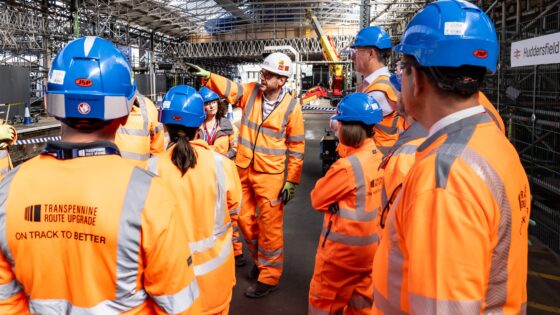
Network Rail has appointed VolkerRail, Laing O’Rourke, AtkinsRéalis and Siemens Mobility to form the Midlands Rail Hub Alliance to design and develop a £1.75bn upgrade of the regional network. The programme is billed as the most significant overhaul of Midlands rail in decades, targeting capacity and connectivity improvements across key inter-city and commuter corridors centred on Birmingham. Civil and systems packages are expected to include new and remodelled junctions, additional track and digital signalling, demanding complex staging around heavily trafficked existing infrastructure.
Plans for the next wave of UK offshore wind farms are being used to argue for onshoring key materials such as monopile steel, transition pieces and high-voltage export cables to domestic fabrication yards. Proponents say UK-based rolling mills, tower factories and cable plants could shorten 220–300km supply chains, cut transport emissions and reduce currency and logistics risk on multi‑GW projects. For civil and marine contractors, a stronger local supply base would influence foundation design choices, port upgrade priorities and contracting strategies for serial installation campaigns.
Liebherr has doubled routine maintenance intervals on its Generation 6 LH material handlers, extending service gaps from 500 to 1,000 operating hours after the first intervention on LH 40–LH 150 electric and LH 30–LH 150 diesel models. The change, enabled by optimised Liebherr original filters, oils, lubricants and operating fluids, is claimed to cut maintenance costs by up to 30% and reduce machine downtime. For scrap and bulk-handling operations running multi-shift cycles, the longer intervals materially affect workshop planning, spares stocking and life-cycle costing.
Scottish Water has selected preferred enterprise partners for a decade-long infrastructure programme to upgrade water and wastewater assets across Scotland, covering treatment works, trunk mains and sewer networks. The alliancing-style framework is expected to bundle capital delivery, maintenance and digital optimisation, with tier one contractors and consultants forming integrated teams for design, construction and long-term asset management. For geotechnical and civil engineers, the programme signals sustained demand for pipeline renewals, treatment plant expansions and resilience works on ageing embankments, outfalls and strategic mains.
Demolition of two ageing stands at Edgbaston Stadium has been completed, marking the first major construction milestone in a £46M redevelopment to modernise the ground before the 2027 summer cricket season. The scheme will replace the structures with new spectator facilities and upgraded concourses, requiring complex works within the existing bowl and tight urban footprint. Contractors now move into foundation and superstructure phases, with sequencing and temporary works critical to maintaining stadium operations and programme.
Planning permission has been granted, subject to conditions, for Summix Capital’s Edinburgh Gateway scheme on the 15.5‑acre (6.3ha) former Saica packaging brownfield site on Turnhouse Road, allocated in City Plan 2030. The masterplan delivers 957 homes across seven plots, with 35% affordable, a 172‑bedroom hotel, ground-floor retail and commercial units, and a new station interface with associated access, parking and utilities infrastructure. Landscape proposals include a northern park with a rain garden, wildflower meadows, tree planting, two civic squares and formal play and picnic areas.
The Competition & Markets Authority’s interim market study finds UK road and rail civil engineering “caught in a negative cycle”, with Boston Consulting Group data showing 58% of 48 road schemes and 56% of 27 rail schemes finishing late, with average time overruns of around 27–29%. Root causes cited include uncertain, short‑term funding, risk‑averse procurement favouring low‑risk contract forms, complex accreditation, and heavy reliance on subcontracting. Proposed remedies under development focus on a more stable project pipeline, stronger client procurement capability, streamlined regulatory processes and rebalanced risk to incentivise innovation and new entrants.
Brickwork students at Heart of Worcestershire College’s Malvern campus have built an 11‑ft brick snowman using approximately 3,000 bricks as a large‑scale training exercise. The structure uses radius brick on edge, a curved bricklaying technique that demands accurate setting‑out, consistent joint thickness and careful control of bond to maintain stability in a tall, slender form. Lecturer Martin Harwood said the project ran alongside normal coursework, giving students collaborative experience closer to site conditions than small test panels.
Whitbread has secured planning permission to convert Dorset House, a 90,000 sq ft nine-storey office block on Stamford Street, Southwark SE1, into a 421-bedroom Premier Inn with a new street-level entrance and basement F&B space exposed via cut-out ground-floor concrete sections. Construction is scheduled to start in H2 2026, targeting opening in summer 2028, implying substantial internal reconfiguration within the existing floorplate rather than structural enlargement. Dorset House is one of four central London sites acquired in 2025, totalling nearly 1,000 rooms, 262,000 sq ft and over £100m of direct investment.
McLaren Property has appointed McLaren Construction Midlands and North as main contractor for the £160m Upper Brook Street purpose-built student accommodation scheme in Manchester, delivering 272,854 sq ft across two blocks of nine and 23 storeys with 737 bedspaces (288 studios, 449 cluster rooms). Early works include completion of ground clearance, 219 piles and concrete bases, and installation of two tower cranes, with slip-form rigs now being assembled for a concrete frame using fully unitised prefabricated panels with integrated brickwork and windows. Off-site bathroom pods from Walker Modular and targets of BREEAM Excellent and EPC A point to a highly industrialised build, with completion aimed for the 2028 academic year.
Lower Thames Crossing, a proposed 23km road scheme including a 4.2km twin‑bore tunnel under the Thames, is ramping up local skills programmes to secure the workforce needed for delivery. National Highways and its delivery partners are targeting school leavers, apprentices and career‑changers in Kent and Essex with training in tunnelling, heavy civils and digital construction tools such as BIM. The initiative aims to build a locally based labour pool for large‑diameter tunnelling, complex groundworks and long‑span viaduct construction, reducing reliance on transient specialist crews.
Unite32, a Laing O’Rourke–AECOM joint venture, has secured the $7.1 billion delivery partner contract for the Brisbane 2032 Olympic and Paralympic Games Venues Infrastructure Program. The team will deliver 17 new or upgraded competition venues and provide monitoring services for two additional sites distributed across Queensland, covering major stadium, aquatic and indoor arena works. Early contractor involvement and integrated design–construction management are expected to drive staging, temporary works and ground engineering decisions on constrained brownfield sites.
International No-Dig Auckland will bring the global trenchless technology sector to New Zealand on 28–29 October 2026, positioning Auckland as a regional hub for no-dig pipeline and utility installation. The event will gather major equipment suppliers, contractors and asset owners under one roof, with a focus on HDD rigs, microtunnelling systems and cured-in-place pipe (CIPP) rehabilitation. For Australasian civil and geotechnical engineers, it offers direct access to international case studies on minimising surface disruption, managing difficult ground conditions and upgrading ageing buried infrastructure.
Updated planning guidance on flood risk and coastal change in England is tightening expectations on sustainable drainage systems (SuDS) for new developments, with ADS UK manager Stuart Crisp outlining how designers must now evidence runoff control, exceedance routing and long-term maintenance. The guidance pushes wider use of components such as attenuation tanks, permeable pavements and swales to limit post-development discharge to greenfield rates and manage surface water on site. For geotechnical and civil teams, this means earlier integration of SuDS into masterplanning, closer coordination with ground investigation, and more rigorous adoption of CIRIA SuDS Manual principles.
Retrofitting existing infrastructure is presented as a critical response to climate change impacts now clearly visible after 25 years of civil engineering practice, from more frequent flooding to heat-related material degradation. The argument centres on upgrading bridges, highways and drainage assets rather than wholesale replacement, using measures such as additional scour protection, increased freeboard, upsized culverts and improved thermal detailing of pavements and expansion joints. For practitioners, this points to prioritising asset condition assessment, climate-adjusted design checks and staged strengthening works within constrained maintenance budgets.