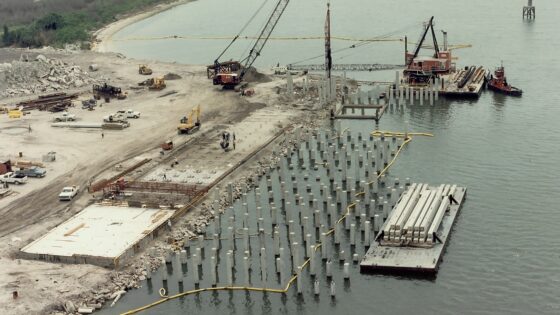
Reuse of existing piled and raft foundations is accelerating on commercial property schemes as clients accept higher investigation spend in exchange for major embodied carbon and programme savings. Engineers are combining detailed pile integrity testing, targeted coring and advanced geotechnical back‑analysis with updated Eurocode‑based reliability methods to justify reusing legacy foundations originally designed for very different load cases. Planning and funding bodies are now more willing to accept partial reuse strategies, shifting project briefs away from default demolition and full replacement towards selective strengthening, load‑sharing and local pile augmentation.
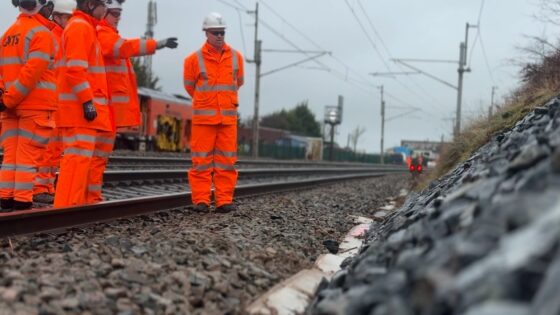
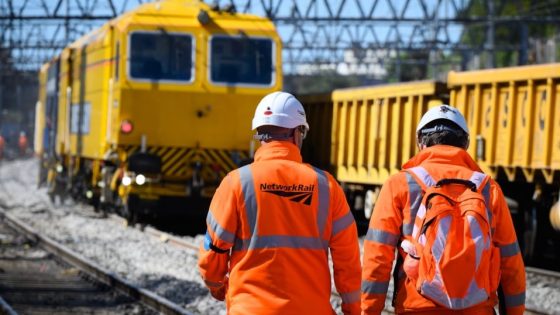
Network Rail is delivering £41M of earthworks across key North West rail corridors to improve cuttings and embankments against winter rainfall, freeze–thaw and slope instability. Works are expected to include regrading and strengthening of existing earthwork assets, improved drainage systems and renewed trackside access to reduce washouts, slips and emergency speed restrictions. Geotechnical teams will need to manage construction around live traffic, legacy Victorian earth structures and variable ground conditions typical of the region’s glacial tills and weathered rock.
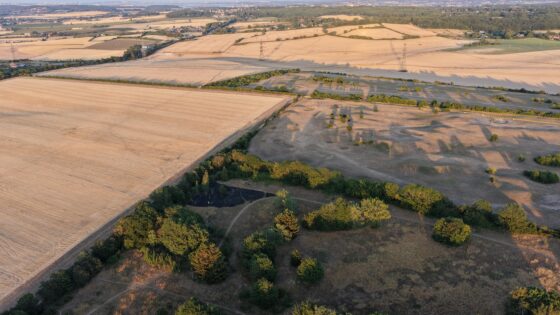
Industry geotechnical specialists at the John Mitchell lecture warned that UK foundation design on chalk is still misjudging key behaviours such as solution features, variable weathering profiles and the risk of brittle collapse under cyclic loading. Speakers pointed to recent pile and shallow foundation projects where inadequate chalk characterisation, limited core recovery and over-reliance on generic SPT correlations led to unexpected settlements and construction delays. Attendees were urged to adopt more rigorous chalk-specific investigation, including targeted boreholes, high-quality sampling and site-specific load testing, before finalising foundation schemes.
Calls to add ground condition metrics to public weather forecasts argue that engineers, utilities and transport operators now need near real-time data on soil moisture, pore pressure and desiccation risk, not just rainfall totals and wind speeds. Proponents point to recent UK failures on clay cuttings, embankment slips and buried pipe bursts after prolonged drought–storm cycles, where Met Office rainfall data alone gave little warning of loss of shear strength or shrink–swell movement. Integrating sensor networks, satellite soil-moisture indices and probabilistic geotechnical models into daily forecasts could materially change inspection, access planning and temporary works decisions.
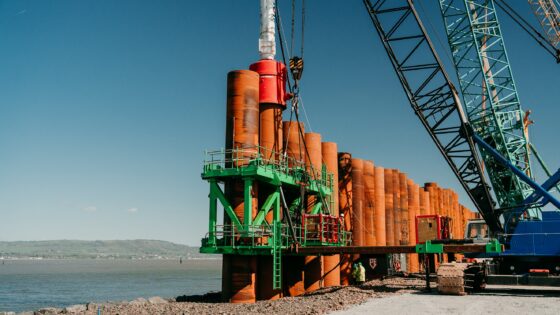
Belfast Harbour’s £90M D3 project is converting reclaimed land into a deep-water quay designed to berth large cruise vessels and support offshore wind installation vessels, within tight tidal windows in a heavily trafficked channel. Engineers are contending with variable fill and soft alluvial deposits, requiring ground improvement and careful quay wall design to control settlement and lateral movement under high berthing and crane loads. Construction methods are being adapted to strict environmental constraints in Belfast Lough, including turbidity limits and noise controls for marine habitats.
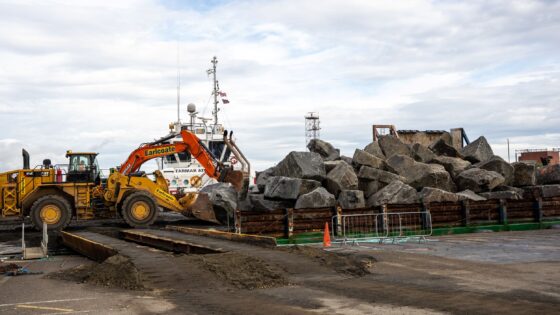
Around 55,000t of rock armour is being placed by PD Ports along the South Gare breakwater at Redcar to reinforce coastal protection for the River Tees against increasingly severe North Sea storm conditions. The works focus on strengthening the existing rubble-mound structure, which has experienced accelerated damage and overtopping, with rock sizes and gradings selected to resist higher wave energy and storm surges. For coastal and geotechnical engineers, the scheme signals a need to reassess armour stability and design return periods on older breakwaters under changing wave climates.
Universal has named its first wave of contractors and consultants for the planned multi‑billion‑pound theme resort near Bedford, as enabling works start on the former Stewartby brickworks site. Early packages cover site clearance, ground investigation and utilities diversions to prepare the large brownfield plot for major earthworks, foundations and transport links to the nearby A421 and Midland Main Line. The appointments signal imminent demand for geotechnical design, ground remediation and complex phasing to manage high visitor loads and tight programme constraints.
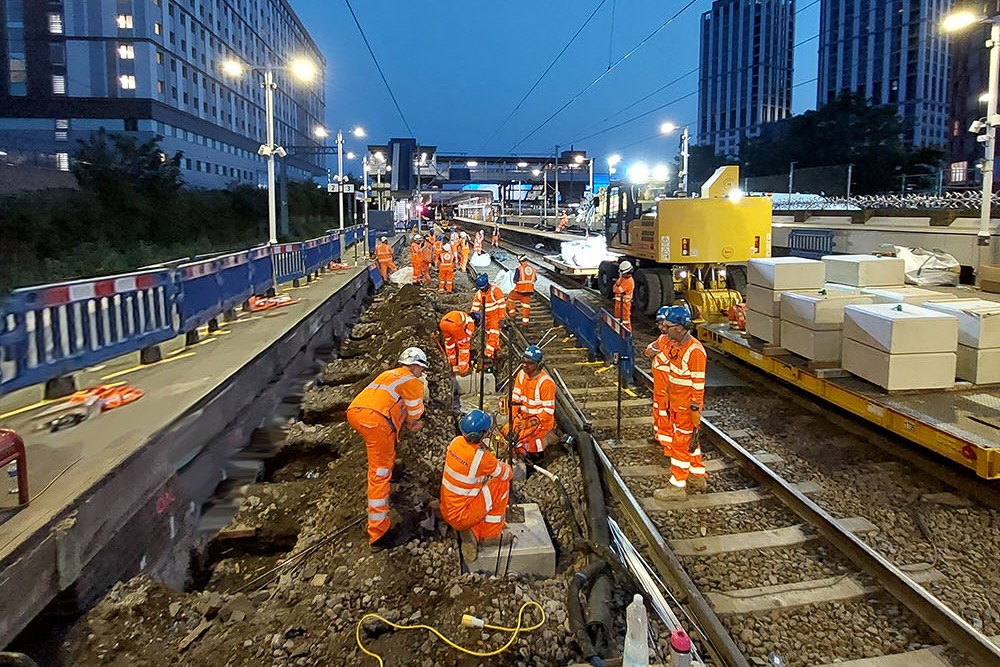
Ground engineer Mainmark UK has used its Teretek engineered resin injection system to improve ground conditions for 77 new foundation locations at Network Rail’s Tottenham Hale station, enabling replacement of deteriorating precast concrete platforms with glass‑reinforced polymer units. Working with tier one contractor CML over a single bank holiday weekend, the team completed the works in three shifts by injecting resin through small‑diameter access points to depths of around 2m, avoiding excavation. The solution densified variable made ground and granular soils, reducing programme risk and construction disruption for the live rail environment.
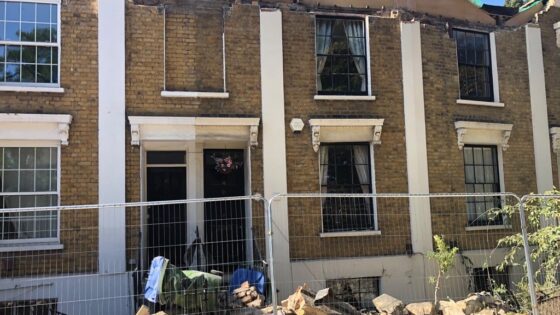
Lovell has paused construction on a nearby housing development in Charlton, south London, after three homes on Woodland Terrace suffered a partial collapse. Lovell took the decision to pause work while it works with the Royal Borough of Greenwich and other relevant parties to understand what happened. The cause of the incident has not been established. Lovell commissioned an independent structural engineer to carry out a visual survey of the properties.
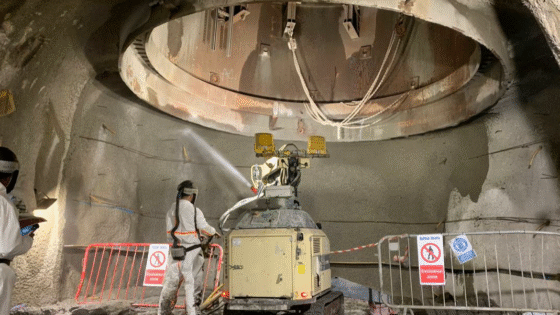
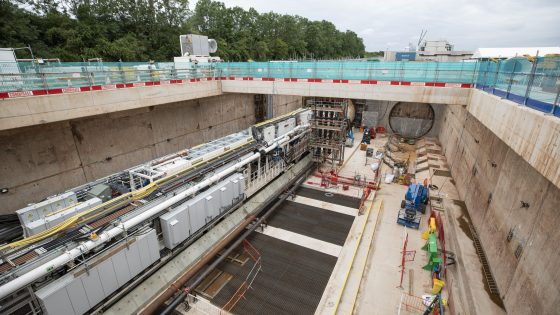
British Tunnelling Society chair and Jacobs tunnels director for Europe Alastair Smith calls for earlier geotechnical investigation and constructability input in UK tunnel planning to cut redesign and delay on major schemes. Drawing on five decades of work on large-bore metro, water and road tunnels worldwide, he points to fragmented client governance and late contractor involvement as key causes of cost escalation. Smith urges standardised design frameworks and clearer risk allocation for ground conditions to speed delivery of long linear assets.
Network Rail has launched an Expression of Interest for a £77.6M multi-year framework to deliver geotechnical and civil engineering works across its Wales and Western regions, covering earthworks, structures and associated lineside assets. The framework is expected to package embankment and cutting stabilisation, retaining walls, culverts and bridge repairs into regional workbanks, with contractors providing design-and-build capability under railway possession and access constraints. Bidders will need proven experience in rail-adjacent geotechnics, temporary works and working under live traffic with tight blockade windows.
Network Rail has launched a £93m, multi-lot design-and-build framework for rock cutting remediation and associated geotechnical works across its Wales (£40.8m) and Western (£36.8m) regions. The three-year framework, extendable by up to two years, covers investigation, design, construction and handback for rock cut stabilisation, earthwork drainage upgrades and burrowing management on operational rail corridors. Contractors will act as Principal Contractor and, where required, Principal Designer, with separate appointments planned for each region but the option to bid for both.
Devon County Council has let a £1.29M contract, including VAT, for highway stabilisation works at the A377 Weirmarsh slip, a known failure point on this key Barnstaple–Exeter route. The scheme is expected to involve ground stabilisation and slope support to address ongoing embankment movement affecting the carriageway formation. Contractors and designers will need to manage works under live traffic on a constrained rural corridor, with careful control of groundwater and temporary works to maintain slope stability during construction.
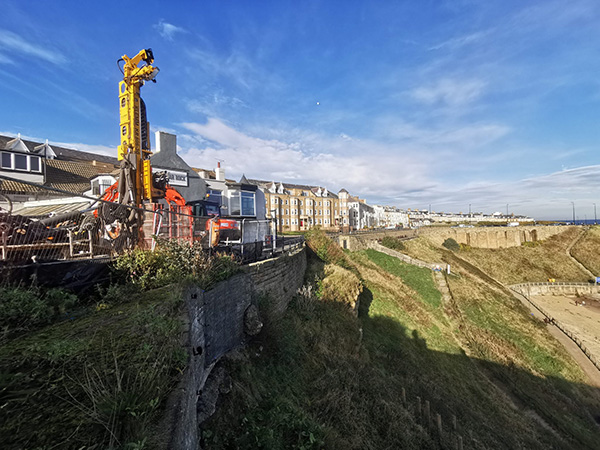
Slope stabilisation case studies from Aarsleff Ground Engineering show driven steel sheet piles, a 10 m-deep contiguous piled wall and soil nails being tailored to constrained brownfield and heritage sites in Alnwick, Tynemouth and Northampton. Solutions include 57.6 m and 20 m sheet-piled retaining walls installed with silent press and Movax to protect listed masonry, a 300 mm-diameter contiguous wall with 3 m rock bolts, gabions and 25 m² carved shotcrete for a 120-year cliff design life, and 8 m R32 hollow-bar soil nails designed via 3D clash modelling around buried services.
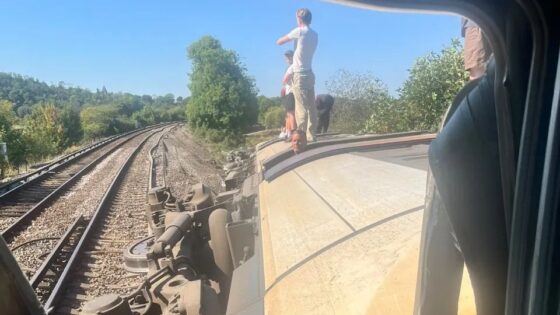
Two derailments at Lewes in Sussex and Wickford in Essex, plus a landslip on another Sussex route and a separate track defect in Surrey, have simultaneously disrupted key commuter and regional rail corridors in south-east England. The incidents point to localised formation instability and asset degradation across multiple routes rather than a single point failure, with engineers now inspecting embankments, ballast condition and rail geometry. Operators face short-term speed restrictions and diversions while permanent repairs and geotechnical assessments are completed.
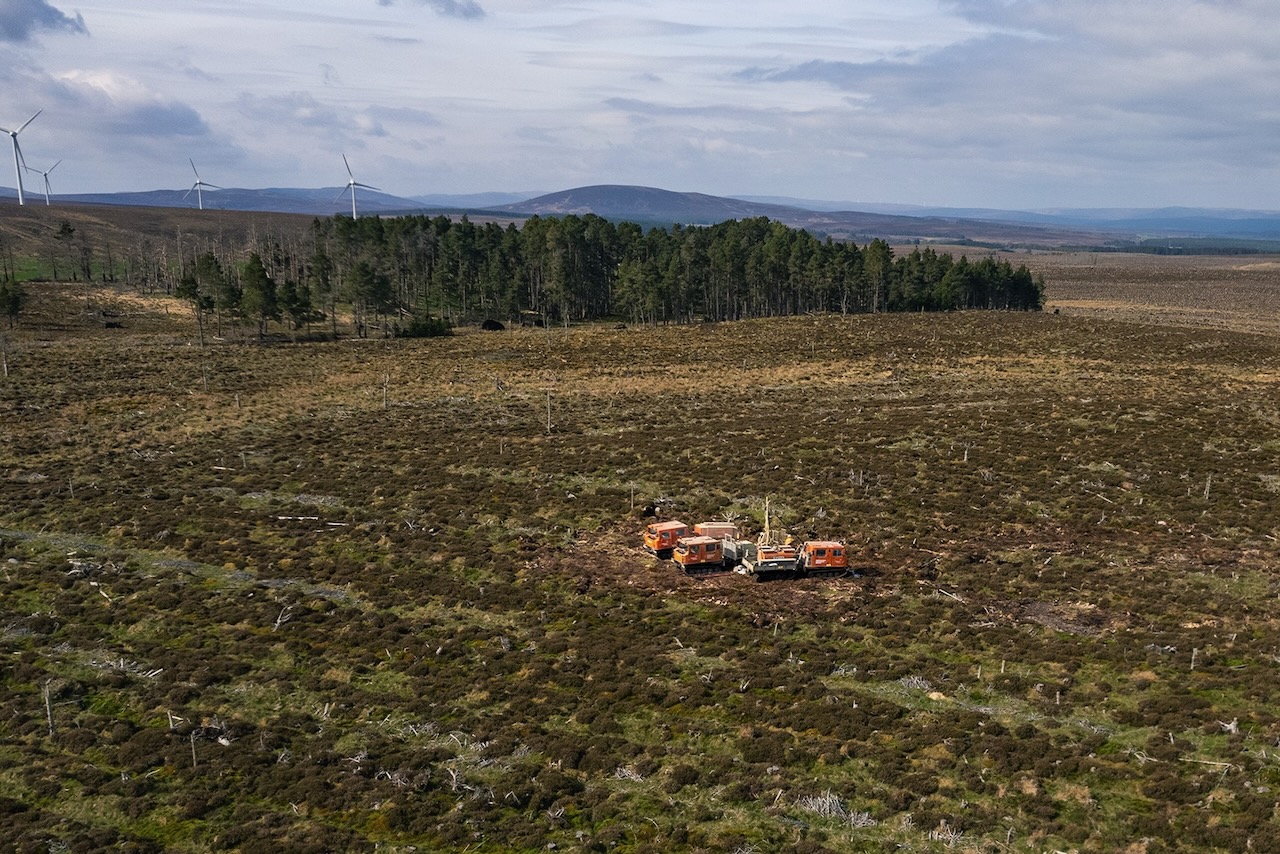
Vattenfall has appointed Natural Power to deliver comprehensive ground investigations for its planned 100MW Qurack and 90MW Quantans Hill onshore wind farms in Scotland, extending a 15‑year collaboration. Natural Power’s construction and geotechnical teams will deploy specialist site investigation techniques and advanced survey technologies to characterise geotechnical, geological and environmental conditions across both sites. The data will feed directly into turbine foundation design, access road alignment and construction risk reduction, giving Vattenfall higher confidence in earthworks, drainage and infrastructure layouts before detailed design and procurement.
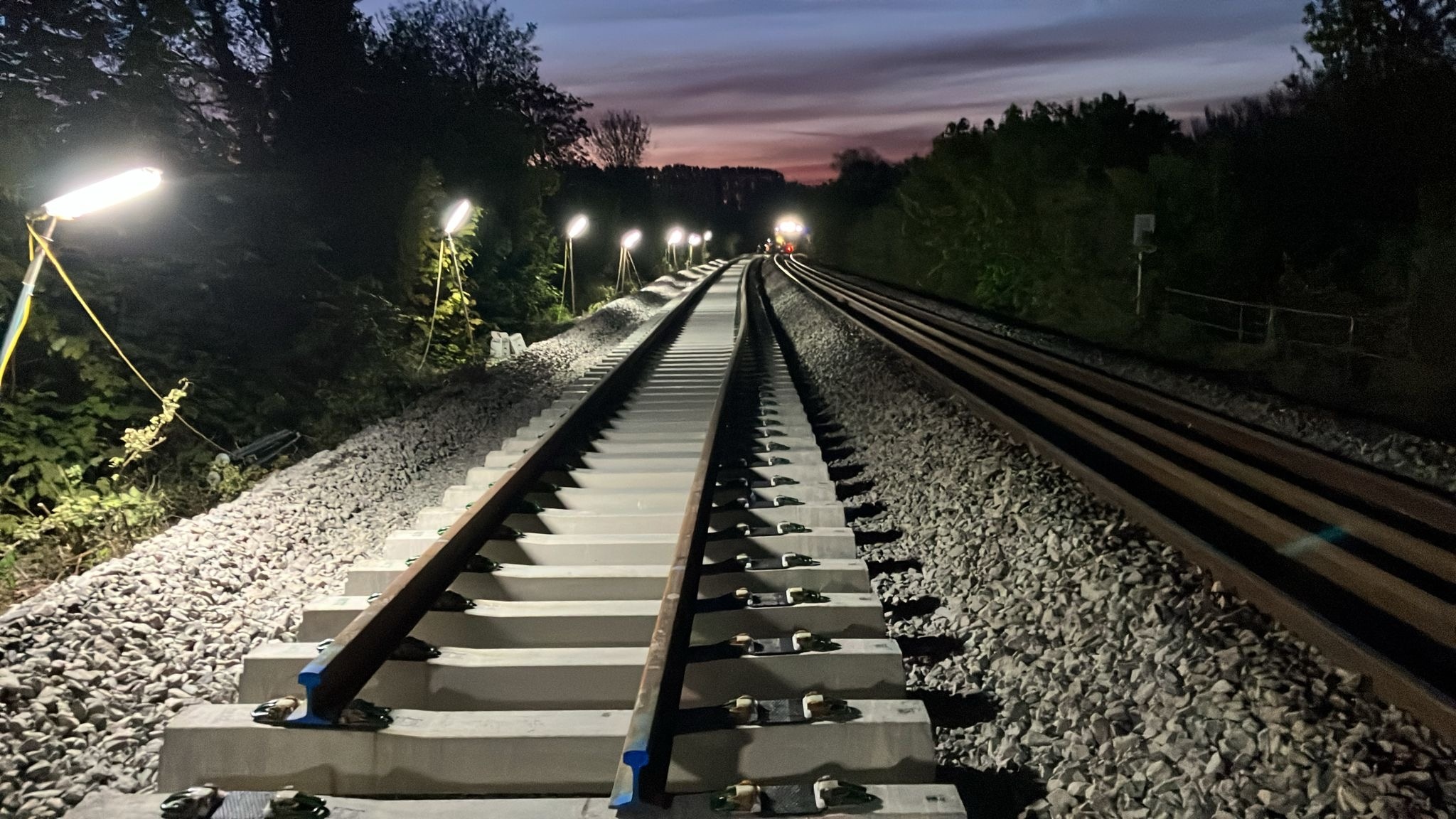
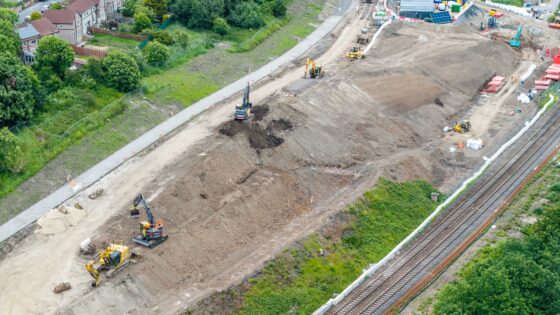
Extensive ground engineering works are under way on the West of Leeds section of the Transpennine Route Upgrade to manage legacy risks from historic industrial activity beneath and adjacent to the railway. Contractors are deploying a mix of ground investigation, grouting, soil stabilisation and structural retaining solutions to deal with old mine workings, made ground and buried obstructions that could compromise track formation and structures. The interventions aim to secure long-term track geometry, reduce differential settlement and maintain line availability during and after capacity and electrification upgrades.
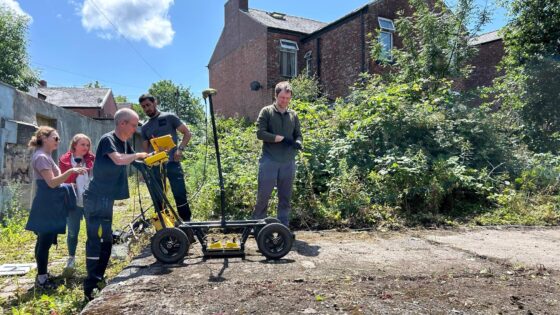
Ground investigation techniques typically used for highways and foundations have been deployed in a 1960s missing person cold case, with RSK geophysicists leading the subsurface search. The team is combining ground-penetrating radar (GPR) with intrusive investigation methods such as boreholes or trial pits to characterise stratigraphy and detect potential burial anomalies. The work shows how standard site investigation tools can be adapted for forensic applications, including in constrained or previously disturbed ground.
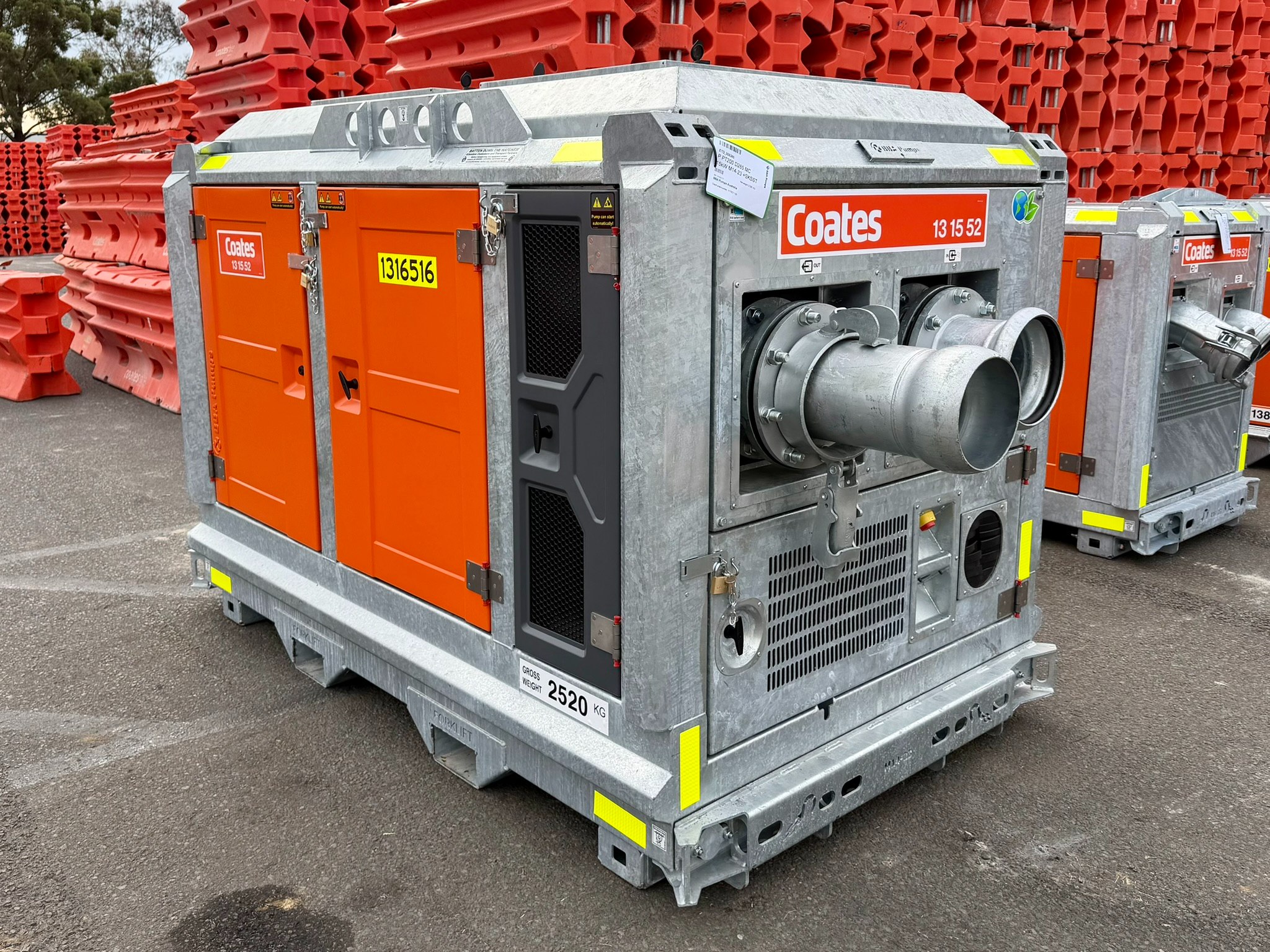
Coates has expanded its engineered dewatering capability with a new fleet of electric BBA Pumps, including PT200 D265 (8″/200mm), PT150 D185 (6″/150mm) and PT100 D130 (4″/100mm) units for urban construction sites. The electric configuration targets groundwater control on projects from small residential excavations to complex basements, water assets and civil infrastructure in dense urban areas where diesel emissions, noise and access constraints are critical. For geotechnical and civil contractors, the range allows closer-to-face installation and longer runtimes on grid power, simplifying dewatering design and temporary works planning.
The Observational Method in ground engineering is regaining interest as major infrastructure schemes look to manage geotechnical uncertainty in real time rather than rely solely on conservative design factors. Engineers are revisiting staged construction with predefined trigger levels, instrumented slopes and retaining walls, and adaptive support measures, but uptake remains patchy due to contractual risk allocation, programme pressures, and limited monitoring budgets. Wider use could cut unnecessary pile lengths, excavation support thicknesses and contingency allowances, provided clients accept flexible design envelopes and robust monitoring–response plans.
Newport City Council has issued a £2.7M procurement for a solar farm and battery energy storage system at the capped Docks Way Landfill Site in Newport, South Wales, aiming to convert the former waste facility into a grid-connected renewable energy asset. The design-and-build contract will need to address foundation detailing on landfill cover, settlement behaviour and gas management, as well as integrating the BESS with local distribution network constraints. Civil and geotechnical bidders will be expected to manage construction over waste, including differential settlement and leachate control.
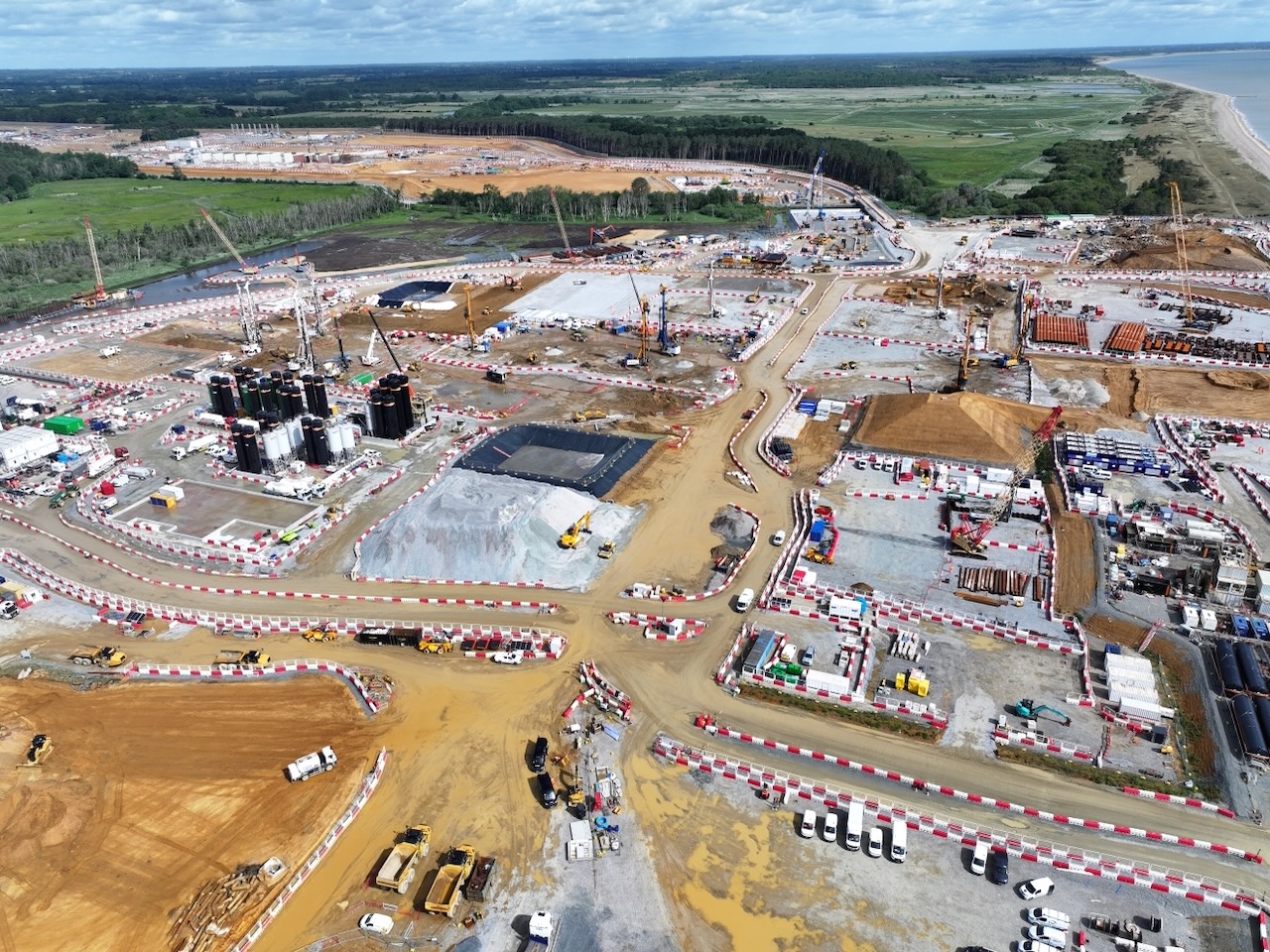
Balfour Beatty Ground Engineering, VSL Systems (UK) and Bachy Soletanche have formed a dedicated Geotechnical Sub-Alliance for the Sizewell C nuclear project, in what is believed to be a first-of-its-kind delivery model on a UK megaproject. The alliance is expected to coordinate complex ground engineering packages for the twin EPR units, including deep foundations, retaining structures and heavy temporary works for major nuclear island and marine structures. For contractors and designers, the move signals tighter integration of design–build geotechnical risk management on a highly regulated, coastal, soft-ground site.
Laing O’Rourke has appointed Clare Rodgers as head of Expanded Geotechnical, making her the first female business unit leader across any of the contractor’s specialist trading businesses. Rodgers moves from Select, where she was lifting solutions leader responsible for complex crane and heavy lifting strategies, bringing temporary works and lifting logistics expertise directly into the ground engineering unit. She succeeds Ronan O’Rourke, who becomes director of clients and markets for Laing O’Rourke’s Europe Hub, signalling closer alignment between geotechnical delivery and major project clients.
Balfour Beatty Ground Engineering, VSL Systems (UK) and Bachy Soletanche will jointly deliver major geotechnical works for the Sizewell C nuclear project, covering piling, soil mixing, diaphragm walls and plastic cut-off walls. The package will form key below-ground containment and support structures for the twin EPR units, where groundwater control and long-term settlement performance are critical on the Suffolk coast. The collaboration signals early locking-in of specialist contractors for complex deep-foundation and seepage-control systems on one of the UK’s largest current infrastructure schemes.
Geomechanics, Streamlined.
© 2026 Geomechanics.io. All rights reserved.