Geomechanics, Streamlined.
© 2026 Geomechanics.io. All rights reserved.
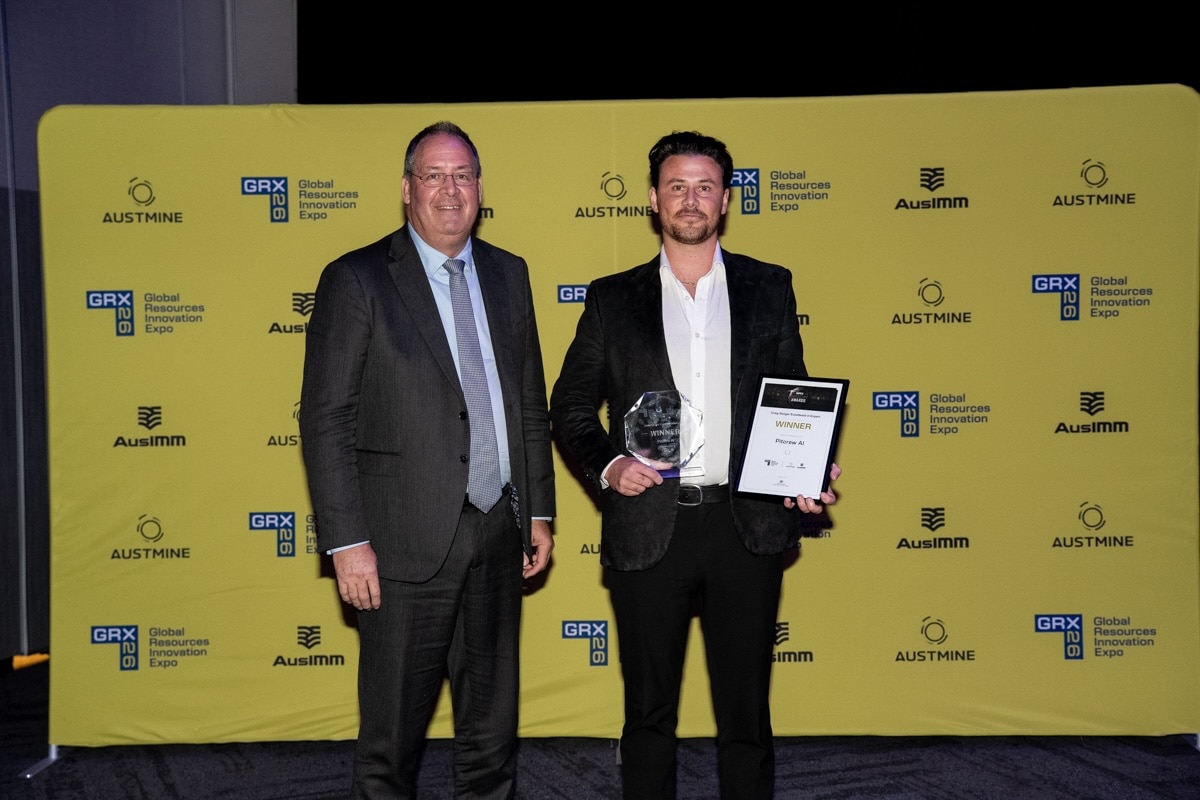
Winners at the Global Resources Innovation Expo’s GRX Industry Awards in Perth recognised advances across automation, decarbonisation and digital mining, with Pitcrew AI taking the Craig Senger Excellence in Export Award for its computer-vision tyre inspection systems now deployed at multiple international mine sites. Other awards covered emerging leaders and METS innovators delivering solutions in areas such as remote operations, data analytics and low‑emission equipment. For engineers, the results point to rapid uptake of AI‑driven condition monitoring and export‑ready Australian technology in mine maintenance and productivity improvement.
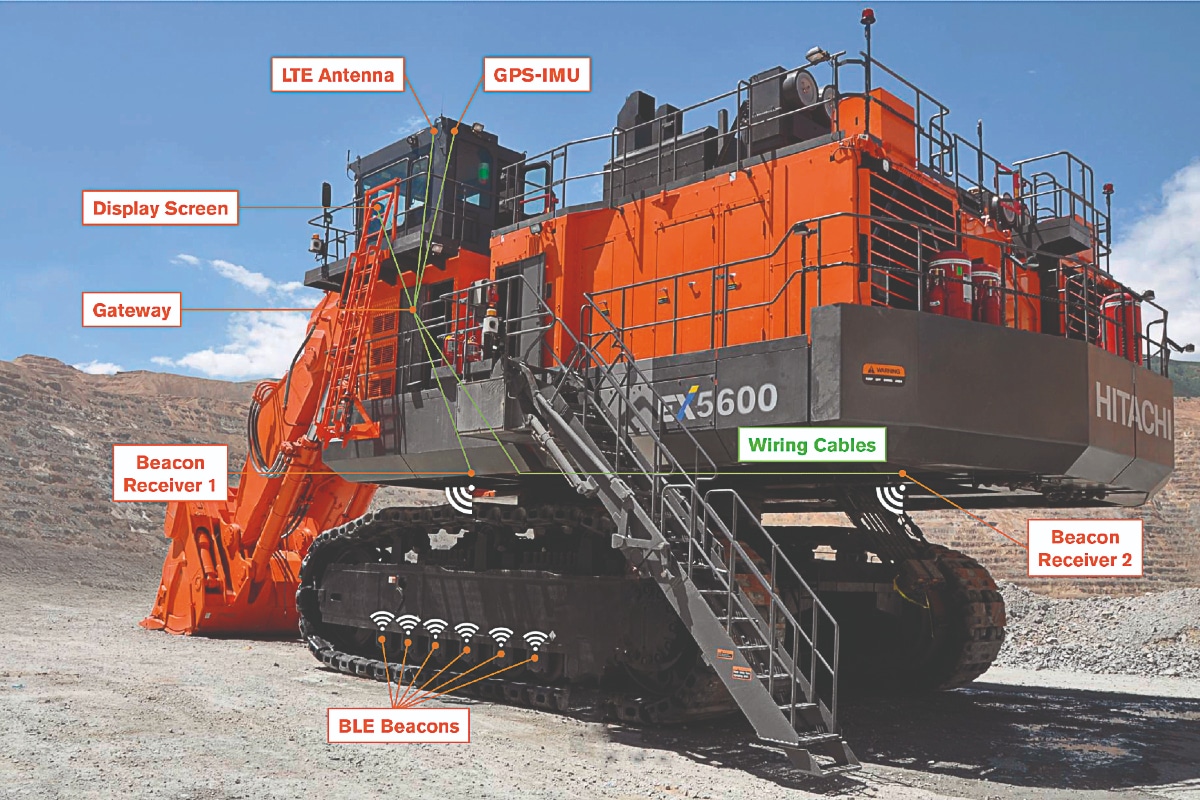
Bradken’s SmartRoller system replaces manual undercarriage roller inspections with continuous, real-time temperature monitoring streamed directly to operators on large mining machines such as electric rope shovels and draglines. Wireless sensors mounted on individual rollers track thermal behaviour under load and speed, flagging abnormal temperature rise that can precede bearing failure or seizure. Earlier detection enables targeted roller change-outs during planned shutdowns, reducing unplanned downtime, limiting collateral damage to track frames, and giving maintenance teams data to refine lubrication intervals and component selection.
Metso is expanding its presence in Argentina with new local capabilities in San Juan, the country’s key copper and gold mining hub, entering a new growth phase from the second quarter. The investment is aimed at building long‑term in‑country capacity for equipment support and services, reducing reliance on imported expertise and long supply chains. For mine operators, closer access to OEM support in San Juan should cut downtime on critical process equipment and improve lifecycle management for large copper and gold concentrator assets.
Minimising unplanned downtime in mining fleets is being tackled through smarter drivetrain selection and maintenance strategies, focusing on high-torque, low-speed applications in large haul trucks and loaders. The whitepaper examines trade-offs between conventional mechanical drivetrains and electric or hybrid-electric systems, including modular gearbox designs and condition-based monitoring of critical components such as final drives and torque converters. For mine planners and maintenance engineers, the key message is that drivetrain choices directly affect mean time between failures, spare parts inventories, and planned shutdown durations.
ContiTech has completed the first replacement of an ST10000 steel-cable conveyor belt at Codelco’s Chuquicamata copper mine in Chile, one of the largest uphill tunnel conveyor installations in global mining. The ST10000 belt, previously pioneering for high-tension, steep-gradient underground haulage at Chuquicamata, required complex change-out logistics in confined tunnel conditions and precise splice management for ultra-high-strength cords. The project confirms that life-cycle replacement of ST10000-class belts is technically viable, which will influence long-haul conveyor design and maintenance planning for deep and block cave operations.
Bechtel has signed an agreement with Chilean contractor Echeverría Izquierdo Montajes Industriales SA (EIMISA) to jointly deliver selected large-scale mining and infrastructure projects in Chile and wider South America. The partnership combines Bechtel’s EPC and megaproject management capability with EIMISA’s local industrial construction and erection services, targeting major copper and other hard‑rock developments as regional mining investment accelerates. For owners, the move signals stronger integrated delivery capacity for complex process plants, materials handling systems and associated civil works under Chilean regulatory and labour conditions.
Transport for NSW is shortlisting engineering solutions to reinstate Mitchells Causeway on the Great Western Highway after a defect in the pavement over the structure forced closure of Victoria Pass on 12 March. Subsequent investigations identified serious stress fractures forming in the westbound lanes, prompting a $50 million New South Wales Government package to upgrade key detour routes now carrying diverted traffic. Geotechnical and structural options for the causeway will need to address cracking behaviour under heavy freight loads and steep Blue Mountains topography while maintaining network resilience during works.
Caddick Construction has appointed former Bowmer + Kirkland regional director and quantity surveyor Paul Sykes as regional managing director for the East Midlands, extending its Midlands push launched in 2023 under Ray O’Sullivan. The contractor already holds a £1bn pipeline and £300m forward order book in the West Midlands and is now targeting private industrial and logistics schemes, high‑rise residential and commercial offices across the East Midlands. Expansion will also focus on public sector work via major frameworks, including the Department for Education’s £15bn Construction Framework 2025.
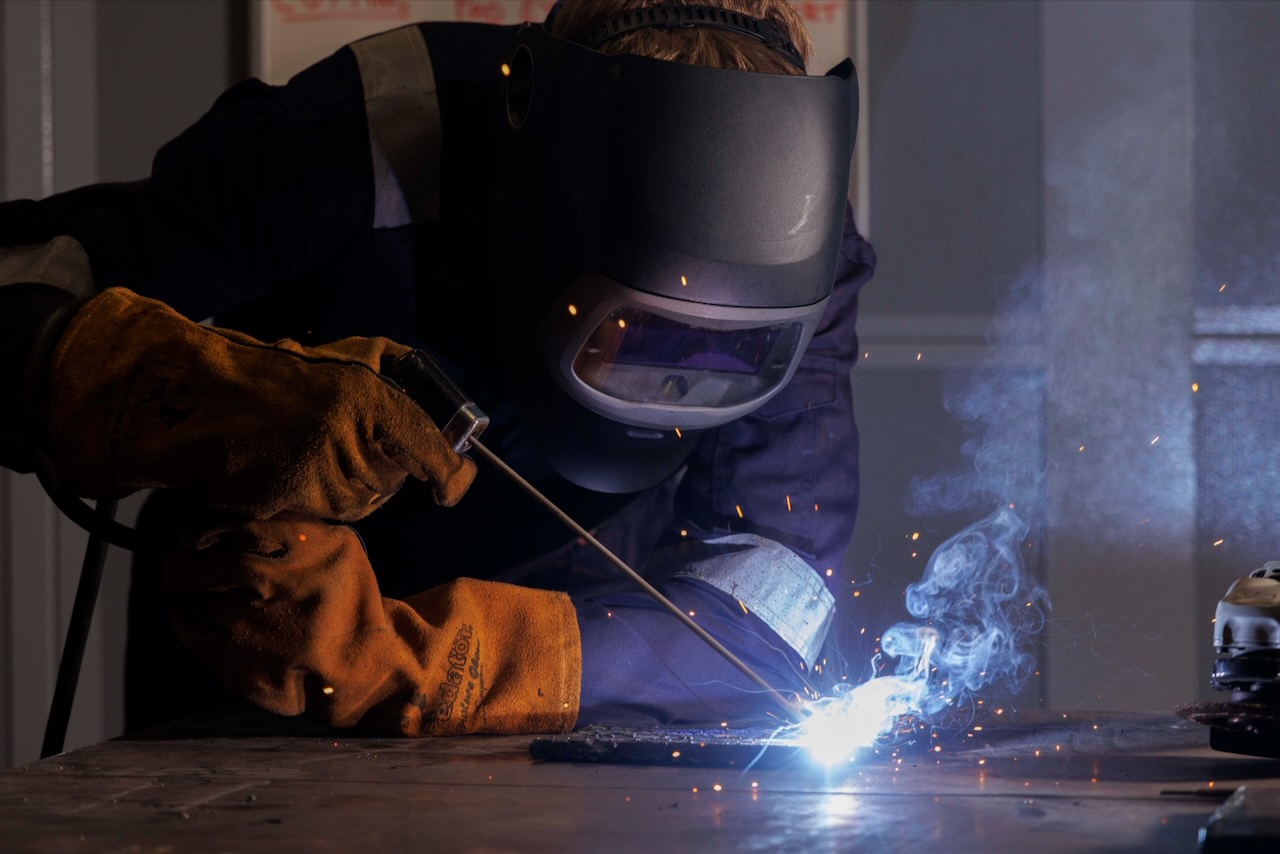
A new six-week Multi-position Fillet Welding upskilling programme from the Engineering Construction Industry Training Board targets a forecast 47% rise in welding demand, with required headcount projected to increase from 1,470 in 2025 to more than 2,150 by 2030. Delivered via blended learning and piloted at the Energy Transition Skills Hub in Aberdeen, the course is aimed at candidates with little or basic welding knowledge. ECITB is now seeking training providers across Great Britain, with particular emphasis on nuclear projects and replacing an ageing workforce, 24% of whom are over 60.
BAM reported higher Q1 2026 revenue and adjusted EBITDA, supported by a €13bn order book, improved solvency and a strong cash position, with Construction UK profitability rising and Civil Engineering UK maintaining strong margins. Construction UK secured the net‑zero operational Wales High School in Sheffield and the Eastwood Park Leisure Centre, theatre and library scheme for East Renfrewshire Council, and won a place on the Department for Education’s CF25 schools framework. Civil Engineering UK also gained a position on the refreshed Procurement Partnerships North West Framework, signalling continued workload in public infrastructure.
Travis Perkins Managed Services has appointed Rosie Wise as managing director, while she simultaneously retains her role as MD of Benchmarx Kitchens and Joinery, following the departure of Ben Todd. Wise will oversee supply-chain and materials solutions for large national and SME housebuilders, as well as social housing providers, housing associations and local authorities, at a time of incoming legislative changes affecting housing standards and asset management. She plans to expand use of digital solutions to drive efficiency in delivering safe, warm and dry homes across the UK housing stock.
Schneider Electric has introduced its StarCharge Fast 720 system to the UK, delivering up to 720kW DC and simultaneously charging up to 12 EVs for fleet and heavy-duty transport depots. The unit operates at 97% efficiency and uses dynamic load management to optimise charging across mixed vehicle types while a decentralised layout allows up to six dispensers to be sited within 80m of a single Boost Pro+ Power Cabinet, limiting grid connection points and installation works. Remote monitoring via the EcoStruxure Energy Asset Portal and 24/7 support target high-availability, mission-critical charging yards.
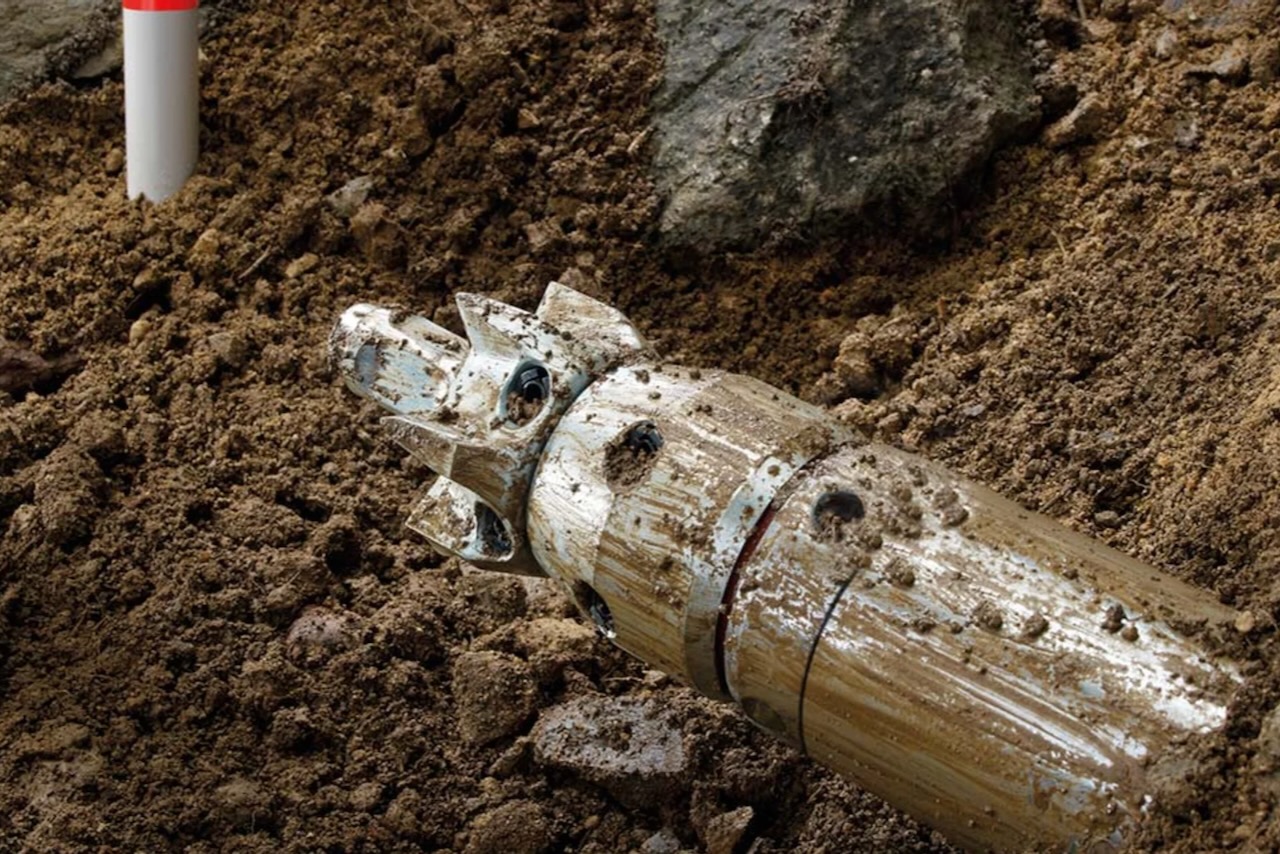
Tracto has launched the Grundomat 45 Extra Short mole in the UK, a trenchless pipe-laying tool just 800mm long and 8kg in weight for sites with severely constrained entry and exit pits. The pneumatic mole delivers 580 impacts per minute and is offered in either high-strength steel or hardened alloy steel, targeting service connections and short bores where standard-length tools are impractical. An initial batch of 40 units is stocked at Tracto UK’s Bedford headquarters, with early uptake from groundworkers, contractors and utility installers.
Burns & McDonnell has appointed Sean McHugh as operations manager for its UK transmission and distribution division to strengthen delivery of major power projects. McHugh will oversee programme execution for high-voltage substations, overhead lines and grid connections supporting the UK’s transmission network. The move signals a push to tighten project controls, interface management and construction delivery on complex, multi‑contract energy schemes.
Holcim UK has supplied 35,000 tonnes of aggregates for London Luton Airport’s £18 million runway resurfacing, including 28,000 tonnes from Bardon Hill Quarry and 7,000 tonnes from Garside Sands Aggregate Plant. Lagan Aviation and Infrastructure used the material to produce Marshall asphalt for the full renewal of the 1.3‑mile runway, removing and replacing roughly 150 mm of surfacing each night within a 5 hour 44 minute possession. Planings from the old surface were sent to Holcim’s Croft plant for recycling into circular asphalt products, reducing primary aggregate demand.
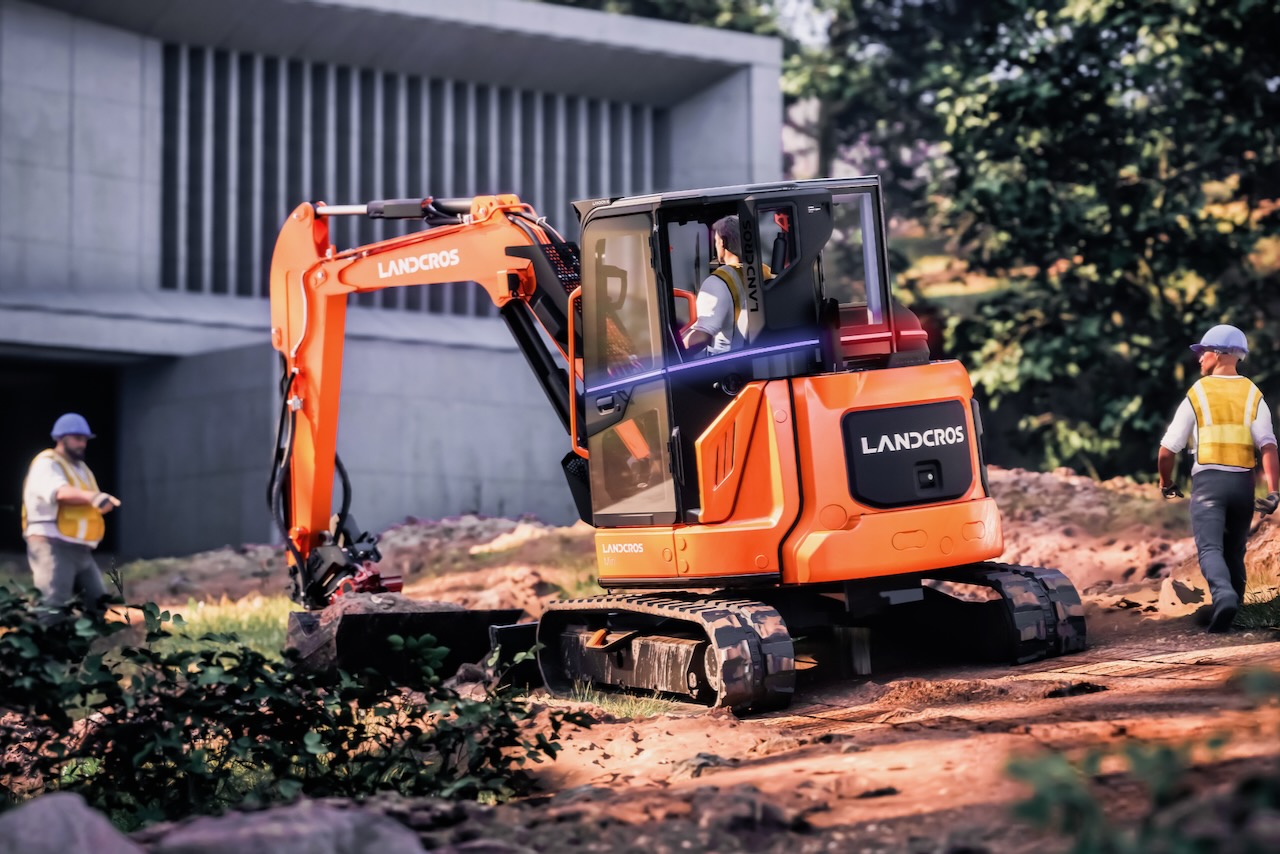
Hitachi has unveiled the Landcros Mini concept based on its ZX55U-6 mini excavator at Samoter in Verona, using the cab’s structural blind spots to create a redesigned operator space with a full 360° view, integrated comms unit and a slidable secondary display for third-party tools such as Rototilt. An LED lighting system linked to external sensors switches interior lights to red when people approach and uses exterior LEDs to signal machine operation to those nearby. Visibility is further improved by relocating the windscreen wiper motor to the right side of the front window to clear the left-hand sightline in tight sites.
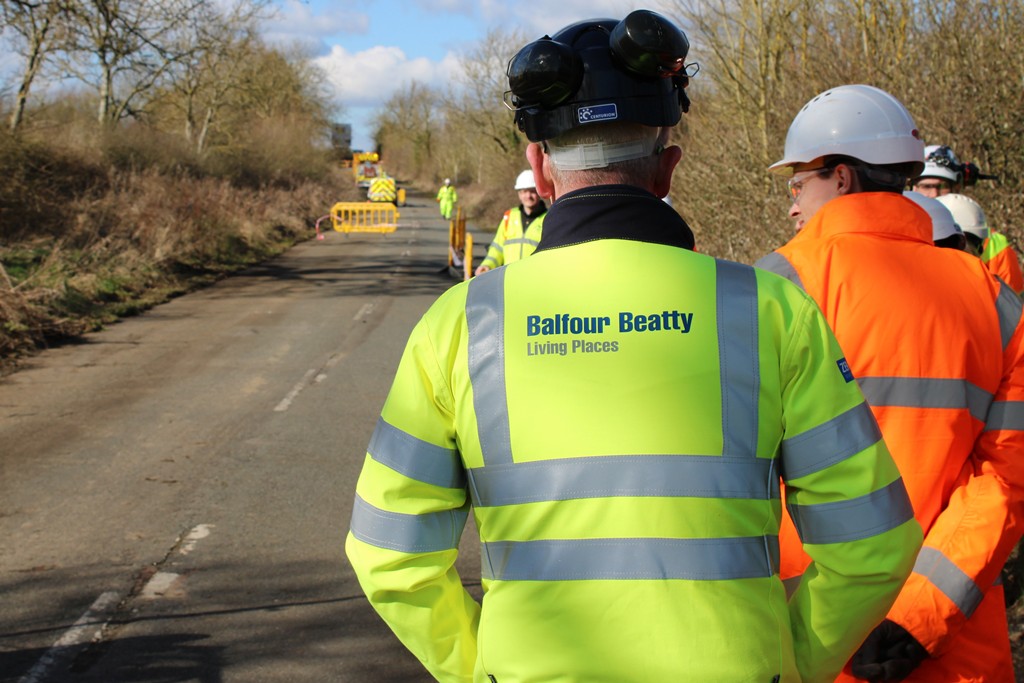
Balfour Beatty expects “high single digit percentage” growth in profits from operations in 2026, signalling a stronger pipeline across its UK infrastructure portfolio. The contractor currently has 15 power transmission schemes in design, indicating sustained demand for grid reinforcement and associated civils, foundations and access works. Two major highways projects are also flagged, pointing to continued workload in large-scale earthworks, pavement construction and structures, with knock-on demand for geotechnical investigation, materials supply and traffic management expertise.
Western Australian gold producers reported stronger March-quarter output, with established operations such as Kalgoorlie and Boddington lifting mill throughput and improving head grades despite persistent labour and energy cost pressures. Developers advanced expansion projects including new open-pit cutbacks and underground declines, alongside incremental plant upgrades such as additional leach capacity and improved gravity circuits. Exploration drilling around existing pits and along greenstone belt extensions continued to grow resource potential, extending mine lives and supporting long-term planning for tailings storage and haulage infrastructure.
The Uranium Mining and Nuclear Facilities (Prohibitions) Repeal Bill 2025 has passed the New South Wales Legislative Council, moving the state closer to lifting its long‑standing ban on uranium mining and nuclear facilities. The bill must still clear the Legislative Assembly before companies can advance exploration and project feasibility for uranium deposits previously sterilised by the prohibition. Any repeal would trigger new regulatory work on radiation protection, tailings storage design and long‑term groundwater monitoring frameworks specific to uranium operations in NSW.
Australia’s lithium sector is emerging as a key winner from efforts to diversify critical minerals supply chains away from China’s dominance in spodumene conversion and cathode materials. New offtake and joint venture structures are shifting some refining and hydroxide production capacity from Chinese hubs in Jiangsu and Sichuan to Australian-linked projects in Western Australia, including integrated mine–refinery developments near Kwinana. For geotechnical and mining teams, this points to sustained demand for hard‑rock pit expansions, tailings storage upgrades and supporting port and rail capacity over the medium term.
Dewatering of the main pit at Rox Resources’ Youanmi gold project in Western Australia has been completed, exposing the historic Youanmi underground workings for the first time in decades and clearing the way for decline access. The work allows detailed geotechnical mapping of existing drives and stopes, assessment of ground conditions around legacy voids, and planning of new underground infrastructure tied to the existing shaft and portal locations. Engineers will now be able to refine support regimes, groundwater management and backfill strategies based on direct inspection rather than historic records.
Moxa has secured the world’s first IEC 62443-4-2 certification under the IECEE scheme for serial device servers, covering its NPort 6000 G2 series used to connect legacy RS-232/422/485 equipment to IP networks in harsh industrial and mining environments. The certification verifies embedded security functions such as secure boot, user authentication, encrypted protocols and integrity checks at the component level, rather than only at system level. For mines running brownfield SCADA and PLC infrastructure, this signals a path to harden serial-to-Ethernet gateways without wholesale replacement of field devices.
Federal Budget allocations of $1.75 billion for the national rail freight network will fund resilience and productivity upgrades on Australian Rail Track Corporation (ARTC) corridors, building on earlier 2024 commitments. The Australasian Railway Association says the package targets new network investment rather than short-term maintenance, signalling scope for heavier axle loads, longer trains and improved flood and heat resilience on key interstate routes. For civil and track engineers, the funding points to upcoming packages in ballast renewal, formation strengthening, bridge upgrades and signalling modernisation across ARTC’s standard-gauge network.
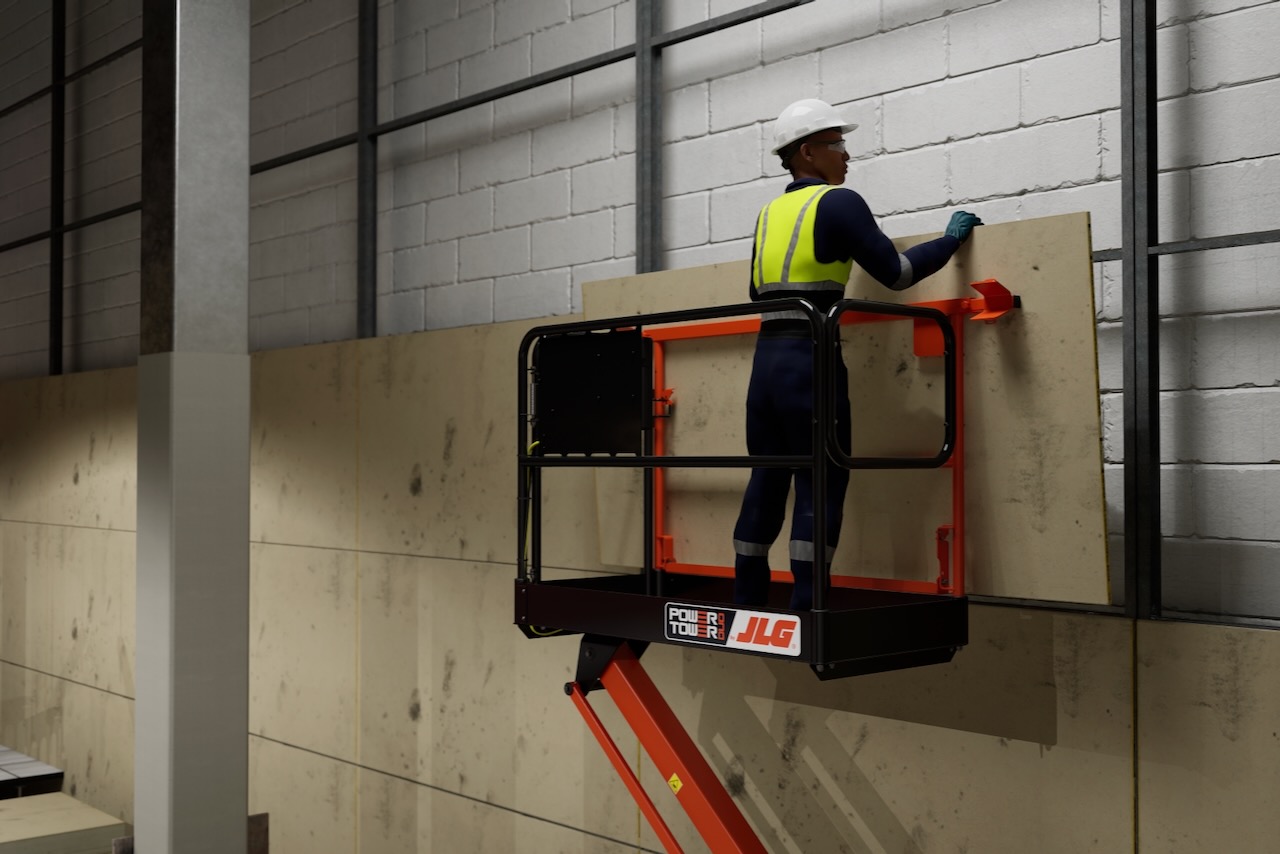
JLG has introduced a board and pipe carrier for its Power Tower and Power Tower Duo low-level electric platforms, adding a 75kg-capacity plasterboard ledge and a 45kg rack along the handrail for pipe, threaded rod or strut. Both platforms retain their 0.78m width to pass through standard doorways, offer a 5m maximum working height and 250kg total lift capacity, with the board tray folding away to preserve manoeuvrability. Additional options include an anticlimb grate to deter unsafe climbing and the Power Tower CS confined space basket for full-cage use in restricted areas.