Sprott 100,000‑lb uranium buy: supply–demand signals for mine planners
Reviewed by Joe Ashwell
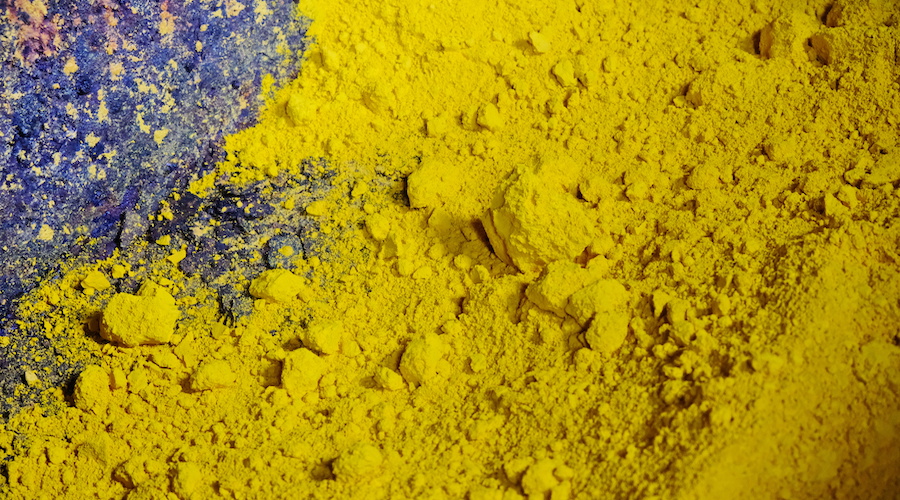
First reported on MINING.com
30 Second Briefing
Sprott Physical Uranium Trust has started 2026 by buying 100,000 lb of U₃O₈, lifting its holdings to about 74.9 million lb with a market value of US$6.13 billion, after purchasing 8.67 million lb in 2025 versus 3.06 million lb in 2024. Spot uranium is trading around US$82/lb, up 12% over 2025, while World Nuclear Association data show annual demand already exceeds mine output by 50–60 million lb and could reach 391 million lb by 2040. Ontario–New York nuclear cooperation and AI-driven data centre loads signal sustained pressure on fuel supply and long-term contracting.
Technical Brief
- Fourth-quarter 2025 buying reached 2.86 million lb, Sprott’s second-strongest quarter since Q2 2022.
- Annual U₃O₈ purchases have accelerated from 3.89 million lb (2023) to 3.06 million lb (2024) to 8.67 million lb (2025).
- Sprott Physical Uranium Trust trades on TSX under tickers U.U (USD) and U.UN (CAD).
- Trust uranium inventory is valued at US$6.13 billion, implying substantial warehousing of uncommitted physical supply.
- Sprott Inc. equity was priced at C$19.67 on 5 January, giving a C$8.3 billion market capitalisation.
- Ontario–New York nuclear MoU covers advanced technology knowledge-sharing, expanded cross-border power trade and joint project identification.
- For mine developers, persistent 50–60 million lb/year primary supply deficit structurally favours long-term offtake and price-supportive contracting.
Our Take
With projected global uranium demand reaching 391 million lb by 2040 and a structural 50–60 million lb annual supply gap, Sprott Physical Uranium Trust’s 74.9 million lb position effectively functions as a sizeable above-ground stockpile that utilities and developers in Canada and the USA will have to price around when planning long-lead nuclear fuel contracts.
The US$2.7 billion in US uranium enrichment orders referenced alongside players like American Centrifuge Operating and Orano Federal Services signals that enrichment capacity, not just U3O8 supply, is becoming a parallel bottleneck, which could support sustained premiums for North American-linked uranium projects compared with jurisdictions such as Brazil or Azerbaijan.
Among the 10 uranium- and uranium oxide–tagged pieces in our database, this is one of the few that couples physical market tightening with rare earth exposure via the Colossus project in Minas Gerais, underscoring how some funds and developers are now treating nuclear fuel and critical magnet materials as a linked strategic basket rather than isolated commodities.
Prepared by collating external sources, AI-assisted tools, and Geomechanics.io’s proprietary mining database, then reviewed for technical accuracy & edited by our geotechnical team.
Related Articles


Related Industries & Products
Mining
Geotechnical software solutions for mining operations including CMRR analysis, hydrogeological testing, and data management.
CMRR-io
Streamline coal mine roof stability assessments with our cloud-based CMRR software featuring automated calculations, multi-scenario analysis, and collaborative workflows.
HYDROGEO-io
Comprehensive hydrogeological testing platform for managing, analysing, and reporting on packer tests, lugeon values, and hydraulic conductivity assessments.
GEODB-io
Centralised geotechnical data management solution for storing, accessing, and analysing all your site investigation and material testing data.