Geomechanics, Streamlined.
© 2026 Geomechanics.io. All rights reserved.
Cenovus Energy CEO Jon McKenzie warns Canada is becoming uncompetitive for oil sands investment, citing lengthy approvals, higher operating costs and a proposed C$130/t industrial carbon tax that he says is unique globally and pushes capital to the US and Middle East. He notes only one new greenfield oil sands project has been approved and built since 2013 despite persistent global oil demand, arguing policy must support “filling a pipeline” with new developments. The warning comes as Cenovus posts Q1 net earnings of C$1.57 billion and record upstream output of 972,000 boe/d after acquiring MEG Energy.
Planning consent has been granted for a new 15MW data hub at Galaxy Data Centers’ Redhill campus in east Surrey, following approval by Reigate & Banstead Borough Council. The scheme will add significant electrical load and cooling demand to the existing technology site, requiring upgraded grid connections, high-capacity transformers and robust standby power systems. Civil and geotechnical teams can expect tight footprint constraints on a live campus, with heavy plant foundations, cable routes and drainage needing careful coordination with existing utilities and services.
Delaying construction of the new Birmingham–Manchester rail link until after HS2 and Northern Powerhouse Rail are complete is framed as a high-risk break in a continuous high-speed corridor between London, the Midlands and the North. Without a dedicated fast route between Birmingham Curzon Street and Manchester Piccadilly, long-distance services will remain constrained by existing mixed-traffic corridors such as the West Coast Main Line, limiting released capacity for freight and regional stopping patterns. For civil and rail engineers, the argument is that design, consents and land assembly for this section must run in parallel with HS2 and NPR to avoid cost escalation and network inefficiencies.
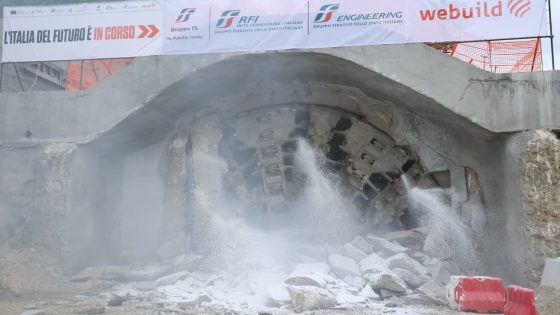
Excavation of the 6.5km Rocchetta Tunnel on the Naples–Bari high speed/high capacity railway has been completed by Italian contractor Webuild, marking a key milestone on the Apice–Hirpinia section. The twin-track tunnel forms part of RFI’s upgrade of the corridor for higher-speed, higher-capacity passenger and freight operations between southern Italy’s major cities. Completion of the primary excavation allows designers and contractors to move to lining, track slab, systems installation and integration with adjacent surface works.
NHS Shared Business Services has launched procurement for a £750M civils, construction and refurbishment framework covering public sector projects across the UK, Guernsey, Jersey and the Isle of Man. The multi-lot framework is expected to support new-build healthcare facilities, structural refurbishments and M&E upgrades, enabling trusts and other public bodies to call off works without separate OJEU-level tenders. Contractors and consultants will be watching for package sizes, regional lotting and any requirements around modern methods of construction, net-zero operational energy and clinical-grade building services.
UK construction workloads fell across most major sectors at the start of 2026, with RICS data pointing to weaker forward-looking sentiment as contractors react to cost and supply-chain uncertainty linked to the Middle East conflict. Infrastructure is the main outlier, with respondents still reporting positive workload expectations for transport, energy and utilities schemes, supported by committed multi-year public spending. For geotechnical and civil contractors, this suggests tighter pipelines in commercial and residential work but continued demand for large linear and energy projects.
US ocean-technology firm Panthalassa has raised $140M (£102M) in Series B funding, backed by Palantir co-founder Peter Thiel, to develop autonomous offshore AI data centres powered by ocean-wave energy. The concept places modular computing systems at sea, using wave-powered generation rather than grid connections or diesel, targeting high-density AI workloads. Civil and marine engineers will need to address mooring design, survivability in extreme sea states, subsea connectivity, and corrosion-resistant materials for long-duration unattended operation.
Stantec has been appointed to provide technical oversight and advisory services for a new 450,000t-per-year energy-from-waste plant in Redcar, designed to process residual household waste from across North-East England. The facility will form part of the Tees Valley energy cluster, requiring integration with existing grid and district energy infrastructure and careful management of emissions control systems. Geotechnical and civil design will need to address heavy process structures, high-load waste bunkers and stack foundations on a brownfield industrial site.
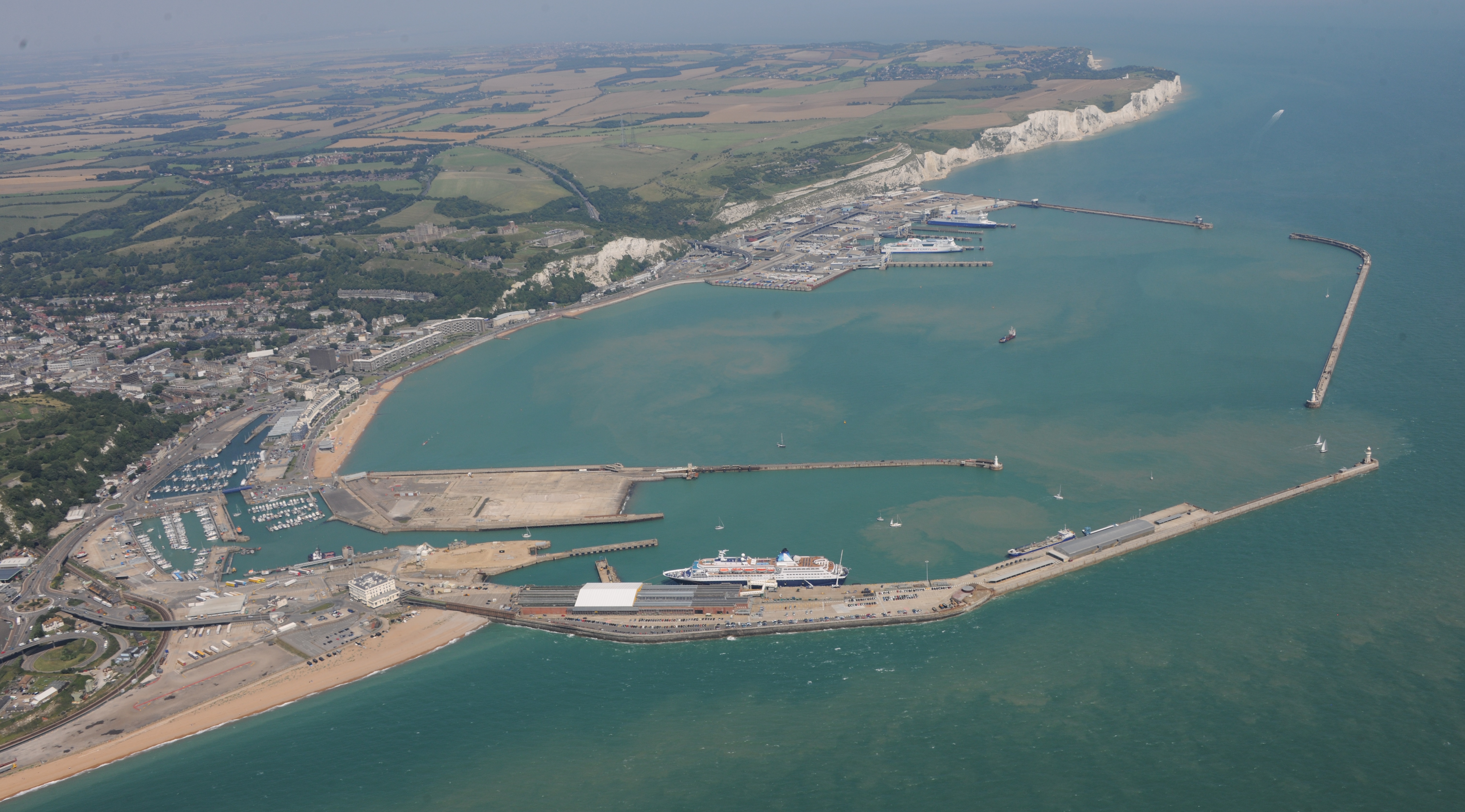
Costain has been selected by Dover Harbour Board for a framework lot to deliver critical infrastructure upgrades at the Port of Dover, the UK’s busiest roll-on/roll-off freight gateway. The programme will target increased capacity for international trade flows, likely involving reconstruction and reconfiguration of berths, marshalling areas and associated road links to handle higher HGV and passenger volumes. For civil and geotechnical teams, the work signals upcoming demand for heavy-duty pavements, quay strengthening, ground improvement and staged construction planning within a live, security-controlled port environment.
Rolls-Royce Power Systems is developing a hybrid haul truck drive that couples its mtu Series 4000 diesel engines with a high‑performance electric drivetrain, with field trials scheduled from autumn 2026 at an operating mine. The architecture targets fuel and CO₂ reductions by using electric propulsion for traction while retaining conventional engines for peak load and range. For mine operators, the package offers a retrofit‑friendly path towards lower emissions and fuel burn without immediate replacement of existing ultra‑class truck fleets.
allmineral is expanding from its core wet and dry processing technologies – including air-pulsed density separation, fluidised bed density sorting, magnetic separation and jigging – into integrated ore sorting solutions. Director of Business Development Richard Monteiro Ferreira describes a “separation suite” approach that combines sensor-based ore sorters with downstream jigging and fluidised bed units to optimise cut-off grades and reduce plant mass pull. For plant designers, the key shift is treating ore sorting as a front-end upgrade stage tightly coupled to existing gravity and magnetic circuits rather than a standalone bolt-on.
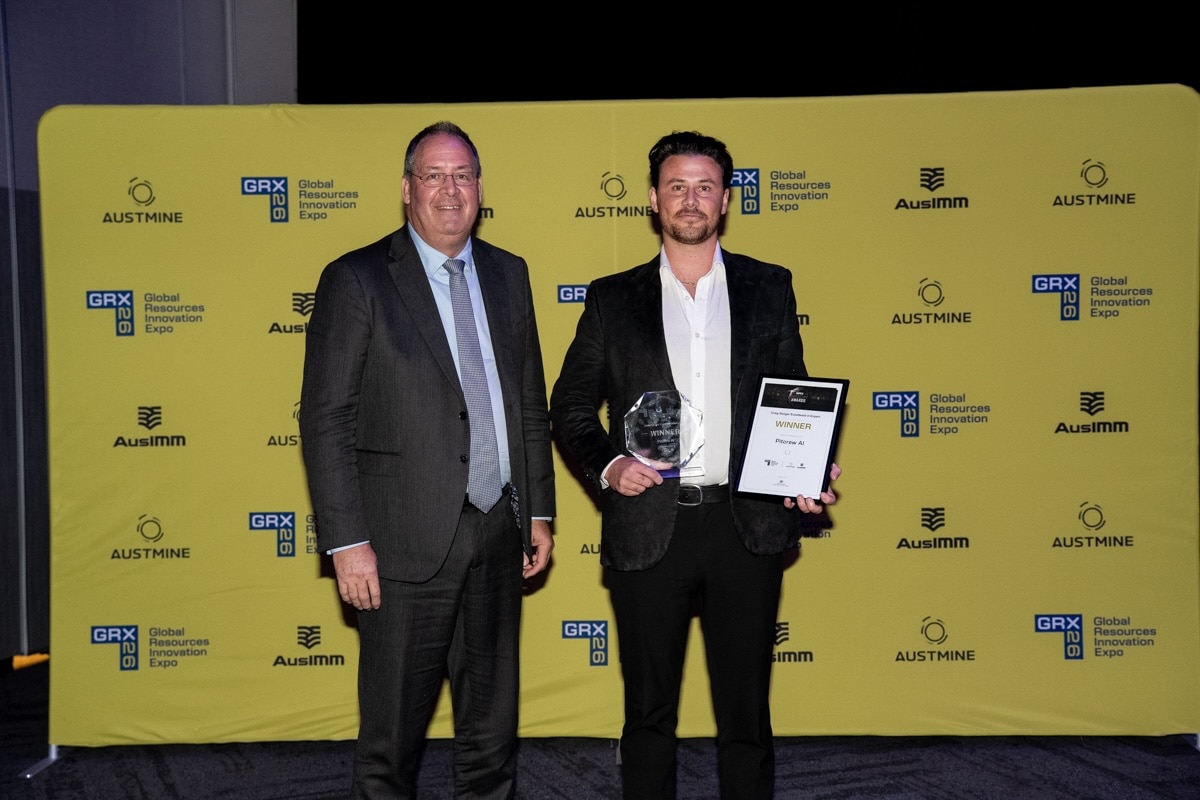
Winners at the Global Resources Innovation Expo’s GRX Industry Awards in Perth recognised advances across automation, decarbonisation and digital mining, with Pitcrew AI taking the Craig Senger Excellence in Export Award for its computer-vision tyre inspection systems now deployed at multiple international mine sites. Other awards covered emerging leaders and METS innovators delivering solutions in areas such as remote operations, data analytics and low‑emission equipment. For engineers, the results point to rapid uptake of AI‑driven condition monitoring and export‑ready Australian technology in mine maintenance and productivity improvement.
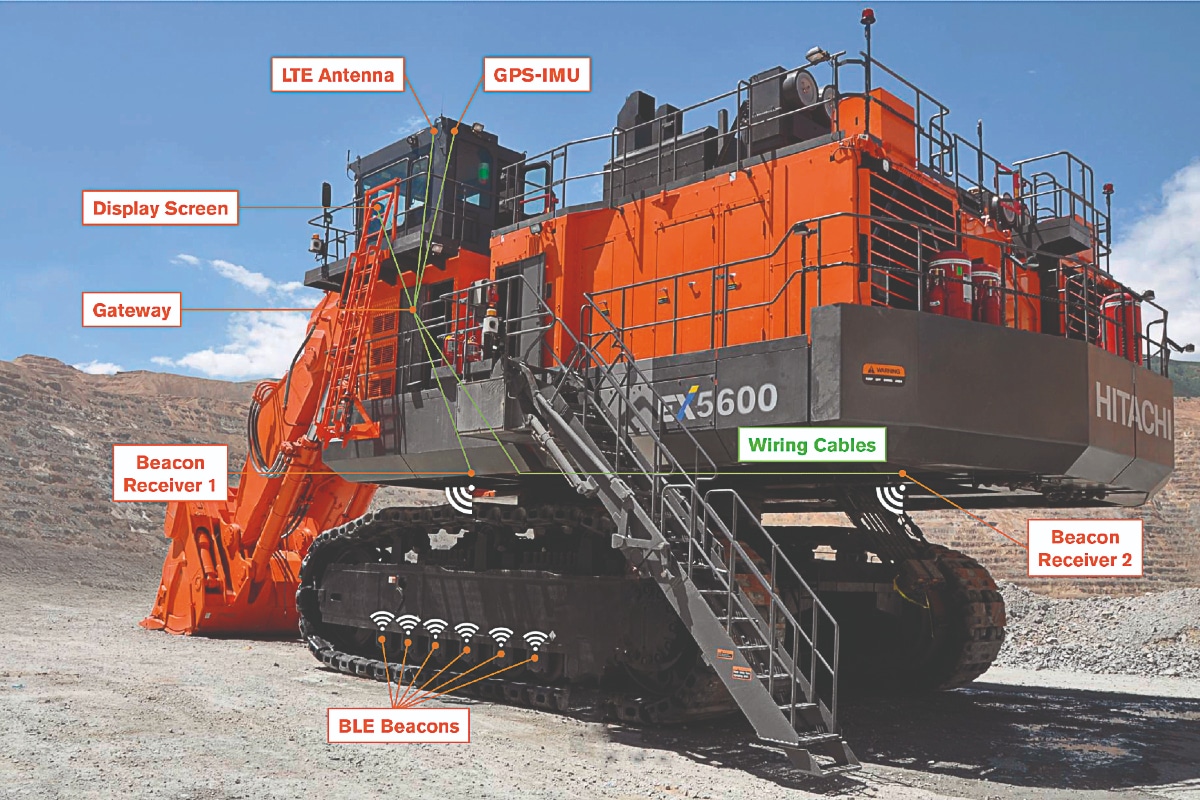
Bradken’s SmartRoller system replaces manual undercarriage roller inspections with continuous, real-time temperature monitoring streamed directly to operators on large mining machines such as electric rope shovels and draglines. Wireless sensors mounted on individual rollers track thermal behaviour under load and speed, flagging abnormal temperature rise that can precede bearing failure or seizure. Earlier detection enables targeted roller change-outs during planned shutdowns, reducing unplanned downtime, limiting collateral damage to track frames, and giving maintenance teams data to refine lubrication intervals and component selection.
Metso is expanding its presence in Argentina with new local capabilities in San Juan, the country’s key copper and gold mining hub, entering a new growth phase from the second quarter. The investment is aimed at building long‑term in‑country capacity for equipment support and services, reducing reliance on imported expertise and long supply chains. For mine operators, closer access to OEM support in San Juan should cut downtime on critical process equipment and improve lifecycle management for large copper and gold concentrator assets.
Minimising unplanned downtime in mining fleets is being tackled through smarter drivetrain selection and maintenance strategies, focusing on high-torque, low-speed applications in large haul trucks and loaders. The whitepaper examines trade-offs between conventional mechanical drivetrains and electric or hybrid-electric systems, including modular gearbox designs and condition-based monitoring of critical components such as final drives and torque converters. For mine planners and maintenance engineers, the key message is that drivetrain choices directly affect mean time between failures, spare parts inventories, and planned shutdown durations.
ContiTech has completed the first replacement of an ST10000 steel-cable conveyor belt at Codelco’s Chuquicamata copper mine in Chile, one of the largest uphill tunnel conveyor installations in global mining. The ST10000 belt, previously pioneering for high-tension, steep-gradient underground haulage at Chuquicamata, required complex change-out logistics in confined tunnel conditions and precise splice management for ultra-high-strength cords. The project confirms that life-cycle replacement of ST10000-class belts is technically viable, which will influence long-haul conveyor design and maintenance planning for deep and block cave operations.
Bechtel has signed an agreement with Chilean contractor Echeverría Izquierdo Montajes Industriales SA (EIMISA) to jointly deliver selected large-scale mining and infrastructure projects in Chile and wider South America. The partnership combines Bechtel’s EPC and megaproject management capability with EIMISA’s local industrial construction and erection services, targeting major copper and other hard‑rock developments as regional mining investment accelerates. For owners, the move signals stronger integrated delivery capacity for complex process plants, materials handling systems and associated civil works under Chilean regulatory and labour conditions.
Transport for NSW is shortlisting engineering solutions to reinstate Mitchells Causeway on the Great Western Highway after a defect in the pavement over the structure forced closure of Victoria Pass on 12 March. Subsequent investigations identified serious stress fractures forming in the westbound lanes, prompting a $50 million New South Wales Government package to upgrade key detour routes now carrying diverted traffic. Geotechnical and structural options for the causeway will need to address cracking behaviour under heavy freight loads and steep Blue Mountains topography while maintaining network resilience during works.
Caddick Construction has appointed former Bowmer + Kirkland regional director and quantity surveyor Paul Sykes as regional managing director for the East Midlands, extending its Midlands push launched in 2023 under Ray O’Sullivan. The contractor already holds a £1bn pipeline and £300m forward order book in the West Midlands and is now targeting private industrial and logistics schemes, high‑rise residential and commercial offices across the East Midlands. Expansion will also focus on public sector work via major frameworks, including the Department for Education’s £15bn Construction Framework 2025.
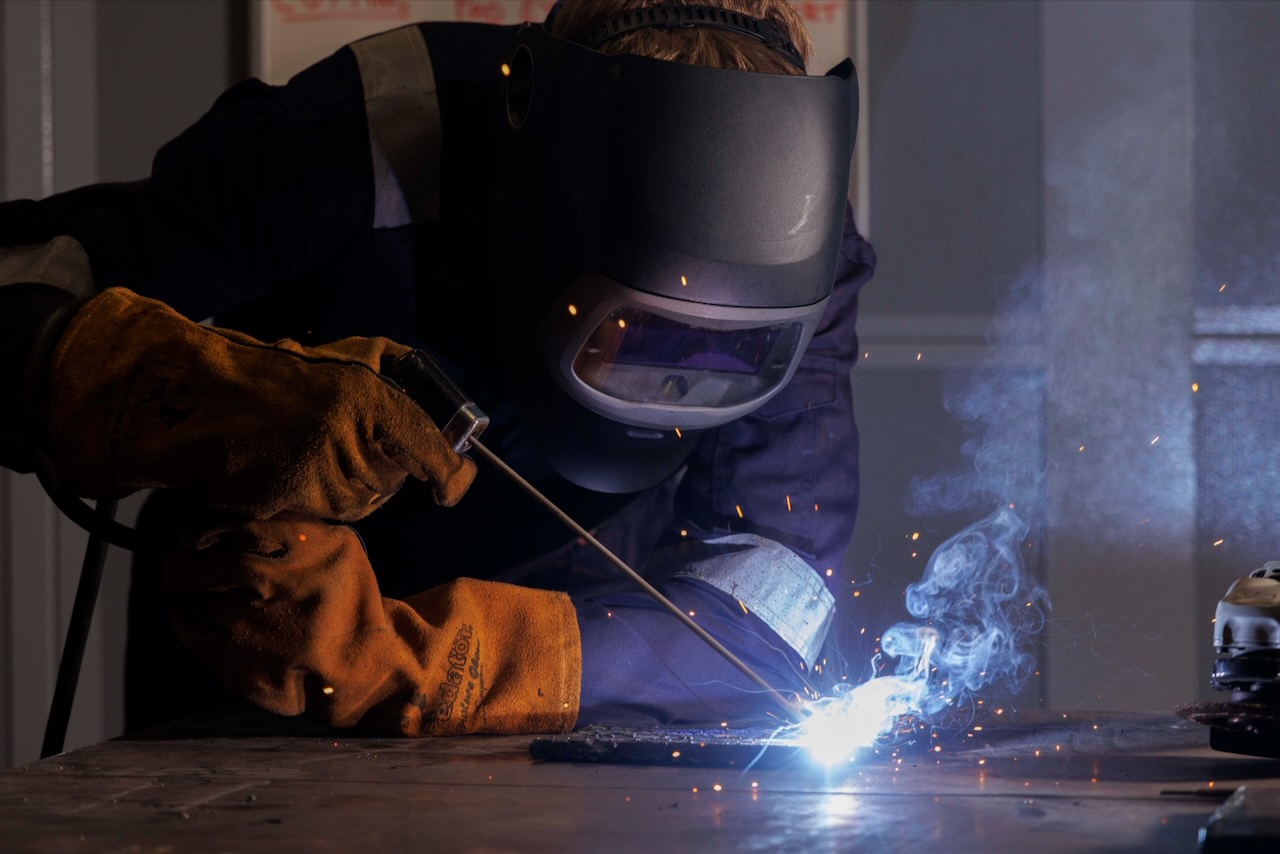
A new six-week Multi-position Fillet Welding upskilling programme from the Engineering Construction Industry Training Board targets a forecast 47% rise in welding demand, with required headcount projected to increase from 1,470 in 2025 to more than 2,150 by 2030. Delivered via blended learning and piloted at the Energy Transition Skills Hub in Aberdeen, the course is aimed at candidates with little or basic welding knowledge. ECITB is now seeking training providers across Great Britain, with particular emphasis on nuclear projects and replacing an ageing workforce, 24% of whom are over 60.
BAM reported higher Q1 2026 revenue and adjusted EBITDA, supported by a €13bn order book, improved solvency and a strong cash position, with Construction UK profitability rising and Civil Engineering UK maintaining strong margins. Construction UK secured the net‑zero operational Wales High School in Sheffield and the Eastwood Park Leisure Centre, theatre and library scheme for East Renfrewshire Council, and won a place on the Department for Education’s CF25 schools framework. Civil Engineering UK also gained a position on the refreshed Procurement Partnerships North West Framework, signalling continued workload in public infrastructure.
Travis Perkins Managed Services has appointed Rosie Wise as managing director, while she simultaneously retains her role as MD of Benchmarx Kitchens and Joinery, following the departure of Ben Todd. Wise will oversee supply-chain and materials solutions for large national and SME housebuilders, as well as social housing providers, housing associations and local authorities, at a time of incoming legislative changes affecting housing standards and asset management. She plans to expand use of digital solutions to drive efficiency in delivering safe, warm and dry homes across the UK housing stock.
Schneider Electric has introduced its StarCharge Fast 720 system to the UK, delivering up to 720kW DC and simultaneously charging up to 12 EVs for fleet and heavy-duty transport depots. The unit operates at 97% efficiency and uses dynamic load management to optimise charging across mixed vehicle types while a decentralised layout allows up to six dispensers to be sited within 80m of a single Boost Pro+ Power Cabinet, limiting grid connection points and installation works. Remote monitoring via the EcoStruxure Energy Asset Portal and 24/7 support target high-availability, mission-critical charging yards.
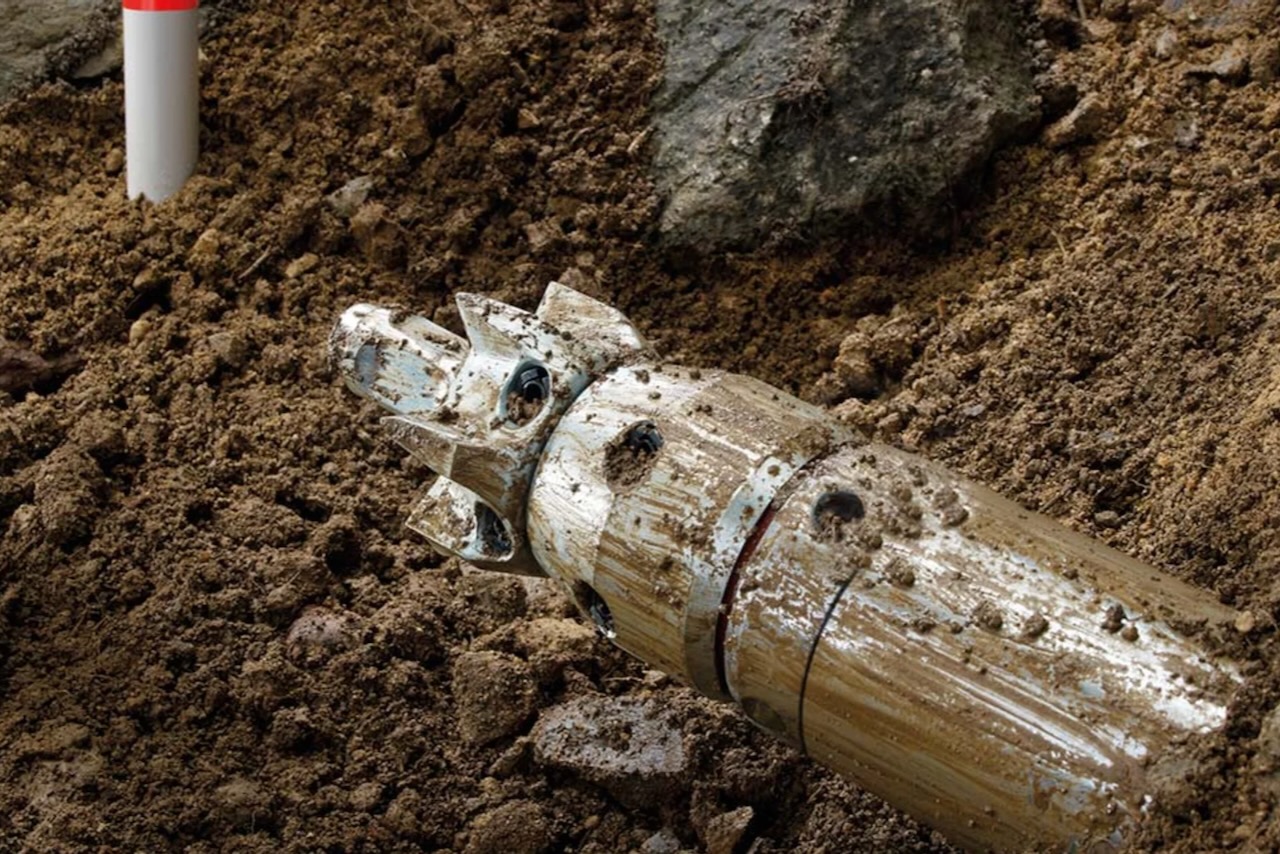
Tracto has launched the Grundomat 45 Extra Short mole in the UK, a trenchless pipe-laying tool just 800mm long and 8kg in weight for sites with severely constrained entry and exit pits. The pneumatic mole delivers 580 impacts per minute and is offered in either high-strength steel or hardened alloy steel, targeting service connections and short bores where standard-length tools are impractical. An initial batch of 40 units is stocked at Tracto UK’s Bedford headquarters, with early uptake from groundworkers, contractors and utility installers.