Geomechanics, Streamlined.
© 2026 Geomechanics.io. All rights reserved.
Fluor Corporation has been selected to deliver feasibility study services for Anglo American’s Woodsmith underground mine in North Yorkshire, which targets the world’s largest known polyhalite fertiliser deposit. The undisclosed contract value will be booked in Q2 2026, signalling renewed project momentum after earlier slowdowns and scope reviews. Engineers should expect detailed re‑evaluation of shaft sinking, long-distance materials handling to Teesside, and process plant options for polyhalite beneficiation and granulation.
Canadian mining technology company ELEMISSION has won the Global Open Innovation Colab challenge at GRX26 in Perth after a live pitch to investors, innovators and senior mining executives. The competition, delivered by Austmine and AusIMM with partners including Expande (Chile) and the Peru Mining Innovation Hub, sought deployable solutions for real mine-site challenges across multiple jurisdictions. ELEMISSION’s win signals growing interest from major operators and METS partners in advanced sensing and automation technologies that can be integrated into existing mining circuits.
Pebble recirculation, which can account for up to 30% of mill feed and significantly raise energy use, is being re‑examined by SRK Consulting and TOMRA Mining through sensor‑based ore sorting of the pebble stream. By treating pebbles as a heterogeneous feed and diverting barren or low-value fragments via TOMRA’s sorting units, operations can cut unnecessary regrinding and reduce circulating loads. The approach targets higher throughput and lower specific energy consumption in SAG and AG circuits without major changes to existing comminution layouts.
Gold Fields is reviewing its deployment of INDIMIN’s AI-based Smart Mining Coach at the Cerro Corona open-pit copper-gold mine in northern Peru, with early results presented jointly at ExpoCobre in Lima (27–29 April). The digital coach platform is being used to support operators in real time on load–haul–dump cycles and drilling, integrating fleet data and short-interval control to tighten adherence to mine plans. For geotechnical and production teams, the trial points to closer linkage between dispatch data, operator behaviour and daily pit performance.
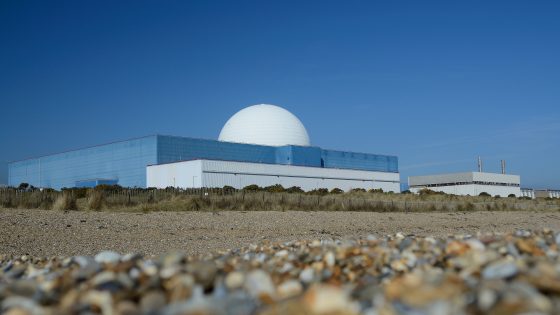
Conflict in the Middle East is again pushing up global gas prices, prompting renewed calls from Conservative MP and former energy minister Andrew Bowie for rapid expansion of UK nuclear generation. Bowie backs large-scale projects such as Hinkley Point C and Sizewell C alongside a fleet of small modular reactors (SMRs) to replace ageing AGR stations and cut exposure to volatile LNG imports. For civil engineers, this signals sustained demand for nuclear-grade concrete, deep excavation and marine works, and long-term grid-connection and cooling-water infrastructure.
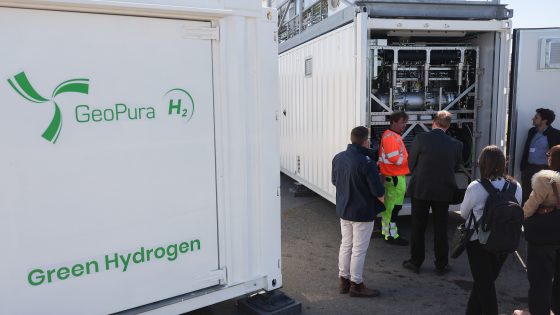
Hydrogen power was demonstrated at the Port of Tilbury as a direct replacement for diesel generators and fuel on large construction sites, targeting both temporary power and heavy plant. The event showcased containerised hydrogen generator units and hydrogen-fuelled machinery operating at construction scale, aimed at cutting on-site emissions and noise without major changes to existing site logistics. For civil contractors, the trial signals growing practical options for low‑carbon site power on major infrastructure works where grid connections are constrained.
The University of Birmingham has appointed multi-disciplinary consultancy Pick Everard to its sustainability advisor framework, supporting a campus ranked in the world’s top 50 for commitment to tackling climate change challenges. The framework is expected to guide low‑carbon design, retrofit and whole‑life performance strategies across the university’s estate, influencing materials selection, embodied carbon assessment and energy‑efficient building services. For civil and infrastructure teams, this signals more stringent sustainability criteria on future UoB projects, with closer scrutiny of carbon, resource use and climate resilience in design and procurement.
Newly released archive photographs show the construction of Derwent Dam in 1916, when the masonry gravity structure was built to secure a strategic upland water supply for the Derwent Valley. Severn Trent says the reservoir system now provides treated water to millions of people across Derbyshire, Leicestershire and Nottinghamshire, illustrating the long-term performance of early 20th‑century dam engineering. The images offer rare visual detail on historic construction methods, materials handling and workforce scale for a major UK water infrastructure asset.
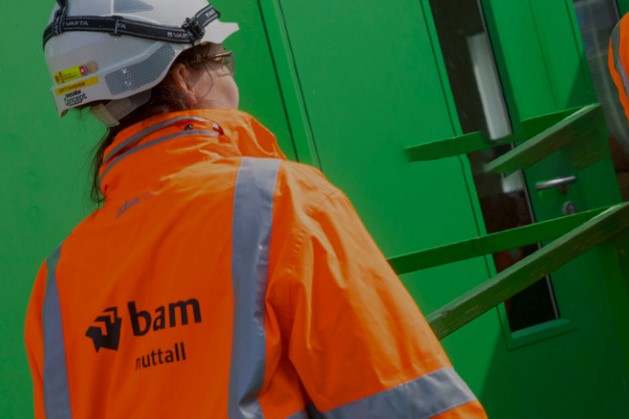
Bam Nuttall has secured a £9.5M contract to build three new pumping stations in the Upper Thurne catchment in the Norfolk Broads, near Great Yarmouth, as part of a major flood risk management upgrade. The scheme will modernise ageing drainage infrastructure protecting low-lying, peat-rich marshland and riverside communities that are highly exposed to tidal surges and fluvial flooding. Designers and contractors will need to address soft ground conditions, high groundwater levels and environmental constraints within a protected wetland landscape.
National Highways has introduced a 7.5t weight restriction on the A5 through Towcester after completion of a new relief road built by Persimmon Homes. Heavy goods vehicles above 7.5t are now being diverted onto the relief route to bypass the town centre, targeting lower traffic noise and reduced air pollution on the existing A5 corridor. The change alters freight routing geometry through the area and may influence future pavement maintenance priorities and junction capacity assessments on the new link.
Six cornerstone gold assets across Western Australia and New South Wales – including Regis Resources’ Duketon operations and Vault Minerals’ King of the Hills mine near Leonora – are driving a proposed all-scrip merger between the two mid-tier producers. The combined portfolio would consolidate open-pit and underground production centres along the Eastern Goldfields and NSW gold belts, with synergies expected in processing, regional exploration and shared infrastructure such as haul roads and centralised plants. For contractors and suppliers, the deal signals potential re-optimisation of mine plans, mill throughput and tailings storage strategies across multiple sites.
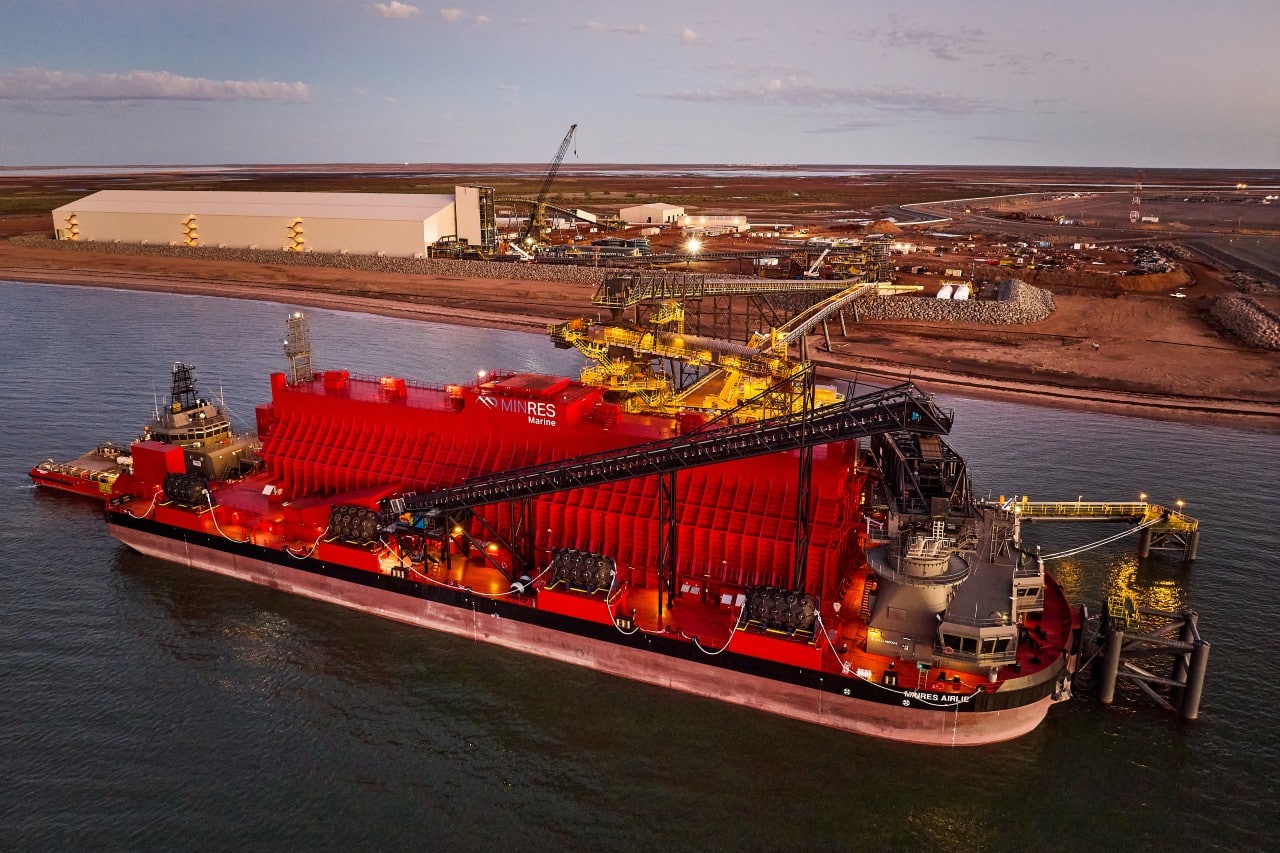
Mineral Resources (MinRes) has appointed Darren Killeen as chief operating officer as it ramps up operations at its Onslow Iron project, which includes a new deep-water marine facility and transhipper-based export chain. The leadership change comes during a major growth phase spanning iron ore, lithium and energy, with MinRes investing heavily in haulage infrastructure, crushing hubs and port capacity in the Pilbara. For mine planners and contractors, the move signals continued capital deployment into large-scale bulk handling systems and long-haul logistics rather than divestment or slowdown.
A $4 million commitment from the Northern Territory Government will fund a new Global Investment Programme to market the Territory’s critical minerals, including lithium, rare earths and manganese, to offshore capital. The initiative, delivered through the Territory’s Investment Attraction Division and the Darwin-based Mining and Energy Services Council, targets large-scale projects such as the Middle Arm Sustainable Development Precinct and emerging battery metals hubs. For miners and project developers, the funding signals stronger government backing for feasibility-stage studies, infrastructure planning and investor due diligence across NT greenfield deposits.
Mining royalties of $10.8 billion in 2025–26 have driven Western Australia to forecast a $3.2 billion budget surplus, with iron ore, lithium and gold remaining the dominant revenue sources. The budget papers show iron ore alone still contributes the bulk of royalty income, supported by sustained prices above long‑run assumptions and export volumes near record Pilbara output. For miners, the figures signal continued state reliance on royalty streams, with implications for future changes to royalty rates, approvals resourcing and investment in enabling infrastructure such as ports and heavy‑haul rail.
Exploration activity is ramping up across Australia, with Gippsland Critical Minerals, Ark Mines and Alliance Nickel advancing early-stage copper, rare earths and nickel projects. Ark Mines has identified gold mineralisation at its Sandy Mitchell project in Queensland, while Gippsland Critical Minerals is progressing rare earths and critical minerals targets in the Gippsland region. Alliance Nickel continues to advance nickel exploration, signalling a broader push to firm up polymetallic resources that could feed future battery and critical minerals supply chains.
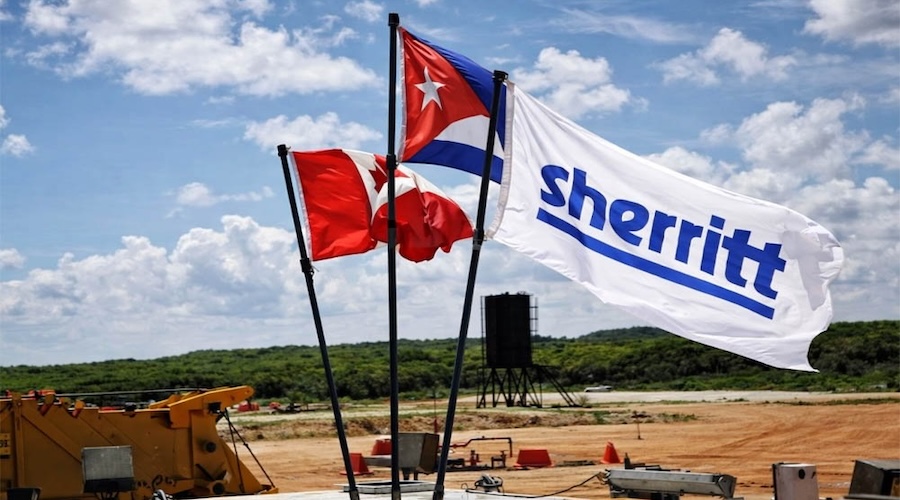
Shares in Sherritt International plunged up to 30% on Thursday to about C$0.17, valuing the company at roughly C$120.7 million, after it suspended direct participation in its Cuban joint ventures in response to new US sanctions on Cuba’s metals and mining sector. The move affects Sherritt’s 50% stake in the Moa nickel-cobalt operation and its one‑third interest in power producer Energas S.A., with Canadian staff being repatriated and three directors, Brian Imrie, Richard Moat and Brett Richards, resigning. Feedstock to Sherritt’s Fort Saskatchewan refinery, which processes Cuban nickel and cobalt, is expected to run out by mid‑June, threatening near‑term supply continuity.
Denarius Metals has abandoned its all-share bid for Emerita Resources after the Spain-focused explorer refused “substantive discussions”, despite a revised C$0.45-per-share proposal valuing Emerita at about C$134 million, a 73% premium to its 10 April close. The move follows fraud allegations by the Ontario Securities Commission over Emerita’s Falcon lithium claims in Brazil and disclosures on the Plaza Norte zinc project in Spain, which prompted the resignation of CEO David Gower and chairman Larry Guy. Denarius will instead focus on ramping up the Zancudo gold-silver mine in Colombia and restarting the Aguablanca nickel-copper project in Spain by H1 2027.
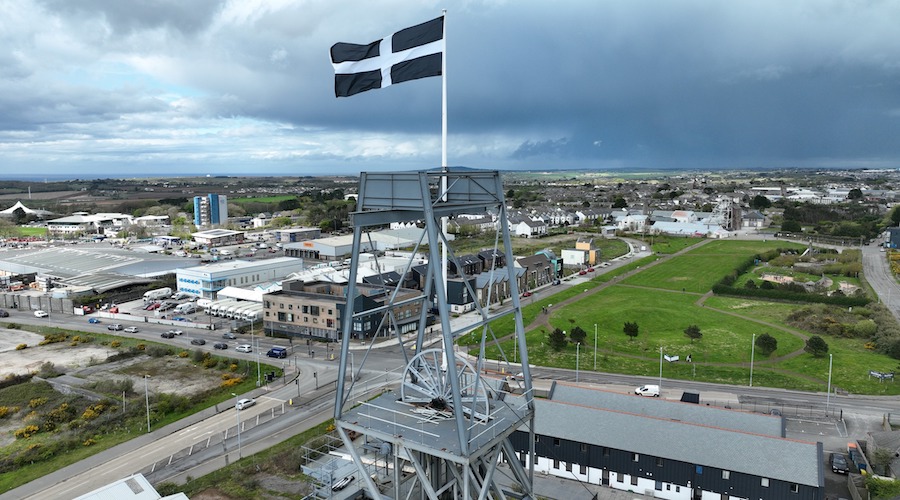
Cornish Metals has secured a $210 million, six-year bond at a fixed 13.5% coupon to advance the restart of the South Crofty tin mine in Cornwall, with CEO Don Turvey saying the company expects to be fully funded ahead of a final investment decision this summer. The move follows a non-binding US EXIM Bank letter of interest for up to $225 million linked to future tin concentrate exports and comes as tin prices approach $54,000/t after gains of almost 40% in 2025 and 34% year-to-date. South Crofty hosts 2.9 Mt indicated at 1.5% Sn and 2.63 Mt inferred at 1.42% Sn, with a PEA outlining a 14-year life and average output of 4,700 t/y tin, peaking at 5,000 t in year four.
Gold extended its rebound to a two-week high on Thursday, with spot prices up 1.4% to above $4,750/oz and US futures near $4,770/oz, as reports that Iran is reviewing a US proposal to end the 10-week Middle East war eased inflation and interest-rate fears. The conflict has disrupted energy flows through the Strait of Hormuz and driven a 10% drop in gold during the war, but BNP Paribas Fortis now sees potential for prices up to $6,000/oz, while Deutsche Bank has floated $8,000/oz on de-dollarisation. Analysts at TD Securities warn the peace headlines remain fragile, with Fed officials still signalling no imminent rate cuts as US inflation sits above 2%.
B2Gold produced 237,763 oz of gold in Q1 2026, beating both internal and Haywood Capital’s 210,000 oz forecast, with the Fekola mine in Mali delivering 117,450 oz on 2.55 Mt throughput at 1.56 g/t and 91.7% recovery, up 25% year-on-year. The Goose mine in Canada added 42,876 oz after ramp-up, while Masbate (Philippines) and Otjikoto (Namibia) also exceeded plan, supporting 2026 guidance of 820,000–970,000 oz. Lower-than-expected cash operating costs of US$1,005/oz and solar projects at Fekola, Masbate and Otjikoto reduced fuel exposure, driving net income to US$205.5 million and free cash flow to US$362 million.
McEwen Mining shares jumped up to 13% to US$26.44 after Q1 2026 revenue reached US$74 million, up 107% year-on-year, driven by a 71% rise in realised gold prices and 21% more gold-equivalent ounces sold. Net income swung to US$33.4 million (US$0.56 per share) from a US$6.3 million loss, with consolidated production at 30,471 gold-equivalent ounces, about half from the 49%-owned San José mine in Argentina following a process plant expansion. The company is holding 2026 guidance at 114,000–126,000 gold-equivalent ounces and plans to lift output to 250,000–300,000 ounces by 2030 via the Stock mine in Ontario and a two-phase restart at El Gallo in Mexico.
Rare Earths Americas (NYSE: REA) raised $63.3 million in an oversubscribed NYSE IPO, hitting a $368 million valuation and closing Thursday with its market capitalisation up to $439.9 million after a 19% share price jump. The company is advancing four exploration-stage heavy rare earth projects, including ionic clay deposits at the Alpha project in Bahia, Brazil, now moving towards an SK-1300 initial assessment, and a shallow, free-digging monazite-rich sands district at Shiloh, Georgia. Management aims to produce gravity-separated concentrates compatible with existing Western processors such as Energy Fuels’ White Mesa mill, avoiding the technical risk of in-house separated oxide production.
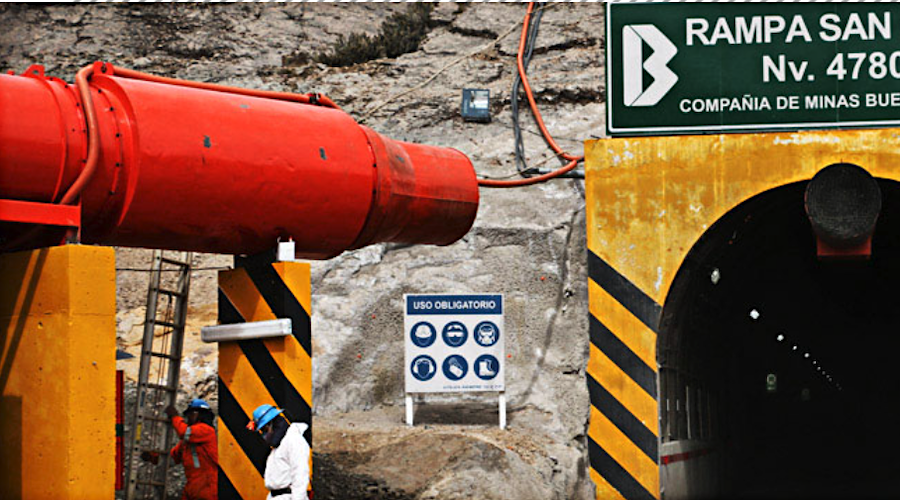
Buenaventura is weighing a 16‑year life extension for its San Gabriel underground gold mine in Peru’s Moquegua region, where current reserves exceed 1.8 million ounces and total measured, indicated and inferred resources top 2.4 million ounces. The operation, which poured its first gold bar in December 2025, is ramping from 2,000 tonnes per day by end‑2026 to a nominal 3,000 tpd in 2027, targeting more than 100,000 ounces of annual output. Around 90% of the rock mass is classed as low‑quality geomechanically, prompting adoption of a novel underground mining method in South America to improve selectivity and reduce dilution.
A bill to repeal New South Wales’ 1986 prohibition on nuclear energy and uranium mining has passed the state’s Upper House and now moves to the Lower House for a final vote. Introduced by Libertarian Party MLC John Ruddick, the Uranium Mining and Nuclear Facilities (Prohibitions) Repeal Bill could open uranium exploration around historic prospects such as the Broken Hill region, dormant since the 1970s–80s. The Minerals Council of Australia notes countries representing about 70% of global GDP are now looking to nuclear power and Australian uranium for energy security and grid decarbonisation.