Geomechanics, Streamlined.
© 2026 Geomechanics.io. All rights reserved.
50 articles tagged with Sustainability
Texas startup Supra Elemental Recovery has secured a Phase I SBIR contract from the US Department of Defense’s Defense Logistics Agency to advance scandium recovery from North American industrial byproducts using its proprietary chemical separation platform. Spun out of the University of Texas at Austin, Supra applies peer-reviewed separation technologies directly at mining and industrial sites to selectively recover rare earth elements and other critical minerals from existing feedstocks. The project will test feasibility and scalability for high‑purity scandium production, targeting onshore resources to reduce total US reliance on imported scandium.
Sandvik Mining is shifting battery-electric underground development drilling from simply powering tramming to directly improving drilling performance, with President Underground Drilling Johannes Välivaara outlining new BEV rigs that integrate high-power battery packs with drilling hydraulics and control systems. Building on a decade of experience with at least one battery-electric development drill in its portfolio, Sandvik is now targeting faster penetration rates, reduced heat load and lower ventilation demand in deep, hot mines. For geotechnical and mine engineers, the move signals closer coupling of energy storage, drilling kinematics and automation-ready control for future heading development.
Morgan Sindall Construction has completed the Kilburn Mews project, remodelling 12 mid-19th century railway arches and adding two new retail units beneath three live rail lines for Places for London. Works involved stripping back to bare brick, controlled asbestos removal, installing new structural slabs, fully lined soffits and walls, and glazed façades supported on internal structural steel goalposts and frames to avoid fixings into the arches and limit additional loading. The scheme adds gas-free commercial units with air-source heat pumps, underfloor heating and a communal district system, plus a 76 m³ attenuation tank and tree‑linked local attenuation to manage stormwater and biodiversity.
Global coal financing has held near $117 billion a year since COP26, with Urgewald tracking $467 billion in loans and underwriting from 744 banks to thermal coal companies between 2022 and 2025, 62% of it from Chinese lenders and 14% from US banks. EU-headquartered banks cut annual coal financing 46% to $2.6 billion by 2025, while UK banks increased support 17%, led by Barclays at $5.7 billion over four years and a 34% annual rise to $1.6 billion. In contrast, Chinese annual coal financing climbed to $75 billion, US banks to $16.7 billion, and South Korean banks more than doubled exposure to $1.75 billion, signalling capital is concentrating in jurisdictions with weaker coal policies.
Cruden has begun pre-construction works for a 90-home scheme off Kirkton Road, Neilston, comprising 66 three- and four-bedroom private units and 24 affordable homes, with first timber kits due on site early next year and initial completions targeted for next summer. The layout retains existing access points from Kirkton Road and the approved landscape strategy, adding new tree planting, walking routes and sustainable drainage features integrated with surrounding green space. Homes will incorporate air-source heat pumps and electric vehicle charging, signalling fully electric, low-carbon building services.
M Group has launched its first Sustainability Strategy, targeting a 42% cut in Scope 1 and 2 emissions and a shift to 100% electric company cars by FY2030. The infrastructure services provider plans to decarbonise its directly controlled fleet and site operations, signalling tighter control of fuel use, plant selection and temporary power on projects. Contractors and suppliers can expect growing pressure for low‑emission vehicles, alternative fuels and better energy data to align with M Group’s interim and 2030 targets.
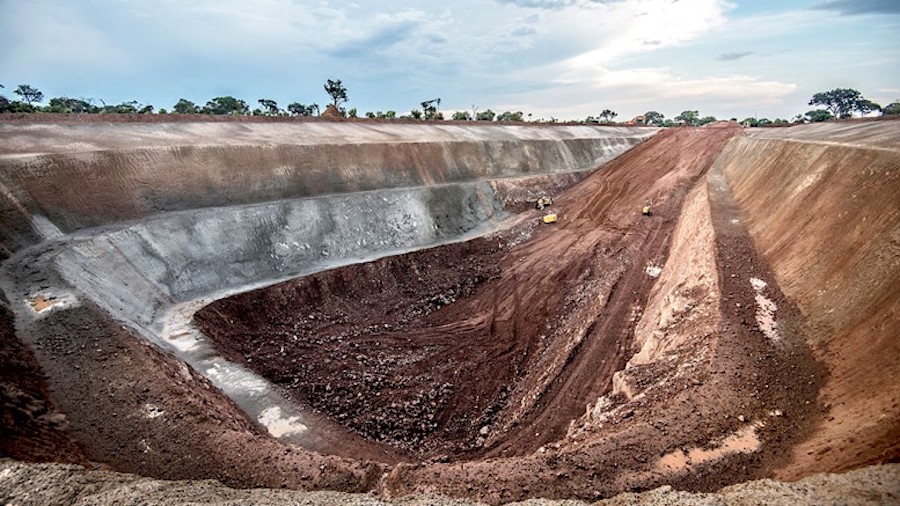
Copper Intelligence and CoTec Holdings have formed a British Virgin Islands joint-venture company to process historical copper tailings across the Democratic Republic of Congo’s legacy copper districts, which have generated waste since the 1950s. CoTec will deploy its extraction technologies for rare earth and strategic materials to upgrade old tailings and redundant copper deposits, while Copper Intelligence provides regional execution capability and targets high-potential DRC assets. Projects will be advanced asset-by-asset, subject to detailed legal and technical due diligence and board approvals, with scale-up funding sought from the US International Development Finance Corporation and others.
Hundreds of millions of dollars’ worth of Venezuelan gold flown into the US under a Trafigura–Minerven deal backed by President Trump and Interior Secretary Doug Burgum is sitting idle because refiners refuse to process it without proof it meets responsible-sourcing standards. The gold, including about $100 million shipped within hours of the March signing, comes from guarded Minerven underground mines where small-scale producers reportedly pay protection money to the Tren de Guayana gang. Similar deals by Heeney Capital and Mercuria, targeting up to $2.2 billion a year in Venezuelan mineral exports, face the same due‑diligence bottleneck.
Texas startup Hertha Metals has raised $133.65 million in Series A funding, including $65 million from the US government’s IBAS programme, to build its Hertha Chalyx plant targeting 10,000 tonnes per year of steel-grade and magnet-grade high-purity iron. The facility will deploy the FLEXHERS process—a single continuous hydrogen/natural-gas reduction reactor coupled with electric arc furnace technology—claiming 25% lower production costs than blast furnaces and emissions cuts of 50% (natural gas) to up to 98% (hydrogen). Chalyx, alongside the existing 360 t/y Pi100 pilot in Conroe, aims to create a fully domestic feedstock source for NdFeB magnet and defence manufacturers.
We Recycle Solar will build the US’ first end-to-end critical materials recovery facility for retired solar panels on a 10-acre campus outside Dallas, targeting Q3 2027 start-up. The Arizona-based firm says the commercial-scale plant will process one panel per minute and recover up to 96% of contained silver, copper, silicon, aluminium and glass through a proprietary extraction process that avoids any offshore smelting. WRS plans a further $100 million investment in four additional US facilities within four years, aiming to capture value from an $80 billion projected 2050 solar-panel waste stream.
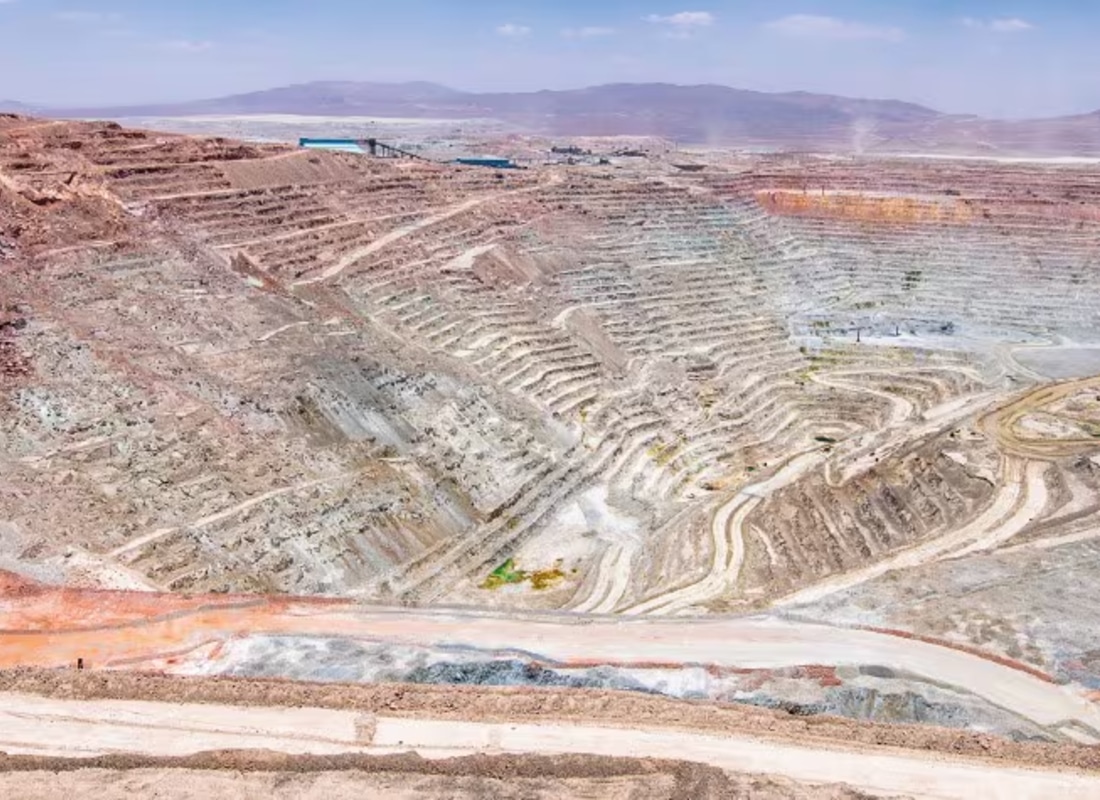
Anglo American has started supplying desalinated water to its Los Bronces copper mine in Chile via the newly commissioned Quilapilún Station in Colina, where collection pools feed a dedicated pipeline into the operation. Chile’s Joint Minister of Economy, Development and Tourism, and Mining, Daniel Mas, formally opened the valve on 28 September, signalling a shift away from direct freshwater abstraction in a highly water-stressed region. For mine planners and process engineers, the move implies tighter integration of desalinated supply into plant water balances, pumping energy demand, and long-term permitting strategies.
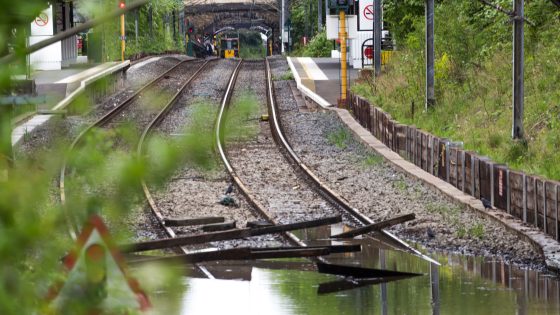
Government Actuary’s Department actuaries have delivered probabilistic analysis to the Office of Rail and Road on how climate-related hazards such as extreme rainfall, heat and flooding are evolving across UK rail and strategic road assets. Using long‑term climate projections and hazard frequency–severity modelling, the work maps where risks to embankments, cuttings, track buckling and drainage exceedances are likely to increase. The outputs will feed into ORR’s scrutiny of Network Rail and National Highways’ asset management, resilience upgrades and future capital planning.
Creation of Great British (GB) Grid will establish a publicly owned electricity grid investment body with access to up to £4bn from within Great British Energy’s existing budget. The organisation is expected to focus on accelerating grid reinforcement and new transmission capacity to connect large-scale offshore wind, solar and storage projects, where current connection queues often exceed 5–10 years. For civil and electrical engineers, this signals forthcoming demand for high-voltage substations, overhead line upgrades and underground cable corridors, alongside associated consents and geotechnical works.
A new £10M treated water reservoir at Chaul End near Caddington has almost doubled storage capacity at the Affinity Water site, boosting resilience for supplies to Luton, Hemel Hempstead and St Albans. The additional covered storage is integrated into the existing treatment works, allowing more buffered output from the works to the trunk main network during peak demand and outage events. For civil and geotechnical teams, the scheme signals continued investment in service reservoirs and associated earthworks to harden southern England’s potable water infrastructure against drought and network shocks.
George Bamford has been appointed joint chairman of JCB as the privately owned manufacturer reported 2025 turnover of £5.7bn and profit before tax of £642m, with machine sales dipping to 113,948 units amid flat demand in North America and a 12% market contraction in India. JCB remains debt-free and says it has grown global market share while committing £100m to hydrogen combustion R&D, including a hydrogen-fuelled engine now in commercial production. The technology’s performance was showcased when Andy Green reached 406.32mph at Bonneville in the world’s fastest hydrogen-powered vehicle.
The Environment Agency has submitted a planning application for the Portreath Flood Alleviation Scheme in Cornwall, centred on safeguarding a 95-year-old coastal tunnel that currently conveys storm flows through the village. The scheme is described as a major capital investment to protect homes, businesses and community facilities from coastal and fluvial flooding, following repeated storm damage to Portreath’s seafront infrastructure in recent winters. For geotechnical and civil teams, key issues will include assessing the existing tunnel’s structural condition, lining options and hydraulic capacity under future climate-driven peak flows.
The Institution of Engineering and Technology has launched the 2026–27 IET Faraday Challenge with a new flexible format allowing schools, youth groups and home-educating families to run engineering design challenges on their own timetable rather than fixed competition days. Teams of 6–8 students aged 12–13 will work on a real-world brief from an industry partner, using standardised kits of electronic components and structural materials supplied by the IET. The format is intended to widen access beyond well-resourced schools and give more pupils early exposure to structured engineering problem-solving.
Morocco’s first large-scale lithium iron phosphate battery energy storage system has been energised at OCP Green Energy’s Benguerir phosphate mine, with Envision Energy supplying and commissioning a 25 MW/125 MWh installation under a contract signed in late 2025. The system’s five-hour storage duration enables significant load shifting for mine power demand, supporting higher penetration of on-site renewables and reducing reliance on grid or diesel peaking. For mine planners and electrical engineers, this provides a full-scale reference for integrating LFP BESS into large, continuous-process operations in North Africa.
US-backed moves to build a Brazilian critical minerals chain are accelerating, with American investment already above $600 million and a non-binding agreement in Goiás covering rare earth mining, separation, metal alloys and permanent magnets. USA Rare Earth’s $2.8‑billion acquisition of the Serra Verde operation, producing mixed rare earth carbonate at Pela Ema, and St George Mining’s study of a 2‑billion‑real processing and separation centre in Minas Gerais signal concrete downstream ambitions. New Brazilian legislation creates a National Council for the Industrialisation of Critical and Strategic Minerals and offers tax credits of up to 20% for processing and urban-mining spend from 2030–2034, tightening state oversight of strategic assets.
Aston University is partnering with Jesmonite Ltd under an Innovate UK knowledge transfer partnership to redevelop Jesmonite’s low‑carbon acrylic, resin-based composites with added biochar as potential cement alternatives for façades and surface applications. Researchers from Aston’s Energy and Bioproducts Research Institute and Department of Civil Engineering will characterise the materials at molecular level and test mechanical and durability performance while targeting further reductions in embodied carbon. The work aims to move Jesmonite’s currently niche, film-set and design products into mainstream construction specifications, offering designers non‑cementitious façade and cladding options.
McLaren Construction has been appointed to refurbish and extend the Grade II-listed Devonport House at the University of Greenwich, converting the former hotel into a Stride Treglown-designed teaching hub for Greenwich Business School. Works include retaining heritage elements such as the Churchill Room and two original staircases, replacing a 1990s conference centre with a contemporary wing linked by a glazed atrium, and reconfiguring much of the ground floor for public access. The scheme targets net zero carbon for heating and BREEAM Excellent, with car parking replaced by green corridors, new squares and improved pedestrian routes, aiming to open for the 2028/29 academic year.
Dandara Southern has completed 16 Vivid homes at West Wittering, West Sussex, comprising 12 affordable rent units and four shared ownership properties in a mix of one-bedroom flats and two- and three-bedroom houses. All homes use air source heat pumps for space heating and hot water, targeting lower operational energy demand compared with gas boiler equivalents. The scheme forms part of a wider portfolio under which Dandara will deliver a further 56 affordable homes with Vivid at Petersfield and North Mundham.
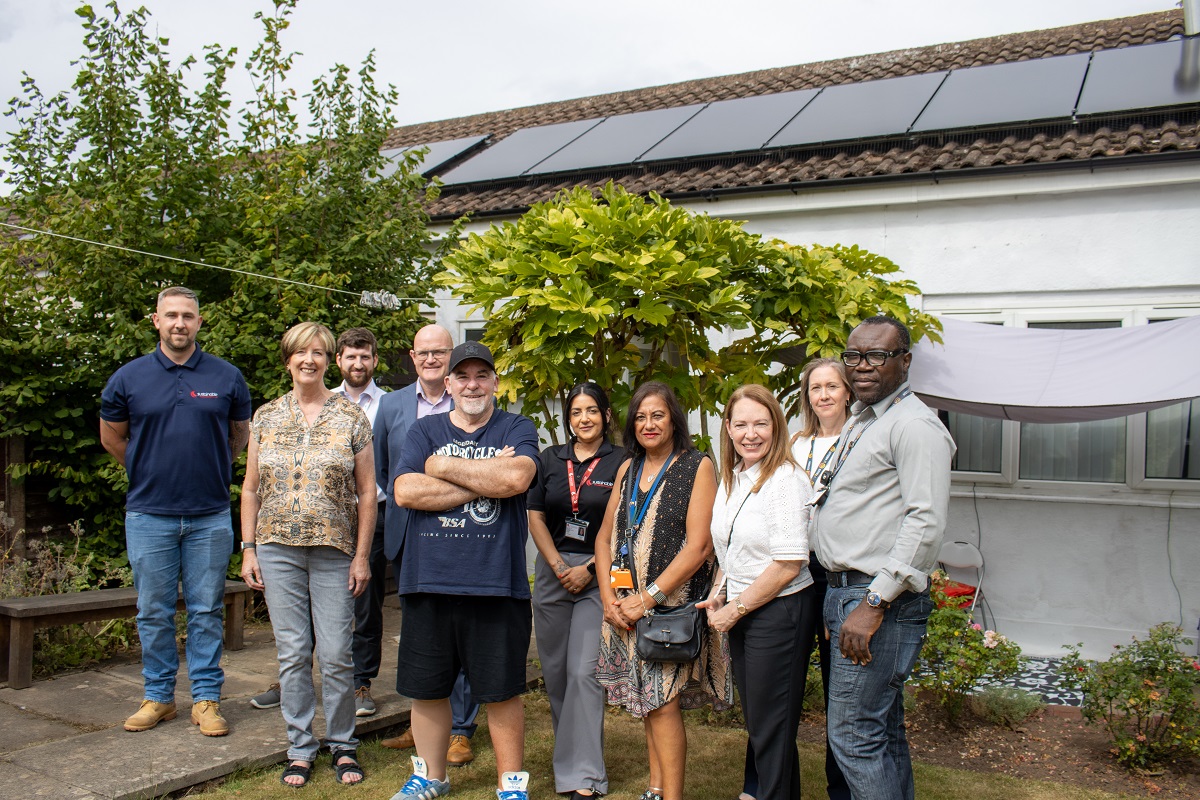
Citizen has completed energy efficiency upgrades to 2,000 Coventry social homes under the Warm Homes: Social Housing Fund Wave Two programme, delivered by contractors Westdale Midlands and Sustainable Building Services. The £67.6m investment targets fabric-first improvements such as insulation and airtightness to cut heat loss and reduce household energy demand. For asset managers and designers, the scale signals accelerating retrofit pipelines and the need to standardise detailing, sequencing and quality control for large multi-contractor housing portfolios.
An independent wind energy operator has launched a £2.4M crowdfunding bond to repower the single turbine at Faccombe, Hampshire, extending its operational life and boosting local generation capacity. The bond structure targets retail investors via an online platform, with funds earmarked for replacing the existing nacelle and blades with higher-yield equipment on the current tower and foundation. Civil and electrical works will focus on reusing grid connection and access infrastructure, limiting new groundworks and associated planning risk.
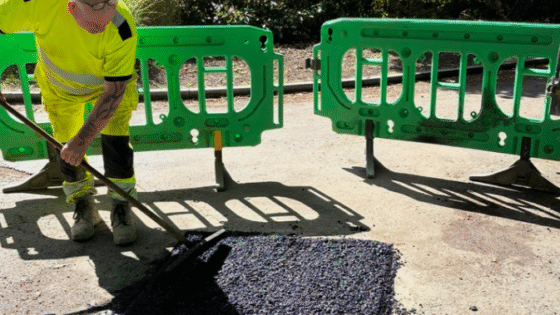
Maidstone Borough Council has started a small-scale trial in two parks using a proprietary pothole repair mix that incorporates recycled clothing fibres as a partial replacement for conventional bituminous or aggregate content. The material is being laid in localised defects rather than full-width resurfacing, targeting reduced embodied carbon and lower-temperature installation compared with standard hot asphalt. If performance on ravel resistance, adhesion and durability under light vehicular loading proves acceptable, the council may extend the approach to wider footpath and car park maintenance.
Development finance for critical minerals mines, processing plants and supporting infrastructure is expanding, while funding for transparency tools, civil society oversight and community participation is being cut, according to a Washington-based donor network. The group warns of a “second funding gap” in governance support as multilateral banks and state-backed lenders prioritise capital-intensive extraction and refining projects. For miners and engineers, this signals rising scrutiny risks around licence-to-operate, community consent processes and ESG reporting, even where project finance appears readily available.
BQE Water has restarted the selenium removal plant at Centerra Gold’s Kemess project in British Columbia, using its patented Selen-IX™ ion exchange process to treat mine-impacted water. The Kemess installation was the first full-scale Selen-IX™ plant, designed to remove dissolved selenium to low µg/L levels without generating large volumes of sludge typical of lime co-precipitation systems. The restart confirms long-term operability of the modular Selen-IX™ circuit, relevant for sites facing tightening selenium discharge limits in mountainous, high-runoff catchments.
UK infrastructure specialists are targeting large-scale storage, climate-resilient design and grid standardisation to shore up energy resilience as ageing 275kV and 400kV transmission assets meet rapidly growing offshore wind and solar connections. Engineers are modelling multi-day storage using grid-scale batteries and hydrogen-ready peaking plant, while revising substation and cable corridor designs for higher-intensity rainfall, coastal erosion and overheating risk. Standardised connection interfaces and digital twins for transmission–distribution boundaries are being pushed to cut reinforcement delays and manage increasingly intermittent generation profiles.
The UK government has committed £331M to climate resilience projects aimed at protecting critical infrastructure and improving access to clean water for vulnerable communities. Funding will support flood and coastal defence upgrades, nature-based solutions such as wetland and river restoration, and reinforcement of assets like water treatment works and strategic transport links exposed to extreme weather. Civil and geotechnical engineers should expect increased demand for resilient drainage design, asset hardening, and long-term performance assessment under more frequent high-intensity rainfall and coastal surge conditions.
Carbon capture in cement production is being pushed as a near‑term route to cut emissions from a material responsible for up to 8% of global CO₂ output, with technologies such as post‑combustion capture on kiln exhausts and oxy‑fuel firing now moving from pilots to early commercial schemes. Current projects focus on retrofitting existing clinker lines, integrating amine‑based capture units and planning CO₂ transport to geological storage or utilisation plants. For designers and contractors, this raises immediate questions on specifying low‑embodied‑carbon concretes, verifying EPD data, and managing supply risk as capture retrofits disrupt plant operations.
Delivering a 505km high-voltage “electricity superhighway” between Scotland and England is exposing complex consenting, land access and interface issues across multiple local authorities and environmentally sensitive corridors. Engineers are having to integrate new high-capacity transmission circuits with existing substations and overhead line routes while maintaining system security, often relying on long HDD river crossings, constrained construction compounds and tight outage windows. The project is setting practical benchmarks for routing, stakeholder management and constructability on future UK grid reinforcements needed for large-scale offshore wind and other renewables.
Two low‑carbon heat network schemes spanning seven London boroughs have secured a combined £53.1M in government funding to expand district-scale, pipe‑fed heating infrastructure. The awards back large‑diameter buried distribution mains, central energy centres and building‑level heat interface units designed to displace individual gas boilers in dense urban housing and mixed‑use stock. For civil and geotechnical teams, the projects signal substantial trenching, utility coordination and shaft works in constrained streets, with long linear workfronts and tight programmes across multiple local authorities.
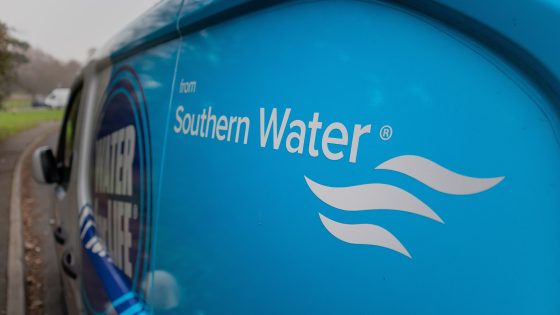
Southern Water is rolling out a distributed fibre‑optic leak‑detection system from UK firm Lightsonic on trunk mains across the south of England to cut losses as drought risk and network age increase. The technology uses continuous fibre along the pipeline to sense acoustic and temperature changes in real time, allowing operators to pinpoint leaks to within metres and respond before major bursts develop. For civil and water engineers, this signals growing deployment of long‑range, permanently installed monitoring rather than spot surveys on critical transmission assets.
Rainbow Rare Earths has secured an offtake and processing memorandum with Neo Performance Materials covering 40% of Phalaborwa’s separated NdPr oxide and 65% of its mixed SEG+ heavy rare earth carbonate, enabling a prefeasibility study in Q4 and pushing the definitive feasibility study to the first half of 2027. Neo will supply solvent extraction design and technical support, with test work on phosphogypsum-derived feed under way in Estonia and an integrated pilot planned in Johannesburg, de-risking the complex separation of dysprosium, terbium and yttrium. The $326 million project would recover magnet rare earths from legacy fertiliser gypsum stacks, potentially feeding Neo’s Estonian separation and sintered magnet plant and offering a non-Chinese supply route linked to European capacity.
OceanaGold is weighing a 50% expansion of its Waihi plant to 1.2 Mt/y after Wharekirauponga drilling returned standout intercepts including 6.3 m at 97.2 g/t Au from 481.5 m in the East Graben vein and 8.5 m at 41.5 g/t from 399 m. The move would enable concurrent feed from Martha Underground and Wharekirauponga post‑2032, building on a 2024 plan outlining 1.6 Moz over 15 years and an initial 4.1 Mt reserve at 9.2 g/t. Underground development is advancing, with the Waihi North decline now 350 m, first vent shaft under construction, staged commissioning of a new water treatment plant, and early works on a new tailings storage facility due in Q4.
Sandvik Australia has launched its 2026–2028 Innovate Reconciliation Action Plan, marking a decade of formal reconciliation work and setting a minimum target of 3.5% Aboriginal and Torres Strait Islander representation in its workforce. The two-year RAP also commits to increased First Nations supplier participation in Sandvik’s mining equipment and services supply chain and to structured cultural capability training across its Australian operations. For mine owners and contractors, the plan signals growing expectations for Indigenous employment and procurement benchmarks in OEM tendering and project partnerships.
Voltempo has installed a six-bay, 1MW HyperCharger hub at Welch’s Transport’s Duxford HQ, adding to a similar six-bay, 1MW depot in Bedford under the Innovate UK-backed eFreight 2030 programme, with spare capacity opened to third-party fleets via the DepotCharge model. Welch’s now operates 19-tonne and 42-tonne Renault Trucks E-Tech electric HGVs plus a DAF electric tractor, with three 28-tonne E-Techs on order and a target for 12% of its fleet to be electric by January 2027. The eFreight 2030 consortium will deploy 88 electric HGVs and 36 charging sites, including 25 megawatt-scale hubs, as part of the UK Government’s ZEHID real-world trial.
Improved public–private collaboration, “smarter” financial risk sharing and better asset data are being urged by a new Lloyds Banking Group report to upgrade the UK’s ageing, climate-exposed infrastructure. The report calls for clearer allocation of construction, demand and climate risks between government, institutional investors and asset owners, moving beyond traditional PFI-style models. For engineers, this points to stronger requirements for whole-life performance data, climate stress testing of assets and more transparent condition information to unlock private capital for renewals and resilience upgrades.
Wolfram Bergbau und Hütten AG marks 50 years of operation as Europe’s only fully integrated tungsten producer, running mining, refining and recycling from a single chain centred on its Austrian Alps deposit. The company’s model couples primary ore extraction with secondary raw materials, using in-house recycling of hardmetal scrap and tungsten-containing residues to buffer supply risk. For mine planners and metallurgists, Wolfram’s history illustrates how regional processing capacity and closed-loop scrap flows can stabilise a critical metal traditionally dominated by Chinese concentrate and APT exports.
SuperCritical Materials Corp. has partnered with the University of Michigan to mechanically validate its uranium‑from‑seawater adsorbent for industrial‑scale offshore deployment, using hydrodynamic testing in the Aaron Friedman Marine Hydrodynamics Laboratory’s wave and current tanks. The programme will characterise the adsorbent under packing, deployment, ocean exposure and retrieval stresses, optimise packing configurations, and build and test prototypes for repeated deployment–recovery cycles. Findings will feed into a future feasibility study and nearshore pilot designs, targeting integration of seawater‑derived uranium into the US nuclear‑fuel supply chain.
BHP and Amazon have launched an “industry-first” pilot to trade credits linked to lower greenhouse gas emissions from copper concentrate and cathodes produced at Escondida, the world’s largest copper mine in Chile. Escondida already sources 100% of its electricity from renewable power contracts and uses desalinated water for processing, reducing Scope 2 emissions intensity relative to conventional operations. The pilot will test traceable, emissions-differentiated copper units in Amazon’s supply chain, signalling potential future premiums and contract structures for low‑carbon copper in OEM and data centre procurement.
Tonly Heavy Industries has delivered a fleet of 75 t-class TLE120 battery electric wide-body dump trucks to the Baiyan open-pit mining area of Wengfu Phosphate Mine in Guizhou Province, China. The trucks will operate on short-haul, high-frequency phosphate ore routes at the boundary of Weng’an County and Fuquan City, where haul profiles and predictable duty cycles favour battery swapping and regenerative braking. For mine planners and haulage engineers, the deployment signals growing Chinese adoption of large battery-electric trucks in high-volume open-pit phosphate operations.
The National Transport Research Organisation is expanding technical partnerships across Pacific nations to embed best-practice design, asset management and materials research into local road and bridge networks. Programmes include joint pavement investigations, climate-resilience assessments for coastal and low-lying corridors, and training on performance-based specifications for asphalt and sprayed seals under cyclone, flooding and high-salinity conditions. For geotechnical and civil teams, this means greater access to shared datasets, design tools and failure case histories tailored to volcanic soils, steep terrain and remote island logistics.
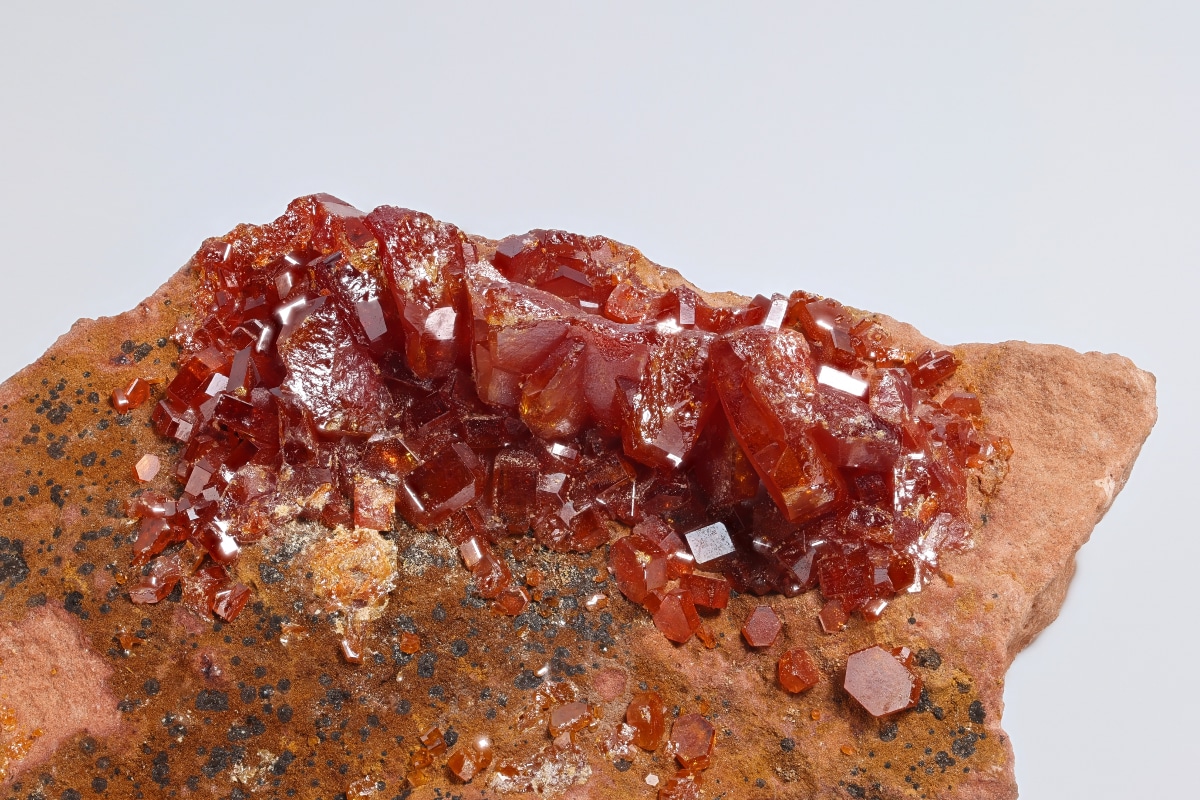
Brisbane will host the new Critical Metals for Critical Industries Cooperative Research Centre (CRC), based at the University of Queensland’s Brisbane City campus and initially targeting vanadium technologies. The CRC will link miners, processors, equipment suppliers, researchers and governments to fast‑track commercialisation of extraction, processing and downstream manufacturing technologies for critical metals supply chains. For geotechnical and mining engineers, this signals upcoming pilot‑scale projects, testwork and funding opportunities around vanadium deposits, tailings reprocessing and battery‑grade product specifications in Australia.
BHP and Amazon have launched a first-of-its-kind pilot linking copper from BHP’s Escondida mine in Chile to Amazon’s data centre and infrastructure demand via Environmental Attribute Certificates (EACs) tied to specific copper concentrate and cathode production. The trial will track and trade EACs that quantify lower greenhouse gas emissions across defined segments of Escondida’s supply chain, rather than relying solely on mine-level averages. For miners and downstream buyers, this tests a mechanism to monetise low-carbon copper at batch level and could influence contract structures, certification, and reporting requirements.
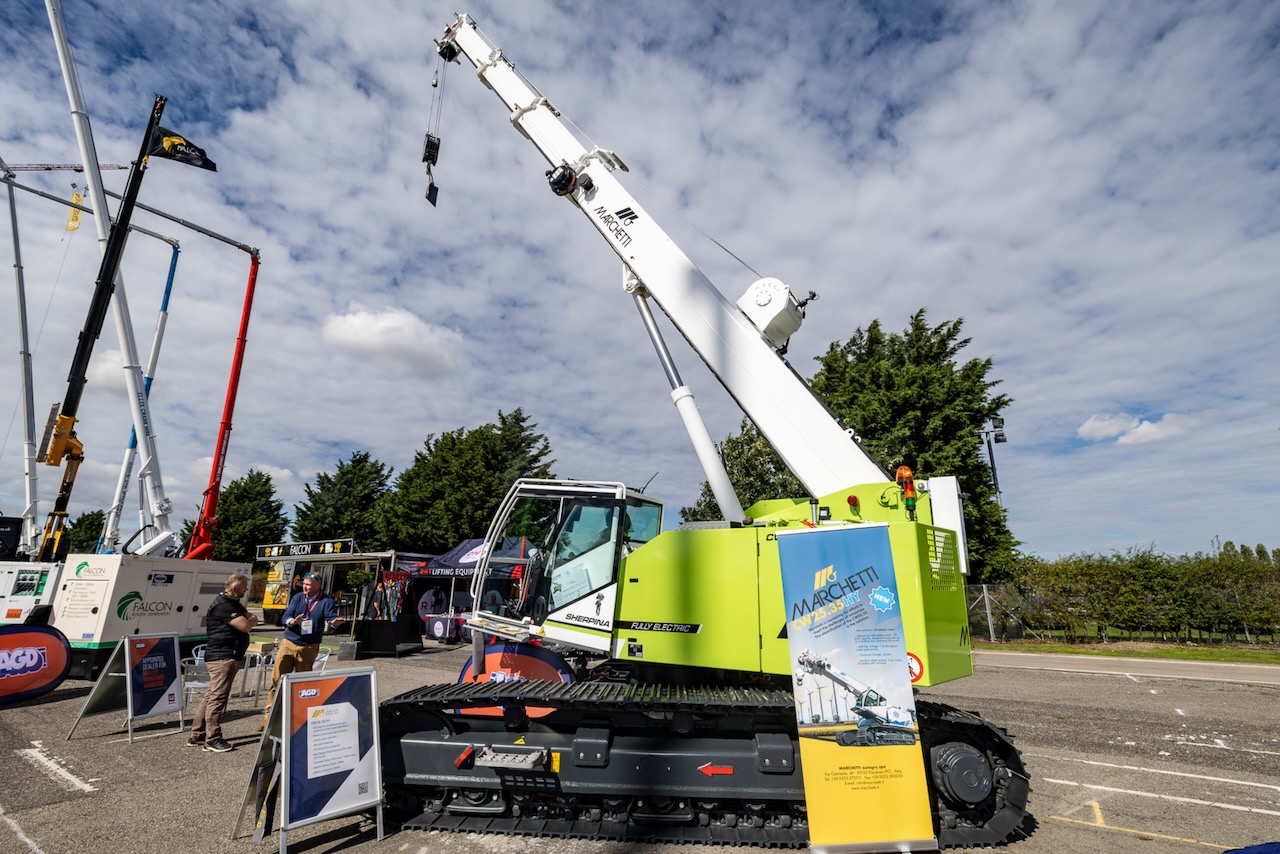
AGD Equipment has introduced the fully electric Marchetti CW23.35 HY compact crawler crane to the UK hire market, offering a 25‑tonne lifting capacity and up to 35m reach with fly‑jib. The machine operates pick‑and‑carry loads up to 17 tonnes, powered by a 210Ah battery and 110kW electric motor, and was first shown at Vertikal Days. With a transport width of 2.5m, it targets constrained urban or industrial sites where emissions limits, access restrictions and tight lifting radii drive crane selection.
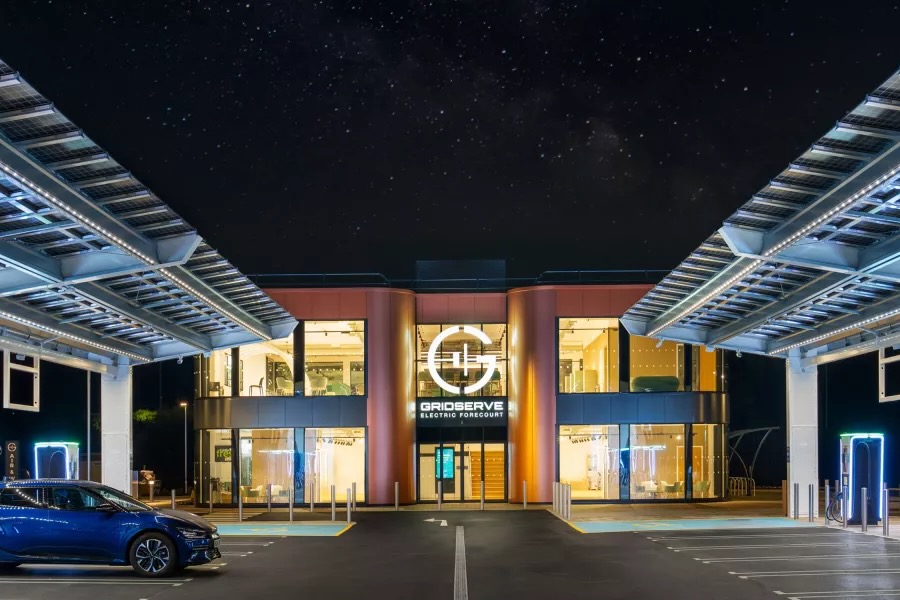
Algeco UK, part of Modulaire Group, has secured an EcoVadis Platinum rating, placing its modular building operations in the top 1% of companies assessed globally for sustainability performance. The business has introduced a Supply Chain Sustainability Handbook, SBTi-validated carbon reduction targets aligned with a net-zero pathway, and a UN Global Compact training programme to embed requirements across its supplier base. Recent projects include a permanent modular building for Gridserve’s A1 Stevenage EV charging station, signalling growing use of offsite solutions on high-traffic infrastructure sites.
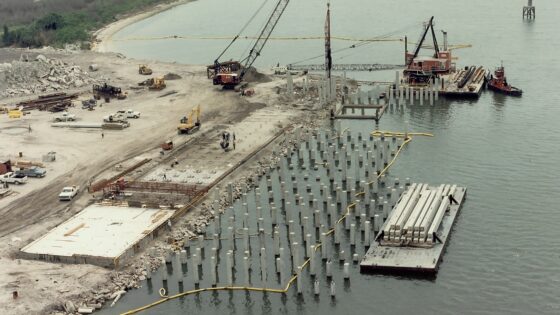
Reuse of existing piled and raft foundations is accelerating on commercial property schemes as clients accept higher investigation spend in exchange for major embodied carbon and programme savings. Engineers are combining detailed pile integrity testing, targeted coring and advanced geotechnical back‑analysis with updated Eurocode‑based reliability methods to justify reusing legacy foundations originally designed for very different load cases. Planning and funding bodies are now more willing to accept partial reuse strategies, shifting project briefs away from default demolition and full replacement towards selective strengthening, load‑sharing and local pile augmentation.
Environmental charity the Environmental Law Foundation has warned it may launch a judicial review against the government’s new biodiversity net gain (BNG) regime, arguing that the statutory 10% uplift risks being treated as a de facto cap rather than a minimum. The challenge would focus on how planning authorities apply the Environment Act 2021 BNG provisions and Natural England’s statutory metric in development consents. For civil and geotechnical schemes, this could affect habitat creation areas, earthworks footprints and off-site BNG land agreements already being negotiated.
The North Sea Transition Taskforce now says the “window of opportunity” for an orderly energy transition in the UK Continental Shelf has “narrowed”, a year after first warning it was closing. The group is focused on coordinating offshore platform electrification, large-scale carbon capture and storage in depleted gas fields, and integration of new offshore wind capacity with existing oil and gas infrastructure. For civil and geotechnical engineers, this signals tighter timelines for repurposing ageing jackets, subsea pipelines and onshore terminals while maintaining structural integrity and regulatory compliance.