Geomechanics.io

  • Free Tools
Sign UpLog In

Geomechanics.io

Geomechanics, Streamlined.

© 2026 Geomechanics.io. All rights reserved.

Geomechanics.io

CMRR-ioGEODB-ioHYDROGEO-ioQCDB-ioFree Tools & CalculatorsBlogLatest Industry News

Industries

MiningConstructionTunnelling

Company

Terms of UsePrivacy PolicyLinkedIn
    AllGeotechnicalMiningInfrastructureMaterialsHazardsEnvironmentalSoftwarePolicy
    Projects
    Sustainability

    UK geothermal as mainstream heat: design and monitoring notes for engineers

    February 9, 2026|

    Reviewed by Tom Sullivan

    UK geothermal as mainstream heat: design and monitoring notes for engineers

    First reported on New Civil Engineer

    30 Second Briefing

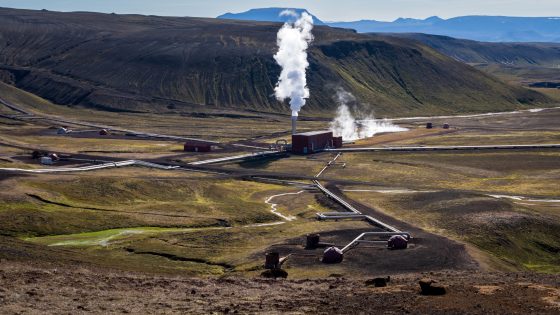
    Britain is being urged to treat deep and shallow geothermal as a mainstream heat source, with a new national roadmap arguing that the country’s substantial but underused subsurface resource could displace a significant share of gas‑fired heating. The plan points to proven concepts such as mine‑water geothermal in former coalfields and district heating from deep sedimentary aquifers, which can be integrated with existing heat networks and large heat pumps. For civil and geotechnical engineers, this signals growing demand for high‑temperature boreholes, well integrity design and long‑term monitoring of thermal–hydraulic behaviour in urban ground.

    Technical Brief

    • Roadmap links geothermal build‑out to local employment in drilling, well services, civils and heat‑network construction.

    Geotechnical Software for Modern Teams

    Centralise site data, logs, and lab results with GEODB-io, CMRR-io, and HYDROGEO-io.

    No credit card required.

    • Save and export unlimited calculations
    • Advanced data visualisation
    • Generate professional PDF reports
    • Cloud storage for all your projects

    Prepared by collating external sources, AI-assisted tools, and Geomechanics.io’s proprietary mining database, then reviewed for technical accuracy & edited by our geotechnical team.

    Related Articles
    Hinkley Point C acoustic fish deterrent: design and permitting lessons for engineers
    Environmental
    7 days ago

    Hinkley Point C acoustic fish deterrent: design and permitting lessons for engineers

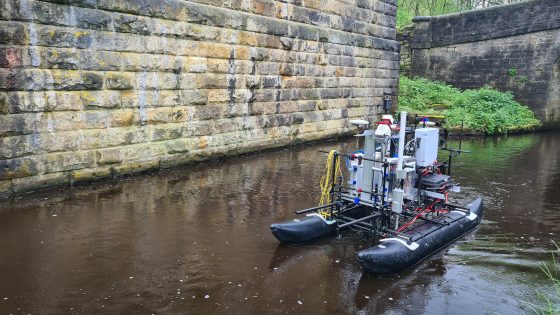
    An ultrasonic acoustic fish deterrent designed for EDF’s Hinkley Point C cooling water intakes has proved “highly effective” in Swansea University trials, significantly reducing fish approach rates to the intake zone. The system uses targeted sound frequencies to steer multiple species away from the intake channel, aiming to meet Environment Agency requirements on impingement and entrainment without major changes to the intake structure. Trial results may remove the need for a large compensatory saltmarsh scheme on the Severn Estuary, easing local planning and coastal engineering constraints.

    WSP and Mott MacDonald Wylfa SMR deal: permitting and EIA lens for engineers
    Environmental
    11 days ago

    WSP and Mott MacDonald Wylfa SMR deal: permitting and EIA lens for engineers

    WSP and Mott MacDonald have secured a £25M contract from Great British Energy – Nuclear (GBE‑N) to deliver environmental services and permitting support for the proposed small modular reactor (SMR) development at Wylfa on Anglesey. The consultancies will lead environmental impact assessment, regulatory interface and consents strategy for the multi‑unit SMR site, a former nuclear location with complex coastal, seismic and ecological constraints. Early permitting work will be critical for geotechnical investigations, marine works and long‑lead nuclear island foundations once a reactor technology is selected.

    Biodiversity from NSIPs: climate resilience and soil stability insights for designers
    Environmental
    13 days ago

    Biodiversity from NSIPs: climate resilience and soil stability insights for designers

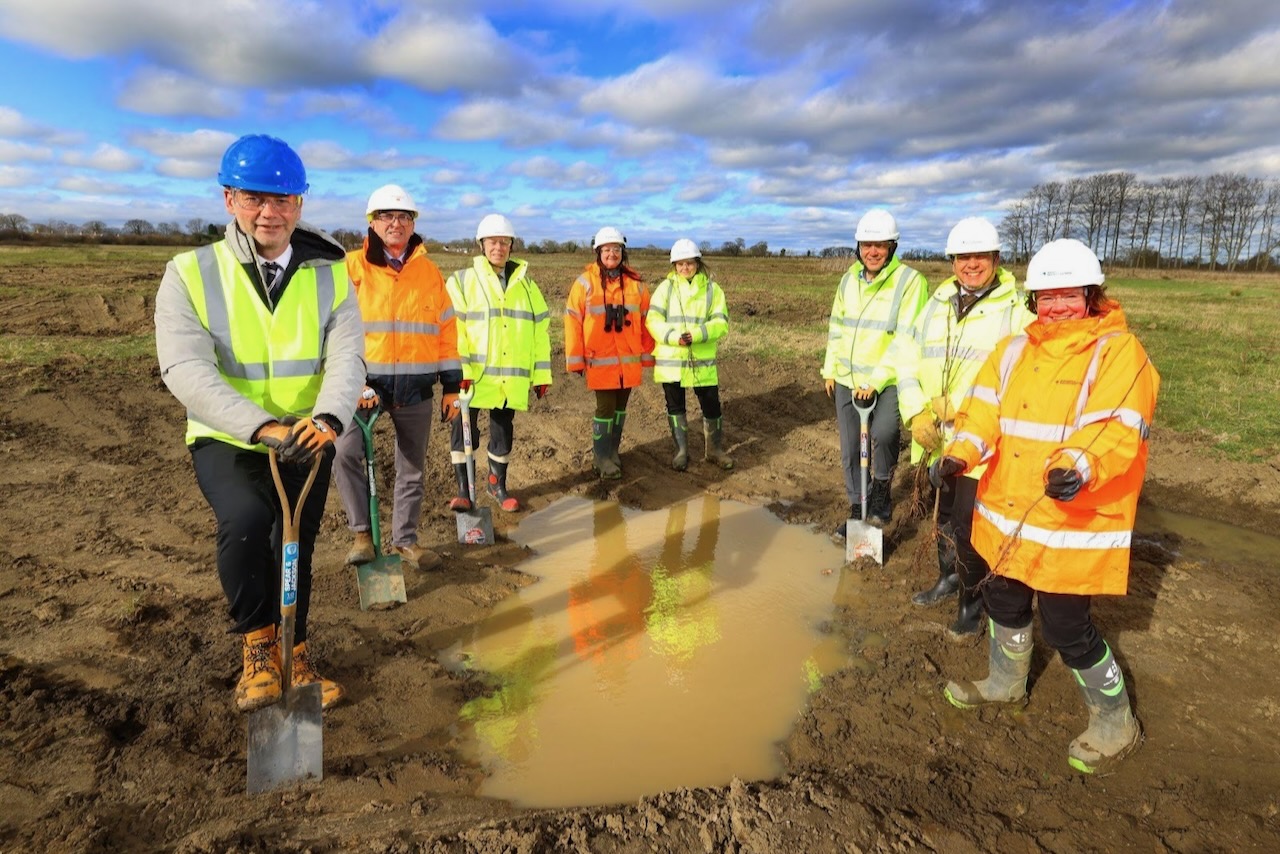
    Biodiversity net gain requirements on Nationally Significant Infrastructure Projects are being framed as a source of “desperately needed” long-term climate resilience, with large linear schemes such as new highways, rail corridors and strategic energy infrastructure able to create continuous habitat networks at scale. Experts point to legally secured 30‑year management plans, species-rich grassland and woodland planting, and restored wetlands as measures that can buffer flood risk, reduce heat stress and stabilise soils around major assets. For designers and contractors, this shifts BNG from a planning obligation to a core part of geotechnical and drainage resilience strategy.

    Related Industries & Products

    Construction

    Quality control software for construction companies with material testing, batch tracking, and compliance management.

    Mining

    Geotechnical software solutions for mining operations including CMRR analysis, hydrogeological testing, and data management.

    QCDB-io

    Comprehensive quality control database for manufacturing, tunnelling, and civil construction with UCS testing, PSD analysis, and grout mix design management.