Geomechanics, Streamlined.
© 2026 Geomechanics.io. All rights reserved.
50 articles tagged with Research
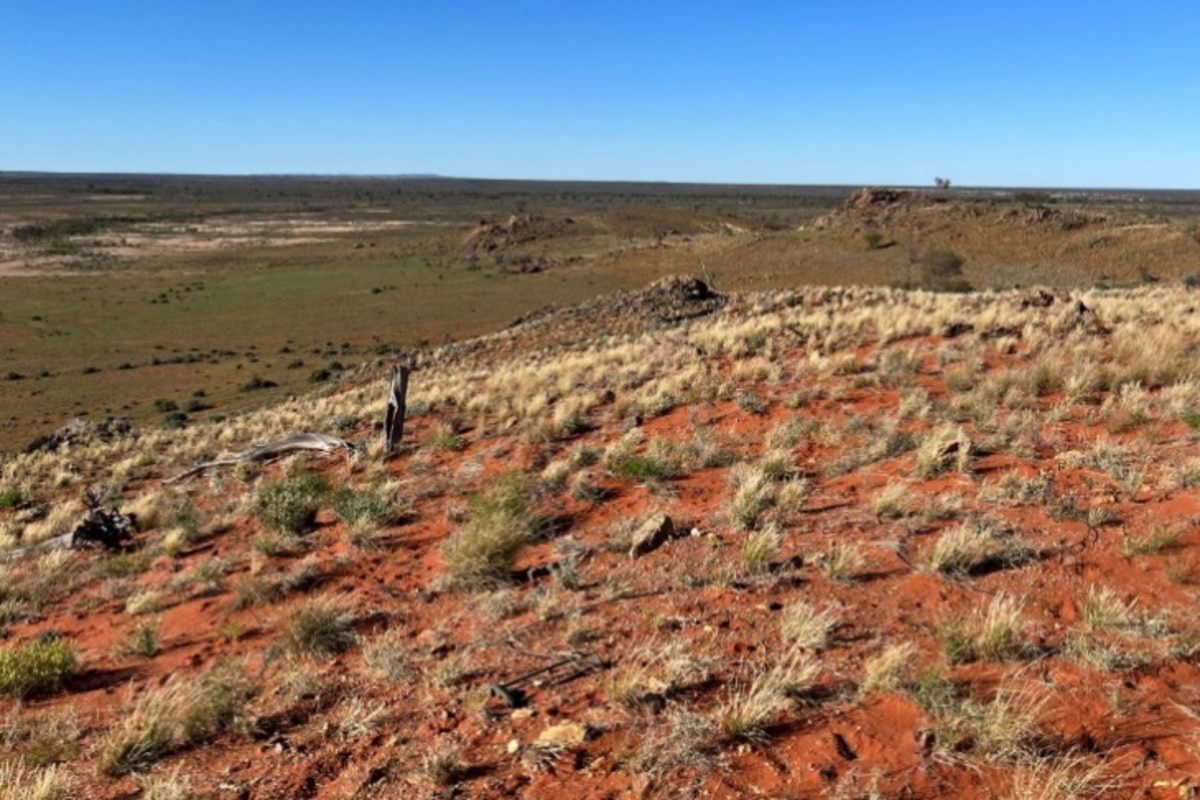
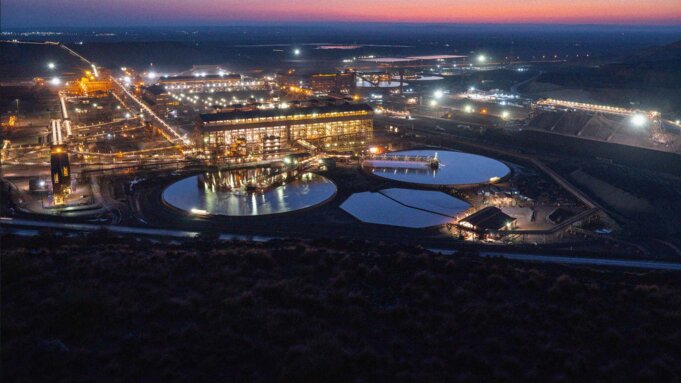
Robert Friedland is pushing to replace conventional SAG and ball mills with I-Pulse’s I-ROX pulsed-power comminution, which stores electricity then releases nanosecond–microsecond bursts to fracture ore internally along mineral boundaries, with projected energy cuts of up to 80% and about 5% higher metal recoveries. A 2,500 m² I-ROX research centre in Toulouse is testing Kamoa-Kakula copper ore and tailings, while I-Pulse has also secured a US$250 million CHIPS Act award for silicon-carbide semiconductors. The same platform underlies G-Pulse drilling, claimed to triple penetration rates and extend bit life sixfold, to be trialled on the Millungera Basin geothermal project in Queensland.
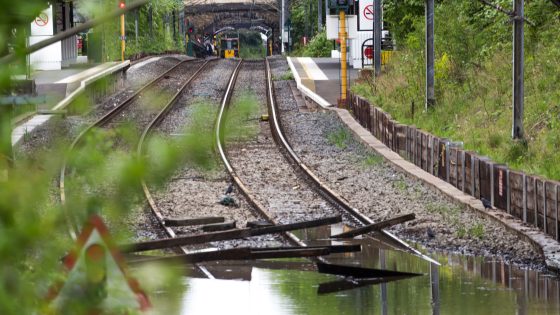
Government Actuary’s Department actuaries have delivered probabilistic analysis to the Office of Rail and Road on how climate-related hazards such as extreme rainfall, heat and flooding are evolving across UK rail and strategic road assets. Using long‑term climate projections and hazard frequency–severity modelling, the work maps where risks to embankments, cuttings, track buckling and drainage exceedances are likely to increase. The outputs will feed into ORR’s scrutiny of Network Rail and National Highways’ asset management, resilience upgrades and future capital planning.
Aston University is partnering with Jesmonite Ltd under an Innovate UK knowledge transfer partnership to redevelop Jesmonite’s low‑carbon acrylic, resin-based composites with added biochar as potential cement alternatives for façades and surface applications. Researchers from Aston’s Energy and Bioproducts Research Institute and Department of Civil Engineering will characterise the materials at molecular level and test mechanical and durability performance while targeting further reductions in embodied carbon. The work aims to move Jesmonite’s currently niche, film-set and design products into mainstream construction specifications, offering designers non‑cementitious façade and cladding options.
Geopolitical and economic uncertainty is pushing 61% of construction businesses to increase their commitment to innovation, according to Ayming’s International Innovation Barometer 2027. The survey points to firms prioritising digital tools, new construction materials and process optimisation to manage cost volatility and supply chain disruption. For civil and infrastructure engineers, this signals stronger client appetite for technologies such as BIM-based design coordination, offsite fabrication and alternative material specifications to de-risk programme and budget.
SuperCritical Materials Corp. has partnered with the University of Michigan to mechanically validate its uranium‑from‑seawater adsorbent for industrial‑scale offshore deployment, using hydrodynamic testing in the Aaron Friedman Marine Hydrodynamics Laboratory’s wave and current tanks. The programme will characterise the adsorbent under packing, deployment, ocean exposure and retrieval stresses, optimise packing configurations, and build and test prototypes for repeated deployment–recovery cycles. Findings will feed into a future feasibility study and nearshore pilot designs, targeting integration of seawater‑derived uranium into the US nuclear‑fuel supply chain.
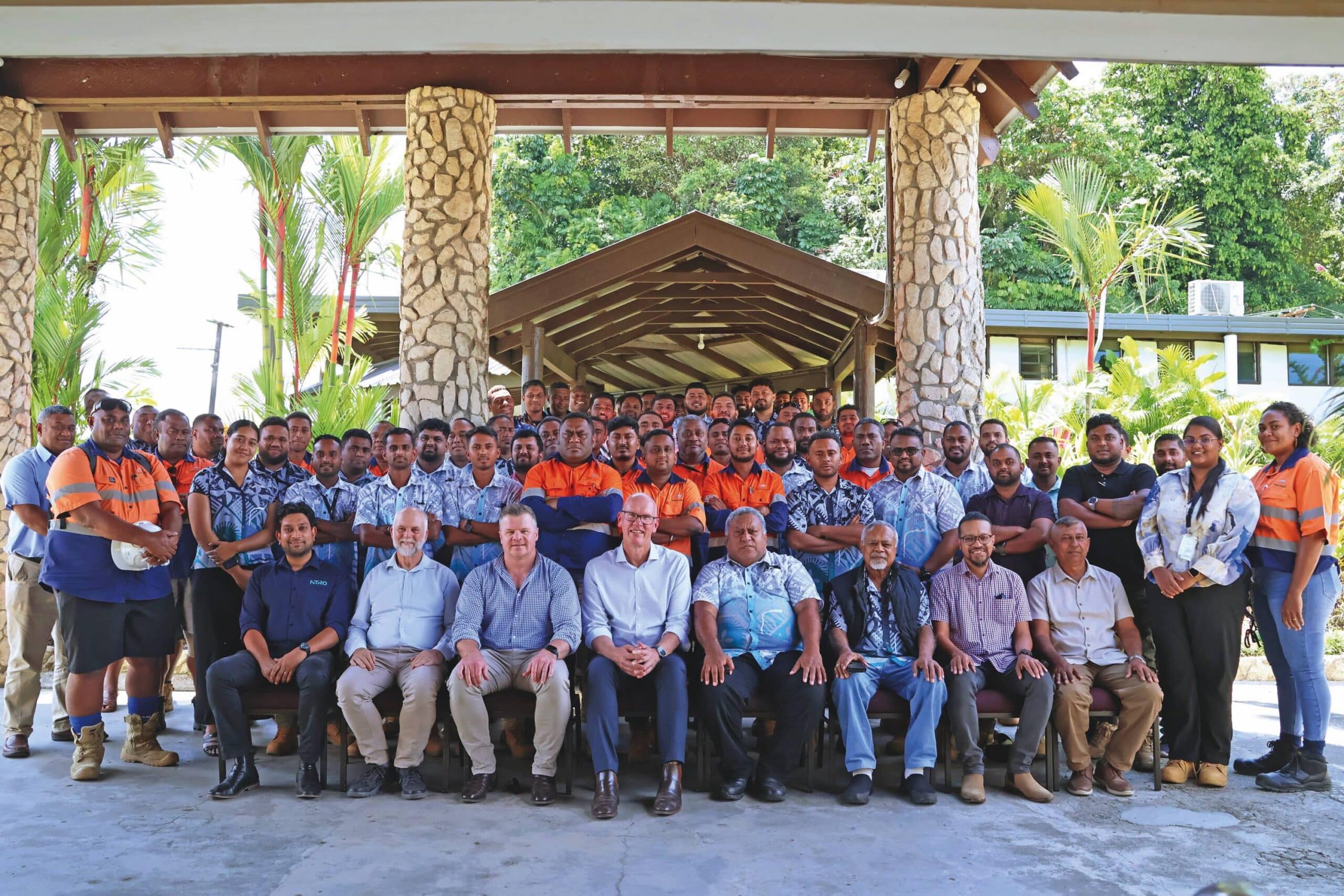
The National Transport Research Organisation is expanding technical partnerships across Pacific nations to embed best-practice design, asset management and materials research into local road and bridge networks. Programmes include joint pavement investigations, climate-resilience assessments for coastal and low-lying corridors, and training on performance-based specifications for asphalt and sprayed seals under cyclone, flooding and high-salinity conditions. For geotechnical and civil teams, this means greater access to shared datasets, design tools and failure case histories tailored to volcanic soils, steep terrain and remote island logistics.
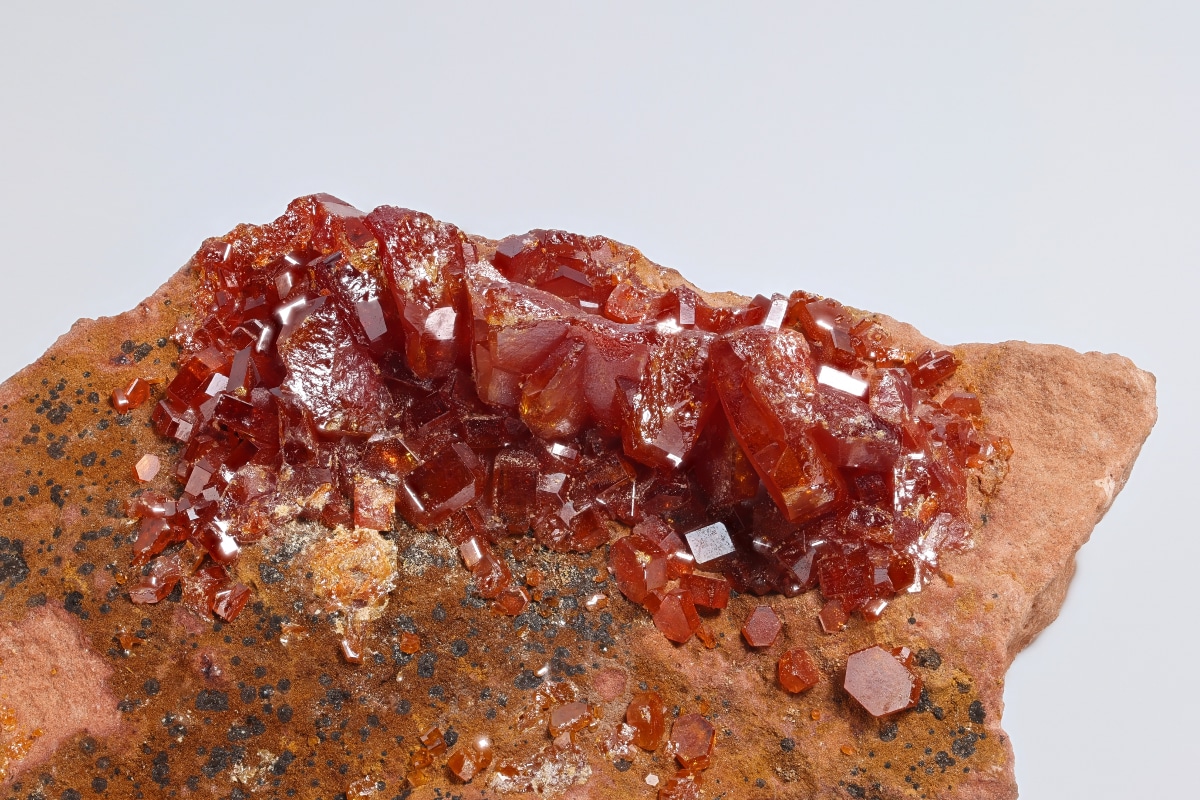
Brisbane will host the new Critical Metals for Critical Industries Cooperative Research Centre (CRC), based at the University of Queensland’s Brisbane City campus and initially targeting vanadium technologies. The CRC will link miners, processors, equipment suppliers, researchers and governments to fast‑track commercialisation of extraction, processing and downstream manufacturing technologies for critical metals supply chains. For geotechnical and mining engineers, this signals upcoming pilot‑scale projects, testwork and funding opportunities around vanadium deposits, tailings reprocessing and battery‑grade product specifications in Australia.
Geoscience Australia has mapped a 1000km continental-scale magmatic arc beneath the Delamerian project region spanning South Australia, New South Wales and Victoria, identifying concealed potential for critical minerals, copper and gold in previously under-explored terrane. Delivered as the first deep-dive study under the Federal Government’s 35-year Resourcing Australia’s Prosperity initiative, the work integrates deep-crustal geophysics and geochemistry to image mineral systems buried beneath thick cover. For explorers, the results materially expand prospective search space below cover sequences rather than in outcropping belts.
Plans for 1.5M new homes and multiple new towns in England risk locking in car dependency unless rail, bus rapid transit and active travel corridors are embedded in masterplans from day one, a University of Hertfordshire report warns. The study calls for safeguarded alignments for future rail stations, segregated cycleways and high-frequency bus routes to be fixed alongside land-use zoning, not retrofitted after plot-by-plot build-out. For civil and transport engineers, this signals earlier demand modelling, junction capacity design and multimodal access strategies at outline planning stage.
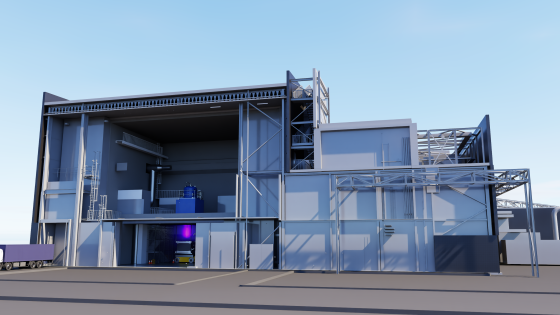
Tokamak Energy has completed a 14‑month test campaign on Demo4, its high‑temperature superconducting (HTS) magnet testbed in Oxford, aimed at validating magnet performance for compact spherical tokamak fusion reactors. The Demo4 system is designed to operate HTS coils at cryogenic temperatures while subjecting them to high magnetic fields and mechanical loads representative of reactor conditions, a critical step for future fusion power plant infrastructure. Results will inform structural design, thermal management and lifecycle performance of full‑scale HTS magnet assemblies for grid‑scale fusion demonstrators.
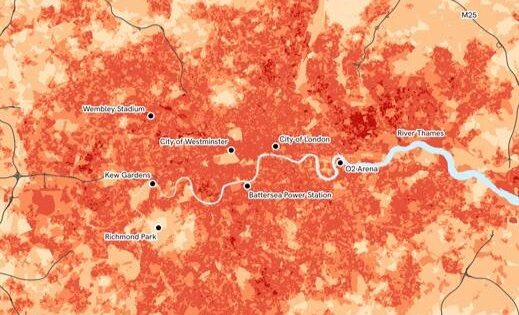
Eighty-three per cent of Britain’s cities – 59 urban areas – are classed as highly vulnerable to urban heat in new spatial analysis by Ordnance Survey, the Met Office and 4 Earth Intelligence. The dataset combines OS building footprints, surface cover and green space with Met Office temperature projections to map local heat exposure at street-block scale. For civil and geotechnical engineers, this points to urgent retrofit of shading, permeable and high-albedo surfaces, and revised pavement and rail design to cope with more frequent extreme surface temperatures.
Western Australia will invest more than $900,000 in five 2027 Minerals Research Institute of Western Australia (MRIWA) PhD scholarships targeting safer, more efficient and lower-emission mining across the state. The funded projects will focus on critical operational challenges in WA’s resources sector, including improved mine safety systems and productivity in high-tonnage operations. For engineers, the programme signals future research capacity in areas such as low‑carbon extraction methods, advanced geotechnical characterisation and process optimisation tailored to WA orebodies.
Two-phase flow between solid particles and interstitial air is shown to control how powders settle, discharge and move through hoppers, chutes and transfer points, with air pressure gradients often dominating behaviour in fine or aeratable materials. Jenike & Johanson’s microlearning session explains how phenomena such as flooding, ratholing and erratic discharge arise when air cannot escape freely, and why conventional single-phase flow assumptions fail. The content points engineers towards incorporating air permeation, deaeration and venting design into bulk solids handling calculations and equipment selection.
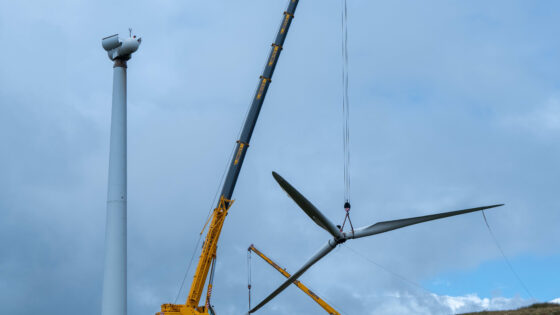
Decommissioning of Scotland’s first commercial wind farm, operated by ScottishPower, is being used as a UK-first testbed to align turbine end-of-life with material reuse and circular economy principles. Analysis of the dismantling process tracks recovery pathways for steel towers, concrete foundations and composite blades, examining options such as onshore recycling, repowering and secondary construction uses. Outcomes will inform future decommissioning strategies for UK wind assets, with direct implications for design-for-disassembly, waste permitting and contractual requirements on recyclability.
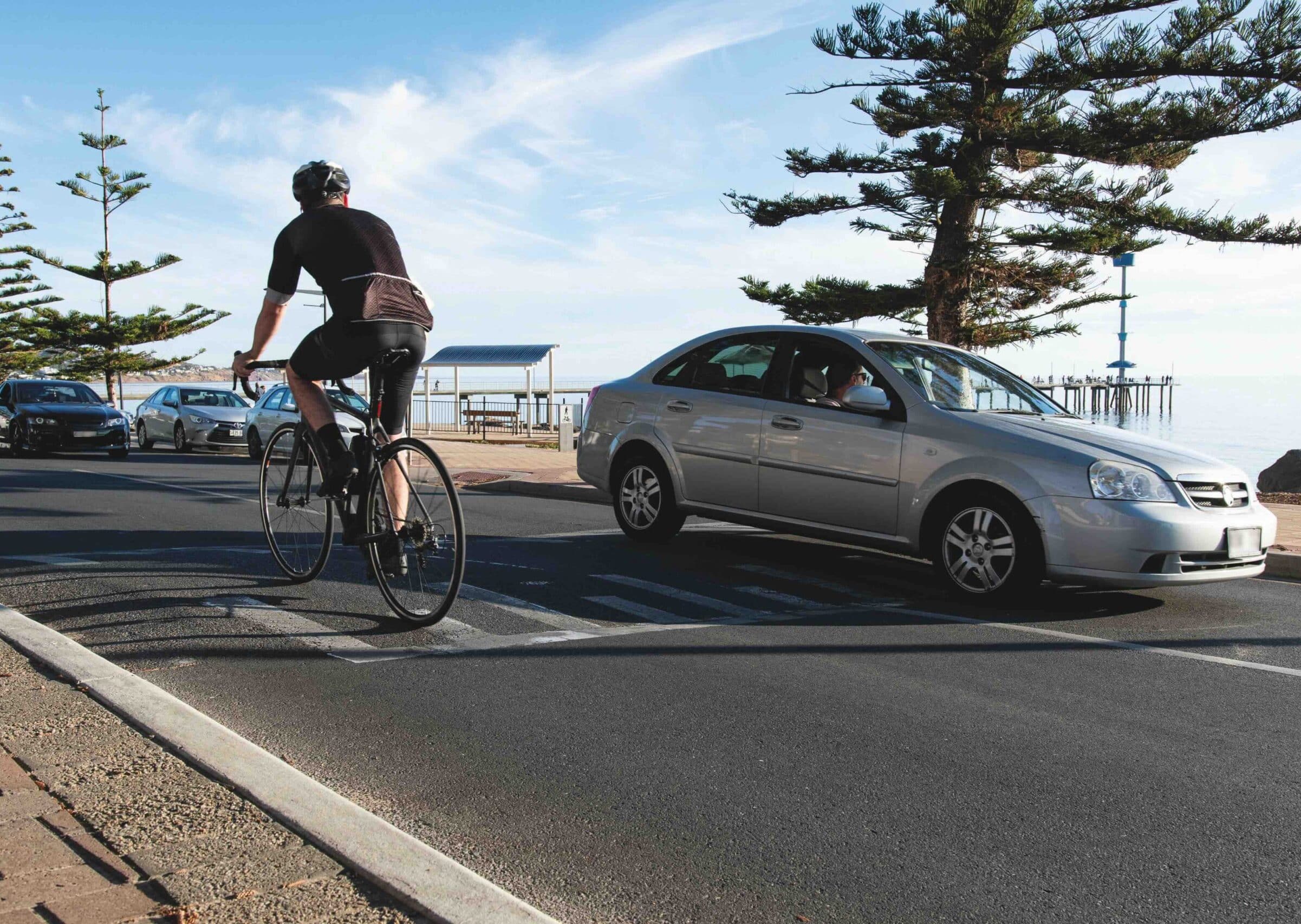
Adelaide University researchers are stress‑testing Australia’s transport networks against severe and extreme weather using the Federal Government’s first National Climate Risk Assessment (NCRA) as a baseline and extending it to state and council level assets. The work focuses on road and coastal infrastructure in councils such as the City of Holdfast Bay, examining failure modes under compound hazards like storm surge plus fluvial flooding and prolonged heatwaves. Findings are feeding into corridor‑scale adaptation options, including revised pavement design lives, drainage capacity upgrades and relocation or armouring of low‑lying links.
The US Department of Energy has awarded $10 million via the Critical Materials Innovation Hub to seven early-stage R&D projects targeting more efficient recovery and refining of rare earth elements, gallium, copper and other critical materials. Funded work includes chloride-based molten salt electrolysis for heavy rare earth production at Case Western Reserve, hydro and bio-hydrometallurgical copper extraction at Colorado School of Mines, and nanobubble–surfactant–reactive oxygen leaching of copper sulphides at the University of Arizona. FAST Metals, Indium Corporation, Oak Ridge National Laboratory and the University of Illinois will trial solid-phase extraction, advanced ion-exchange resins and redox-adsorbents to recover gallium and mixed rare earth oxides from bauxite-alumina circuits, zinc refinery residues and industrial byproduct streams.
Queensland’s five‑year major projects pipeline, detailed in the QMCA’s 2025 report, is being reshaped by Queensland University of Technology research targeting two critical constraints: labour productivity and cost escalation across road, rail and water schemes. QUT teams are deploying digital twins for corridor planning, AI‑based earthworks optimisation and sensor‑equipped pavements to cut rework and improve construction staging on multi‑billion‑dollar highway upgrades. For contractors, the work points to tighter programme control, more reliable cost forecasts and earlier geotechnical risk detection on large brownfield expansions.
Ideon Technologies will supply its compact borehole muon detectors to an international consortium attempting the world’s first high‑resolution muon imaging experiment powered solely by a laser‑plasma accelerator. The project aims to generate a high‑flux, tunable muon beam from a laser‑driven plasma source rather than a conventional synchrotron, enabling finer‑scale density imaging of ore bodies and underground voids. If beam stability and detector synchronisation targets are met, the approach could translate into faster, higher‑resolution subsurface imaging for mineral exploration, critical infrastructure assessment and nuclear security.
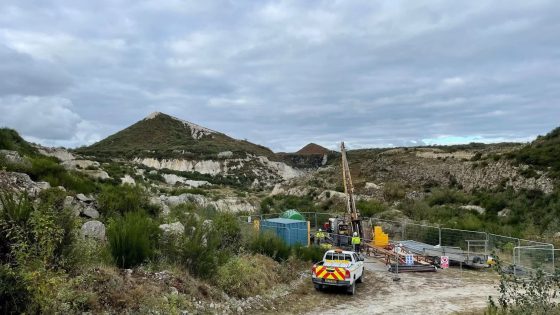
Cornish Lithium has secured a £7.2M UK Government DRIVE35 grant to fund drilling and reservoir testing at its Cross Lanes Geothermal Lithium Project near Chacewater, Cornwall. The funding will support additional deep geothermal boreholes targeting lithium-rich brines and associated heat, advancing data on permeability, flow rates and temperature profiles in Cornish granites. Outcomes will inform well design, surface infrastructure and potential co-production of low-carbon heat and battery-grade lithium, with direct relevance to geothermal resource appraisal and coupled geoenergy–mineral extraction schemes in fractured hard rock settings.
NMITE reports that its engineering undergraduates without A-level Mathematics are matching or outperforming peers with traditional maths and physics entry profiles on first-year assessments. The institute uses intensive “maths for engineers” bootcamps, problem-led studio teaching and continuous assessment instead of high-stakes exams to close gaps in calculus, statistics and mechanics. This challenges conventional Russell Group-style entry requirements and could widen the pipeline for civil, structural and infrastructure engineers if other providers adopt similar foundation-style models.
A new Critical Minerals in Ores – Mineral Chemistry database (CMiO-MIN), developed under the Critical Minerals Mapping Initiative partnership led by Geoscience Australia, compiles global mineral chemistry data to map how critical elements occur within ore minerals. The resource integrates mineral-scale compositional data across multiple deposit types and jurisdictions, giving explorers and survey agencies a consistent framework to compare occurrences and refine targeting models. For geoscientists and miners, it should sharpen geometallurgical predictions, improve resource assessments and support long-term supply planning for critical minerals.
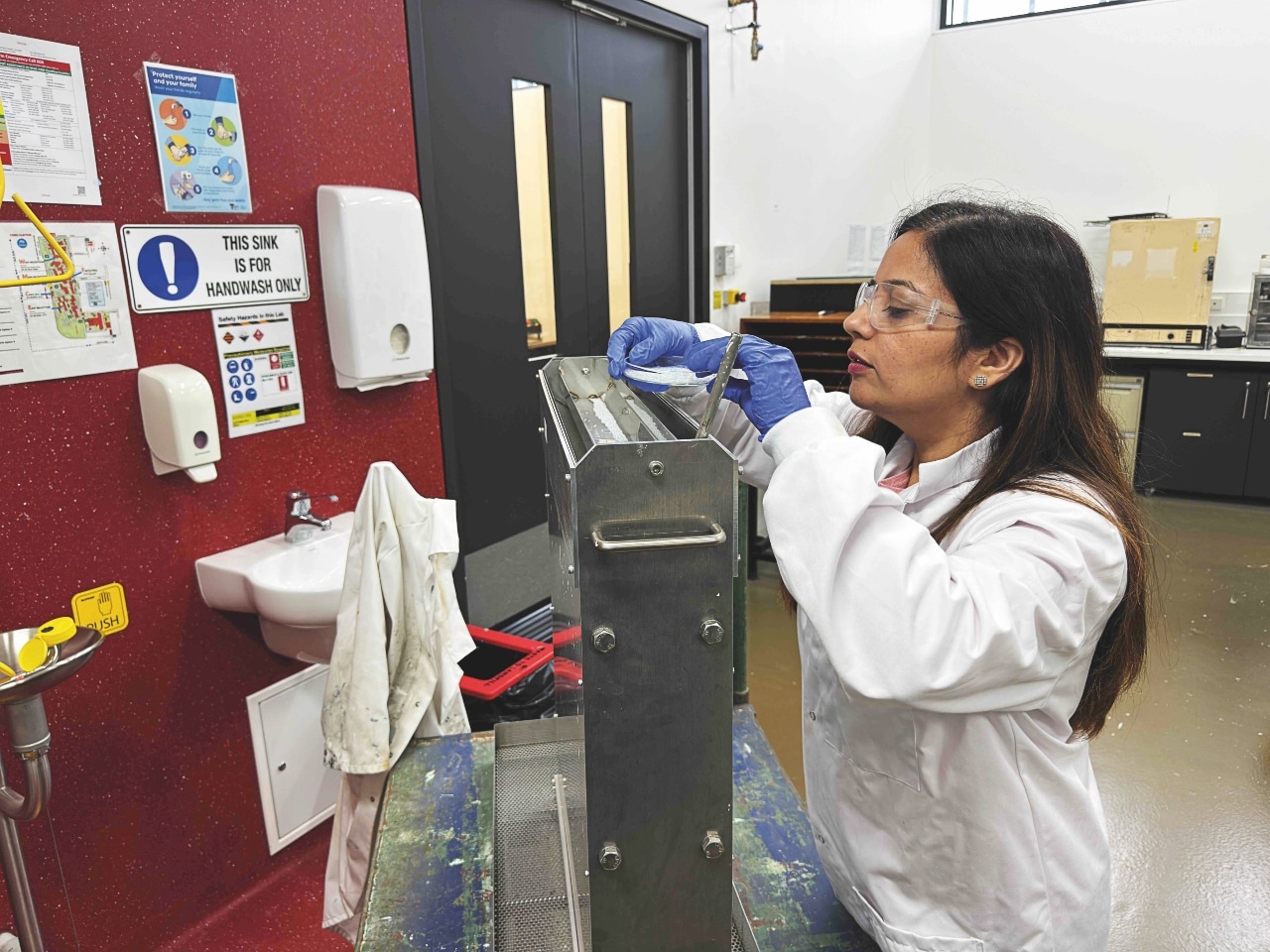
CSIRO is running independent testing and verification of materials used in Australian road line markings, focusing on retroreflective glass beads and binder systems to maintain night-time visibility and durability on high-speed motorways. Materials Performance team leader Money Arora oversees laboratory assessment of bead size distribution, refractive index and coating adhesion against strict specification criteria before products are approved for use. The work directly affects pavement marking design life, maintenance intervals and performance under heavy traffic loading and UV exposure, especially on multilane arterial and freight routes.
Volta Metals has intersected broad gallium mineralisation up to 210 m beneath the current Springer open-pit shell in Ontario, with hole SL26-31 returning 399 m from 3 m downhole grading 51.8 g/t gallium oxide and SL26-33 cutting 399 m at 39.1 g/t gallium oxide and 0.248% TREO. A third hole, SL26-32, delivered 53.9 m from 372.1 m to 426 m at 1.22% TREO and 47 g/t gallium oxide, and 90% of 863 samples exceeded 30 g/t gallium oxide. Metallurgical work now focuses on gallium recovery, including bioleaching trials at Laurentian University and processing studies with Idaho National Laboratory, to justify adding gallium to Springer’s 56.6 Mt indicated and 119.5 Mt inferred rare earth resource in a planned update later this year.
The Democratic Republic of Congo has ordered systematic testing of cobalt hydroxide exports, mainly to China’s refineries that handle about 95% of global cobalt refining capacity, after a Nature Communications study estimated 2,000–5,000 tonnes of undeclared natural uranium left the country in cobalt shipments between 2000 and 2024. Researchers also estimate a further 1,000–4,000 tonnes may have entered tailings, prompting Kinshasa to plan radiation detectors on outbound trucks and seek an IAEA technical mission. Chinese operators grouped under USMCC deny excessive uranium levels, citing concentrations too low for economic recovery.
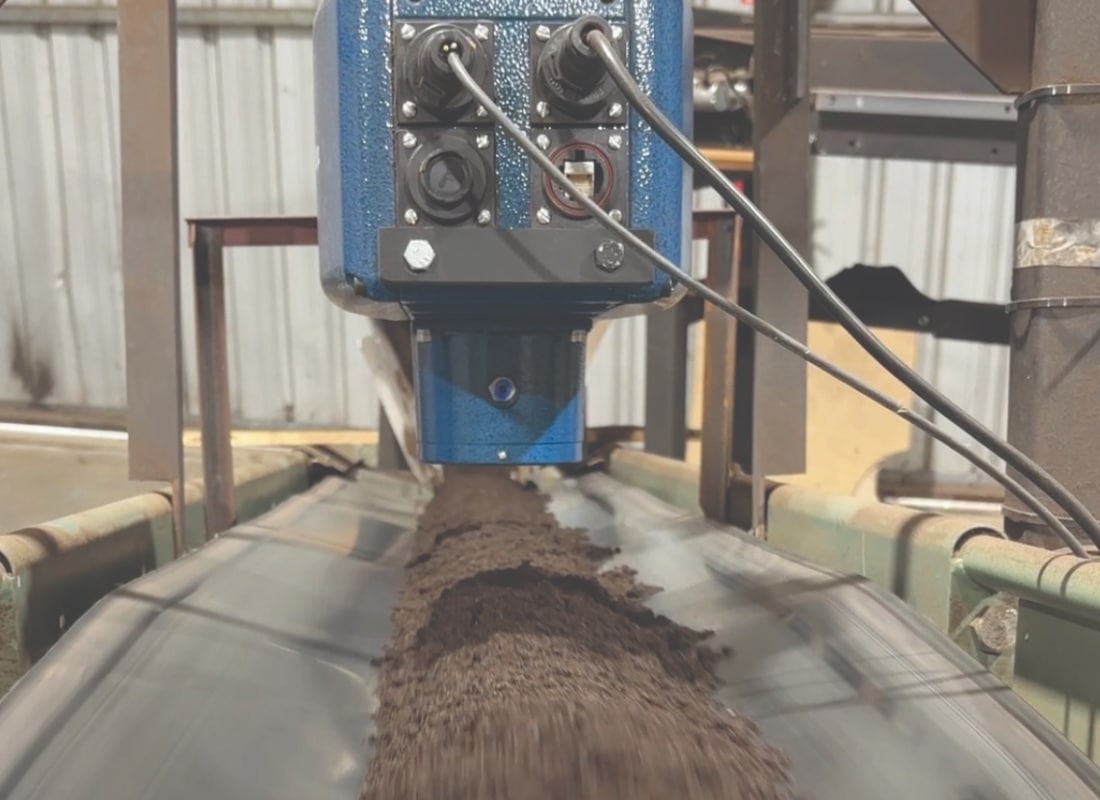
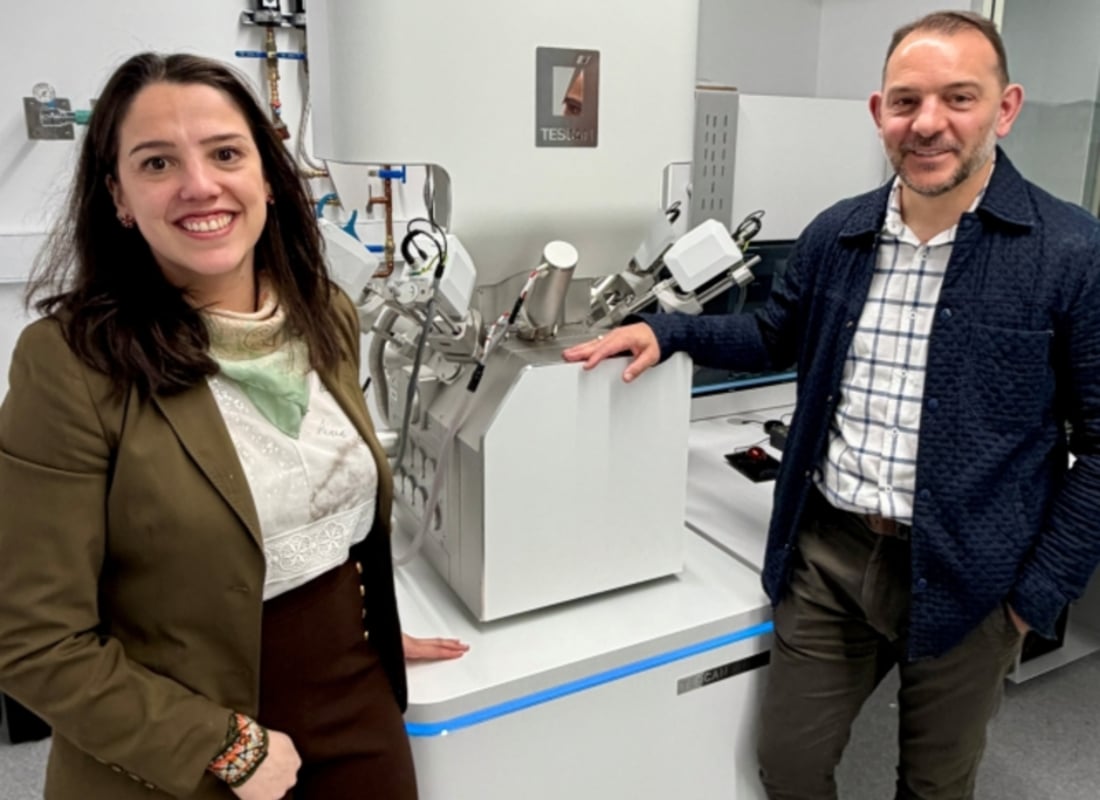
A new TESCAN Integrated Mineral Analyser (TIMA) at the University of Queensland’s Natural Resources Innovation and Characterisation Hub is providing high‑resolution mineralogical data on composition, grain size and texture from drill core and other mine samples. Led by Dr Pia Lois-Morales, the platform links automated mineralogy with geometallurgical and orebody models to track mineralogical variability across the life of mine. The aim is to tighten ore characterisation for mine planning, processing optimisation and tailings management by feeding consistent mineral data into decision workflows.
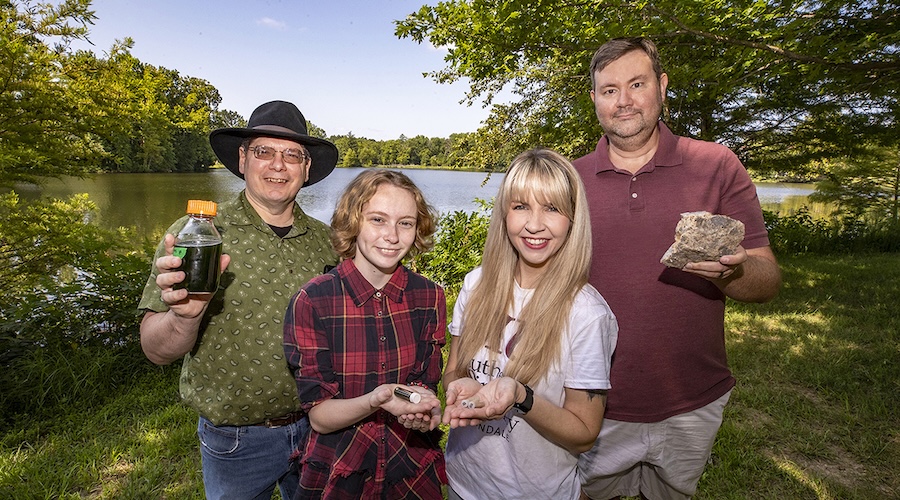
Algae grown in a 50‑gallon recirculating trough at Southern Illinois University more than doubled dissolved rare earth element concentrations from finely ground ore, offering a biological alternative to sulfuric acid-based leaching. Microbiologist Scott Hamilton-Brehm’s team then recovered the metals via a patented organic breakdown process, with residual algal biomass suitable for agricultural bio-stimulants or biodiesel. The approach is being tested on additional algae species and could be applied to coal ash, mine waste and e‑scrap, potentially upgrading low-grade or secondary US sources such as Hicks Dome in Illinois.
ICMM’s new global dataset of 12,000 mining and metals facilities across 148 countries shows 65.7% operate in areas with significant physical water risk, with 38.2% in catchments of high baseline water stress, 27% exposed to high drought risk and 14% to high flood risk. Exposure is highly uneven, with 85.8% of Chilean facilities in high-stress catchments and similarly elevated levels in Africa and the Middle East. ICMM warns that poorly understood water risk could constrain water-intensive processes such as crushing, flotation, leaching and tailings management, tightening supply for the energy transition.
US Departments of Energy and Labor have signed a five-year MoU to accelerate deployment of AI, automation and advanced sensors across US mining, linking DOE’s Hydrocarbons and Geothermal Energy Office and Office of Critical Minerals and Energy Innovation with DOL’s Mine Safety and Health Administration. The partnership will run joint research, testing and demonstration projects with the National Energy Technology Laboratory Coal Center of Excellence, focusing on next‑generation mining systems and hazard detection. Workstreams include digitising legacy mining data, improving public mineral resource datasets on federally managed lands, and expanding technology-focused training for miners.
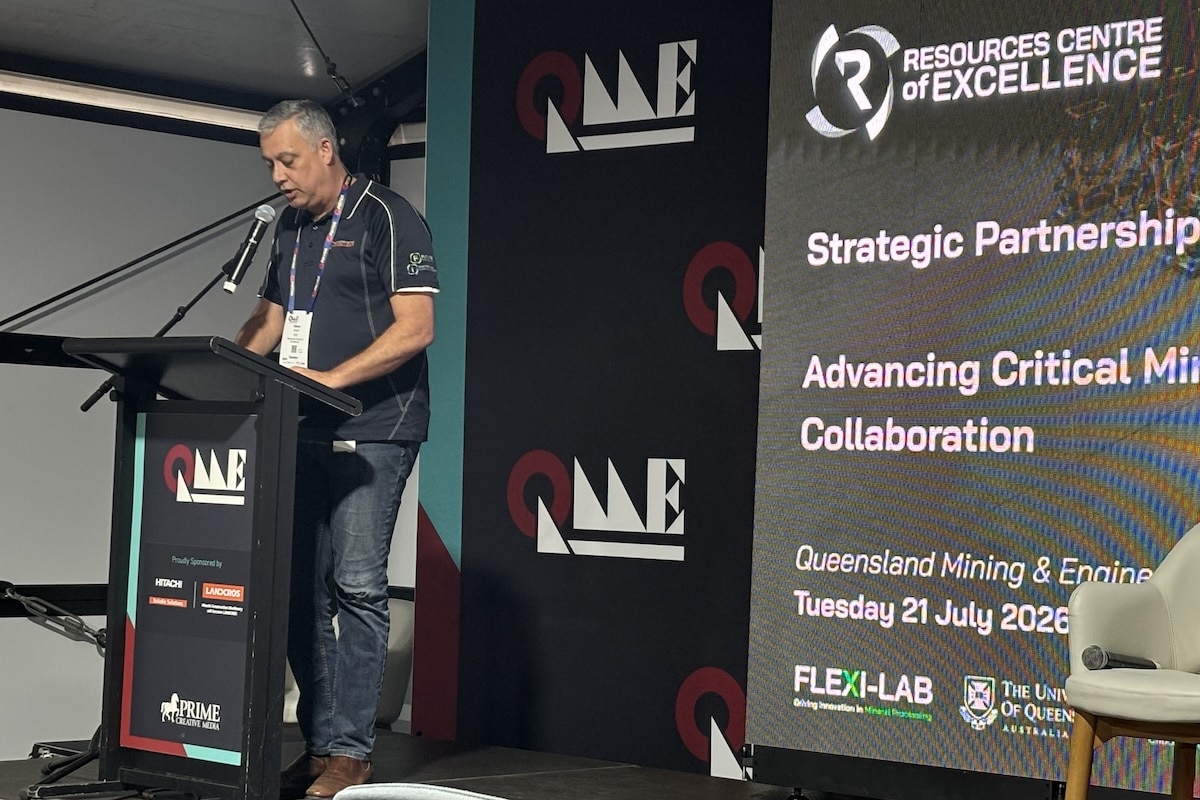
A new strategic partnership between the Resources Centre of Excellence (RCOE), The University of Queensland and Mining3, launched at the Queensland Mining & Engineering Exhibition in Mackay, will focus on accelerating commercialisation of critical minerals technologies. The collaboration is designed to link laboratory-scale research with field deployment, using RCOE’s Mackay facilities as a testbed for mining equipment, processing flowsheets and digital tools. For engineers, this signals more opportunities to trial critical-mineral extraction and processing innovations in operating Queensland coal and metalliferous mines.
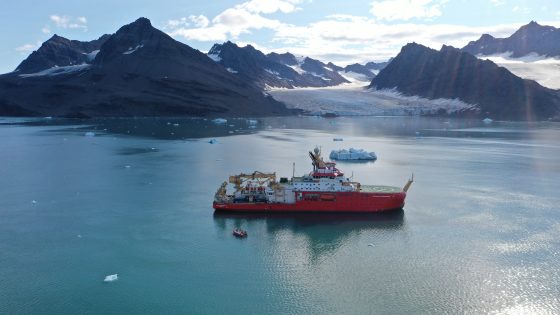
A fleet of autonomous marine robots, including the long‑range Autosub “Boaty McBoatface”, will be launched from the polar research vessel RRS Sir David Attenborough to survey rapidly melting Greenland outlet glaciers and adjacent fjords. The mission will map sub‑ice shelf geometry, measure water column temperature and salinity, and track glacier–ocean interactions that influence Atlantic Meridional Overturning Circulation. Data on seabed morphology, grounding line position and meltwater plumes will feed into improved sea level rise projections and coastal infrastructure design criteria.
An updated “higher confidence model” from the British Geological Survey refines estimates of superficial deposit thickness above Great Britain’s bedrock, giving engineers improved depth-to-rock data for foundations, earthworks and buried infrastructure. The model integrates existing BGS geological mapping with borehole records and geophysical datasets to reduce uncertainty in areas with complex drift sequences and variable till or alluvium cover. Practitioners can use the outputs to optimise preliminary ground investigation targeting, refine early-stage design assumptions and better screen geohazard susceptibility at corridor and site scale.
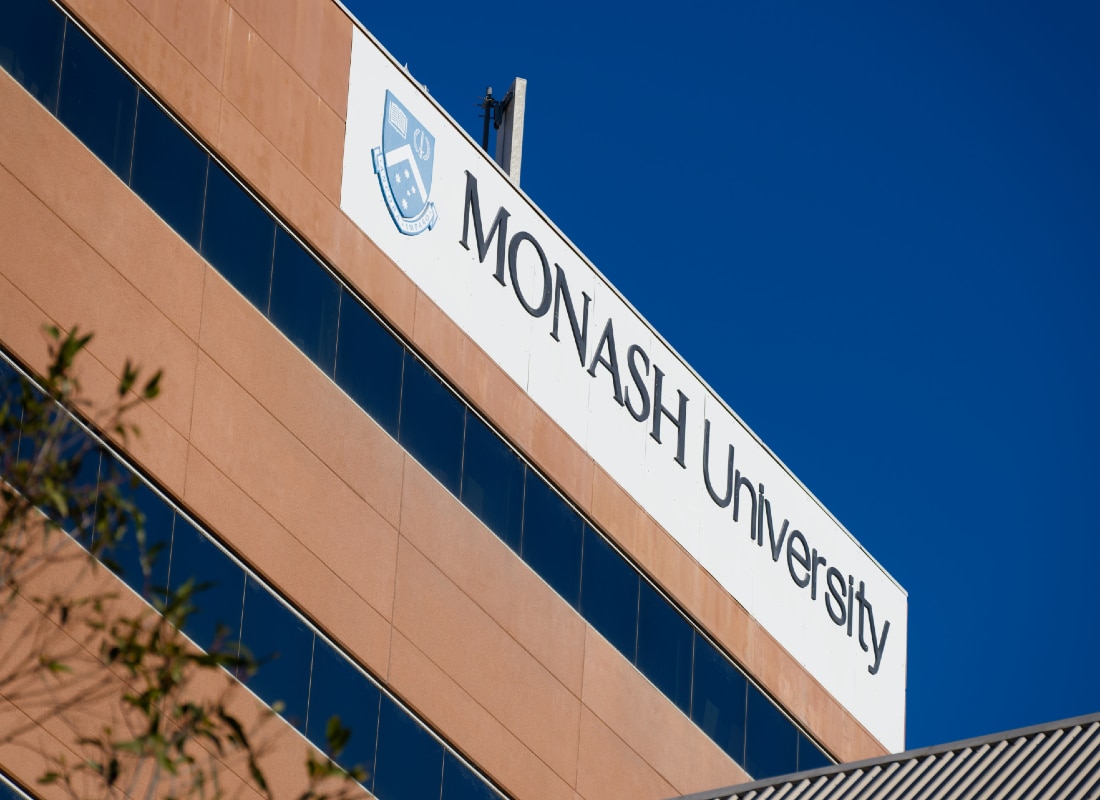
Monash University has launched its Critical Minerals Initiative (MCMI), pooling more than 40 researchers from its Business and Economics, Science, Engineering and Arts faculties to address Australia’s limited critical minerals processing capacity. The programme targets midstream processing and value-add rather than just extraction, responding to rapidly rising demand for battery and magnet materials such as lithium, rare earths and nickel. For miners and processors, the move signals more R&D support for flowsheet development, processing technology and policy settings aimed at onshore refining.
Publication by the British Geological Survey of final borehole data packs and a full drilling report from the UK Geoenergy Observatory in Cheshire provides open access to high‑resolution geological, hydrogeological and geophysical logs for the Sherwood Sandstone aquifer. The dataset covers multiple cored and instrumented boreholes with continuous wireline logging, groundwater monitoring and core descriptions, giving engineers direct parameters for permeability, stratigraphy and faulting. Geotechnical, geothermal and energy‑storage designers can now calibrate numerical models, assess thermal and hydraulic behaviour, and de‑risk subsurface infrastructure in similar Triassic sandstone settings.
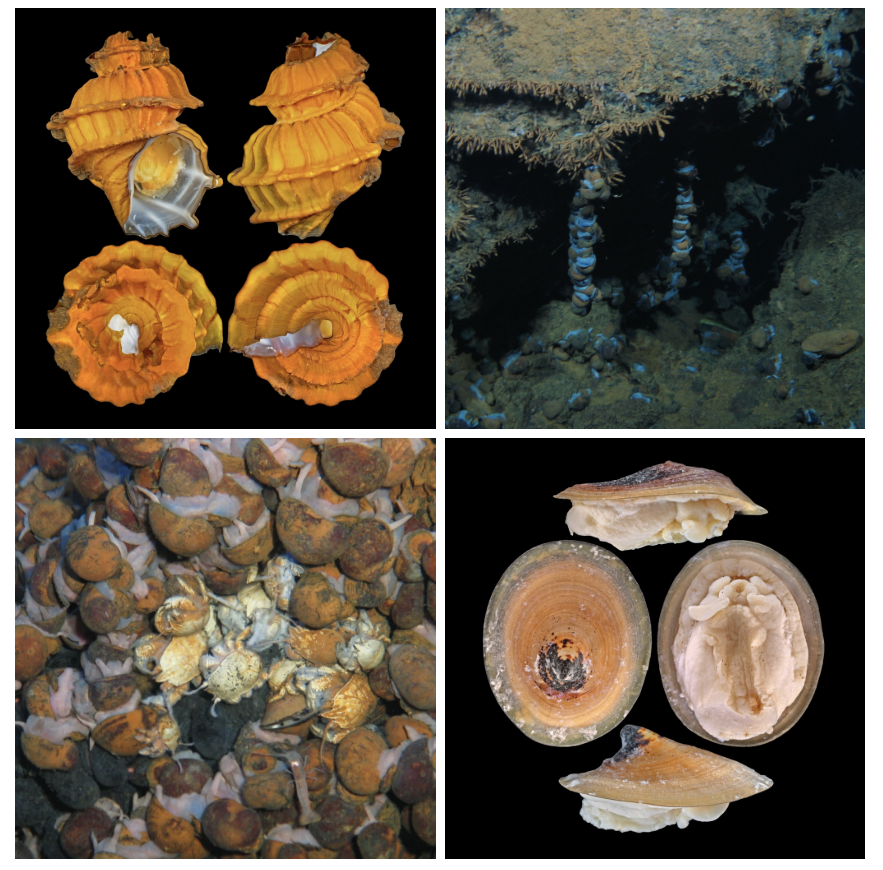
More than 60% of known hydrothermal vent mollusc species – 125 of 201 assessed – are now classed as threatened on the IUCN Red List due to prospective deep-sea mining for copper, cobalt, zinc and polymetallic nodules. IUCN is urging a moratorium ahead of the International Seabed Authority’s 13–31 July meeting in Jamaica, citing evidence from a 3,000‑tonne nodule removal test at 4,280 m in the Clarion‑Clipperton Zone that cut macrofaunal density by 37% and species richness by 32% within two years. For project planners and ESG teams, the findings signal rising regulatory and reputational risk for vent-proximal licences, while marine protected areas like the Mariana Arc of Fire currently shield some species such as Provanna exquisita.
Georgia Tech’s Geosystems group has released high‑resolution digital scans of Prof George F. Sowers’ handwritten Harvard course notes from the late 1940s, capturing original lectures by Karl Terzaghi and Arthur Casagrande on topics such as effective stress, consolidation and stability analysis. The archive, drawn from Sowers’ time as a graduate student, preserves worked examples, early design charts and problem sets that pre‑date many modern textbooks. Practitioners gain direct access to primary teaching material from the formative period of modern soil mechanics for reference, teaching and historical comparison.
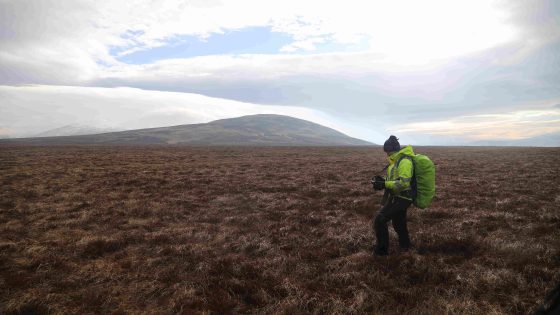
The British Geological Survey has launched a four‑year ground investigation of the River Tweed catchment to characterise groundwater behaviour and its interaction with river levels for improved flood forecasting. Work will include installing new monitoring boreholes, logging groundwater heads and flow paths, and integrating hydrogeological data with existing river‑gauge and rainfall records across the cross‑border catchment. Findings are expected to refine flood models used by local authorities and infrastructure owners, particularly for groundwater‑dominated flood events and prolonged saturation of transport and drainage assets.
Creating integrated mining districts rather than standalone operations could unlock billions in additional value, with GEM Mining Consulting’s new District Potential Value Index (DPVI) ranking 49 districts from an initial 1,641 mines and projects on economic scale, shared infrastructure and long-term coordination. Top performers include the Altura-Pilgangoora lithium district in Australia, Chile’s Collahuasi-Quebrada Blanca and Andina-Los Bronces copper belts, Poland’s Lubin-Polkowice-Sieroszowice-Rudna copper district and Argentina’s Salar de Olaroz-Cauchari Olaroz lithium system. The work signals that water constraints, permitting risk and social conflict can outweigh geology, guiding where to prioritise acquisitions and regional infrastructure.
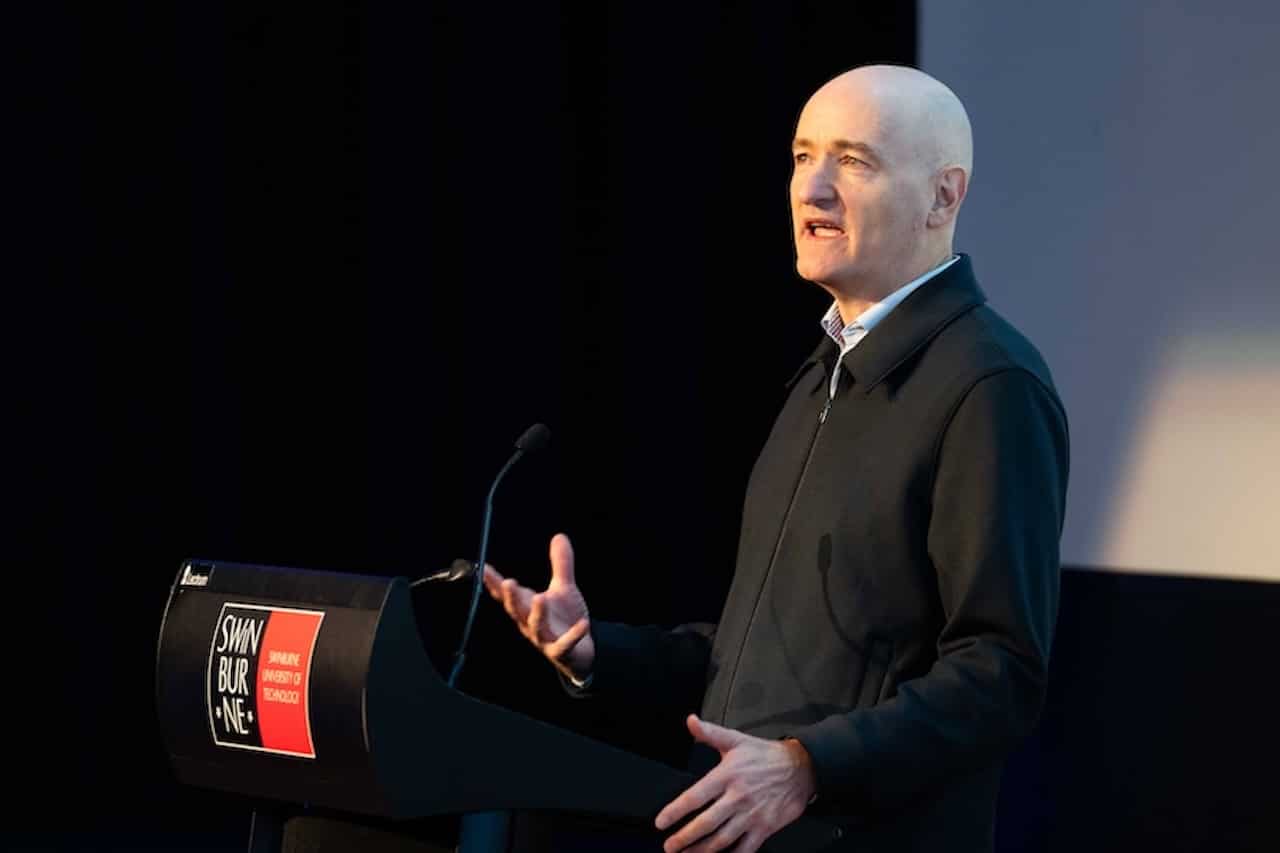
Australia’s new Geotab–Swinburne Transport Innovation Hub in Melbourne is moving AI from pilot projects into day‑to‑day freight, road safety and mobility operations, using connected-vehicle telematics from more than 4.5 million vehicles globally as its core data source. Researchers are applying machine learning to high‑resolution GPS traces, engine diagnostics and braking events to map near‑miss hotspots, optimise heavy-vehicle routing and quantify infrastructure stress on key freight corridors. For road authorities and operators, the work points to data-driven speed zoning, targeted pavement maintenance and more precise heavy-vehicle access decisions.
New British Geological Survey mapping of the upper 2m of seabed across the UK North Sea shows highly variable near-surface geology, challenging assumptions of relatively uniform sands used in many cable burial designs. The work identifies rapid lateral changes between sands, gravels, soft sediments and lag deposits at scales relevant to ploughs and jetting tools, with implications for trench stability, target burial depths and pull-out resistance for subsea power and telecoms cables. Designers may need denser geophysical and geotechnical sampling and more adaptable burial equipment specifications.
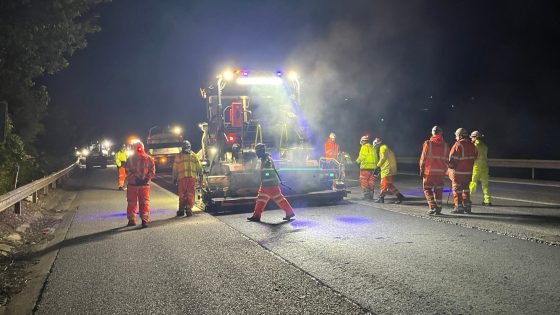
AI-enabled pavement assessment tools, flood resilience modelling and a Large Language Model-driven digital twin interface feature in National Highways’ Roads Research Alliance report on recent innovation milestones. The programme brings together National Highways, contractors and universities to automate condition surveys, integrate climate risk into network planning and use natural language queries to interrogate asset data. New findings on data capture focus on optimising sensor placement and survey frequency, with direct implications for lifecycle costing, maintenance prioritisation and geospatial data standards on UK strategic roads.
Commonwealth Fusion Systems has become the first international partner in the UK Atomic Energy Authority’s Lithium Breeding Tritium Innovation (Librti) programme at Culham, supporting development of tritium-breeding technologies for future fusion power plants. The collaboration will focus on testing lithium-based breeder materials and component designs under fusion-relevant conditions to optimise tritium production and recovery. For civil and materials engineers, the work points to future design requirements for breeder blankets, cooling circuits and radiation-resistant structural materials in commercial fusion infrastructure.
Canada has committed C$7 million through Natural Resources Canada’s Critical Minerals Research, Development and Demonstration programme to Greenland Resources’ open-pit Malmbjerg molybdenum project in east Greenland, the first G7 investment in Greenland mining. The funding supports metallurgical work to test flotation of primary molybdenum using both saline and fresh water and to assess recovery of magnesium and rare earth elements from the orebody and process water, with the programme running to March 2028. Malmbjerg, 20 km from Mestersvig airport, is designed to produce 32.8 million lb/y of molybdenum metal for 10 years within a 20-year mine life, backed by a long-term offtake with Outokumpu.
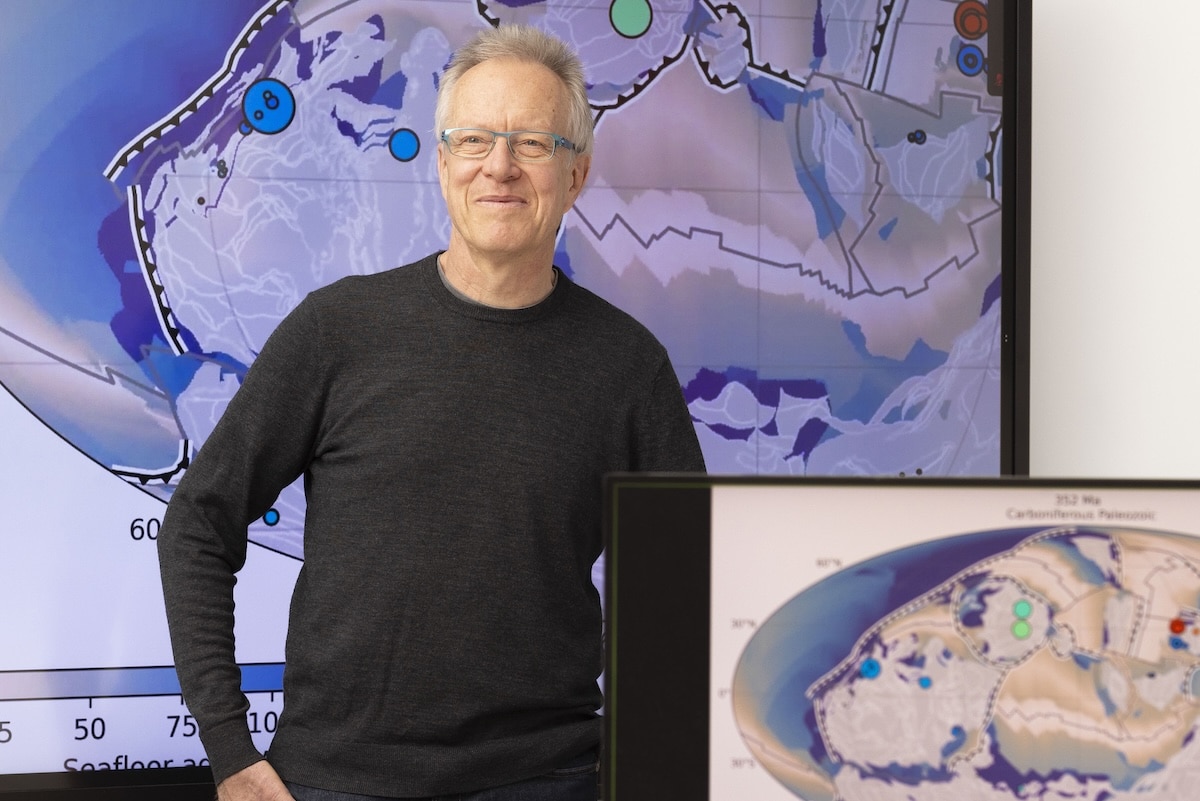
New University of Sydney modelling of 3D plate tectonics and deep Earth flow fields explains why some ancient continental margins host large sedimentary copper systems while others with similar stratigraphy are barren. Led by Professor Dietmar Müller’s EarthByte Group and published in Nature Communications, the work links copper endowment to long-lived mantle upwellings, crustal thinning patterns and basin-scale fluid pathways rather than local geology alone. For explorers, the framework offers a way to rank frontier basins and re-evaluate “failed” provinces using geodynamic criteria.
US DOE’s ARPA‑E ROCKS programme has selected Fieldstone Bio, TerraCore and MIT to build a field‑deployable system that maps critical minerals directly on drill core, delivering quantitative, core‑length metal distributions in hours instead of weeks. The method combines engineered microbial sensors, tuned to emit distinct signals for metals such as gold, copper, molybdenum and arsenic at parts‑per‑billion sensitivity, with compact hyperspectral imaging cameras already used in core logging. Scout Discoveries will supply active Western US drill sites and fresh core to validate performance, with the sensor library to be expanded to rare earths and nickel.
Geotab has partnered with Swinburne University of Technology to establish an AI-enabled transport innovation hub on Swinburne’s Melbourne campus, targeting data-driven management of Australia’s vast road network, around 60 per cent of which is unpaved. The collaboration focuses on telematics, connected vehicle data and predictive analytics to better understand asset performance across both mild and harsh operating environments. For civil and pavement engineers, the work signals growing access to high-resolution fleet and condition data to inform maintenance prioritisation, heavy vehicle routing and whole-of-life pavement design.
Curtin University has shortlisted three mining-focused technologies for its 2026 Curtinnovation Awards: a machine-learning tool for predicting tailings dam failures, a low-energy sensor network for real-time underground strata monitoring, and a modular system for recovering critical minerals from low-grade waste streams. The shortlisted projects, all led by Curtin researchers, target high-risk domains such as tailings storage, deep-level ground control and mine waste reprocessing. For operators, the work signals more data-rich geotechnical surveillance and potential new value from legacy waste facilities.
UK Atomic Energy Authority and Japan’s National Institutes for Quantum Science and Technology have signed a memorandum of cooperation to advance nuclear fusion development, linking UK work at Culham with Japanese programmes on devices such as JT-60SA. The agreement is expected to cover joint R&D on plasma physics, superconducting magnet technology and tritium handling, plus exchanges of engineers and shared use of large experimental facilities. Civil and structural specialists can anticipate future demand for designs accommodating high neutron flux, intense thermal loads and complex shielding in next‑generation fusion testbeds and pilot plants.
New climate-modelling by the British Geological Survey (BGS) projects that up to 11% of UK homes – several million properties – could face increased clay-related subsidence risk by 2070 as hotter, drier summers drive greater soil shrink–swell. The work uses UKCP18 climate scenarios to map susceptibility on shrink–swell clays, flagging particular exposure in southern and eastern England where high-plasticity London Clay and similar formations are widespread. For geotechnical and asset engineers, this points to tighter foundation design, tree and drainage management, and targeted monitoring of existing low-rise housing stock.
China Baowu and Rio Tinto have completed industrial-scale pelletisation and hydrogen-based shaft furnace trials at Baoshan Iron & Steel’s Zhanjiang operations using Rio Tinto’s Pilbara Blend fines. The campaign tested direct reduction-grade pellets in a shaft furnace charged with hydrogen-rich gas, aiming to validate lower-carbon ironmaking routes compatible with existing Baowu infrastructure. Results will inform process design for future DR-grade pellet plants and potential retrofits of blast furnace–basic oxygen furnace lines in China’s coastal steel hubs.
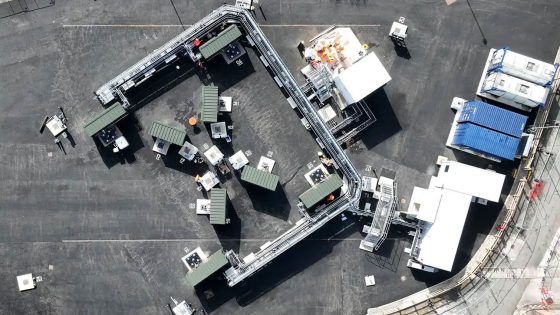
CSIRO has completed a world-first large-scale trial of high-efficiency catalytic ventilation air methane (VAM) abatement at South32’s GM3 Appin underground coal mine in southern New South Wales, using its CataVAM™ catalytic oxidation technology under full production conditions. The system targets the very low methane concentrations typical of mine ventilation exhaust, which are below the flammability limit and difficult to treat with conventional thermal oxidisers. Successful scale-up would allow integration with existing main fans to cut fugitive methane emissions from underground coal operations without major changes to mine layout.