Geomechanics, Streamlined.
© 2026 Geomechanics.io. All rights reserved.
50 articles tagged with Projects
Sandvik is launching a global postgraduate mining engineering programme in March 2026 across five continents, reviving and expanding its former Sandvik International Mining School to build a deeper internal talent pipeline. The initiative targets future technical and operational leaders, with structured training in areas such as underground loading and hauling, rock drilling, automation and digital mining systems. For mine operators and EPCM partners, the move signals a push for OEM-supplied engineers with stronger, standardised skills in equipment performance, data-driven optimisation and life-of-mine support.
Micromine’s Pitram mine control and fleet management platform has taken two major awards, winning Underground Excellence for its deployment at Çayeli Bakır’s Turkish copper-zinc operation and Digital Transformation for its work with Rana Gruber’s iron ore mines in Norway. At Çayeli Bakır, Pitram is being used to coordinate underground production and development activities in real time, while at Rana Gruber it underpins a site-wide digitalisation push integrating production data, equipment telemetry and reporting. Both projects report quantifiable gains in operational performance and decision-making speed.
Steenkampskraal Monazite Mine in South Africa’s Western Cape has officially commissioned Phase 1 of its monazite concentrate plant, moving what is described as the world’s highest-grade rare earth deposit from laboratory-scale testwork to commercial mineral processing. Opened by Mineral and Petroleum Resources Minister Gwede Mantashe, the facility will produce a monazite concentrate feedstock rather than separated oxides in this initial phase. For project engineers and metallurgists, the step confirms that the flowsheet and plant configuration are now proven at commercial scale, de-risking subsequent expansion phases.
Epiroc has delivered its 47th autonomous Pit Viper blasthole drill to Chilean surface mines, signalling broad deployment of OEM automation across large copper operations. The latest rigs run Epiroc’s RCS 5.12 control platform, which supports multi‑machine control, higher‑precision drilling and integration with fleet management and blast design systems for optimised patterns and reduced dilution. For mine planners and drill‑and‑blast engineers, the scale of deployment in Chile provides a mature reference case for autonomous drill fleets in complex, high‑altitude open pits.
FLSmidth has secured a DKK 360 million order to supply long-lead crushing and grinding technologies for a copper expansion project in northern Chile, centred on delivering the world’s largest gyratory crusher. The 1,600 x 3,300 TSUV primary crusher is designed for ultra-high throughput in hard rock copper ore, signalling a step up in mill feed capacity and comminution circuit scale. For mine planners and process engineers, the package locks in long-lead items and sets the envelope for downstream SAG/ball mill sizing and conveyor design.
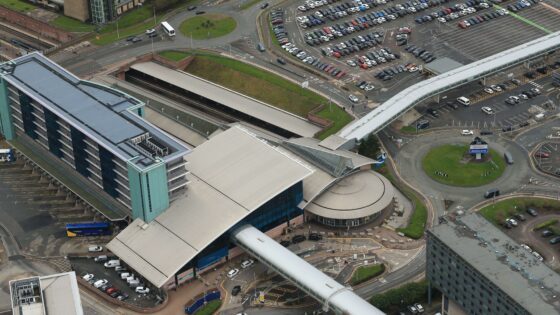
Network Rail is investing £115M in a major upgrade of Manchester Airport railway station, appointing Kier as principal contractor for the works. The programme is expected to focus on increasing passenger capacity and improving resilience on the busy airport spur, which currently handles frequent services to Manchester Piccadilly and beyond. For civil and rail engineers, the scheme signals upcoming demand for design and construction services around platform works, track and signalling interfaces, and integration with the existing terminal infrastructure.
Dŵr Cymru Welsh Water has launched a £52.8M framework covering low-value construction, repair, maintenance and improvement works across its operational and non-operational estate in Wales. The multi-year arrangement is expected to package numerous small civil, mechanical and electrical jobs on water and wastewater assets into standardised call-off contracts, streamlining procurement for works such as minor pipeline repairs, chamber refurbishments and building upgrades. Contractors can expect a steady pipeline of geographically dispersed tasks with tight response times, favouring firms with strong local labour, plant availability and reactive maintenance capability.
Great British Railways’ push to reshape the network is driving a shift towards stations designed as resilient civic assets, with integrated flood‑resilient structures, passive cooling, and secure, compartmentalised concourses that can operate during major disruptions. Future layouts emphasise flexible platforms and concourse spaces that can be reconfigured for crowd surges, temporary medical or shelter use, and multimodal interchange with buses, micromobility hubs and active‑travel corridors. For engineers, this signals more emphasis on whole‑life performance, robust power and data redundancy, and designing public‑realm structures to security and climate‑stress criteria rather than minimum passenger throughput alone.
Final repairs have been completed on Godstone High Street, Surrey, 18 months after a major sinkhole caused a full closure and extensive ground stabilisation works. Engineers had to rebuild the carriageway and underlying formation, install new buried services and reinstate drainage after the collapse exposed significant voiding beneath the road. The incident is prompting local authorities and designers to review ground investigation scope, utility mapping and monitoring on similar chalk and solution-feature-prone corridors.
Mott MacDonald has been appointed by Northern Gas Networks to deliver front-end engineering design (Feed) for the East Coast Hydrogen transmission and distribution infrastructure in its licence area. The commission will define pipeline routes, pressure regimes and above-ground installations needed to move low-carbon hydrogen at scale through existing and new assets, including tie-ins to industrial clusters on the east coast. For geotechnical and civil teams, early work will focus on corridor selection, crossings of major transport and utility corridors, and assessing repurposing of high-pressure gas pipelines for hydrogen service.
Plans to extend the Docklands Light Railway from Gallions Reach to Beckton Riverside and across the Thames to Thamesmead have secured strong backing in the latest Transport for London public consultation. The scheme would add a new river crossing, at least two new stations and an estimated 5–7km of double-track DLR, unlocking major brownfield housing sites on both banks. For civil and geotechnical teams, the project signals future demand for piled viaducts, approach embankments and complex foundations in soft alluvial Thames floodplain deposits.
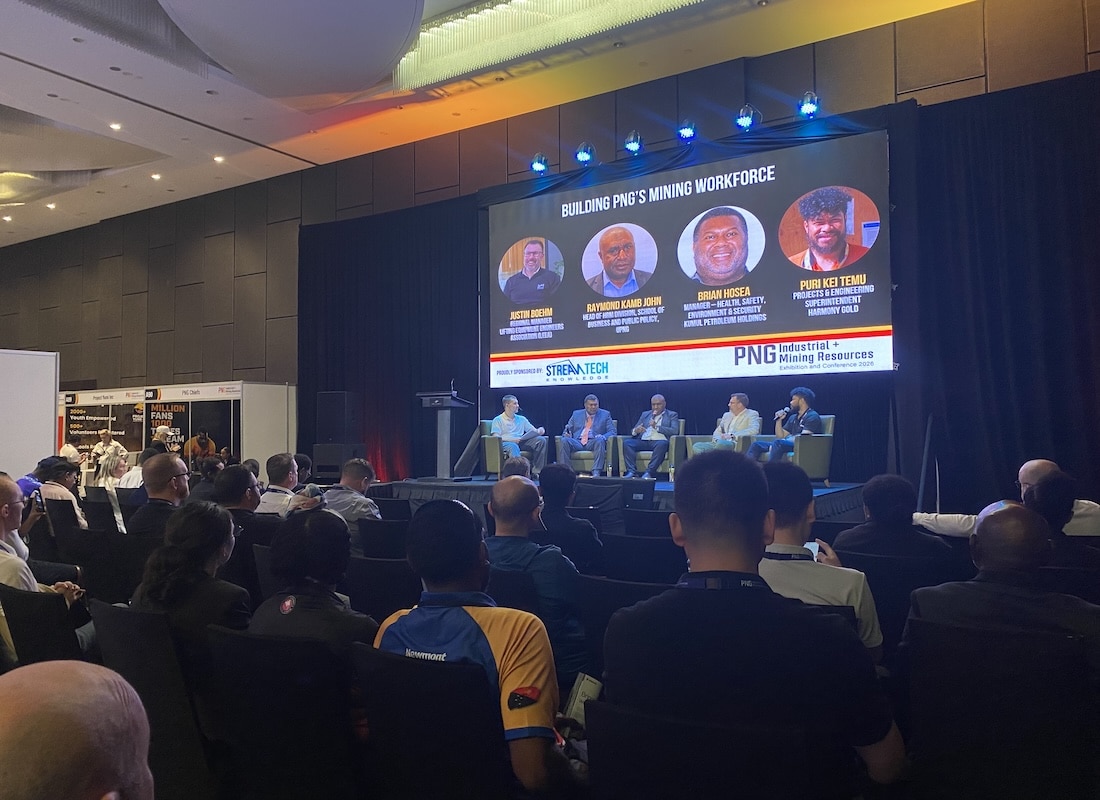
Early Bird tickets are now on sale for the 2027 PNG Mining and Industrial Exhibition and Conference (PNG Expo), to be held at the Sheraton Port Moresby Stanley Hotel & Suites on 26–27 May 2027. The event will again bring together mining, METS and industrial suppliers in Papua New Guinea’s capital, giving operators, contractors and OEMs a fixed window to schedule technical meetings, product demos and project briefings. Early booking allows site-based staff to align rosters, travel and accommodation for Port Moresby well in advance.
Tega Industries is promoting a “total solution” approach to bulk material handling, integrating transfer chutes, screening and separation systems, and wear-protection linings across entire processing circuits. The company focuses on abrasive wear control and difficult flow regimes at transfer points, using engineered rubber and composite liners, custom chute geometries and optimised screen media to cut unplanned downtime. For plant engineers, the pitch is fewer isolated fixes and more circuit-wide design, with performance measured in reduced stoppages, cleaner flow and longer component life.
WIM Resource has secured a mining licence for the Avonbank mineral sands project in western Victoria, located about 15km north-east of Horsham, to extract a heavy mineral assemblage including zircon, titanium minerals and rare earth elements. The approval follows a formal assessment by Resources Victoria, clearing the way for large-scale dredge or dry mining of strandline-style deposits typical of the Murray Basin. For geotechnical and processing teams, the mix of zircon and rare earth-bearing minerals signals complex separation flowsheets and tailings management in fine-grained sands.
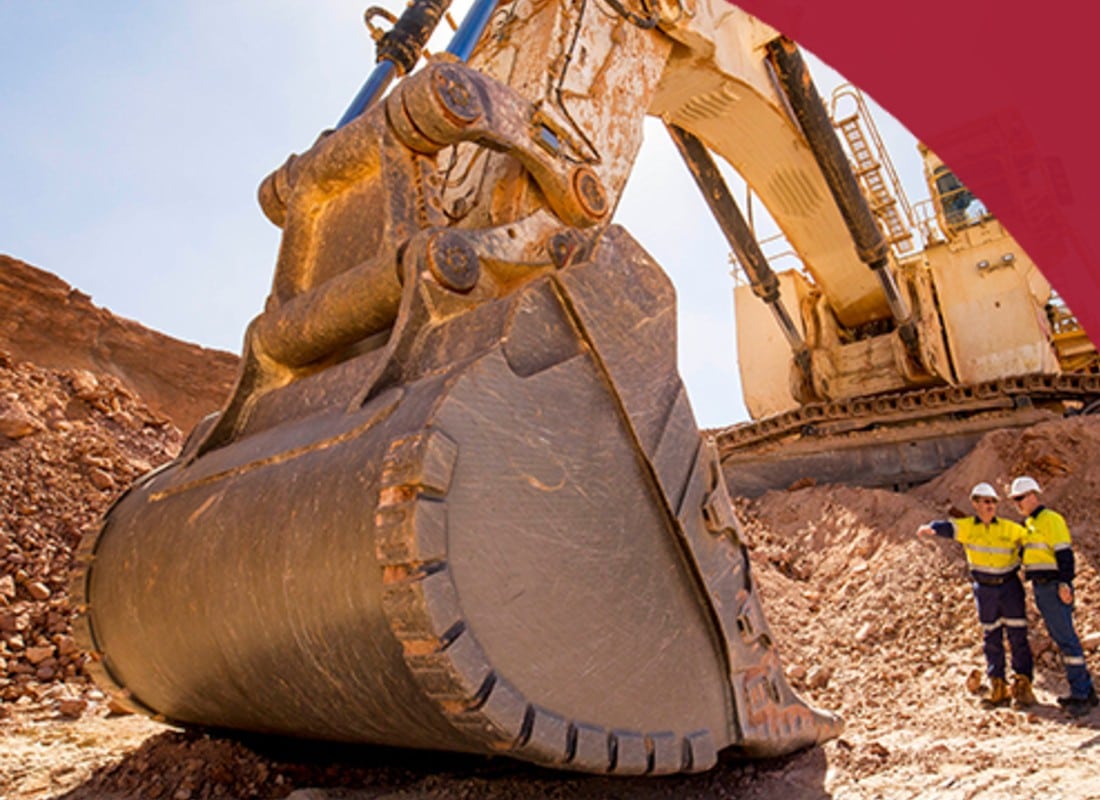
Excavator bucket maintenance is shifting from ad hoc onsite crack and wear repairs to planned, lifecycle-based strategies led by Austin Engineering. General manager sales APAC/EMEA Brad Higgins and key account manager Troy [surname not given] use real-world case studies to compare reactive weld-and-patch approaches with scheduled structural rebuilds and liner replacements. The move towards planned cycles aims to stabilise downtime windows, standardise repair scopes and improve fatigue performance of large mining buckets, with direct implications for shutdown planning and wear-material selection.
Completion of the Tahmoor Colliery sale in New South Wales to the GEAR/M Resources Consortium moves the underground coking coal mine closer to full restart, with about 150 workers already back on site undertaking initial mining activities. The new operator plans a staged ramp-up, progressively recalling additional personnel and recommissioning equipment to restore longwall production. Geotechnical and operational teams will be focused on revalidating ground control, ventilation and gas management systems after the shutdown period before returning to full output.
Molybdenum is heading for a sixth straight annual deficit in 2027, with first-half 2026 demand up 8.5% to 358.2 million lb against supply of 335.6 million lb and prices already up 43% this year to about US$41.97/lb, BMO Capital Markets reports. A cumulative 108-million-lb shortfall since 2020, depleted inventories and constrained byproduct output from Chilean and Peruvian copper mines point to record prices and potential demand destruction in metallurgical and energy infrastructure uses. BMO flags Centerra Gold’s Thompson Creek–Langeloth platform and Freeport-McMoRan’s Climax and Henderson operations as key leveraged producers.
CleanTech Lithium has secured options over the Genoveva and Sal de Litio 1 brine properties in Argentina’s Salar de Antofalla, about 80 km from its Laguna Verde project in Chile, adjacent to Albemarle-held ground. The roughly $1.93 million deal, funded from existing cash, involves $525,000 in year-one payments and a further $1.4 million scheduled between October 2027 and May 2031, giving CleanTech the right to 100% ownership. Management is targeting a 2027 exploration start and is evaluating shared infrastructure and a centralised conversion facility in Copiapó across Laguna Verde, Viento Andino and Antofalla.
UK researchers led by the University of Birmingham have secured £6.2 million from the UK’s Advanced Research and Invention Agency to develop protein-based membranes that can selectively separate lithium from sodium for high-purity battery-grade compounds. The three-year project will engineer S‑layer proteins into large-area membranes with uniform, programmable pores, combining AI-guided protein design by Fold9, membrane scale-up and testing by Evove, and high-throughput variant screening by Adaptyv Bio. Success would provide lithium producers with a new DLE route, contingent on achieving industrial-scale durability and consistent separation performance outside the lab.
Magna Mining has approved a C$70.1‑million restart of the Levack nickel‑copper mine near Sudbury, targeting mid‑2028 commercial production and forecasting a 92% after‑tax IRR and C$227‑million NPV at a 7% discount rate. The PEA outlines mining 5.75 million short tons over 7.3 years at about 2,140 t/d, producing on average 12.9 million lb/y copper, 10.9 million lb/y nickel and 21,400 oz/y combined PGMs and gold, with operating costs of C$157.80/t and C$168 million sustaining capital. Restart works focus on rehabilitating underground access, refurbishing the production hoist and loading pocket, and leveraging maintained brownfield infrastructure, but the plan proceeds without a feasibility study and relies partly on 2.1 million tons of inferred resources.
Ivanhoe Mines’ Kamoa-Kakula complex in the DRC lifted third-quarter copper output to 76,401 tonnes of saleable products, including 68,188 tonnes of concentrate, as underground mining rates rose 30% to over 700,000 tonnes per month following new box-cut access at Kamoa 1 and the start of stoping. The on-site 500,000 tpa smelter is running at 60% capacity, producing copper anodes and an annualised 480,000 tonnes of sulphuric acid sold at about $900/t to Copperbelt leach operations, while a 60 MW hybrid solar-plus-battery plant has cut diesel generator use by roughly 40%. Ivanhoe kept 2026 copper guidance at 290,000–310,000 tonnes but expects to land near the lower end, with 43,000 tonnes of copper in inventory and Kipushi zinc concentrate output up 10% to 77,147 tonnes.
SigraFi has secured a $35 million credit facility from a consortium led by UAE-based Ronin Commercial Brokers to finance gold offtake from organised artisanal and small-scale gold mining cooperatives in the DRC, Zambia and South America. The company already works with PeaceGold in eastern DRC, covering 11 cooperatives and about 25,000 miners in Ituri Province, using multi-year contracts and guaranteed offtake at competitive prices. The model targets ASGM’s roughly 20% share of global newly mined gold by providing traceable, compliant supply to institutional refiners previously reliant on informal channels.
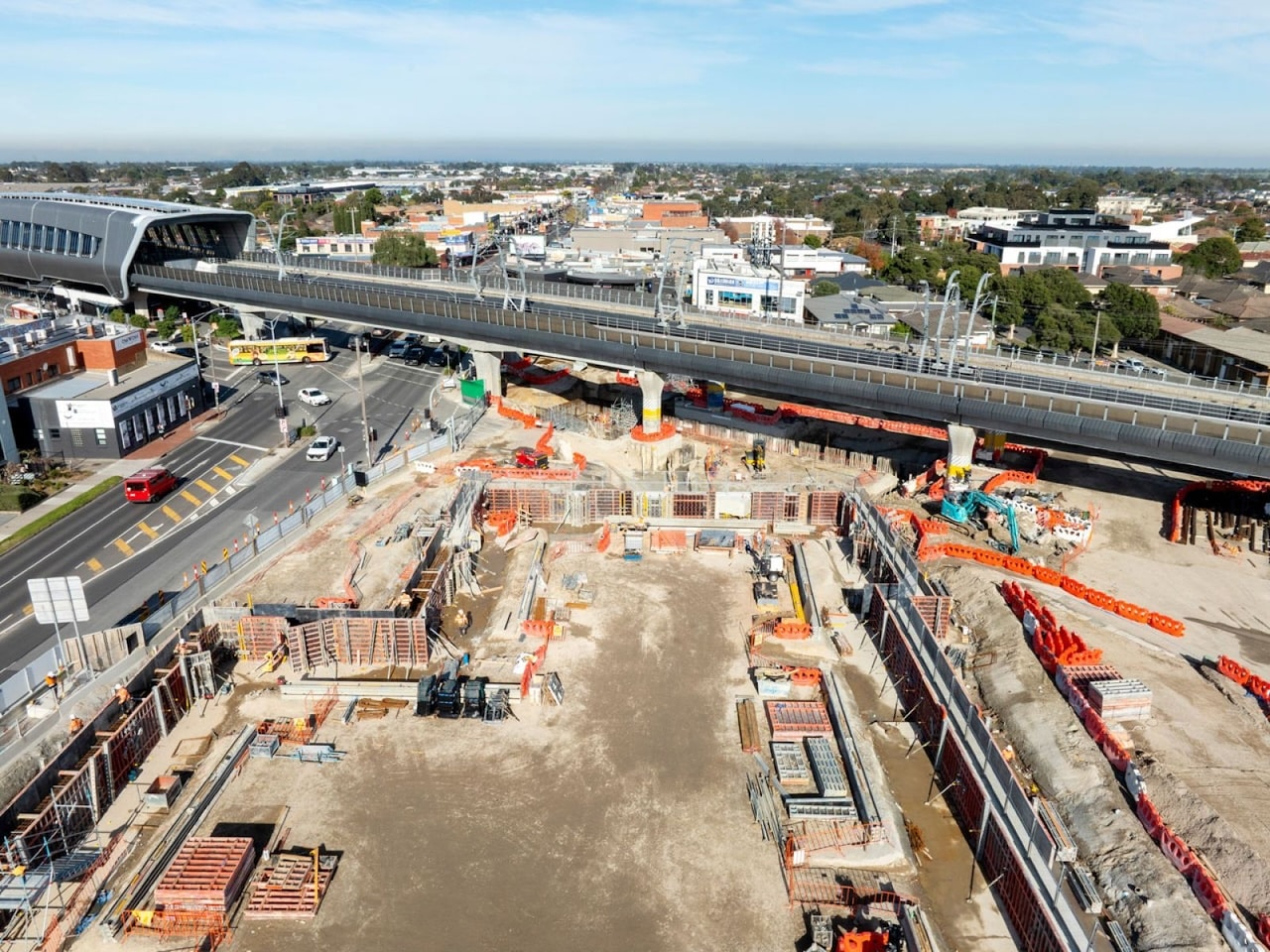
Excavation has begun for the Suburban Rail Loop East station at Clayton in Melbourne, a key underground interchange on the orbital SRL line designed to connect Monash and Deakin precincts by rail for the first time. The works form part of SRL East’s initial tunnelling and box excavation programme, preparing for twin-bore rail tunnels that will link new stations between Cheltenham and Box Hill. For civil and geotechnical teams, early packages focus on deep excavation support, groundwater control and managing construction around existing suburban rail and utilities.
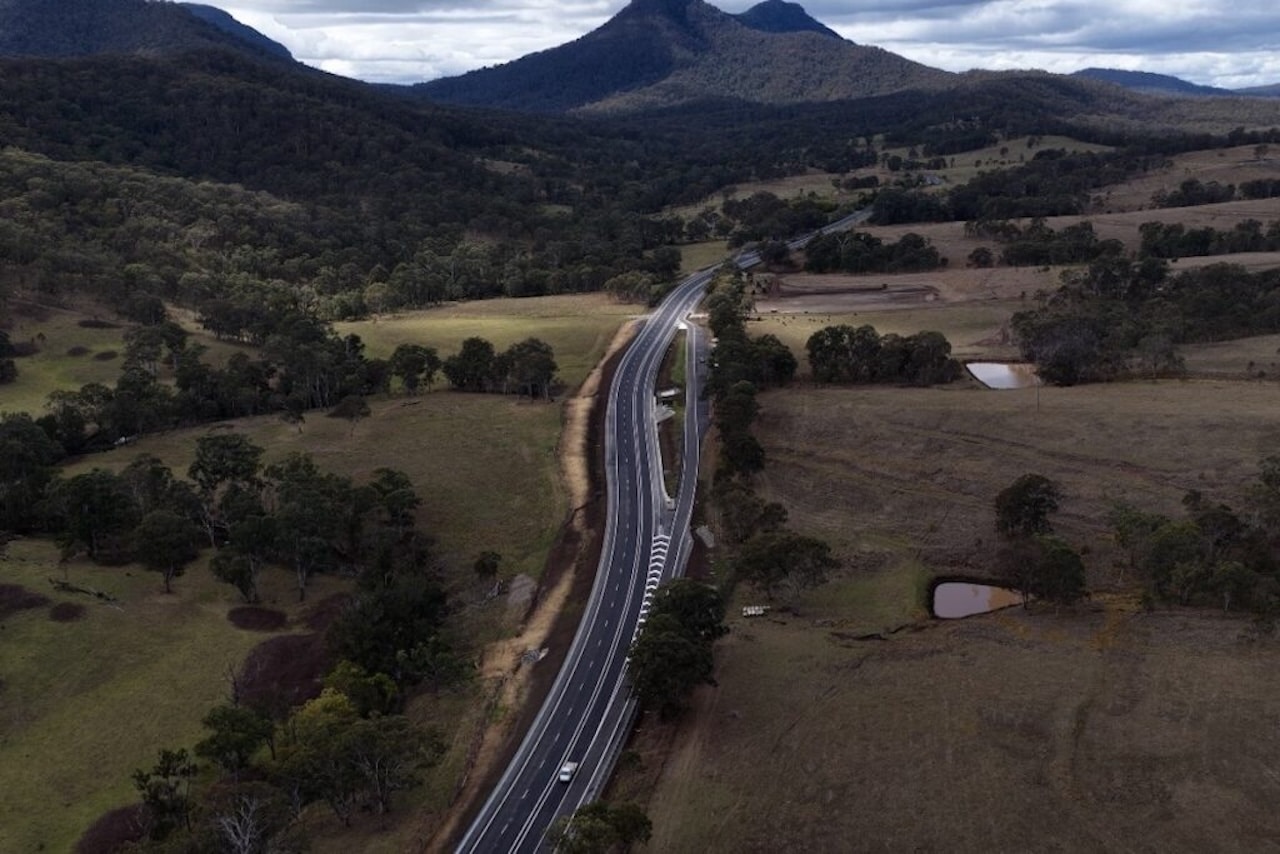
Major safety upgrades on Queensland’s Cunningham Highway have been completed on a key freight section between Tregony and Maryvale in the state’s south. The works, delivered by the Queensland Government, target one of South East Queensland’s primary links to the Darling Downs, carrying heavy vehicles and local traffic. For civil and pavement engineers, the project signals continuing investment in regional highway geometry, pavement rehabilitation and roadside safety treatments on high‑volume freight corridors.
BHP has agreed to sell its idled Kambalda Nickel Concentrator in Western Australia, together with associated tenements and mineralisation rights, to Gold Fields, which already operates gold assets in the Kambalda region. Completion is targeted for calendar year 2027 under agreements announced on 7 October, giving Gold Fields control of an existing nickel processing plant rather than building greenfield capacity. The deal opens options for repurposing or modifying the concentrator flowsheet for gold–nickel ore blends or future regional nickel feed, depending on market conditions.
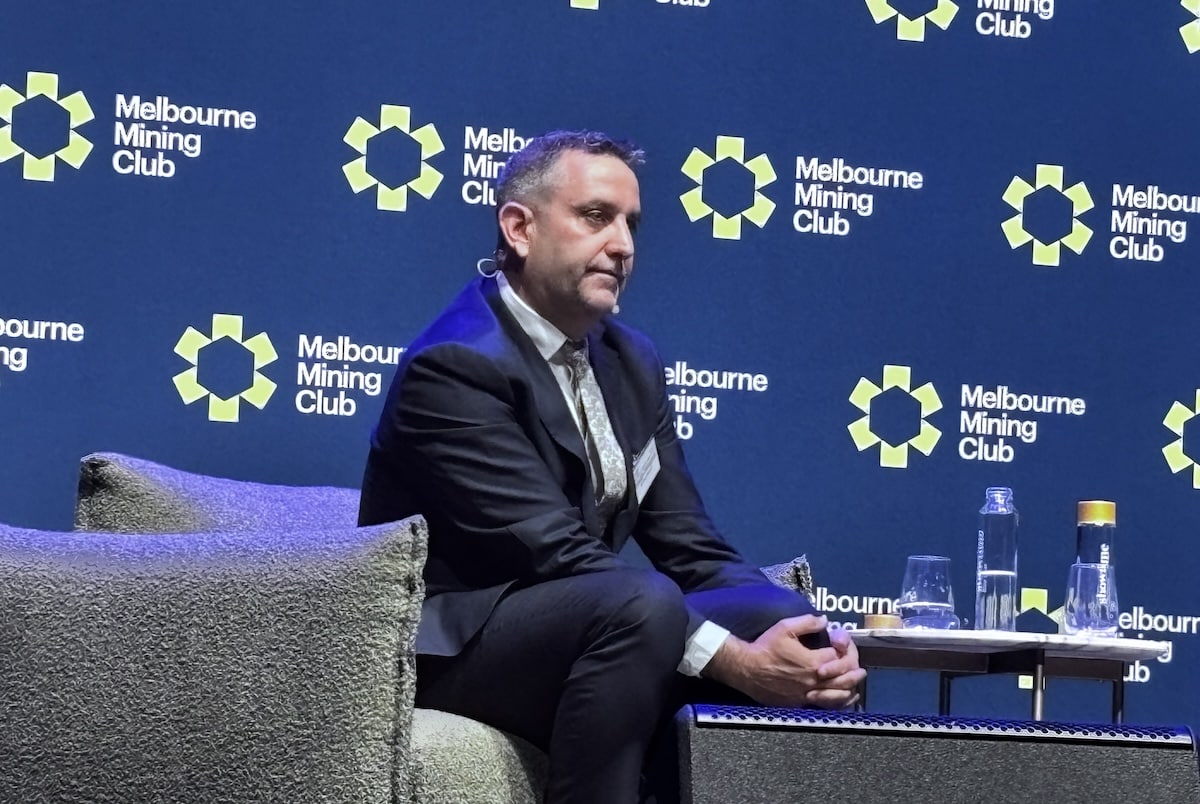
Genesis Minerals executive chair Raleigh Finlayson has labelled Gold Fields’ rejected all-scrip approach for Northern Star Resources as “opportunistic”, arguing a higher cash component would be required to win support. Speaking at the Melbourne Mining Club, he questioned the robustness of Gold Fields’ estimated synergies and value assumptions in combining its Australian assets with Northern Star’s Kalgoorlie and Pogo operations. The comments signal scepticism among local gold operators over large, paper-based consolidation plays in the current gold price and cost environment.
Barton Gold has completed assays for its Tunkillia resource‑upgrade campaign in South Australia, returning broad, high‑grade gold intersections within the proposed starter pits. Final results include 53m at 2.51g/t Au from 60m in hole TKB0745, with higher‑grade zones of 2m at 18.25g/t from 72m and 1m at 26.3g/t, plus several similarly mineralised intervals. The data support potential early pit designs focused on thicker, near‑surface mineralisation, improving options for initial strip ratios and mill feed grade scheduling.
Stellar Resources has extended high-grade tin mineralisation at the Heemskirk project in western Tasmania, with step-out drilling north of the Severn deposit intersecting 3.9m at 0.82 per cent Sn from 206.1m, including 2.1m at 1.40 per cent Sn. Additional mineralised intervals in hole ZM194 include 3.7m at 0.41 per cent Sn, supporting a larger, structurally continuous tin system. For mine planning and geotechnical teams, the deeper, high-grade intercepts point to potential expansion of underground resource envelopes and revised stope designs.
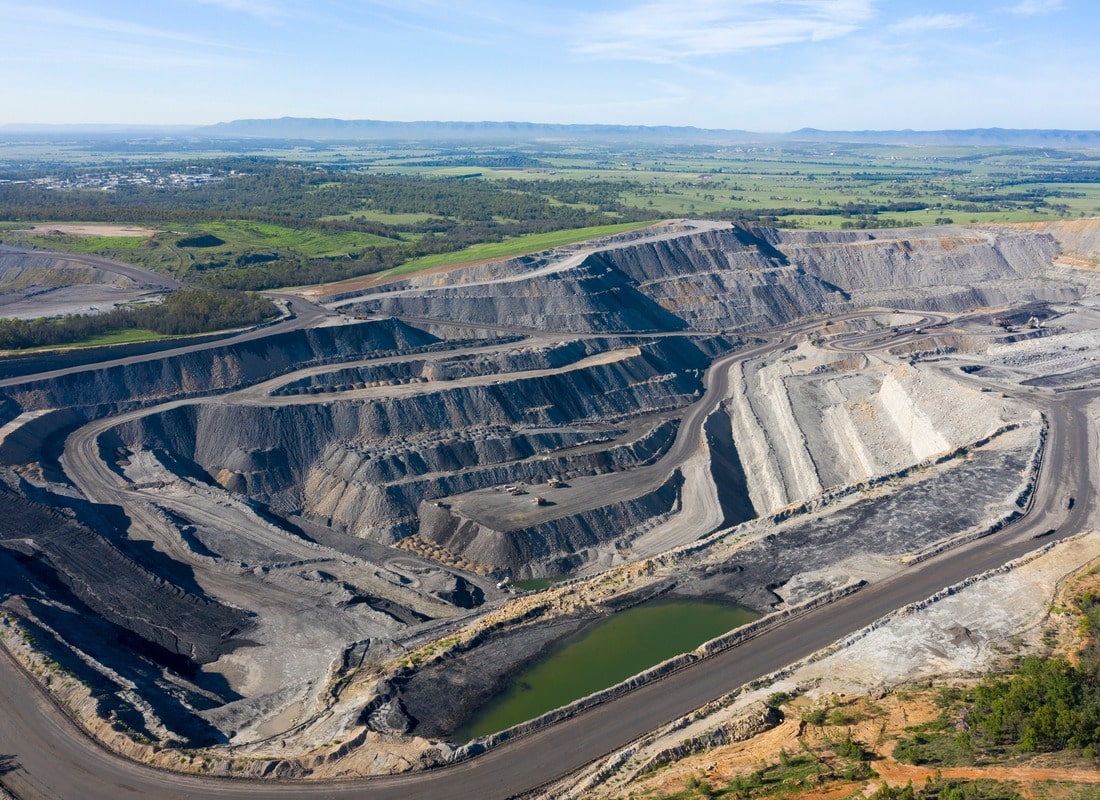
MACH Energy has pledged to continue operating its Mount Pleasant thermal coal mine in the NSW Hunter Valley in line with the legal framework set by the High Court’s ruling on its proposed expansion and any subsequent NSW Parliament decisions. The company is signalling ongoing engagement with state regulators, government and local stakeholders as it reassesses plans to increase production and extend mine life. Geotechnical and mine planning teams can expect permitting, design envelopes and progressive rehabilitation schedules to remain contingent on evolving court and legislative constraints.
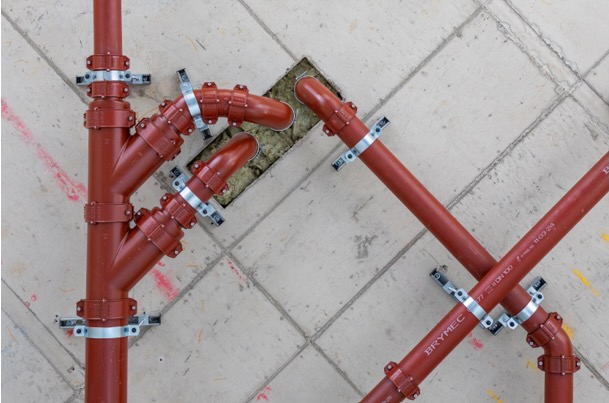
Brymec has supplied a non-combustible cast iron drainage package for White City Living Phase 4 in London, a 503-apartment, three-block residential scheme by St. James Group (Berkeley Group) scheduled to complete in December 2027. The system, rated A1 to BS EN 13501-1 as a complete assembly rather than individual components, was specified to meet updated Approved Document B fire requirements while providing improved acoustic performance and durability on a high-rise structure. Installation started in December 2025, with 642 metres of cast iron pipe delivered in over 30 loads, followed by on-site inspection and a formal QA report from Brymec’s specification director.
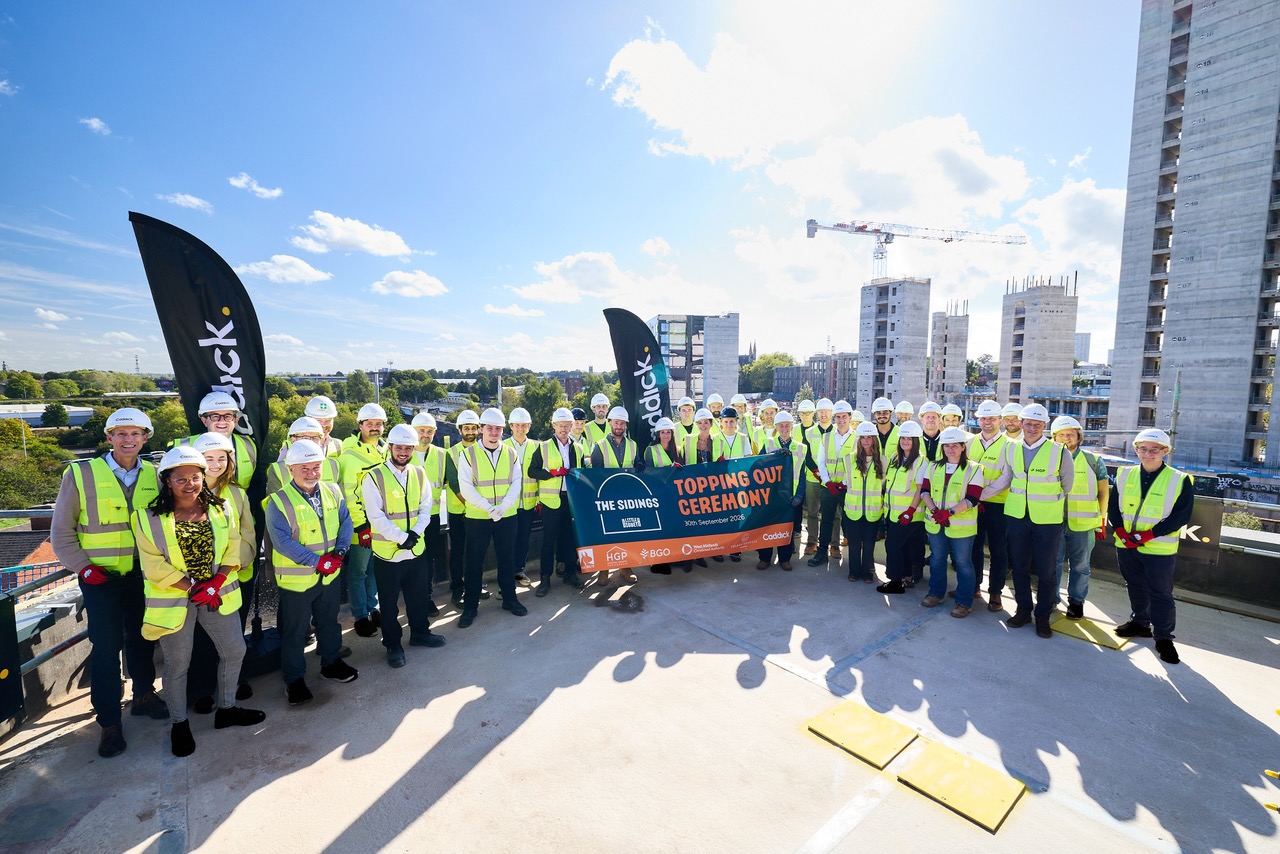
Caddick Construction has topped out The Sidings, a 10-storey, 182,986 sq ft residential block in Little Digbeth, Birmingham, delivering 211 apartments plus new public realm and affordable workspaces for Cole Waterhouse, Taurus Investment Holdings and Housing Growth Partnership. Phase one of the design-and-build scheme started on site in spring last year and has now reached full structural height, with completion targeted for 2027. The brownfield project is backed by devolved regeneration grant funding from the West Midlands Combined Authority, signalling continued public support for dense city-centre residential infill.
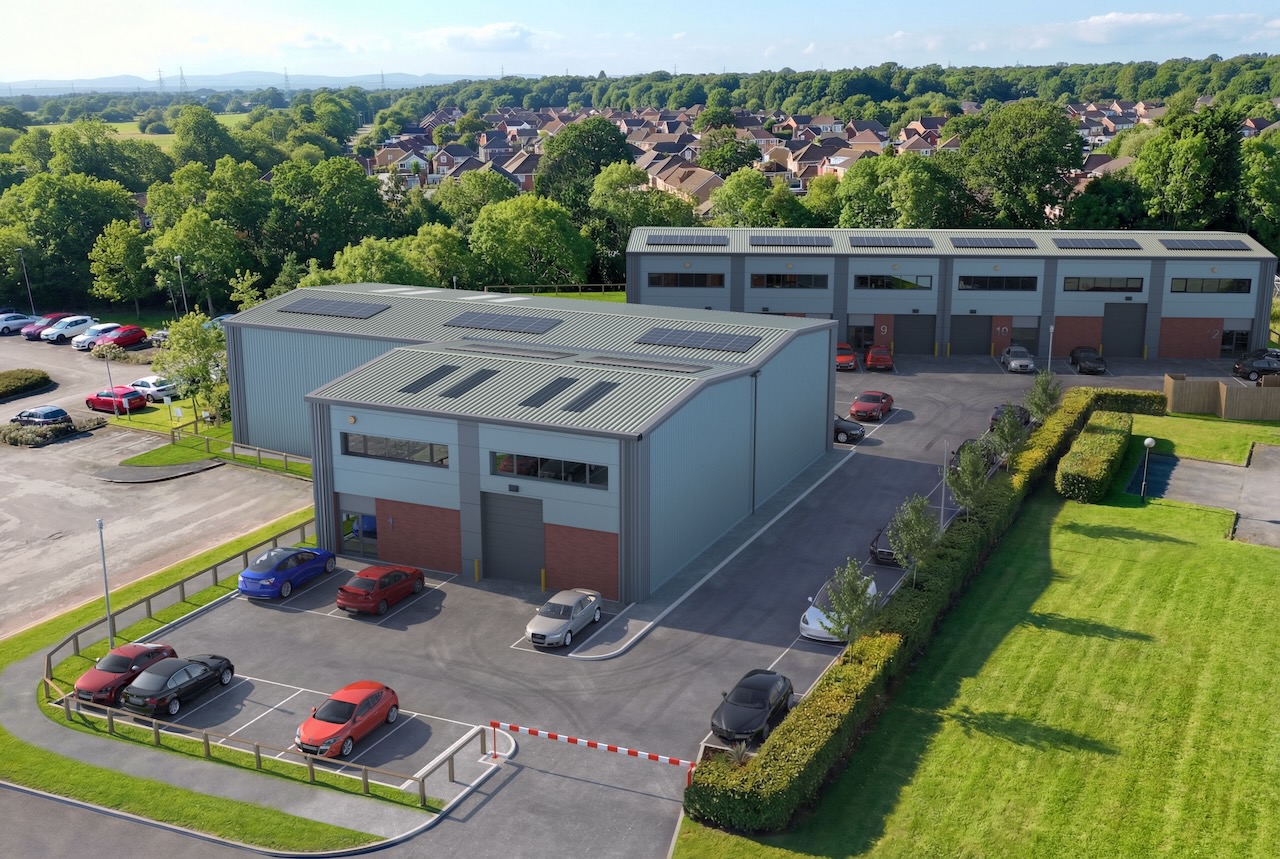
Seddon Developments has appointed Dudleys Consulting Engineers to deliver civil and structural design for the £3m Cheshire Oaks Business Park, being built by in-house contractor Seddon Construction. Dudleys will work with KPP Architects and building services engineer JCA Consulting to coordinate site infrastructure, structural framing and building interfaces. The modest project value suggests relatively simple low-rise commercial units, where efficient foundation solutions and economical steel or composite frames will be critical to keeping costs and programme tight.
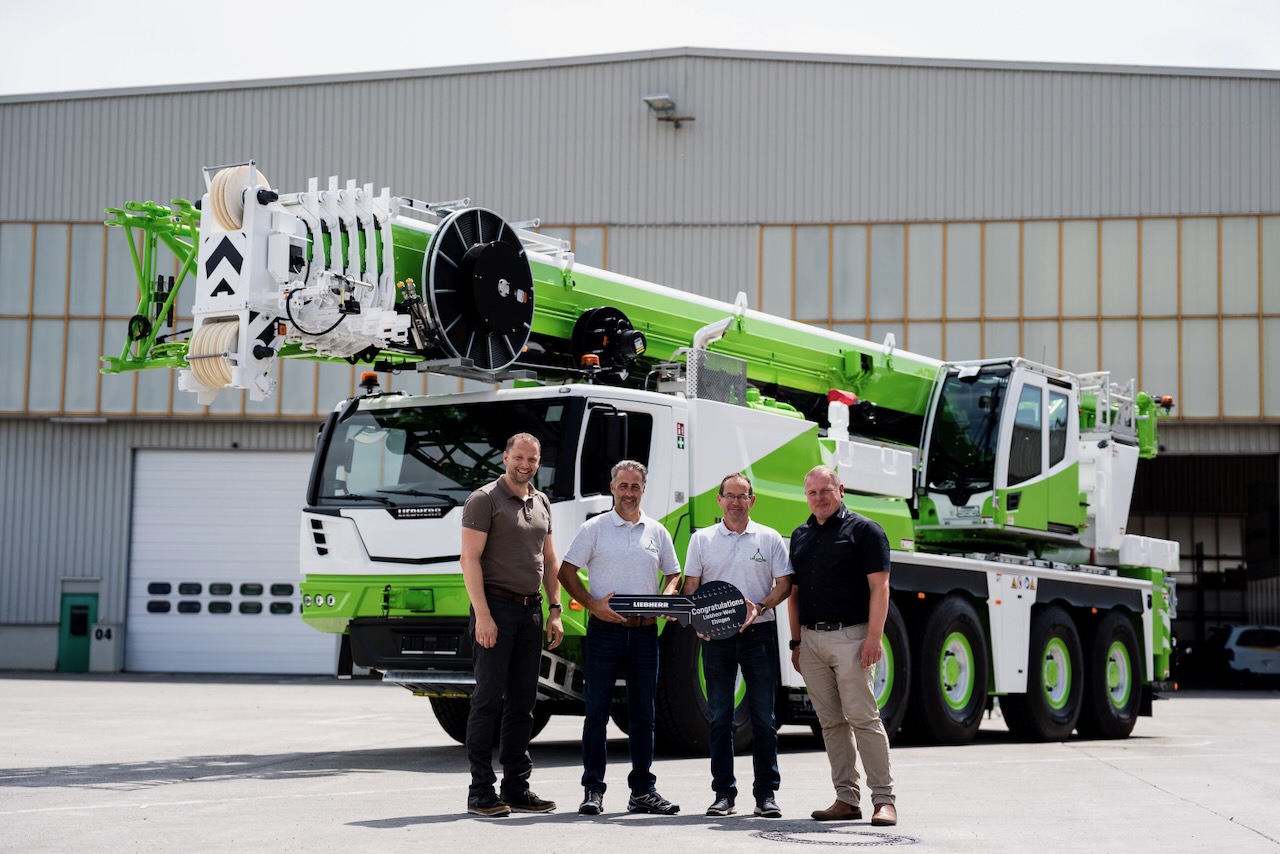
Lee Lifting has added a Liebherr LTM 1100-5.3 all terrain crane to its fleet, targeting congested city centre and film-industry lifts with a 62 m main boom, hydraulically adjustable jib and LICCON3 control system. The five-axle, 100 t crane can travel within STGO limits carrying 22.5 t of counterweight, with axle loads reducible to 9 t, and achieves hook heights up to 76 m and a 64 m radius using the 40° offsetable jib. VarioBase, VarioBallast and a second hoist winch are specified to improve capacity and flexibility on tight, complex sites.
Glasgow City Council has appointed CBRE, working with Mandala Partners, to prepare a detailed business case for a city centre growth fund targeting large-scale development and homebuilding. The study will examine how to structure blended public–private investment to unlock brownfield sites and intensify residential use in the core commercial area. Outcomes are expected to influence future funding mechanisms for infrastructure, land assembly and enabling works across central Glasgow.
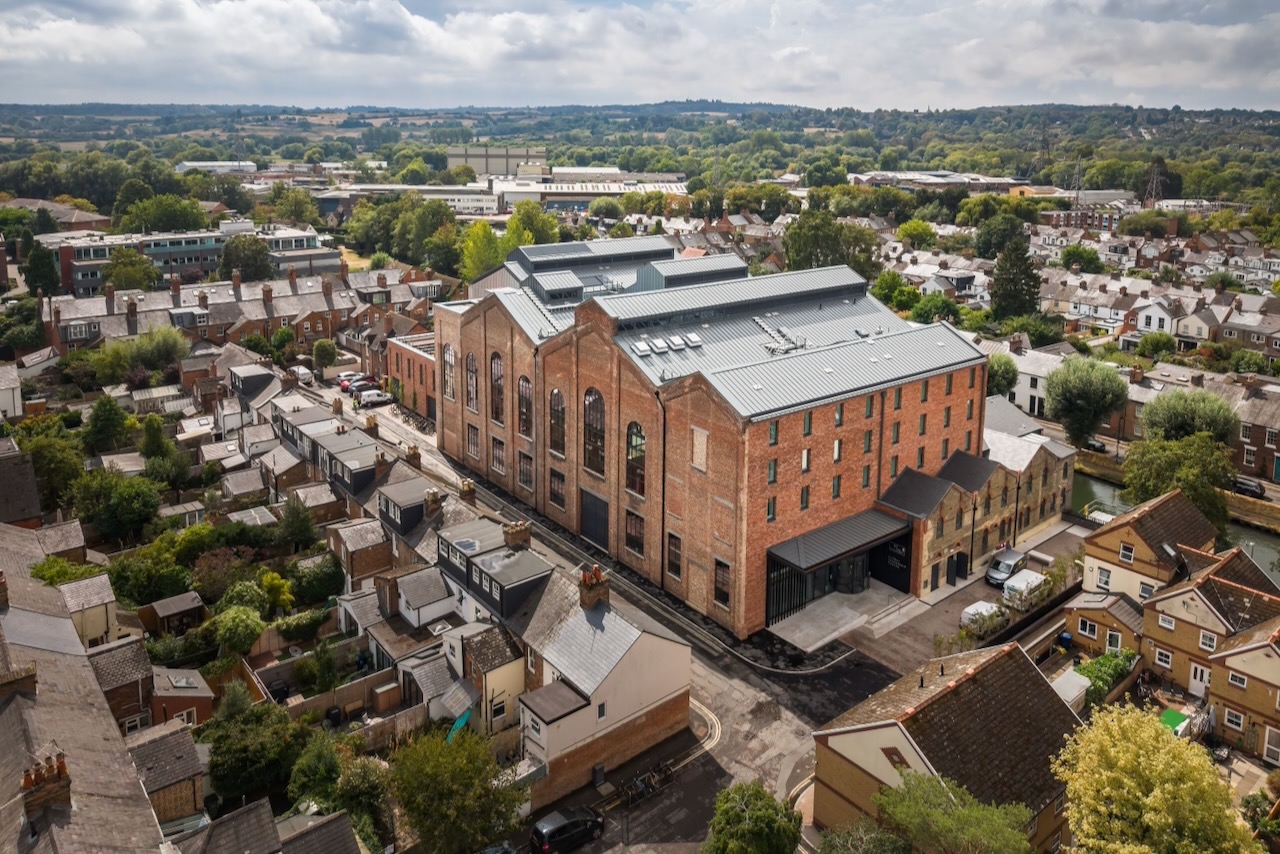
Graham has completed restoration of Oxford’s historic Osney Power Station, converting the former coal-fired plant into the John McAslan + Partners-designed Global Leadership Centre for Saïd Business School. The project retains the original brick turbine hall and steel trusses while inserting new teaching, residential and event spaces, demanding complex structural interfaces between existing masonry and new concrete and steel frames. For civil and structural teams, the scheme illustrates current practice in heavy industrial retrofit, adaptive reuse and integration of modern building services into constrained heritage envelopes.
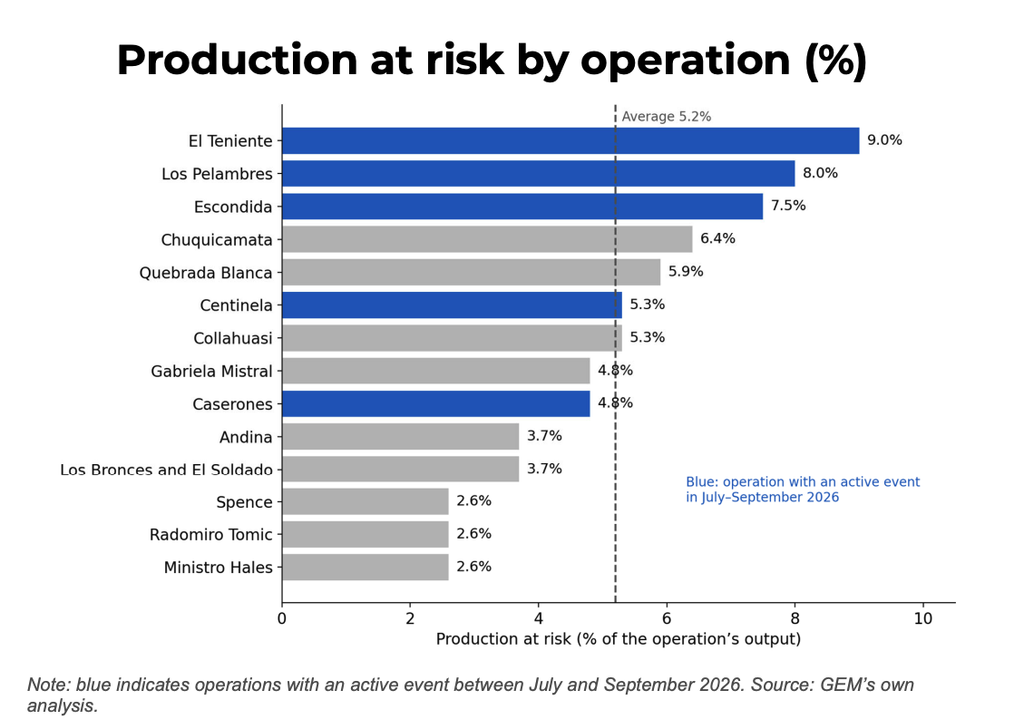
Strikes, severe weather, accidents and geotechnical issues are putting an average 5.2% of output at Chile’s 14 largest copper mines at risk, with GEM Mining Consulting’s new Production-at-Risk Index scoring El Teniente at 9%, Los Pelambres at 8% and Escondida at 7.5%. The model compounds eight disruption categories—labour, water, weather, geotechnical, metallurgy/grades, ramp-up, safety and permitting—where a single high rating equates to an expected 3% annual loss, or about 11 days of production. Current events validate the exposure, with over 700 workers on strike at Centinela, Escondida halted after a fatal accident, and storms disrupting Los Pelambres and Caserones.
Solomons Europe has opened The Halcyon Club, a 26-acre immersive learning and leadership retreat in Penrith, Cumbria, already used by teams from Balfour Beatty, BAM Nuttall, Morgan Sindall, Stantec, Altrad and Siemens. Participants on Solomons’ NEC Project Manager and Supervisor accreditation routes are recording first-time pass rates above 90%, with programmes combining NEC4 and collaborative contracting practice with behavioural training. Courses use DiSC profiling and Lencioni’s Five Behaviours framework to develop communication, trust and pressure response in project teams away from day-to-day site demands.
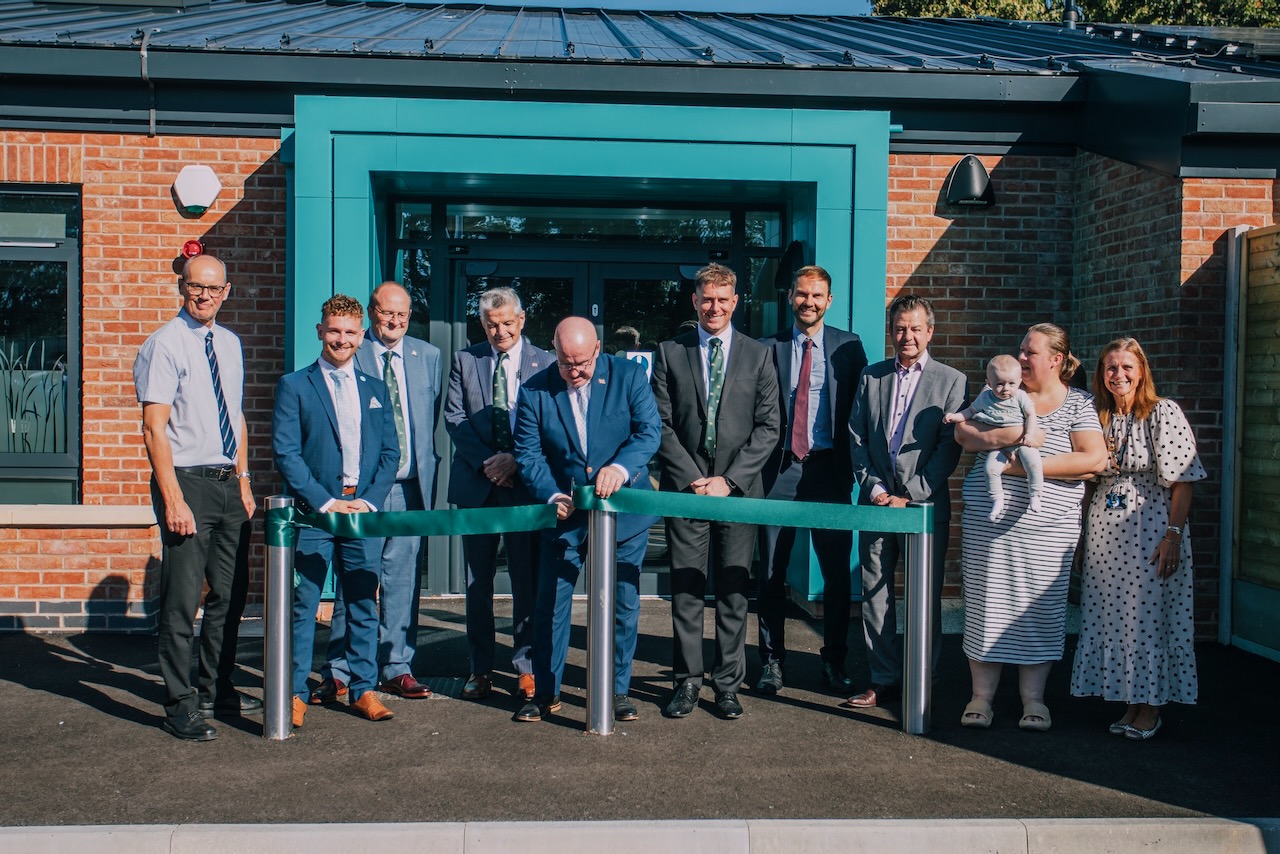
G F Tomlinson has completed Harmony House, a £6m family contact centre in Worksop designed to provide supervised family contact and on-site safeguarding services. The facility consolidates multiple social care functions into a single purpose-built hub, replacing dispersed, less specialised accommodation. For civil and building engineers, the project signals continued demand for medium-scale, highly serviced public-sector facilities with stringent safeguarding, privacy and access requirements driving layout, acoustic separation and building services design.
LiveWest and Nevada Construction will deliver 27 social-rent homes at Carn Thomas on St Mary’s, converting a former school site in the Isles of Scilly where new affordable housing has been absent for years. The scheme, backed by the Council of the Isles of Scilly and Homes England, combines one, two and three-bedroom units with air source heat pumps, roof-mounted solar PV and EV charging. Construction logistics must account for island access constraints, while design targets high environmental performance, biodiversity enhancements and a dedicated solar garden.
Stuart Hosegood has been appointed safety, health and environment director at Willmott Dixon, bringing more than 30 years’ SHE leadership from Cala Group, Berkeley Group, oil and gas, manufacturing and quarrying, plus roles chairing the Home Builders Federation Health and Safety Committee and contributing to CONIAC’s Managing Risk Well group. His remit spans complex schemes including the Emergency Care Building at Derriford Hospital in Plymouth, the first Wave 1 New Hospital Programme project to top out, and The Stage in Luton, a 292-home regeneration with music venue and public square. Hosegood aims to embed SHE into all project decisions through visible leadership and tighter risk management, positioning safety performance as a core productivity driver.
Watkin Jones has topped out Skywalks, a 204-bed purpose-built student accommodation scheme in Bristol’s Temple Quarter, comprising four interconnected blocks of ensuite cluster flats and studios for a Moorfield Group–Tiger Developments joint venture. The scheme targets EPC A and BREEAM Excellent, with rooftop photovoltaic arrays and a planned connection to Bristol’s district heating network to cut operational carbon. Management will be by Host Students, adding high-density beds into one of the UK’s most supply-constrained university markets and tying into the wider Temple Quarter regeneration.
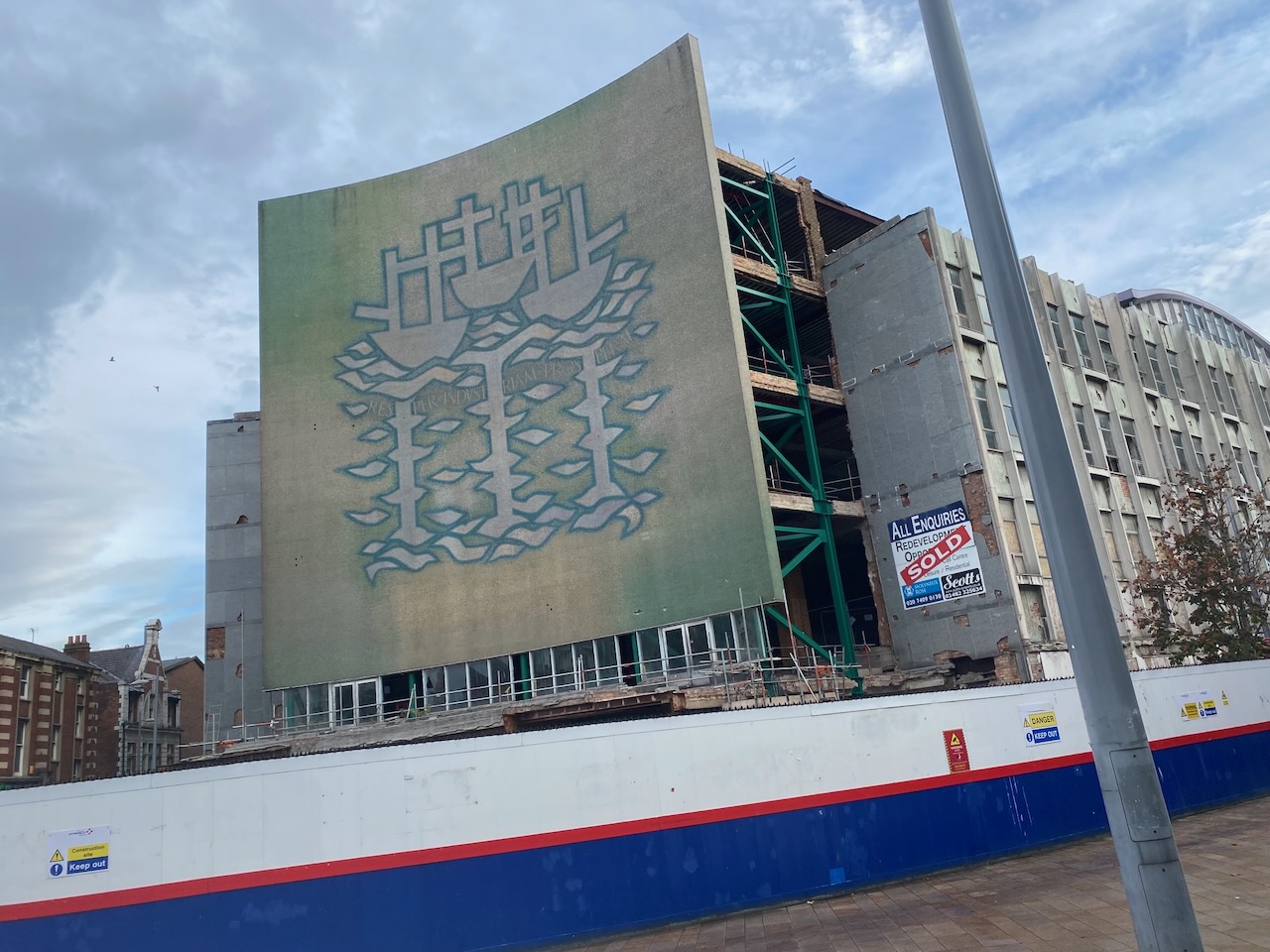
Hull City Council has invited tenders for demolition of the former BHS building at Albion Square, where a newly installed structural steel support frame will allow the Grade II listed Three Ships mural to be cut away and retained as a freestanding façade. Demolition, planned to start in early 2027 once a contractor is appointed, forms the second phase of the wider Albion Square redevelopment. The adjacent NHS-funded Community Diagnostic Centre, opened in 2025 on the Albion Street/Bond Street corner, has already delivered 73,500 appointments in 12 months against an initial target of 27,000.
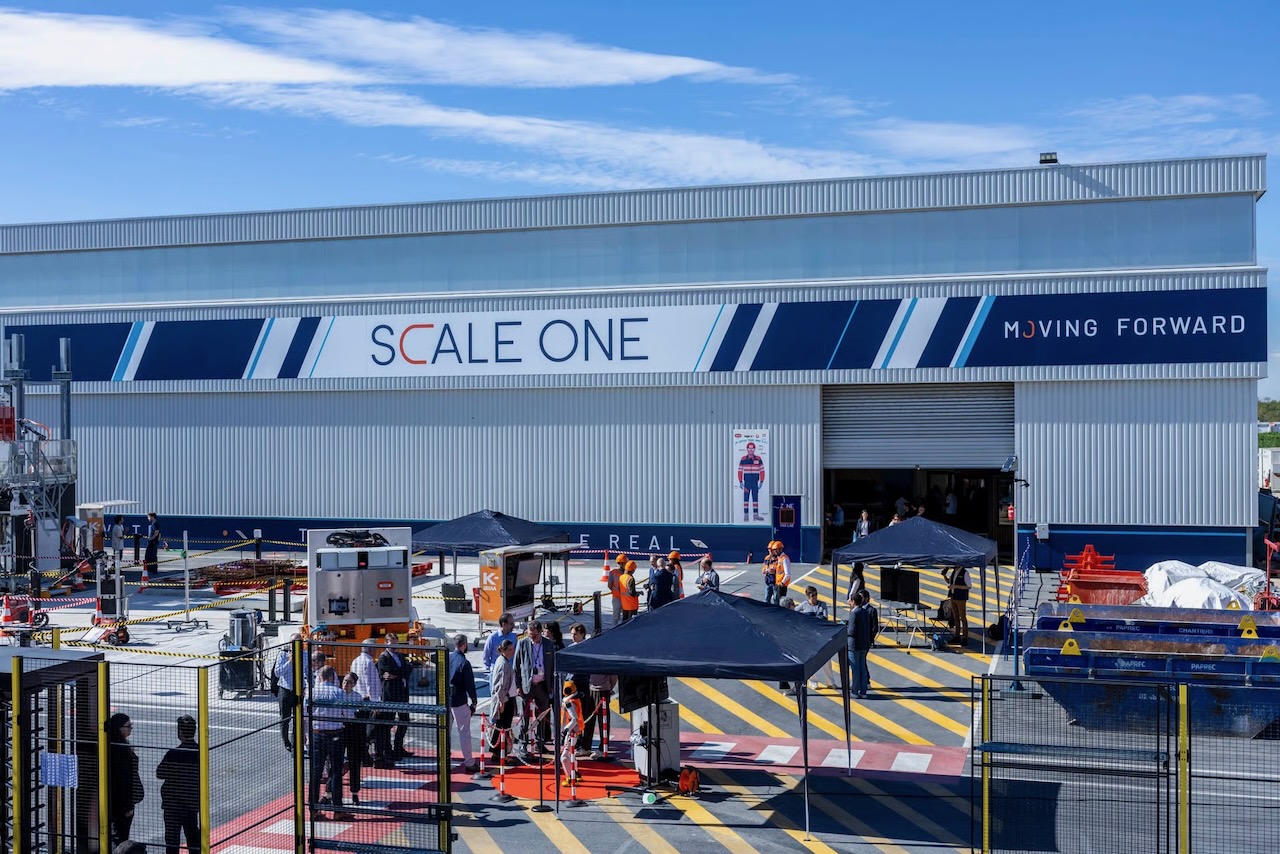
Bouygues has opened a 2,500sq m innovation centre in Chilly-Mazarin, near Paris, designed to test and approve new materials, equipment, construction methods and technologies under real-world site conditions. The facility allows full-scale trials of construction systems rather than relying solely on laboratory data, giving engineers earlier feedback on buildability, durability and on-site performance. For geotechnical and civil teams, this means faster validation of ground–structure interaction solutions, temporary works schemes and novel materials before deployment on major projects.
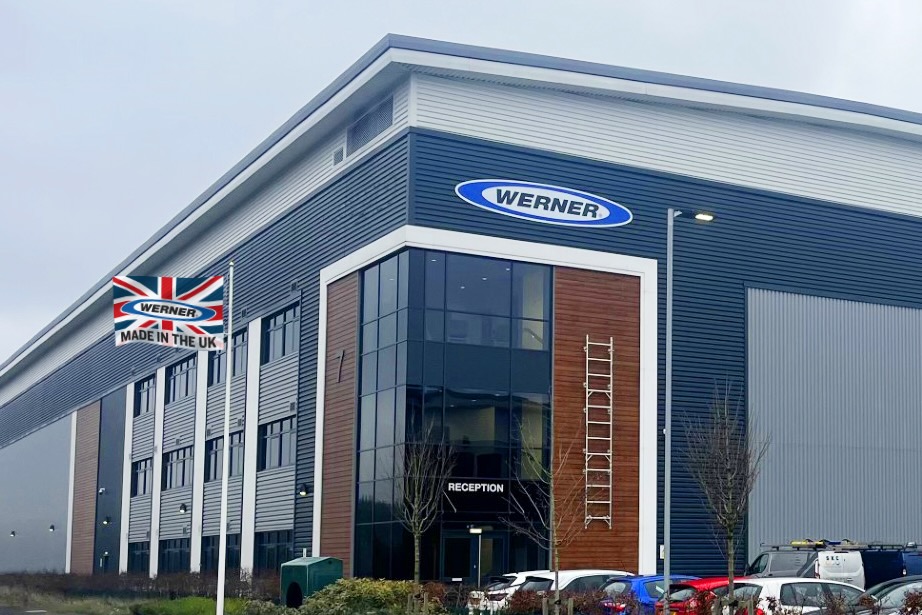
Werner has opened a new Centre of Excellence in Burton upon Trent, consolidating UK extension ladder manufacturing and making the site the country’s highest-volume ladder production facility. New manufacturing and operational roles will support extra production lines at Burton, while several existing lines are being transferred from Werner’s Maldon, Essex plant to expand capacity and centralise operations. The lean-manufacturing-based site is intended as a key UK hub, shortening supply chains and improving quality control and delivery responsiveness for height safety products.
Caterpillar is supplying new Cat G3500K series gas generator sets to power West Gold Mining Limited’s remote gold operation in Kazakhstan’s Aktobe region, almost 300 km from the nearest city and entirely off-grid. The modular gas gensets provide a continuous, scalable power island that can be expanded as pit development, processing capacity and ancillary loads grow. For mine planners and electrical engineers, the solution removes dependence on grid extension, but locks long-term energy strategy into on-site gas supply, fuel logistics and genset maintenance regimes.
BHP has agreed to sell its Kambalda nickel concentrator and associated exploration tenements in Western Australia to Gold Fields, giving the gold producer control of a regional sulphide processing hub. Gold Fields will run a detailed technical assessment of the plant, including flowsheet suitability and potential modifications, to determine long-term use for both gold and nickel ore. The move could offer alternative treatment options for Kambalda and St Ives ore sources, with implications for local mine planning and third-party tolling strategies.
TII Group is committing a high double‑digit million euro investment to expand and modernise its Pfedelbach, Germany site, its largest capital outlay there to date. Backed by the Otto Rettenmaier shareholder family of Heilbronn, the programme is aimed at strengthening production of self‑propelled modular transporters (SPMTs) and other heavy‑haul modules used for mine plant moves, oversize process equipment and structural components. For mining and heavy civil contractors, increased capacity at Pfedelbach signals more secure European supply of specialised heavy transport systems and potentially shorter lead times for large relocation or expansion projects.
Plans to replace a short section of overhead electricity line on the Gower peninsula with underground cables have been submitted by National Grid to Swansea Council, aiming to remove pylons from a protected coastal landscape. The scheme would involve trenching and duct installation to reroute the existing OHL, with joint bays and transition structures tying back into the overhead network at each end. For civil and geotechnical teams, key issues will include working in sensitive coastal ground conditions, managing cable thermal backfill, and minimising construction impact within designated environmental constraints.
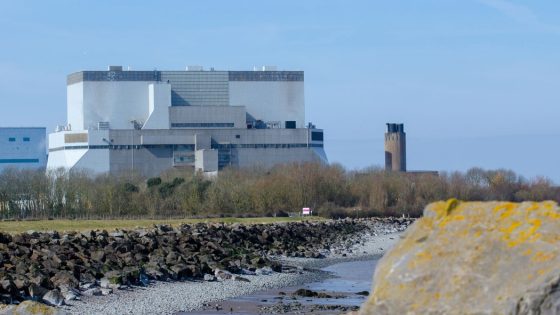
Hinkley Point B has become the first English advanced gas-cooled reactor (AGR) nuclear station to transfer from EDF to the UK government-owned Nuclear Restoration Services (NRS) for decommissioning, marking a major shift in responsibility for the 1,220MW twin-reactor site. The handover moves the Somerset plant, which ceased generation in 2022 after more than 45 years of operation, into NRS’s fleet-wide AGR decommissioning programme alongside Hunterston B and other Scottish AGRs. For civil and nuclear engineers, the transfer signals upcoming large-scale dismantling, waste management and graphite core handling work under a single national decommissioning strategy.
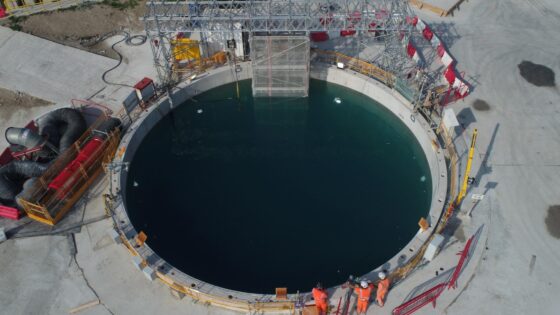
Breakthrough has been achieved on a 2.2km electricity cable tunnel beneath the River Thames for National Grid’s Grain to Tilbury Project, 49 days ahead of programme. The sub-river crossing forms a key section of the Great Grid Upgrade, creating a new underground route for high-voltage circuits between the Isle of Grain and Tilbury to relieve congestion on existing overhead lines. Early completion gives contractors additional time for secondary lining, cable pulling and jointing works in a constrained riverine ground and tidal environment.