Geomechanics, Streamlined.
© 2026 Geomechanics.io. All rights reserved.
Liebherr-Australia has begun a new partnership with Gold Fields by delivering two R 9600s and one R 9400 hydraulic excavator to the Gruyere Gold Mine in Western Australia’s Yamarna Belt, with units arriving in May and June 2026. The ultra-class R 9600s, typically paired with 220–300 t haul trucks, and the R 9400, usually matched to 140–200 t trucks, signal a step-up in loading capacity for Gruyere’s open-pit fleet. Mine planners and maintenance teams will need to integrate Liebherr’s machine health monitoring and parts support into existing fleet management systems.
African Mining Services, through its AMAX joint venture with Perenti, has agreed an orderly exit from contract mining at AngloGold Ashanti’s Iduapriem open-pit gold mine in Ghana’s Western Region. The transition plan includes the sale of AMS’s on-site mining fleet to AngloGold Ashanti, enabling the owner-operator to assume direct control of load-and-haul and associated pit operations. Contractors and OEMs should expect changes in maintenance, parts supply and future tendering as AngloGold internalises fleet management and mine scheduling.
JordProxa has been selected as technology and equipment partner for Lilac Solutions’ Phase 1 commercial lithium carbonate plant on Utah’s Great Salt Lake, which targets 5,000 t/y of battery-grade lithium carbonate using direct lithium extraction. The partnership covers the downstream conversion process, integrating JordProxa’s thermal and process equipment with Lilac’s ion-exchange DLE system. First lithium production is planned for 2028, signalling a move from pilot-scale brine processing to a full commercial facility in a chemically complex salt-lake environment.
Orica Digital Solutions has opened an Axis Mining Technology Technical Support & Service Centre in North Bay, Ontario, extending on-the-ground backing for its orebody intelligence systems to Canadian and wider North American mines. The facility will support deployment and maintenance of Axis downhole navigation and drillhole survey tools, improving turnaround for calibration, repairs and firmware updates that previously relied on distant service hubs. For geologists and drill and blast teams, closer support should reduce downtime on production and definition drilling and enable more consistent high-precision orebody data.
Cementation Africa is pushing for underground mine dewatering to be designed from the earliest study phases, with hydrogeological investigations embedded in scoping and pre-feasibility work rather than added after shaft sinking. Study Manager Mine Engineering John Goulding stresses that early characterisation of aquifers, inflow rates and pore pressures allows proper sizing and siting of pump stations, sumps and grout curtains, and integration with shaft and decline layouts. For geotechnical and mine planners, this approach reduces unplanned inflows, avoids costly retrofits and supports more reliable ground support and excavation sequencing.
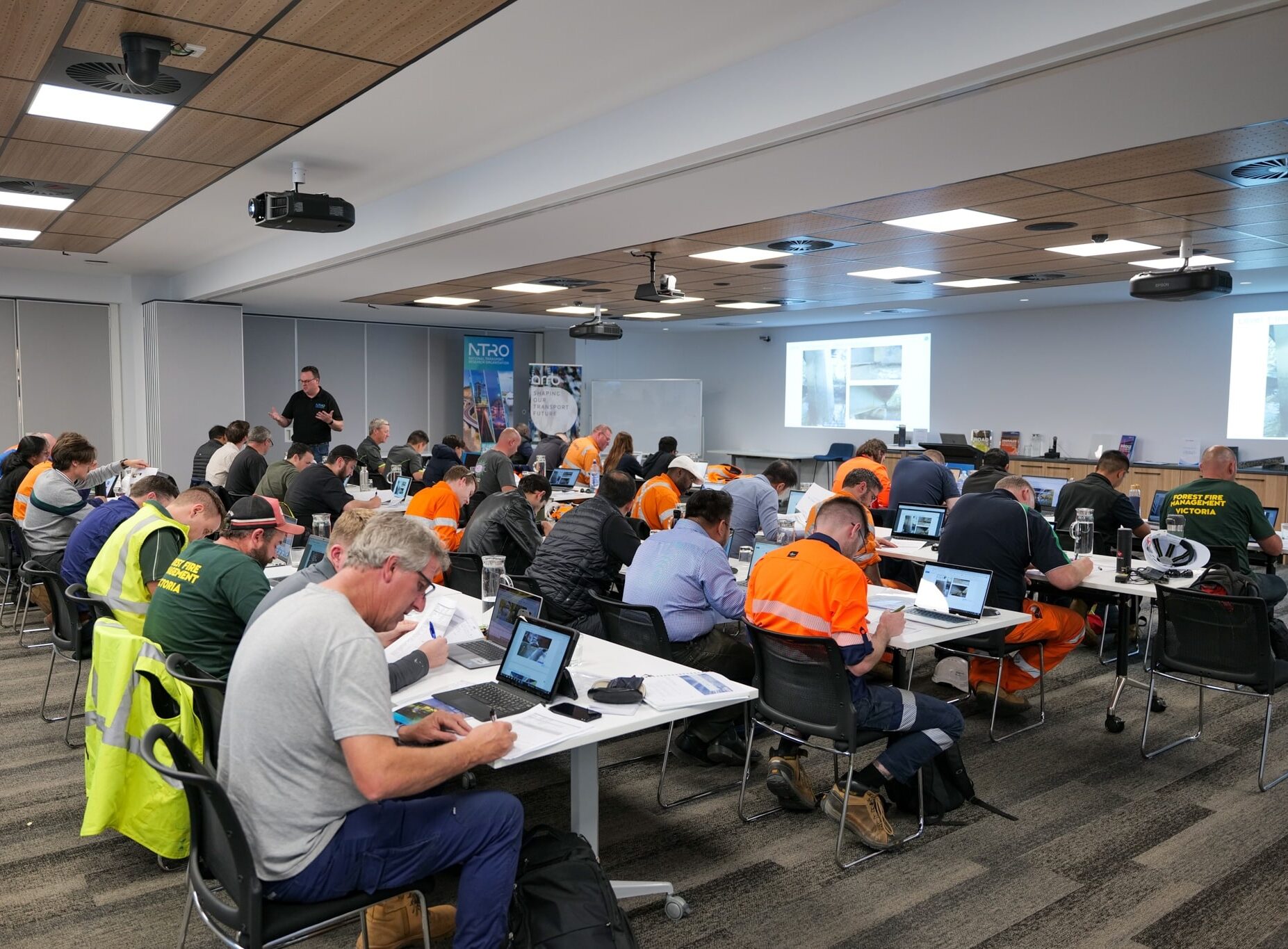
The National Transport Research Organisation is expanding tailored training, courses and workshops to upskill road and transport practitioners for current and future project pipelines across pavements, bridges, asset management and emerging technologies. Building on more than 60 years of applied research in Australian transport infrastructure, NTRO is packaging lessons from full-scale pavement trials, performance-based asphalt specifications and heavy vehicle network assessments into practitioner-focused programmes. For engineers, this offers structured pathways to deepen capability in areas such as mechanistic-empirical pavement design, condition data interpretation and whole-of-life asset planning.
Work is due to start on a £6.9M upgrade to Selset Reservoir, near Barnard Castle in County Durham, with Esh-Stantec delivering improvements to Teesdale’s strategic water supply assets for Northumbrian Water. The scheme is expected to focus on refurbishing existing raw water infrastructure and treatment interfaces at the reservoir, rather than building new storage, to improve resilience of supply to downstream works. Contractors and designers will need to manage construction around an operational impounding reservoir, with associated geotechnical, temporary works and water quality constraints.
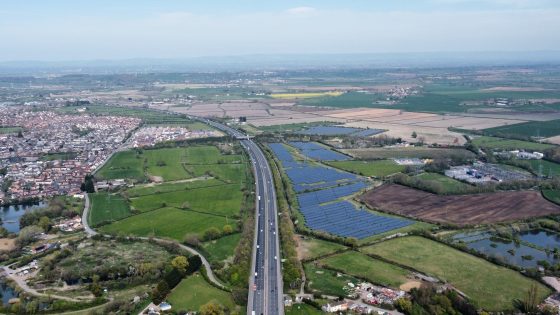
Jacobs has secured three National Highways contracts, including design commissions for schemes on the M32 and M5 plus a separate project management framework role. The work is expected to cover highway and structures design, traffic management layouts and construction staging on heavily trafficked motorway sections, where lane occupation and possession windows are tightly constrained. For contractors and consultants, this signals upcoming opportunities in detailed design, temporary works and programme integration on these corridors as schemes move from options to delivery.
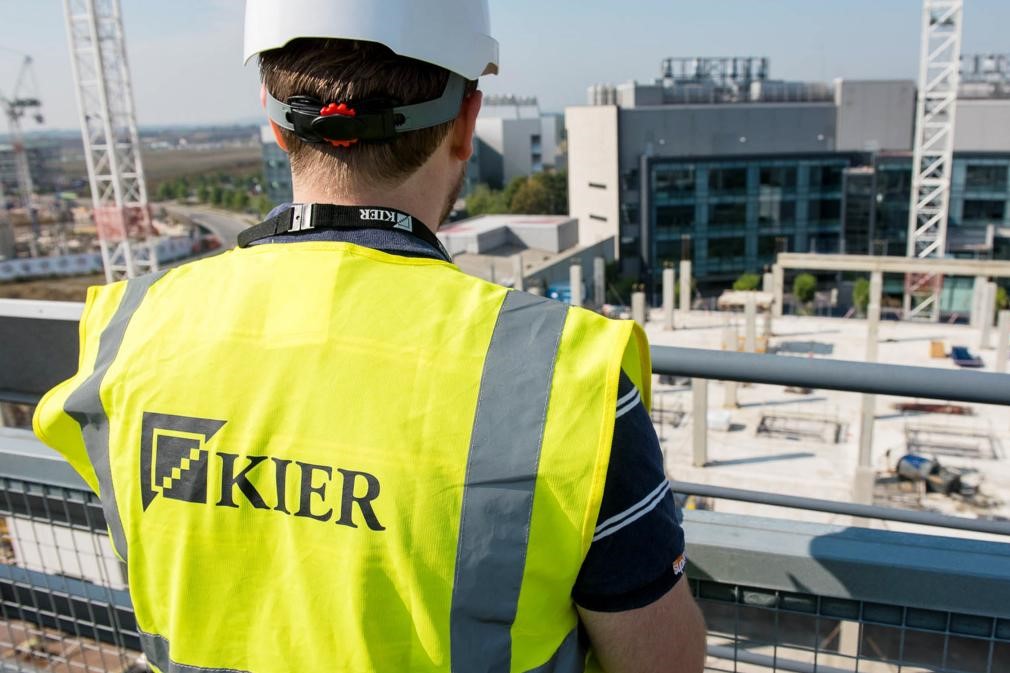
Kier has secured more than £51M of work to upgrade three Severn Trent wastewater treatment works at Droitwich, Warton and Worksop under the AMP8 capital programme. The projects will focus on process and capacity improvements to meet tighter discharge consents and resilience requirements across the Midlands network. Contractors, designers and suppliers can expect significant packages in civil, mechanical and electrical works as Severn Trent accelerates AMP8 delivery.
Fenix Resources has secured all regulatory and environmental approvals to develop the Beebyn-W10 iron ore mine in Western Australia’s Mid-West, adjacent to its existing Beebyn-W11 operation, enabling production to start this quarter with first ore shipments targeted for the December quarter. The new pit will be integrated into Fenix’s Mid-West logistics chain, which currently trucks ore to the Geraldton Port export terminal, allowing shared haul roads, crushing infrastructure and port capacity. For mine planners, the proximity of W10 to W11 simplifies geotechnical characterisation and dewatering strategies by leveraging existing pit wall performance and hydrogeological data.
AIC Mines has accelerated the second-stage expansion of its Eloise processing plant in North Queensland by about two years, aiming to lift capacity from 1.1Mtpa to 1.5Mtpa and target up to 27,000 tonnes of copper in concentrate in 2028–29. The fast-tracked upgrade is timed to align with advancing ore supply from the nearby Jericho deposit, where drilling at the Jolly Shoot is returning high-grade copper, gold and silver intercepts. For planners and metallurgists, the move signals earlier demand for additional power, water, tailings capacity and haulage integration between Eloise and Jericho.
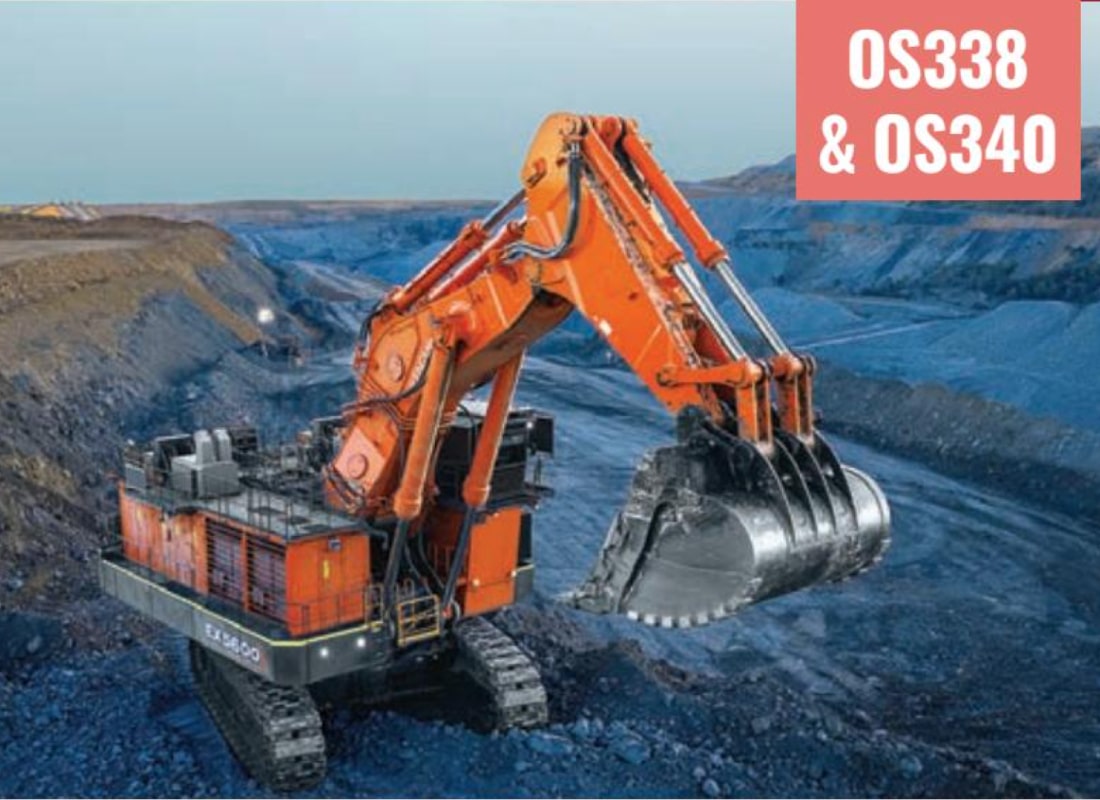
Hitachi Construction Machinery Australia will showcase its EX1200-7 BH hydraulic excavator at QME 2026 in Mackay, ahead of rebranding to LANDCROS in April 2027 while retaining its Japanese manufacturing base. The EX1200-7 BH, a backhoe configured for large-scale overburden and ore loading, targets high-production truck–shovel operations typical of Queensland coal and metalliferous mines. For mine planners and maintenance teams, the launch signals continuity of Hitachi’s existing fleet support under the LANDCROS name, with implications mainly for parts, dealer networks and long-term asset management contracts.
HEPI will use QME 2026 in Mackay to showcase integrated lifecycle solutions that combine its global engineering network with on-site support to extend equipment life and cut unplanned downtime for Bowen Basin mines. The company is focusing on reliability and total cost of ownership for heavy mobile and fixed plant, targeting higher uptime on critical assets such as haul trucks, excavators and processing equipment. For maintenance and asset managers, the pitch centres on engineered upgrades, condition-based maintenance and rebuild strategies to defer capex and stabilise operating costs.
South32 exceeded its 2026 financial year production guidance across several key operations while advancing a portfolio shift towards base metals, including the proposed sale of its aluminium value chain assets. Aluminium output beat guidance by about 1 per cent, with stronger-than-planned performance at Sierra Gorda and other units supporting the result. Capital is being redirected into copper and zinc growth projects, signalling future mine planning, resource allocation and processing upgrades will increasingly prioritise sulphide ore bodies and downstream base metals capacity over alumina and aluminium smelting.
Queensland Mining and Engineering Exhibition (QME) opens tomorrow at 9:00 am at Mackay Showgrounds, launching three days of exhibits and technical sessions in what is billed as Queensland and Australia’s largest mining event. Now entering its fourth decade in the region, QME is expected to draw miners, OEMs and contractors focused on surface and underground equipment, automation, and mine services. Attendees can use the event to benchmark haulage, processing and maintenance technologies against current site constraints in the Bowen Basin and wider Queensland operations.
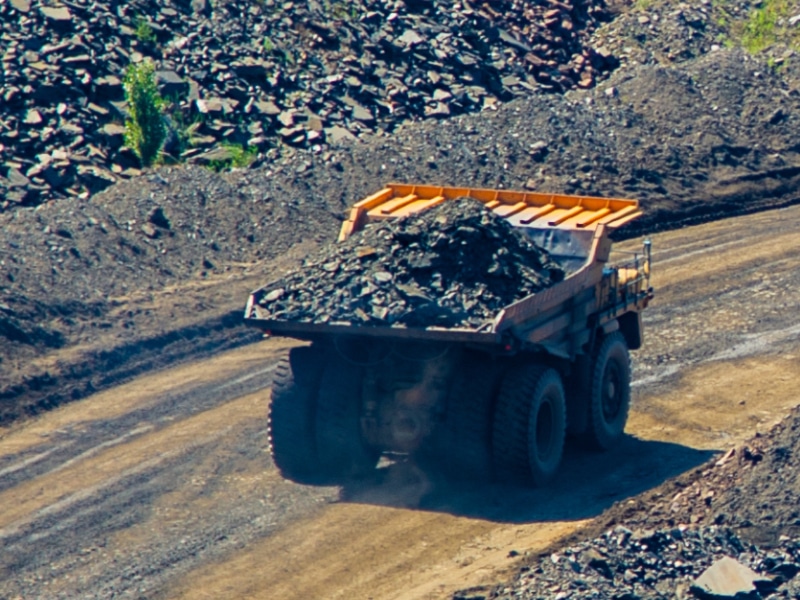
Tonly Heavy Industries has signed a framework agreement to supply 800 autonomous mining trucks to Xinjiang Hanxiang, signalling one of China’s largest single deployments of driverless haulage fleets. Announced at the “Intelligent Driving Mines, Launching a New Green Chapter” seminar in Urumqi on 16 July, the deal targets large open-pit operations in Xinjiang, integrating autonomous haulage with mine dispatch and green “intelligent mine” systems. For geotechnical and mine planners, such a fleet size will materially affect haul road design, traffic management, and pit-to-crusher logistics.
Chinese mining truck OEMs are beginning to introduce structured, multi-life rebuild programmes similar to Australian practice, where four to five full truck rebuilds per chassis are now common. The shift aims to extend the service life of large haul trucks well beyond the initial 40,000–60,000 operating hours typically seen in China, moving towards life-of-mine asset strategies. For mine planners and maintenance engineers, this signals growing support for component-level life tracking, planned frame overhauls and higher-availability fleets from Chinese-supplied ultra-class trucks.
Vale’s 2025 Research, Development & Innovation Report sets out its “mine of the future” roadmap, centred on smarter, lower-impact operations across its iron ore and base metals portfolio. The programme combines autonomous haulage and drilling, advanced ore sorting and digital twins with electrification of mobile fleets and fixed plant to cut diesel use and associated emissions. For geotechnical and operations teams, this signals more sensor-dense pits, tighter integration of real-time stability monitoring with fleet control, and design criteria increasingly driven by decarbonisation and automation requirements.
Agnico Eagle’s LaRonde mine in Quebec has become the first underground operation globally to deploy Epiroc’s Diamec Automated Rod Magazine (ARM), a hands-free rod-handling system first unveiled at PDAC 2026 in Toronto. The ARM is being introduced and run by drilling contractor Machines Roger International (MRI) on Diamec core rigs, automating rod loading and retrieval in confined headings. For geotechnical and exploration drilling teams, the system points to reduced manual handling around rotating drill strings and more consistent cycle times on deep underground diamond drilling.
Epiroc President and CEO Helena Hedblom has reaffirmed that the company will offer a full assortment of emission‑free mining equipment by 2030, tied to greenhouse gas reduction targets validated by the Science Based Targets initiative. The commitment covers battery‑electric alternatives across its core portfolio of underground loaders, trucks and drill rigs, replacing diesel fleets in line with miners’ decarbonisation roadmaps. For mine planners and OEM procurement teams, the timeline signals when large‑scale transitions to electric fleets and associated charging infrastructure will need to be engineered and budgeted.
A £1.5bn YORbuild Major Works 2 framework has been awarded by Leeds City Council to deliver large public sector building schemes, with associated civil engineering, across Yorkshire and the Humber, the North East, Lincolnshire, Nottinghamshire, Derbyshire and parts of Leicestershire. The framework is intended for major works rather than minor capital programmes, giving councils and public bodies a pre-procured route for complex projects such as multi-storey public buildings, campus redevelopments and integrated civils packages. Contractors can expect multi-year pipelines with regional lotting, standardised NEC-style contracts and scope for early contractor involvement on constrained brownfield and urban sites.
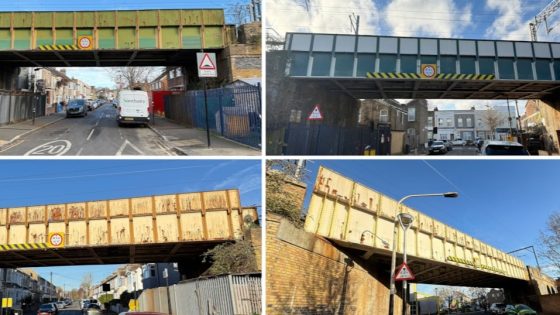
Bam and Network Rail will this summer start replacing four 130-year-old London Overground bridges over roads in Forest Gate, east London, to address ageing wrought-iron and masonry structures carrying intensive commuter traffic. The works will require staged possessions on a busy orbital route, with temporary track support and road closures under constrained clearances typical of Victorian overbridges. For civil and rail engineers, key issues will be managing differential settlement at new abutments, upgrading to modern load standards, and controlling vibration and noise close to dense residential frontages.
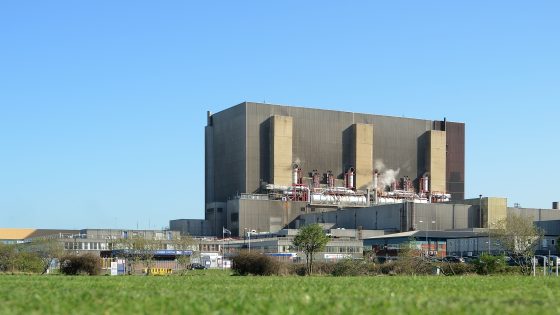
ONR has significantly escalated regulatory attention on EDF’s Hartlepool nuclear power station, detailing the move in its latest annual report after identifying shortfalls in safety management and ageing plant risk controls. The regulator has placed the advanced gas-cooled reactor site under enhanced inspection, with increased frequency of site visits and more intrusive assessment of safety case implementation, maintenance backlogs and corrosion management. Civil and structural engineers working on life-extension or modification projects at Hartlepool can expect tighter scrutiny of concrete containment performance, seismic qualification and inspection records.
M Group has secured places on both the Buildings (large organisations) Framework and the Civils Framework at London Gatwick Airport, extending a relationship with the hub that has run for more than 43 years. The dual appointment positions the contractor for future terminal building upgrades, airside and landside civils, and associated structural and M&E packages across one of the UK’s busiest two-runway operations. For geotechnical and civils teams, this signals a steady pipeline of airfield pavement, foundations and landside infrastructure works under long-term framework governance.