Geomechanics, Streamlined.
© 2026 Geomechanics.io. All rights reserved.
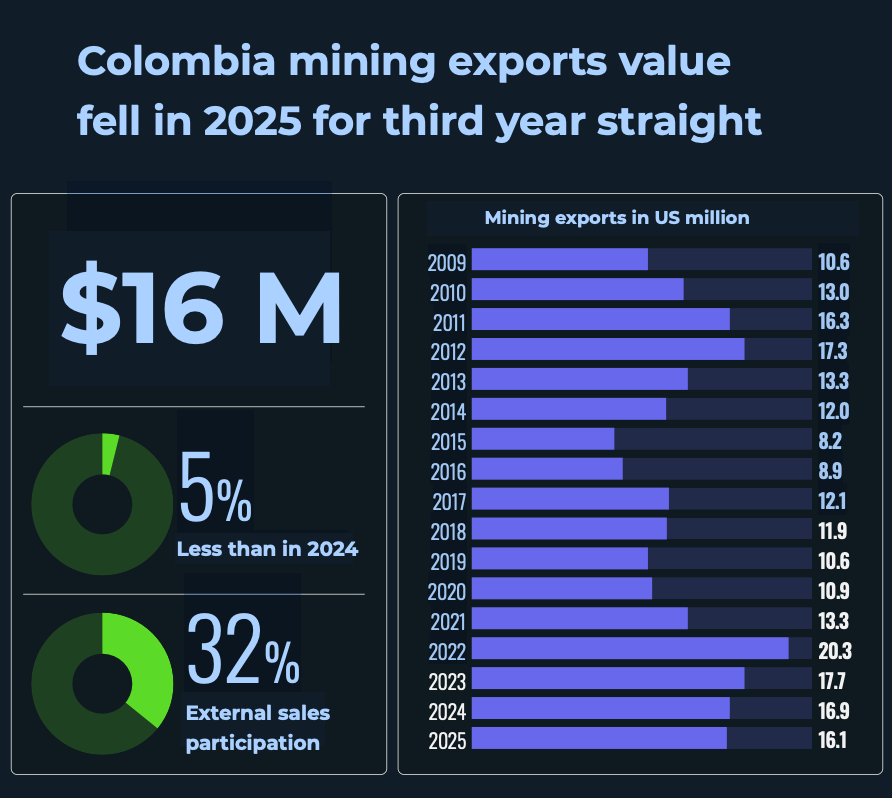
Colombia’s new government has repealed 10 resolutions restricting natural resource exploration and extraction, including measures like Decree 044 that allowed the Environment Ministry to freeze mining in sensitive ecosystems such as páramos for up to 10 years. Mining Minister Maria Nohemi Arboleda says the reforms will cut procedures, shorten licensing timelines and streamline community consultations, directly targeting Fraser Institute rankings that placed Colombia 57th for policy perception. The reset is aimed at unlocking up to $4 billion in copper-focused investment by 2030, with projects such as Quebradona, Alacrán, Mocoa and El Roble’s 4,200‑tonne‑per‑year output forming the early test case.
Gem Diamonds swung to a $600,000 first-half profit from an $11.7 million loss as Letšeng’s average rough price jumped 38% to $1,395/ct and structural cost cuts plus extended royalty relief lowered its cost base. Revenue rose 32% to $59.7 million, underlying earnings moved from a $2.6 million deficit to $8.6 million, and net debt was slashed from $20.1 million to $500,000 by 30 June. The miner will source exclusively from the Main Pipe while studying alternative methods to access Satellite Pipe ore earlier than the current 2031 schedule.
A new US Mint one‑dollar “Trump gold coin” marking the 250th anniversary of American independence sold out within hours of its 2 September release, despite containing no gold and being struck instead from a copper alloy with 6% zinc, 3.5% manganese and 2% nickel. Marketed in rolls of 25 coins for $61, the gold‑coloured piece contrasts sharply with the Mint’s true bullion products priced up to $19,600 for palladium, gold and silver issues. The coin is legal tender with a circulating finish but is being positioned primarily as a collectible.
Faraday Copper’s latest 22,510-metre drilling phase at Copper Creek, Arizona, has expanded shallow oxide and sulphide mineralisation, with hole FCD-26-190 cutting 100.8 metres at 0.22% copper from surface at Copper Giant East and FCD-26-192 returning 19 metres at 0.55% copper from 42 metres near American Eagle. Near-surface mineralisation was reported in 14 of 23 new holes, supporting a staged development starting with oxide feed and copper cathode production ahead of larger sulphide open-pit and underground phases. Faraday is closing its acquisition of BHP’s former San Manuel mine, which processed ~800 million tonnes at 0.66% copper, and plans at least 23,000 metres of drilling there this autumn toward a combined Copper Creek–San Manuel resource by mid-2027.
Frontieras North America and Western Fuels have signed an MOU to build a mine-mouth FASForm coal fractionation facility at the Dry Fork open-pit mine in Wyoming’s Powder River Basin, initially processing up to about 2.7 million tons/year of sub-bituminous coal and potentially 5.4 million tons/year at full build-out. The patented FASForm process disassembles coal in a continuous, closed-loop, zero-waste, reducing atmosphere to produce clean solid carbon (FASCarbon), ultra-low-sulphur diesel, naphtha and other products, with 30-year ground lease, feedstock, diesel offtake and logistics agreements envisaged. FASCarbon could be railed to Western Fuels Association member utilities or exported, positioning the Dry Fork facility within a 1,200 MW mine-mouth generation cluster as a hub for future FASGEN co-location at nearby coal-fired plants.
Ionic Rare Earths, via Ionic Rare Earths USA, and Missouri-based US Strategic Metals are forming a 50-50 joint venture to build $100 million in NdFeB and SmCo magnet recycling facilities at USSM’s fully permitted 1,800-acre site near Fredericktown, Missouri. USSM will provide $95 million, with a further $5 million equity split between the partners to fund front-end engineering design and accelerate demonstration-scale recycling. Ionic’s Belfast subsidiary, Ionic Technologies, will license its magnet recycling process to recover high-purity, separated rare earth oxides from magnets, magnet scrap and other heavy-REE-bearing compounds.
Sandvik is hosting global mining customers at its Turku, Finland load-and-haul facility during Future of Mining 2026 to showcase integrated underground fleet technologies aimed at higher productivity, safety and asset availability. Machine displays and live demonstrations focus on coordinated load–haul–dump systems, automation-ready loaders and trucks, and digital fleet management linking equipment health data with production planning. Factory tours give engineers direct exposure to control systems, connectivity architectures and life-cycle support concepts targeting lower total cost of ownership in high-intensity underground operations.
Caterpillar is partnering with FieldAI to deploy “physical AI” systems that fuse real-time sensor observations with autonomy and robotics across mines, quarries and industrial plants. The collaboration targets on-site decision support and machine control, using AI models to interpret live equipment and environmental data streams and then trigger automated actions on loaders, haul trucks and fixed plant. For engineers, this signals faster integration of AI-driven perception and control into brownfield fleets and processing lines, with implications for fleet management, maintenance planning and human–machine task allocation.
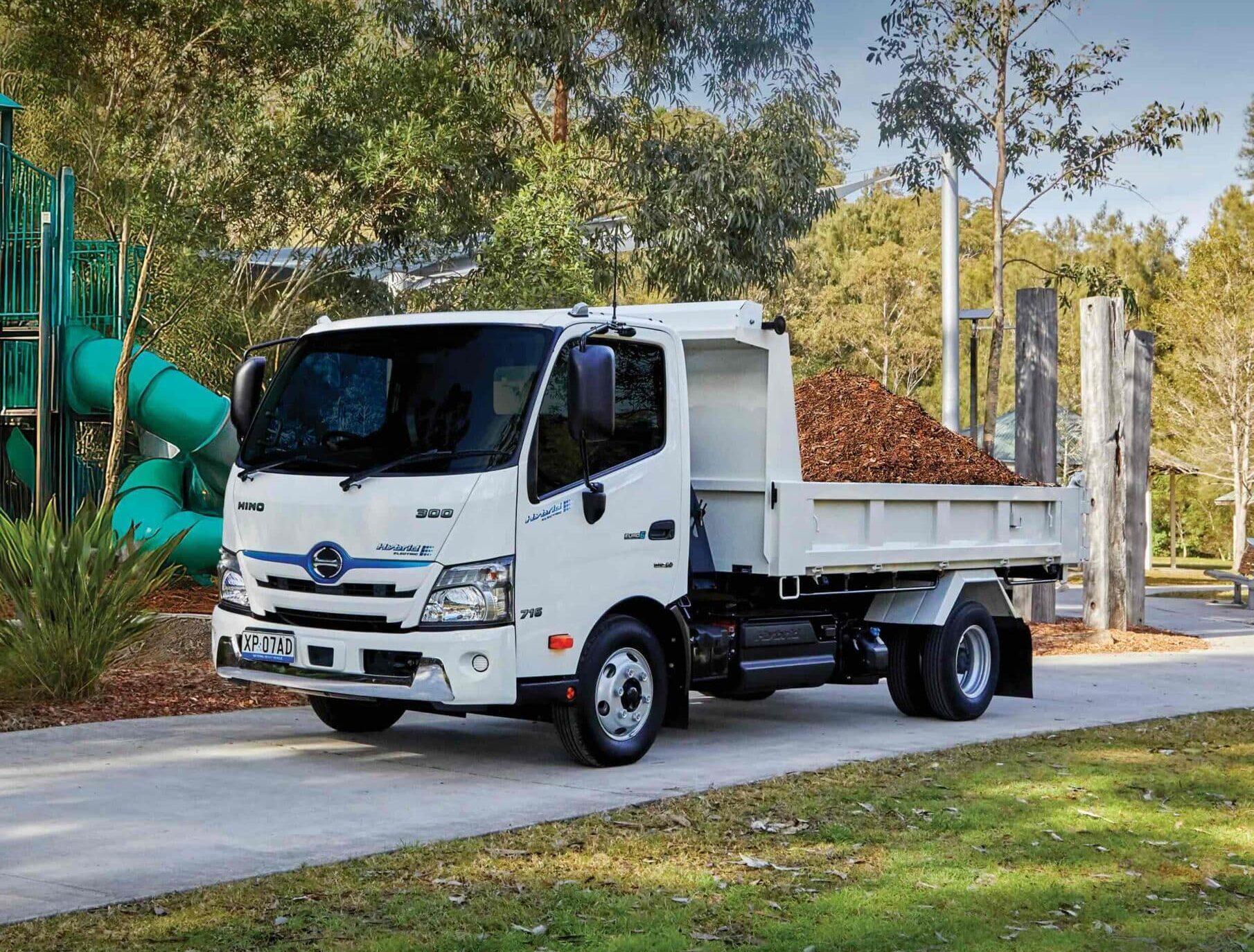
Hino is promoting its 300 Series Hybrid Electric trucks as a more practical option than full battery-electric for Australian commercial fleets facing less than 250-kilometre range limits and high charging infrastructure costs. The diesel-electric hybrid driveline targets urban and regional distribution tasks where stop–start duty cycles allow regenerative braking to cut fuel use and emissions without relying on public charging networks. For fleet engineers, the key appeal is lower upfront capital outlay than full BEVs while retaining conventional refuelling, known residual values and existing workshop practices.
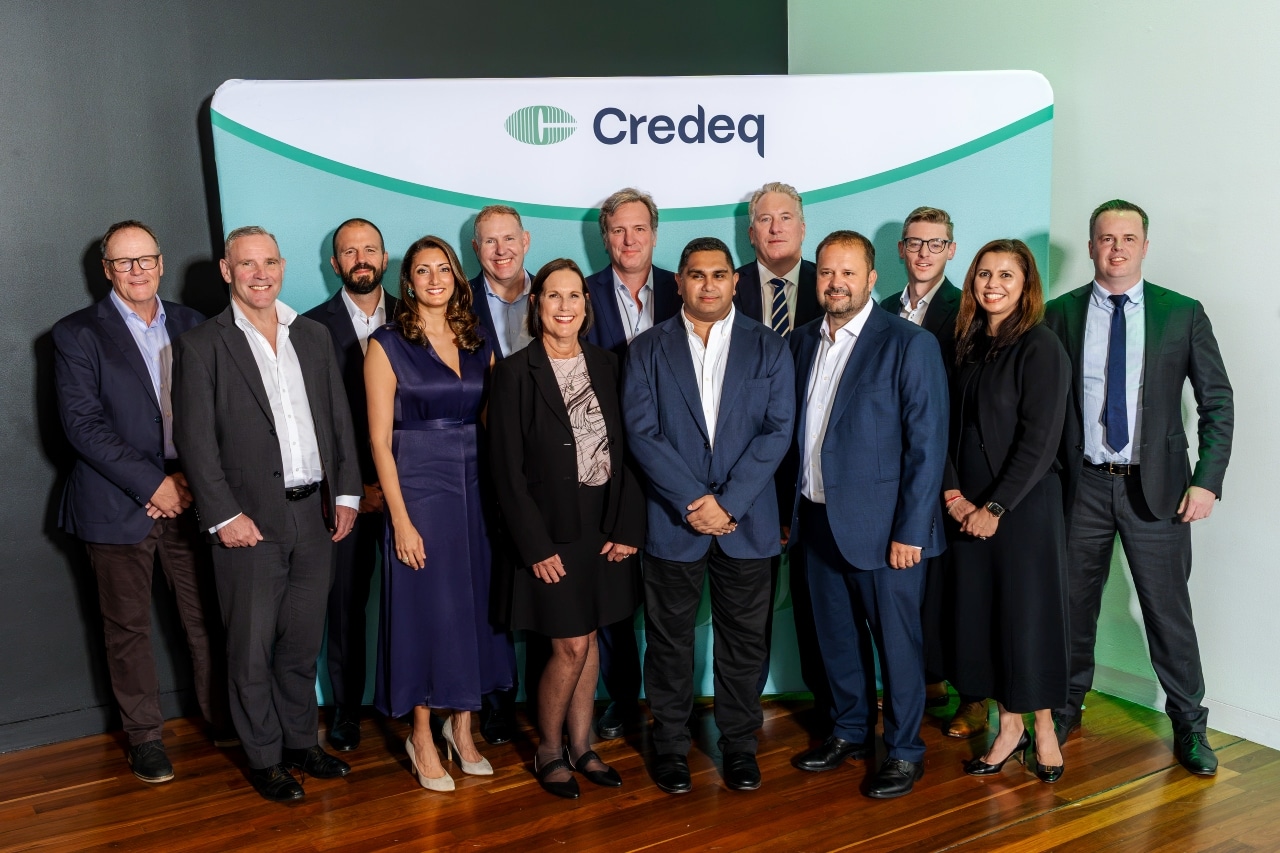
Australian businesses facing higher funding costs, tighter bank credit and working capital strain are turning to insurance-backed trade credit facilities instead of cash-backed guarantees and traditional overdrafts. Credeq has launched in Australia as a global underwriting management agency, structuring credit insurance and related risk solutions that allow contractors and suppliers to unlock additional bank limits and free up cash tied in performance bonds or retention. For infrastructure and construction firms, this can support larger project pipelines and longer payment terms without breaching covenant or security constraints.
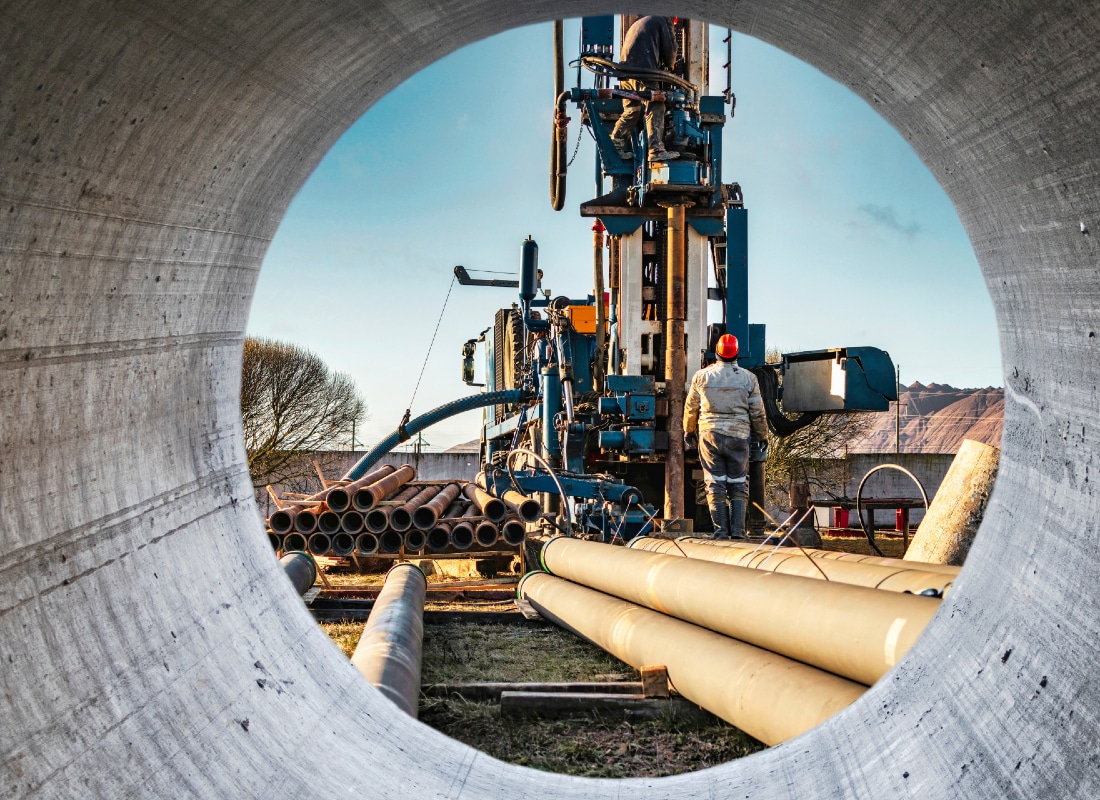
Encounter Resources has begun a 6000m reverse circulation and diamond drilling programme at the Jessica copper project in the Northern Territory, funded under a farm-in agreement with South32. Drilling will test large-scale sediment-hosted copper and iron oxide copper–gold targets across the project’s 9400km² tenure, located along major structural corridors east of Tennant Creek. For geologists and planners, the scale of the RC–diamond mix signals both broad stratigraphic coverage and deeper structural testing for Tier 1-style copper systems.
Vulcan Energy has completed a preliminary feasibility study for Project Ludwig in Germany’s Upper Rhine Valley Brine Field, about 60km north of its Lionheart project, targeting repeatable, modular lithium growth within a 100km integrated production radius. The brine-hosted project in the Ludwigshafen region is positioned to feed both national and international critical minerals supply chains, leveraging existing geothermal-lithium know‑how from Lionheart. For engineers, the key signal is a template-style development model that could standardise wellfield design, brine handling, and direct lithium extraction infrastructure across multiple sites.
Fenix Resources has declared a 26.9Mt maiden ore reserve at 60.0 per cent Fe for its Beebyn Hub in Western Australia, underpinning a staged ramp-up to as much as 6Mtpa of iron ore production by FY28. The reserve, incorporating an updated Beebyn‑W11 deposit, will feed the company’s Mid West operations and support longer-term utilisation of existing crushing, road haulage and port logistics centred on Geraldton. For mine planners and geotechs, the grade and scale provide clearer parameters for pit design, strip ratios and blending strategies across the hub.
Vault Minerals has lifted group gold ore reserves by almost 10 per cent to nearly 4Moz, while maintaining total mineral resources at 12.1Moz as at 30 June, all within Australia. Drilling across its Leonora portfolio, including the King of the Hills operation, is delivering resource growth and mine life extensions rather than new greenfield additions. The reserve increase without a corresponding resource uplift points to successful conversion drilling and tighter geological modelling, with planning implications for mill throughput, cut-off grades and long-term fleet scheduling.
Datamine has appointed former KPMG and EY consultant Phil Ciezak as chief operating officer and long‑time mining software leader Anthony Cook as chief product officer to drive its integrated geology, planning and fleet management platforms. The move targets tighter linkage between Datamine’s mine planning, scheduling and ore control tools and its real‑time operational systems for drill‑and‑blast, haulage and processing. For engineers, this signals more emphasis on end‑to‑end data workflows, decision support and interoperability across existing Datamine deployments.
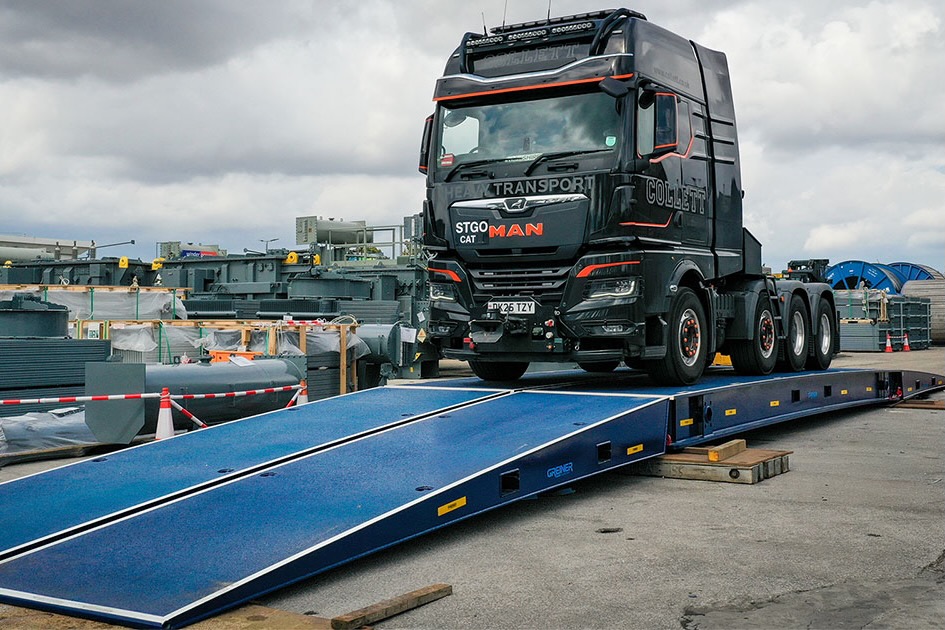
Heavy transport specialist Collett has added a Greiner Busy 1050 modular bridge-over-bridge system at its Goole depot, enabling heavy loads to cross weight-restricted bridges and culverts without transferring full axle loads to the existing structure. The system can overbridge spans up to 25 metres, with modular sections allowing shorter or extended configurations and a rated capacity of 1,050 metre/tonne, dependent on span and transport setup. Use will rely on Collett’s in-house engineering team, with the first deployment scheduled later this month.
Asbestos management consultancy Acorn Analytical Services has appointed Ben James as commercial manager to lead its sales team and secure larger, more complex consultancy and removal projects. James, a former apprentice carpenter and joiner, moved into asbestos work in his early twenties after his grandfather died from asbestosis and has since progressed from trainee asbestos surveyor to contract manager over nine years. He will oversee new technical enquiries, key account management and site visits, and is qualified to deliver asbestos awareness, non-licensed removal and duty-to-manage training under a Level 3 teaching qualification.
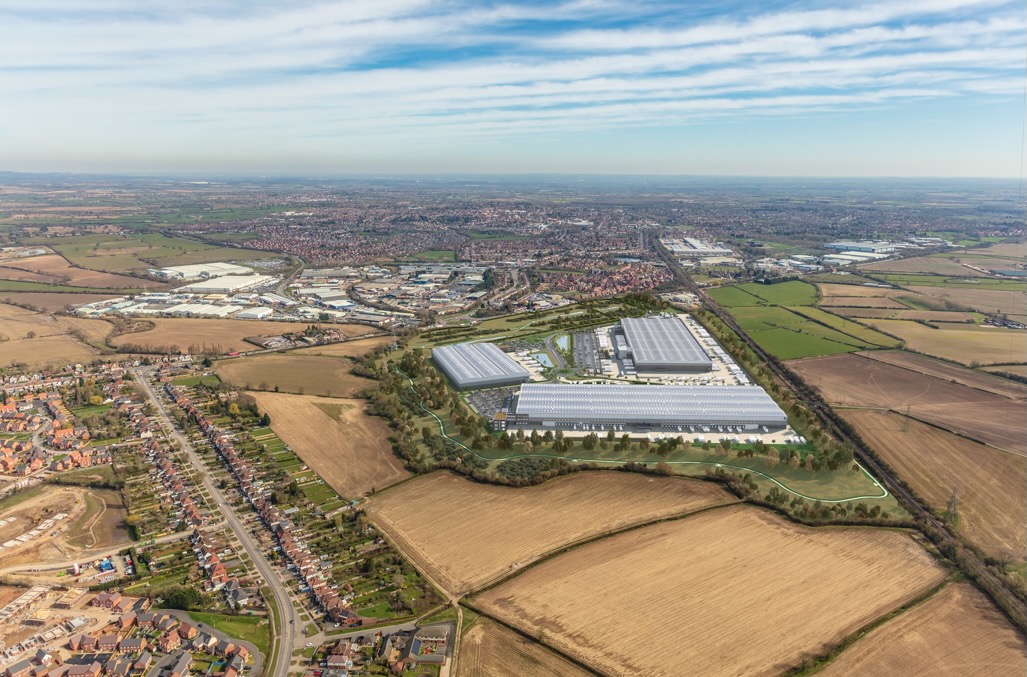
Mountpark has appointed McLaren Construction Midlands & North to deliver two distribution warehouses at its Hinckley logistics park in Leicestershire, a £48m second-phase scheme totalling 772,340 sq ft. Unit 2 will provide about 514,100 sq ft of warehouse space with standard and Euro dock loading on both east and west elevations, two transport hubs and 28,460 sq ft of offices, while Unit 3 will offer 258,248 sq ft, south-facing standard and Euro docks, one hub and 12,900 sq ft of offices. Works, which started in July 2026 with steel erection due in September and completion in spring 2027, also cover hardstanding, service yards, car parking, landscaping, mains services and drainage.
Pick Everard has expanded its 11-strong Building Safety Act team by appointing APS-registered Principal Designer Building Regulations (PDBR) Aditya Sardesai, who has led a 21-storey higher-risk building through Gateway 2 to Building Safety Regulator approval. A chartered CIOB member with site-based experience across UK hotel, leisure, residential, care and commercial schemes, Sardesai brings detailed knowledge of HRB building control processes and buildability constraints. He will lead compliance on several flagship new-build and remediation contracts, signalling tighter focus on Gateway 2 evidence, sequencing and cost/programme impacts for tall buildings.
Turner & Townsend has appointed Nima Nicolas Aase as regional managing director for Europe, tasking him with oversight of complex international and regional project and cost management programmes. Aase previously led the Nordics business, where he expanded real estate capabilities and built project teams in Sweden, Denmark, Norway and Finland. The move signals a push to scale consistent cost, schedule and risk management methodologies across multi-country infrastructure and real estate portfolios in Europe.
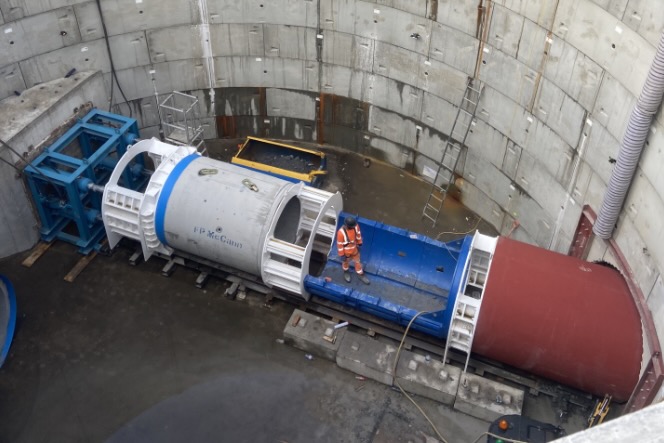
Tunnelling has begun on a 1,050ft, 1.8m-diameter storm-water tunnel beneath Brightside Lane to link two storage shafts more than 35ft deep and up to 40ft wide at Sheffield Forgemasters’ flood-prone site on the Lower Don Valley. JBA Bentley will intercept the Victorian Bagley Brook culvert with a new weir chamber, diverting excess flows to a pumping station beside the River Don and discharging up to 8,000 litres per second via a new outfall and modified flood wall. The scheme is a planning requirement for Forgemasters’ new 13,000-tonne forging line adjacent to the Midland Mainline.
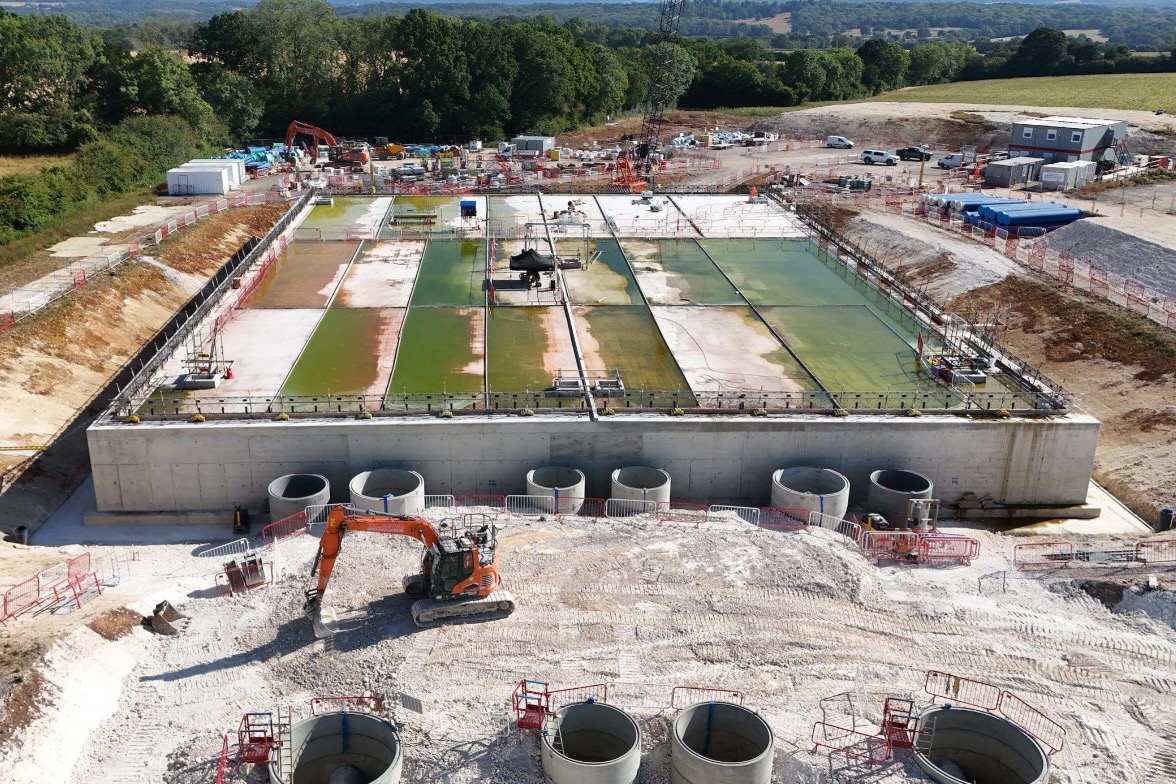
Southern Water has unveiled the soon-to-be-filled Yew Hill Reservoir, a twin-cell structure designed to store 9m litres of potable water, supported by more than 170 internal columns and built with over 3,500m³ of concrete and 650t of steel by MGjV (M Group and Galliford Try). The reservoir forms a key node in the £100m Southampton Link Main, which includes a new 19km transfer main and new pumping stations. Once commissioned, the scheme will hydraulically link Otterbourne WSW, Yew Hill and Rownhams WSW to improve regional supply resilience in southeast England.
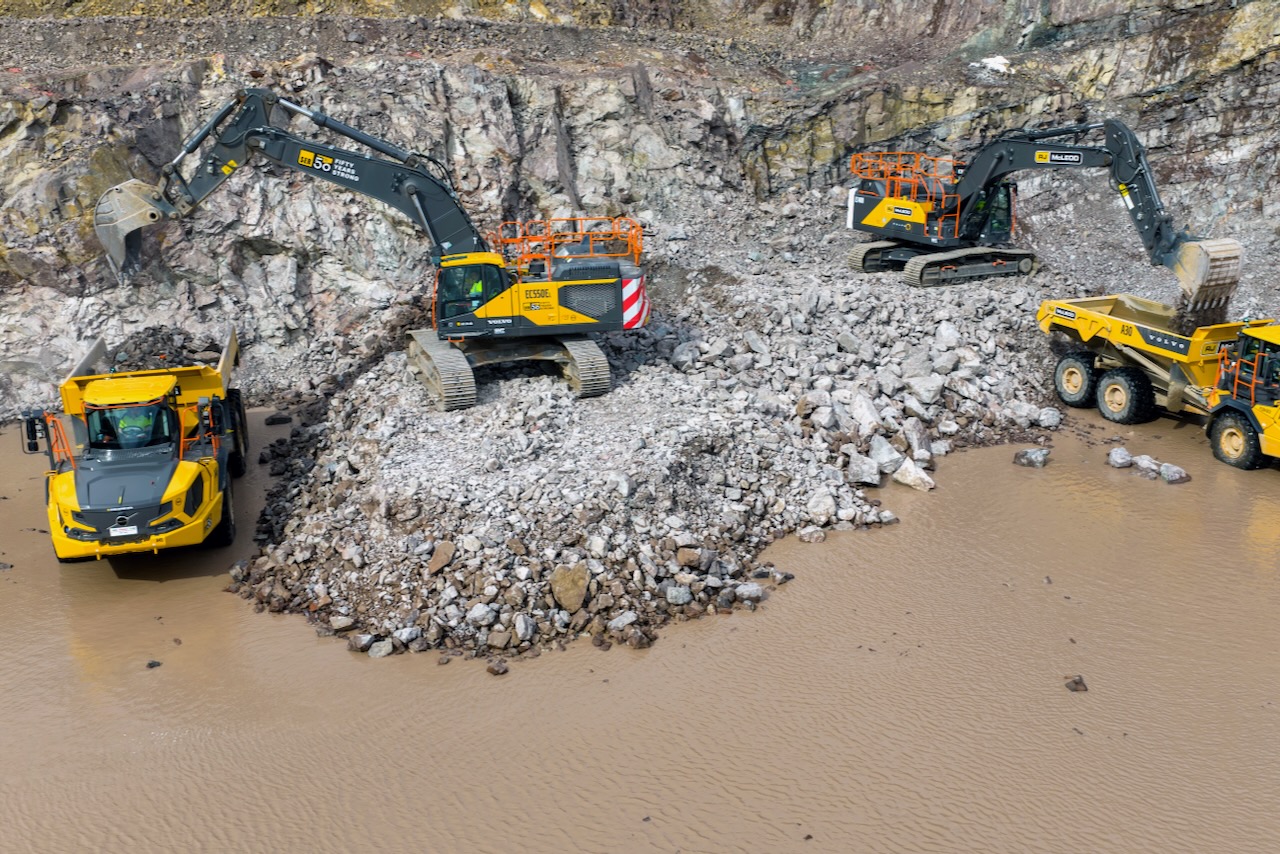
Stevens Equipment Rental has deployed more than 20 heavy machines to RJ McLeod’s expansion of Kishorn Port’s circular dry dock, which currently accommodates 160m-long vessels at 13.8m below high tide and is being extended by 100m with nine hectares of reclaimed laydown land. Over 450,000m³ of highly abrasive Torridonian sandstone is being drilled, blasted and processed on site, with a deliberately wide blast pattern producing both rock armour boulders and segregated feed for mobile crushing. A mixed Volvo and Caterpillar fleet – including A45/A30 haulers, EC550 excavators and D7/D6 dozers – is being run as a tightly balanced system, supported by on-site parts, fluids and a resident engineer to maintain continuous production.
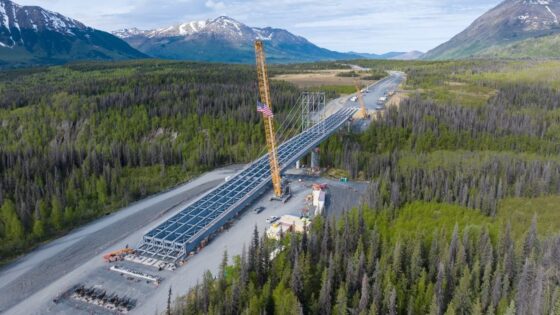
Cowi engineers have completed the erection engineering and launch of the Juneau Creek Bridge in Alaska, sliding nearly 3,175t of structural steel across a remote canyon on one of the state’s most difficult bridge sites. The incremental launch method was used to push the full superstructure into position without temporary supports in the canyon, reducing work at height and heavy lifting over the void. The project demands tight control of deflection, bearing reactions and launch nose behaviour, offering reference experience for long-span steel launches in similarly inaccessible terrain.