Geomechanics, Streamlined.
© 2026 Geomechanics.io. All rights reserved.
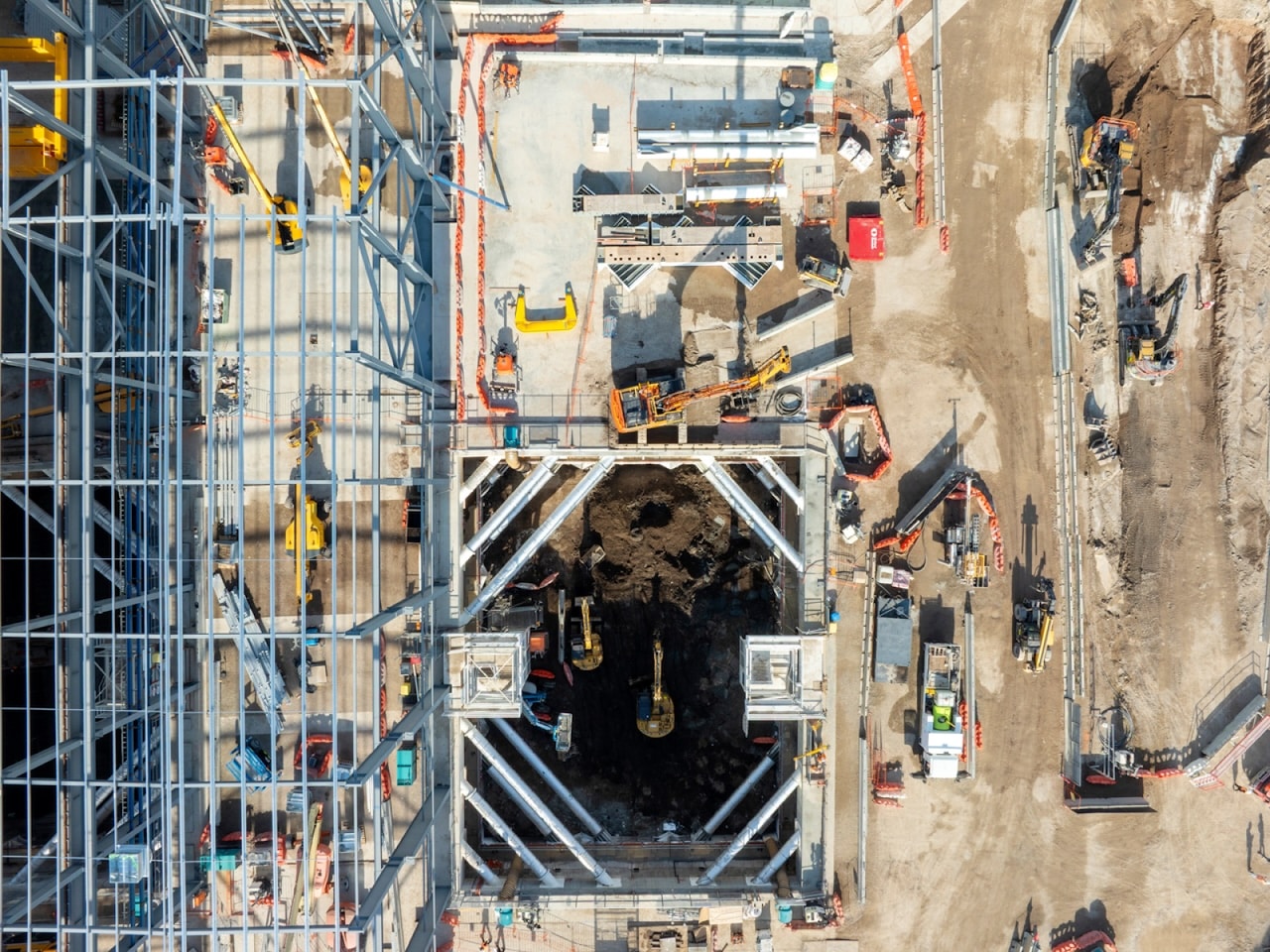
Tunnel Boring Machine Aayushi has arrived in Clarinda, Victoria, to drive part of the Suburban Rail Loop East section between Cheltenham and Box Hill, Melbourne’s first orbital rail line. The TBM will excavate twin tunnels for the SRL East leg, a key stage in creating grade-separated, underground rail capacity that bypasses the CBD. For geotechnical and civil teams, the drive will involve managing variable Melbourne basin soils and groundwater while controlling settlement beneath existing suburban infrastructure.
Victoria’s $194 million Ison Road project in Werribee has opened to traffic three months early, creating a new connection from the Wyndham growth area to the Princes Freeway. Delivered through a federal–state–local funding partnership, the link is designed to relieve pressure on existing north–south arterials and shorten commuter access to key employment and service centres. For civil and transport engineers, the early opening signals that major earthworks, pavement construction and interface works with the freeway were completed ahead of programme despite growth-corridor traffic and staging constraints.
The UK’s 100 leading construction firms are showing incremental strengthening despite geopolitical instability and sustained inflation in materials and labour costs. Larger contractors are absorbing price pressures through scale and stronger balance sheets, while smaller subcontractors and specialist suppliers further down the supply chain are struggling to remain viable. The widening resilience gap raises execution risk on major infrastructure and building projects, with potential for subcontractor failures, programme delays and tighter prequalification and payment practices.
Mace Consult has been appointed by Luton Rising to deliver programme, project, cost and commercial management services for the planned growth of London Luton Airport, signalling a move into detailed definition of future airside and landside works. The commission will shape phasing, constructability and budget control for runway, terminal and surface access upgrades in a highly constrained operational environment. Geotechnical and civil teams should expect strong emphasis on buildability around existing assets, night-time possessions and tight cost benchmarking for major earthworks and pavement rehabilitation.
ABB has secured a contract to supply medium- and low-voltage switchgear to LKAB’s new iron ore sorting plant at Malmberget in northern Sweden, a key element of the miner’s long-term upgrade of the operation. The electrification package will form the backbone of power distribution for the facility, supporting continuous, high-availability sorting circuits in sub-Arctic conditions. For engineers, the deal signals ongoing investment in robust, centralised electrical infrastructure rather than piecemeal retrofits at one of Europe’s largest underground iron ore complexes.
EACON Mining Technology’s autonomous haulage system has now been deployed on more than 1,500 battery-electric mining trucks, making battery-electric the largest single powertrain in its driverless fleet. As of early September 2026, battery-electric units account for about 42% of all EACON autonomous trucks, compared with 41% diesel hybrid-electric and 16% methanol hybrid. The shift implies growing demand for high‑capacity charging infrastructure, battery thermal management, and software tuned to different powertrain response characteristics in mixed autonomous fleets.
Hexagon has launched a next-generation Vehicle Intervention System (VIS) for surface mines, extending its existing collision avoidance platform with autonomous braking and throttle control to prevent incidents before impact. The EMESRT-aligned system intervenes directly on haul trucks and other heavy mobile equipment in high-risk scenarios such as edge-approach, overspeed on ramps and potential vehicle-to-vehicle collisions. For mine operators, this shifts collision management from operator alerts to automated control actions, tightening controls around pit edges, dump points and congested loading areas.
Epiroc is extending its Deep Automation system so autonomous underground haul trucks can also operate on surface haul roads using 3D LiDAR for localisation, mapping and obstacle detection instead of relying on GPS. The upgrade allows trucks to transition directly from stope loading to surface tipping points in a single autonomous cycle, removing manual handover at portals and ramps. For mine planners and engineers, this enables integrated underground–surface haulage designs and demands tighter control of surface road geometry, berms and traffic segregation for sensor reliability.
RZOLV Technologies has signed a strategic memorandum of understanding with Novamera to combine Novamera’s Surgical Mining™ directional drilling and imaging platform with RZOLV’s proprietary, water-based, non-cyanide hydrometallurgical process. The partners aim to create a mine-to-metal pathway that rapidly accesses narrow-vein or complex mineralisation while preserving head grade and minimising waste rock extraction. For engineers, the key interest is whether in-situ or near-surface leaching coupled with precise borehole extraction can cut development metres, tailings volumes and permitting constraints for small, high-grade deposits.
IntelliSense.io has secured a major growth investment from Scottish Equity Partners (SEP), with strategic capital from Mitsubishi Corporation and Hitachi Construction Machinery, to scale its industrial decision intelligence platform for mining and minerals processing. The AI-native system is already deployed on unit operations such as grinding, flotation and thickening, using real-time sensor data and digital twins to optimise throughput, energy use and reagent consumption. Backing from OEMs like HCM signals tighter integration of IntelliSense.io’s optimisation tools with autonomous haulage fleets and smart plant control systems across new geographies.
Komatsu’s MC51 mechanical cutting machine has completed an “exceptional” field validation with Cementation at Niobec’s underground niobium mine in Québec, leading to the first commercial sale of the unit. The trial focused on continuous mechanical cutting of hard-rock development headings, integrating the MC51 with existing drill‑and‑blast infrastructure and Cementation’s mine development workflows. For engineers, the move signals growing readiness of mechanical cutting for production environments, with implications for profile control, overbreak reduction and more predictable advance rates in competent rock.
Albemarle, the world’s largest lithium producer, has appointed BHP chief commercial officer Ragnar Udd as CEO effective 1 February 2027, with current chief executive Kent Masters moving to executive chairman through at least the 2027 AGM. Udd brings more than 25 years’ experience across copper, potash and iron ore, including roles as BHP president Americas, interim chief technology officer and head of the BHP Mitsubishi Alliance and Western Australia Iron Ore logistics and infrastructure. The leadership shift comes as Albemarle reports global lithium demand through May up 45% year-on-year, outpacing supply growth and tightening battery-grade feedstock markets.
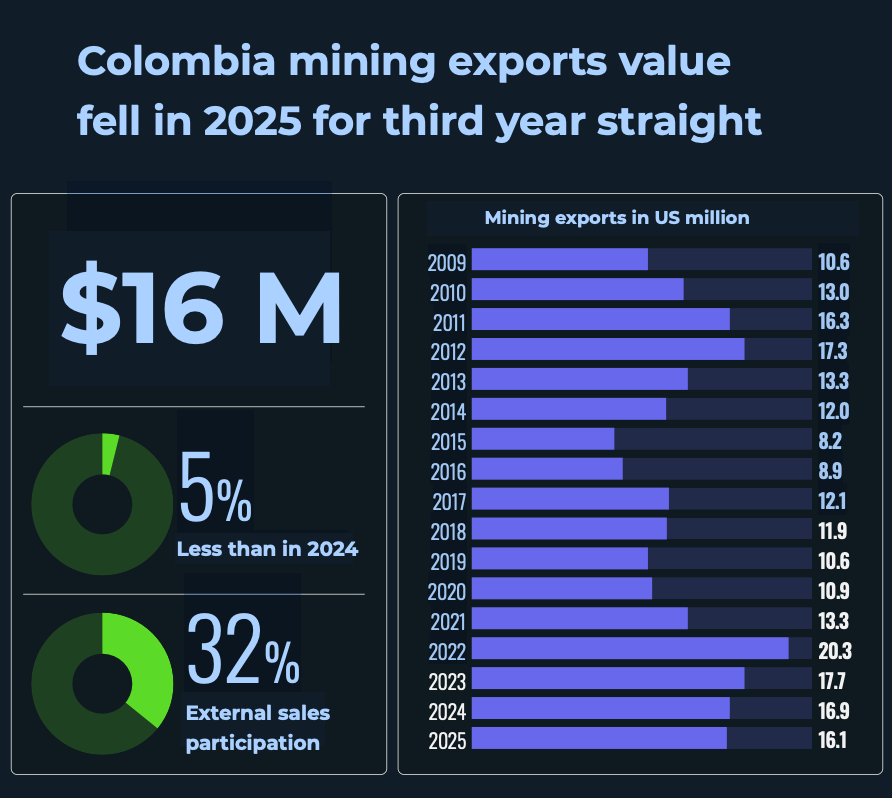
Colombia’s new government has repealed 10 resolutions restricting natural resource exploration and extraction, including measures like Decree 044 that allowed the Environment Ministry to freeze mining in sensitive ecosystems such as páramos for up to 10 years. Mining Minister Maria Nohemi Arboleda says the reforms will cut procedures, shorten licensing timelines and streamline community consultations, directly targeting Fraser Institute rankings that placed Colombia 57th for policy perception. The reset is aimed at unlocking up to $4 billion in copper-focused investment by 2030, with projects such as Quebradona, Alacrán, Mocoa and El Roble’s 4,200‑tonne‑per‑year output forming the early test case.
Gem Diamonds swung to a $600,000 first-half profit from an $11.7 million loss as Letšeng’s average rough price jumped 38% to $1,395/ct and structural cost cuts plus extended royalty relief lowered its cost base. Revenue rose 32% to $59.7 million, underlying earnings moved from a $2.6 million deficit to $8.6 million, and net debt was slashed from $20.1 million to $500,000 by 30 June. The miner will source exclusively from the Main Pipe while studying alternative methods to access Satellite Pipe ore earlier than the current 2031 schedule.
A new US Mint one‑dollar “Trump gold coin” marking the 250th anniversary of American independence sold out within hours of its 2 September release, despite containing no gold and being struck instead from a copper alloy with 6% zinc, 3.5% manganese and 2% nickel. Marketed in rolls of 25 coins for $61, the gold‑coloured piece contrasts sharply with the Mint’s true bullion products priced up to $19,600 for palladium, gold and silver issues. The coin is legal tender with a circulating finish but is being positioned primarily as a collectible.
Faraday Copper’s latest 22,510-metre drilling phase at Copper Creek, Arizona, has expanded shallow oxide and sulphide mineralisation, with hole FCD-26-190 cutting 100.8 metres at 0.22% copper from surface at Copper Giant East and FCD-26-192 returning 19 metres at 0.55% copper from 42 metres near American Eagle. Near-surface mineralisation was reported in 14 of 23 new holes, supporting a staged development starting with oxide feed and copper cathode production ahead of larger sulphide open-pit and underground phases. Faraday is closing its acquisition of BHP’s former San Manuel mine, which processed ~800 million tonnes at 0.66% copper, and plans at least 23,000 metres of drilling there this autumn toward a combined Copper Creek–San Manuel resource by mid-2027.
Frontieras North America and Western Fuels have signed an MOU to build a mine-mouth FASForm coal fractionation facility at the Dry Fork open-pit mine in Wyoming’s Powder River Basin, initially processing up to about 2.7 million tons/year of sub-bituminous coal and potentially 5.4 million tons/year at full build-out. The patented FASForm process disassembles coal in a continuous, closed-loop, zero-waste, reducing atmosphere to produce clean solid carbon (FASCarbon), ultra-low-sulphur diesel, naphtha and other products, with 30-year ground lease, feedstock, diesel offtake and logistics agreements envisaged. FASCarbon could be railed to Western Fuels Association member utilities or exported, positioning the Dry Fork facility within a 1,200 MW mine-mouth generation cluster as a hub for future FASGEN co-location at nearby coal-fired plants.
Ionic Rare Earths, via Ionic Rare Earths USA, and Missouri-based US Strategic Metals are forming a 50-50 joint venture to build $100 million in NdFeB and SmCo magnet recycling facilities at USSM’s fully permitted 1,800-acre site near Fredericktown, Missouri. USSM will provide $95 million, with a further $5 million equity split between the partners to fund front-end engineering design and accelerate demonstration-scale recycling. Ionic’s Belfast subsidiary, Ionic Technologies, will license its magnet recycling process to recover high-purity, separated rare earth oxides from magnets, magnet scrap and other heavy-REE-bearing compounds.
Sandvik is hosting global mining customers at its Turku, Finland load-and-haul facility during Future of Mining 2026 to showcase integrated underground fleet technologies aimed at higher productivity, safety and asset availability. Machine displays and live demonstrations focus on coordinated load–haul–dump systems, automation-ready loaders and trucks, and digital fleet management linking equipment health data with production planning. Factory tours give engineers direct exposure to control systems, connectivity architectures and life-cycle support concepts targeting lower total cost of ownership in high-intensity underground operations.
Caterpillar is partnering with FieldAI to deploy “physical AI” systems that fuse real-time sensor observations with autonomy and robotics across mines, quarries and industrial plants. The collaboration targets on-site decision support and machine control, using AI models to interpret live equipment and environmental data streams and then trigger automated actions on loaders, haul trucks and fixed plant. For engineers, this signals faster integration of AI-driven perception and control into brownfield fleets and processing lines, with implications for fleet management, maintenance planning and human–machine task allocation.
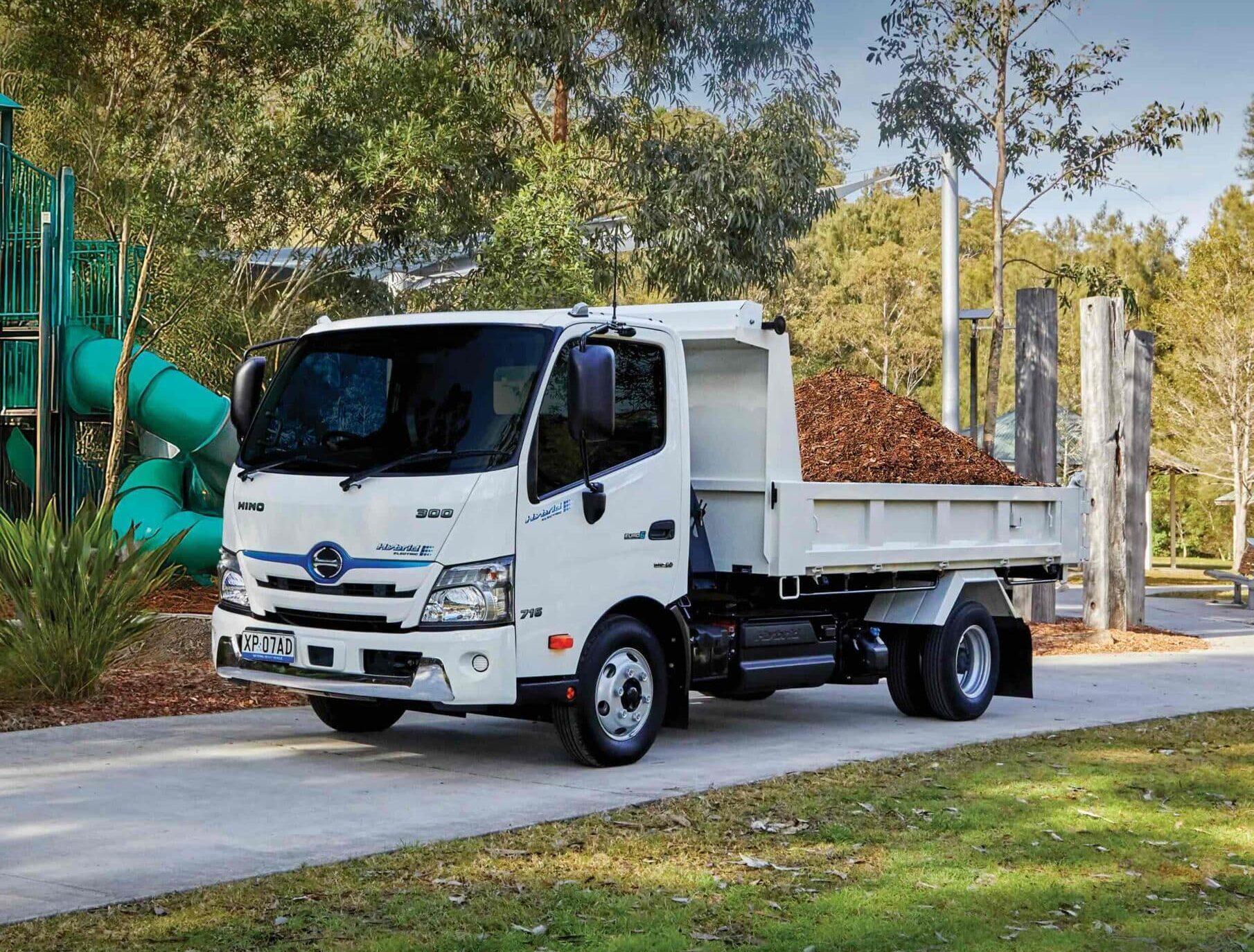
Hino is promoting its 300 Series Hybrid Electric trucks as a more practical option than full battery-electric for Australian commercial fleets facing less than 250-kilometre range limits and high charging infrastructure costs. The diesel-electric hybrid driveline targets urban and regional distribution tasks where stop–start duty cycles allow regenerative braking to cut fuel use and emissions without relying on public charging networks. For fleet engineers, the key appeal is lower upfront capital outlay than full BEVs while retaining conventional refuelling, known residual values and existing workshop practices.
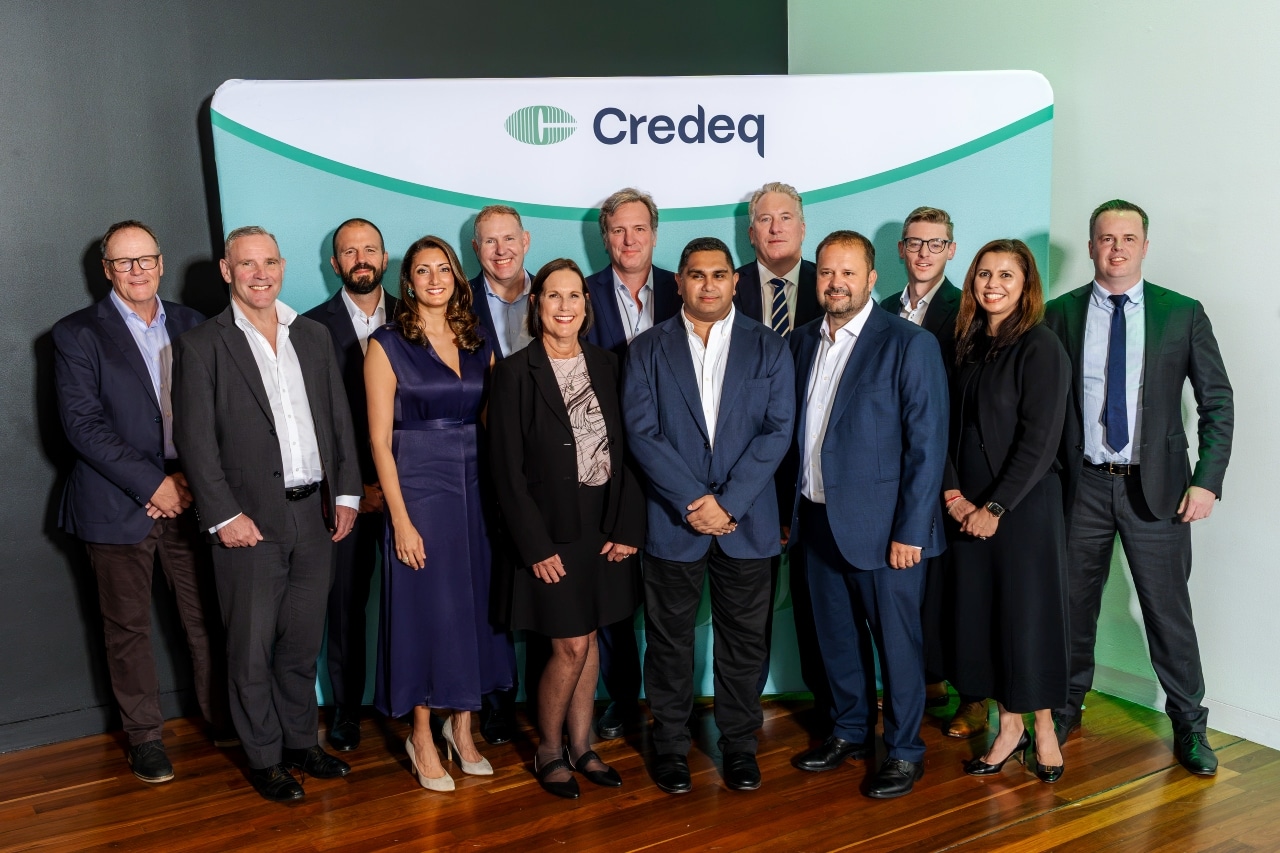
Australian businesses facing higher funding costs, tighter bank credit and working capital strain are turning to insurance-backed trade credit facilities instead of cash-backed guarantees and traditional overdrafts. Credeq has launched in Australia as a global underwriting management agency, structuring credit insurance and related risk solutions that allow contractors and suppliers to unlock additional bank limits and free up cash tied in performance bonds or retention. For infrastructure and construction firms, this can support larger project pipelines and longer payment terms without breaching covenant or security constraints.
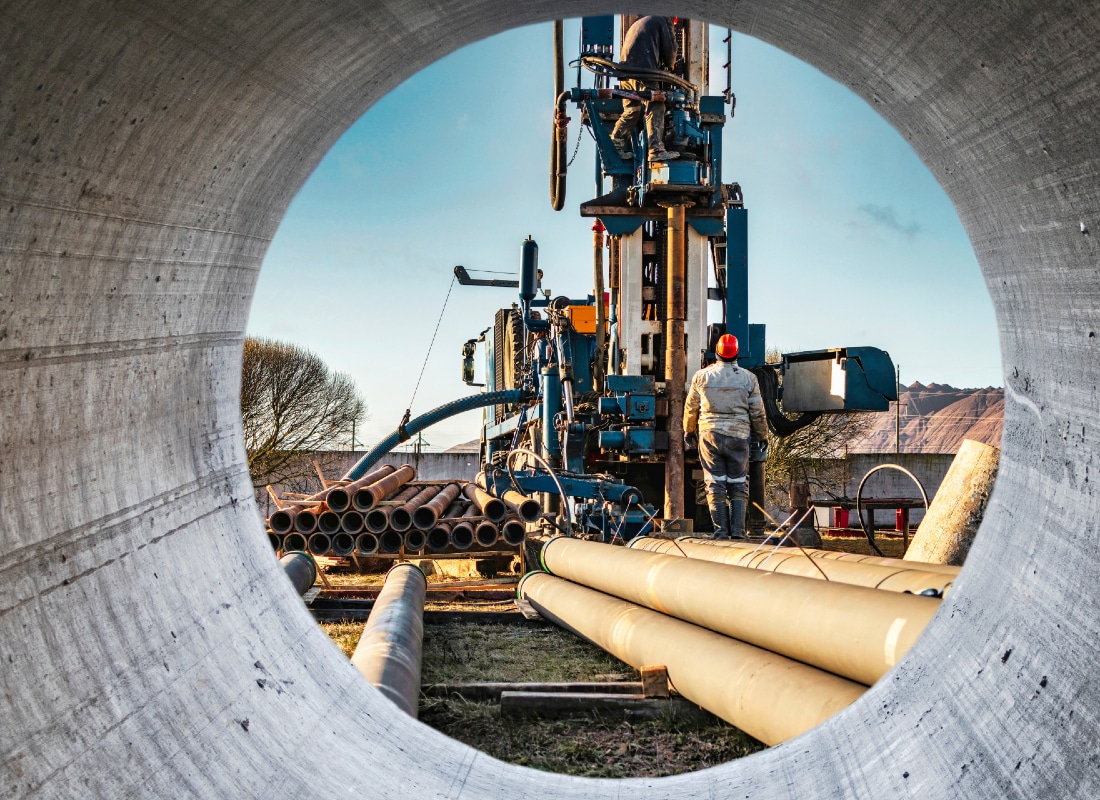
Encounter Resources has begun a 6000m reverse circulation and diamond drilling programme at the Jessica copper project in the Northern Territory, funded under a farm-in agreement with South32. Drilling will test large-scale sediment-hosted copper and iron oxide copper–gold targets across the project’s 9400km² tenure, located along major structural corridors east of Tennant Creek. For geologists and planners, the scale of the RC–diamond mix signals both broad stratigraphic coverage and deeper structural testing for Tier 1-style copper systems.
Vulcan Energy has completed a preliminary feasibility study for Project Ludwig in Germany’s Upper Rhine Valley Brine Field, about 60km north of its Lionheart project, targeting repeatable, modular lithium growth within a 100km integrated production radius. The brine-hosted project in the Ludwigshafen region is positioned to feed both national and international critical minerals supply chains, leveraging existing geothermal-lithium know‑how from Lionheart. For engineers, the key signal is a template-style development model that could standardise wellfield design, brine handling, and direct lithium extraction infrastructure across multiple sites.