Geomechanics, Streamlined.
© 2026 Geomechanics.io. All rights reserved.
Hawkins has been appointed UK managing director of tower crane specialist Uperio, moving from Wolffkran UK where he served four years as sales director. Based in Rainham, he will oversee Uperio’s UK operations across its depots in Rainham and Douglas, Scotland, covering the Skyline and Highsparks crane fleets and associated lifting services. Uperio cites his background at Hewden and Marubeni-Komatsu in strategic projects, commercial performance and operational improvement, while Wolffkran has promoted Mark Evans to UK and Ireland sales director.
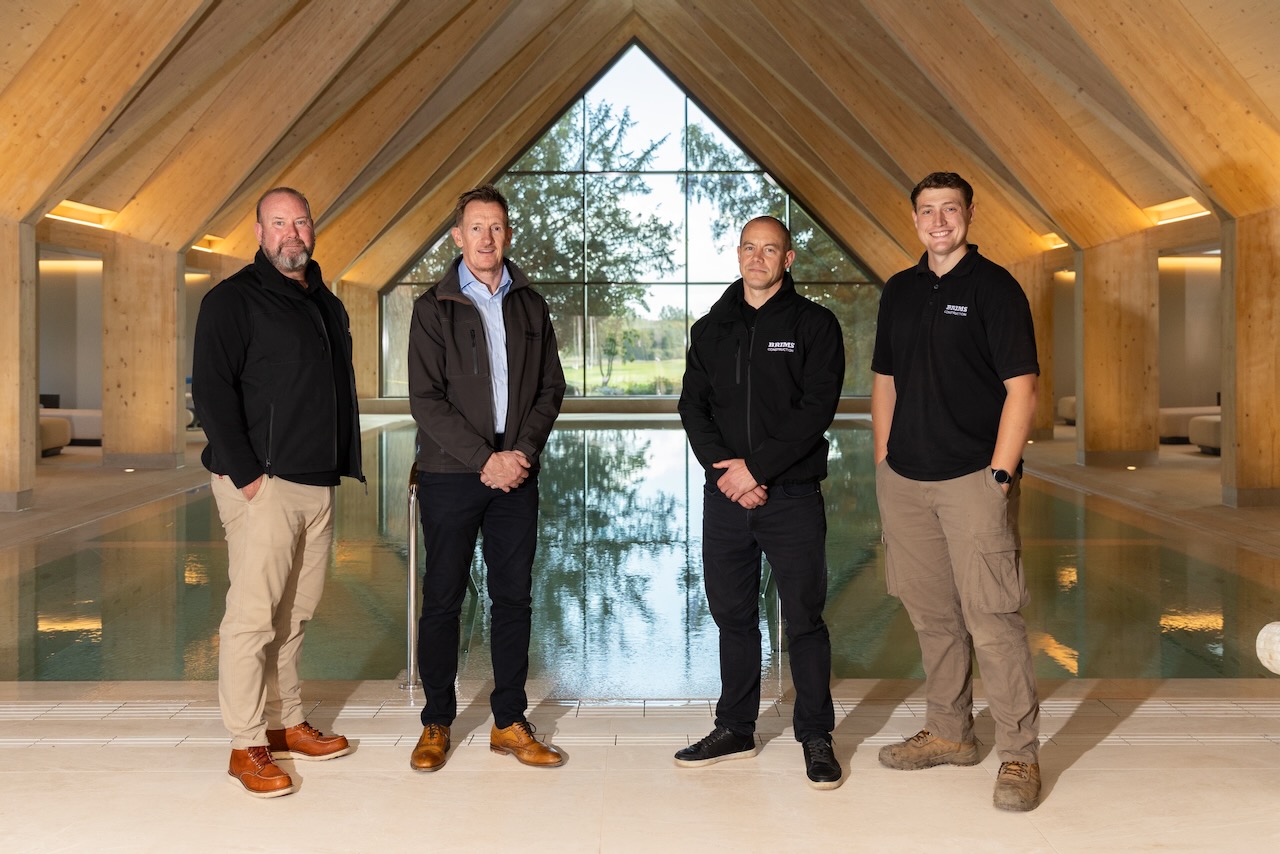
Independent northeast contractor Brims has posted its fifth consecutive year of revenue growth, with 2025/26 turnover rising to £70m from £64m and pre-tax profit up 26%, supported by average headcount of 200, cash of £19.37m and zero bank debt. The order book reached £89.46m by August 2026, giving clients visibility on delivery capacity for larger schemes. Recent completions include the £15.6m Housing Innovation and Construction Skills Academy at Riverside Sunderland, a £4.5m refurbishment and fit-out for Barbour, and an office/factory upgrade with a specialist ROV test tank for subsea firm SMD.
Saint-Gobain’s Chryso and Ecocem have launched a combined low‑carbon system pairing Ecocem ACT cement, which cuts cement emissions by up to 70%, with Chryso’s new superplasticiser EnviroMix 3150 ACT, formulated for this binder chemistry. The admixture–cement combination enables concrete mix designs achieving over 50% carbon footprint reduction, meeting GWR5 and above, while maintaining high flowability, low viscosity at low water–cement ratios, and workability retention beyond 90 minutes without segregation. On the former John Lewis HQ refurbishment in London, around 1,300 m³ of C20/25 and C30/37 ACT concrete is being pumped using EnviroMix 3150 ACT to validate performance under site conditions.
Private equity firm Triton has sold UK-based energy infrastructure contractor OCU Group to TDR Capital after a four-year ownership period focused on scaling the business beyond its regional utility and telecoms networks base. OCU, which delivers power, gas, water and fibre projects across distribution networks and major linear infrastructure, has expanded from a UK regional operator into an international platform under Triton. The deal signals continued private equity appetite for asset-light engineering and construction service providers tied to regulated network capex.
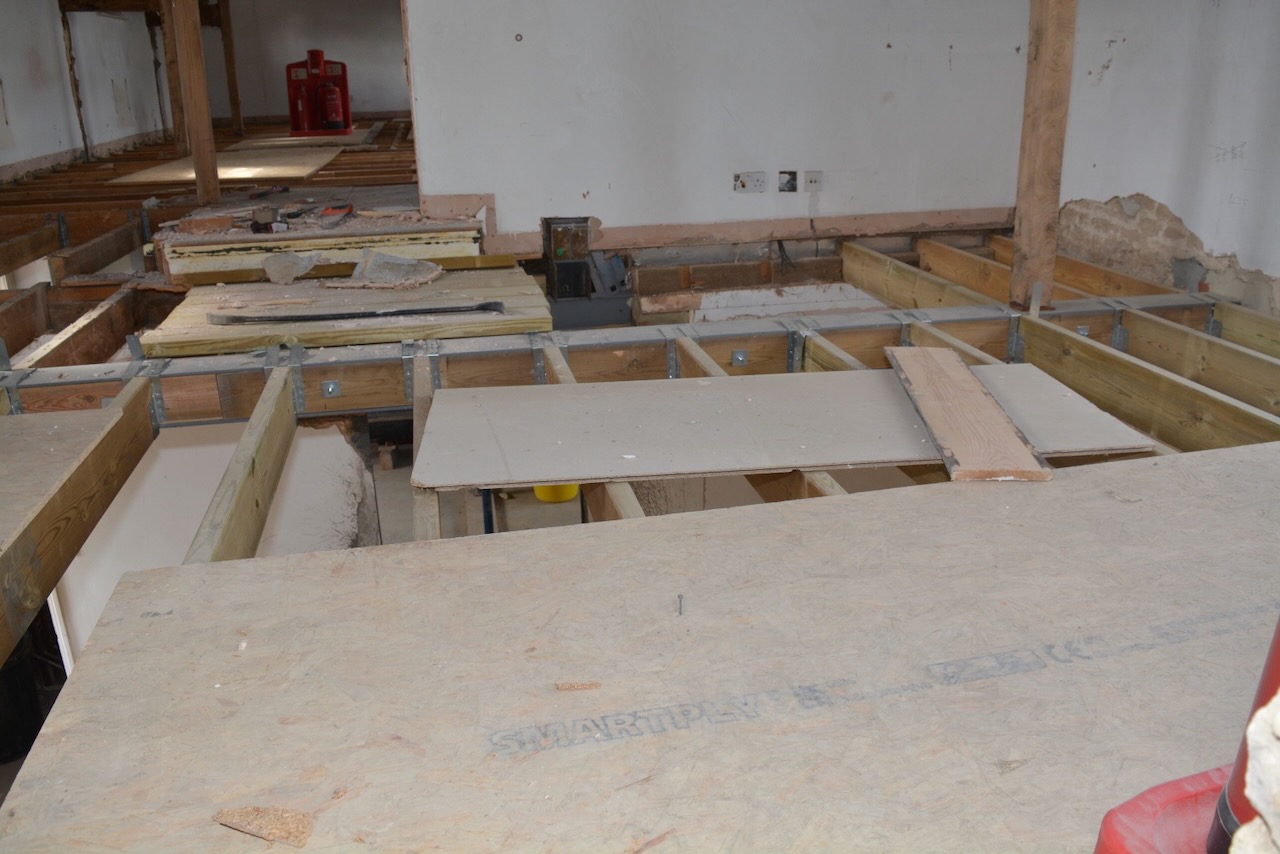
W G Carter Limited has been fined £120,000 plus £5,247 costs at Bristol Magistrates Court after 59-year-old worker Richard “Felix” Roper died falling from a stripped first floor onto a concrete ground slab at a barn house in Nether Westcote. A joint HSE and Gloucestershire Police investigation found work at height was not properly planned or supervised, with workers allowed onto joists where floorboards and structural supports had been removed while others continued lifting boards. After a Prohibition Notice, the firm switched to installing replacement joists from below using work-at-height equipment and blocking access to the first floor.
Breedon has appointed current chief financial officer James Brotherton as its next CEO from 1 January 2027, succeeding Rob Wood after a 12-year tenure with the construction materials group. Brotherton has been CFO since 2021 and co-developed Breedon’s “expand and improve” strategy, which underpinned its expansion into the US market and transfer to the London Stock Exchange’s main market. Wood, who became CEO in 2021, will step down from the board at end-2026 but remain an employee to support the leadership transition until September 2027.
Liverpool City Region Combined Authority, Homes England and the National Housing Bank have signed England’s first Place Delivery Agreement, creating a formal co‑delivery model for housing and infrastructure under the government’s devolution agenda. The PDA is intended to coordinate funding, land assembly and planning across multiple sites, giving the Combined Authority a single framework for working with Homes England on large, multi‑phase regeneration and transport‑linked schemes. For civil and geotechnical teams, this signals earlier, more integrated input on ground risk, infrastructure phasing and enabling works across the Liverpool city region.
Stockton-on-Tees Borough Council has withdrawn its planning application to demolish two historic bridges following a campaign by heritage engineering activists. The decision keeps the existing bridge structures in service for now, avoiding immediate removal and associated works such as deck breaking, abutment demolition and traffic management on adjacent approaches. Engineers in the region can expect further structural assessment, options appraisal and potential retrofit or strengthening proposals rather than wholesale replacement.
Nearly three in five UK businesses reported concern about energy prices in August, ONS data show, pushing construction contractors to reassess whether they own or lease high-consumption plant such as tower cranes, diesel generators and large excavators. Rising electricity and fuel tariffs are forcing closer scrutiny of whole-life equipment costs, including standby losses, idling behaviour and maintenance of older, less efficient fleets. Contractors are increasingly modelling scenarios that compare capex-heavy ownership with flexible hire agreements, on-site power purchase contracts and potential shifts to hybrid or fully electric machinery.
A University of Cambridge research team has developed a data-driven framework to measure construction productivity consistently across projects by converting routine project records into actionable performance metrics. The methodology standardises inputs such as programme data, labour hours and cost codes, then links them to outputs like installed quantities and rework volumes to generate comparable productivity indicators. For contractors and clients, this enables benchmarking across sites, early detection of underperforming work packages, and more evidence-based decisions on methods, sequencing and resource allocation.
Conservative Party leaders are preparing an election pledge to abolish the Environment Agency and Natural England, removing the current statutory regulators for flood risk management, main river consents, environmental permits and protected habitats. Scrapping these bodies would affect technical approvals for flood defences, reservoir safety oversight, abstraction licences and environmental impact assessments on major road, rail and energy schemes. Engineers could face a restructured or entirely new permitting regime, with uncertainty over design standards, programme risk and long-term asset maintenance responsibilities.
US-based Vortex Companies has acquired the business and operating assets of UK trenchless rehabilitation contractor Torrent Drainage Services, expanding its footprint in the British wastewater and pipeline repair market. Torrent specialises in no-dig rehabilitation of sewers and drainage networks, typically using cured-in-place pipe (CIPP) lining and robotic cutting for live assets with minimal surface disruption. The deal signals further consolidation in trenchless services, with potential for wider deployment of US-specified lining systems and installation standards on UK municipal and private networks.
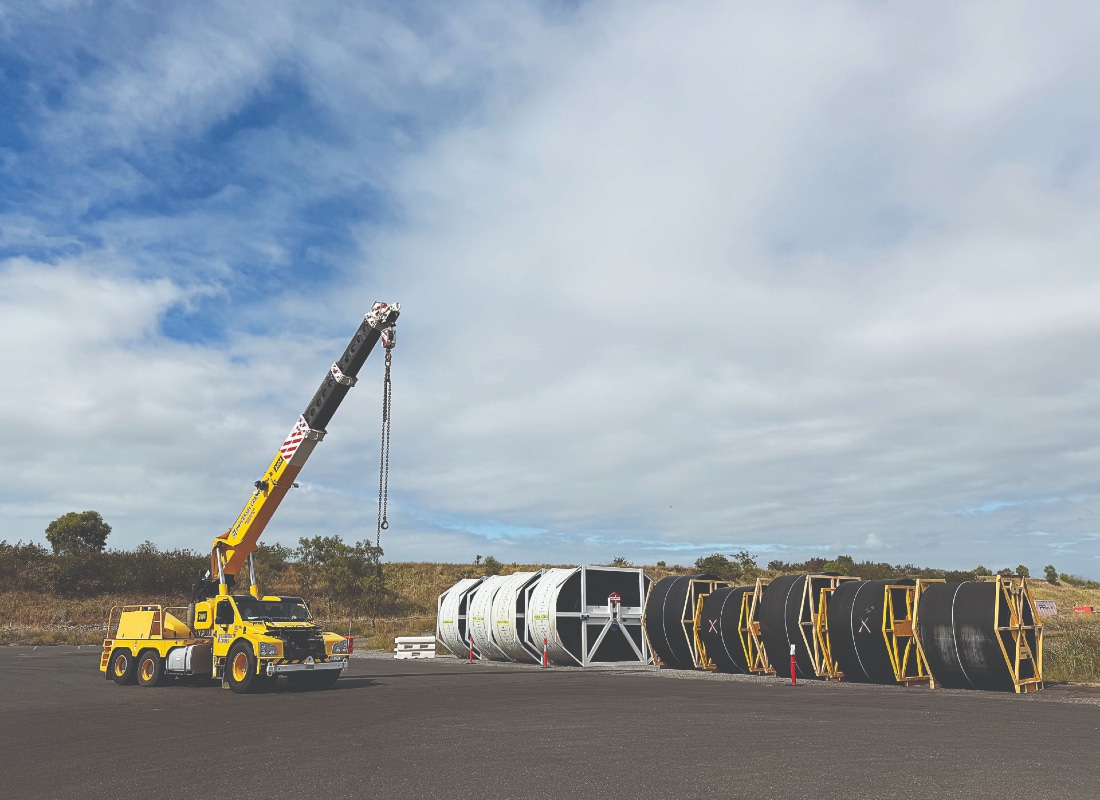
Fenner Conveyors has partnered with Tyrecycle on a port-first conveyor belt recycling initiative at Gladstone Ports Corporation, where 65 conveyor systems totalling more than 48km of belt length previously went to landfill after decommissioning. The programme will process decommissioned belts into recovered rubber and steel for reuse in products such as civil construction materials and tyre-derived fuels, rather than stockpiling or burial. For mine and port operators, the model offers a practical route to manage high-tension, steel-cord and fabric belts at end-of-life under tightening waste and ESG requirements.
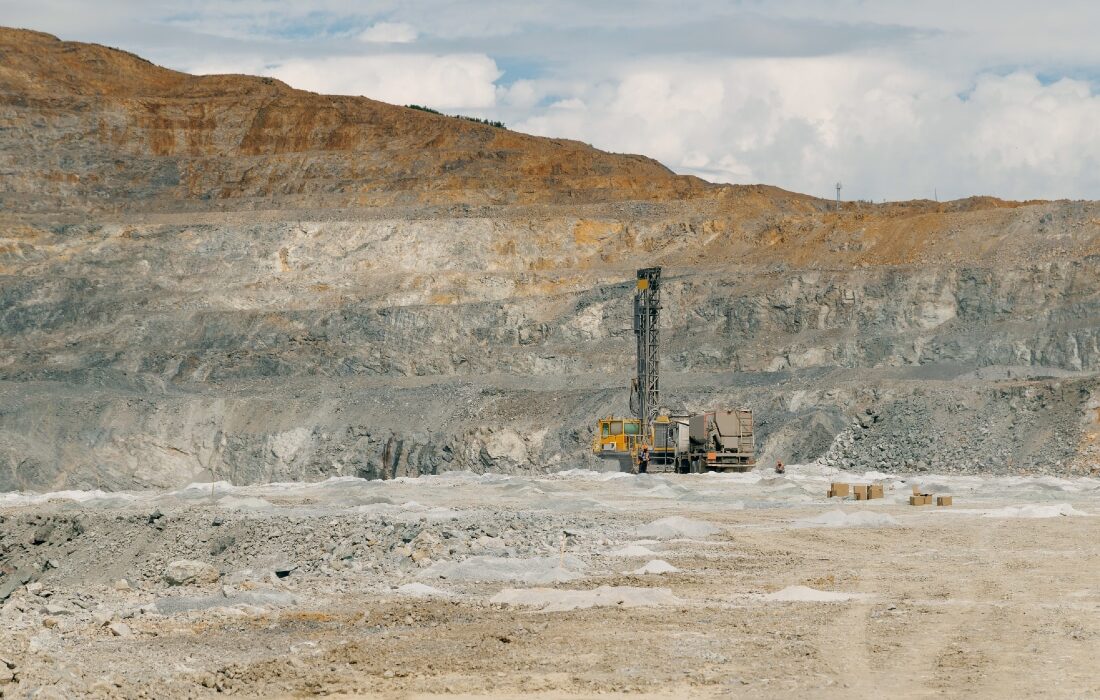
Red Hill Minerals has started a 1700m, two-hole diamond drilling program at its 860km² Broken Hill project in New South Wales, targeting the Furiosa copper–gold system and the Dementus lead–zinc–silver lode within the Curnamona joint venture. The campaign includes a 700m diamond hole into the previously untested Furiosa target, designed to intersect a modelled conductive body interpreted from geophysics. Results will clarify the geometry and grade potential of both mineral systems, guiding follow-up drilling and resource definition in a district already known for high-grade Broken Hill–type deposits.
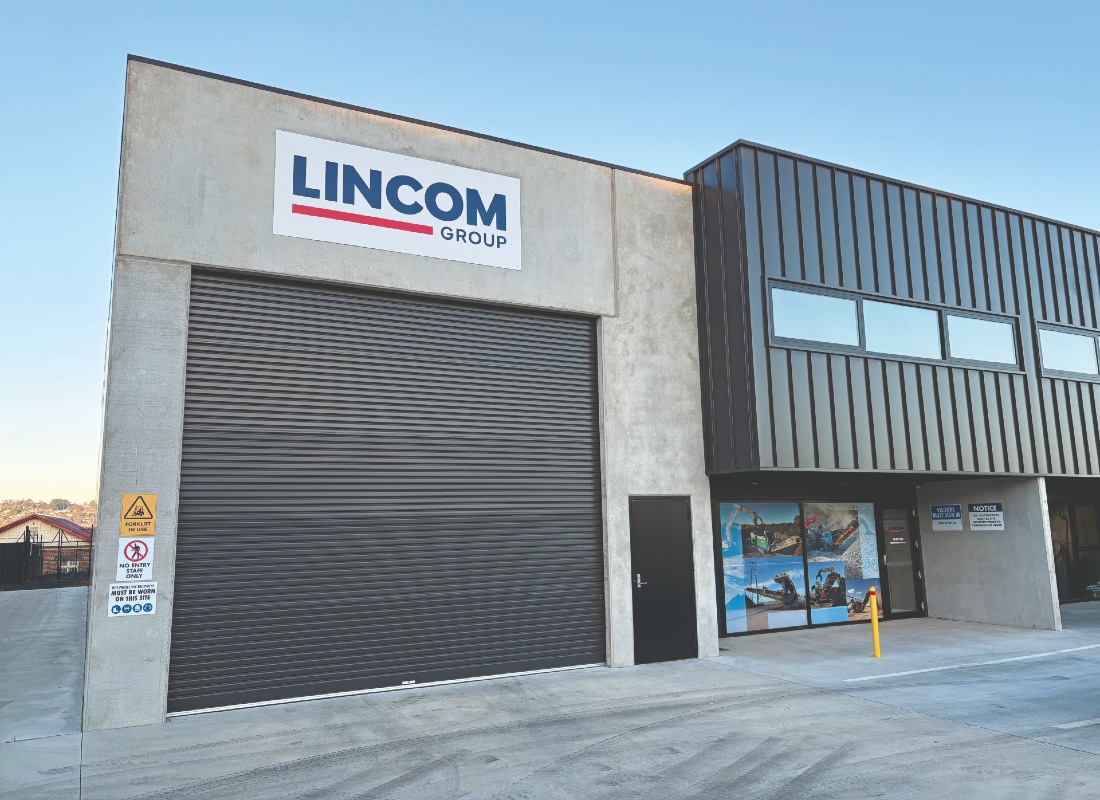
Lincom Group has opened a dedicated Tasmanian branch at Brighton, north of Hobart, to support the state’s established hard-rock quarries and mineral processing plants with on-island parts, service and technical backup. The facility stocks mobile crushing and screening equipment from Powerscreen and Terex Washing Systems, plus conveyor and wear components, reducing freight lead times from mainland depots. For mine and quarry operators, local workshop capacity and field service teams should cut downtime on critical crushing circuits and allow faster response to unplanned failures.
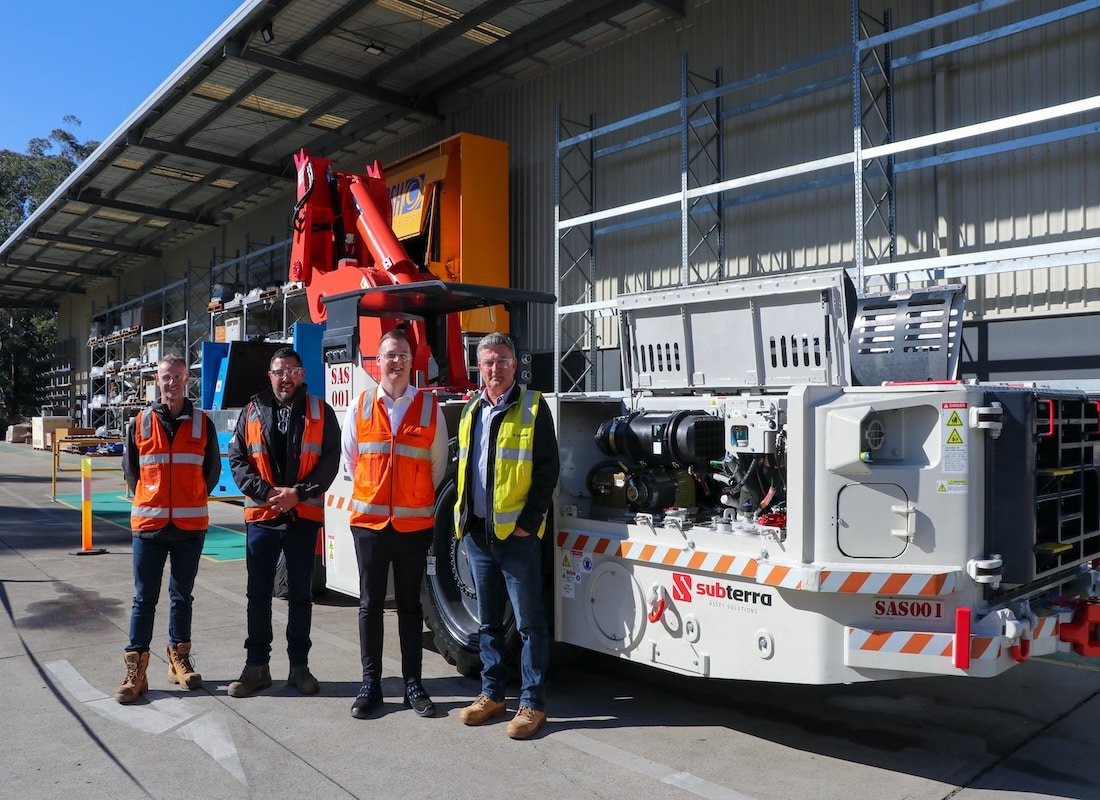
Sandvik and Subterra Asset Solutions have delivered the first LS312 flameproof loaders in Australia as part of a 10-unit underground coal fleet developed through joint engineering and operator-led design. The EX d I Mb-certified loaders are tailored for gassy coal environments, with flameproof enclosures, intrinsically safe control systems and modifications based on service data from existing Sandvik fleets. For mine operators, the package signals a move towards standardised, OEM-backed flameproof fleets with local Subterra support for overhaul, compliance and lifecycle performance.
The world’s 50 most valuable mining companies shed $264 billion in September, dropping to $2.26 trillion as gold futures fell 6.4% to $4,158/oz and lithium carbonate in Guangzhou slumped 22.5% to 122,800 yuan/t after a Chinese pricing-method change doubled reported stockpiles to 175,000 t. Gold miners lost $79 billion, with Kinross down 21.3% after cutting 2026–27 guidance by ~8% and Shandong Gold down 27.8% after trimming its 2026 output target to 1.16–1.22 Moz. BHP’s value fell $26.4 billion after a fatality halted Escondida, while First Quantum slid 19.2% as Panama’s commission backed a tightly constrained restart of the 100 Mt/y Cobre Panama operation.
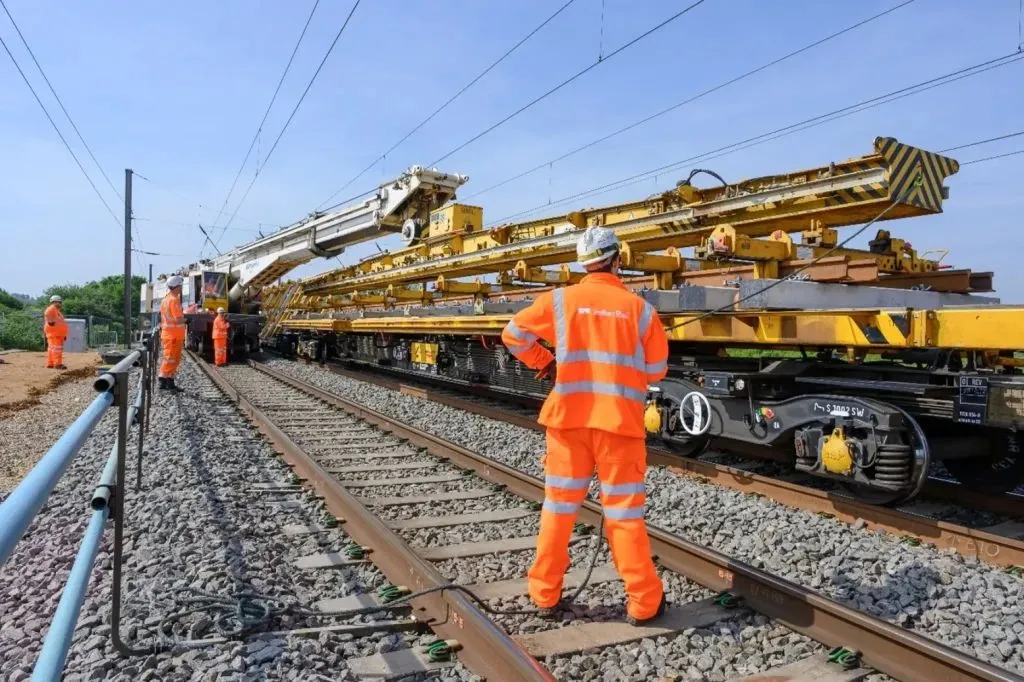
AI deployment across Great British Railways is expected to focus on small, incremental projects such as condition monitoring of points, overhead line equipment and track geometry rather than network-wide “big bang” systems. Pilot applications are likely to use existing SCADA, CCTV and onboard sensor data to feed relatively simple machine-learning models for fault prediction, timetable adherence and energy-optimised driving. For civil and track engineers, this points to near-term demand for high-quality asset data, standardised interfaces and clear governance on model validation, safety cases and human-in-the-loop decision-making.
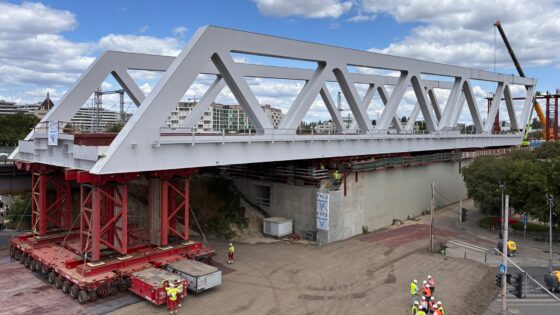
Dutch heavy lifting specialist Mammoet installed the first of two steel bridge structures for Budapest’s new Közvágóhíd railway crossing over a single weekend using self-propelled modular transporters (SPMTs). The preassembled span was driven into final position on SPMT lines rather than launched or lifted by crane, minimising possession time on this busy urban rail corridor. For contractors, the operation illustrates how SPMT-based bridge moves can compress rail blockade windows and reduce temporary works demands on constrained city sites.
National Grid has appointed 31 suppliers to a £600M multi-year framework covering civil engineering and building works at electricity substations across the National Grid Electricity Distribution network. The framework will support foundations, switchgear and transformer compounds, control buildings and associated drainage and access works for both new and upgraded substations. Contractors will need to manage brownfield interfaces, live high-voltage environments and programme-driven outages, with opportunities for standardised substation platforms and repeatable ground engineering solutions.
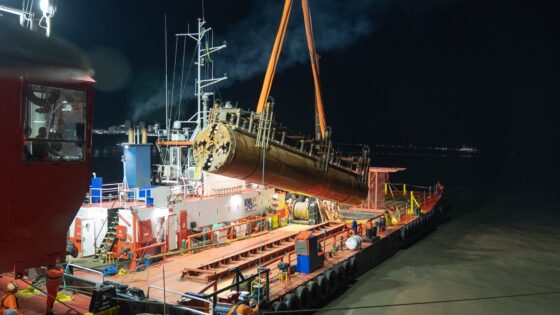
Tunnel boring machine Sarah Guppy has completed a 620m fish return tunnel beneath the Bristol Channel at Hinkley Point C and has been lifted out by crane for redeployment on other works. The dedicated tunnel will route fish safely back to sea from the nuclear plant’s cooling water system, forming part of the intake and outfall marine infrastructure. Retrieval of the TBM frees up the shaft and tunnel interface for follow-on fit-out, hydraulic structures and M&E installation on the cooling water scheme.
A 320m viaduct carrying HS2 across the River Great Ouse floodplain east of Brackley has been completed by the EKFB joint venture of Eiffage, Kier, Ferrovial Construction and Bam Nuttall. Spanning a wide active floodplain, the structure will need to accommodate high groundwater, soft alluvial deposits and differential settlement, placing particular emphasis on pile design, scour protection and long-term deck movement joints. Completion of this crossing removes a key geotechnical and hydraulic risk point on the HS2 route in this section.
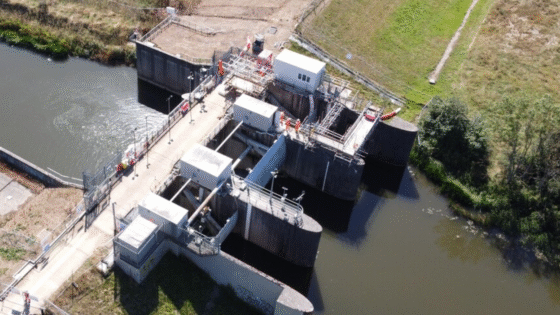
A £42M upgraded flood-defence scheme has been completed for Tonbridge and Hildenborough in Kent, with the Environment Agency confirming the works are now fully operational. The project focuses on reducing fluvial flood risk to homes, businesses and key transport links along the River Medway corridor, building on the existing Leigh Flood Storage Area. For geotechnical and civil teams, the scheme signals continued investment in large-scale embankment, storage and channel-capacity interventions rather than relying solely on property-level protection.
The Office of Rail and Road has reduced the charges that third parties pay to fund upgrades and maintenance on the UK rail network, aiming to cut project costs for developers and investors. Lower access and investment charges are expected to make it more viable for ports, freight terminals and property-led schemes to finance track, signalling and station enhancements tied to their own developments. For civil and rail engineers, the change could unlock more privately backed schemes and require closer early-stage coordination on asset standards, possession planning and long-term maintenance responsibilities.