Ofgem backs 16 long-duration storage projects: revenue signals for grid engineers
Reviewed by Tom Sullivan
First reported on The Construction Index
30 Second Briefing
Ofgem has named 16 long-duration energy storage schemes it is minded to support under its cap-and-floor regime, triggering a public consultation on the proposals. The projects would provide 7,465 MW of storage capacity, targeting multi-hour discharge durations to support system balancing and security of supply. Developers and network planners now have a clearer signal on potential revenue stabilisation for large-scale assets such as pumped hydro and grid-scale batteries, with implications for connection planning and reinforcement strategies.
Technical Brief
- Revenue floors reduce downside risk for capital-intensive assets like pumped hydro with long construction periods.
- Caps limit upside returns, constraining tariff impacts on consumers while still enabling project financeability.
- Consultation phase allows developers to challenge or refine proposed cap and floor levels and eligibility criteria.
- Grid planners gain earlier visibility of candidate storage locations, aiding coordinated reinforcement and connection sequencing.
- Bankability of underground or remote storage schemes improves where network access charges are volatile or uncertain.
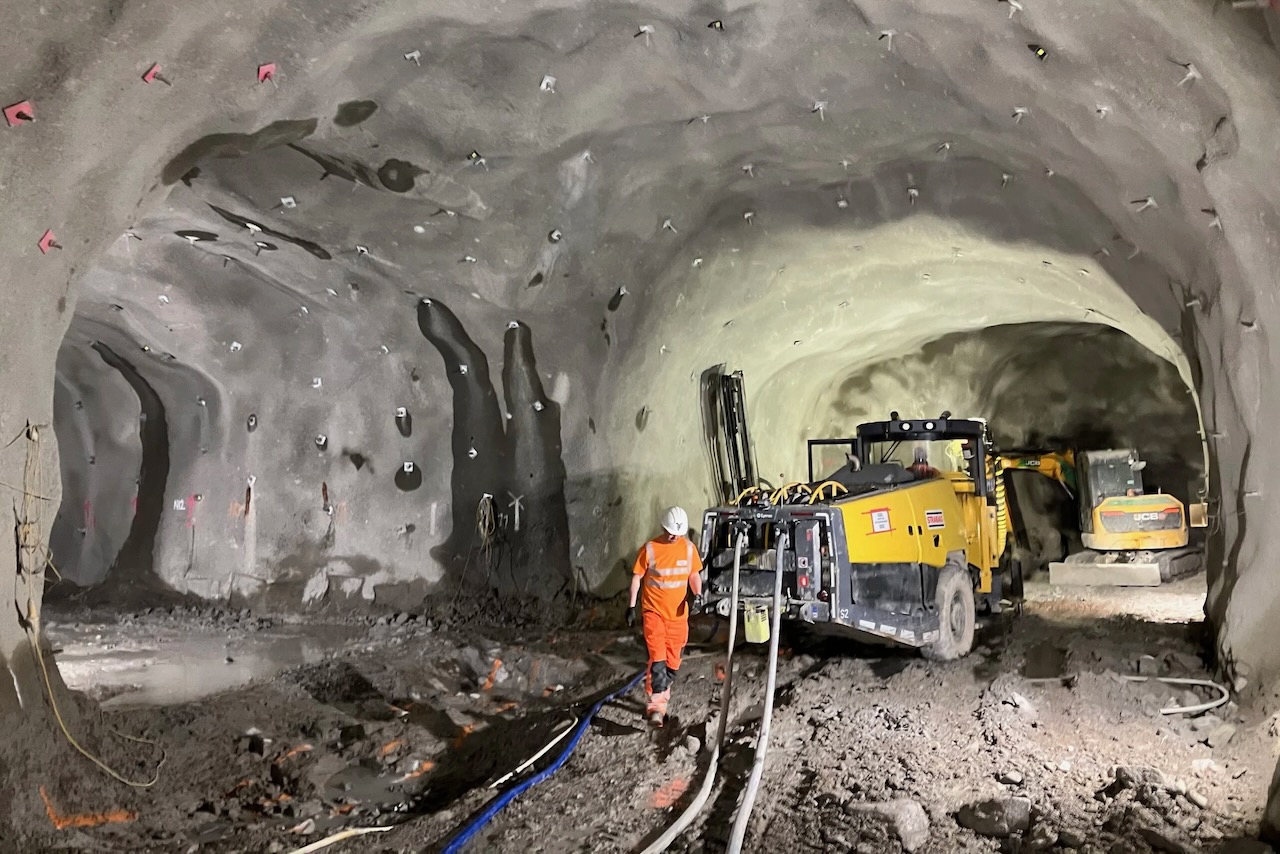
- For geotechnical-heavy schemes (e.g. pumped storage caverns), revenue stabilisation can justify higher upfront investigation spend.
Our Take
OFGEM’s move to support 16 storage projects sits alongside the RIIO-3 framework approved in December 2025, which in our coverage enables up to £90bn of network investment; together these signals suggest the regulator is trying to align flexible capacity build-out with major grid reinforcement rather than treating them as separate tracks.
The UK Government’s 2026 reform programme for Ofgem, highlighted in our database, is explicitly about modernising the regulator for rapid grid-scale renewables and storage, so developers on these 16 projects should expect evolving oversight and reporting requirements over the life of their assets.
Prepared by collating external sources, AI-assisted tools, and Geomechanics.io’s proprietary mining database, then reviewed for technical accuracy & edited by our geotechnical team.
Related Articles


Related Industries & Products
Construction
Quality control software for construction companies with material testing, batch tracking, and compliance management.
Mining
Geotechnical software solutions for mining operations including CMRR analysis, hydrogeological testing, and data management.
QCDB-io
Comprehensive quality control database for manufacturing, tunnelling, and civil construction with UCS testing, PSD analysis, and grout mix design management.