Geomechanics, Streamlined.
© 2026 Geomechanics.io. All rights reserved.
US Mint investor-grade coins have been linked to illegally mined Colombian gold controlled by armed groups and drug cartels, with material allegedly laundered through intermediaries and entering “US gold” supply under a loosely enforced domestic-offset rule unused for more than 20 years. Trade data show about $1.5 billion of Colombia’s $4.1 billion gold exports went to the US in 2024, while a WWF UK report found over 80% of financial institutions risk exposure to illegal gold. The US Treasury, which disputes the findings, has begun reviewing Mint procurement and tightening sourcing standards.
Kyrgyzstan is courting Western mining capital with a tightly controlled “reset” that excludes state-backed gold projects like Kumtor, instead offering minority stakes in small-to-medium polymetallic and critical minerals deposits, mainly to UK and European investors. President Sadyr Japarov’s government is retaining 30% free-carried interests, as in Silvercorp Metals’ US$160 million, 70% acquisition of the Tulkubash and Kyzyltash gold projects, to keep ultimate control and domestic support. Legal protections lag, with only an EU 2024 and UK 1994 bilateral treaty in place and no Canadian treaty, meaning early entrants will be specialist, high-risk equity demanding steep discounts.
The Impact Assessment Agency of Canada has opened public and Indigenous consultation on its draft impact assessment for the 107‑km all‑season Webequie Supply Road linking Webequie Airport to the McFaulds Lake area in Ontario’s Ring of Fire. The review focuses on federal‑jurisdiction impacts, proposed mitigation and monitoring, and potential legally binding conditions the environment minister could attach to approval, with comments due by 22 May 2026. Year‑round road access would replace seasonal ice roads and aircraft, cutting logistics costs for chromite, nickel, copper and PGM projects while raising concerns over hunting grounds and waterways.
Tru-Trac and UK distributor BREC Ltd will make their first joint Hillhead appearance showcasing belt-tracking and conveyor protection hardware aimed at extending belt life, improving uptime and cutting operating costs on high-duty quarry and mining conveyors. Appointed as Tru-Trac’s UK distributor in late 2024, BREC reports rapidly growing demand from operators seeking to retrofit existing conveyors rather than undertake full system replacements. For maintenance teams, the partnership signals wider local availability of engineered tracking idlers and related components, plus UK-based technical support for installation and optimisation.
ARENA will provide up to A$38.1 million to PLS Group to build a lower‑emission lithium processing demonstration plant at the Pilgangoora operation in Western Australia, trialling Calix Limited’s electric‑kiln calcination technology. The electrically heated kiln aims to replace conventional fossil‑fuel‑fired calcination in spodumene processing, directly targeting one of the most energy‑ and carbon‑intensive steps in lithium concentrate upgrading. If successful at demonstration scale, the process could materially cut Scope 1 emissions from hard‑rock lithium refineries and influence future plant designs across the Pilbara.
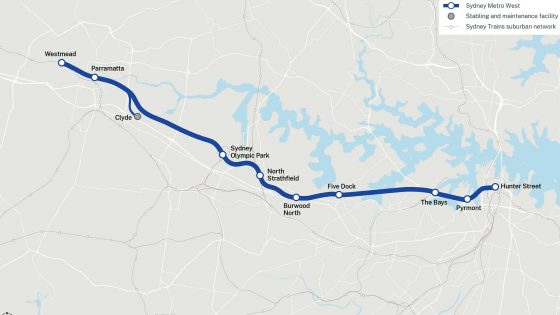
Jacobs, GHD and WSP have been appointed in a joint venture by lead contractor Gamuda to design five underground stations for the Sydney Metro West project. The commission covers full multidisciplinary design for deep excavations, underground caverns and associated tunnel interfaces on one of Australia’s largest urban rail schemes. The work will demand complex geotechnical modelling, groundwater control and temporary works design to manage settlement risks to adjacent buildings and existing utilities in dense inner-city conditions.
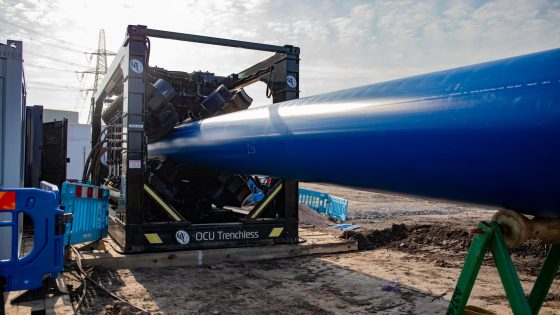
Slow mobilisation on England’s £88bn AMP8 water investment programme is being blamed on delayed final determinations from Ofwat and protracted procurement under new alliance and DPC (direct procurement for customers) models. Major schemes such as large-diameter trunk mains, new service reservoirs and storm overflow storage tanks are stuck in early optioneering and design, with contractors reporting gaps in workload as AMP7 frameworks wind down. Civil and geotechnical teams face compressed delivery windows from 2027–30, raising construction risk on tunnelling, shaft sinking and brownfield treatment plant upgrades.
Hammersmith Bridge’s continued closure seven years after it was shut to motor traffic in 2019 has been condemned in Parliament as a “national disgrace” and “a matter of national embarrassment”. The 1887 Grade II* listed, wrought-iron suspension bridge has been restricted to pedestrians and cyclists since serious microfractures were found in its cast-iron pedestals, with previous stabilisation works using temperature-controlled stress monitoring and bespoke steel shoring. MPs warned that the unresolved funding and design impasse over full strengthening or replacement of the pedestals is now materially constraining cross‑Thames capacity in west London.
More than 100 workers at Hitchin-based Crane Building Services and Utilities (BS&U) have voted for strike action after months of failed pay negotiations with management. The dispute affects staff involved in manufacturing and supplying valves, pipe fittings and flow control equipment used in building services and utilities networks across the UK. Any prolonged stoppage could disrupt delivery schedules for M&E contractors and civil schemes relying on BS&U components for heating, cooling, water and fire protection systems on live projects.
Millers Quay at Wirral Waters has taken the Building category at The Pineapples awards, with judges citing its “outstanding contribution to place-making, community impact and design excellence”. Constructed by Graham, the waterfront residential scheme forms a key phase of Peel L&P’s long-term regeneration of the former Birkenhead docks, delivering higher-density housing alongside new public realm. For civil and structural teams, the project signals continued recognition for complex brownfield waterfront builds that integrate mixed-use ground floors, flood-resilient detailing and community-focused open space.
Thousands of engineering construction workers covered by the National Agreement for the Engineering Construction Industry will receive a 4.5% pay rise from May 2026 after unions threatened industrial action. The uplift applies to grades working on major UK energy and infrastructure projects, including power stations, refineries and large process plants, where NAECI rates often set benchmark site allowances and overtime premiums. Contractors now face higher labour costs on complex, high-risk sites, which may tighten margins on lump-sum EPC contracts and drive sharper scrutiny of productivity, programme risk and claims.
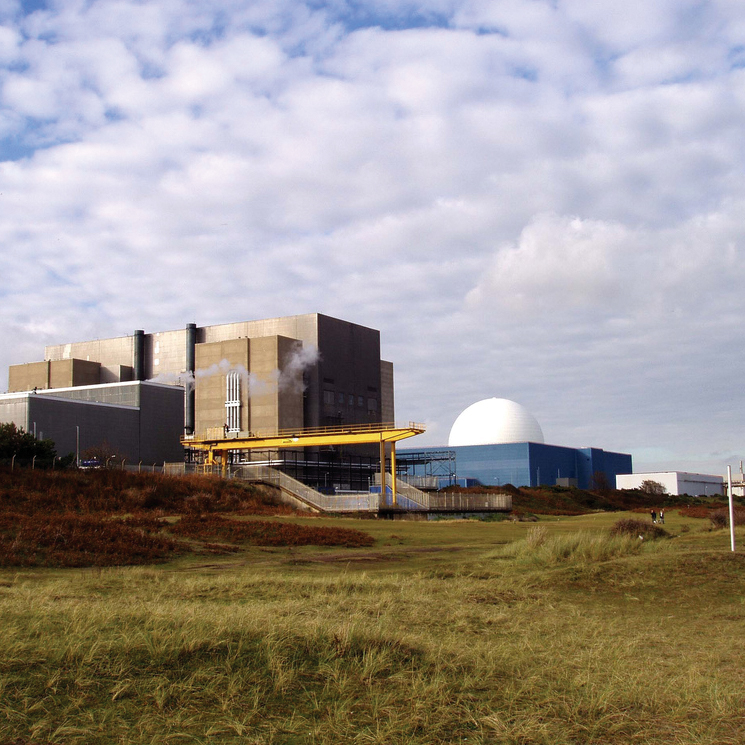
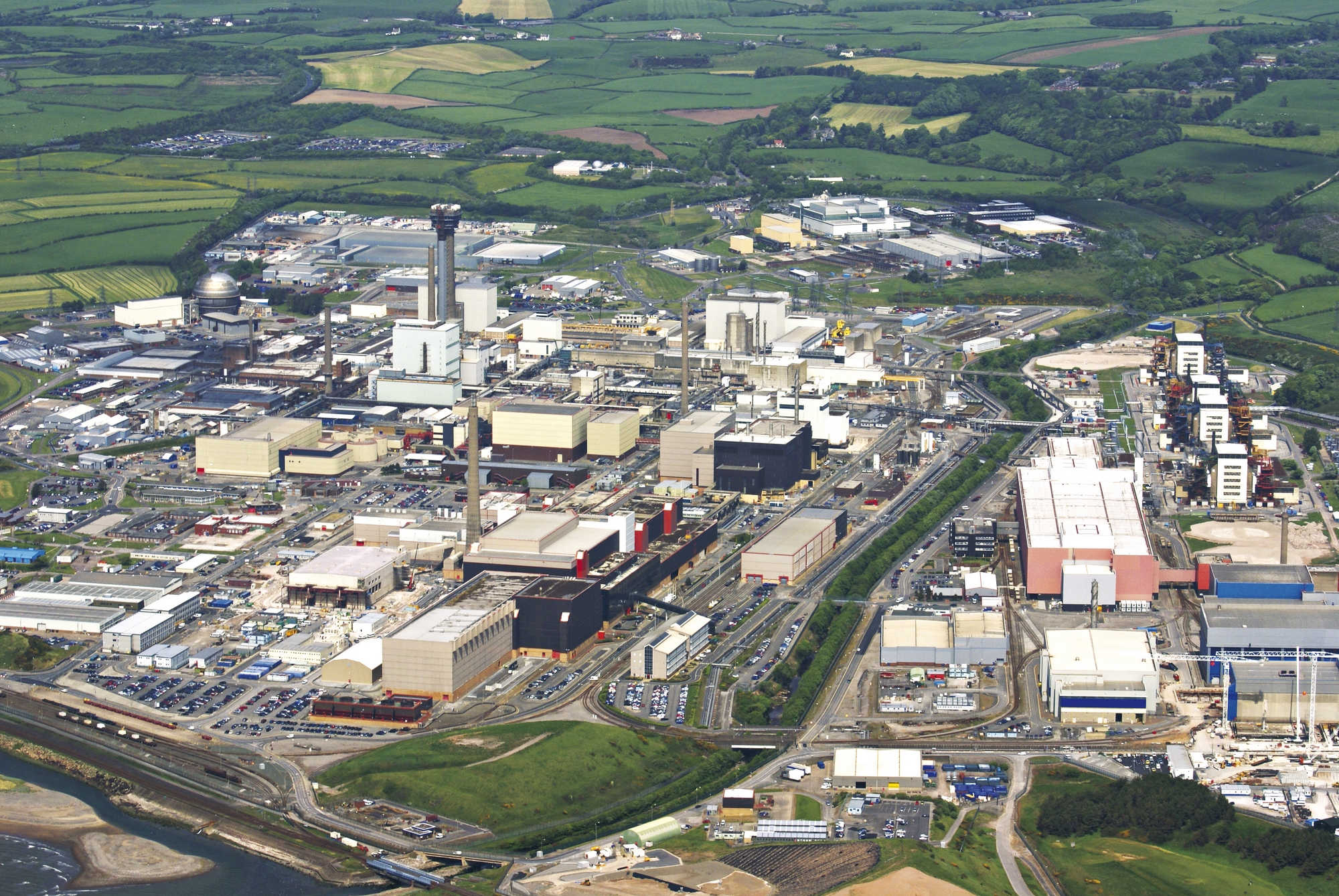
The Nuclear Decommissioning Authority has admitted to a backlog of almost two years in publishing its board meeting minutes, delaying public access to decisions on multi‑billion‑pound decommissioning programmes across 17 UK nuclear sites. The delay affects transparency around governance of major infrastructure works such as waste encapsulation plants, interim storage facilities and site remediation strategies. Contractors and consultants relying on board-level direction for long‑term planning and risk allocation may face greater uncertainty until the NDA clears the publication logjam.
NMITE has secured IET accreditation for its BEng and MEng Integrated Engineering degrees, a status essential for Incorporated and Chartered Engineer registration under UK-SPEC. The integrated programmes combine civil, mechanical, electrical and materials content with project-based learning, giving graduates a single multidisciplinary route rather than traditional siloed degrees. For employers in infrastructure, geotechnical and construction, this signals a new pipeline of engineers trained across structural design, systems engineering and digital tools rather than narrow discipline specialisms.
Calls to “measure, not just promise” transparency in UK infrastructure focus on publishing comparable data on programme cost, schedule, carbon and safety performance across major projects such as HS2 and Lower Thames Crossing. The piece argues for standardised metrics and open dashboards using existing tools like NEC contract reporting, project bank accounts and digital twins, rather than ad‑hoc press releases or selective case studies. For engineers and contractors, this would mean routine disclosure of out‑turn vs baseline costs, delay causes and embodied carbon per asset, enabling more realistic benchmarking and risk allocation.
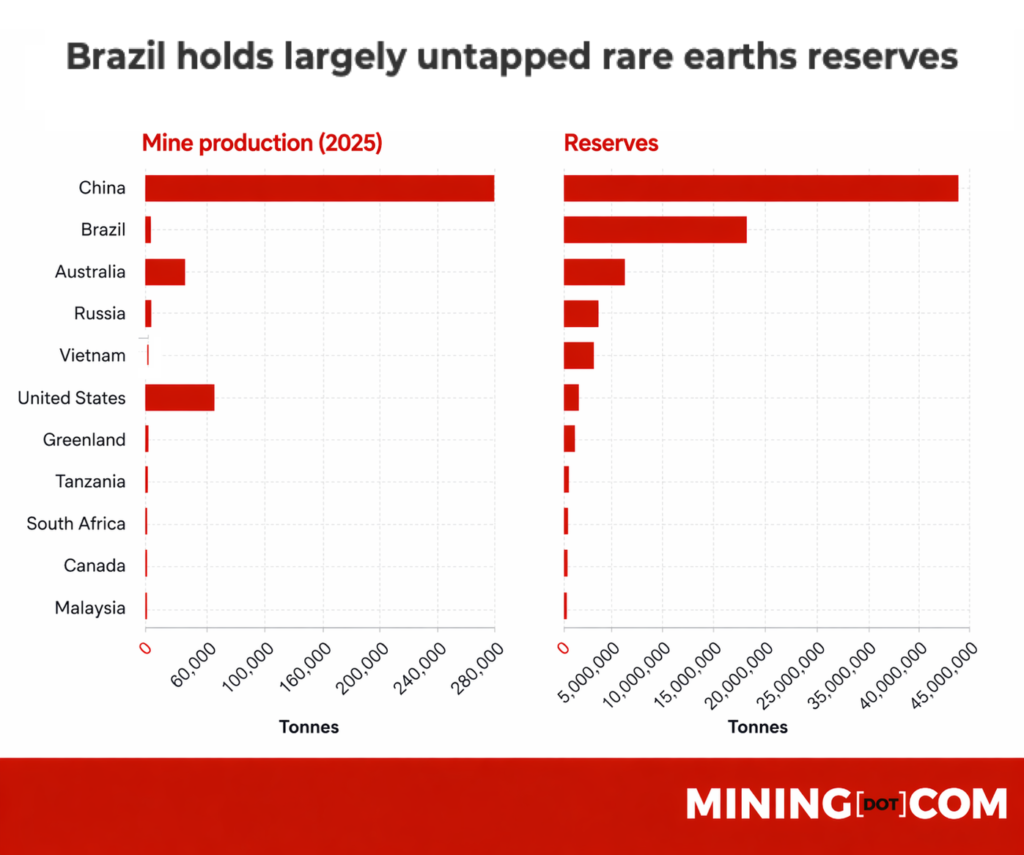
Brazil’s government has rejected proposals for a state-owned “TerraBras” critical minerals company, as a national framework with a proposed 5 billion reais project fund stalls in Congress and 13 separate critical-minerals bills sit under ANM review. While Brasília resists broad tax breaks and expanded state intervention, US-backed deals are advancing at state level, including a $565 million DFC loan and a proposed $2.8 billion acquisition of Serra Verde by USA Rare Earth with a 15‑year minimum‑price offtake. Analysts warn fragmented policy, ESG misalignment and unclear downstream strategy are already skewing capital towards lower‑risk, upstream projects.
A temporary injunction from British Columbia’s Court of Appeal is holding up West High Yield Resources’ Record Ridge open-pit magnesium project near the US border until a 5 May judicial review of its environmental permitting, including whether the US-based Sinixt Confederacy must be formally consulted. The 43-million-tonne measured and indicated resource grading 24.6% Mg, with a proposed 172-year mine life and C$250 million capex, had been slated for construction this quarter and first production in Q1 2027. Local and Indigenous opponents are challenging the decision that the sub-threshold project did not require a full provincial environmental assessment, citing asbestos-bearing rock, Columbia River-linked waterways and sensitive ecosystems.
Allied Critical Metals has secured US$40 million – a US$25 million equity placement at C$2.05 per share plus a US$15 million bond or senior loan – to fully fund a pilot tungsten plant at its Vila Verde project in Portugal, licensed for 150,000 tonnes per year of ore throughput over five years. The existing shareholder providing the loan will offtake 50% of pilot tungsten concentrates at a floor price of US$1,000/mtu, rising to 75% if plant capacity doubles. Funds will also advance the Borralha project, scoped for an 11‑year mine producing 1,708 tonnes of WO₃ annually.
Enbridge’s C$4 billion Sunrise Expansion Program has secured Canadian federal approval to add about 300 million cubic feet per day of capacity to the southern portion of the Westcoast natural gas pipeline system in British Columbia. The project will build new pipeline segments parallel to existing corridors, install additional compression, and upgrade current facilities, with construction slated from July 2026 to a late‑2028 in‑service date. Enbridge expects over C$3 billion in economic contribution, around 2,500 construction jobs, and has already directed C$52 million to Indigenous businesses.
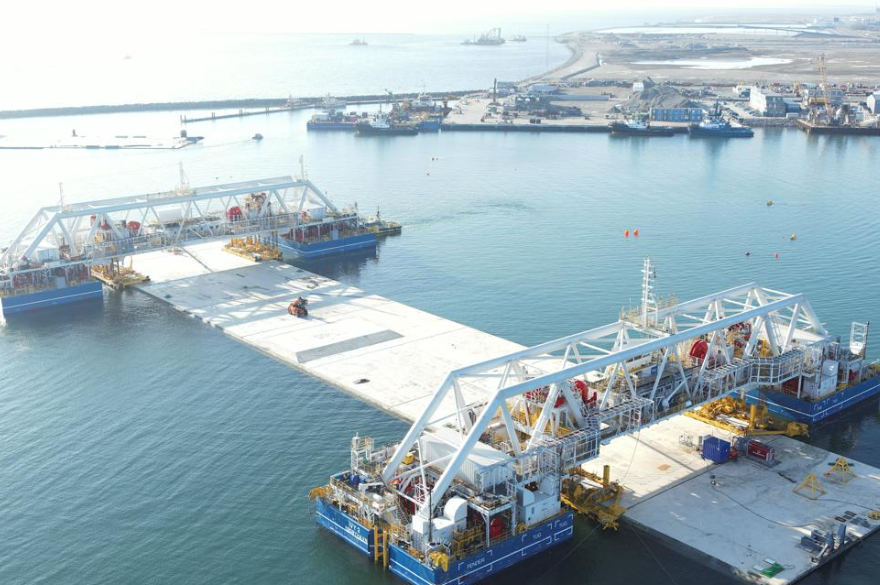
Completion of ballast filling in the first tunnel element of the Fehmarnbelt Fixed Link marks a key step towards immersing the initial section of what will be an 18km immersed road and rail tunnel between Denmark and Germany. The element is the first of 89 standard and special elements to be placed in a dredged trench on the seabed, then covered with gravel and rock armour for stability and scour protection. Engineers now move to immersion trials, critical for tolerances on alignment, settlement behaviour and watertight joint performance.
Fortescue has approved a A$680 million investment to build the 200 MW Pilbara Green Energy Project in Western Australia, aimed at supplying green power to industrial users including energy‑intensive data centres. The project will add large‑scale renewable generation and associated transmission into Fortescue’s existing Pilbara network, which currently feeds its iron ore operations. For mine operators in the region, additional 200 MW of green capacity signals future options for lower‑carbon power supply contracts and potential integration with electrified haulage and processing loads.
Sandvik will supply three DR413i rotary blasthole drill rigs to Glencore for the restart of the Bajo de la Alumbrera copper mine in Argentina, with the order booked in Q1 2026. The first DR413i is due on site in April 2026, with the remaining two units scheduled for delivery in Q4 2026, supporting pre-stripping and production drilling for the brownfield operation. The deal signals early capital deployment into large-diameter rotary drilling capacity ahead of full-scale mine recommissioning.
CiDi Inc’s 2025 full-year report shows revenue rising from RMB410 million as it scales autonomous haulage systems for mining fleets in China and overseas, competing with EACON Mining, Shanghai BOONRAY, TAGE Idriver and WAYTOUS. The company is deploying retrofit autonomy kits and full-drive‑by‑wire platforms on large rigid and wide‑body trucks, targeting multi‑truck fleets in open pits. Reported challenges include integrating mixed fleets from different OEMs, maintaining reliable GNSS and perception in deep pits, and aligning autonomy roll‑outs with existing haul road geometry and dispatch systems.
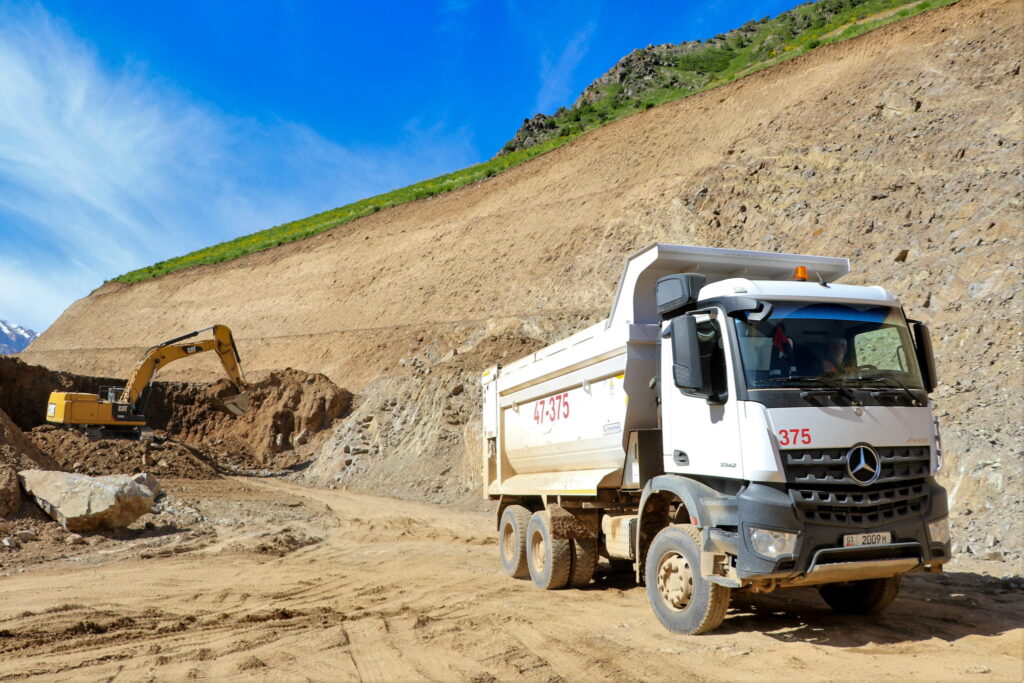
Tianjin Meiteng Technology has commissioned five XRT ore sorting systems for Tajik-China Mining Co’s lead-zinc operations in Tajikistan after completing trial runs in March 2026. The intelligent sorting line, supplied as a full-service system, is now in production at one of the country’s largest integrated mining enterprises. For process engineers, the move signals further uptake of sensor-based sorting in Central Asian base metals, with implications for upstream grade control, reduced haulage of waste and potential debottlenecking of downstream milling circuits.
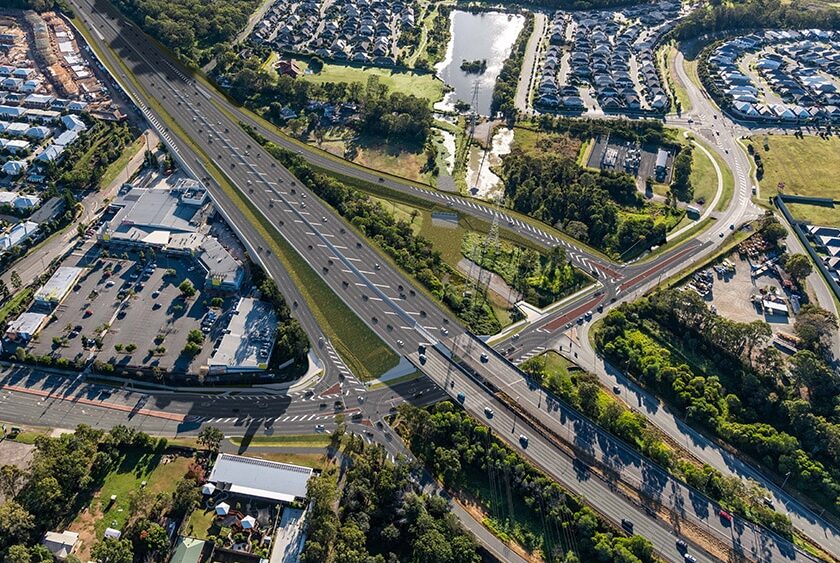
Construction has begun on a 22‑kilometre section of the Bruce Highway between Pine Mountain Creek and Deep Creek, north of Marlborough, delivering staged safety upgrades on one of Queensland’s key freight and passenger corridors. The works sit within the $9 billion Bruce Highway Targeted Safety Program and the $1 billion Bruce Highway Safety Package, signalling sustained multi‑year funding for pavement rehabilitation, intersection treatments and roadside hazard reduction. Contractors can expect significant earthworks, drainage upgrades and traffic management constraints on a live highway environment.