Bridge deterioration unnoticed for 15 years: asset management lessons for engineers
Reviewed by Tom Sullivan
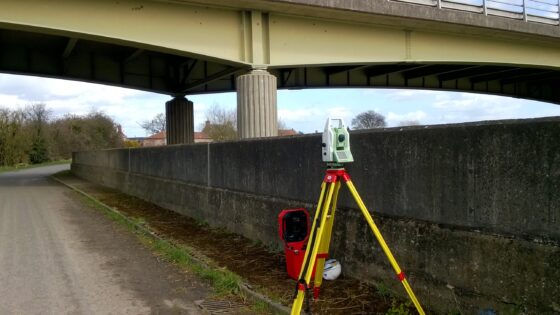
First reported on New Civil Engineer
30 Second Briefing
Severe bearing deterioration on a major strategic road bridge has been found after going unnoticed for more than 15 years, raising concerns that local authorities lack sufficient in‑house bridge engineering expertise. Inspectors identified advanced damage to key support bearings, with the defect considered potentially critical to the structure’s load‑carrying capacity and long‑term serviceability. The case is prompting calls for more specialist bridge inspectors, better asset management systems, and clearer responsibilities for monitoring ageing structures on heavily trafficked routes.
Technical Brief
- Failure mechanism likely involves corrosion, seizure or cracking of pot or elastomeric bearings under cyclic traffic loads.
- Investigation would typically include detailed principal inspection, jacking trials at each bearing and non-destructive testing.
- Hidden bearing locations within diaphragms or behind parapets probably limited visibility during routine general inspections.
- Long inspection interval suggests reliance on visual-only surveys without systematic bearing condition rating or trend analysis.
- Structural assessment now needs updated load rating, bearing stiffness assumptions and redundancy checks for accidental bearing loss.
- Monitoring options include displacement gauges, tilt sensors and strain gauges to track unintended restraint or load redistribution.
- Remedial works are likely to require staged jacking, temporary works design and phased bearing replacement under live traffic constraints.
- Case underlines need for formal bridge management systems with competency requirements aligned to national bridge inspection standards.
Our Take
Within our 243 Infrastructure stories, only a small subset of Failure-tagged pieces involve deterioration going unnoticed for more than a decade, which signals an outlier level of inspection and asset management breakdown rather than routine ageing.
A 15-year undetected deterioration window suggests that bridge inspections were either largely visual or poorly audited; in other Safety-tagged infrastructure coverage this kind of gap is typically where independent structural health monitoring or third-party review is later mandated by regulators.
Given how many Projects-tagged items in our database now reference AI or digital twins for condition monitoring, this case will likely be used by authorities to justify moving from periodic manual inspections to continuous or risk-based monitoring regimes for critical bridges.
Prepared by collating external sources, AI-assisted tools, and Geomechanics.io’s proprietary mining database, then reviewed for technical accuracy & edited by our geotechnical team.
Related Articles


Related Industries & Products
Mining
Geotechnical software solutions for mining operations including CMRR analysis, hydrogeological testing, and data management.
Construction
Quality control software for construction companies with material testing, batch tracking, and compliance management.
CMRR-io
Streamline coal mine roof stability assessments with our cloud-based CMRR software featuring automated calculations, multi-scenario analysis, and collaborative workflows.
HYDROGEO-io
Comprehensive hydrogeological testing platform for managing, analysing, and reporting on packer tests, lugeon values, and hydraulic conductivity assessments.
GEODB-io
Centralised geotechnical data management solution for storing, accessing, and analysing all your site investigation and material testing data.