Geomechanics, Streamlined.
© 2026 Geomechanics.io. All rights reserved.
Triton Uranium has started on-site development at its Atlas project in Uranium City, Saskatchewan, aiming to fast-track a near-surface, infrastructure-ready open-pit operation and is weighing a 2026 US stock exchange listing via SPAC, backed by nearly US$16 million in private funding. A 10,000-metre drill programme beginning June 2026 will test four priority zones, feeding resource estimates and a preliminary economic assessment later that year. The strategy targets compressed permitting and construction timelines versus typical decade-long uranium developments, leveraging historic workings and modern extraction and processing technologies.
Government is being urged to legislate statutory decision timescales for non-NSIP infrastructure schemes, which currently lack the fixed timetables applied to Development Consent Orders under the Planning Act 2008. Planning specialists warn that major road, rail and flood defence upgrades falling below NSIP thresholds face unpredictable local planning authority programmes, adding cost and risk to contractors and clients. Introducing clear maximum determination periods is seen as critical to programming multi-million-pound civils works and aligning procurement, geotechnical investigations and utility diversions with realistic delivery windows.
Nista’s first-year review sees chief executive Becky Wood pushing for “diversity of thought” in how major UK infrastructure is scoped, procured and governed, arguing that mixed professional backgrounds and user voices should shape option selection and risk allocation as much as engineering models. She points to fragmented sponsorship on multi‑billion‑pound rail and road corridors and siloed digital standards as recurring causes of delay and cost growth. For practitioners, the message is to embed broader challenge into early-stage design reviews, value engineering and governance boards rather than relying solely on traditional discipline hierarchies.
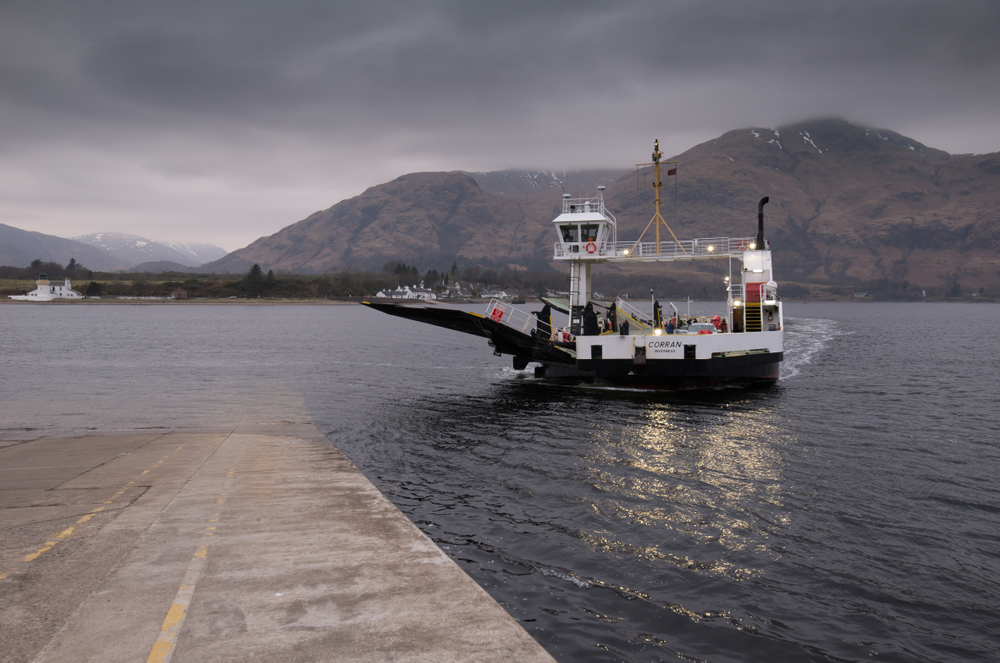
Scotland’s energy transition is concentrating major grid, port and transport upgrades in the Highlands, positioning the region as a new UK power and hydrogen hub. Developers are advancing large onshore and offshore wind connections, multi‑GW transmission reinforcements and port deepening works to handle heavy turbine components and electrolysers. For civil and geotechnical engineers, this signals sustained demand for foundations in complex glacial soils, coastal protection for upgraded quays, and resilience design for assets exposed to high wind and wave loading.
Labour’s plan to deliver higher annual housebuilding volumes is at risk as brick manufacturers warn that high gas and electricity costs could curtail kiln operations and capacity. A construction trade union is calling for targeted energy support for UK brickworks, where continuous-firing kilns and dryers are exposed to volatile wholesale prices and carbon costs. Any reduction in domestic brick output could lengthen programme durations, increase reliance on imports with longer lead times, and complicate cost planning for masonry-heavy schemes.
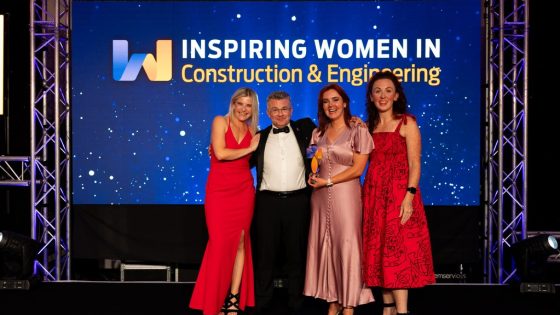
Entries for the 2026 Inspiring Women in Construction and Engineering Awards have been given a two-week deadline extension, giving firms and project teams extra time to nominate female leaders across design, delivery and site operations. The awards, run by New Civil Engineer, typically recognise contributions ranging from major infrastructure programmes to SME-led schemes, with categories often covering project management, digital engineering and early-career professionals. Contractors, consultants and clients now have a longer window to showcase women driving technical innovation and organisational change on live projects.
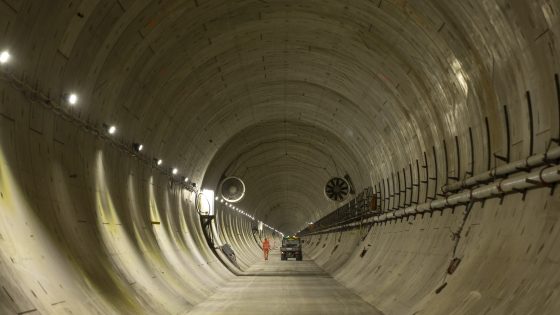
Completion of all 34 cross passages on HS2’s Northolt Tunnel marks a key advance in the 13.5km twin-bore drive beneath west London. The passages, mined at depth between the running tunnels, provide emergency egress and ventilation links at regular intervals, demanding precise control of ground movements in London Clay and Lambeth Group strata. Contractors will now shift focus to secondary lining, waterproofing and M&E fit-out, with cross passage completion reducing tunnelling interface risks and freeing resources for shaft and portal works.
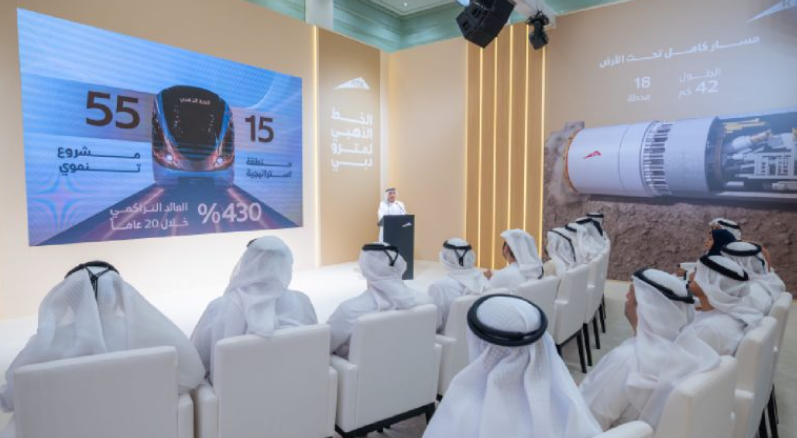
Dubai has approved the $9.2bn Gold Line metro, a 42 km fully underground line with 18 stations that will be the emirate’s first entirely subsurface route. The project will require deep excavations beneath dense urban districts, complex utility diversions and tunnelling under existing Red and Green Line infrastructure, demanding careful control of settlement and groundwater. Contractors can expect extensive use of TBMs in mixed ground, ground improvement around station boxes, and stringent monitoring to protect high-value surface assets.
Komatsu Mining India has signed a new contract with TMC Mineral Resources for two additional Joy Shuttle Cars, taking the contractor’s Joy shuttle fleet in India to more than 50 units. The deal extends a long-running underground coal partnership where Joy machines are used for batch haulage from continuous miners to feeder breakers in high-production bord-and-pillar panels. For mine planners and maintenance teams, the growing single-OEM fleet signals deeper standardisation of parts, controls and service regimes across TMC’s underground operations.
Sandvik has appointed Craig Johnston as VP Sales Area Australia & New Zealand, drawing on his experience in Parts & Service and Ground Support to tailor its global underground and surface mining portfolio to local conditions. Johnston is focusing on matching Australian Tier-1 miners’ demand for high-availability fleets with Sandvik’s automation-ready loaders and trucks, battery-electric equipment, and digital solutions such as OptiMine and AutoMine. The strategy centres on lifecycle support, with local rebuild capability and parts logistics aimed at reducing unplanned downtime in remote hard-rock operations.
Sandvik has appointed Patrick Murphy as President of its Mining business area and member of the Sandvik Group Executive Management, effective 1 July 2026. He will succeed Mats Eriksson, who is stepping down ahead of his planned retirement in 2027, signalling an orderly leadership transition in one of the sector’s largest underground and surface equipment suppliers. Murphy currently serves as President of Sandvik’s Rotary division, bringing direct experience in rotary drilling systems and surface mining equipment portfolios.
Willmott Dixon has secured a £92m contract to deliver an eight-storey, 14,200m² campus for the College of North West London at Wembley Park, procured via the Southern Construction Framework and targeting BREEAM Excellent. The scheme converts a long-disused building into an educational and community hub, with three stacked horizontal volumes housing specialist vocational workshops at lower levels, a central student hub opening onto a landscaped deck overlooking Wembley Way, and upper teaching floors linked by a full-height atrium. United Colleges Group will vacate two Brent sites, enabling development of about 1,900 new homes.
McLaren Construction has been appointed construction management partner for a three‑year programme of Sizewell C support facilities, including a permanent post‑16 “College on the Coast” in Leiston, a temporary accommodation campus with amenity building, a project office and an emergency response building. The campus will house and service the construction workforce on the Suffolk coast, while the college targets long‑standing gaps in local post‑16 provision linked to the new nuclear plant. Sizewell C’s site delivery director Damian Leydon framed the contract as a key step following the Development Consent Order triggered two years ago.
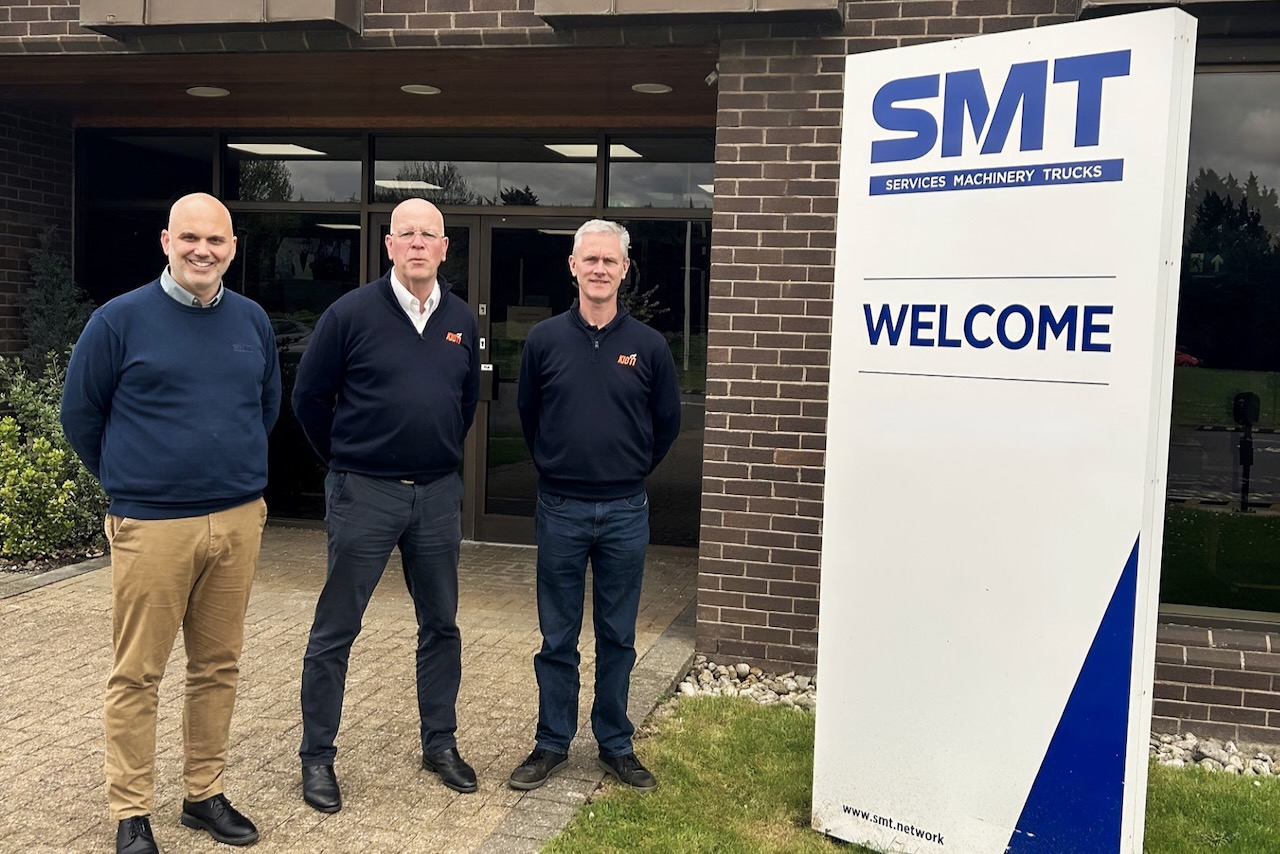
Volvo Construction Equipment dealer SMT GB has acquired Kioti UK, the compact tractor specialist’s UK distributor, to expand its compact equipment depot network and unify support for the Volvo, Dynapac and Kioti brands. The move follows SMT GB’s 2024 purchase of crusher and screener supplier AGGPRO and dealer appointments with Unicontrol (2022), Dynapac (2024) and Volvo Penta Industrial (2025), signalling a broader equipment and control systems portfolio. Existing dealer structures remain unchanged for now, but compact sales and service will increasingly run through a specialist partner model rather than direct supply.
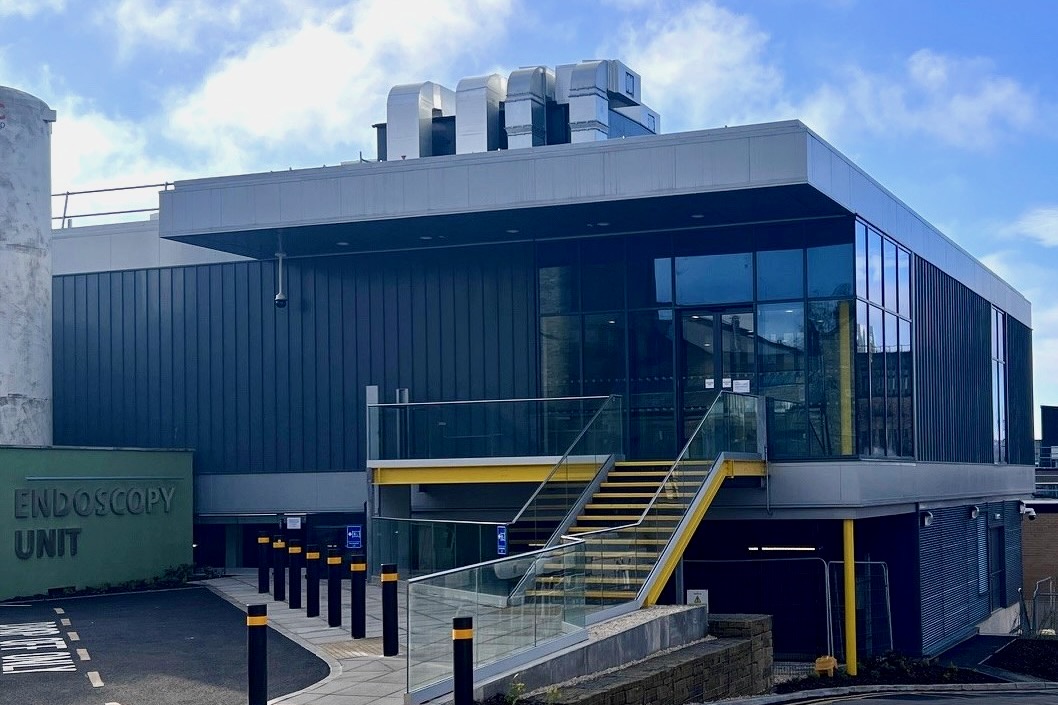
A new purpose-built endoscopy unit has opened at Bradford Royal Infirmary, providing eight procedure rooms plus private recovery pods, each with an en-suite bathroom, in a two-storey block linked directly to the main hospital and with a separate outpatient entrance. Consultant McBains acted as NEC supervisor, focusing on contract compliance, quality assurance and stakeholder communication throughout construction. The building uses energy-efficient lighting, photovoltaic panels and intelligent building management systems to cut operational carbon, with landscaped green spaces for biodiversity and most construction waste diverted from landfill.
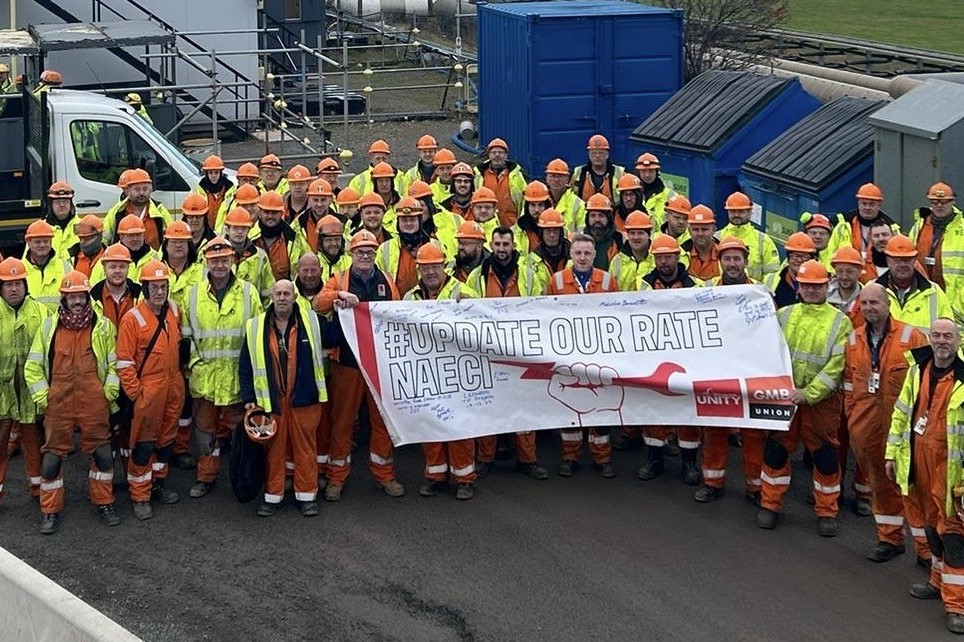
Engineering construction workers covered by the National Agreement for the Engineering Construction Industry have narrowly accepted a 4.5% pay rise, up from a 3.6% offer, affecting around 3,000 staff on repair and maintenance contracts at sites including EDF’s Sizewell B and Torness, Grangemouth, Drax, Stanlow ESSAR and GSK Montrose. The deal adds roughly £2,000 to annual wages for NAECI-grade personnel, influencing labour costs on major outage, shutdown and maintenance programmes. Unite, citing the slim majority, is already seeking to open 2027 pay talks with employers.
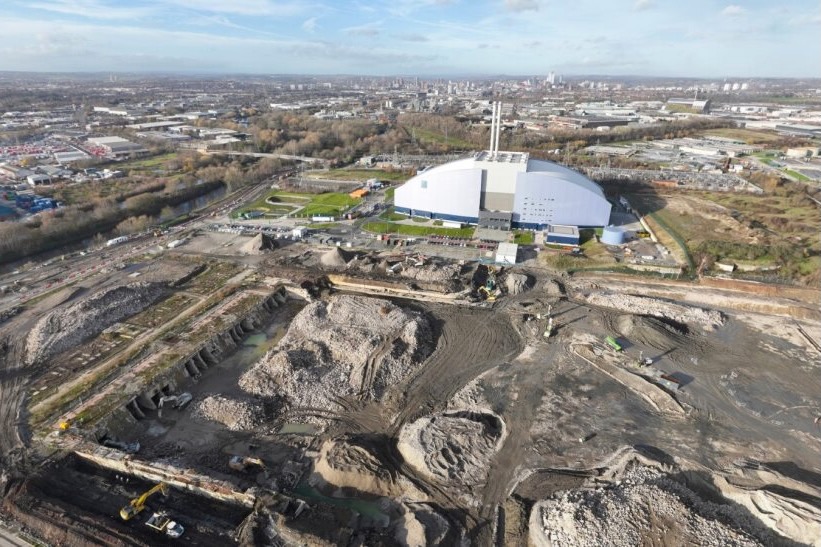
Leeds City Council has approved a 500,000 sq ft hyperscale data centre campus at Skelton Grange for Microsoft, comprising three data halls plus auxiliary buildings and an outline-consented warehouse. Adjacent to the site, Harworth Group will deliver a further 160,000 sq ft of industrial and logistics space with EV charging on a separate plot. Harworth has already sold 27 acres to Microsoft for £51.2m and is progressing remediation and enabling works, with a second 21-acre phase to follow for £53.2m.
Robertson Group has appointed Adrian Mole as CEO of its rebranded facilities management arm, RFM, after eight years in senior roles including executive managing director of Robertson Facilities Management. Marking the group’s 60th year of trading, RFM will stay family-owned and board-backed while targeting further UK expansion in both public and private sectors. Mole signalled a strategy centred on new technologies, long-term client partnerships and operational efficiencies across existing and new geographies.
Tanami Gold NL and MGX Resources have named Macmahon Underground as preferred contractor for developing their Tanami joint venture underground mine, signalling a move from study phase towards detailed design and execution planning. The scope is expected to cover decline development, level access, production stoping and associated ground support, with Macmahon likely to deploy its existing underground fleet and crews from other Australian hard-rock operations. For geotechnical and mine planning teams, the decision sets the framework for finalising ground support standards, ventilation layouts and production scheduling around a contractor-operated model.
Western Australia has committed more than $12 million to 96 greenfields and brownfields exploration projects under its latest support round for junior miners, targeting commodities from iron ore in the Pilbara’s Hamersley Range to battery metals across the state. Funding will typically cover high-cost early‑stage work such as deep RC and diamond drilling, detailed geophysics and geochemistry, and access tracks in remote terranes. Geotechs and exploration managers can expect increased drilling demand, more core for structural and geometallurgical logging, and tighter competition for rigs and specialist field crews through the next campaign cycles.
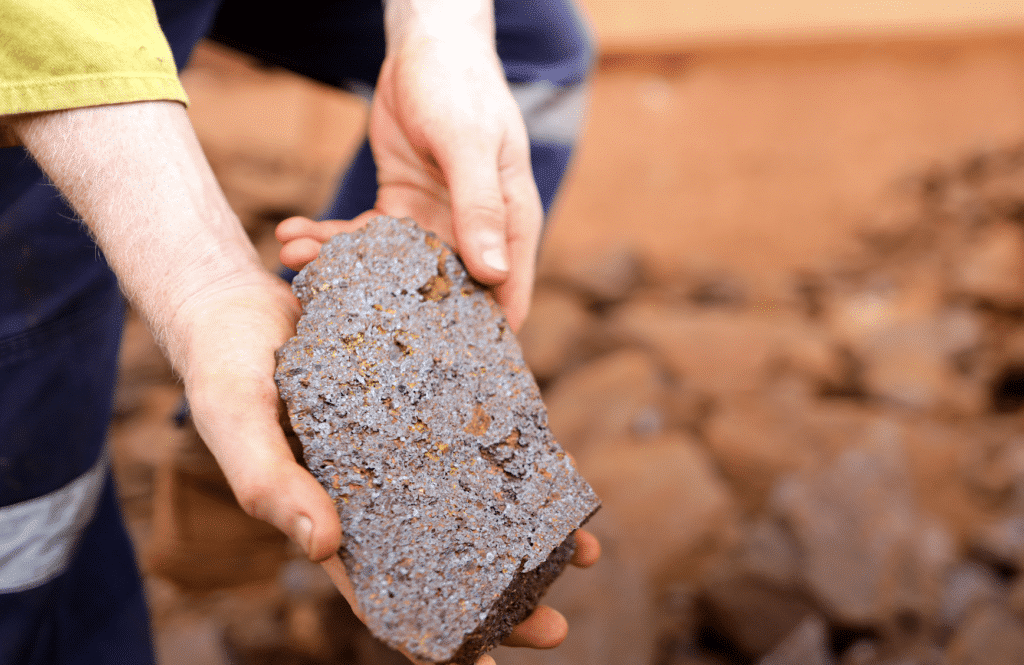
Fenix Resources has reached a haulage milestone of 10 million tonnes of iron ore moved since production began at its Western Australian operations, capping a resilient quarterly performance despite volatile benchmark prices. The company continues trucking ore from its Iron Ridge mine to the Geraldton Port over a 490km road haul, relying on contractor fleets rather than rail. For mine planners and logistics teams, the sustained long-distance road haul at this scale reinforces the viability of high-axle-load haulage on public-road corridors under tight cost and schedule pressures.
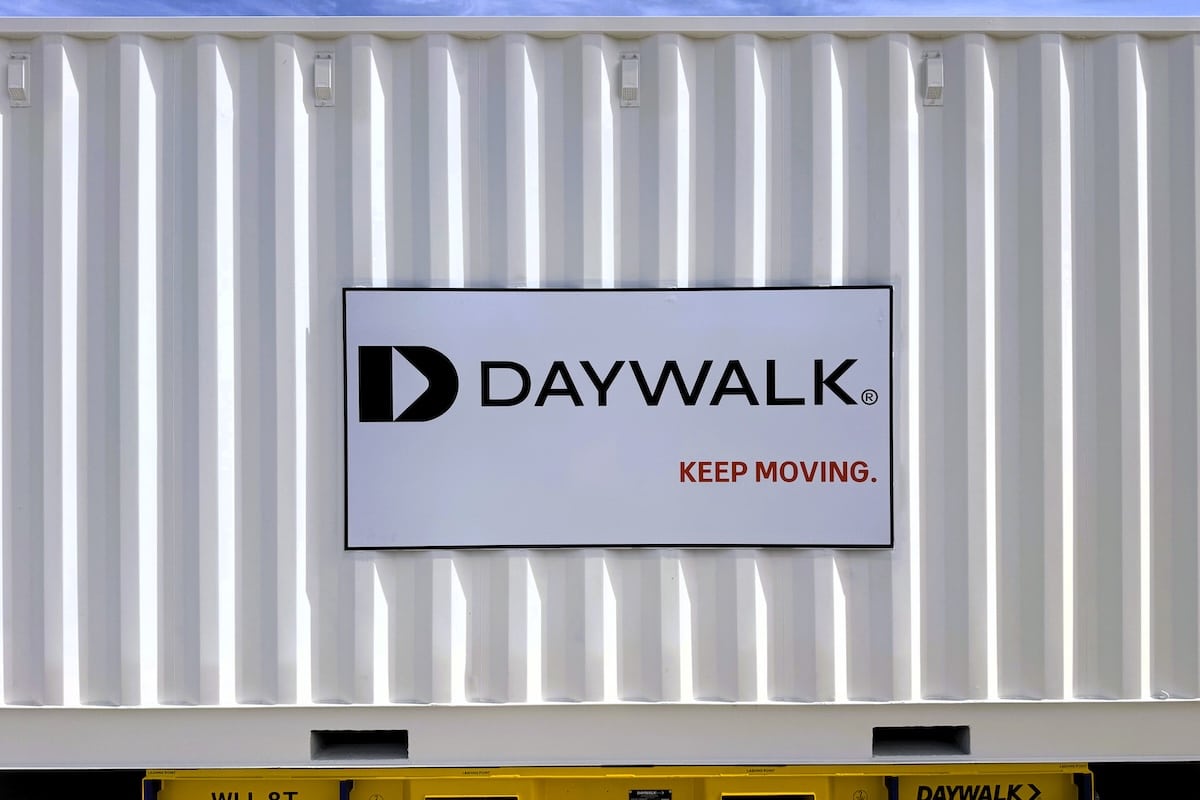
DAYWALK has launched an Australian-first certified load restraint container system featuring certified lifting lugs integrated into a 20-foot ISO container for mining logistics. The solution is engineered to reduce manual load securing, streamline chain-of-responsibility compliance, and cut double-handling on mine-to-port and mine-to-workshop freight movements. For site engineers, the key change is the ability to treat the container and its certified lugs as a single engineered lifting and restraint system, simplifying lift planning and documentation.
Professor Graham Heinson has received the Australian Academy of Science’s Haddon Forrester King Medal for lifetime contributions to geophysics and mineral exploration. A globally recognised leader in electromagnetic methods, Heinson’s work on deep crustal imaging and magnetotellurics has improved detection of concealed ore systems beneath thick cover. His advances in large-scale geophysical surveying and data inversion directly support lower-risk targeting for greenfields mineral exploration in structurally complex terrains.
Victoria’s Government is offering a 20 per cent reimbursement on existing light vehicle registrations, following April’s free public transport initiative aimed at easing fuel and broader cost-of-living pressures linked to conflict in the Middle East. The rebate targets passenger and small commercial vehicles, which dominate traffic volumes on arterial and suburban roads and drive much of the wear on pavements and bridges. For transport and road authorities, the measure may temporarily shift travel behaviour back towards private car use, with implications for congestion modelling and PT patronage forecasts.