Geomechanics, Streamlined.
© 2026 Geomechanics.io. All rights reserved.
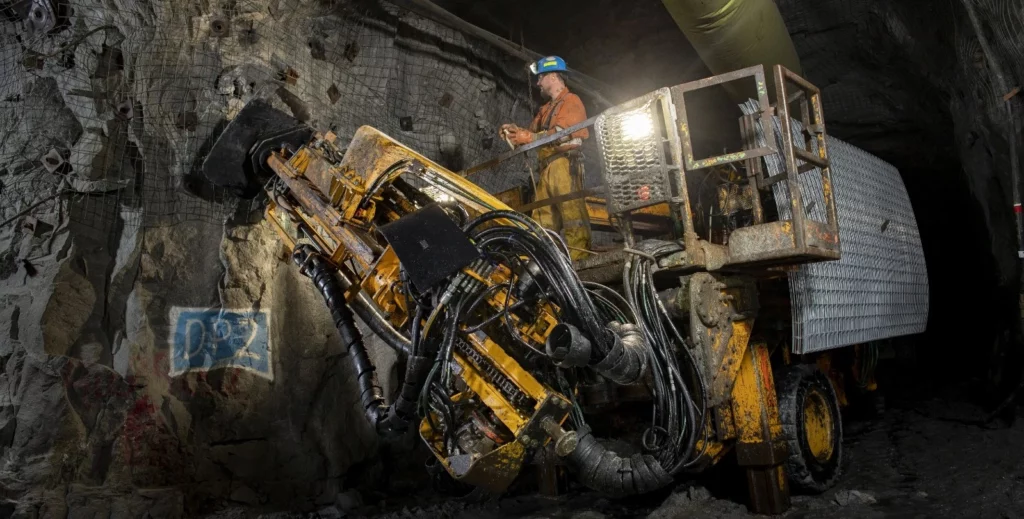
Ekati diamond mine owner Arctic Canadian Diamond (ACDC) has obtained CCAA creditor protection in British Columbia, with the order extending to parent Burgundy Diamond Mines, after average realised prices collapsed from about $92/ct in early 2024 to as low as $24/ct by December. The remote NWT operation, accessible only by air and winter road and historically employing about 1,000 staff, will continue surface and underground mining while Burgundy seeks a financial and operational restructuring of C$175 million-plus in debt. Rising fuel costs linked to Middle East conflict, lab-grown competition, weaker Chinese demand and US tariffs on natural stones have driven “significant losses” despite cost-cutting and the July shutdown of the Point Lake open pit.
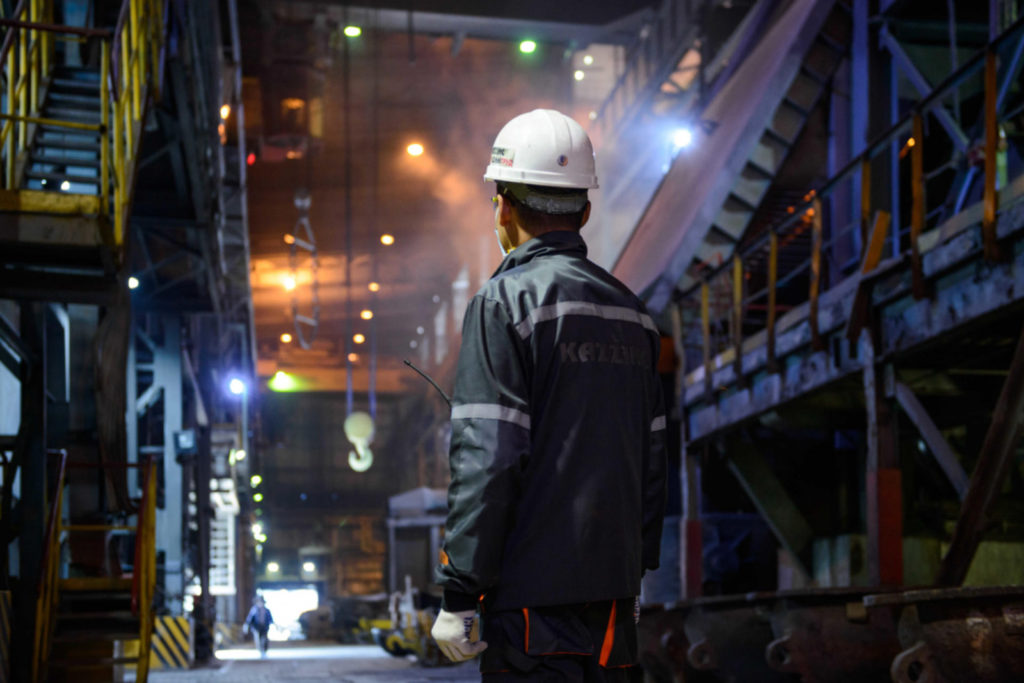
An explosion in a dust-collection unit at Glencore’s Kazzinc zinc-gold complex in Ust-Kamenogorsk, eastern Kazakhstan, has killed two workers, injured five and caused a partial building collapse during smoke-extractor cleaning operations. Kazakhstan’s Emergency Situations Ministry reports the dust unit blast triggered a subsequent fire, now extinguished, with search-and-rescue teams still checking for additional victims and no clarity yet on plant operating status. The incident hits Kazakhstan’s largest producer of zinc, lead, copper, gold and silver, as Glencore negotiates a reported US$4.5 billion sale of its 70% stake to local businessman Shakhmurat Mutalip.
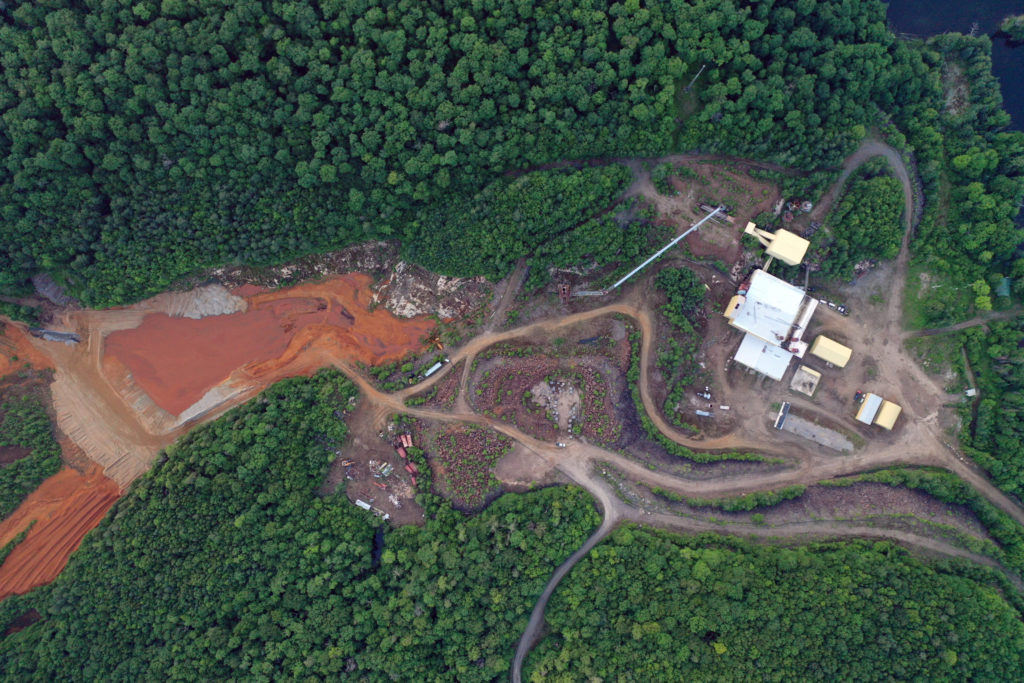
Global Battery Materials plans to restart Ontario’s Kearney flake graphite mine within about 20 months, targeting initial output of 23,000 tonnes of carbon graphite per year from 2028, rising to 50,000 tonnes, backed by WSP’s update of a 2018 feasibility study. The former Ontario Graphite asset hosts 23 million tonnes of proven and probable reserves at 1.95% Cg, plus 61.8 million measured and indicated tonnes at 1.99% Cg, supporting a projected mine life of at least 20 years. GBM is also advancing site selection for a 50,000‑tonne‑per‑year anode materials plant in Ontario, Quebec or the US, with production targeted from late 2028.
Teck Resources CEO Jonathan Price warned at CIM Connect in Vancouver that Canada risks missing the next wave of critical-minerals investment unless it compresses decade-long mine permitting timelines and builds shared infrastructure such as the proposed North Coast Transmission Line in northwestern British Columbia. He cited global power demand rising about 4% annually, a need for roughly 60 million km of new or replacement transmission lines by 2035, and electrification-driven copper demand climbing by about half from 2025 to 2040, with AI data centres further intensifying copper use. A panel featuring Rio Tinto’s Lucy Potter, Wheaton Precious Metals’ Randy Smallwood, Lundin Group’s Adam Lundin and Teck director Catherine McLeod-Seltzer stressed that predictable permitting, multi-user corridors and squeezing more metal from existing footprints matter more than governments trying to “pick winners”.
Newly listed Lumina Metals has signed a letter of intent with KGHM to negotiate technical and commercial terms for future copper concentrate supply from its 120 sq. km Nowa Sól underground copper-silver project in Poland’s Northern copper belt. The project, adjacent to KGHM’s existing copper-silver mines and processing facilities, hosts a measured and indicated resource of 604 million tonnes grading 1.24% copper and 38 g/t silver from over 51,000 metres of drilling. Lumina raised C$406.2 million in its TSX IPO, is targeting a Warsaw listing, and is currently trading around C$11.50 per share.
Peru’s $1.8 billion Tía María copper project saw its exploitation permit voided on 19 March 2026 and reissued on 20 April, despite being 23% built and targeting 120,000 tonnes of copper per year by early 2027, exposing acute regulatory volatility. Minem cited incomplete waste-dump design and inadequate scheduling, yet the rapid reversal amid a fragmented presidential race with 35 candidates shows how technical findings are weaponised by shifting political forces and local opposition in the Tambo Valley. With 200–400 permits, ~30 authorities and 5–15 year timelines now typical in Peru, operators must price in abrupt legal reversals even after construction approval.
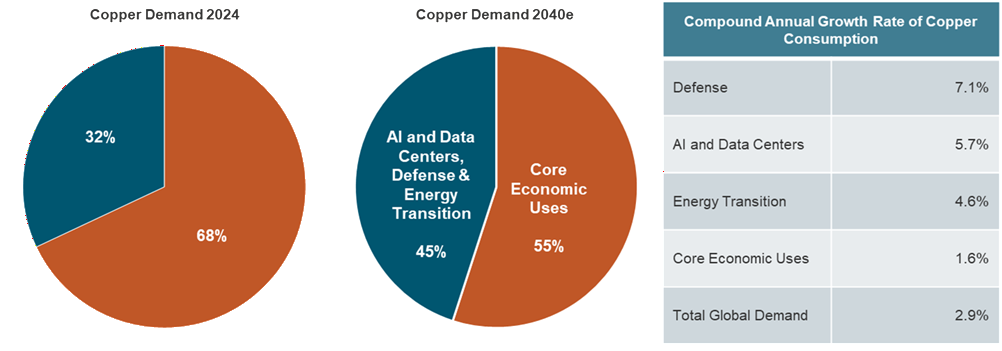
Geopolitical shocks from the US–Iran conflict are strengthening copper’s bull case, with Sprott analyst Jacob White forecasting that electrification, data centres and grid upgrades could lift these “strategic” uses from 32% of demand in 2024 to 45% by 2040, and noting this demand is less price-sensitive than construction. On the supply side, closure of the Strait of Hormuz has nearly doubled sulfuric acid prices, threatening SX-EW output that supplies about 4.8 Mt of copper and depends on sulfur flows from countries providing 49% of global sulfur trade. Despite higher sulfuric acid and diesel costs, Sprott says almost all copper mines remain profitable at the current US$13,000/t spot price, with copper equities already up 7.98% in April.
Norwegian synthetic graphite producer Vianode has signed a Letter of Intent with South Korea’s JR Energy Solution to supply anode-grade synthetic graphite for EV and stationary storage batteries, initially from the Via ONE plant in Norway and later from the planned large-scale Via TWO facility in St Thomas, Ontario. The partners will run joint product validation and qualification programmes and work on supply chain integration to deploy Vianode’s low-emission synthetic graphite technology. With more than 95% of synthetic graphite for lithium-ion cells currently sourced from China, the deal signals a push to diversify anode material supply into Europe and North America.
Loadquip has completed factory acceptance testing of a 1,500 t/h salt harvester for BCI Minerals’ Mardie Salt Operation on Western Australia’s Pilbara coast, clearing the unit for transport after finalising works on the tractor module. The harvester is designed for large-scale pond operations typical of solar salt fields, where consistent high-throughput mechanical recovery is critical to meeting evaporation-pond production schedules. For mining engineers, the milestone signals imminent on-site commissioning and integration with Mardie’s materials handling chain, including conveyors, stockpiles and shiploading.
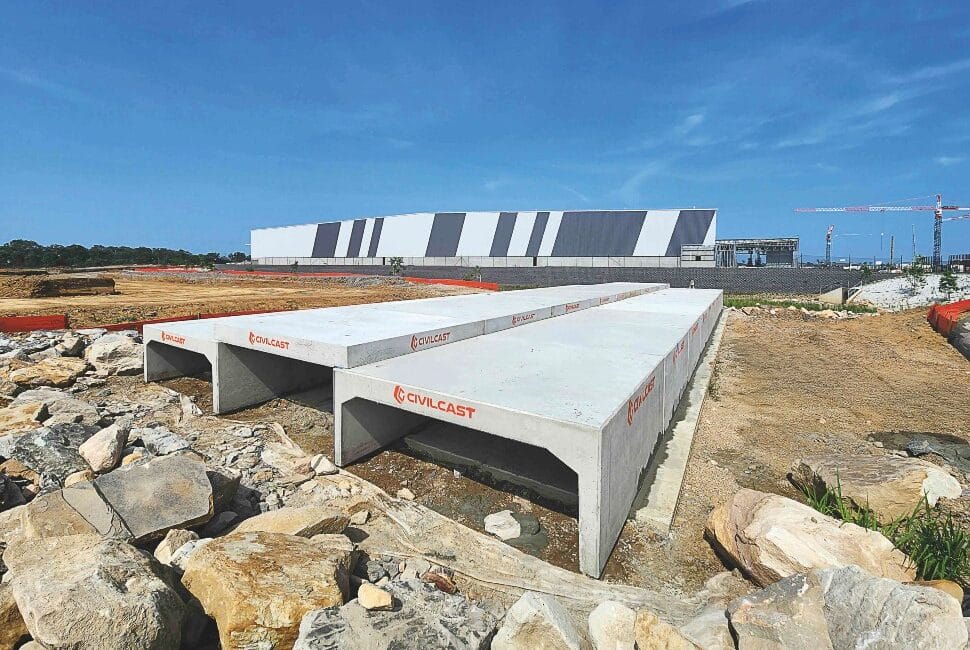
Civilcast is supplying bespoke precast culvert systems tailored to individual residential, transport and major infrastructure projects, moving away from one-size-fits-all box and pipe culvert layouts. The company is customising dimensions, joint details and load classes to suit site-specific hydraulic demands, geotechnical conditions and traffic loading envelopes, rather than forcing projects to adapt to catalogue units. For designers and contractors, this enables tighter control of cover depths, utility clearances and construction sequencing, particularly on constrained brownfield corridors and high-traffic road upgrades.
The 2026 Women in Industry Awards will be held on 18 June at Doltone House Darling Island Wharf in Sydney, bringing together senior leaders and technical specialists from construction, transport, mining, manufacturing and related industrial sectors. The event recognises women driving operational, engineering and project delivery outcomes across areas such as major road upgrades, heavy plant operations, asset maintenance and advanced manufacturing. For civil, geotechnical and mining firms, participation signals support for workforce diversity in site-based roles and technical leadership, which is increasingly scrutinised in government procurement and Tier 1 contractor supply chains.
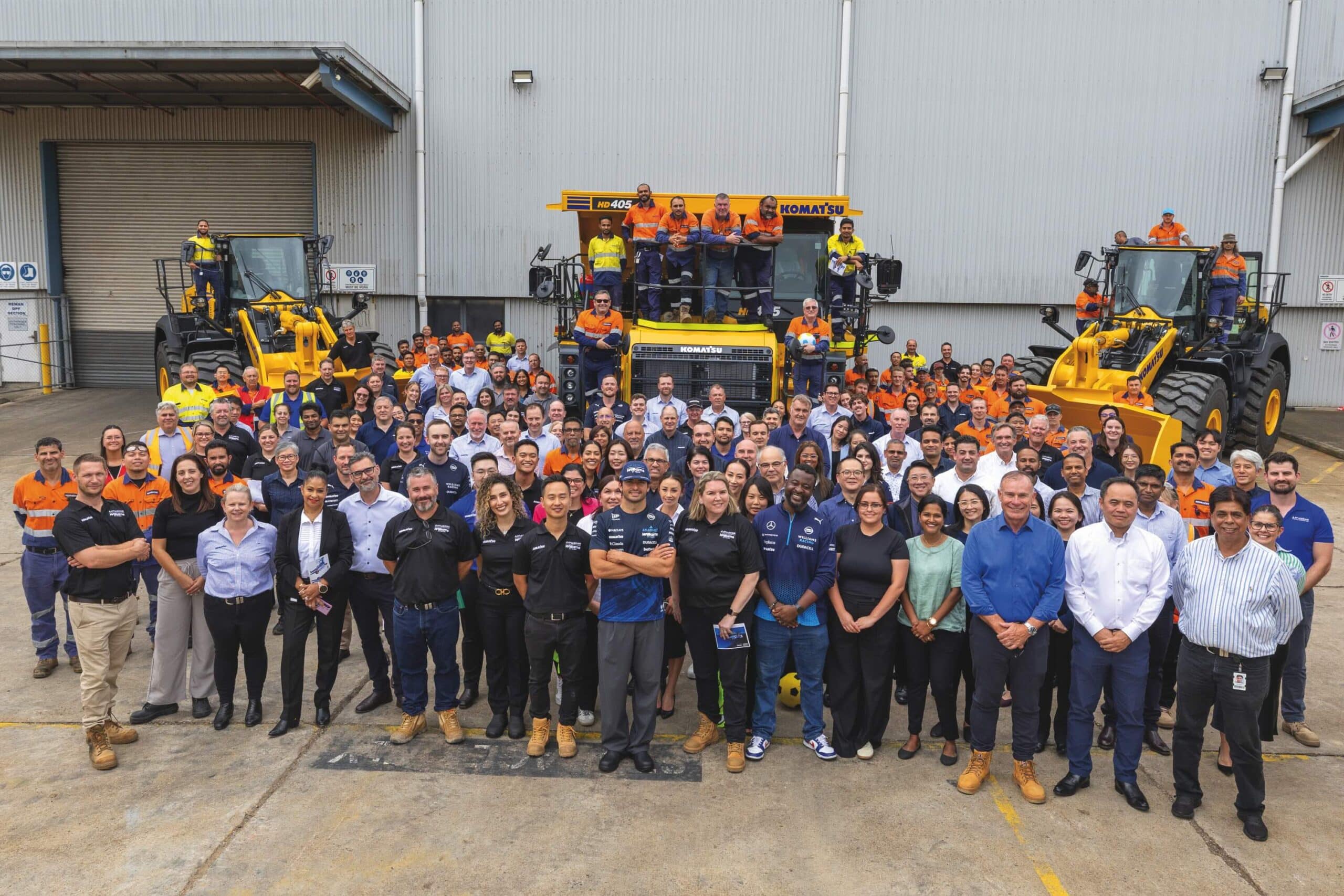
Komatsu has strengthened its partnership with the Atlassian Williams Formula One team through a visit by F1 driver Carlos Sainz to its Sydney facility, reinforcing the OEM’s branding push in Australia’s civil and mining equipment markets. With more than 60 years of continuous Australian operations, Komatsu is using the alliance to showcase its heavy earthmoving and construction machinery directly to contractors and fleet customers. The move signals continued investment in local support, parts and service capability for high-utilisation plant on major infrastructure projects.
South Australia’s Expand Together infrastructure program is offering multicultural community organisations up to $100,000 per project for equipment or small-scale infrastructure, with mandatory co-contributions for grants above $50,000. Funding sits alongside two other core multicultural support streams and targets facilities such as community centres, cultural hubs and sport or meeting spaces. Civil and building contractors can expect a pipeline of modest refurbishment and fit-out works across metropolitan and regional SA, with projects required to be delivered within defined program timeframes.
Magnetite Mines is accelerating funding and partnership talks for its Razorback magnetite iron ore project in South Australia after Chinese steelmakers signalled strong interest in high-grade, low-impurity feed for decarbonised “green iron” production. Managing director Tim Dobson is targeting offtake-linked financing and potential strategic equity from Chinese mills and trading houses, positioning Razorback’s planned concentrate as a premium product for direct reduction and lower-emission blast furnace blends. The shift tightens project timelines for detailed engineering, infrastructure access on the Braemar, and ESG credentials demanded by Chinese buyers.
Chalice Mining has defined a 2.5km-long, strong and coherent copper–molybdenum–silver soil anomaly at its West Yilgarn project in Western Australia, while advancing infill and extensional drilling at the Gonneville nickel–copper–PGE deposit near Perth. The new anomaly, identified through systematic soil geochemistry, sits along strike from existing targets and will be followed up with RC and diamond drilling once access and heritage clearances are in place. For geologists and resource modellers, the work signals potential scale beyond the current Gonneville resource envelope and a broader polymetallic footprint in the district.
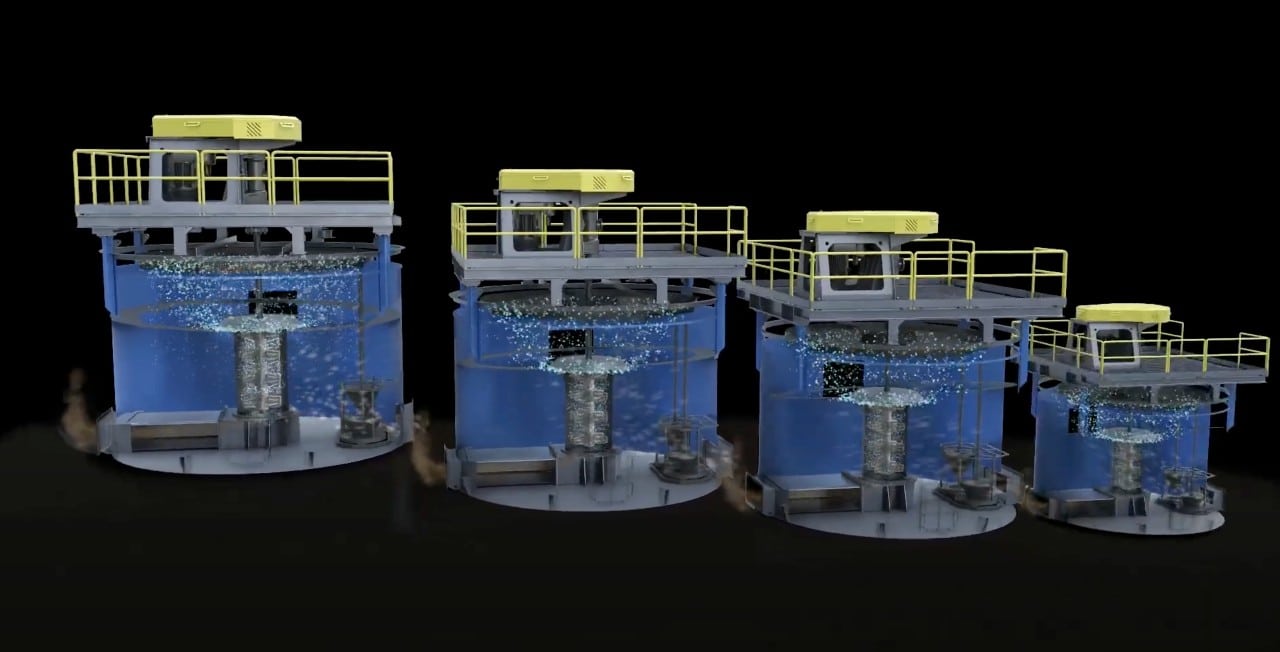
Eriez has released an educational video detailing its StackCell high-intensity flotation technology, which separates bubble-particle contacting from froth phase separation to improve kinetics and concentrate grade. The system uses a small, high-shear contacting chamber feeding into a larger, low-turbulence tank, allowing finer grind flotation and reduced residence time compared with conventional mechanical cells. For plant designers, the modular StackCell arrangement offers potential footprint reductions and retrofit options in existing rougher–scavenger circuits without major civil changes.
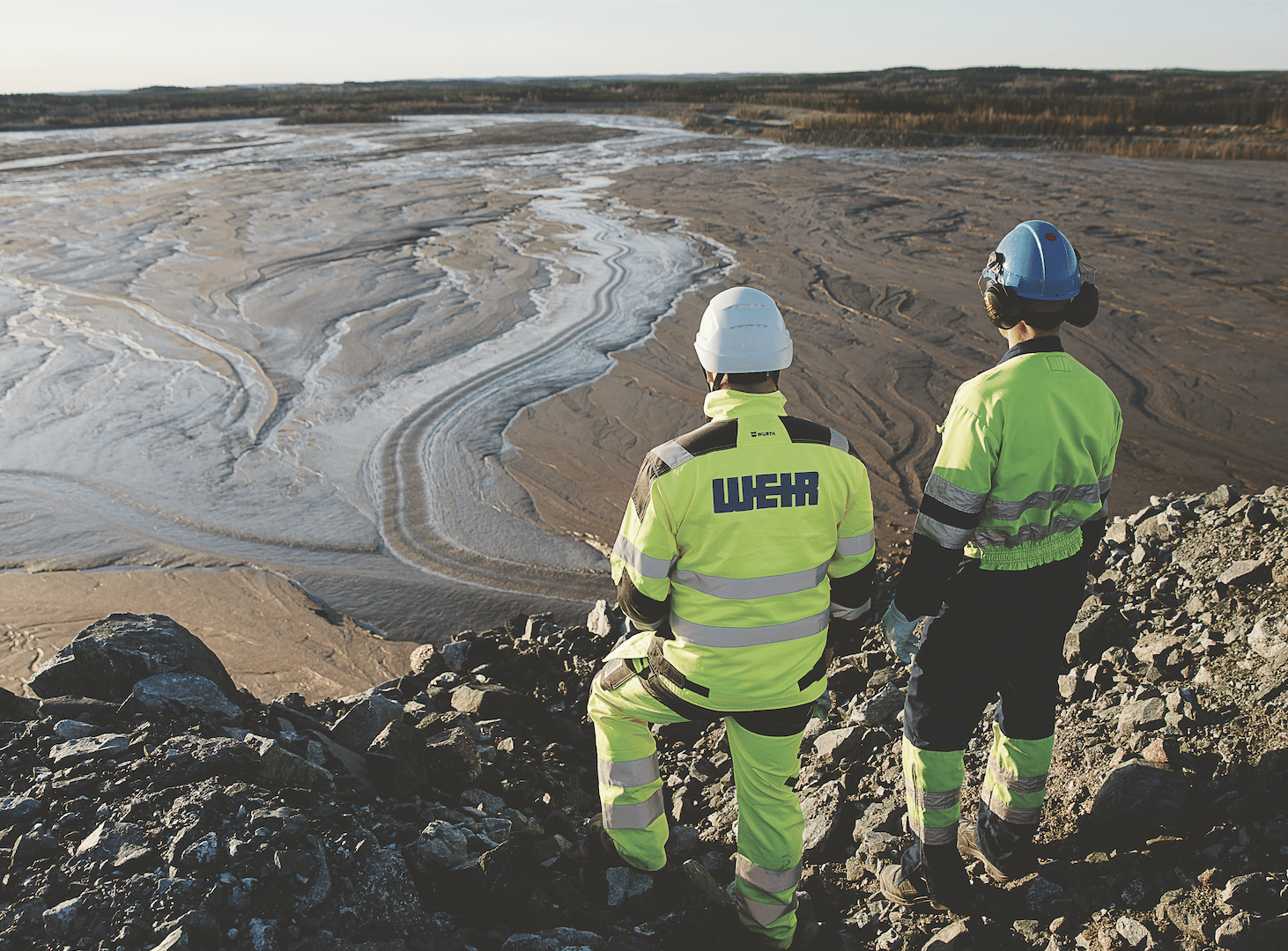
Andrew Neilson, who has led Weir Group’s strategy and sustainability functions for much of the past 15 years, is set to become the company’s next chief executive, signalling continuity in its push on tailings and process efficiency technologies. Weir has been promoting alternatives to conventional wet tailings, including higher-density and filtered tailings solutions integrated with its slurry pumps and dewatering equipment. For mine operators, the leadership change suggests ongoing investment in tailings management systems and wear-resistant process equipment rather than a pivot away from these core technical offerings.
Gold explorers across Victoria advanced drilling and project definition in the March 2026 quarter, with several juniors reporting thicker high-grade intercepts and updated JORC-compliant resource estimates. Multiple ASX-listed companies used the quarter to raise fresh equity and restructure debt, shoring up balance sheets to fund step-out drilling, infill programmes and scoping or pre-feasibility studies on near-surface and underground lode systems. Activity centred on brownfields extensions around existing mills and historic workings, signalling a pipeline of potential satellite ore sources rather than standalone greenfield plants.
Turner & Townsend has appointed former Royal Mail chief executive Emma Gilthorpe as chief transformation officer, a new role tasked with embedding AI and digital technology across its global programme management platform. Gilthorpe previously led Royal Mail’s 130,000-strong workforce back to profitability within a year and spent nearly 15 years on Heathrow Airport’s executive team, including serving as chief operations officer through the Covid-19 disruption. Working alongside COO David Whysall, she will target data-driven delivery solutions for real estate, infrastructure, energy and natural resources clients.
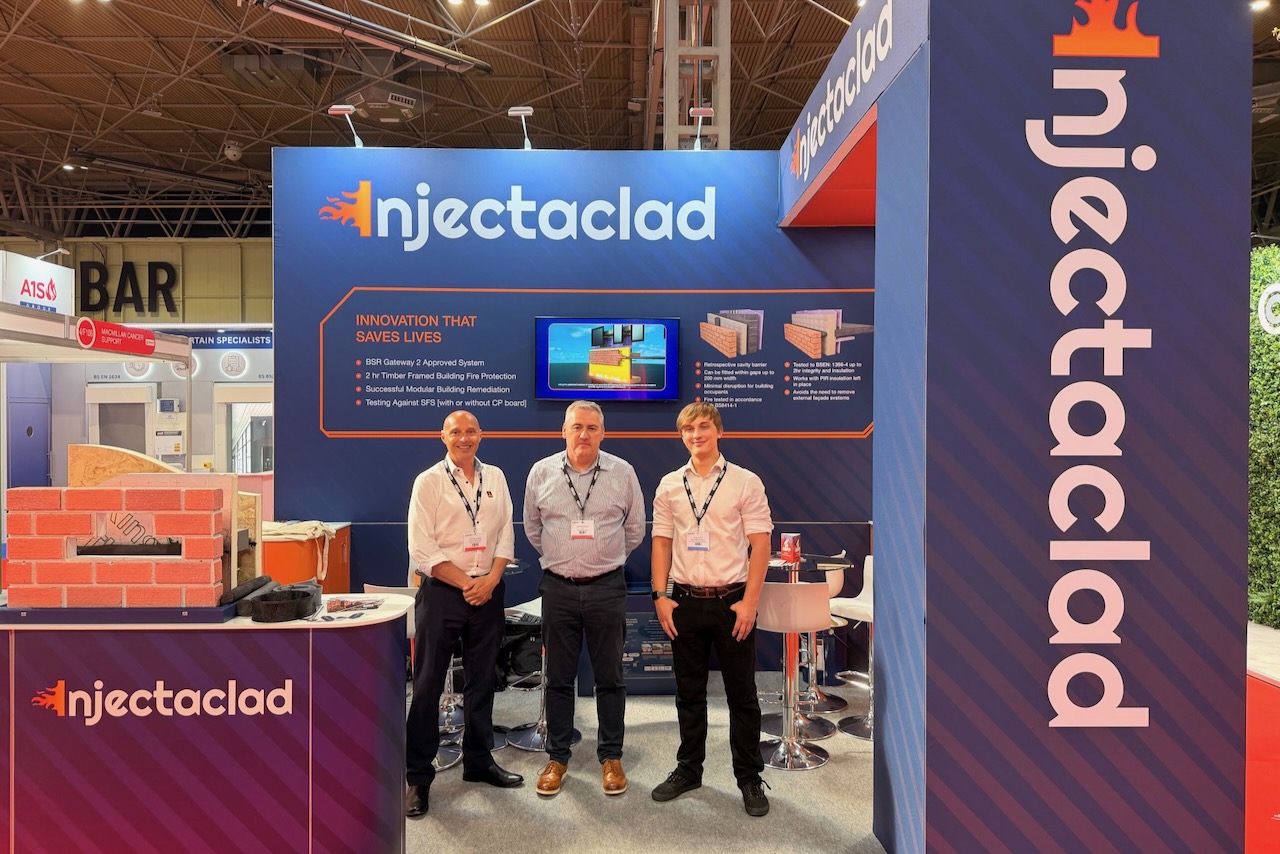
Injectaclad has secured its first post-acquisition order following Light Science Technology Holdings’ April purchase of manufacturer RLUK Injection Ltd, supplying about £0.41m of its fire-resistant graphite barrier system to a five-storey residential block in East Yorkshire. The 19-week project, starting in early May 2026, will use Injectaclad to reinstate missing or damaged passive fire protection without full façade removal. LSTH now operates as both installer and supplier, leveraging a network of 11 approved installers and increasing specification in building safety regulator applications.
Anglian Water’s Helea sludge treatment process and Haskoning’s Ephyra technology will be deployed at São Paulo’s Barueri and São Miguel wastewater treatment plants, marking the first international mega-city application of the simplified Helea Lite configuration. Barueri, Latin America’s largest WWTP, will boost capacity from 16,000 to 22,500 litres per second, while São Miguel will rise from 1,500 to 5,500 litres per second, together serving about 10 million people. Biogas from the upgraded processes will feed combined heat and power, thermal sludge drying and other on-site energy recovery uses.
Bouygues plans to recruit 30,000 people in 2026, including 2,700 roles in the UK across its construction arms Colas and Bouygues and its energy and services division Equans, adding to its existing 20,000-strong UK workforce. UK hiring will be concentrated in London, Birmingham and the Liverpool–Manchester corridor, with additional international intake of 1,250 in Switzerland, 400 in Australia and 300 in Morocco. For contractors and consultants, the scale of this intake signals strong forward workload in energy transition, infrastructure delivery and digital-led services.
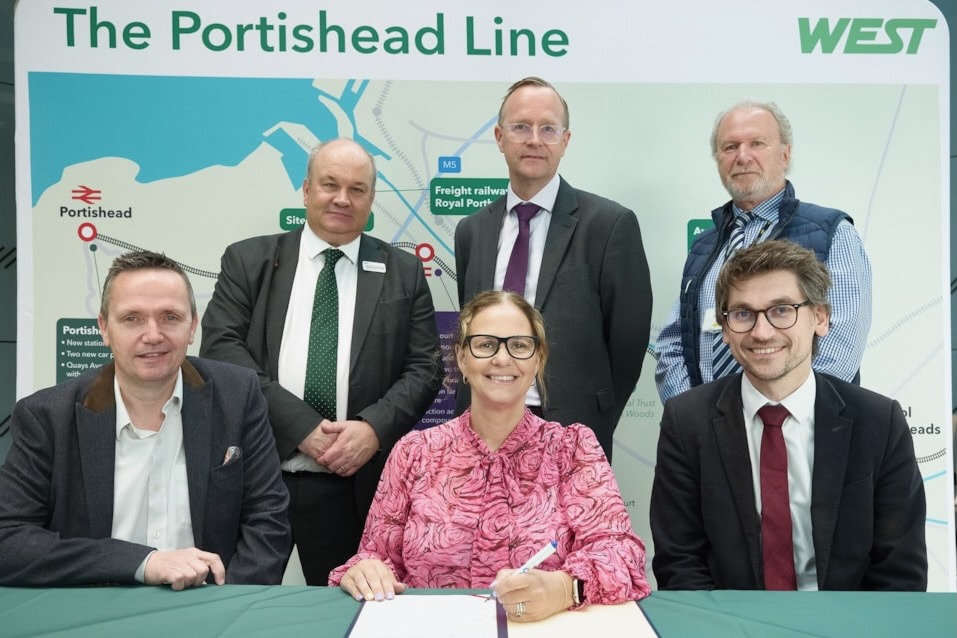
Network Rail has let £200m of contracts to reinstate the Portishead railway line, including two new stations at Portishead and Pill, three miles of new track and a digital signalling system designed and installed by Colas Rail. Morgan Sindall Infrastructure will lead rail and highways construction, while AmcoGiffen will renew a railway bridge, reinforce embankments and deliver associated highways works in Bristol. Construction compounds are already being established off Harbour Road, the A369 Portbury Hundred and Monmouth Road, with opening targeted for winter 2028/29 to reconnect over 50,000 residents.
Daimler Truck AG has bought eStar Truck & Van Ltd, taking six dealerships at Knowsley Truck, Knowsley Van, Stoke-on-Trent, Deeside, Trafford Park and Skelmersdale into its Own Retail network to create a direct sales and service presence in North West England. The sites sit on key freight corridors around the M6, M62 and the port of Liverpool, serving logistics flows through Greater Manchester, Merseyside and North Wales. Daimler aims to cut response times for fleet operators, tighten parts support and position its network for zero-emission truck deployment.