Geomechanics, Streamlined.
© 2026 Geomechanics.io. All rights reserved.
Edinburgh’s Gold Copper Diamide Extraction (GCDE) process has been exclusively licensed to Lithium Universe, enabling low‑temperature hydrometallurgical recovery of gold and copper from e‑waste using small, reusable organic ligands instead of >1,200°C smelting or cyanide and mercury leaching. The diamide “molecular magnet” first targets gold, followed by a selective copper step, delivering high‑purity metals from printed circuit boards where gold and copper content can exceed US$48,000 per tonne at current prices. Lithium Universe will integrate GCDE into its Precious Metals Recycling Division and sub‑licence the technology globally.
Evonik has formed a strategic partnership with the School of Mining at the University of Guanajuato in Mexico to develop next‑generation sustainable, lower‑toxicity reagents for mineral processing. The collaboration centres on Evonik’s biosurfactant platform, targeting replacement of conventional petrochemical surfactants in flotation and related unit operations to cut ecotoxicity and improve biodegradability. For mine operators, this points to future options for meeting stricter water‑quality and tailings‑discharge limits without major flowsheet changes.
Tharisa Minerals has deployed an advanced adaptive wireless network across its South African open-pit mine in partnership with hybrid ICT integrator Datacentrix, creating what it calls a highly connected, data-driven operation. The Africa-first solution replaces legacy, patchy communications with a mine-wide, high-bandwidth wireless backbone designed to support real-time fleet telemetry, high-resolution condition monitoring and IP-based voice and video. For geotechnical and mining engineers, the infrastructure enables faster dispatch decisions, tighter drill-and-blast control and more reliable data capture from mobile equipment and in-pit monitoring systems.
Metso has inaugurated an expanded Service Centre and a new Training Centre in Mesa, Arizona, combining OEM‑level maintenance for crushers, mills and screens with a purpose‑built classroom and hands‑on training facility in a single site. The Mesa hub is positioned to support large copper and gold operations across the US Southwest, reducing overhaul lead times by keeping critical component repairs and rebuilds closer to mine sites. Co‑located training on Metso equipment and digital tools should help standardise maintenance procedures and improve asset availability for regional fleets.
Sandvik Mining has secured ISO/IEC 27001 certification for its global IT application delivery after an independent external audit of its Information Security Management System. The accreditation covers mission‑critical digital business capabilities supporting mining operations, including protection of operational data, system availability and integrity for fleet management, automation and remote monitoring platforms. For mine operators relying on Sandvik’s connected equipment and cloud‑hosted services, the certification provides a defined, audited framework for risk management, access control and incident response in line with the leading international information security standard.
Queensland’s 2032 Olympic and Paralympic Games programme is driving an unprecedented transport and civil works pipeline, with RoadAid Director and Founder Chris Couldrey warning that concurrent megaprojects will strain labour, plant availability and traffic management capacity. Couldrey points to tightly sequenced upgrades on key motorway corridors and urban arterials, plus complex staging around live networks, as critical risks for cost escalation and schedule slippage. He argues that standardised workzone designs, stronger subcontractor prequalification and earlier utility coordination could leave a lasting uplift in project delivery capability beyond 2032.
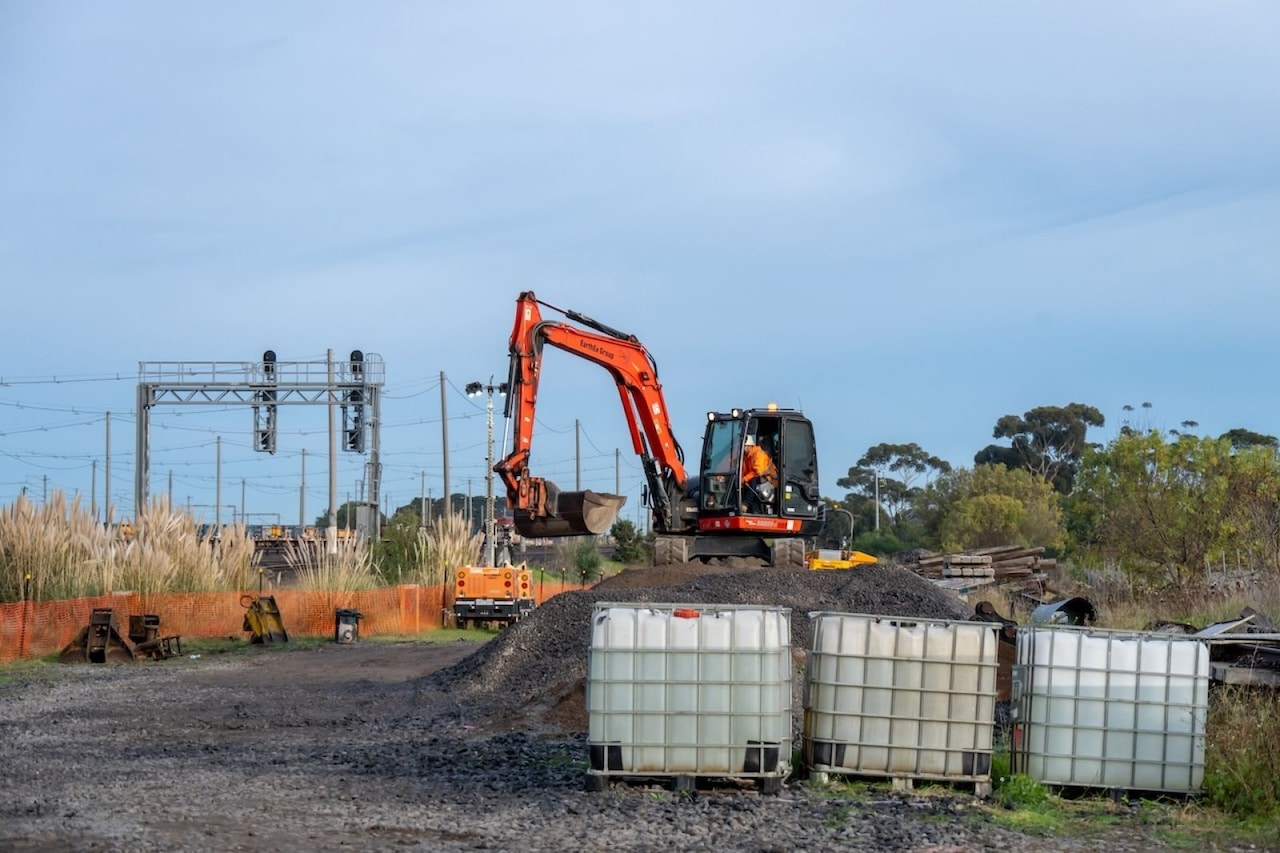
Works on Melbourne Airport Rail Stage One are advancing, with site investigations now under way in Tottenham for the West Footscray to Albion Rail Upgrade. The first stage will untangle approximately six kilometres of existing track between West Footscray and Albion and construct two new platforms at Sunshine Station, a key junction for regional and metropolitan services. Track reconfiguration and additional platform capacity will be central to future airport rail operations planning, signalling design, and construction staging around live rail corridors.
Georgiou Group is using the New Midland Station project in Western Australia as a training ground for emerging engineers and supervisors while delivering a major rail and precinct upgrade. The contractor is integrating station construction with live rail operations and surrounding road interfaces, requiring tight staging, complex traffic management and coordination with existing utilities. Structured mentoring and on-the-job exposure to brownfield constraints, rail safety protocols and multidisciplinary interfaces are intended to build capability for future large-scale transport infrastructure pipelines.
Design for the $250 million Curtis Road Level Crossing Removal in Adelaide has been released, targeting a bottleneck where about 21,000 vehicles cross daily and boom gates are down up to 15 minutes each peak hour. The concept aims to separate road and rail at this high‑delay interface, with layout and structural options now open to community feedback during May. For designers and contractors, key issues will include maintaining traffic flow during construction staging and managing rail possessions on this busy corridor.
Brightstar Resources has intersected multiple zones of visible gold in deep diamond drilling at the Two Mile Hill deposit, strengthening the case for underground development at its Sandstone gold project in Western Australia. The adjacent Two Mile Hill–Shillington system hosts a combined JORC mineral resource of 753,000 ounces at 1.5 grams per tonne gold, with the new intersections extending mineralisation at depth. Results point to potential for higher-grade underground stopes beneath the current open-pit shells, which could materially change mine design and scheduling.
China’s April 2025 export licensing rules on several medium and heavy rare earth categories immediately disrupted supply to defence, energy and automotive manufacturers, with buyers scrambling for non‑Chinese oxides, metals and magnets. The later delay of a second control round has given Australian and US developers a short window to advance mine, concentrator and separation projects, including hydrometallurgical plants capable of producing NdPr, Dy and Tb products to specification. Engineers are now prioritising logistics corridors, power and reagent supply, and waste and tailings infrastructure sized for multi‑decade rare earth operations.
Exploration activity across Australia remains strong, with Aureka, Stelar Metals and Western Mines Group all advancing drilling and field programmes targeting gold, tungsten and nickel. Aureka has started an infill diamond drilling campaign at the St Arnaud Comstock project in Victoria to upgrade resource confidence, signalling a move towards more detailed geological modelling and potential resource estimation. Parallel work by Stelar Metals and Western Mines Group on tungsten and nickel prospects points to continued funding and technical focus on critical and battery metals exploration.
Sale of the Whyalla Steelworks in South Australia has entered its final phase, with M Resources and India’s Jindal Steel shortlisted as bidders while BlueScope Steel holds a right of last offer over the asset. The outcome will shape future investment in Whyalla’s integrated blast furnace–basic oxygen furnace operation and associated port and rail logistics, which are critical for regional iron ore value-adding. For miners and contractors, ownership changes could alter coke, pellet and scrap demand profiles and influence local steel supply for major infrastructure projects.
Three developments this week show Australian critical minerals projects are now tightly bound to geopolitics, with the Quad partnership (Australia, US, Japan, India) pushing diversification of lithium, rare earths and other supply chains away from China. New trade and national security settings are shaping project finance, offtake agreements and processing locations, particularly for downstream refining of rare earth oxides and battery precursors. For miners, permitting, capital access and long-term contracts increasingly depend on alignment with allied strategic and diplomatic priorities, not just ore grades and IRRs.
Rolls-Royce has selected Škoda JS and Doosan Enerbility to deliver key nuclear island components, including reactor pressure vessel bodies, for its Small Modular Reactor (SMR) programme. The Czech and Korean suppliers will carry out pre‑production, design finalisation and manufacturing readiness work to secure long‑lead items and enable “designed for manufacture” reactor hardware. Initial SMR units are planned for Wylfa in the UK and Temelín in the Czech Republic, with a standardised fleet model intended to industrialise reactor build and stabilise long‑term supply chains.
Balfour Beatty has secured an £83m contract from Hub North Scotland to build the 12,143 m² Forres Academy secondary school in Moray for Moray Council, designed for 1,120 pupils under Phase 3 of the Scottish Government’s Learning Estate Investment Programme. The campus will include a full-size 3G artificial grass pitch and new car parking, replacing the existing school on the site. Delivery will draw on Balfour Beatty’s previous Moray school projects at Elgin High, Lossiemouth High and Linkwood Primary, with Hub North Scotland signalling additional training, employment and community benefits.
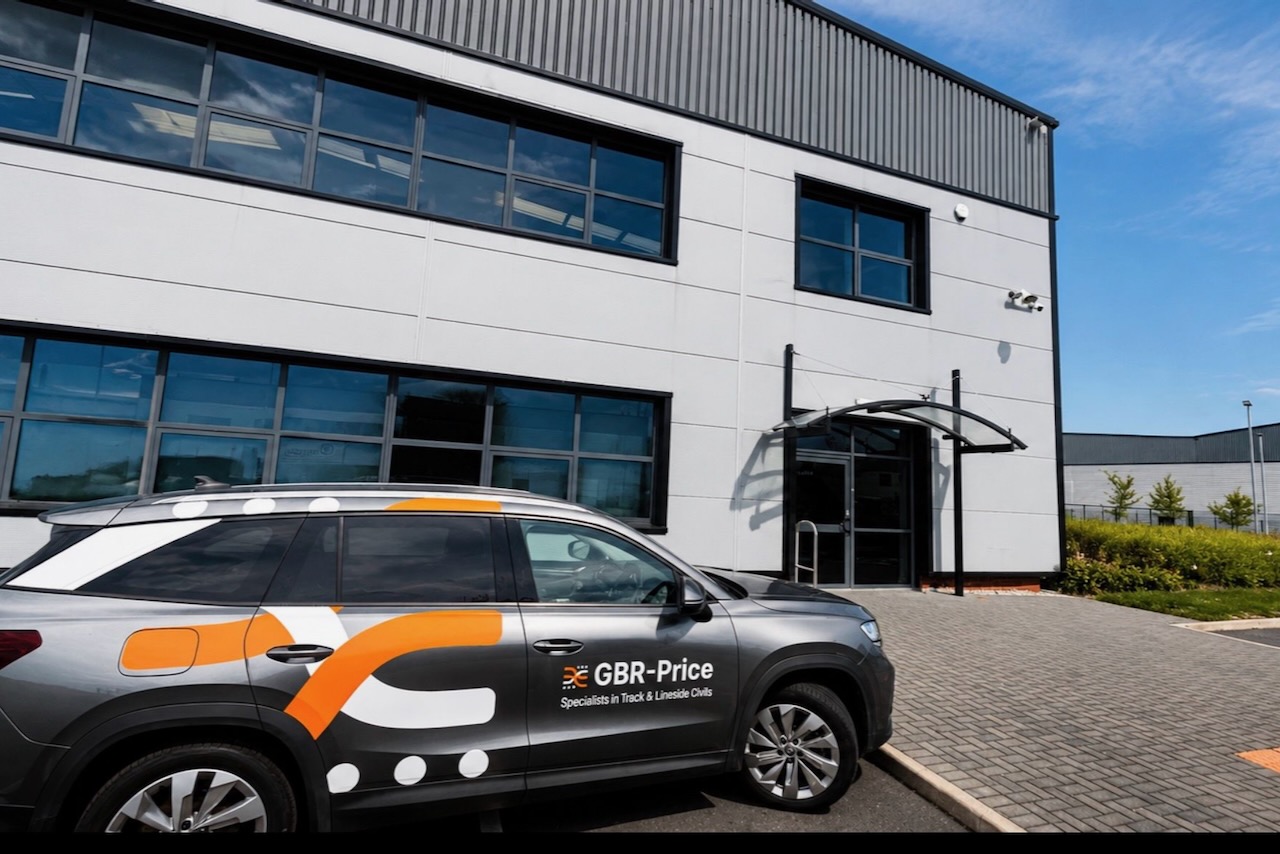
Rail infrastructure specialist GBR-Price Group has secured Barclays funding to buy its first owned premises, moving from rented facilities to support expansion of UK-wide rail track installation, platform construction and depot development. The group operates through four specialist businesses, with GBR-Price Rail Limited as the main delivery arm, and currently employs about 250 staff with turnover of roughly £15m in 2025. Owning a permanent base is intended to increase operational stability and capacity as demand for specialist rail engineering services continues to grow.
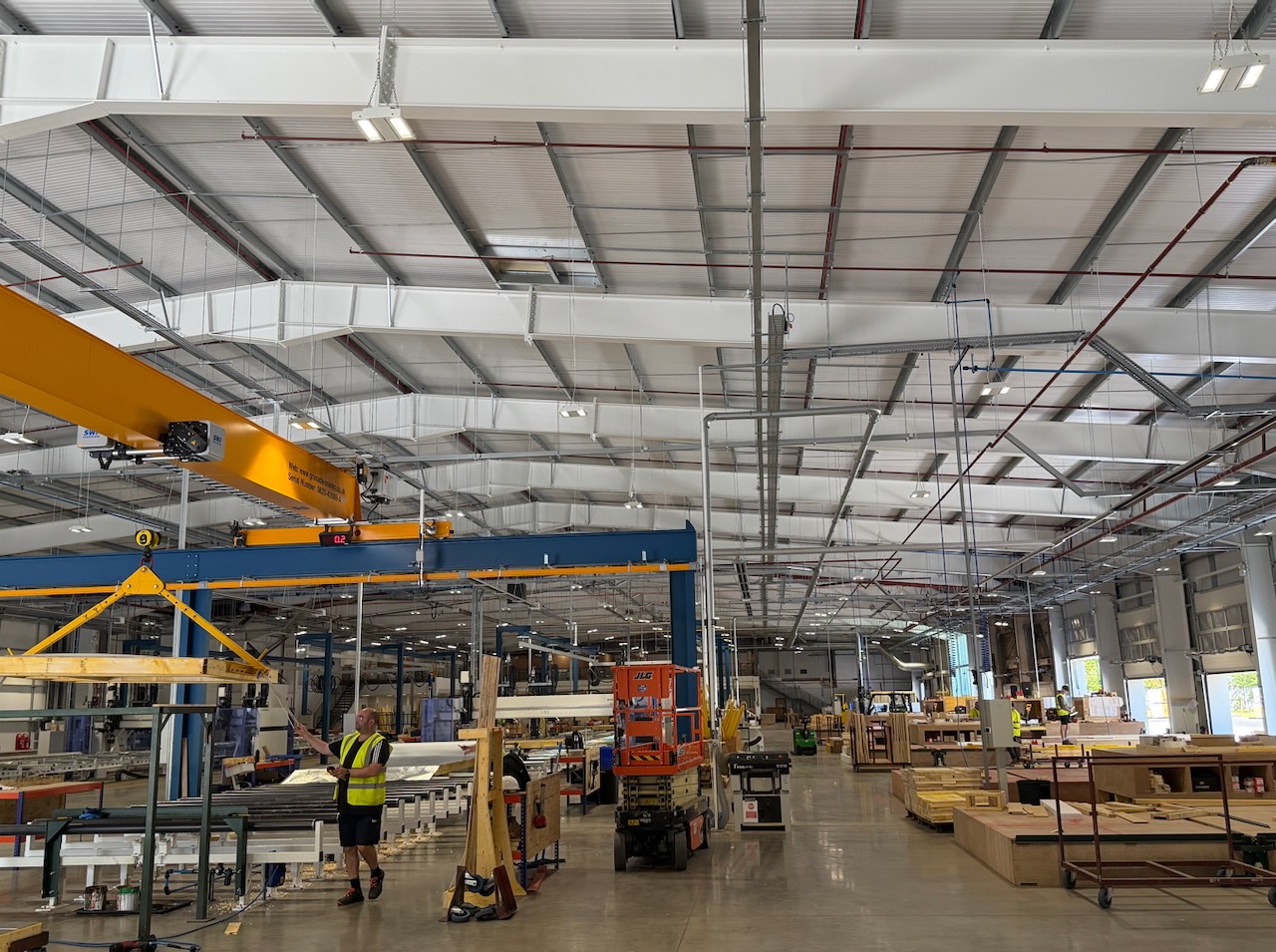
Oregon Timber Frame has completed the final phase of a £25m expansion at its Selkirk HQ, adding north and south factory extensions to 69,000 sq ft and 25,000 sq ft respectively and installing two automated panel lines to lift output from 3,500 to 5,000 timber frame house kits per year. Barratt Redrow plans to push capacity to 9,000 kits annually within two to three years, supported by 50 new manufacturing roles and up to 30 support posts, taking production capacity up 43%. A separate £40m, 187,000 sq ft factory in Derby, opened in 2023, underpins wider rollout of timber frame systems across England.
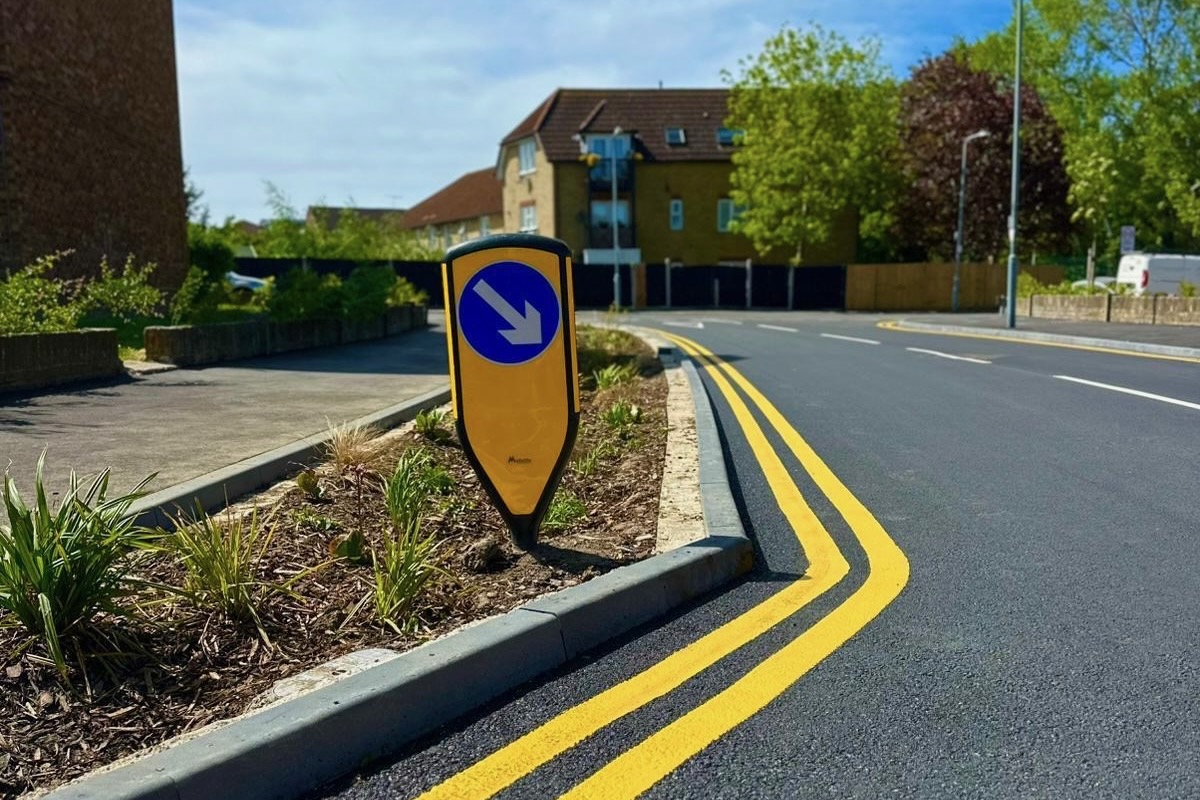
Heidelberg Materials UK and Kenson Highways have rebuilt Heathcote Avenue in Redbridge using evoZero carbon‑captured cement from Brevik, Norway, and low‑carbon asphalt mixes to cut embodied emissions. The scheme used 275 tonnes of binder course with 25% reclaimed asphalt and 6.5% ACLA, plus 248 tonnes of surface course containing CarbonLock bio‑binder produced via the Era 140 warm mix process at up to 40°C lower temperature. Initial calculations show more than 75 tonnes of CO₂ saved, with evoZero cement alone delivering over 35% of the reduction.
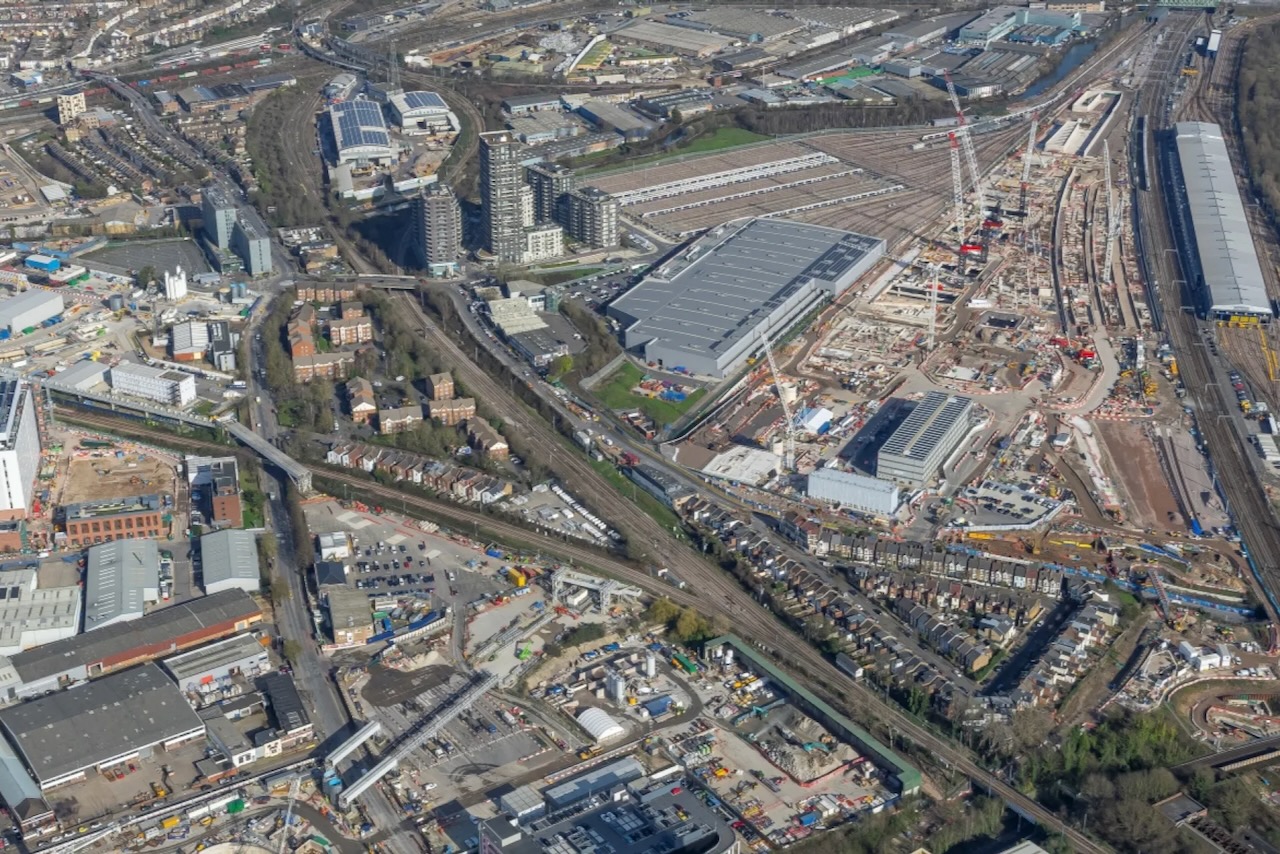
Old Oak and Park Royal Development Corporation has launched a search for a private sector partner for a £12bn, 20‑year joint venture to deliver the HS2 Old Oak Common‑linked regeneration. The partner will help masterplan and phase major rail‑led infrastructure, utilities and public realm over the two‑decade build‑out, integrating with the high‑speed and conventional rail interchange. For civil and geotechnical teams, the scale and duration signal long‑term demand for ground engineering, rail interface works and high‑density urban foundations on a constrained brownfield site.
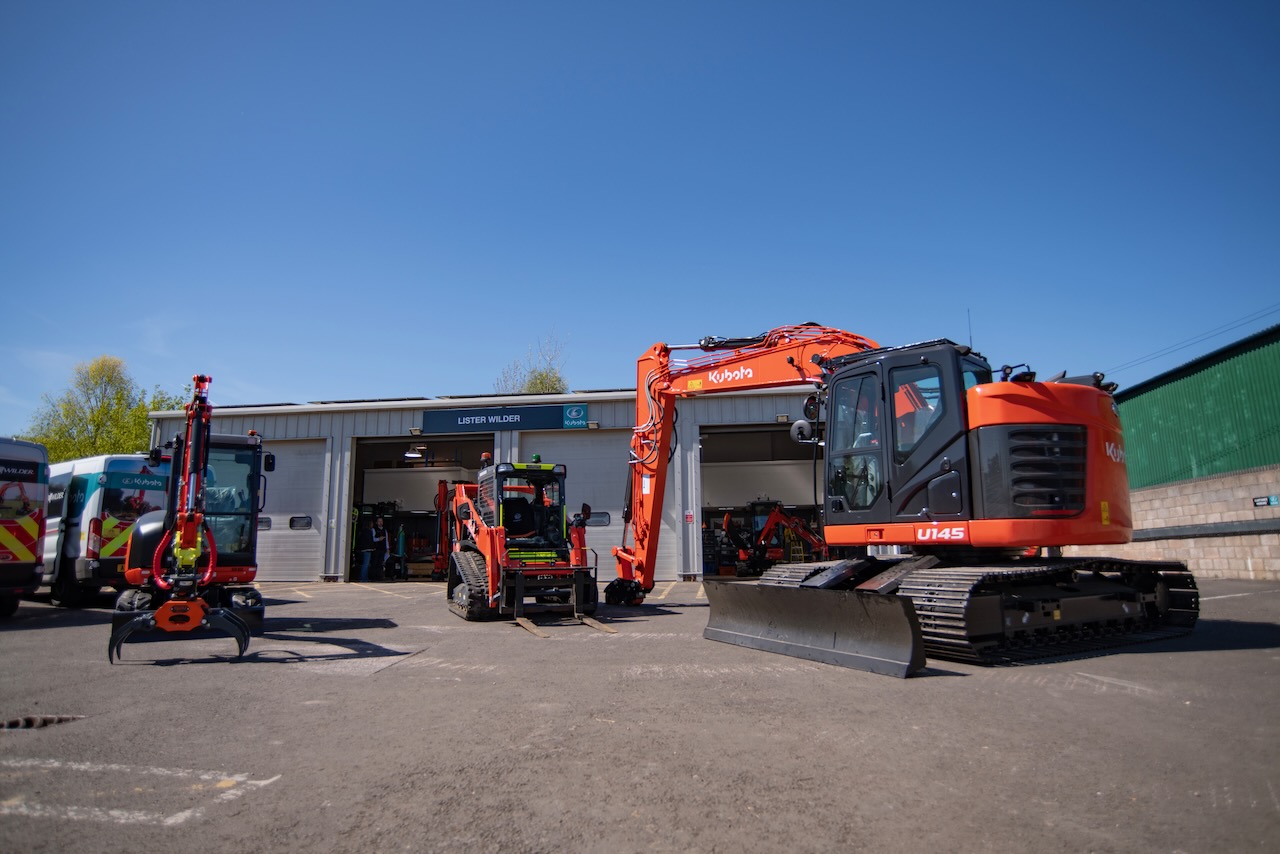
Kubota dealer Lister Wilder has opened a new Salisbury depot at Lopcombe with four full-length service bays sized for the new 14‑tonne U145 excavator, doubling workshop capacity over its previous local site. Parts storage is four times larger than before, supporting £3m of stock and inter‑depot deliveries, with 60 mobile service engineers and three on‑site technicians as the firm recruits further service staff. The location is configured to support construction equipment customers from Lyme Regis to Bognor Regis and north to Marlborough and Newbury.
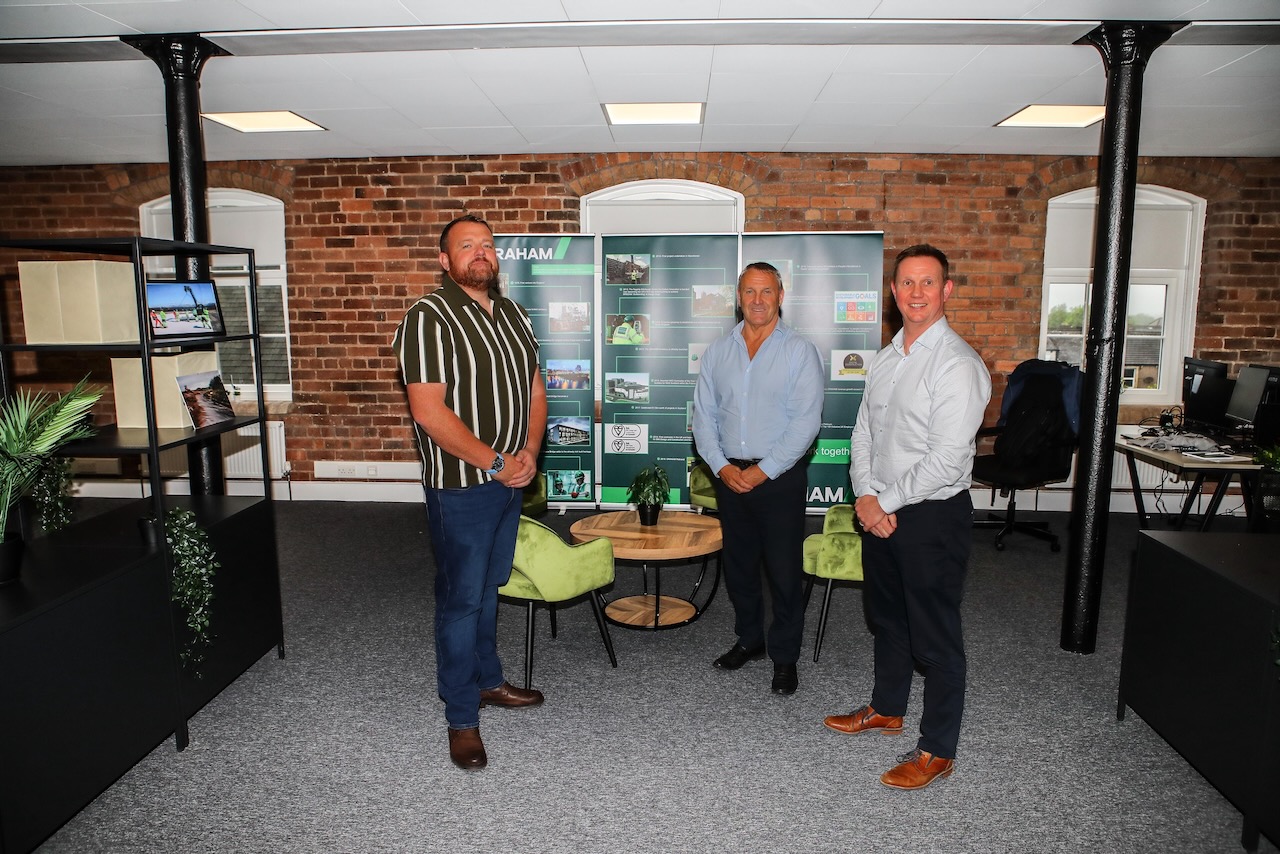
Graham has opened a new office in Cleator Moor, Cumbria, to support long-term nuclear infrastructure work including infrastructure upgrades at the Low Level Waste Repository in Drigg, where its team is committed on site until summer 2029. The premises will expand operational capacity for Graham’s civil engineering division and provide a shared base for its nationally operating building division, which already has multiple schemes in the North. Led by contracts director Alastair Lewis, the office is intended to put permanent staff “boots on the ground” and anchor local recruitment for nuclear and defence projects.
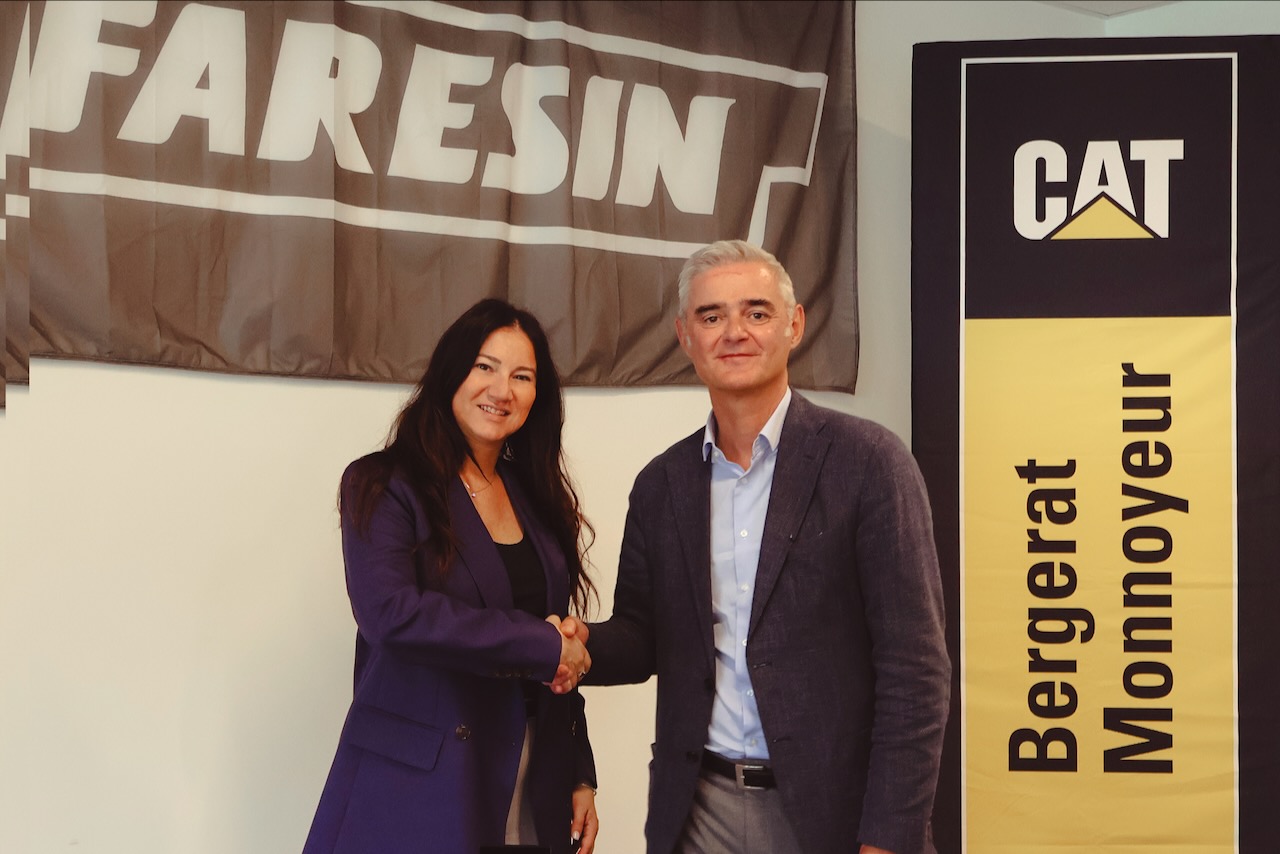
Italian telehandler manufacturer Faresin has entered a strategic partnership with French Caterpillar dealer Bergerat Monnoyeur to distribute its machines, including 100% electric models, across construction, industrial and agricultural sectors in France. The agreement brings low-emission, low-noise telehandlers into Bergerat Monnoyeur’s portfolio, targeting work in sensitive urban and industrial environments where conventional diesel plant faces tighter constraints. Customers are promised integrated product supply with technical support, connected services and local dealer presence, which could simplify fleet decarbonisation planning on mixed Cat–Faresin sites.
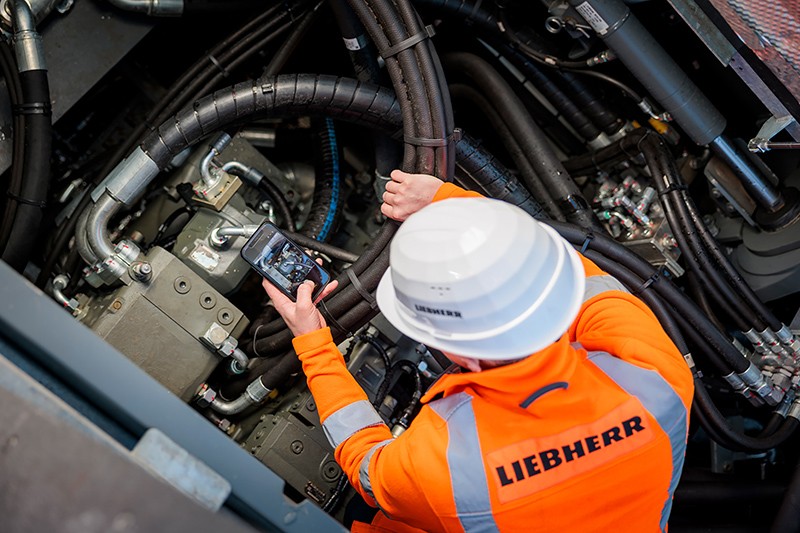
Liebherr Nenzing has launched an AI-based app to identify parts and schedule maintenance for its deep foundation equipment and crawler cranes up to 400 t capacity. Components can be located via photo recognition, QR code scan, multilingual text search in over 100 languages, or item number, with results cross-checked against the official Liebherr parts catalogue to avoid mis-orders when nameplates are damaged. The app also uses machine operating hours to propose upcoming service intervals, listing required parts, consumables and fluids in optimised quantities for each maintenance kit.