Geomechanics, Streamlined.
© 2026 Geomechanics.io. All rights reserved.
Geoscience Australia has completed nationwide coverage of its AUSTopo 1:250,000 digital topographic map series, delivering free, regularly updated mapping for the entire continent. The vector-based datasets include elevation, transport, hydrography and infrastructure layers suitable for GIS workflows, replacing legacy paper and raster products. For mine planners, exploration geologists and infrastructure designers, the uniform scale and national consistency simplify regional targeting, haul road and access corridor planning, and early-stage terrain and drainage assessments.
Australian-listed Vulcan Energy is developing Europe’s first integrated, low‑carbon lithium supply chain in Germany’s Upper Rhine Valley, with geothermal brines, direct lithium extraction and chemical conversion all controlled within a 100km radius of its Lionheart project. The company plans to co‑produce baseload renewable geothermal power and heat while extracting lithium hydroxide for European battery plants, targeting short, intra‑EU logistics instead of importing spodumene or brine products. For geotechnical and process engineers, the project couples deep geothermal wellfields with closed‑loop brine handling and on‑site refining, tightening interfaces between subsurface, plant design and offtake.
Cobalt Blue has signed a consortium agreement with US-based Glomar Minerals to deploy its Australian-developed cobalt processing technology in the United States, targeting domestic production of battery-grade cobalt sulphate. The partnership centres on applying Cobalt Blue’s proprietary sulphide-to-sulphate flowsheet, originally engineered for Broken Hill-style deposits, to US feedstocks to reduce reliance on imported intermediates. For process and project engineers, the move signals potential demand for new hydrometallurgical plants, tailings handling systems and permitting work around cobalt-bearing ore bodies in the US.
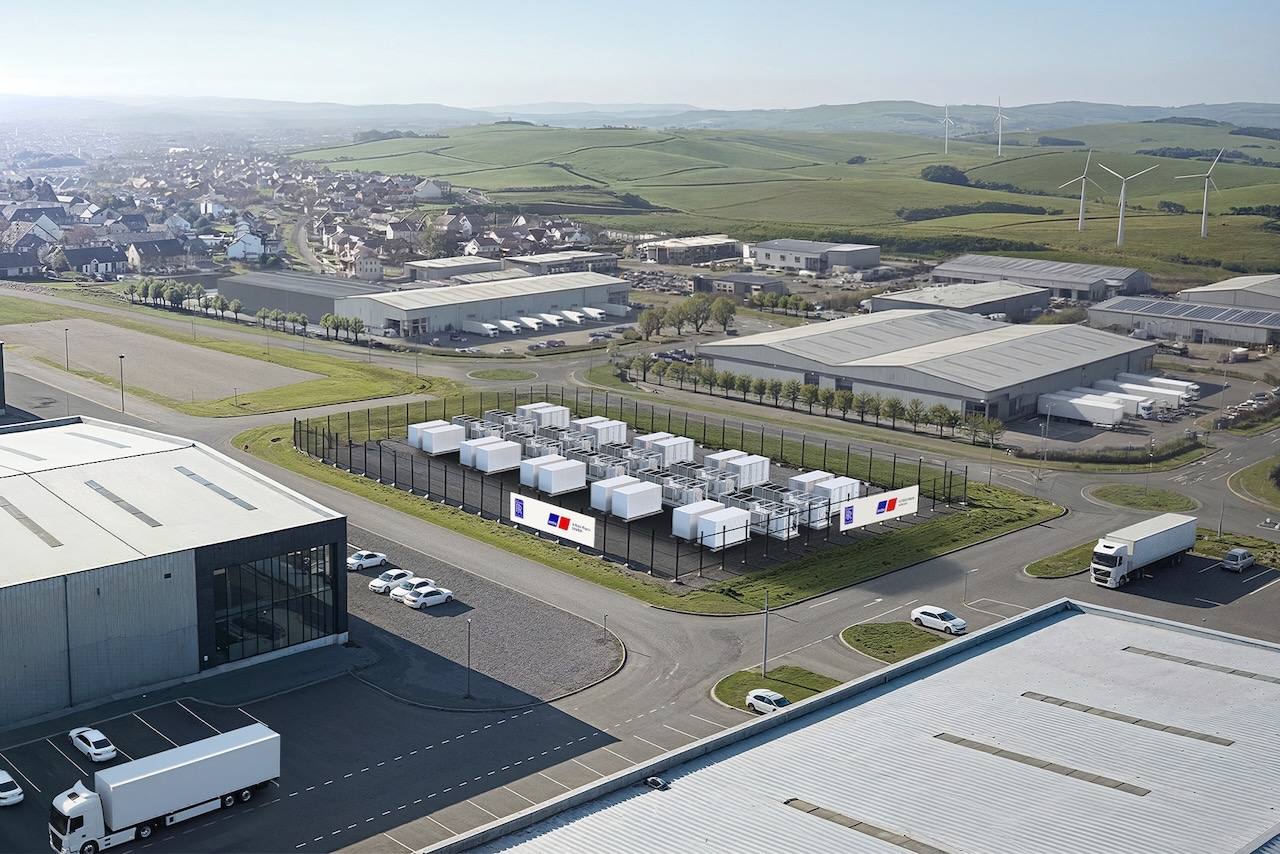
Rolls-Royce has begun construction of an 86MWh, 43MW MTU EnergyPack battery storage facility at the Bankside project in Falkirk under an EPC contract for Voltario Helios Energy Storage, using CATL Tener battery products and backed by a 15-year full-wrap service agreement. The grid-connected system, due online in 2027 after connection later this year, is sized to support roughly 10,000 homes or a large industrial load by shifting surplus renewable generation to peak demand periods. The project feeds into the UK’s 27GW-by-2030 battery storage target and is leveraging the Scottish supply chain.
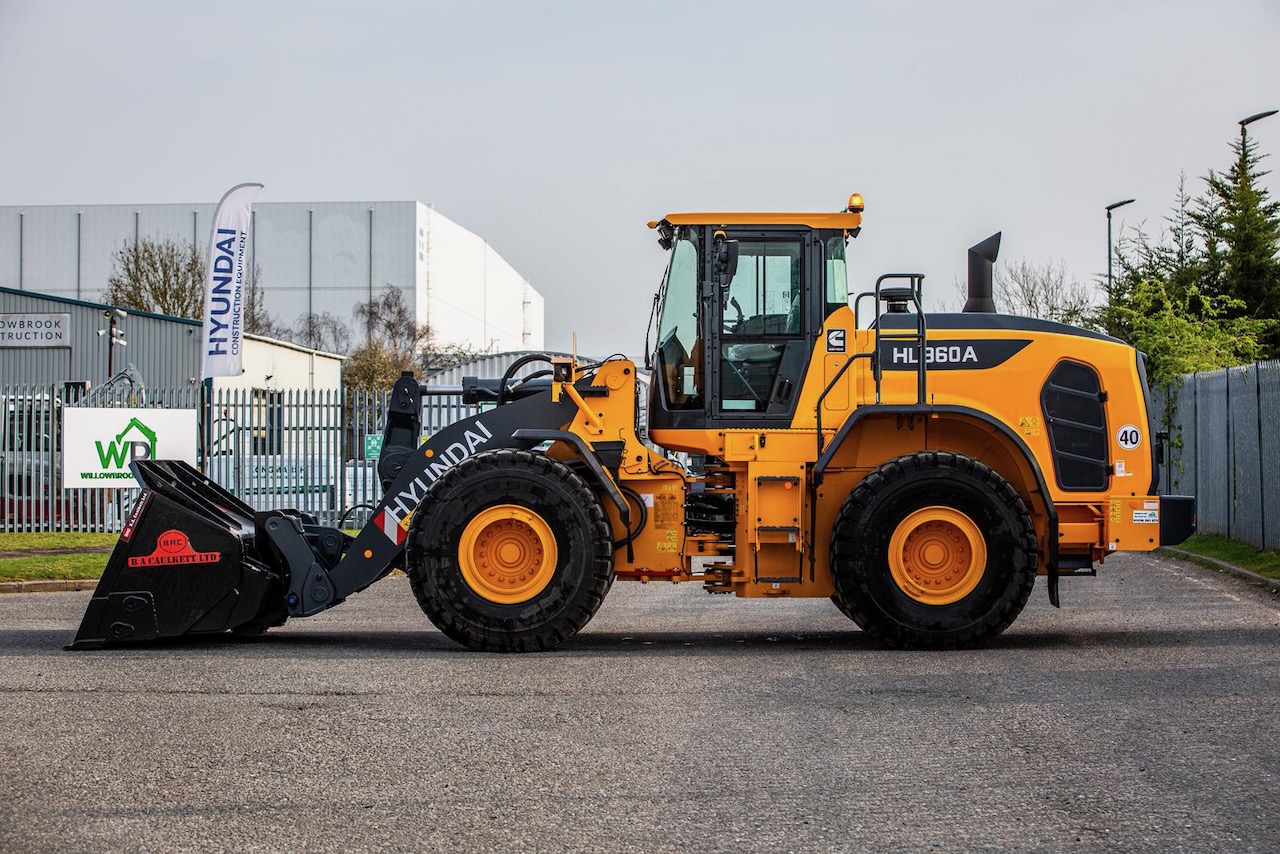
Willowbrook Plant has expanded its Hyundai heavy line dealership for machines over 10‑tonnes operating weight to cover Norfolk, Suffolk, Essex, Hertfordshire and Bedfordshire, adding to its existing territory across Northamptonshire, Leicestershire, Cambridgeshire, Lincolnshire, Derbyshire and Nottinghamshire. The Corby-based dealer, established in 2008 and selling Hyundai since 2011, will scale up sales, service, parts and field support across this enlarged region. It is among the first in Europe to supply Hyundai Next Generation crawler excavators, alongside dozers, wheeled loaders and articulated dump trucks, giving contractors broader access to newer earthmoving fleets.
Colombia’s push to build a copper industry under the 2024–2035 National Mining Development Plan, including ANM tenders for 14 strategic copper regions and priority status for 17 minerals, is colliding with tighter fiscal, environmental and security conditions. The country currently produces only about 4,200 tonnes of copper a year from Atico’s El Roble mine, against an estimated 9.7 million tonnes of resources and a project pipeline including Quebradona, Alacrán, Mocoa and Guintar-Aleman-Margaritas. Decree 044’s 10‑year reserve powers, a 35% base corporate tax plus surcharges and a 5.4% export self‑withholding tax, and Colombia’s 57th policy‑perception ranking on the Fraser survey all signal elevated execution and permitting risk for large-scale projects.
Rio Tinto and venture builder Founders Factory have picked six startups from over 500 applicants to advance AI, advanced chemistry and spatial-data tools for exploration and processing of copper, lithium, iron ore and other critical minerals. The cohort includes Foresight Spatial Labs’ 4D spatial data platform for engineering and autonomy, Voluna’s airborne neutron technology for real-time geochemical mapping, and Material Difference’s explainable AI for resource delineation, alongside Chemshift, Supra and Watergenics. The wider programme portfolio has already attracted more than US$120 million in follow-on funding, signalling growing commercial appetite for deployable mining tech.
Glencore is pursuing a standalone copper-led growth strategy after ending merger talks with Rio Tinto and selling a 40% stake in its flagship DRC copper-cobalt assets to the US-backed Orion Critical Mineral Consortium, while targeting over 1 Mt of copper annually by 2028 and about 1.6 Mt by 2035. 2025 copper output fell 11% to 851,600 t on lower grades at Collahuasi, Antamina and Mount Isa, but second-half production rose nearly 50% versus H1 as grades improved. For 2026, Glencore guides 810,000–870,000 t of copper and up to 100 Mt of energy coal, with Katanga’s land access deal with Gécamines underpinning a path to roughly 300,000 t/y and extended mine life.
Vale’s base metals unit is targeting a 20% increase in Canadian and Brazilian mineral reserves and resources between 2024 and end‑2027, building on 2024 gains that lifted total copper reserves and resources 6% to 53 million tonnes and nickel 13% to 14 million tonnes, with copper resources now covering more than 65 years at current production rates. Proven and probable reserves stand at 1.25 billion tonnes grading 0.66% Cu (8.2 Mt contained) and 419.3 million tonnes grading 1.42% Ni (5.9 Mt contained), supporting CEO Gustavo Pimenta’s plan to double copper output from 382,000 tonnes to 1 Mt/y over the next decade. Exploration priorities for 2026 include doubling drilling in Brazil’s Carajás to over 120,000 m and intensifying brownfield work at Sudbury and Voisey’s Bay to extend near‑mine, satellite and down‑plunge mineralisation.
CleanTech Lithium’s pre-feasibility study for the Laguna Verde brine project in Chile sets a pre-tax NPV of $1.37 billion on a 25-year operation producing 15,000 t/y of battery-grade lithium carbonate via direct lithium extraction, with a 24.2% pre-tax IRR and roughly four-year payback. Probable reserves total 378,000 t LCE at 186 mg/L, supporting steady-state output at operating costs of $5,768/t and initial capex of $748 million, placing it in the global lower cost quartile. A 40-year CEOL, on-site lithium chloride production with conversion in Copiapó, and proximity to ports reduce permitting and infrastructure risk as CleanTech courts strategic partners.
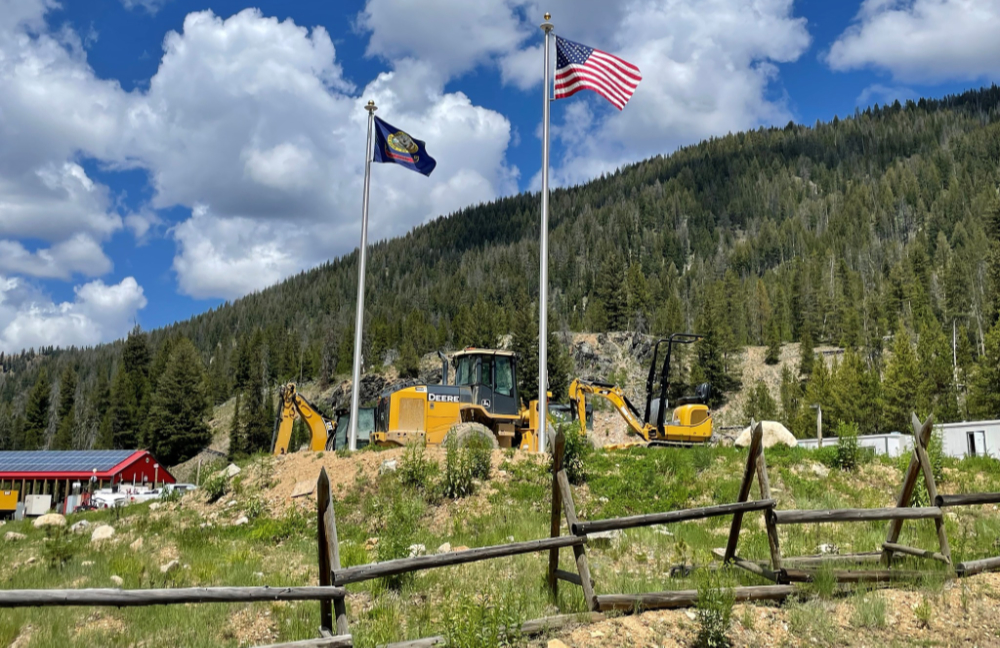
Perpetua Resources has entered the final approval stage for a proposed US EXIM $2.7 billion financing package, including a $2.2 billion direct loan, to cover the estimated $2.58 billion initial capex for its Stibnite gold‑antimony project in central Idaho, with a board vote expected shortly after a 25‑day Congressional notice. The updated technical summary outlines a 15‑year mine life producing over 4.2 million oz gold and 106.5 million lb antimony, with a base‑case after‑tax NPV5 of $3.5 billion, 23.5% IRR and 2.4‑year payback at $3,250/oz gold.
Cornish Tin has raised over £2.2 million ($3 million), giving it a £29 million pre-money valuation, to accelerate drilling and resource definition at the Great Wheal Vor tin project and the Tregonning South lithium project in Cornwall. Great Wheal Vor consolidates 26 historic producers in the Breage district, where recorded grades averaged 3% Sn and locally exceeded 5.5%, which the company says would rank among the top three tin mines globally if replicated today. At Tregonning, exploration is targeting lithium mineralisation associated with the rare G5 topaz granite, which makes up only about 1.4% of Cornwall’s outcropping granites.
NASA’s Orion spacecraft programme is driving demand for advanced alloys, with aluminium‑lithium in the crew module to cut mass, titanium for primary structural members, and nickel‑based superalloys in engines to withstand extreme thermal loads. These specifications exemplify how deep-space missions are tightening requirements on fatigue life, high‑temperature creep resistance and weldability in lightweight alloys. For miners and metallurgical suppliers, the mix of Al‑Li, titanium and high‑nickel feedstocks signals sustained demand for high‑purity ores and tightly controlled processing routes.
Turner & Townsend has reshaped its leadership, appointing Patricia Moore as managing director for Europe, the Middle East and Africa alongside her existing UK MD role, signalling a push to grow its major programme advisory across the region. Andy Scott becomes MD for defence and infrastructure after leading teams on Heathrow, Hinkley Point C and Edinburgh Trams, consolidating transport, energy and defence programme expertise under one portfolio. Former UK infrastructure lead James Corrigan moves to become MD for the USA, taking experience from HS2, Crossrail and wider UK programme advisory into the North American market.
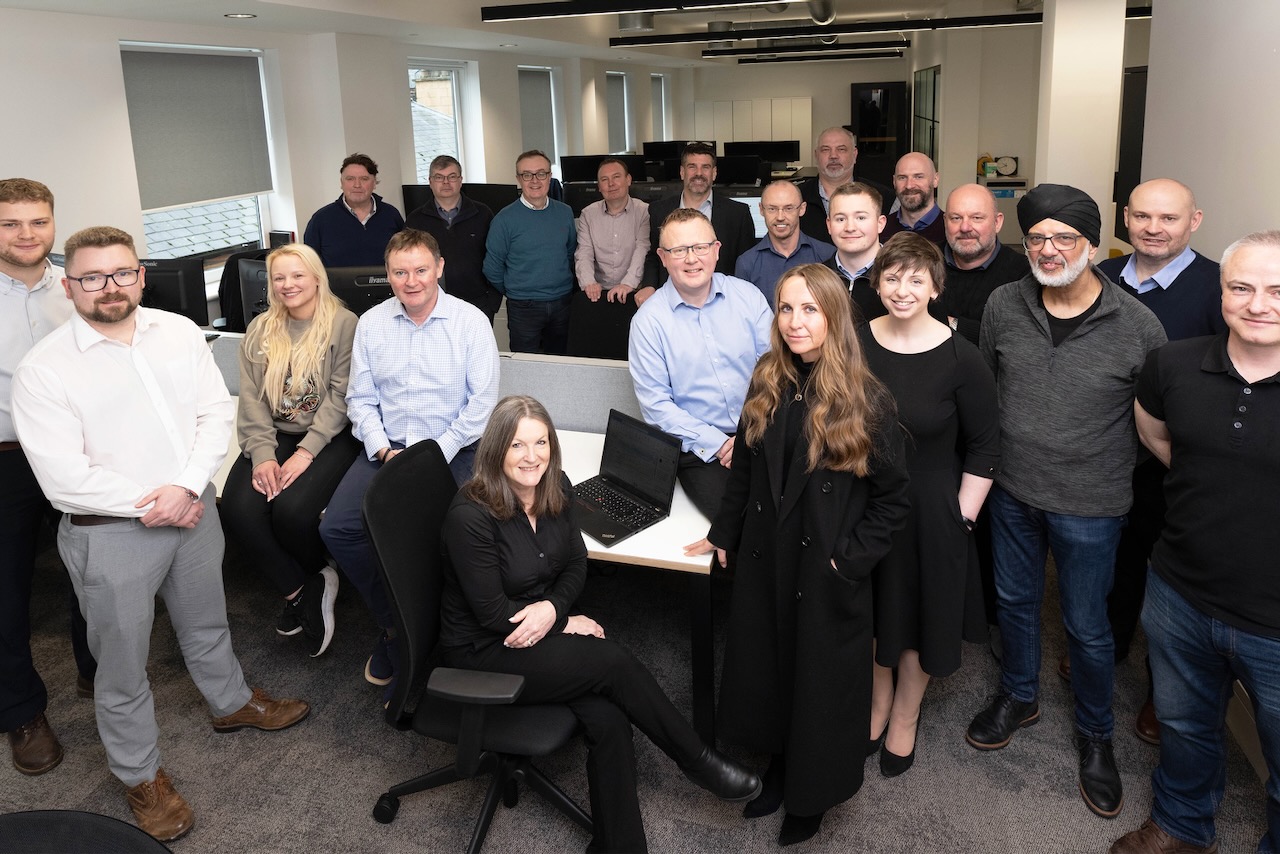
Caddick Construction is tripling its Birmingham office footprint from 900 sq ft to 2,590 sq ft at Northspring, boosting desk capacity by 80% and adding a third meeting room to support a Midlands team that has grown from 10 to more than 75 staff since 2023. The contractor now holds a £300m forward order book with a £1bn target pipeline, anchored by schemes such as Cole Waterhouse’s £43m Upper Trinity Street regeneration in Digbeth and the adjacent Stone Yard project. Current workload also includes a £28m urban logistics scheme at Foundry Business Park, Wolverhampton, and Delamere Health’s £20m addiction clinic on the former Nottinghamshire Fire & Rescue HQ site in Bestwood.
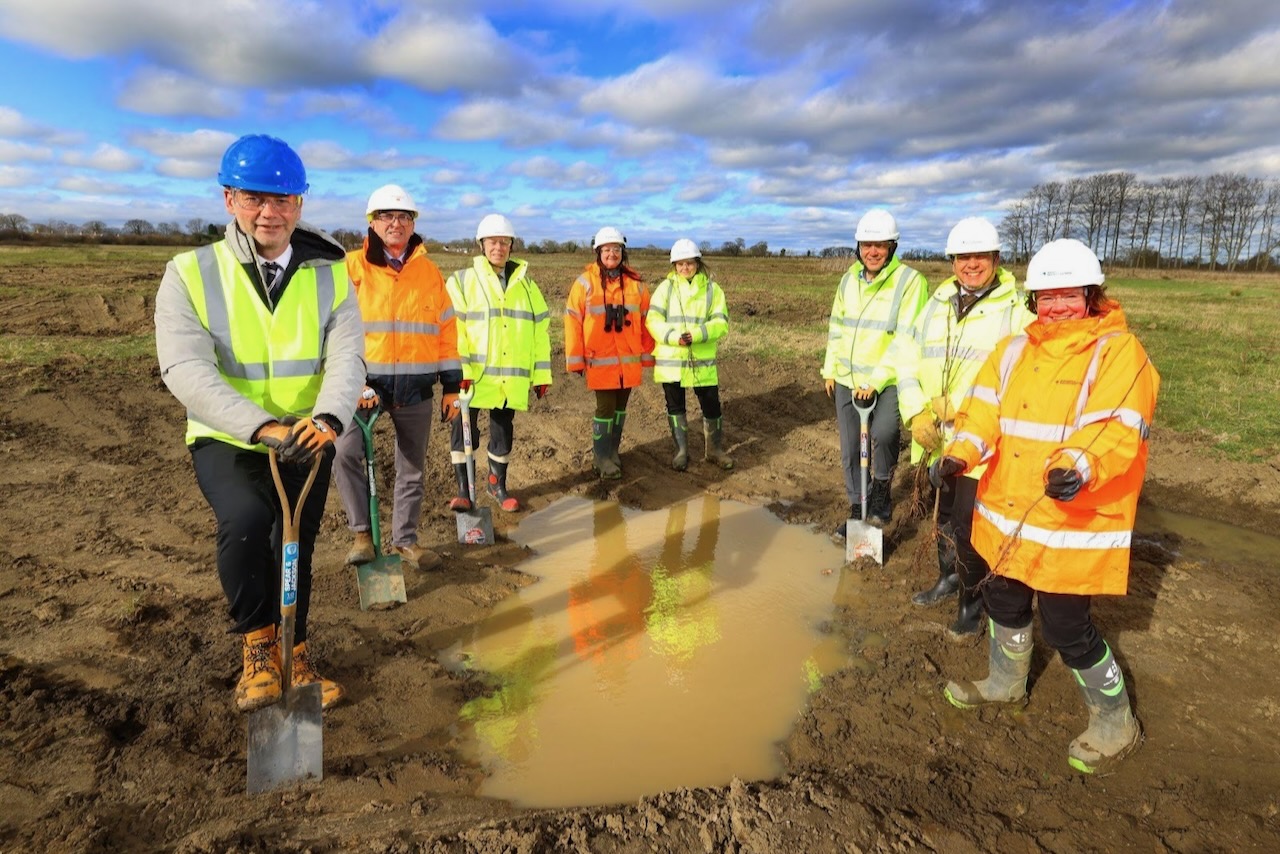
Advance Green Futures has begun a 268-hectare restoration of the former Potland Burn mining site in Northumberland to create a large habitat mosaic and long-term biodiversity management area. The scheme is being structured to generate a tradable bank of biodiversity net gain (BNG) units for local developers needing to meet mandatory BNG requirements on constrained sites. For civil and housing projects in the area, this offers an off-site BNG route that could materially influence land valuation, masterplanning, and consenting strategies.
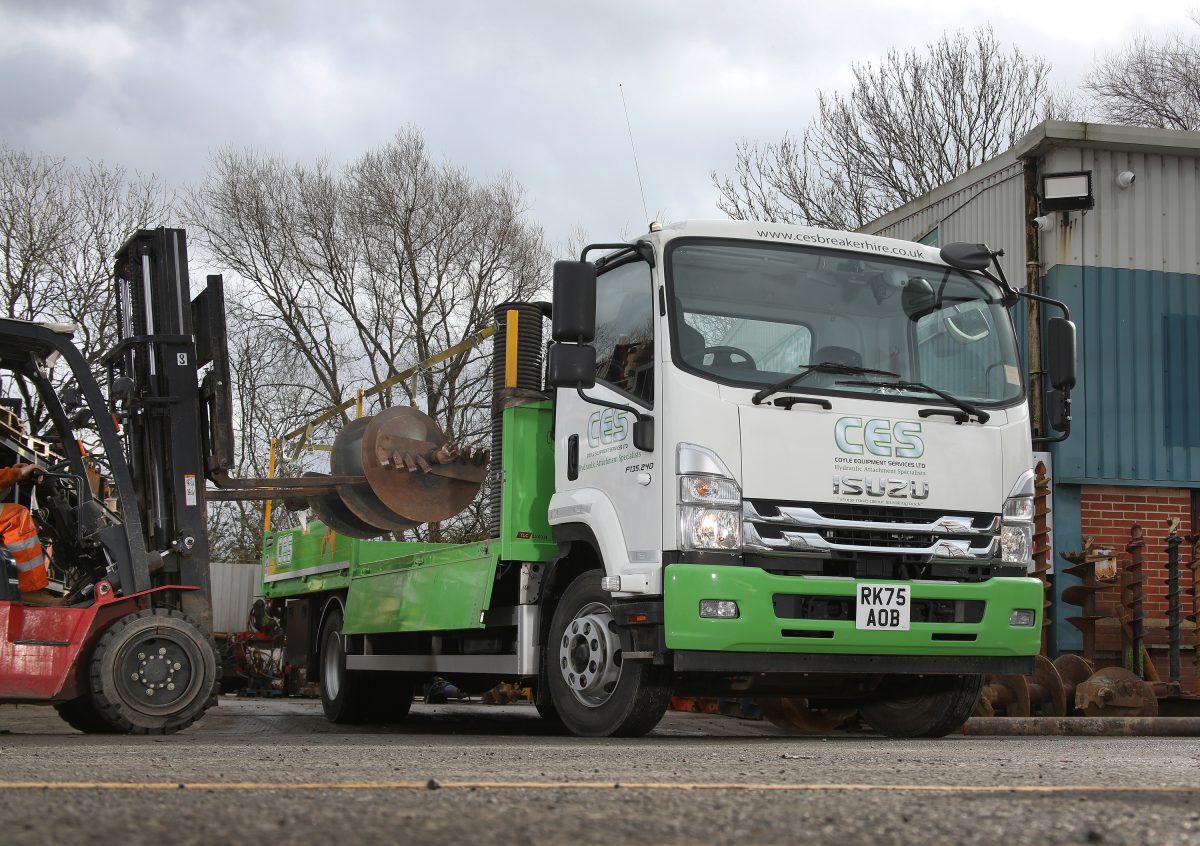
Coyle Equipment Services has added two Isuzu rigids—a 13.5‑tonne F135.240(E) and a 7.5‑tonne N75.190(E)—supplied by Cordwallis Group and fitted with bespoke dropside bodies from TLC Auto Refinishing. The bodies are engineered for the uneven weight distribution and pressure points of heavy hydraulic attachments, with reinforced decks and multiple heavy‑duty lashing points for varied load configurations. Both trucks also incorporate a working‑at‑height fall restraint system, signalling continued emphasis on load security and operator safety in specialist equipment transport.
Rising energy and fuel costs are squeezing UK construction materials, with the Construction Leadership Council’s supply chain group reporting a 2% output fall in the three months to January 2026, the fourth consecutive monthly decline. Energy-intensive products and oil-derived materials face sharp factory-gate increases despite some hedging, while imports of wall and floor tiles, exterior porcelain and sandstone from India are being disrupted by higher fuel prices linked to Middle East tensions. Mechanical engineers report copper price rises and steel prices moving so fast that reliable quotes are difficult, prompting calls for earlier forecasting, clearer cost evidence and collaborative risk-sharing across the supply chain.
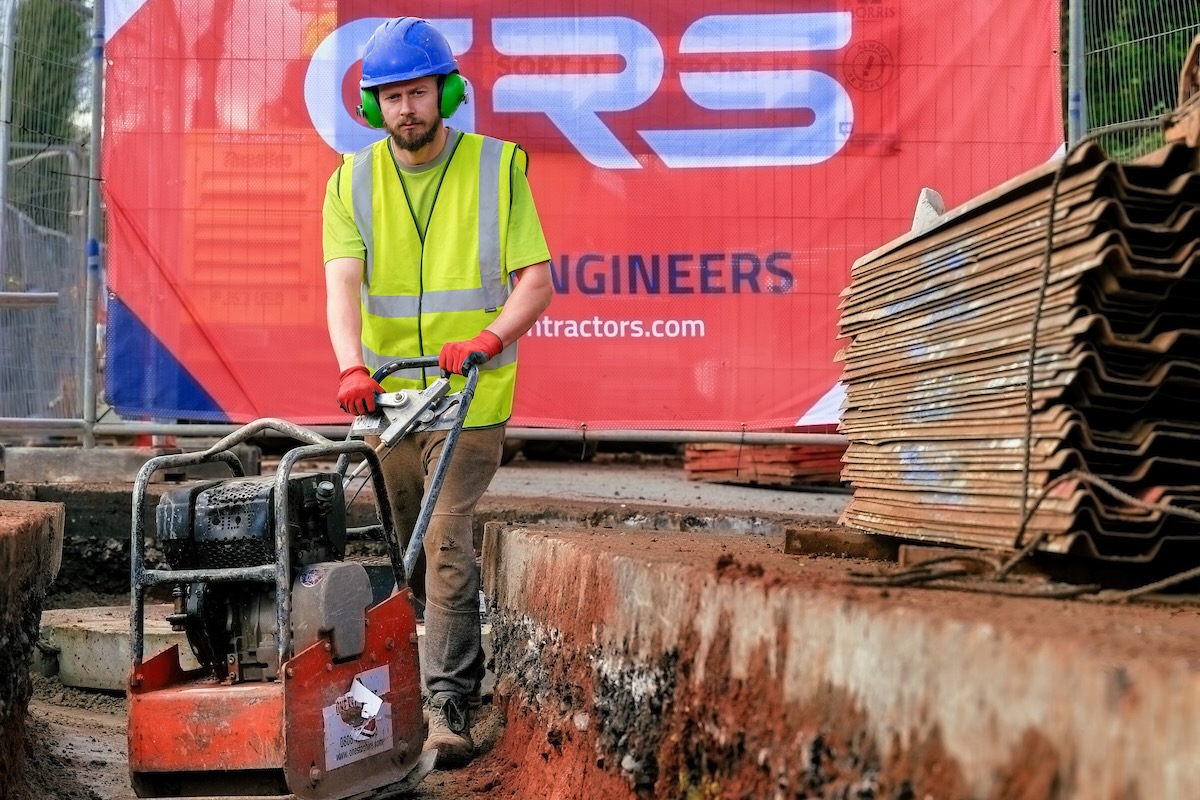
GRS has been awarded the full roads and sewers package for Persimmon Homes’ new residential scheme, The Acorns, at Pepper Lane in Standish, adding to its ongoing work at Persimmon’s Jack Walker Way site in Blackburn. With more than 60 years’ civil engineering experience, GRS will handle end‑to‑end delivery of adoptable highways and drainage infrastructure to Persimmon Homes North West’s quality and safety standards. The repeat appointment signals continued demand for contractors able to manage complete groundworks, utilities interfaces and Section 38/104‑type obligations on volume housebuilding sites.
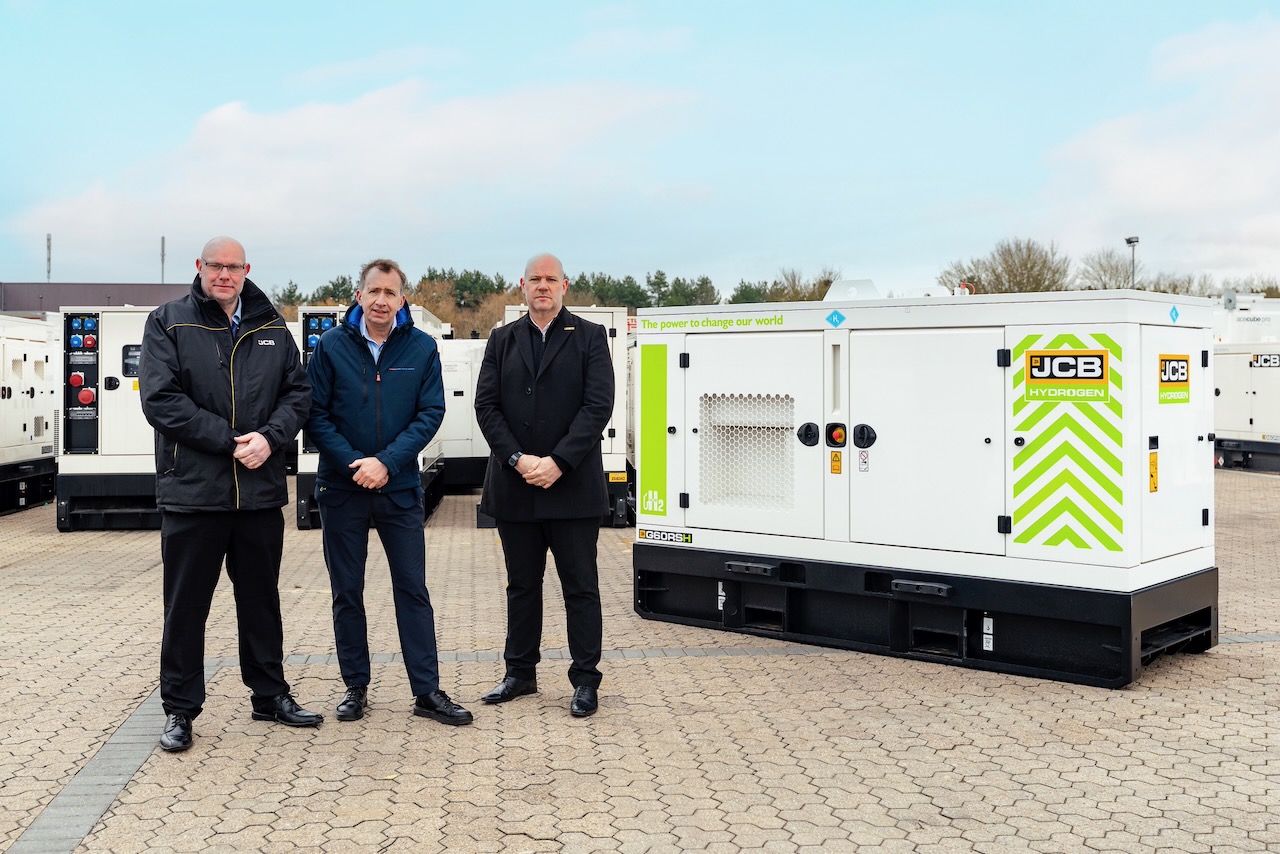
Dawsongroup Energy Solutions has taken delivery of JCB’s first hydrogen internal combustion engine-powered generator, configured to work alongside a battery system and three-phase grid supply. The unit is intended for top-up and peak power demands rather than continuous baseload, signalling early commercial deployment of hydrogen ICE technology in temporary and distributed power applications. For infrastructure contractors, the set-up points to hybrid site power schemes where hydrogen-fuelled generation covers short-duration peaks while batteries and grid handle steady loads.
Bentley Systems has opened submissions for its 2026 Year in Infrastructure (YII) Awards, recognising projects that use its infrastructure engineering software portfolio, including PLAXIS, OpenRoads, and iTwin, across transport, energy, water, and building assets. The awards, building on a 20‑year programme, will honour digital twin deployments, 4D construction modelling, and advanced geotechnical simulations that improve design, construction sequencing, and asset performance. For practitioners, the event signals continued emphasis on model-based workflows, interoperable data environments, and quantified project outcomes rather than purely design aesthetics.
A coastal landslide on the East Devon coast at Branscombe has left multiple timber beach chalets tilted and partially cantilevered over the cliff edge, with foundations exposed after a major cliff recession event reported by the BBC. The failure occurred in weak, highly erodible cliff materials following prolonged wet weather and recent storms, accelerating existing coastal erosion. Local authorities have cordoned off the area and are assessing further instability risks, raising immediate questions over setback distances, slope monitoring, and long-term coastal retreat planning for similar soft-cliff sites.
Epiroc has introduced a 480 kW underground charging system designed for heavy‑duty battery‑electric fleets, combining ruggedised hardware with OEM‑agnostic interfaces so mixed‑brand loaders and trucks can use the same infrastructure. The system uses dynamic power distribution to allocate available capacity across multiple connected vehicles, reducing peak demand and improving utilisation of limited mine power. For mine planners and electrical engineers, this points to higher charger throughput per substation bay and simpler standardisation of charging bays in constrained headings.
Trafo Power Solutions is supplying seventeen specially engineered underground mini substations to a Zambian copper mine, comprising a mix of 800 kVA and 1,000 kVA units. The oil-cooled transformers are housed in compact, rugged enclosures designed for constrained haulages and high dust and moisture, with protection and switching gear integrated into each skid-mounted package. For mine electrical teams, the key impact is higher installed power density close to the working faces, reducing cable runs and voltage drop while keeping maintenance concentrated on modular units.