Geomechanics, Streamlined.
© 2026 Geomechanics.io. All rights reserved.
Surge Battery Metals has secured at least C$30 million in a private placement at C$0.60 per unit, with C$0.90 warrants and an upsize option to C$36 million, to advance its Nevada North lithium project (NNLP) and support a planned Nasdaq listing as Lithium X2 Mining. The funding, led by SAF Group’s Brian Paes-Braga and Hess Capital’s Michael Hess, is expected to leave about C$70 million in treasury, fully funding NNLP’s 5,265-hectare, 685-claim clay-hosted resource of 10.5 million tonnes LCE. A 2023 PEA outlines a 42-year operation producing 86,300 tonnes LCE per year, with after-tax NPV of $9.17 billion, 22.8% IRR and $5.32 billion capex.
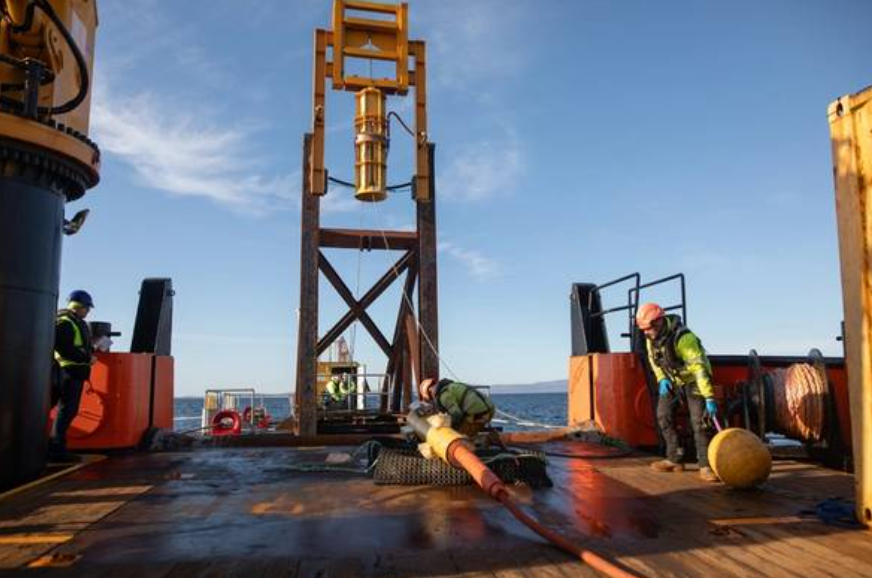
A new DNV-approved subsea connector from Benestad and Nexans targets faster, safer connection of dynamic power cables for floating offshore wind farms in open sea conditions. The wet-mateable, high-voltage unit is designed for repeated connection and disconnection without cable cutting, reducing offshore vessel time and exposure of technicians to heavy lifts and harsh weather windows. For geotechnical and offshore designers, the technology could ease maintenance strategies, simplify array reconfiguration, and influence layout decisions for deep-water floating foundations.
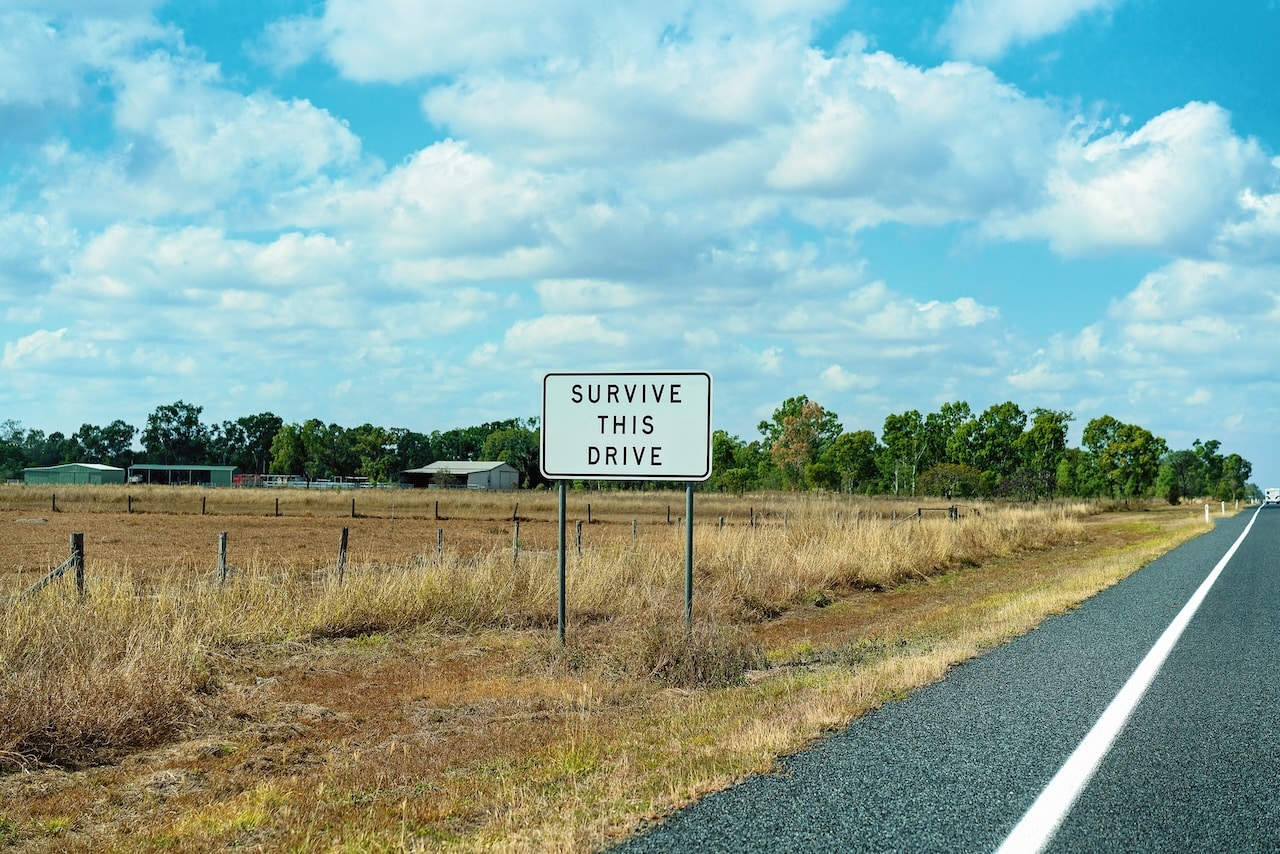
Work will start next week on $1.1 million of safety upgrades to New South Wales’ Lachlan Valley Way between the Hume Highway and Cowra, adding to more than $2 million of recent works on this freight and regional access corridor. Existing measures already delivered or underway include 18 kilometres of safety barriers and 80 kilometres of other treatments along the route, aimed at reducing run-off-road and head-on crashes. For designers and contractors, the programme signals continued demand for barrier installation, shoulder treatments and roadside hazard management on rural state roads.
Resilience investment from the Federal and Queensland governments will upgrade the Flinders Highway, the 780‑kilometre freight and tourism corridor linking Townsville to Cloncurry in north‑west Queensland. Works will focus on strengthening pavement layers and improving culverts and surface drainage to keep the route open during heavy rainfall and flooding, a recurring issue on this inland supply line. For mining and agricultural operators moving bulk product to the Port of Townsville, more reliable all‑weather access should reduce detours, travel time variability and pavement damage from heavy vehicles.
LDD Construction has launched LDD 360, a fully integrated delivery service for projects up to £1m, bundling strip-out, BWIC, structural steel, feature staircases and firestopping under a single management team led by Danny Huggins. The model replaces multiple trade contractors with one point of contact, aiming to cut programme risk from interface clashes, coordination gaps and duplicated preliminaries on smaller schemes. For civil and structural teams, this could simplify sequencing around steelwork, firestopping and builders’ work, but concentrates responsibility for quality and temporary works in one supplier.
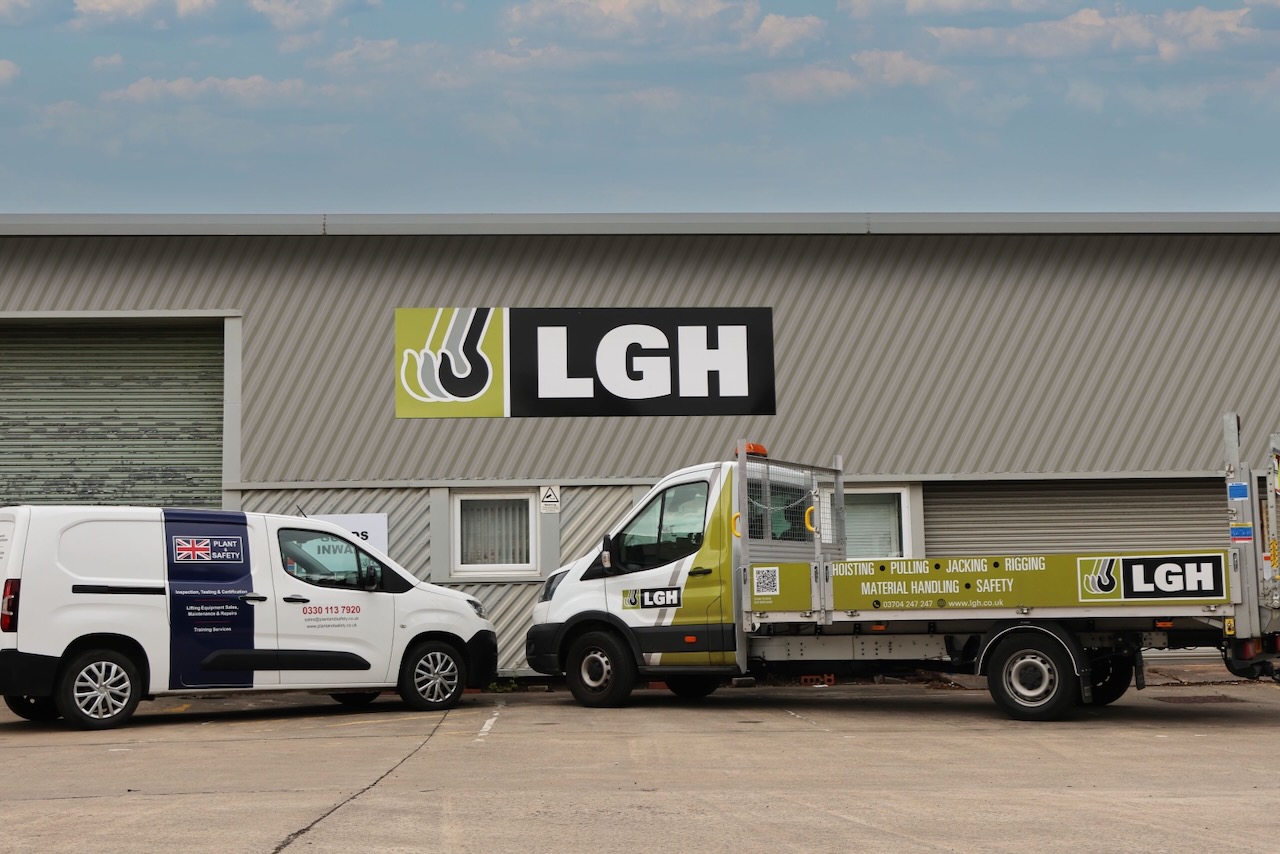
Lifting gear specialist LGH has rolled out its ‘Full Rental Partner’ programme across Europe, giving contractors wider access to certified hoists, spreader beams and rigging hardware without capital purchase. In the UK, LGH has partnered with Plant and Safety Ltd to bundle equipment hire with on-site inspection, LOLER-compliant testing and operator training. The move targets projects needing short- to medium-term lifting solutions, where rapid mobilisation and documented safety assurance are critical for cranes, temporary works and heavy plant handling.
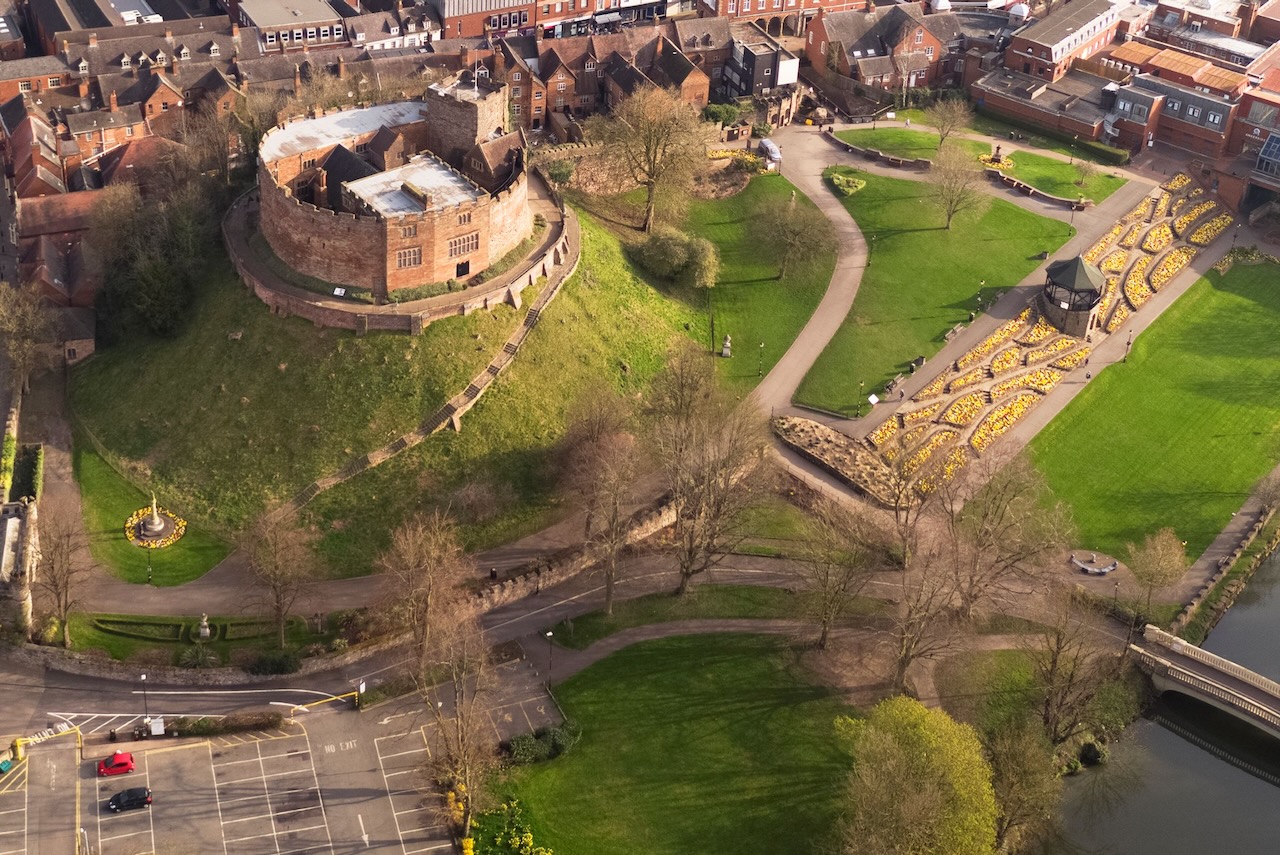
Pulse Consult has secured appointment to deliver quantity surveying and commercial management for the restoration of Tamworth Council’s historic premises, working alongside principal contractor Messenger for Tamworth Borough Council. The commission covers cost control, contract administration and commercial risk management on the heritage refurbishment, where fabric conservation and structural repairs must be tightly managed against budget. For contractors and consultants, the project signals continued demand for specialist QS capability on complex local authority restoration schemes.
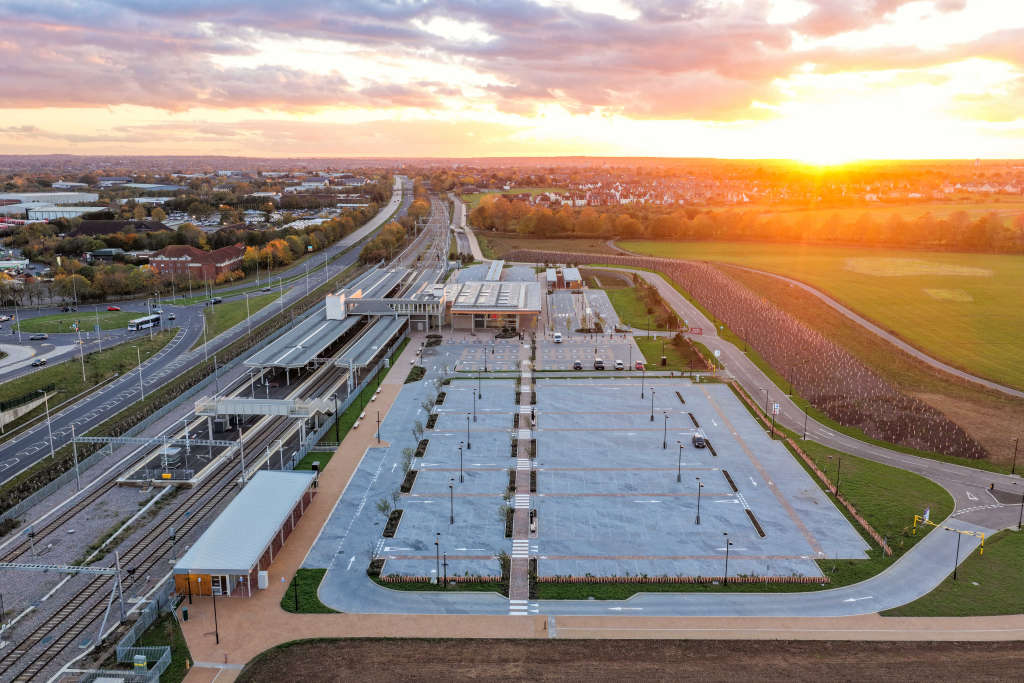
Murphy reported record 2025 results, with revenue up 13% to £1.58bn, operating profit up 8% to £86.1m and a record £8.17bn order book spanning the UK, Ireland and North America. The contractor expanded its workforce 16% to 4,709 staff, invested £6.54m in training and cut its Lost Time Injury Frequency Rate to 0.06 over 22.6 million hours worked, a 65% reduction in five years. Internationally, Murphy took a 40% stake in Australia’s Abergeldie Complex Infrastructure and delivered Beaulieu Park station ahead of schedule.
Northern Ireland’s Department for Infrastructure has appointed AtkinsRéalis to deliver engineering services for Belfast Rapid Transit Phase 2, covering preliminary design, detailed design and construction supervision. The commission spans route alignment, civil and structural works, traffic and junction layouts, and integration of bus rapid transit infrastructure with existing urban roads. For contractors and designers, the appointment signals early definition of corridor geometry, utilities interfaces and construction phasing, which will shape tender requirements and buildability across the next stage of Belfast’s segregated transit network.
Ground engineering specialist Geobear has appointed Rupert Lee as chief operating officer to drive growth in its resin injection and ground stabilisation services for infrastructure and property assets. Lee brings strategy and operations experience from McKinsey & Company and subsequent private equity consultancy, signalling a push towards more data-driven performance management and scalable delivery models. For geotechnical contractors and asset owners, this may translate into wider deployment of non-disruptive ground improvement techniques on live rail, road and building projects.
WSP’s AI specialists describe deploying machine learning tools across UK infrastructure portfolios to cut manual inspection and analysis time for engineers. Applications include automated defect detection on large image datasets from bridge and tunnel surveys, and predictive maintenance models that flag high‑risk assets before failure using historic condition, loading and environmental data. The approach is being embedded into WSP’s digital asset management workflows, raising questions for practitioners about data quality, model validation and how to integrate AI outputs into existing inspection and safety regimes.
South West Water has been fined £1.85M at Exeter Magistrates’ Court after a Cryptosporidium contamination at the Hillhead treatment works left tens of thousands of Devon customers without potable tap water in summer 2026. The DWI prosecution centred on failures in disinfection and monitoring barriers required under the Water Supply (Water Quality) Regulations, including inadequate protozoa control and delayed public notification. Other water companies are now ramping up enforcement and risk reviews of treatment works, with particular focus on UV systems, filtration integrity and contingency planning for microbial outbreaks.
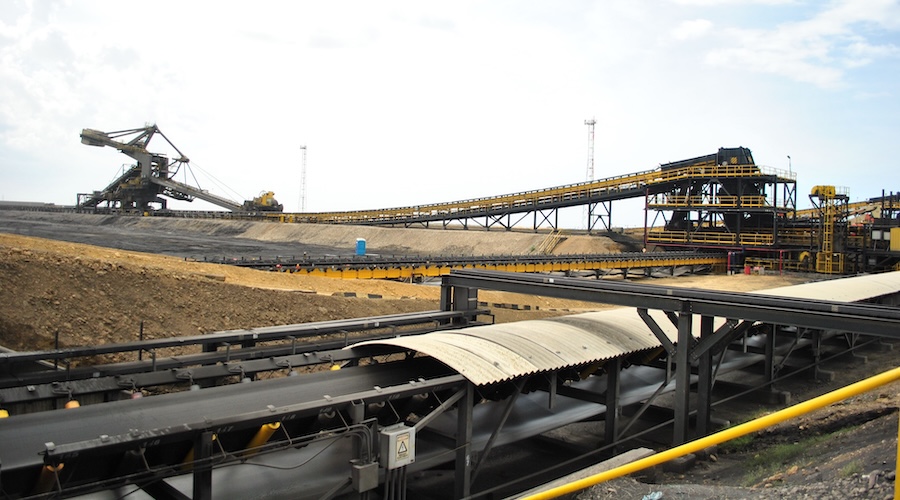
Glencore’s Cerrejón coal complex in La Guajira, Colombia has restarted after a 10‑day rail blockade to Port Bolivar forced a full shutdown and force majeure, with operations resuming at 18:00 on 2 June once critical supplies were restored. The mine has already faced nearly 80 blockades this year and recorded 333 in 2024—equating to 135 lost operating days—contributing to a 12% year‑on‑year drop in 2024 output to 16.8 Mt and plans to cut a further 5–10 Mt/y amid Atlantic market oversupply. Persistent community‑driven rail disruptions and uncertainty over a temporary 1% export tax are now central design and risk factors for mine planning, logistics resilience and investment decisions across Colombia’s coal sector.
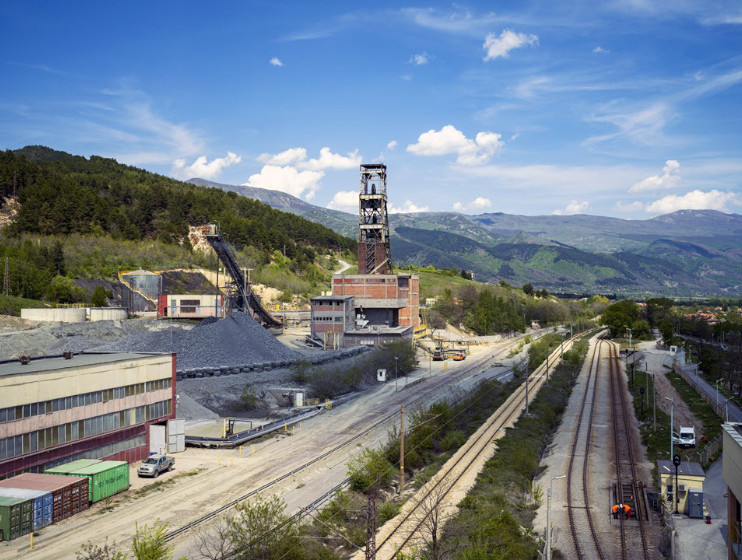
DPM Metals has reported a major gold-copper intercept at the Brevene South Porphyry target in Bulgaria, about 1 km from its Chelopech underground mine, with hole EX_BRESPO_03 cutting 713 m at 1.31 g/t gold and 1.16% copper from 1,172 m downhole, including 398 m at 1.48 g/t gold and 1.45% copper from 1,487 m. The porphyry lies within a >1,000 x 1,500 m hydrothermal system that remains open, and DPM has mobilised five high-capacity rigs for up to 15,000 m of additional drilling this year to test continuity and geometry for a resource. Proximity to existing Chelopech infrastructure, which currently hosts 15.3 Mt measured and indicated at 2.18 g/t gold and 0.64% copper and is permitted to 2036, could materially lower development capital and timelines if BSP proves economic.
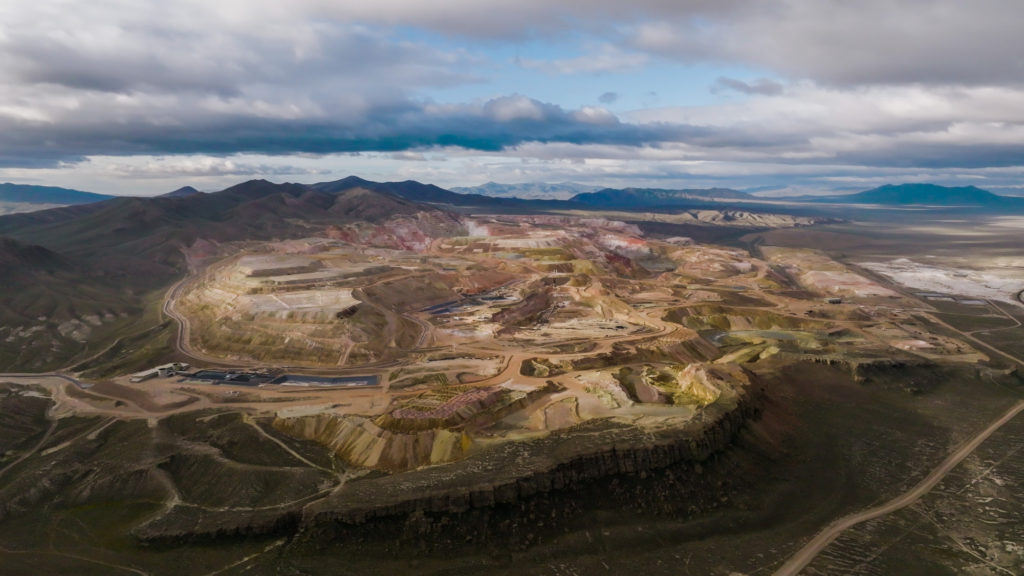
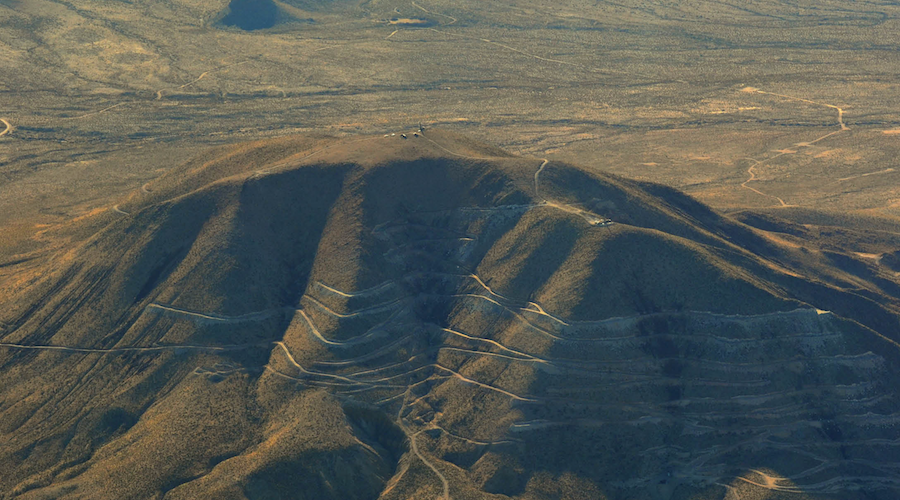
Hycroft Mining’s proposed Nevada gold-silver operation is now scoped as a 51-year, large-scale POX and heap leach mine with a post-tax NPV of $10 billion at a 5% discount rate, based on spot prices of $4,569/oz gold and $77.94/oz silver and an initial capital cost of $2.4 billion plus $3.1 billion sustaining. The plant is designed to treat 57,100 t/d, producing on average 204,000 oz/y gold and 6.8 Moz/y silver (295,000 oz/y AuEq) at an all-in sustaining cost of $2,147/oz AuEq. The mine plan draws on 16.4 Moz gold and 562.6 Moz silver M&I resources, with upside from 5 Moz gold and 132.8 Moz silver inferred, underground options at Brimstone and Vortex, and new oxide heap leach targets across a land package exceeding 64,000 acres.
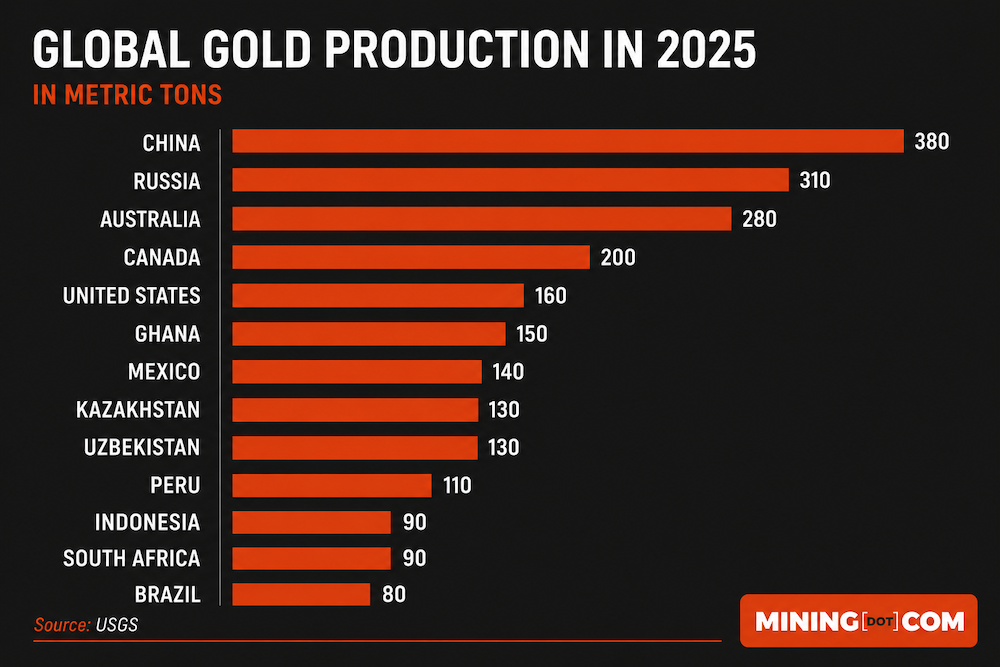
Russia claims it will mine 480–500 tonnes of gold in 2025 and that 2024 output was about 480 tonnes, which would exceed China’s 380-tonne 2024 production and contradict World Gold Council and Metals Focus estimates of 330–345 tonnes for Russia. The figures, issued by Natural Resources Minister Alexander Kozlov via Tass, are around 50% above widely used industry assessments despite no major new Russian gold mines coming online. Bloomberg also reports the Bank of Russia has sold about 28 tonnes of gold this year, raising over $4 billion to help plug budget deficits.
USA Rare Earth has finalised definitive agreements with the US Department of Commerce for nearly $1.6 billion under the CHIPS Act, comprising $277 million in federal funding and up to $1.3 billion in senior secured loans, supporting a total $3.5 billion capital programme. The company plans a fully integrated mine-to-magnet chain anchored by its Texas deposit (targeting production in 2028), a Stillwater, Oklahoma NdFeB magnet plant ramping to 600 tonnes this year and 10,000 tonnes/year of magnets plus 10,000 tonnes/year of heavy rare earth strip-cast, metal and alloy at full US build-out. Additional facilities are planned in Wheat Ridge, Colorado, Blacksburg, South Carolina ($1.2 billion), France (€175 million) and Brazil (a $2.8 billion mine acquisition), with yttrium already produced commercially in the UK via Less Common Metals.
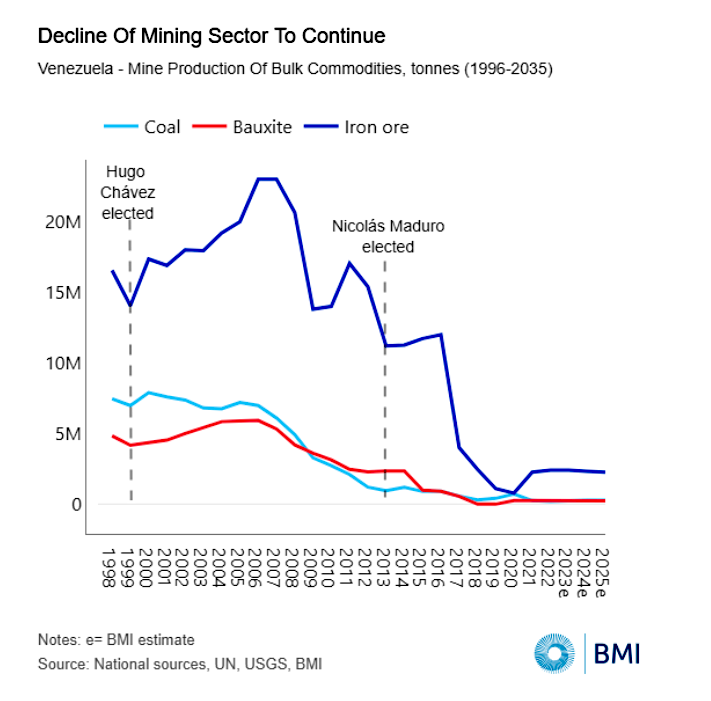
Venezuela’s post-Maduro mining reset is centred on a new April mining law offering longer concessions and a “legal route” for foreign and domestic operators, but must overcome a 90%-plus collapse in metals output, entrenched illegal extraction and weak territorial control. GEM Mining Consulting estimates resources of 82 million oz. gold, 2.3 billion tonnes of iron ore and 2.5 billion tonnes of bauxite, with potential annual output of 2.1 million oz. gold, 148 million tonnes of iron ore products and 52 million tonnes of bauxite. The 112,000 km² Orinoco Mining Arc and wider Guayana Shield remain geologically attractive, yet Venezuela’s role is likely as a diversified supplementary supplier rather than a dominant producer of any single critical mineral.
The US Department of Energy has awarded $67 million to ElementUSA and Colorado School of Mines to design, build and operate a rare earth processing plant in St. John the Baptist Parish, Louisiana, using an integrated hydrometallurgical–pyrometallurgical flowsheet that co-produces pig iron and recovers scandium, gallium, germanium, yttrium and multiple REEs from bauxite residue. ElementUSA plans a phased build-out to a 1 Mtpa feed facility with an estimated $1.1 billion capex, underpinned by ~34 Mt of proven residue reserves secured under exclusive access. At full scale, the project could supply 45–385% of current US annual demand for several listed critical elements, turning a legacy alumina waste stream into a strategic feedstock.
Cornish Tin & Lithium’s Phase 3 drilling at the Tregonning project in West Cornwall has extended the lithium-bearing Newall Formation to a strike length of about 3.27 km from Tregonning North to Tregonning South, with multiple lithium-enriched aplite‑pegmatite sheets at varying depths. Earlier intersections at Tregonning North included 0.3 m grading 1.33% Li₂O, with a peak of 1.42% Li₂O, and the new work suggests a materially larger lithium inventory. Drilling at Tregonning South also defined a new tin system with at least ten lodes, returning up to 2.69% Sn in Norcross No.1, 1.26% Sn in Rib North and 1.68% Sn in Rib South.
Deep Sea Minerals has secured a “substantial compliance” determination from NOAA under the US Deep Seabed Hard Mineral Resources Act, advancing its application to explore polymetallic nodules in international waters. The proposed concession covers about 150,000 km² of the Pacific Ocean, targeting nodules containing nickel, cobalt, copper and manganese for electrification, energy and defence supply chains. The company says this makes it one of only three publicly traded or public-market pathway firms to reach this stage in NOAA’s DSHMRA regulatory process, as the agency moves to accelerate licence reviews.
Stardust Power Inc. has been selected as the end-use industrial partner in a US Department of Energy-funded programme led by Ohio University’s Institute for Sustainable Energy and the Environment and CONSOL Innovations to develop electrochemical technology for direct lithium extraction from domestic waste streams, including oil and gas wastewater and legacy coal mine drainage. Under FOA DE-FOA-0003105, the team will test coal- and waste coal-based electrodes, with Stardust Power evaluating lithium product against battery-grade specifications and assessing refinery integration. The move supports diversified US lithium feedstocks and strengthens domestic critical minerals processing capacity.
Sandvik has introduced the Tundo RH700 cluster hammer unit for its DU300-series and DU400-series in-the-hole (ITH) longhole drill rigs, allowing rapid changeovers between standard production drilling and fully mechanised slot raising on the same carrier. The RH700 cluster configuration is aimed at boosting rig utilisation across existing ITH fleets by eliminating the need for dedicated raiseboring units and associated rehandling. For mine planners and drill‑and‑blast engineers, this supports more flexible slot design and potentially tighter drilling schedules without additional capital equipment.
BHP is working with Microsoft to deploy AI agents to accelerate discovery of advanced copper leaching chemistries, replacing slow, manual trial‑and‑error testing of millions of potential molecules. The system uses large‑scale computational screening to predict leach reagent performance on different ore types, aiming to improve copper recovery from low‑grade and complex ores where conventional sulphide flotation or heap leach kinetics are marginal. For mine planners and metallurgists, this could shift testwork programmes towards AI‑guided candidate selection, reducing lab cycles and de‑risking leach circuit design.