Durham bypass cost surge: mine remediation and design trade-offs for engineers
Reviewed by Tom Sullivan
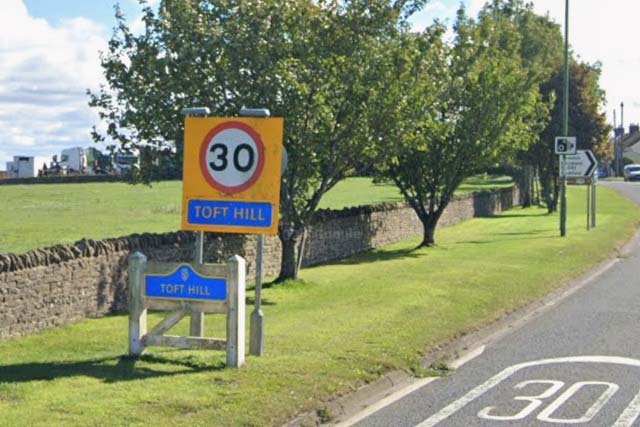
First reported on The Construction Index
30 Second Briefing
Durham County Council is weighing whether to scrap the Toft Hill–High Etherley bypass after projected costs jumped from just under £12m in 2021 to £31.6m–£36.4m, driven by inflation and unpriced items such as land compensation, mining remediation and ground treatment. The scheme, tied to a £20m Levelling Up Fund package that also covers Whorlton Bridge restoration, would now leave a funding gap of at least £18.8m even if the council retains £8.9m for other use. All route options require significant remedial works over historic coal mine workings, prompting a reassessment of value for money and alternative road safety measures within the villages.
Technical Brief
- Original 2021 estimate explicitly excluded land compensation, mining remediation and any ground treatment allowances.
- Current projection includes additional survey fees on top of the £18.8m+ funding shortfall.
- All candidate alignments intersect historic coal mine workings, triggering “significant remedial works” on every route.
- Councillors must decide next week whether to formally withdraw the bypass from the Levelling Up Fund.
- The bypass has sat in Durham County Council’s capital programme since 2021 without moving to construction.
- Safety concerns in Toft Hill will be addressed through alternative road safety schemes funded separately from the bypass decision.
Our Take
Cost inflation from about £12m to over £31.6–36.4m puts this Durham bypass at the sharper end of overruns in our 625-piece UK infrastructure set, which typically shows road schemes moving by a smaller multiple over similar timeframes.
The presence of Whorlton Bridge and legacy coal-related routes in the scheme area means heritage and ground-risk constraints are likely to be stronger than for standard bypass projects, often pushing up preliminaries and contingency in our UK regional roads data.
If the scheme is withdrawn and only the £8.9m retained funding is carried forward, our database suggests Durham will struggle to deliver anything beyond partial safety or junction upgrades rather than a full bypass, a pattern seen in several other sub-£10m re-scoped road projects.
Prepared by collating external sources, AI-assisted tools, and Geomechanics.io’s proprietary mining database, then reviewed for technical accuracy & edited by our geotechnical team.
Related Articles


Related Industries & Products
Mining
Geotechnical software solutions for mining operations including CMRR analysis, hydrogeological testing, and data management.
Construction
Quality control software for construction companies with material testing, batch tracking, and compliance management.
CMRR-io
Streamline coal mine roof stability assessments with our cloud-based CMRR software featuring automated calculations, multi-scenario analysis, and collaborative workflows.
HYDROGEO-io
Comprehensive hydrogeological testing platform for managing, analysing, and reporting on packer tests, lugeon values, and hydraulic conductivity assessments.
GEODB-io
Centralised geotechnical data management solution for storing, accessing, and analysing all your site investigation and material testing data.