Geomechanics, Streamlined.
© 2026 Geomechanics.io. All rights reserved.
RCT – Powered by Epiroc has opened a new branch in Orange, New South Wales, co-located with fellow Epiroc acquisition JTMEC at Leewood Drive to consolidate automation, control and electrical support for local underground mines. The site will act as a regional base for commissioning and servicing RCT’s ControlMaster automation and remote-control systems on LHDs, trucks and drill rigs, alongside JTMEC’s mine electrical and power distribution services. For operators in the central west NSW gold and base metals belt, the move should shorten response times and simplify integration of OEM-agnostic automation with site power infrastructure.
Colorado School of Mines and ElementUSA have secured US$67 million from the US Department of Energy to build a rare earth element extraction and processing plant treating alumina refinery tailings at Gramercy, Louisiana. The DOE Office of Critical Minerals and Materials is backing the project as one of only two funded initiatives, targeting recovery of REEs from existing bauxite residue streams rather than new mining. For process engineers and tailings specialists, the scheme signals growing support for hydrometallurgical upgrading and reprocessing of legacy red mud deposits.
Scotland delivers the highest value within the UK’s £105bn net zero economy, with major contributions from low‑carbon power, onshore and offshore wind, and grid infrastructure upgrades. Regional clusters in the Midlands and Yorkshire also rank strongly, driven by clean manufacturing, hydrogen pilots and industrial decarbonisation projects around existing heavy industry hubs. For civil and geotechnical engineers, this signals continued demand for large‑scale energy infrastructure, port upgrades for offshore wind, and brownfield industrial retrofits in these regions.
Sweco has agreed to acquire Finnish technical consultancy Platom, expanding its Nordic footprint in highly regulated industrial and nuclear-related projects. Platom brings specialist capability in process engineering, safety analyses and licensing support for nuclear facilities and other complex plants in Finland. For civil and geotechnical engineers, the deal signals more integrated design teams on projects involving radiation shielding, containment structures and long-term asset integrity in energy and industrial infrastructure.
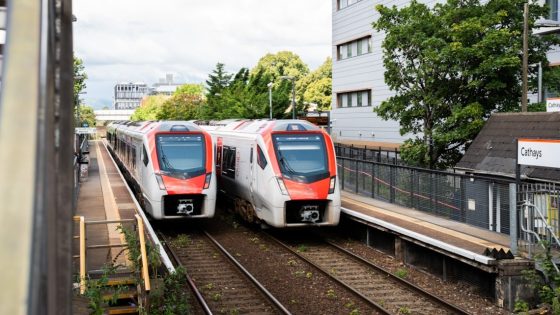
Major work will start on 13 June at Cathays station on the Merthyr and Rhondda line, north of Cardiff Central, to install a new bridge as part of a wider rail infrastructure upgrade. Network Rail and its contractors are expected to replace the existing structure during a blockade, using crane lifts over the operational railway and staged possessions to minimise disruption to Cardiff commuter services. For designers and contractors, key issues will include managing limited urban worksite access, maintaining track geometry tolerances, and coordinating utilities and signalling interfaces around the new bridge deck and abutments.
The government’s latest HS2 update has reopened scrutiny of the UK’s capacity to deliver megaprojects as the curtailed London–Birmingham–Manchester high-speed line faces escalating costs and phased construction stretching well beyond original 2026–2033 opening targets. Protracted uncertainty over northern legs, station scope at Euston, and interfaces with existing classic lines is driving repeated redesign, land safeguarding extensions and contractor remobilisation costs. For civil and geotechnical teams, shifting phasing and scope complicate ground investigation strategies, tunnelling logistics and long-lead materials procurement, inflating risk allowances in future bids.
ACE Group’s Environmental Industries Commission has issued a policy roadmap urging UK governments to classify nature-based solutions – such as wetlands, urban forests and green roofs – as core infrastructure on a par with roads, rail and engineered flood defences. The plan seeks multi‑year funding, integration into National Policy Statements and Treasury Green Book appraisal, and explicit performance metrics for biodiversity, flood attenuation and urban cooling. For designers and geotechnical teams, this signals stronger policy backing for hybrid schemes combining hard defences with soil‑ and vegetation‑based systems.
AtkinsRéalis has been appointed by Northern Ireland’s Department for Infrastructure to deliver detailed design and construction supervision for Phase 2 of Belfast Rapid Transit, extending the existing Glider bus-based system. The commission will cover corridor alignment, junction remodelling, segregated bus lanes and priority signalling, plus associated structures and utilities coordination in dense urban streets. For civil and geotechnical teams, key tasks will include pavement design for high-frequency articulated buses, foundation works around buried services, and construction staging to maintain traffic and public transport operations.
EQ Resources has approved a $39 million expansion of the Mt Carbine tungsten mine in far north Queensland, doubling crushing capacity from about 1Mtpa to 2Mtpa to clear a key processing bottleneck. The project centres on upgrading the existing crushing circuit and associated materials handling to sustain higher throughput of low‑grade stockpiles and in-situ ore. For mine planners and plant engineers, the move signals a shift towards larger-scale tungsten production at Mt Carbine, with comminution capacity now aligned more closely to available ore resources.
Victory Metals has signed a Native Title Mining Agreement with the Wajarri Yamaji Aboriginal Corporation for the North Stanmore heavy rare earth project, clearing a key requirement for granting a Western Australian mining lease. The clay-hosted deposit, about 6km north of Cue, targets dysprosium and terbium within a broader rare earth assemblage considered strategically important for permanent magnets and defence supply chains. The agreement gives Traditional Owners defined cultural heritage protections and benefits while giving the proponent tenure certainty to progress mine design, approvals and funding.
BHP is using artificial intelligence with Microsoft and Prescience Insilico to screen more than 500,000 candidate molecules that could accelerate and improve copper leaching from existing ore. The project applies advanced computing to predict which reagents may enhance recovery rates in heap and dump leach circuits, rather than relying solely on conventional lab trial-and-error. For geometallurgists and process engineers, this signals a push to optimise reagent chemistry on legacy ore bodies before committing capital to new copper projects.
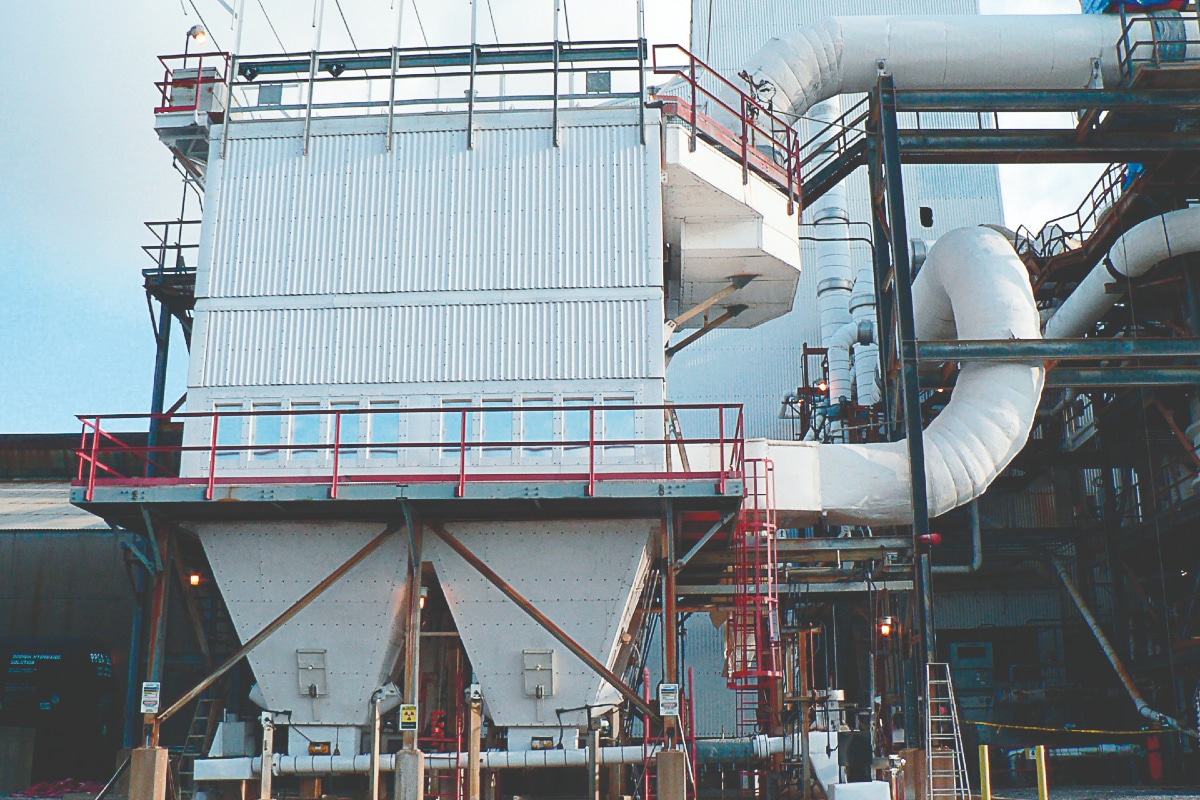
Nederman MikroPul is promoting modular baghouse dust collectors and centralised extraction systems for crushing, screening, conveying and loading circuits in mining and mineral processing plants. The systems target fine and abrasive dusts, aiming to cut fugitive emissions, recover saleable product from process streams, and stabilise negative pressure around transfer points to reduce spillage and build-up. By improving capture efficiency at sources such as crushers and screen decks, operators can reduce unplanned shutdowns, lower filter and ductwork maintenance, and support compliance with tightening particulate emission limits.
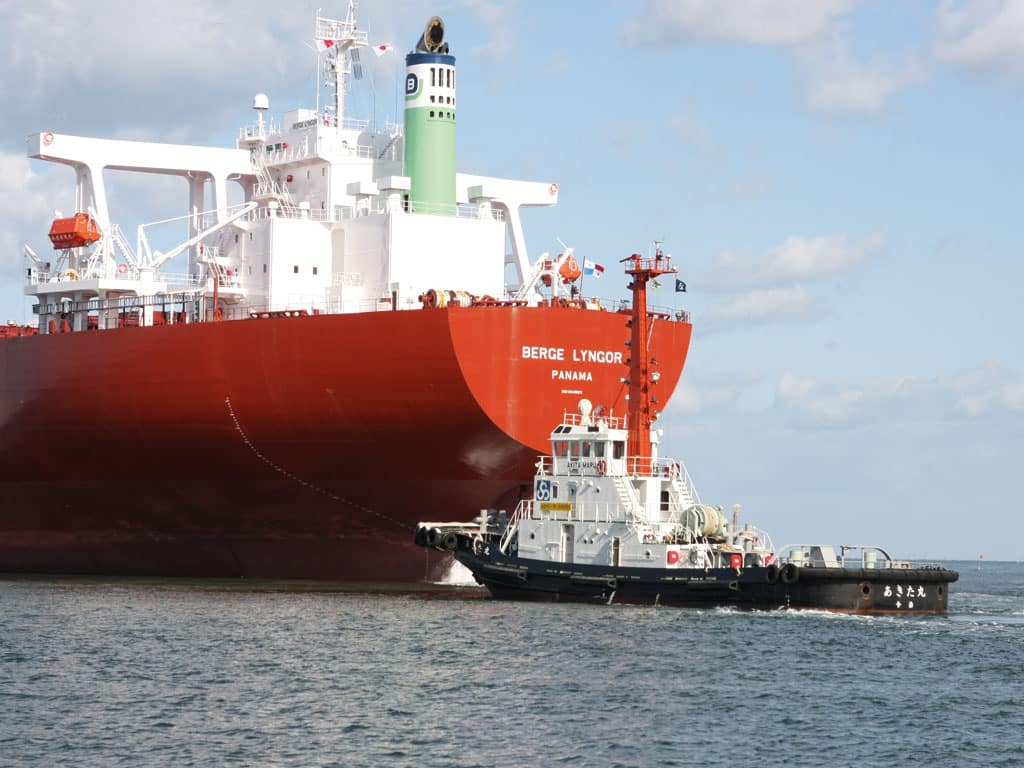
BHP and the Global Centre for Maritime Decarbonisation are trialling a marine biofuel blend derived from used cooking oil and waste animal fats on a BHP‑chartered bulk carrier voyage from Australia to China. The pilot focuses on blending, handling and tracing multi‑feedstock biofuels through existing bunker supply chains, using current marine fuel infrastructure rather than dedicated new storage or pipelines. Outcomes will inform fuel specification, engine performance and contamination risk management for large dry bulk vessels on long‑haul export routes.
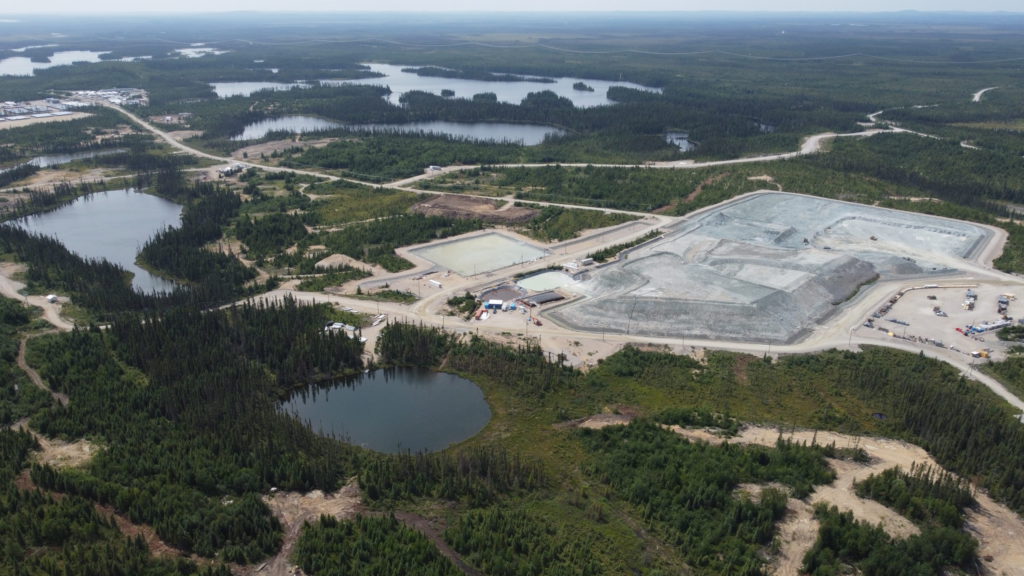
Gold Fields and the Cree First Nation of Waswanipi have signed the Uukiimau Impact Benefit Agreement for the Windfall gold-silver project in Québec’s Abitibi greenstone belt, covering financial, operational, environmental and social commitments for the life of the mine. Windfall hosts measured and indicated resources of 9.5 million tonnes at 10.5 g/t gold and 5.2 g/t silver (3.2 million oz gold, 1.6 million oz silver), plus 13 million tonnes inferred at 8.6 g/t gold and 4.7 g/t silver. Gold Fields targets first production by late 2026 or early 2027, ramping to about 300,000 oz/year.
LiuGong has unveiled an ultraclass hybrid wheel loader and an autonomous 127 t wide body mining truck at its 6th Global Customer Day in Liuzhou, China, signalling a push into large-scale, high-payload surface mining fleets. The autonomous truck targets 127 t payload haulage with wide body geometry optimised for short- to medium-haul pits, while the hybrid loader combines diesel and electric drive to cut fuel burn and cycle times. For mine planners, the pairing points to integrated OEM haul–load systems with embedded autonomy rather than bolt‑on retrofits.
Integra Resources has appointed Ausenco Engineering USA South as lead engineer for detailed engineering at the DeLamar gold-silver project in southwestern Idaho, with SLR Consulting retained for heap leach design, metallurgy and mine planning. The mandate covers advancing the project from feasibility-level concepts to construction-ready designs, including detailed layouts for heap leach pads, process plant and associated mine infrastructure. For engineers, the move signals imminent definition of pad geometry, liner and drainage systems, and materials handling circuits critical to permitting, capex control and construction sequencing.
Alastair Dick has been appointed managing director of Ferrovial Construction UK & Ireland, joining from Bechtel where he was UK head of business development for Bechtel Infrastructure. His previous roles included managing director in Bechtel’s nuclear, security and environmental business, overseeing international nuclear and security projects across the UK, Australia and the Middle East. Dick will now set strategy and performance for Ferrovial’s UK and Irish operations, leading delivery of complex rail, aviation, energy and environmental infrastructure schemes, many likely structured as PPP or privately financed programmes.
Clarion Housing Group has appointed The Hill Group as main contractor for the Clare House redevelopment in Tower Hamlets, delivering 145 new homes at 100% social rent with main construction scheduled from April 2027 to 2029. Demolition is already complete and associated public realm works include upgrades to the nearby Jasmine Park play space, which started in May 2026 as part of a wider regeneration programme. The redesigned Clare House is planned as a modern, energy-efficient scheme with long-term performance targets central to Clarion and Hill’s ongoing partnership.
Amey has appointed Gert Vermeiren as sector director for engineering and Stephen Knott as chief operations director in its consulting business, signalling a push to scale complex transport and infrastructure delivery. Vermeiren brings 29 years’ experience on major schemes including Stockholm Bypass, Riyadh Metro, Istanbul Airport, Paris Metro, the Moscow Ring Road and National Grid’s Great Grid Programme, plus pan-European transport portfolios. Knott, a fellow of the ICE, previously led Amey’s strategic highways business to a £200m portfolio and will now oversee consulting delivery for UK and international clients.
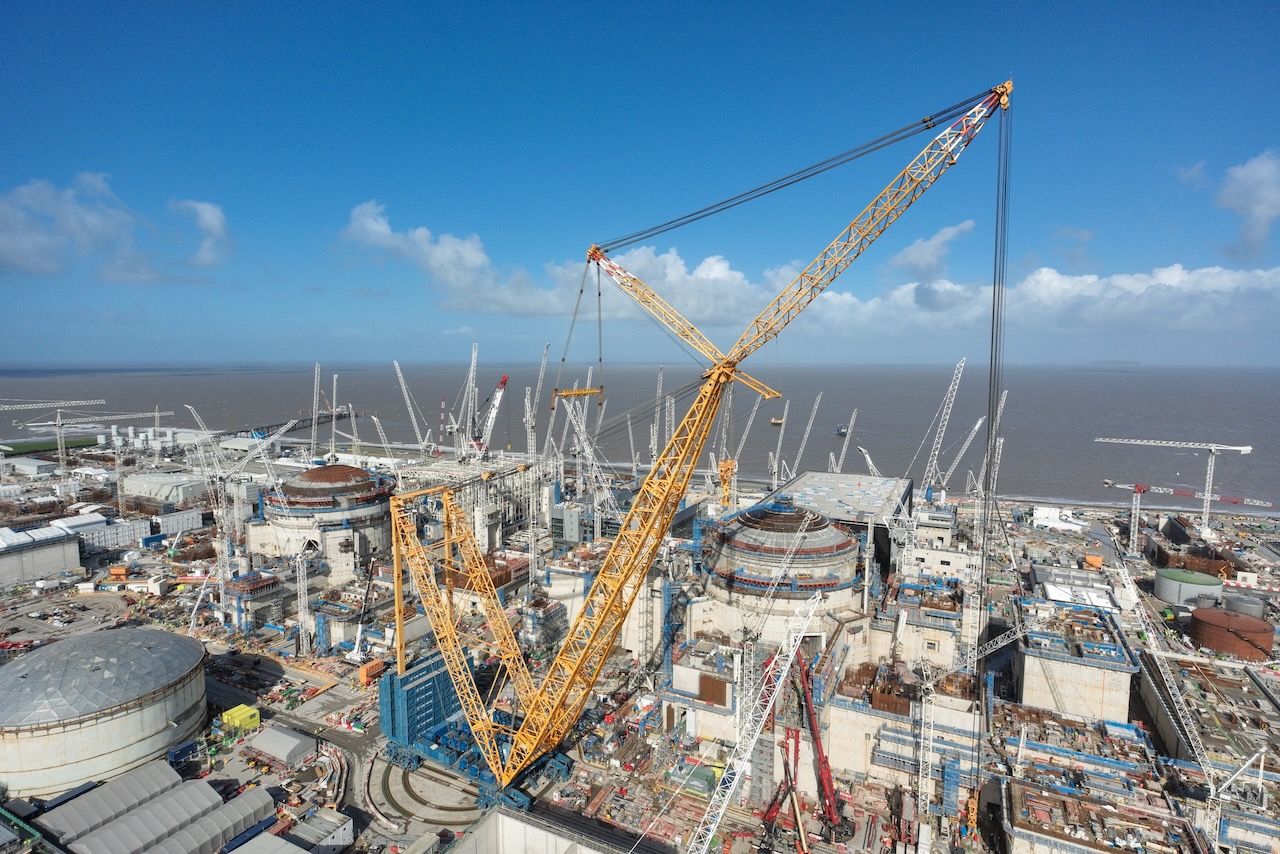
EDF Energy has appointed Gleeds under a new professional services framework to deliver commercial and programme management services for the Hinkley Point C nuclear power station in Somerset through to project completion. The role extends Gleeds’ existing ten‑year remit from commercial and contract management on major site civil works and marine works into wider project management, programme controls, and business support across the complex, highly regulated nuclear build. For contractors and consultants, this signals continued emphasis on rigorous cost control, contract administration and schedule integration on one of Europe’s largest nuclear construction programmes.
Kimpton has completed a £6.7m mechanical package for phase one of Watkin Jones’ Central Quay scheme in Cardiff, serving two interlinked 23-storey residential towers with 718 apartments and nearly 20,000 sq ft of leisure and retail space. The installation includes 200-litre internal heat pump cylinders in family units to reduce potable water waste while maintaining hot water capacity. A multi-extract ventilation system with heat recovery captures and recycles exhaust heat, cutting energy demand and supporting higher building services efficiency for the high-rise structure.
Kier has appointed Niki Steel as chief human resources officer and executive committee member, effective August 2026, to support performance across its roughly 10,000-strong workforce. Steel moves from FTSE 100 engineering group IMI plc, where she has been chief people officer for sector operations for the past two years. The appointment follows Kier’s decision to merge two business divisions into an “infrastructure powerhouse” under Joe Incutti, with former chief people officer Louisa Finlay now COO and James Askew in post as group commercial director since January.
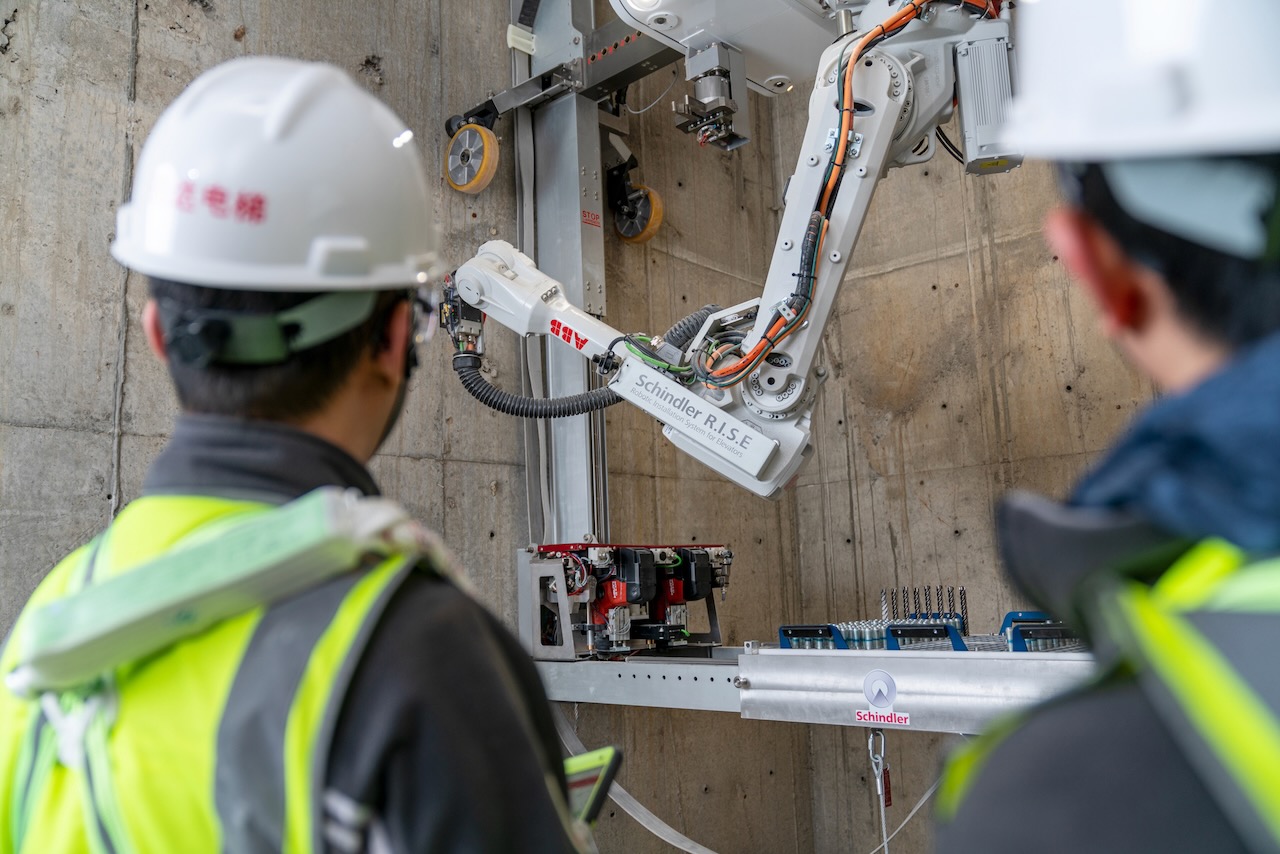
Schindler has expanded its R.I.S.E robotic elevator installation fleet from five to seven units, using automated drilling and anchor-setting to cut manual handling and overhead work in lift shafts. The robots are deployed in hoistways to perform repetitive, high-precision tasks such as bracket positioning and fastening, reducing installer exposure to work at height and confined spaces. For contractors and structural engineers, wider R.I.S.E use could influence shaft tolerance requirements, fixing layouts, and programme durations on high-rise core construction.
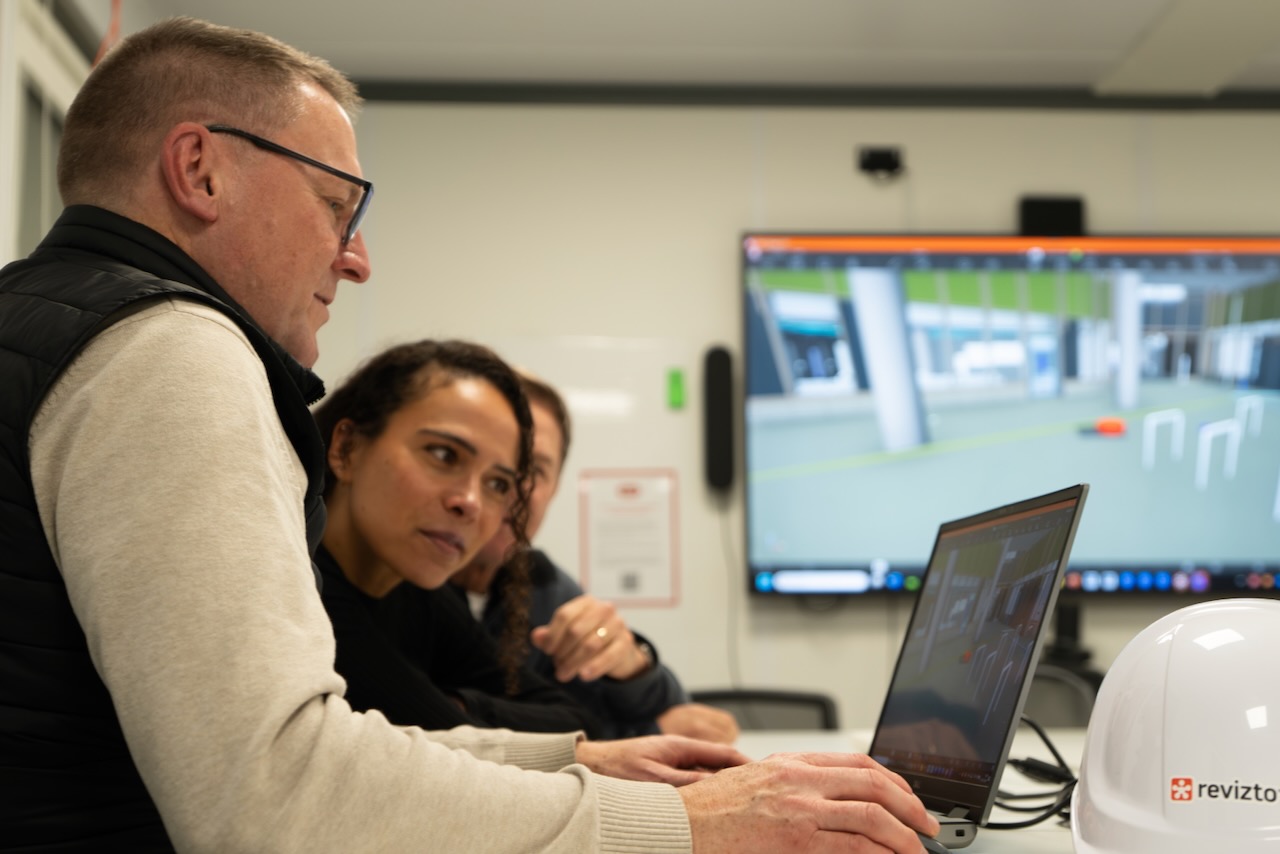
Bouygues UK is using Revizto BIM tools to run live, fully navigable 3D walk-throughs of the 47,000 m² Moorfields and UCL Centre for Eye Health, enabling clinicians to test operating theatre layouts, medical gas outlet positions and patient flows months before work reaches those areas. A single shared model for more than 100 daily onsite users across 20 disciplines has cut clash detection from about a week to 10–15 minutes, with issues logged and resolved in real time. The specialist eye hospital complex is scheduled to open to patients in summer 2027.