Geomechanics, Streamlined.
© 2026 Geomechanics.io. All rights reserved.
Further uranium mineralisation has been confirmed at Alligator Energy’s Big Lake uranium project in South Australia, where 33 aircore holes totalling 4,112m have been completed. Follow‑up drilling at Site 10 intersected uranium mineralisation associated with the interpreted redox boundary between oxidised and reduced sediments, strengthening the company’s roll‑front exploration model. For geologists and hydrogeologists, the results support a redox‑controlled, sandstone‑hosted system, guiding placement of subsequent step‑out holes and refinement of groundwater sampling and downhole geophysics.
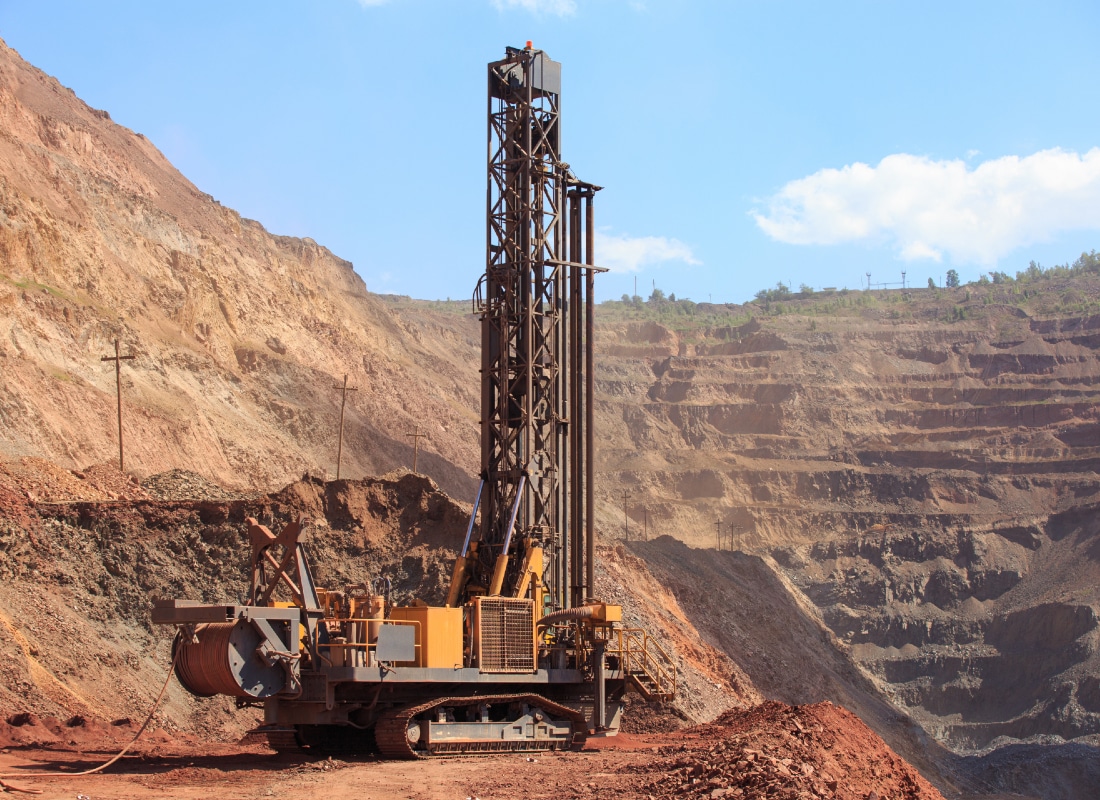
Brightstar Resources’ first diamond hole to exceed 1000m at the Two Mile Hill deposit has intersected over 500m of mineralised tonalite, materially enlarging the interpreted host intrusion at its 2.9Moz Sandstone gold project in Western Australia. The 1039.2m hole is one of two completed so far in a four-hole, ~3400m extensional drilling programme aimed at testing depth continuity and lateral extensions of the tonalite-hosted system. For geotechnical and mine planning teams, the thicker intrusive body suggests potential for a larger, deeper bulk underground mining envelope than previously modelled.
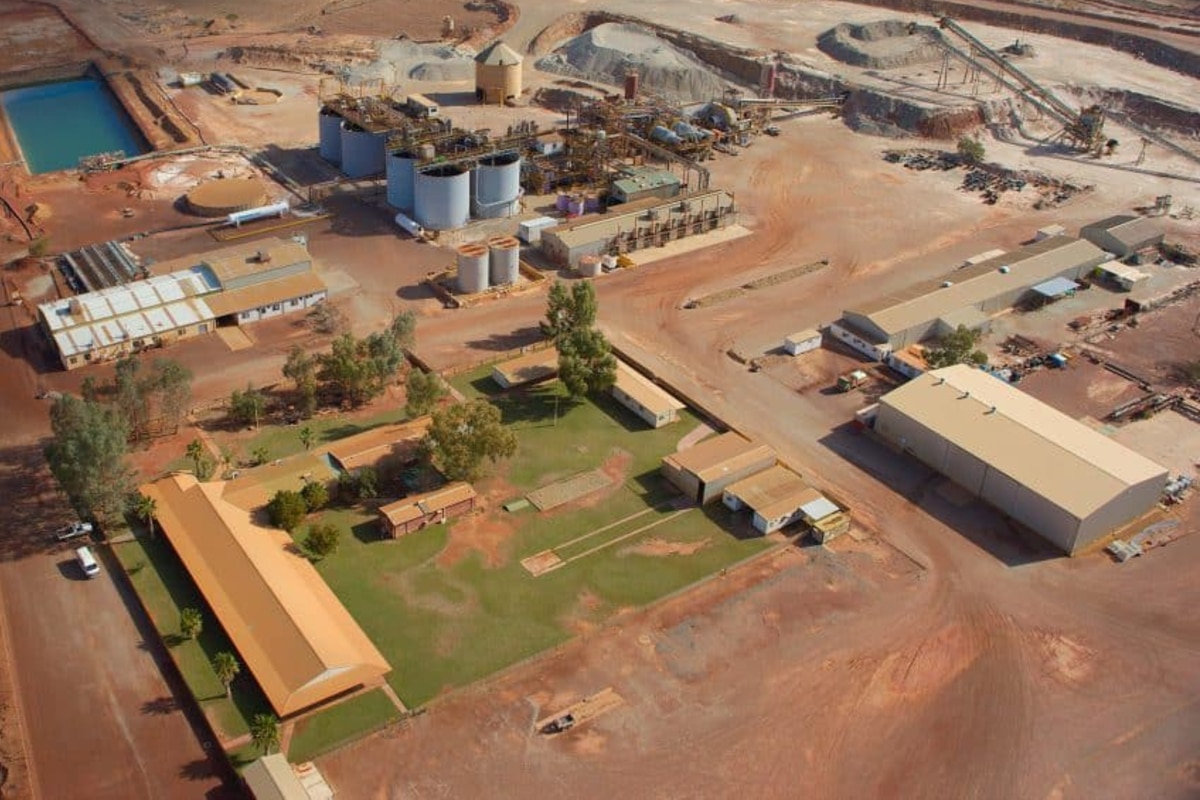
Westgold Resources plans a $100 million brownfields Meekatharra Expansion Plan in Western Australia to lift processing capacity from 1.8Mtpa to 2.9Mtpa, a 61 per cent throughput increase at its central gold hub. The scoping study centres on upgrading the existing Meekatharra plant rather than building a new facility, signalling higher utilisation of current crushing and grinding circuits and greater ore draw from regional underground and open-pit operations. For mine planners and plant engineers, the uplift will drive changes in pit scheduling, haulage profiles, and tailings storage requirements.
Mott MacDonald, with Arup and SMEC, has led a 30‑year Auckland Motorway Strategic Plan for Waka Kotahi NZ Transport Agency, creating a decision‑led framework that integrates transport modelling, operations, economics and stakeholder inputs into a single investment roadmap. The plan prioritises optimising the existing motorway network, targeted capacity increases and wider system improvements so roads, public transport and freight corridors operate as a coordinated system rather than relying on continual widening. For civil and transport engineers, this signals future funding favouring network optimisation, resilience and smaller, high‑impact upgrades over large greenfield expansions.
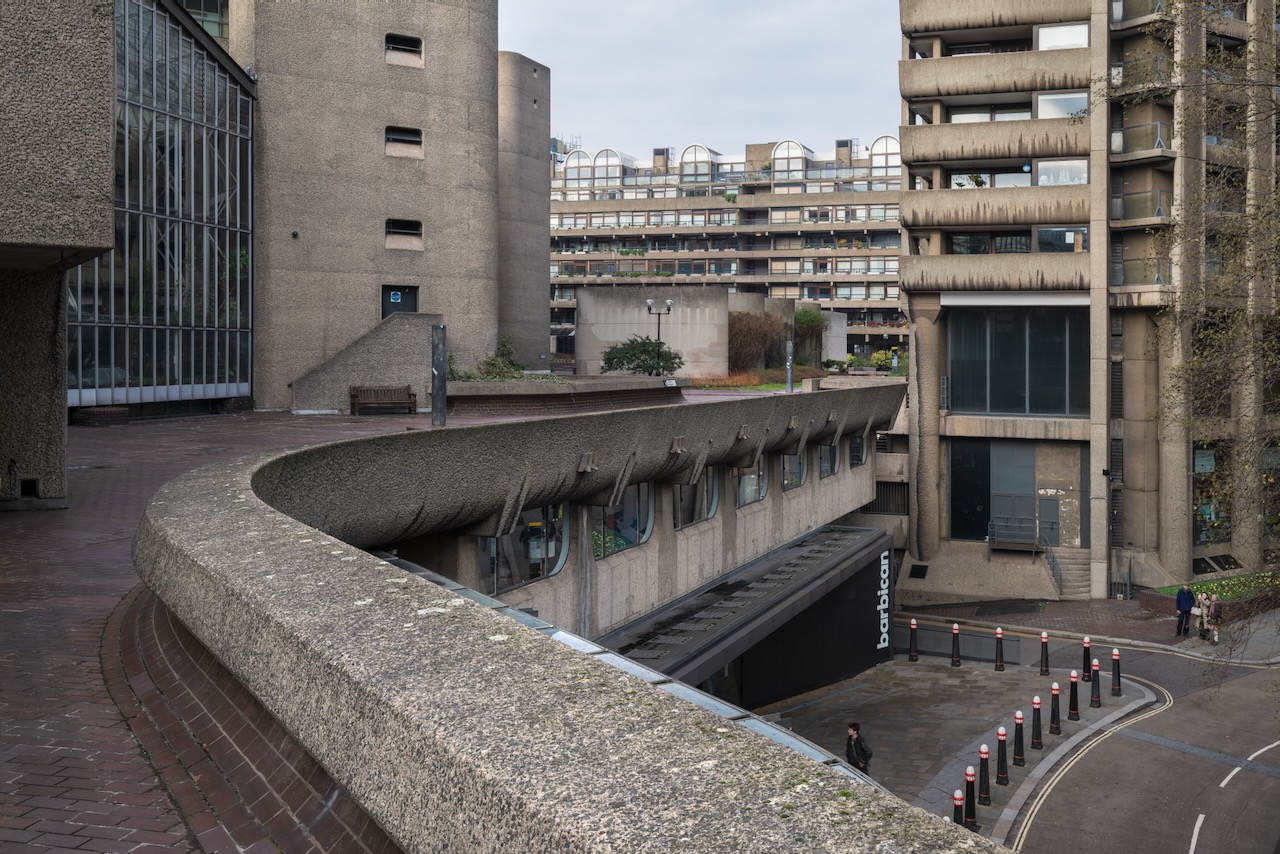
Tenders are being sought by the City of London for a £60m strip-out and renewal of MEP infrastructure at the Barbican Centre, covering multiple basement plant levels and public floors in the live arts venue. Works include removal of life-expired services, installation of new plant, complex distribution and containment, and staged isolation and shutdown of live building systems while interfacing with retained plant. Construction is scheduled from February 2027 to September 2029, with a possible extension to March 2030, and up to four bidders will be shortlisted from requests to participate submitted by 12 October.
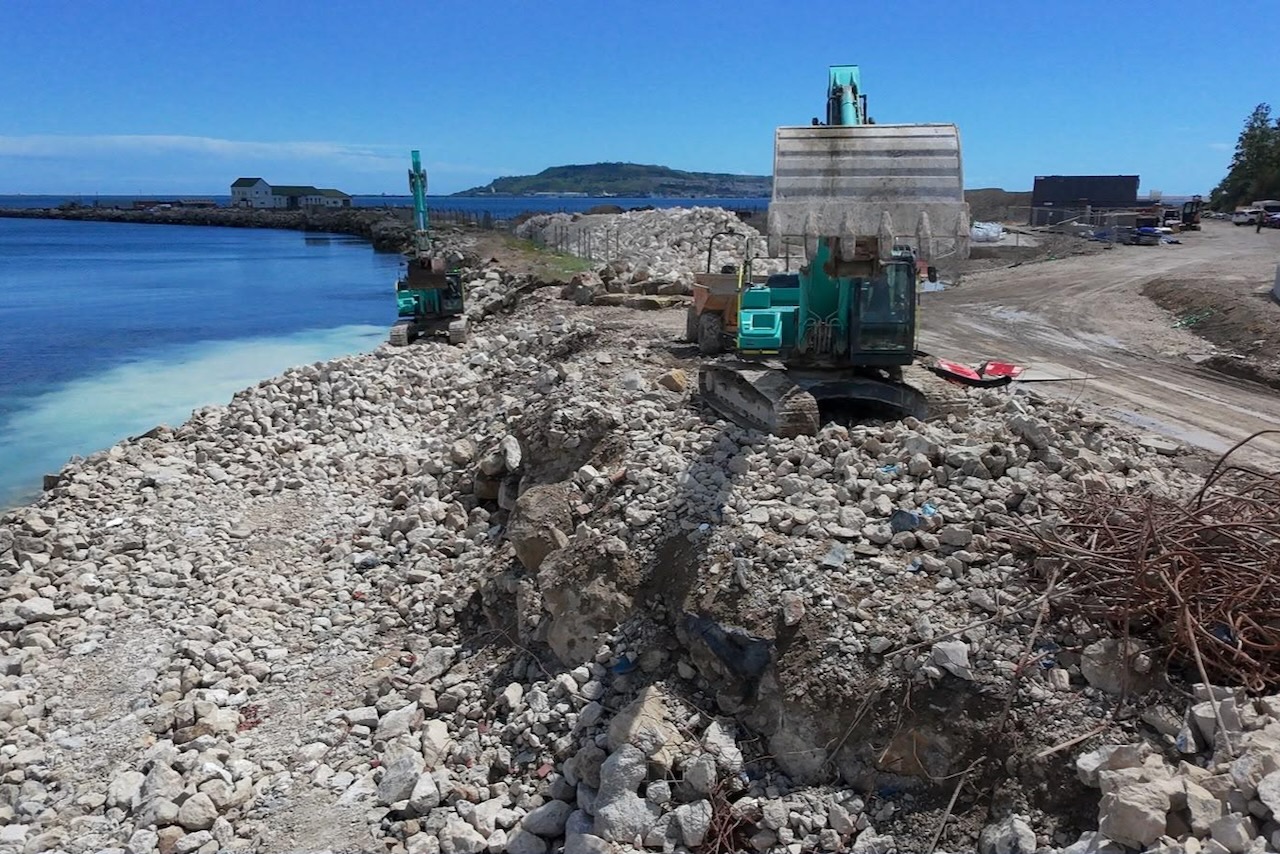
Holcim is supplying 12,000 tonnes of limestone armourstone from Torr Quarry to Juno MMXX’s £52m Sanctuary development in Weymouth, reinforcing sea defences on a former MoD coastal site that will host 141 new homes. The rock armour ranges from 45 mm stone to individual boulders over 10 tonnes, placed one-by-one by specialist contractors to form the sea defence wall. Logistics use JF Pearce’s converted shipping-container lorries to move the oversized rock from Somerset, as part of an £8m coastal defence package running from June to September 2026.
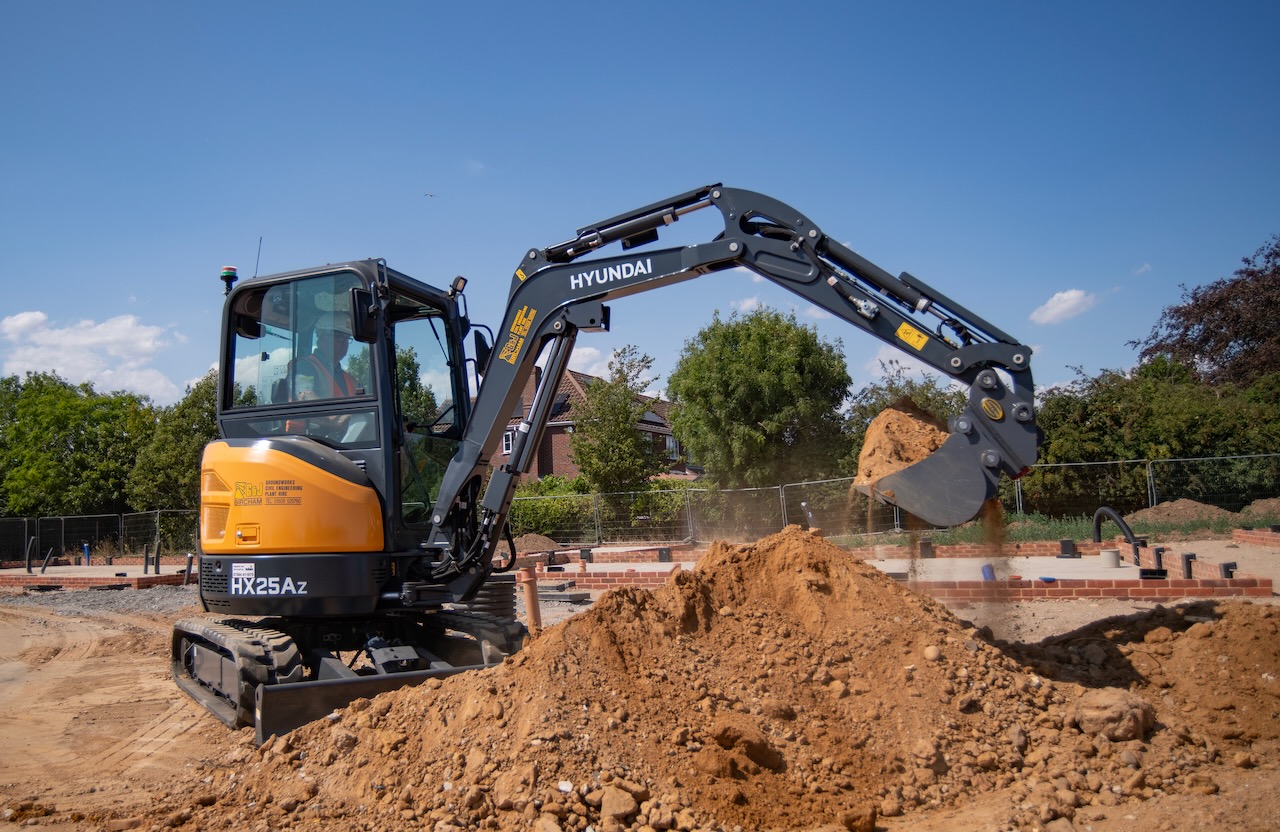
G&J Bircham has added two 2.6‑tonne Hyundai HX25Az mini excavators to its groundworks fleet via East Anglian dealer Tobin Plant, selecting the largest Hyundai minis that can still be towed behind a light commercial vehicle or pick‑up for rapid redeployment between housebuilding sites. The Norfolk contractor now runs almost entirely Hyundai, including five HX85A 8.5‑tonne excavators and two 13‑tonne machines, standardised with Strickland hydraulic quick hitches and bucket sets. Hyundai supplies the HX25Az with a three‑year warranty and larger, comfort‑focused cabs that operators prefer.
Bellway has started construction of 484 homes across three developments – Berry Hill Vale, Berry Hill Lea and Genesis at Berry Hill – within the Lindhurst neighbourhood on the edge of Mansfield, adding 314 private units and 170 affordable homes for rent or shared ownership. Berry Hill Vale and Berry Hill Lea are scheduled to open to buyers in the autumn, with Genesis at Berry Hill following early next year, forming the second phase after 146 earlier units at Berry Hill. The wider Lindhurst masterplan allows for up to 1,700 homes, a primary school, local centre and public open space, supported by Bellway’s new timber-frame facility in nearby Sutton-in-Ashfield.
SCAPE has opened procurement for a five-lot, £8bn construction framework spanning England, Wales and Northern Ireland, with three delivery partners to be appointed to each lot. Lot 1 and Lot 2 in England cover general construction and residential works respectively, each handling projects from small-scale schemes up to those exceeding £500m, with category values of £4bn and £2bn. Lot 3 in Wales is capped at projects over £150m within a £1bn total, while Northern Ireland’s Lots 4 and 5 split work at £15m project value, totalling £1bn.
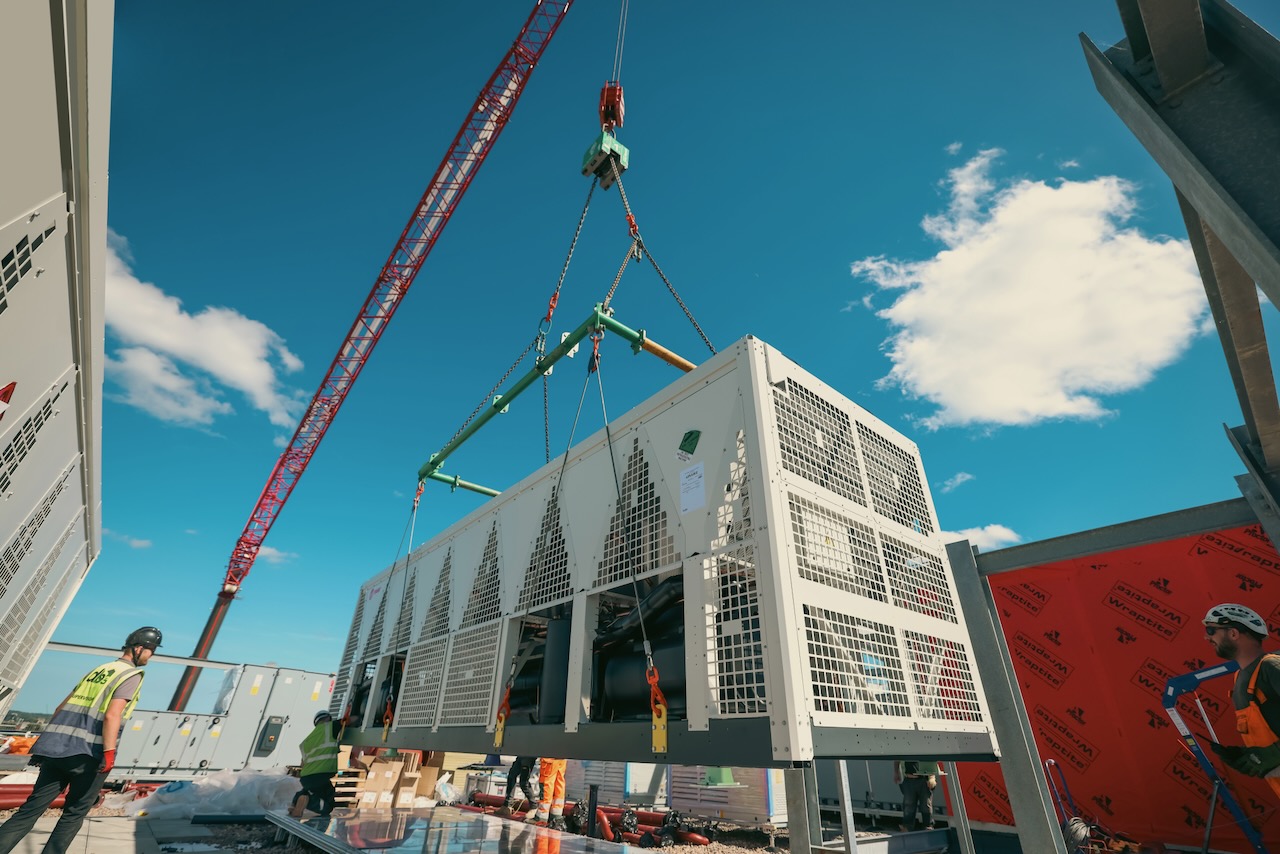
E J McGovern Crane Hire used Pewag below-the-hook lifting gear, including a 20‑tonne load balancer supplied by Rope & Sling Specialists, to install a 7,000kg air source heat pump on a rooftop in Oxford. The lift required precise load equalisation and controlled rotation to position the large unit within tight rooftop tolerances without overloading connection points. The choice of a 20t balancer for a 7t load provides substantial safety margin and flexibility for similar heavy MEP rooftop installations.
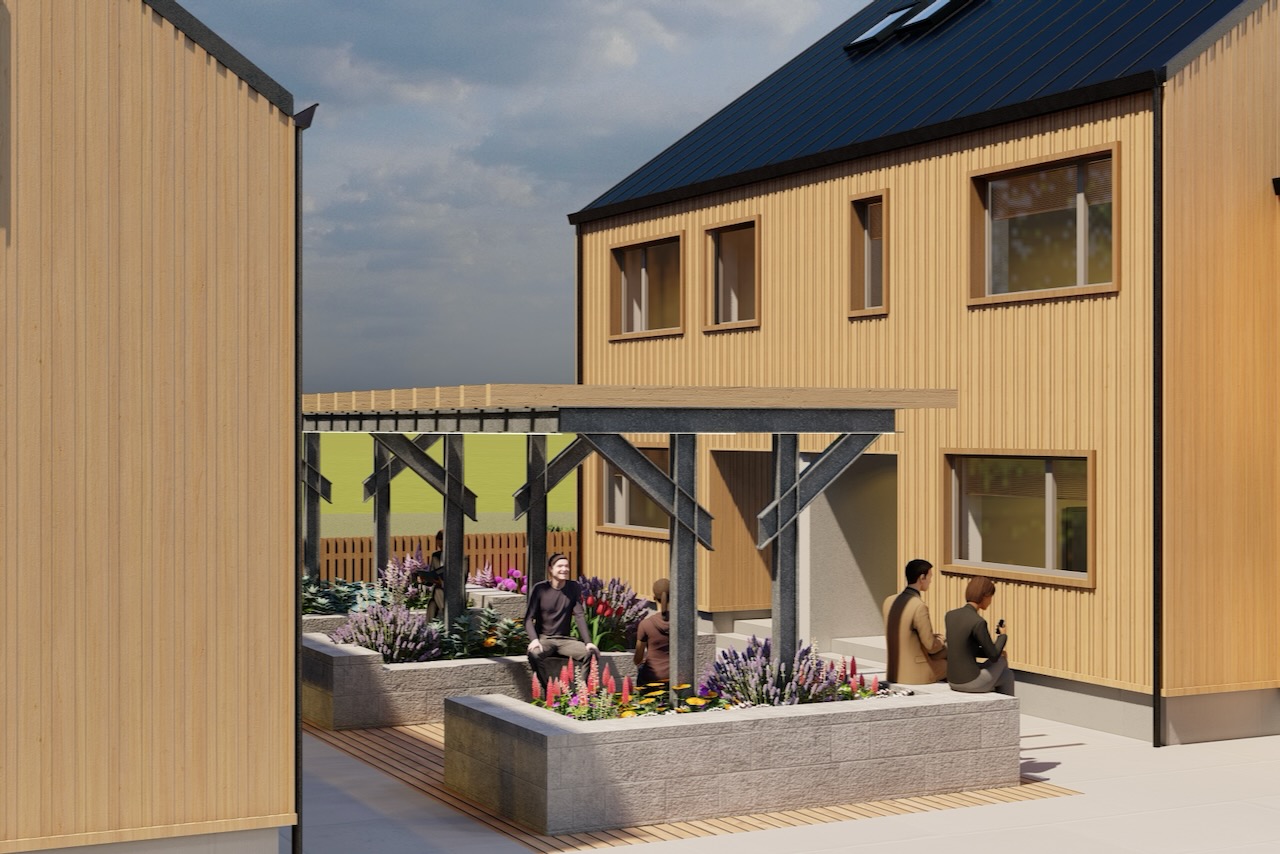
Recycled glass panel homes have secured planning approval near Closeburn, Dumfries, allowing VASO Global to build four dwellings and a home-working space using off-site manufactured panels made entirely from recycled glass. The 60,000-square-feet Irongray Park facility will fabricate and flat-pack the structural panels for rapid on-site assembly, targeting low operational energy, high thermal comfort in both summer and winter, and affordable rents. Backed by South of Scotland Enterprise, Nith Valley Leaf Trust and South of Scotland Community Housing, the scheme serves as a full-scale demonstrator for VASO’s modular, low‑carbon housing system.
Railpen has secured planning consent for phase 2 of its High Wycombe X industrial and logistics park at Cressex Business Park, delivering about 145,000 sq ft across five units on a 360,000 sq ft site and targeting completion in Q2 2027. Booker has pre-let 47,300 sq ft and Activeon 25,600 sq ft, both on 20-year leases, signalling strong long-term demand for the scheme. The development is targeting BREEAM Excellent, EPC A+ and net zero carbon in construction, with a third 120,000 sq ft phase already submitted for planning.
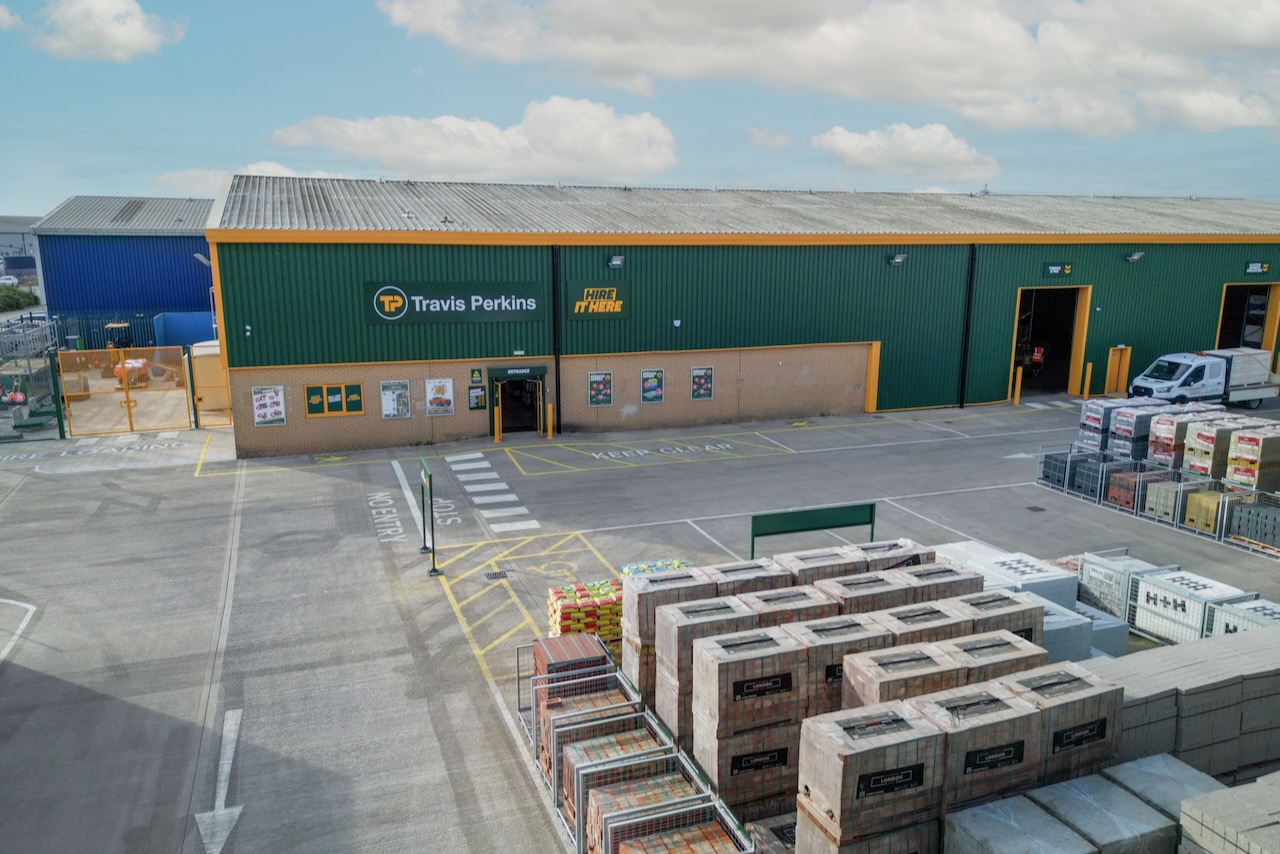
Travis Perkins has relocated its Corby branch to a 1.5‑acre, purpose-built site, adding six jobs to create a nine-strong team and significantly increasing on-site stock for core building materials and civils products. The branch now includes a Travis Perkins Hire facility for the first time in Corby, plugging into the company’s national network of more than 270 hire locations and giving local contractors same-day access to professional tools and equipment. Additional services include a brick library, landscaping display, estimating support, click-and-collect and next-day delivery across Northamptonshire.
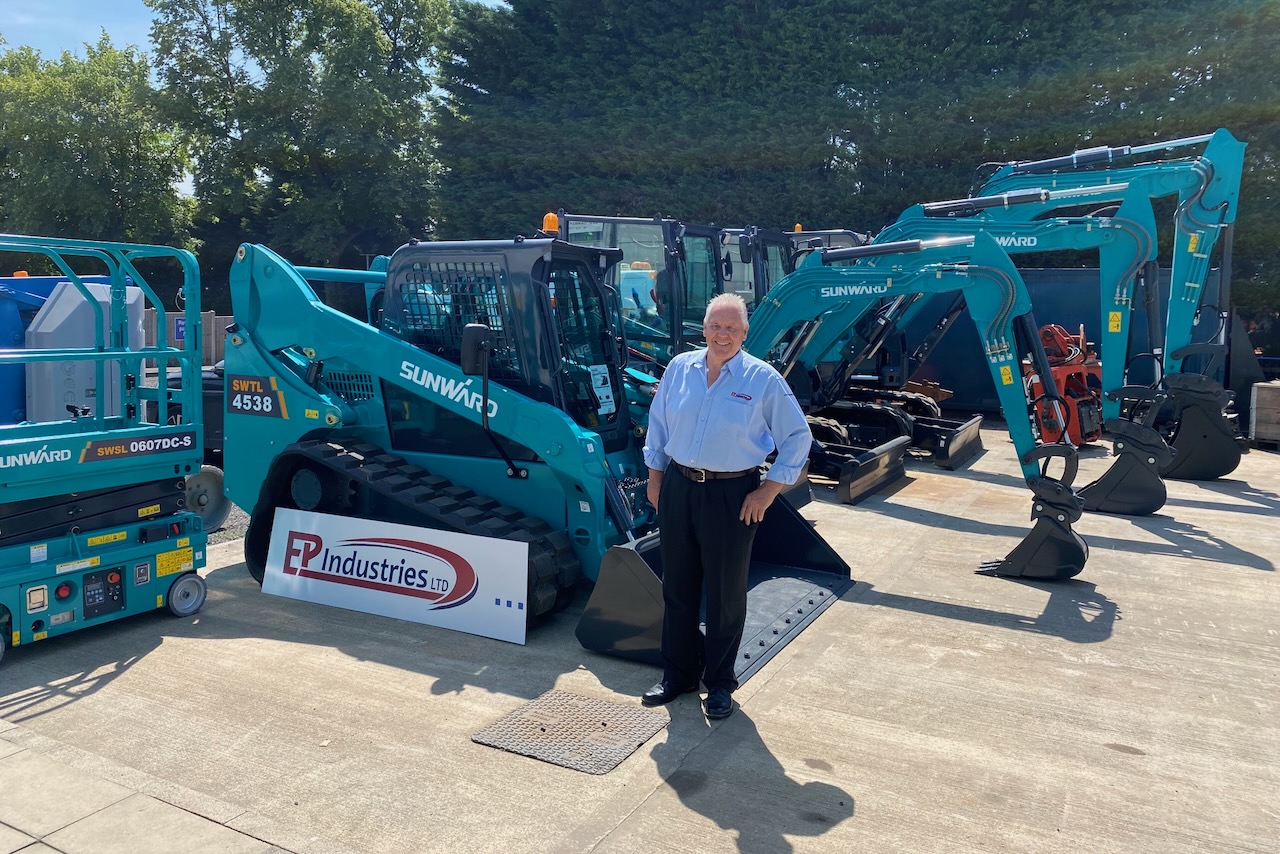
Sunward has appointed Derbyshire-based EP Industries as its dealer for Derbyshire, Nottinghamshire, Lincolnshire and Yorkshire, covering mini, midi, large and wheeled excavators, compact track and skid steer loaders, wheel loaders, scissor lifts and mobile work platforms. Founded in 1988, EP Industries brings mobile plant experience across mining, quarrying and heavy industry, with in-house rail engineering, upgrades and testing, machining, welding, and mobile plant repair and maintenance. The firm holds SSIP Health & Safety Approval through PQS, which will reassure civils, rail, utilities and groundworks contractors on compliance and site risk management.
Luceco has appointed Dr Thorsten Müller as chief executive officer, effective 1 September, signalling a leadership shift at the UK-based lighting and electrification specialist. Müller previously served as divisional chief executive for safety at Halma and has held senior roles at ABB, Osram and Bosch, bringing experience in lighting, electrification and energy management technologies. His appointment suggests continued emphasis on product innovation and systems integration for LED lighting, controls and power distribution in building and infrastructure projects.
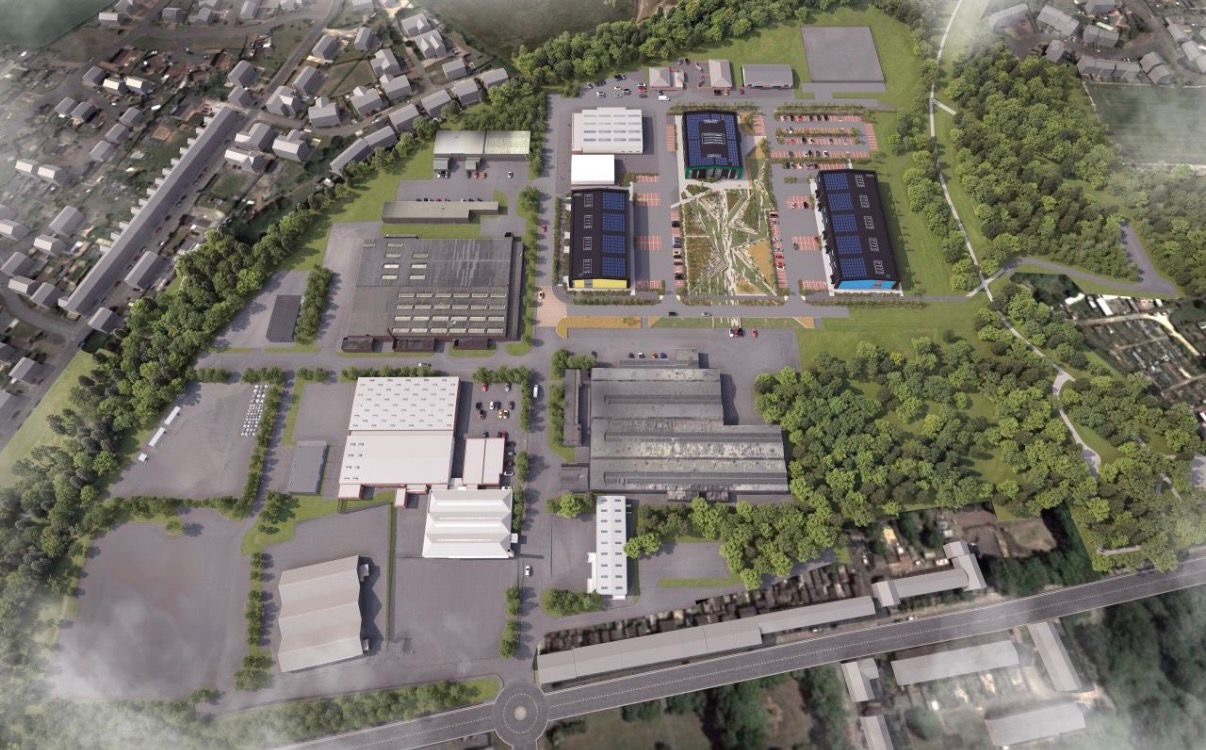
CJ Construction (Wales) is delivering its first direct commercial development at Mardon Park, Baglan, converting 1.37 acres of brownfield land within the Port Talbot Waterfront Enterprise Zone into more than 20,000 sq ft of speculative commercial space. Backed by a £2.35m package from the Development Bank of Wales, including a £1.37m grant and a £980,000 Wales Commercial Property Fund loan, the build is scheduled for roughly six months. Units are being designed for flexible occupation, either as a single large tenancy or subdivided for multiple smaller businesses, creating work for local subcontractors and suppliers.
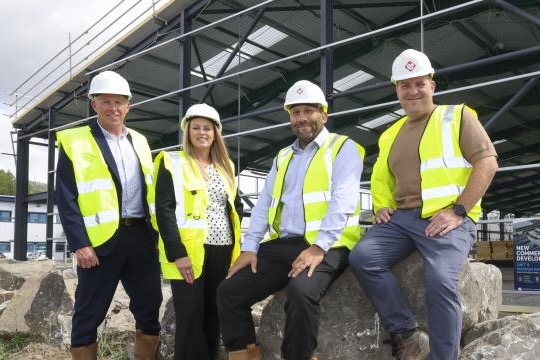
Morgan Sindall has broken ground on the £23.6m Industrial Skills Hub (iSH) enterprise campus at Leconfield industrial estate in Cleator Moor, the first construction phase in a wider £50m regeneration programme for West Cumbria. Phase one will deliver two high-specification business units by the end of 2027, designed to host robotics, advanced manufacturing, engineering and digital technology firms linked to the Sellafield and Nuclear Decommissioning Authority supply chains. The Cumberland Council-led scheme, backed by Town Deal and Levelling Up funding, aims to concentrate industrial capability and skills development on a single campus site.
Approval has been granted for the Cambridge North Residential Quarter, delivering 425 blocwork-developed apartments (1–3 bedroom) on publicly owned brownfield land, forward funded by Grainger PLC under Network Rail’s Platform4 partnership. The next phase of Brookgate’s Cambridge North Masterplan, the scheme sits beside the existing 217-room hotel and commercial block housing Samsung, and is arranged around linear parks, pocket gardens and tree-lined streets. Designs prioritise pedestrian and cycle movement, leveraging direct rail links to Cambridge and London to suppress private car use.
Iranian state-linked hackers associated with the Islamic Revolutionary Guard Corps reportedly forced a “small” UK power station offline for four days, directly disrupting local electricity generation. The incident shows that even limited-capacity plants with industrial control systems can be disabled remotely, raising concerns over cyber‑hardening of SCADA, protection relays and remote access gateways across the UK grid. For civil and power engineers, it reinforces the need to integrate cyber‑security into plant design, grid interconnection studies and resilience planning, not just IT operations.
CrossCountry rail services have resumed after a power cut at its Birmingham control centre on Sunday 23 August shut down network-wide operations and caused “major disruption” to long-distance routes. The outage disabled central signalling oversight and traffic management functions, forcing widespread service suspensions and emergency timetabling. For rail and infrastructure engineers, the incident underlines the vulnerability of single control hubs and the need for resilient power supplies, redundant control systems and robust business continuity planning for integrated signalling and operations centres.
US Export-Import Bank has issued a new letter signalling up to US$1.1 billion in debt financing for Ivanhoe Electric’s Santa Cruz copper project in Arizona, covering most of the PFS-estimated US$1.24 billion initial capital for a 72,000 t/y operation over the first 15 of 23 years. The updated PFS due in September will incorporate tunnel boring machine access for the underground decline, with box-cut construction targeted before TBM assembly in H1 2027 and first ore to leach pads in H2 2028. Santa Cruz aims to produce 99.9% copper cathode on site via crushing–leaching–SX/EW, bypassing smelting and already holds key permits for reclamation, air quality, dust control, aquifer protection and land use.
Gold climbed 1.2% to around $4,719/oz in New York, near a four‑month high, after reports that US Treasury Secretary Scott Bessent may tap the $935 billion Treasury General Account to fund a “Treasury Twist” bond‑buyback scheme targeting higher‑yielding long‑dated securities. The 10‑year yield slipped to about 4.69% and the 30‑year to roughly 5.215%, still close to last week’s 19‑year high above 5.27% that triggered expanded buybacks from $2 billion to at least $4 billion. Silver fell about 1% to consolidate below $70/oz resistance, while copper added 0.46% and trades just under record levels.
Ontario Premier Doug Ford has warned he is prepared to cut off both electricity exports and critical minerals to the United States after Trump imposed 50% tariffs on about US$20 billion of Canadian goods, including autos, auto parts and steel. Michigan currently receives about 6% of its power from Ontario via four cross-border transmission lines with 2,000 MW transfer capacity, and Ford has already imposed a 25% surcharge on electricity exports to Michigan, Minnesota and New York in 2025. Any suspension of Ontario shipments would hit US supply of high‑grade nickel from the Sudbury Basin (Vale, Glencore) and uranium refined at Cameco’s Blind River facility, the world’s largest commercial uranium refinery.
Norsk Hydro has signed a new long-term power purchase agreement with state-owned Statkraft for 876 GWh per year from 2031 to 2040, totalling about 8.8 TWh delivered in Norwegian price area NO5. The deal follows earlier contracts for 0.9 TWh per year in 2029–2030 and 1.3 TWh per year from 2031–2038, locking in substantial baseload for Hydro’s Norwegian aluminium smelters. Long-duration, fixed-price hydropower supply supports planning of potline operations, low-carbon aluminium output and long-term investment decisions in electro-intensive process equipment.