Geomechanics, Streamlined.
© 2026 Geomechanics.io. All rights reserved.
FireFly Metals’ Green Bay copper-gold project in Newfoundland now carries an after-tax NPV of A$2.2 billion (C$2.1 billion) at a 7% discount rate and a 42% IRR, with initial capital of A$513 million, giving more than four times NPV-to-capex leverage and planned throughput of 1.8 million tonnes per year over 32 years. Updated measured and indicated resources stand at 60.2 million tonnes grading 1.9% Cu, 0.5 g/t Au and 4.2 g/t Ag, containing 1.1 million tonnes Cu, 908,000 oz Au and 8.1 million oz Ag after 69,539 metres of underground drilling. A feasibility study is targeted for Q1 2027, with a final investment decision in H2 2027 and first concentrate potentially in mid-2029, backed by a proposed A$180 million equity raise split between an ASX institutional placement and a Canadian bought deal.
Portfolio manager Tomasz Nadrowski, author of Mineral War: China’s Quest for Weapons of Mineral Destruction, warns that current single‑route supply chains for critical minerals lack sufficient parallel “flows” to balance volatile inflows and outflows in a non‑fungible global market. He argues that for many inputs, buyers effectively face a binary choice of sourcing from China or going without, given Beijing’s dominance in battery and rare earth capacity. Nadrowski advocates higher tariffs, price floors and targeted downstream manufacturing incentives to prevent further de‑industrialisation in Western economies.
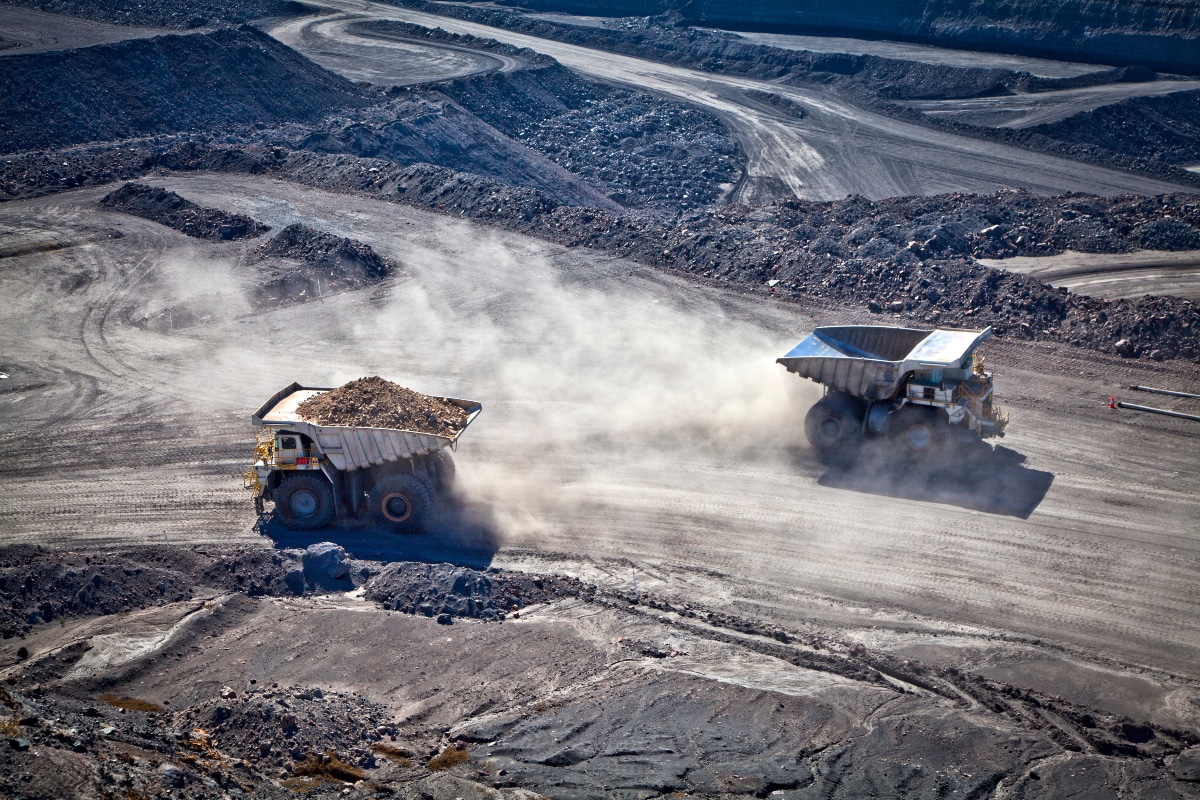
ABD Solutions, a UK-based subsidiary of AB Dynamics, is entering the increasingly crowded full-stack Autonomous Haulage System (AHS) market with a robotics-driven platform derived from automotive autonomy technology rather than traditional mining OEM systems. The company positions its solution to retrofit existing haul trucks and auxiliary fleets, aiming to decouple autonomy from specific vehicle brands and reduce dependence on greenfield-only deployments. For mine operators, this signals growing competition to retrofit mixed fleets and brownfield sites, potentially lowering barriers to deploying autonomous haulage at scale.
Volvo Autonomous Solutions has launched Autona / earth, a commercial autonomous haulage system for mines and quarries built around an autonomous Volvo FH truck and an in-house developed virtual driver. The package is delivered as Transport-as-a-Service, with Volvo providing the vehicle automation stack, site infrastructure, operational support and maintenance rather than selling trucks outright. The system is designed to plug into existing mine haulage operations, signalling a shift towards OEM-managed autonomous fleets where OEMs assume more responsibility for uptime and performance.
Sandvik has secured an order from Kamoa Copper SA for 19 Toro® underground trucks and loaders for the Kamoa-Kakula Copper Complex in the Democratic Republic of the Congo, taking the site’s Sandvik underground fleet to more than 100 units. The equipment will support one of the world’s largest underground Sandvik fleets at a single mine, operated by the Ivanhoe Mines–Zijin Mining joint venture. For engineers, the scale signals sustained high-volume, trackless underground haulage and significant long-term demand for OEM parts, maintenance capacity, and fleet management systems.
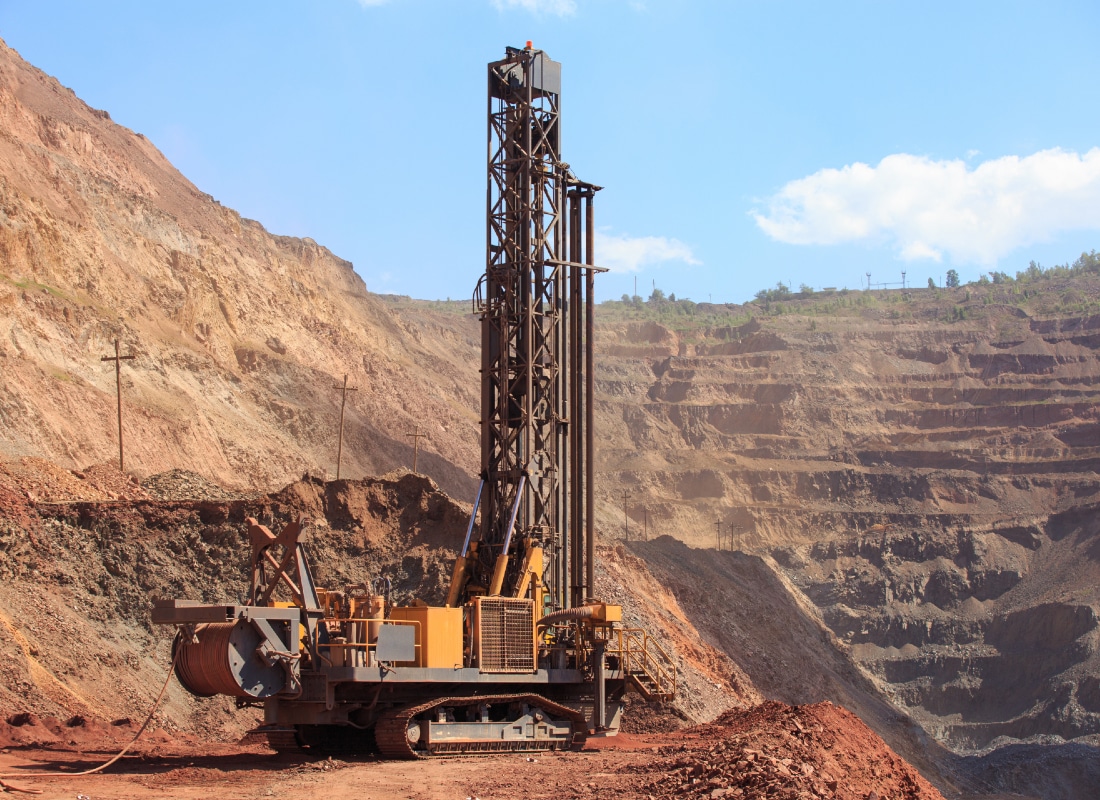
Metso has secured a €25 million order from Aldridge Mineral Madencilik A.Ş., part of CVK Mining, to supply key minerals processing equipment for the Yenipazar polymetallic mine in Türkiye, including one of its first Durarok™ primary sizers. The package, booked in Metso’s Minerals segment for 2026, will support primary crushing and downstream processing for a deposit containing multiple base and precious metals. For engineers, early adoption of the Durarok™ sizer at Yenipazar will be a reference case for hard-rock primary sizing performance in Turkish conditions.
Australia’s transport infrastructure sector is being pushed to deliver more road and rail projects, faster, despite chronic shortages of experienced designers, modellers and project managers. Autodesk argues the practical AI opportunity is using tools such as automated clash detection, generative alignment options and machine‑assisted quantity take‑offs to extend the capacity of scarce senior engineers rather than replace them. For geotechnical and civil teams, this points to AI handling repetitive corridor design, drainage iteration and documentation, freeing specialists to focus on constructability, risk and stakeholder constraints.
Australia’s flexible pavement sector is ramping up new asphalt plants, regional depots and storage to avoid a repeat of March 2026, when shipping disruption left national bitumen supply at genuine risk. The Australian Flexible Pavement Association reports members have stabilised output by diversifying import terminals, expanding bulk bitumen tanks and upgrading high-capacity drum and batch plants across multiple states. For road owners and contractors, this added redundancy in binders, mixing and haulage capacity reduces programme risk on large resurfacing and rehabilitation contracts.
Peter Ali, Chief Executive Officer of Municipal Works Australia, outlines mounting challenges for councils in managing ageing local road pavements, kerb-and-channel drainage and ancillary transport assets under tightening operating and capital budgets. He stresses the need for closer collaboration between municipal asset managers, contractors and suppliers on whole‑of‑life pavement design, condition data, and targeted maintenance rather than default full‑depth reconstruction. An upcoming Municipal Works Australia event is flagged as a forum to share case studies on low‑cost rehabilitation techniques, improved asset management systems and procurement models that help councils deliver more network kilometres within fixed rate‑capped revenues.
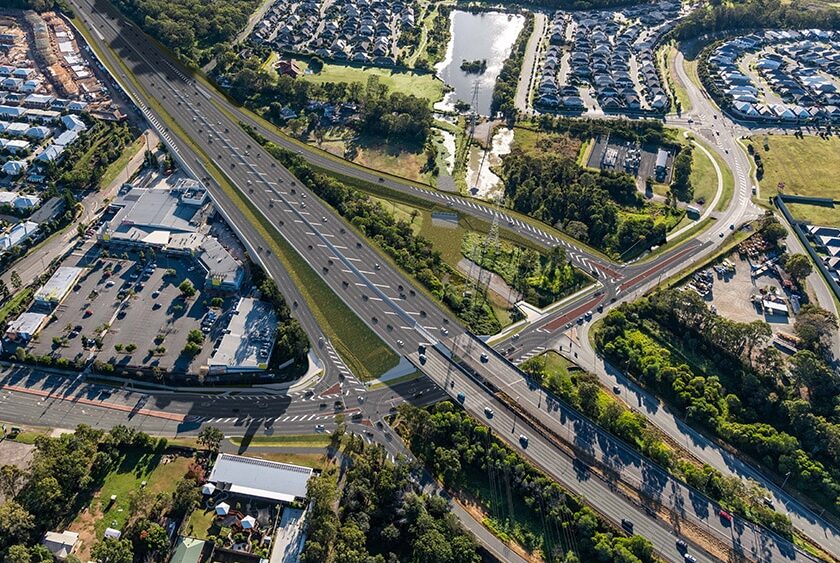
Works will soon begin on the Forest Road Intersection Upgrades in Trevallyn, targeting a key junction on the recently duplicated West Tamar Highway in northern Tasmania. The works form part of a broader program of targeted intersection and access improvements along the highway, which now carries dual carriageway traffic through several sections. For designers and contractors, the project signals continued investment in localised safety treatments and congestion reduction at nodes rather than major new greenfield corridors.
Upgrades are now complete on the Station Creek and Boyne River bridges on the Bruce Highway near Benaraby, south of Gladstone, under the joint Federal–Queensland programme to “fix the Bruce”. Works included critical concrete repairs and associated structural rehabilitation aimed at improving bridge safety and durability on this key freight and passenger corridor. For asset managers and bridge engineers, the milestone signals ongoing staged renewal of ageing concrete bridge stock on one of Queensland’s highest‑traffic highway sections.
James Miller has been appointed Commissioner of the Australian Transport Safety Bureau (ATSB) for a three‑year term, taking responsibility for national rail, marine and aviation safety investigations. Miller brings more than 50 years’ aviation experience, including as Qantas Fleet Captain, into a role that shapes standards and incident analysis across complex, multi‑modal transport networks. For civil and transport engineers, his background suggests continued emphasis on data‑driven accident investigation, operational risk management and interface safety at rail and port infrastructure.
Municipal Works Australia is launching LoGov 2026 in Queensland as a dedicated forum for council engineers, works managers and contractors responsible for road networks, drainage, parks and community facilities. The event will focus on practical issues such as whole‑of‑life asset management, plant and fleet optimisation, and maintaining ageing pavements and stormwater systems under constrained local government budgets. For geotechnical and civil practitioners, it signals a concentrated venue to compare maintenance strategies, materials choices and contracting models directly with neighbouring councils and key suppliers.
New data from Coal Services shows New South Wales coal exports rose 6 per cent in the past financial year, with almost nine million additional tonnes shipped as total exports approached 162Mt on stronger Asian demand. Volumes were driven by thermal coal cargoes into Japan, South Korea and emerging Southeast Asian markets, reinforcing utilisation of existing Hunter Valley and Illawarra rail and port capacity. The sustained high export throughput signals continued demand for mine life extensions, CHPP optimisation and incremental debottlenecking of load points and berths rather than major greenfield expansions.
Construction has begun on the Alcoa–Sojitz gallium recovery project at Alcoa’s Wagerup alumina refinery in Western Australia, targeting extraction of gallium from existing Bayer process liquor to create a new critical-mineral stream. The plant will recover gallium as a by-product of alumina refining, positioning Australia as a larger global supplier of feedstock for gallium nitride and gallium arsenide used in semiconductors and defence electronics. For process engineers, the project signals growing value in retrofitting refineries to capture trace elements from legacy circuits.
Further uranium mineralisation has been confirmed at Alligator Energy’s Big Lake uranium project in South Australia, where 33 aircore holes totalling 4,112m have been completed. Follow‑up drilling at Site 10 intersected uranium mineralisation associated with the interpreted redox boundary between oxidised and reduced sediments, strengthening the company’s roll‑front exploration model. For geologists and hydrogeologists, the results support a redox‑controlled, sandstone‑hosted system, guiding placement of subsequent step‑out holes and refinement of groundwater sampling and downhole geophysics.
Brightstar Resources’ first diamond hole to exceed 1000m at the Two Mile Hill deposit has intersected over 500m of mineralised tonalite, materially enlarging the interpreted host intrusion at its 2.9Moz Sandstone gold project in Western Australia. The 1039.2m hole is one of two completed so far in a four-hole, ~3400m extensional drilling programme aimed at testing depth continuity and lateral extensions of the tonalite-hosted system. For geotechnical and mine planning teams, the thicker intrusive body suggests potential for a larger, deeper bulk underground mining envelope than previously modelled.
Westgold Resources plans a $100 million brownfields Meekatharra Expansion Plan in Western Australia to lift processing capacity from 1.8Mtpa to 2.9Mtpa, a 61 per cent throughput increase at its central gold hub. The scoping study centres on upgrading the existing Meekatharra plant rather than building a new facility, signalling higher utilisation of current crushing and grinding circuits and greater ore draw from regional underground and open-pit operations. For mine planners and plant engineers, the uplift will drive changes in pit scheduling, haulage profiles, and tailings storage requirements.
Mott MacDonald, with Arup and SMEC, has led a 30‑year Auckland Motorway Strategic Plan for Waka Kotahi NZ Transport Agency, creating a decision‑led framework that integrates transport modelling, operations, economics and stakeholder inputs into a single investment roadmap. The plan prioritises optimising the existing motorway network, targeted capacity increases and wider system improvements so roads, public transport and freight corridors operate as a coordinated system rather than relying on continual widening. For civil and transport engineers, this signals future funding favouring network optimisation, resilience and smaller, high‑impact upgrades over large greenfield expansions.
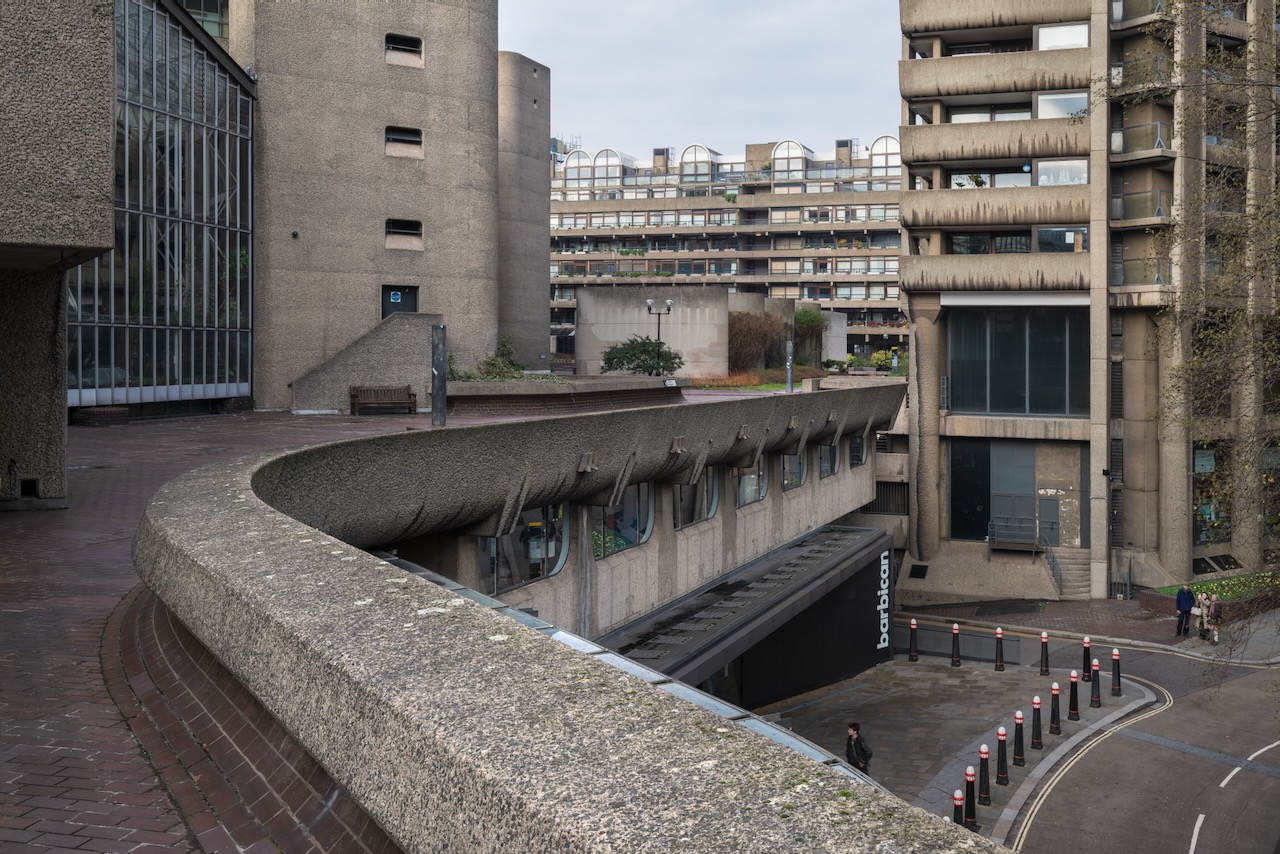
Tenders are being sought by the City of London for a £60m strip-out and renewal of MEP infrastructure at the Barbican Centre, covering multiple basement plant levels and public floors in the live arts venue. Works include removal of life-expired services, installation of new plant, complex distribution and containment, and staged isolation and shutdown of live building systems while interfacing with retained plant. Construction is scheduled from February 2027 to September 2029, with a possible extension to March 2030, and up to four bidders will be shortlisted from requests to participate submitted by 12 October.
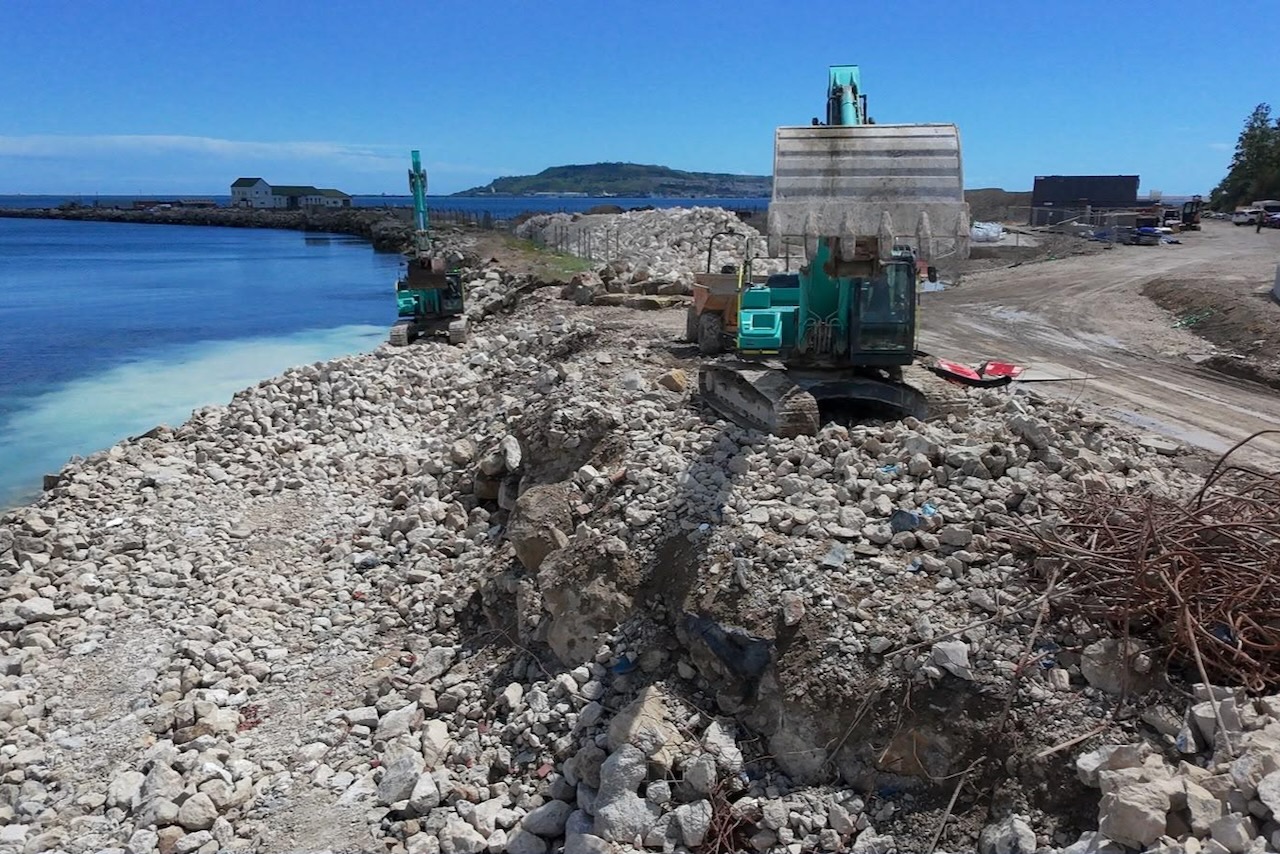
Holcim is supplying 12,000 tonnes of limestone armourstone from Torr Quarry to Juno MMXX’s £52m Sanctuary development in Weymouth, reinforcing sea defences on a former MoD coastal site that will host 141 new homes. The rock armour ranges from 45 mm stone to individual boulders over 10 tonnes, placed one-by-one by specialist contractors to form the sea defence wall. Logistics use JF Pearce’s converted shipping-container lorries to move the oversized rock from Somerset, as part of an £8m coastal defence package running from June to September 2026.
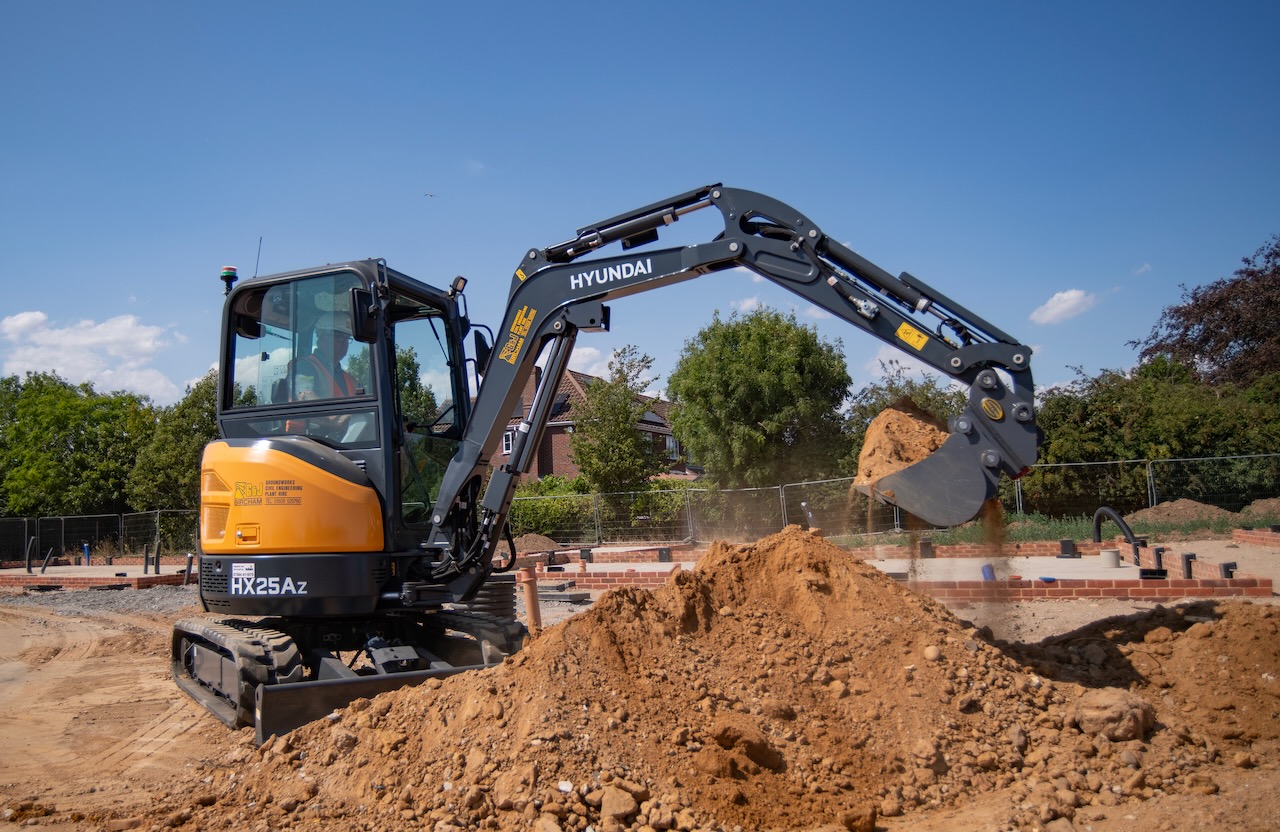
G&J Bircham has added two 2.6‑tonne Hyundai HX25Az mini excavators to its groundworks fleet via East Anglian dealer Tobin Plant, selecting the largest Hyundai minis that can still be towed behind a light commercial vehicle or pick‑up for rapid redeployment between housebuilding sites. The Norfolk contractor now runs almost entirely Hyundai, including five HX85A 8.5‑tonne excavators and two 13‑tonne machines, standardised with Strickland hydraulic quick hitches and bucket sets. Hyundai supplies the HX25Az with a three‑year warranty and larger, comfort‑focused cabs that operators prefer.
Bellway has started construction of 484 homes across three developments – Berry Hill Vale, Berry Hill Lea and Genesis at Berry Hill – within the Lindhurst neighbourhood on the edge of Mansfield, adding 314 private units and 170 affordable homes for rent or shared ownership. Berry Hill Vale and Berry Hill Lea are scheduled to open to buyers in the autumn, with Genesis at Berry Hill following early next year, forming the second phase after 146 earlier units at Berry Hill. The wider Lindhurst masterplan allows for up to 1,700 homes, a primary school, local centre and public open space, supported by Bellway’s new timber-frame facility in nearby Sutton-in-Ashfield.
SCAPE has opened procurement for a five-lot, £8bn construction framework spanning England, Wales and Northern Ireland, with three delivery partners to be appointed to each lot. Lot 1 and Lot 2 in England cover general construction and residential works respectively, each handling projects from small-scale schemes up to those exceeding £500m, with category values of £4bn and £2bn. Lot 3 in Wales is capped at projects over £150m within a £1bn total, while Northern Ireland’s Lots 4 and 5 split work at £15m project value, totalling £1bn.