Geomechanics, Streamlined.
© 2026 Geomechanics.io. All rights reserved.
Load and haul fleets are shifting towards autonomous, AI‑assisted and electric equipment, with OEMs targeting fully integrated systems for the 2030s and 2040s rather than today’s mixed, manually operated truck–shovel fleets. Trials of autonomous haul trucks and trolley-assist or battery-electric haulage on existing ramps are already exposing constraints such as narrow brownfield haul roads, crusher access geometry and limited power distribution. For mine planners and geotechnical teams, this points to redesigned pit layouts, wider ramp cross-sections and upgraded electrical and communications infrastructure as core early‑stage design variables.
Chinese conveyor major Sichuan Zigong Conveying Machine Group (ZCGMC) has signed a comprehensive strategic cooperation agreement with autonomous haulage specialist Zhongke Huituo Technology (WAYTOUS) to develop an integrated IPCC system combining AHS trucking with “intelligent” conveying. The partnership targets coordinated truck–conveyor control, using WAYTOUS’ fleet management and autonomous driving stack with ZCGMC’s high-capacity belt systems to optimise loading points, ramp interfaces and transfer stations. For mine planners, the move signals closer coupling of pit haulage design with conveyor layout, particularly for large Chinese surface operations seeking to cut diesel haul distances.
Drilling at Scandium Canada’s Crater Lake project in Nunavik, 1,290 km northeast of Montreal, has returned intervals including 13.4 metres grading 315 ppm scandium and 125 metres at 232 ppm Sc2O3 in the TG zone, which currently hosts 16.3 million indicated tonnes at 277.9 g/t scandium and 20.9 million inferred tonnes at 271.7 g/t. The company plans a resource update and preliminary economic assessment this year, ahead of selecting a brownfield site near Schefferville, 200 km southwest, for a scandium oxide plant to support its Scalium+ aluminium–scandium alloy commercialisation strategy.
NexGen Energy is expanding drilling at the Patterson Corridor East discovery in Saskatchewan’s Athabasca Basin, adding a fifth rig after gamma probe results showed continuous high-grade uranium, including hole RK-26-293 with 4.7 metres above 10,000 cps and a 0.1-metre interval over 61,000 cps. Additional holes RK-26-290c1 and RK-26-294 returned 19.5 metres and 6.9 metres respectively above 10,000 cps, with 3.1 metres in RK-26-294 exceeding 61,000 cps, and mineralisation remains open in most directions. The company has drilled 20,138.7 metres of a planned 42,000 metres while concurrently building the nearby Rook I project at the Arrow deposit, 3.5 km west.
Veteran market analyst Michael Oliver, founder of Momentum Structural Analysis, predicts the current gold and silver rally is only the start of a “furious” six‑ to 12‑month move led by silver and silver miners. Speaking on MINING.COM’s Top of Mine, he argues silver will outperform gold as “monetary metals” surge while conventional chart patterns “go in the can”. Oliver links the thesis to what he calls historic stress across all major asset classes, driven by central bank balance-sheet expansion and ongoing erosion of the US dollar’s real purchasing power.
Copper hit a fresh Comex record of $6.7775/lb (~$14,940/t) on Wednesday before slipping 1.6% as an extreme London squeeze eased, with LME cash-to-three‑month spreads shrinking from over $500/t last week to $127/t. Tightness remains in prompt metal: more than 50,000 t were queued for withdrawal from LME warehouses, SHFE on‑warrant stocks fell for a sixth day, yet Comex inventories exceeded 675,000 t after 46 straight daily builds. Project Blue estimates 338,000 t of mine output lost in H1, leaving CRU’s projected 2026 surplus of 639,000 t looking closer to balance.
Clean tech startup Voya Energy has secured US$35 million, led by Energy Impact Partners with backing from John Doerr and others, to commercialise aluminium-based metal fuel generators for large off-grid users such as data centres and industrial plants. The system uses low‑grade scrap aluminium pellets in a proprietary metal‑air cell with custom electrolyte, producing electricity electrochemically with no on-site combustion or air emissions and operating independently of the grid. Current designs target up to 2 MW per 20‑foot containerised generator with a separate 10‑foot fuel module holding about 100 MWh, scaling to roughly 100 MW and 10 GWh per acre.
Canadian billionaire Eric Sprott has exercised more than 12 million warrants to lift his stake in Max Power Mining to 24.35%, injecting over C$6 million to accelerate drilling at the Lawson natural hydrogen project, 80 km north of Moose Jaw, Saskatchewan. Max Power reports its multi-well “commercial validation” drill programme is ahead of schedule and under budget as it delineates what it calls a “very large” natural hydrogen system while triangulating the first deposit at the Lawson complex. The move signals growing technical interest in naturally occurring hydrogen, though questions remain over reservoir concentrations and economic recoverability.
Gold retreated from a three-month high after July US PCE inflation printed at 3.7% headline and 3.3% core, with Comex December futures down 1% to $4,649.10/oz and spot off 1.4% at $4,592.53 by late morning in New York. The pullback follows a 14% August surge in bullion, driven by US Treasury bond-market intervention and a 28-tonne weekly inflow into gold-backed ETFs, ahead of Kevin Warsh’s first Jackson Hole speech as Fed chair. Gold and silver miners still post outsized August gains, with Eldorado up 55%, Equinox 53% and Newmont 41%.
The US Department of Energy has awarded $10 million via the Critical Materials Innovation Hub to seven early-stage R&D projects targeting more efficient recovery and refining of rare earth elements, gallium, copper and other critical materials. Funded work includes chloride-based molten salt electrolysis for heavy rare earth production at Case Western Reserve, hydro and bio-hydrometallurgical copper extraction at Colorado School of Mines, and nanobubble–surfactant–reactive oxygen leaching of copper sulphides at the University of Arizona. FAST Metals, Indium Corporation, Oak Ridge National Laboratory and the University of Illinois will trial solid-phase extraction, advanced ion-exchange resins and redox-adsorbents to recover gallium and mixed rare earth oxides from bauxite-alumina circuits, zinc refinery residues and industrial byproduct streams.
Maglut Heavy Industries is developing a chromatography-based rare earth processing platform at its pilot-scale Long Beach, California facility, reporting 99.9%+ purity for individual rare earth oxides using its ARC-1 water-based separation process. The company designs and manufactures its own resin and ligand systems, aiming for globally competitive costs versus conventional solvent extraction as US defence contractors face January 2027 rules to eliminate Chinese rare earth magnets. A demonstration-scale plant is planned to be fully operational by August 2027, producing commercial rare earth oxides and potentially expanding to other critical minerals.
Weir has introduced the WARMAN MCR² mill circuit pump as an evolution of its existing WARMAN mill circuit range, targeting mineral processing plants facing more complex ores, higher throughput and harsher slurry conditions. The MCR² is engineered to give operators tighter control over wear behaviour, maintenance intervals and overall asset condition in high-duty grinding circuits. For plant engineers, the new design signals further options to stabilise mill discharge pumping performance as ore hardness and variability increase.
The AustStab Pavement Recycling and Stabilisation Conference will convene Australia’s road and pavement stabilisation sector to push wider adoption of in situ recycling, foamed bitumen and cementitious stabilisers in road construction and maintenance. Delegates from contractors, materials suppliers and road agencies will examine whole-of-life pavement performance, heavy vehicle loading, and cost–carbon trade-offs versus conventional full-depth reconstruction. Outcomes are expected to influence future specifications and procurement for stabilised basecourses and recycled granular pavements across state and local road networks.
Tender has been released for a major upgrade of Pirlangimpi Road on Melville Island, part of a $75 million joint road infrastructure package funded by the Australian Federal and Northern Territory governments. The project targets improved all‑weather access to support industrial and economic activity across the Tiwi Islands, where existing unsealed links are frequently constrained by wet‑season flooding and pavement deterioration. A construction contract is expected to be awarded in early 2025, signalling upcoming demand for geotechnical investigation, drainage design and pavement reconstruction expertise in remote tropical conditions.
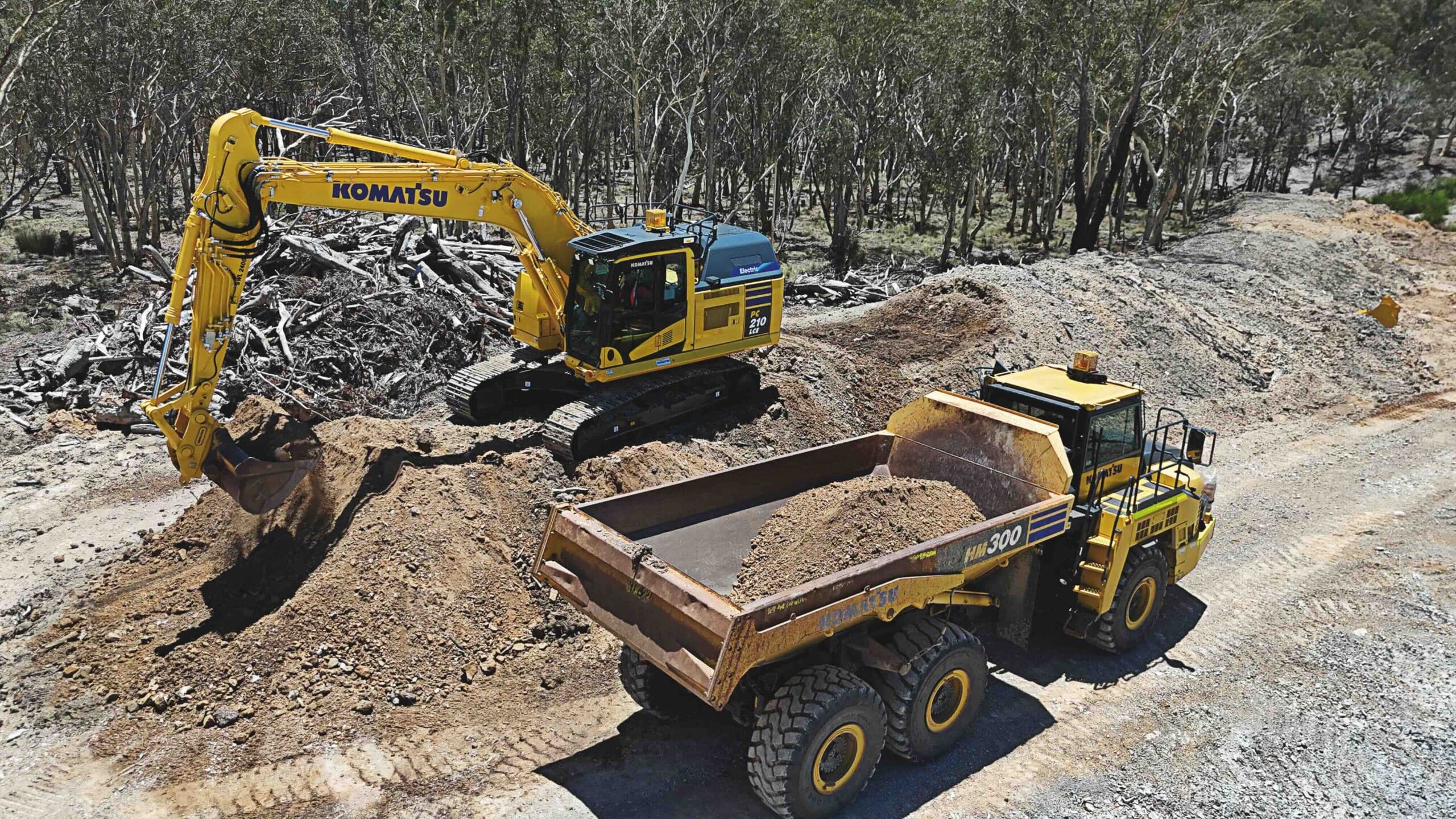
Divalls Earthmoving has expanded from its first Komatsu excavator to a 75‑unit fleet, most recently adding the PC220LCi‑12 excavator equipped with Komatsu’s intelligent Machine Control for automated digging and grade control. The Goulburn-based contractor has consistently adopted Komatsu’s latest tech packages, using factory-integrated machine guidance rather than bolt‑on aftermarket systems to improve accuracy on bulk earthworks and road projects. For plant managers, the case points to reduced rework, tighter tolerances and stronger OEM support as key criteria in fleet renewal decisions.
Public consultation has opened on concept designs for future upgrades to Tasmania’s Arthur Highway between Sorell and Port Arthur, a key 80‑kilometre tourist and freight corridor. The Federal and Tasmanian governments are examining options to improve capacity and safety on this two‑lane route, including overtaking opportunities, junction treatments and better access to heritage sites such as Port Arthur. Designers and contractors should expect staged works with constrained geometry, high seasonal traffic peaks and tight environmental and heritage interfaces.
Aurelia Metals has appointed former Rio Tinto executive Steve Badenhorst as managing director and chief executive officer, with commencement set for 6 October 2026. Badenhorst brings over 35 years of operational leadership across mining, processing and industrial operations, including large-scale base and precious metals assets. His arrival signals a reset for Aurelia’s NSW operations such as the Dargues underground gold mine, with investors likely to watch for changes in mine planning, processing performance and capital allocation once he takes control.
Bellevue Gold is adding two independent non-executive directors, Debra Counsell and Tanya Rybarczyk, to its board from 23 September 2026 as part of a planned succession process for the Western Australian gold producer. Both bring more than 30 years’ experience spanning mining, resources, finance and infrastructure, signalling a stronger governance and capital markets focus as Bellevue ramps up its namesake underground operation. The appointments point to closer board scrutiny of project financing, risk management and long-term growth options in a volatile gold price environment.
Sinclair Gold has passed 20,000 metres of drilling at the Mt Henry Gold Project in Western Australia, triggering the first contingent consideration milestone under its acquisition deal with Westgold Resources. Sinclair has elected to pay Westgold $5 million in cash at this point, rather than use scrip, cancelling the associated royalty and simplifying the project’s future cost structure. The milestone confirms sustained drilling activity at Mt Henry, with implications for resource definition and mine planning in the Norseman region.
Tivan has secured final regulatory and heritage approvals to start maiden drilling at the Walshy’s Wall target within the Sandover Fluorite Project in the Northern Territory, with a staged programme of 31 reverse circulation holes scheduled from October. Walshy’s Wall, a manganese–barite gossan discovered by Tivan geologists in October 2025, will be tested for subsurface continuity and grade using RC to penetrate the weathered profile efficiently. Early results will guide follow-up step-out drilling and resource definition across the broader fluorite–manganese system.
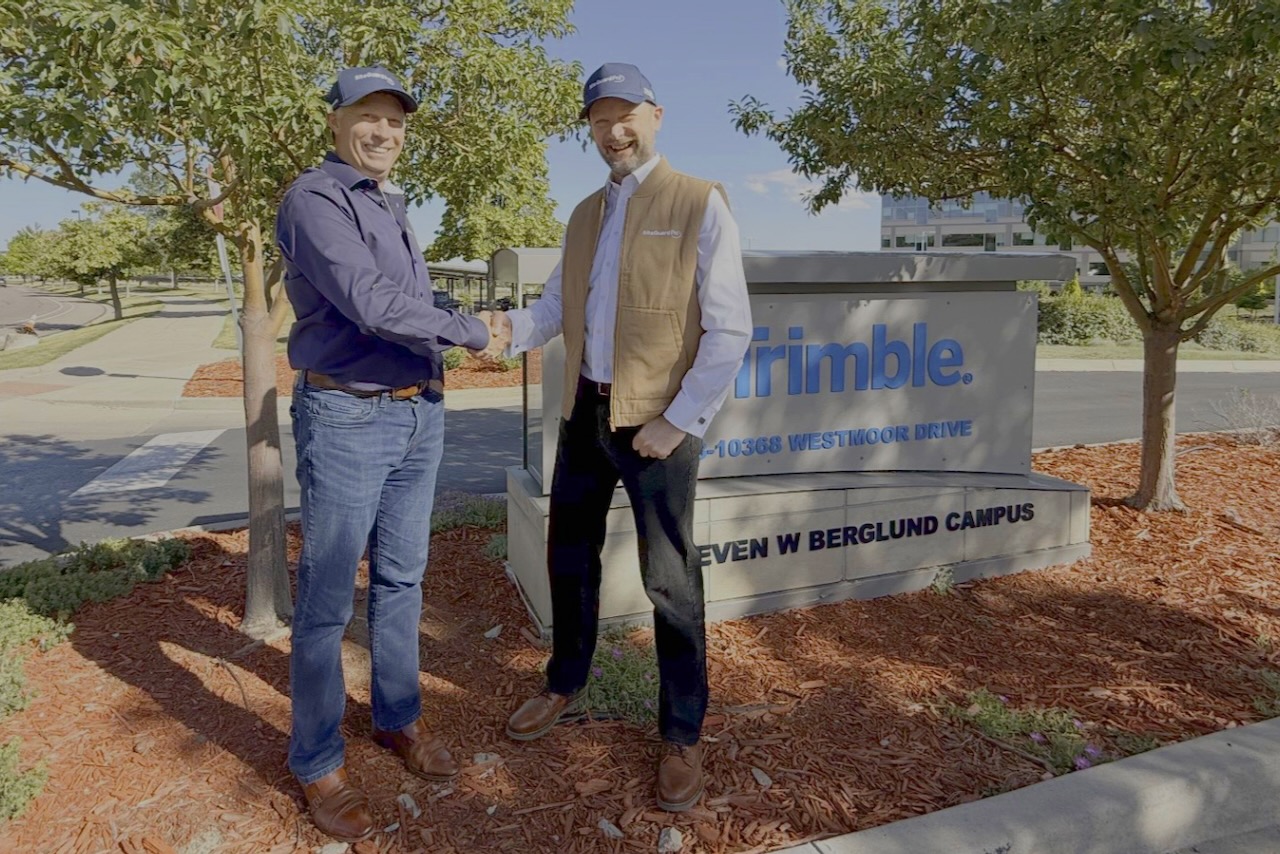
Prolec’s SiteGuard Pro virtual barrier system is now integrated into Trimble Earthworks, combining a height and slew limiter with automatic motion‑inhibit to stop excavators when 3D site‑referenced ceilings, walls, floors or surfaces are at risk of being breached. Avoidance zones can be defined in Trimble Business Center and enforced directly from the Earthworks cab display, preventing boom, stick, bucket and counterweight from entering restricted envelopes during normal excavation workflows. The system targets high‑risk environments such as nuclear sites, work near overhead cables and high‑value infrastructure, enabling contractors to meet motion‑inhibit tender requirements in the UK.
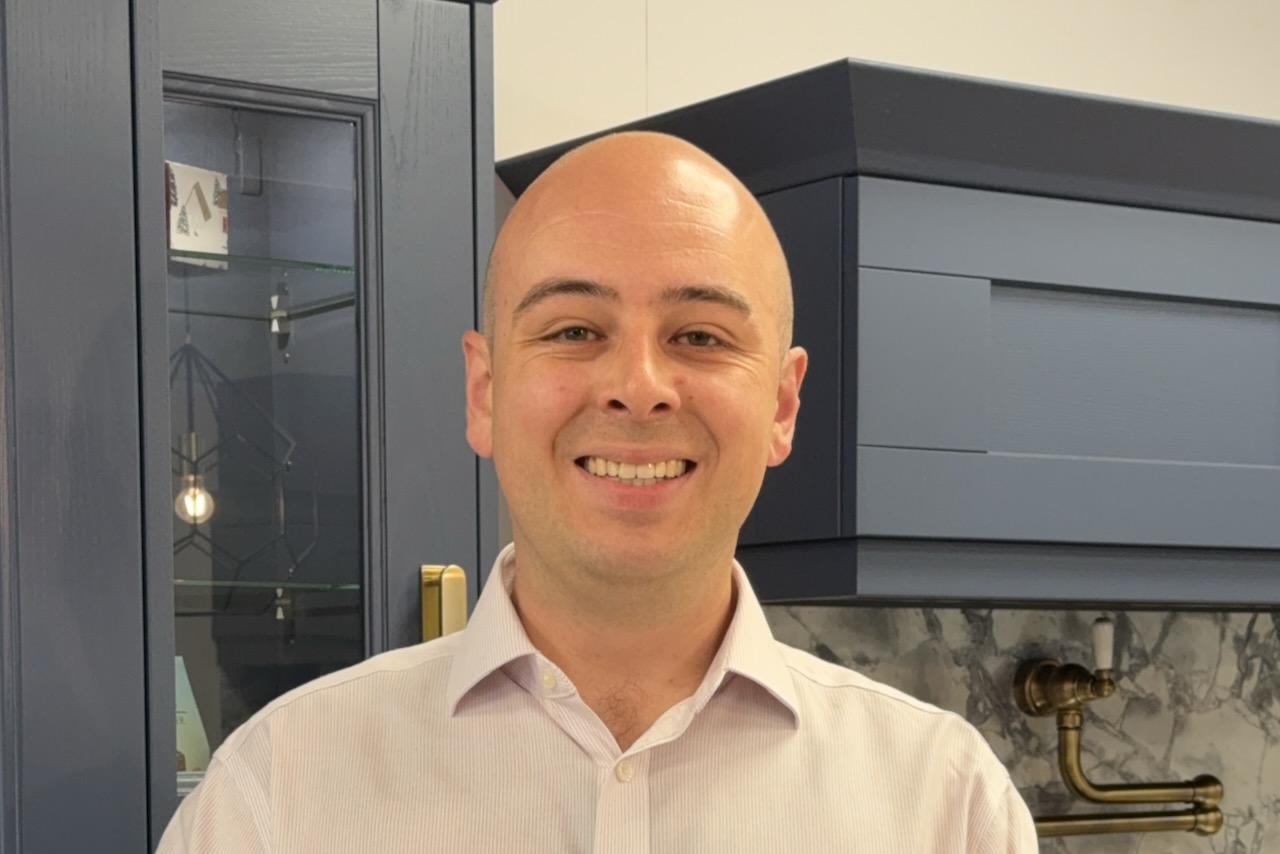
Huws Gray has appointed Jamie Davis as its first showrooms director to drive customer experience across its UK branch network, after refurbishing 80% of its kitchen and bathroom showrooms in the past year. Davis brings prior retail and trade showroom experience from Homebase, Magnet and Benchmarx, signalling a push towards more design-led, specification-focused sales. The company reports that its upgraded showrooms are outperforming the wider market on Builders Merchant Building Index (BMBI) sector survey metrics, reinforcing the value of branch-based display and consultative selling.
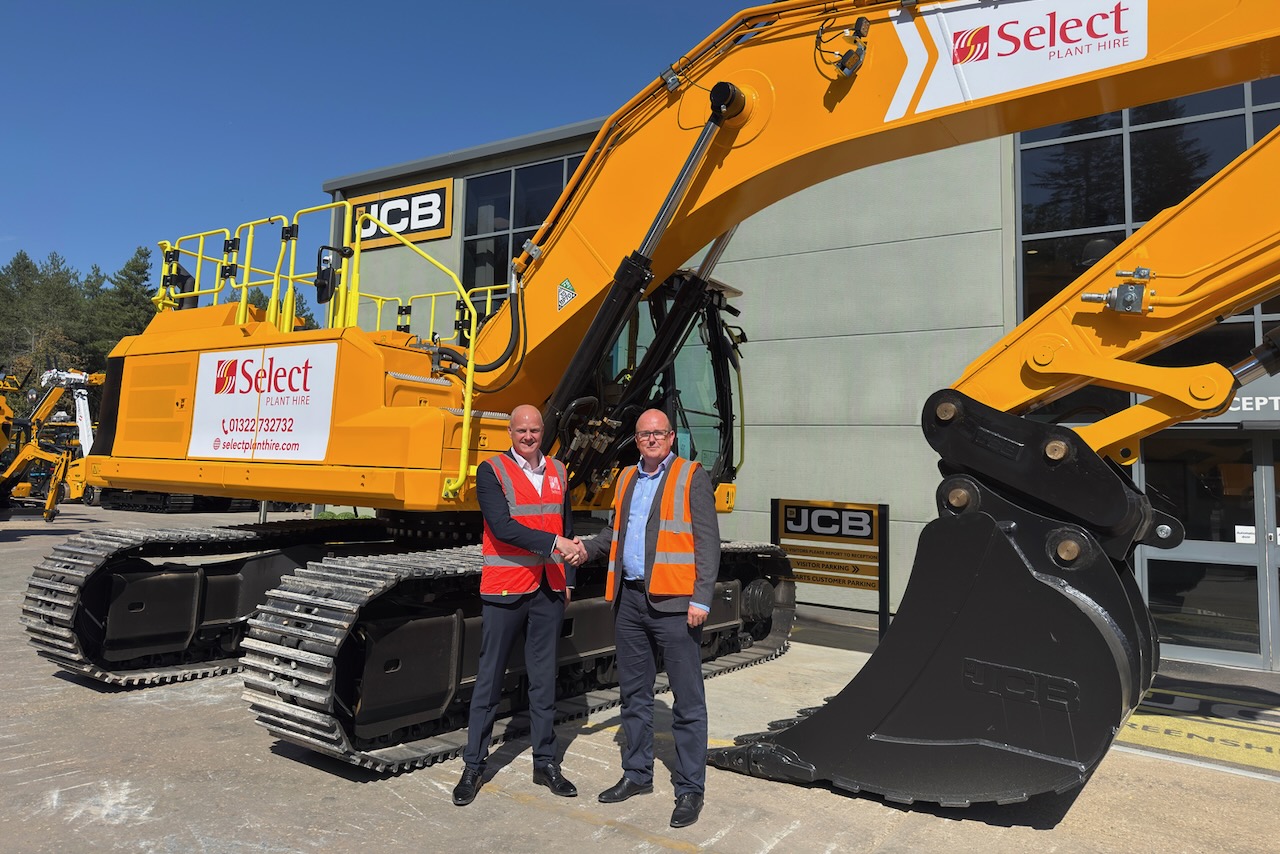
Select Plant Hire has placed a £5m order with JCB via dealer Greenshields JCB for new heavy plant, including JCB 370X tracked excavators, 245XR and 145XR reduced tailswing excavators, 9-tonne dual-drive site dumpers and JCB Loadall telehandlers. The investment targets major UK construction and infrastructure projects where reduced tailswing machines and dual-drive dumpers are needed for constrained, high-cycling sites. JCB will support the fleet with after-sales service aimed at maximising uptime and lifecycle value under intensive hire utilisation.
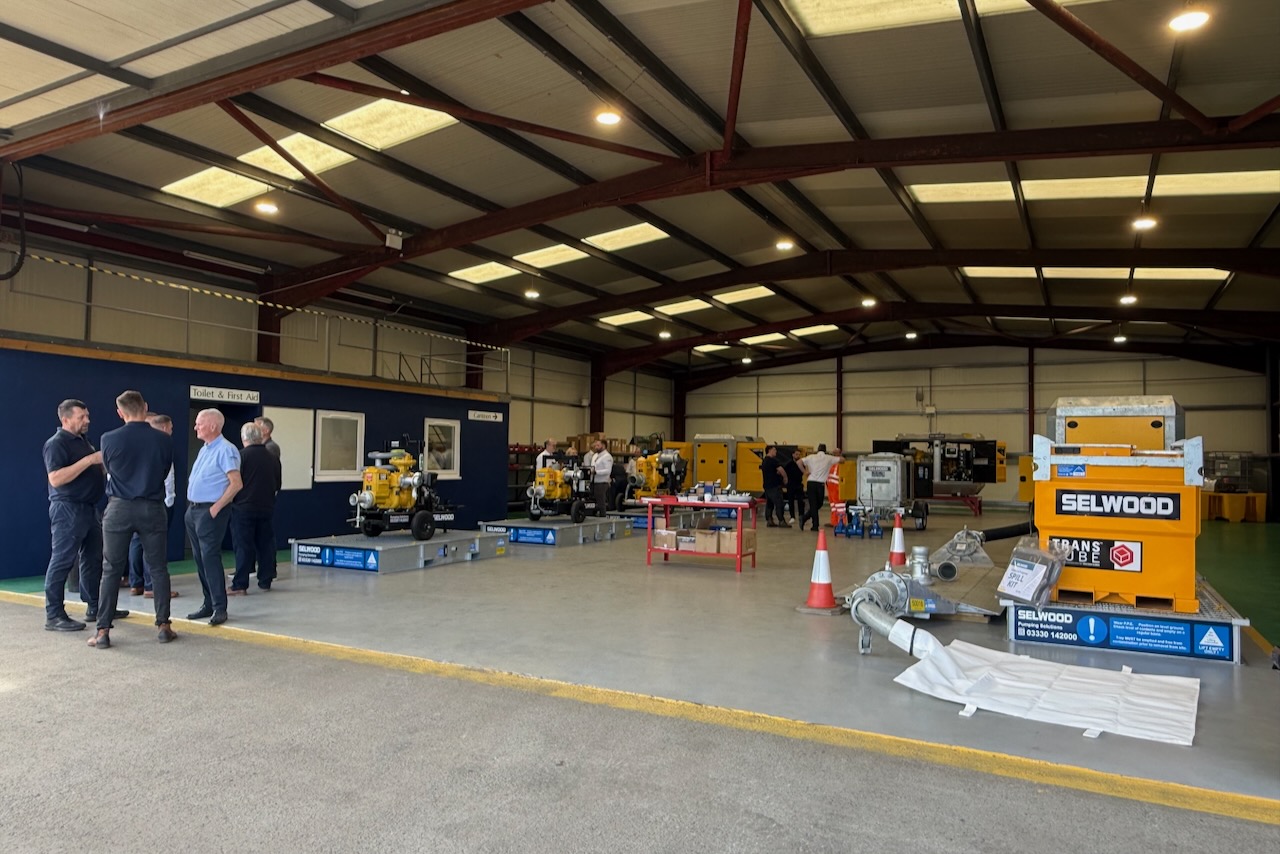
Selwood has opened a new Inverness branch to serve the Highlands and north of Scotland, expanding coverage beyond its existing Aberdeen, Edinburgh and Glasgow locations. The facility provides rapid access to Selwood’s pump and storage rental fleet and Siltbuster modular waste water treatment units for water utilities, infrastructure works and industrial clients. Closer deployment of equipment and engineering teams should shorten response times for overpumping, temporary bypass, dewatering and treatment on remote pipeline, reservoir and road schemes.