Recticel insulation loop: PIR recycling plant impacts for design engineers
Reviewed by Tom Sullivan
First reported on The Construction Index
30 Second Briefing
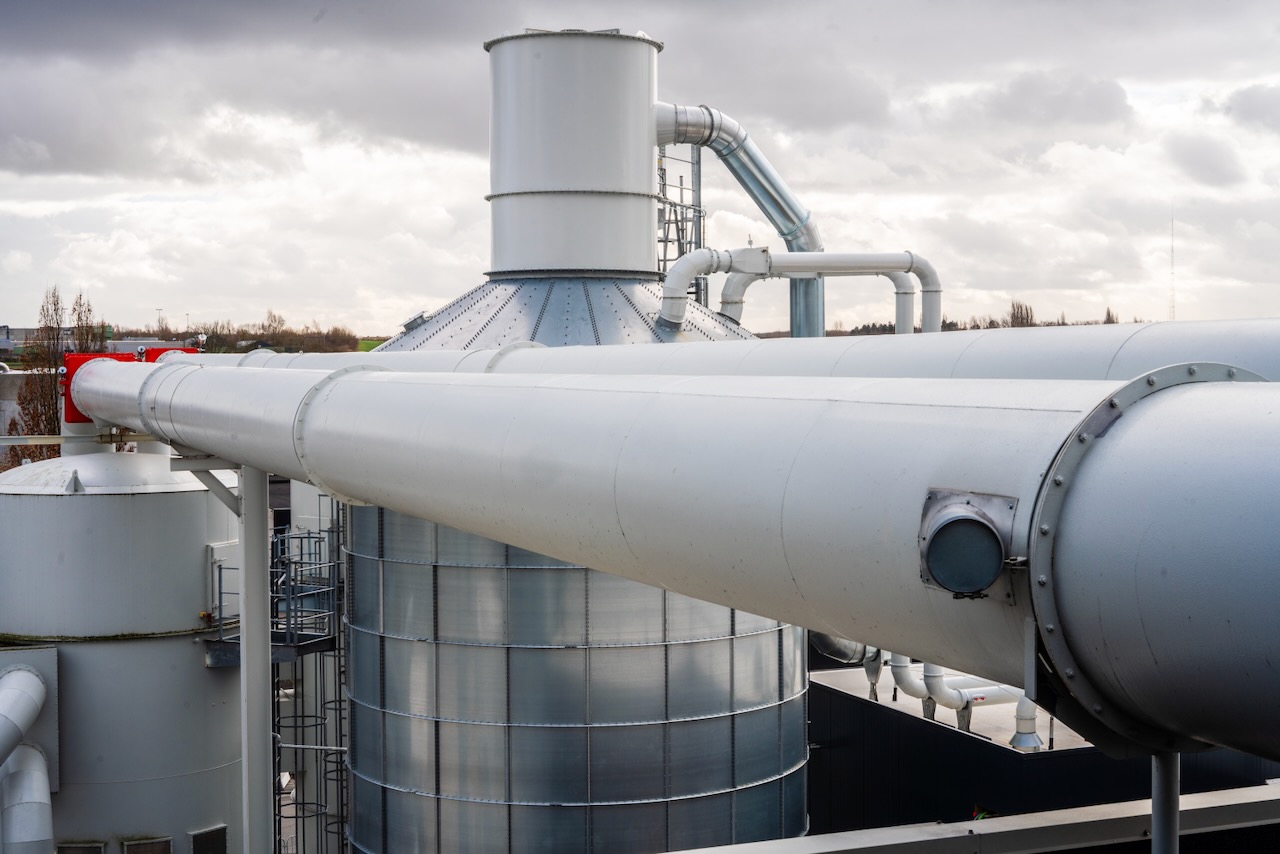
Recticel has commissioned a PIR insulation recycling plant in Wevelgem, Belgium, designed to process up to 4,000 tonnes per year of post‑industrial PIR board offcuts and scrap into recycled polyol feedstock. The recovered polyol, used to manufacture new PIR boards, is expected to cut CO₂ emissions by 30–50% compared with virgin polyol, while reducing primary raw material demand. Boards incorporating the recycled content will be supplied from all Recticel plants, including UK facilities, giving specifiers a lower‑carbon option without changing product families.
Technical Brief
- Wevelgem facility is configured specifically for post‑industrial PIR insulation board production waste streams, not mixed demolition arisings.
- Process route converts PIR offcuts and scrap directly into high‑purity recycled polyol suitable for new board manufacture.
- Recticel intends to aggregate production scrap from all its PIR manufacturing sites into the Wevelgem plant.
- Closed‑loop operation targets internal factory waste, reducing reliance on external waste contractors and landfill/incineration routes.
- Recycled polyol quality is controlled to remain compatible with existing PIR formulations, avoiding redesign of product families.
- Centralised Belgian plant location supports cross‑border logistics from UK and continental European board factories.
- For specifiers, the change occurs at feedstock level, so declared thermal performance and board formats remain unchanged.
- Similar closed‑loop polyol recovery could be extended to site‑generated offcuts if clean segregation and back‑haul logistics are organised.
Our Take
For practitioners, a 30–50% reduction versus virgin polyol suggests that, on many projects, switching to these Wevelgem-derived products could deliver more carbon savings per euro than marginal improvements in site energy efficiency, shifting where designers prioritise their next round of emissions cuts.
Prepared by collating external sources, AI-assisted tools, and Geomechanics.io’s proprietary mining database, then reviewed for technical accuracy & edited by our geotechnical team.
Related Articles


Related Industries & Products
Mining
Geotechnical software solutions for mining operations including CMRR analysis, hydrogeological testing, and data management.
Construction
Quality control software for construction companies with material testing, batch tracking, and compliance management.
QCDB-io
Comprehensive quality control database for manufacturing, tunnelling, and civil construction with UCS testing, PSD analysis, and grout mix design management.