Geomechanics, Streamlined.
© 2026 Geomechanics.io. All rights reserved.
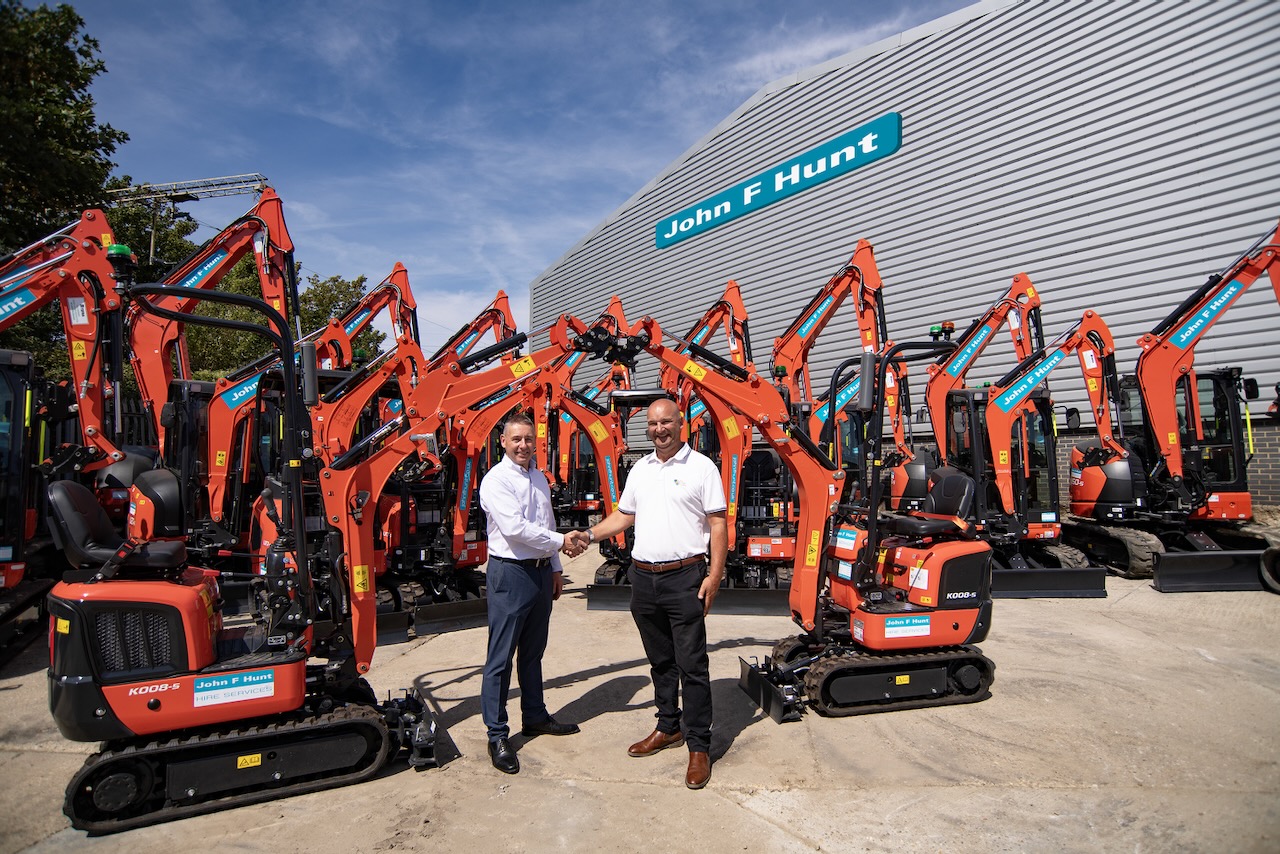
John F Hunt Hire Centre has placed a £1.3m order for 26 Kubota excavators through Boss Plant Sales, ranging from K008-5 micro and U17-5/U27-4 zero-tailswing minis to larger KX030-4, U50-5 and KX085-5 midis. The deal is Boss Plant’s first major fleet order from its new Essex depot, which will provide local engineering support for John F Hunt’s expanding plant operations across London and the South East. External hire now accounts for 80% of John F Hunt’s 5,000-plus asset fleet, signalling sustained demand in the regional civils and demolition market.
CES Power has reorganised its Irish division by appointing GH Energy founder John Galgey as managing director, Purecore founder Mark Barrett as operations director, and Event Power founder Philip Lawler as events director following its recent acquisitions. Galgey, whose GH Energy projects include temporary power for the Dublin Port Tunnel, will lead integration and growth in sectors such as film and television production. Barrett will manage nationwide operations using CES’s new advanced telemetry system, while Lawler brings major live events experience from projects including the 2010 FIFA World Cup and the 130,000‑person Papal mass at Phoenix Park.
Morgan Sindall Construction has created a new Northern Home Counties Ventures unit covering Bedfordshire, Buckinghamshire, Hertfordshire and North London boroughs, led by long‑serving director Emma Curtis to target growing leisure, health and wider public investment in the region. The Northern Home Counties operations now run as three businesses – the established Northern Home Counties, the new Ventures arm and Southern Home Counties – under regional MD Sean Bradley and regional commercial director Matt Guy. In London, Richard Dobson becomes regional managing director with Adam Allen as regional commercial director, continuing a portfolio of public and private sector projects.
AtkinsRéalis has appointed Justin Norman as managing director for transportation in the UK and Ireland, formalising the role after he served as interim MD from April 2026. A chartered civil engineer who joined Atkins in 2003, Norman previously led the company’s Europe business and served as nuclear and international growth director for the UK and Ireland. He will oversee more than 2,000 specialists delivering rail, highways, local transport and maritime projects, from strategic network planning to detailed design and digital operations support.
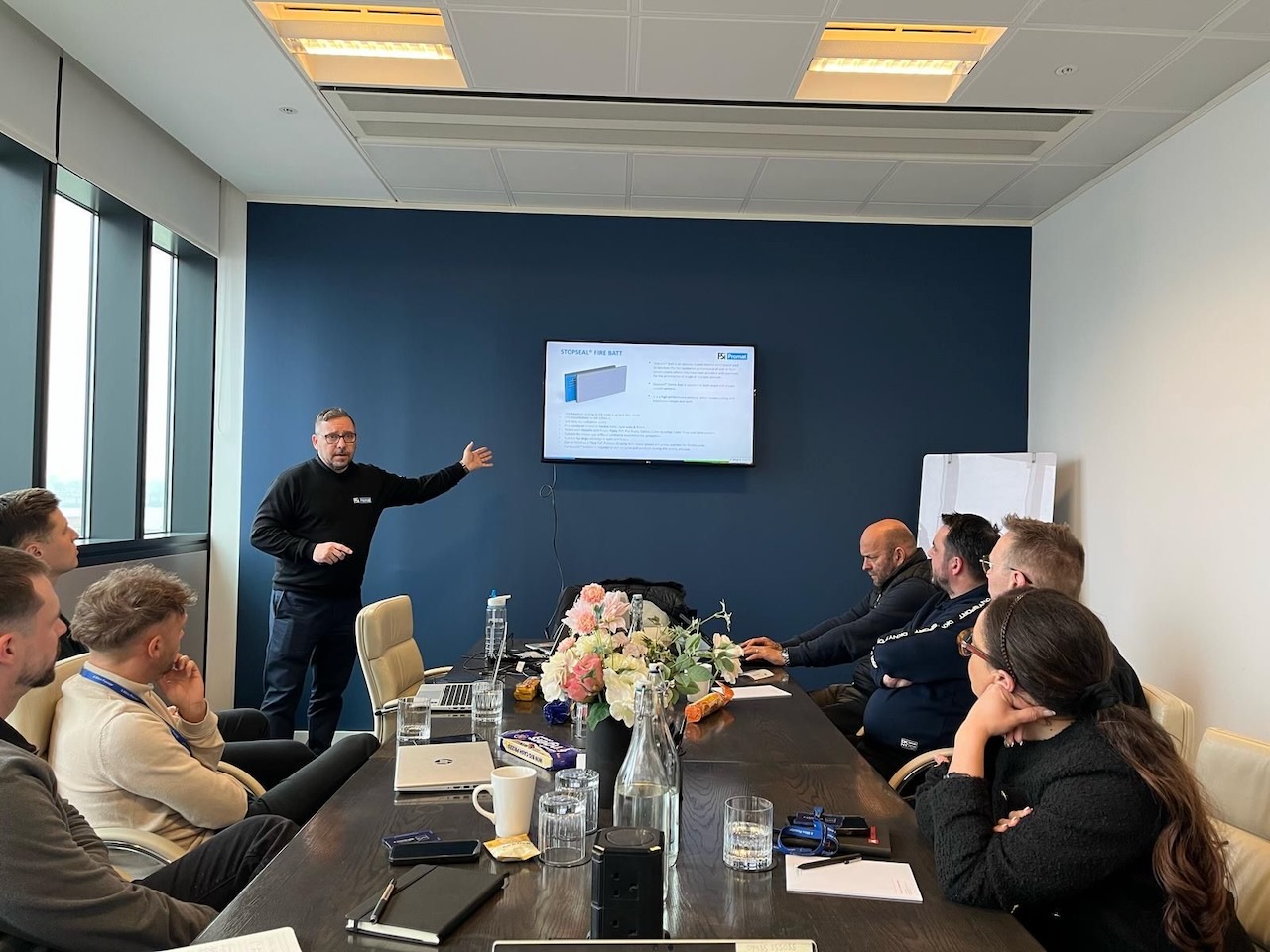
FSI Promat has become the first internal fire stopping manufacturer to gain recognised provider status from the Association for Specialist Fire Protection (ASFP) for its technical training. The ASFP training recognition process audited course content, trainer competence, quality management systems, and supporting evidence on data protection, insurance, liability and delegate assessment methods. The accreditation gives installers, contractors and specifiers independent assurance that FSI Promat’s passive fire protection training is consistently delivered and subject to ongoing CPD-based competence review.
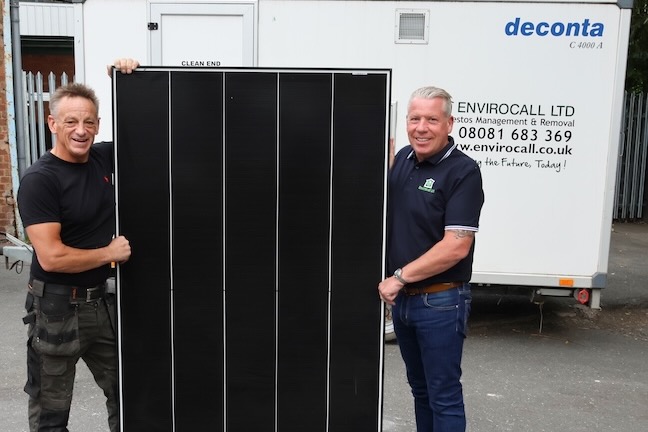
Envirocall is converting all 19 asbestos decontamination units to off‑grid solar power systems engineered with D G Electrical Services, removing dependence on mains electricity at site. Each three‑stage DCU comprises a dirty zone for stripping contaminated PPE and tools, a hot/cold shower section for fibre removal, and a clean area for redressing, with the new solar arrays and storage sized to run showers, lighting and ventilation autonomously. The move enables DCU deployment on remote or constrained sites where temporary grid connections or diesel generators are costly or impractical.
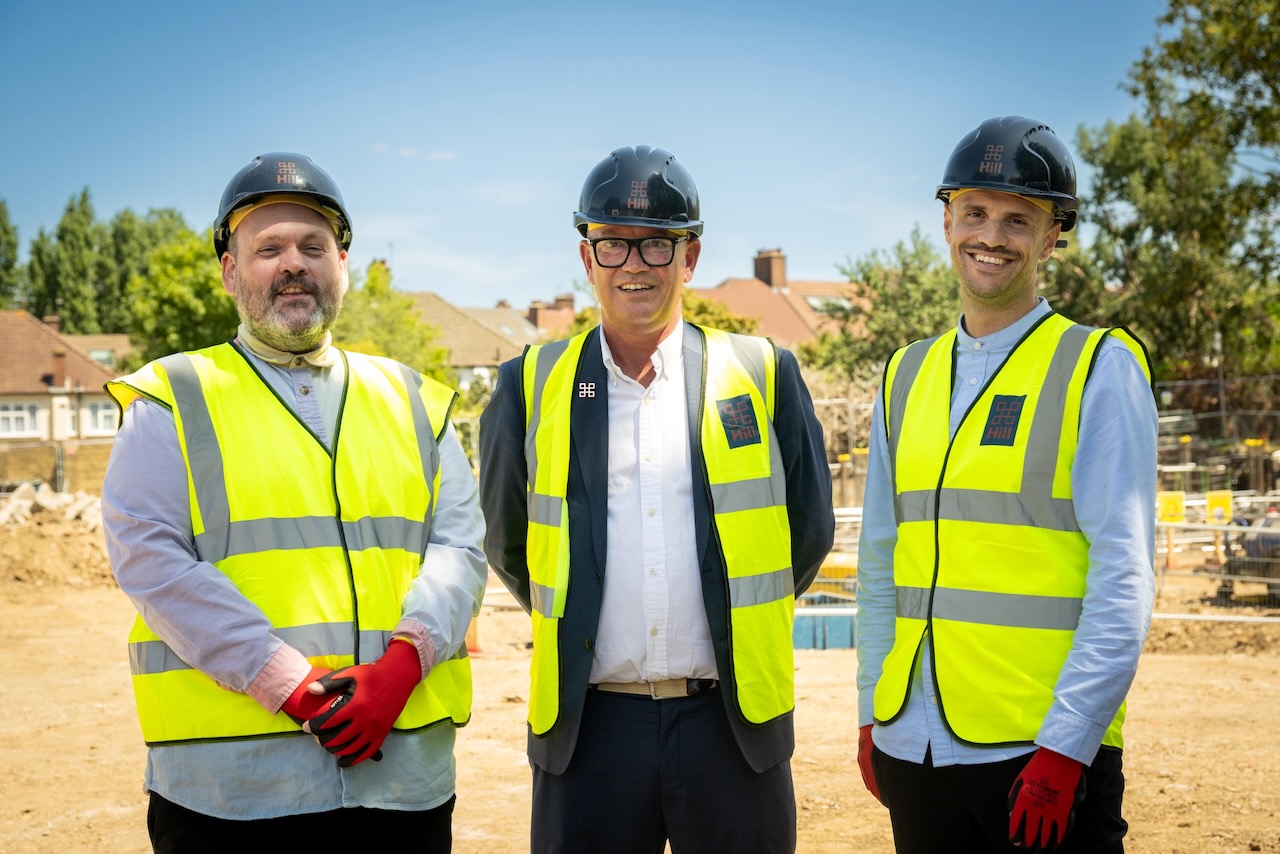
Lewisham Council has appointed The Hill Group as its sole long-term development partner to accelerate delivery of new housing for 10,000 households on its register. The exclusive arrangement is intended to streamline procurement, standardise design and construction approaches across multiple infill and estate-regeneration sites, and give Hill a predictable pipeline to plan offsite manufacture and site logistics. For civil and geotechnical teams, the model points to longer framework-style relationships, repeatable ground investigation strategies and standardised foundation solutions across the borough.
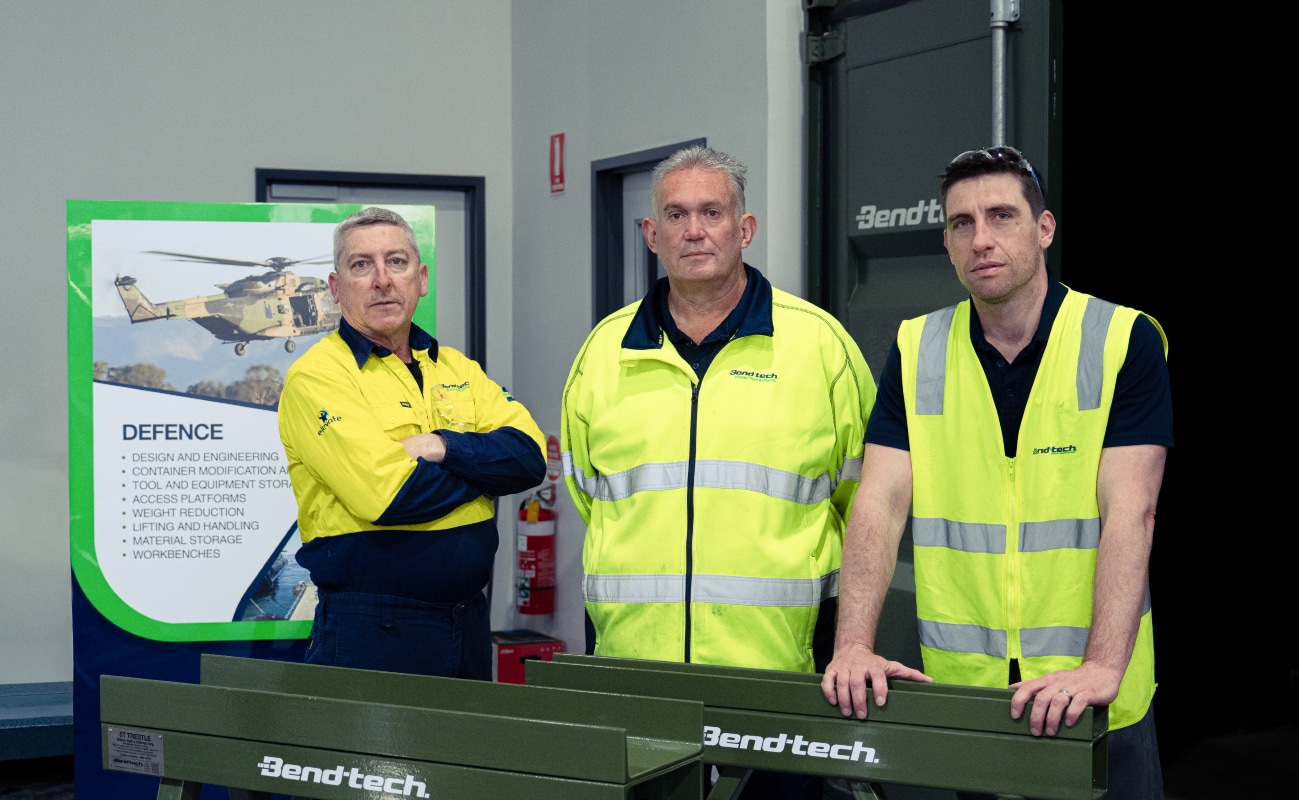
Bend-tech Group has secured full membership in the Australian Department of Defence’s Defence Industry Security Program (DISP) from 30 July 2026, formalising its role in the defence supply chain alongside its existing mining and heavy-industry work. DISP accreditation confirms Bend-tech’s compliance with Defence security requirements across personnel, information and physical security, beyond its established track record in engineered access systems and maintenance tooling. For mining contractors already using Bend-tech equipment on defence-adjacent sites, the certification reduces procurement barriers and supports dual-use deployment of assets and services.
Aurelia Metals is advancing the high-grade Great Cobar copper–gold project in the Cobar Basin while expanding its Peak processing plant to lift throughput capacity by up to 50 per cent. Great Cobar is targeting first production in the 2027–28 financial year, feeding copper–gold ore into the upgraded Peak concentrator rather than building a standalone plant. The integrated flowsheet and higher milling rate will be central to mine planning, tailings storage design and long-term utilisation of existing underground infrastructure at Peak.
Brightstar Resources has reported a 225.7m intercept grading 3.11g/t gold from 284m depth in hole TMHRCD26006A at the Two Mile Hill–Shillington deposit, including a high-grade core of 19m at 24.3g/t, at its Sandstone project in Western Australia. The broad, unconstrained mineralisation from infill drilling materially strengthens the potential for a bulk underground mining scenario rather than a narrow-vein approach. Geotechnical and mine design teams will now be able to model a large, continuous orebody at depths beyond 280m, with implications for stope geometry, ground support and ventilation planning.
IGO’s Nova nickel–copper–cobalt mine in Western Australia generated $228.4 million in operating cash flow in FY25–26 as it approaches end of mining in the December 2026 quarter. The operation produced 15,304 tonnes of nickel in concentrate, 6754 tonnes of copper and 548 tonnes of cobalt, with IGO chief executive Ivan Vella calling it one of Nova’s strongest operational years. The strong cash generation late in mine life signals continued focus on grade control, cost discipline and decommissioning planning over the next 18 months.
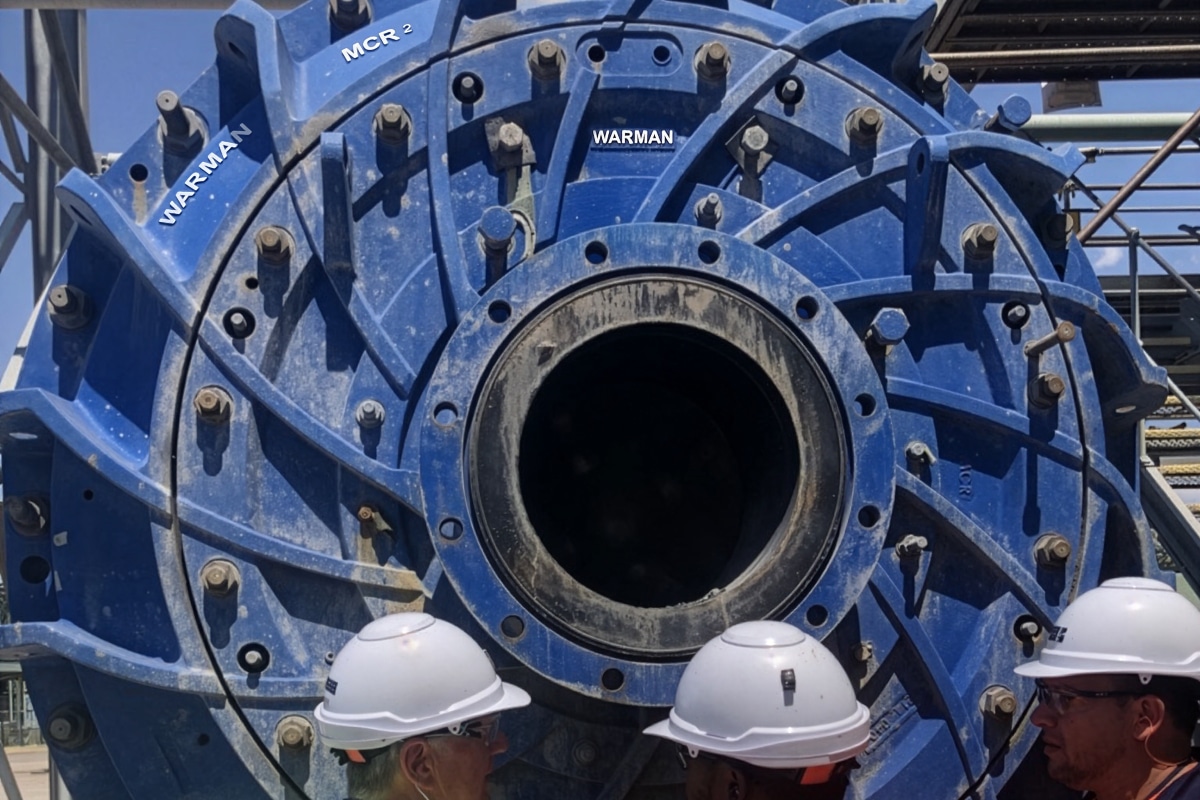
Weir has launched the WARMAN MCR² mill circuit pump, targeting mineral processing plants facing more complex ores, higher slurry throughputs and harsher mill circuit conditions. The next-generation design builds on existing WARMAN MCR technology to give operators tighter control over wear behaviour, maintenance intervals and asset condition across variable campaigns. For plant engineers, the pump is aimed at stabilising performance in high-duty SAG and ball mill circuits where inconsistent liner and impeller wear can drive unplanned shutdowns and reduced availability.
Arup UKIMEA managing director Paula Walsh calls for infrastructure resilience strategies that treat assets as parts of interdependent systems, rather than isolated projects, as climate-driven shocks, volatile material costs and supply chain fragility intensify. She points to recent UK flooding and heatwave events stressing rail corridors, urban drainage and power networks simultaneously, arguing for scenario-based planning that tests whole-system failure modes instead of single-asset design storms. For practitioners, this means earlier cross-discipline modelling, more flexible design envelopes and procurement that values adaptive capacity over lowest capital cost.
New South Wales has released the final Central West and Orana Strategic Regional Integrated Transport Plan, a 20‑year framework for a 13‑million‑hectare region with about 290,000 residents. The plan follows extensive consultation with local councils, industry and communities, and sits alongside a $437.3 million joint NSW–Federal investment in 230 road safety projects targeting fatal and serious‑injury crash reductions. For civil and geotechnical practitioners, the strategy signals sustained demand for regional highway upgrades, intersection treatments and corridor planning across a vast, low‑density network.
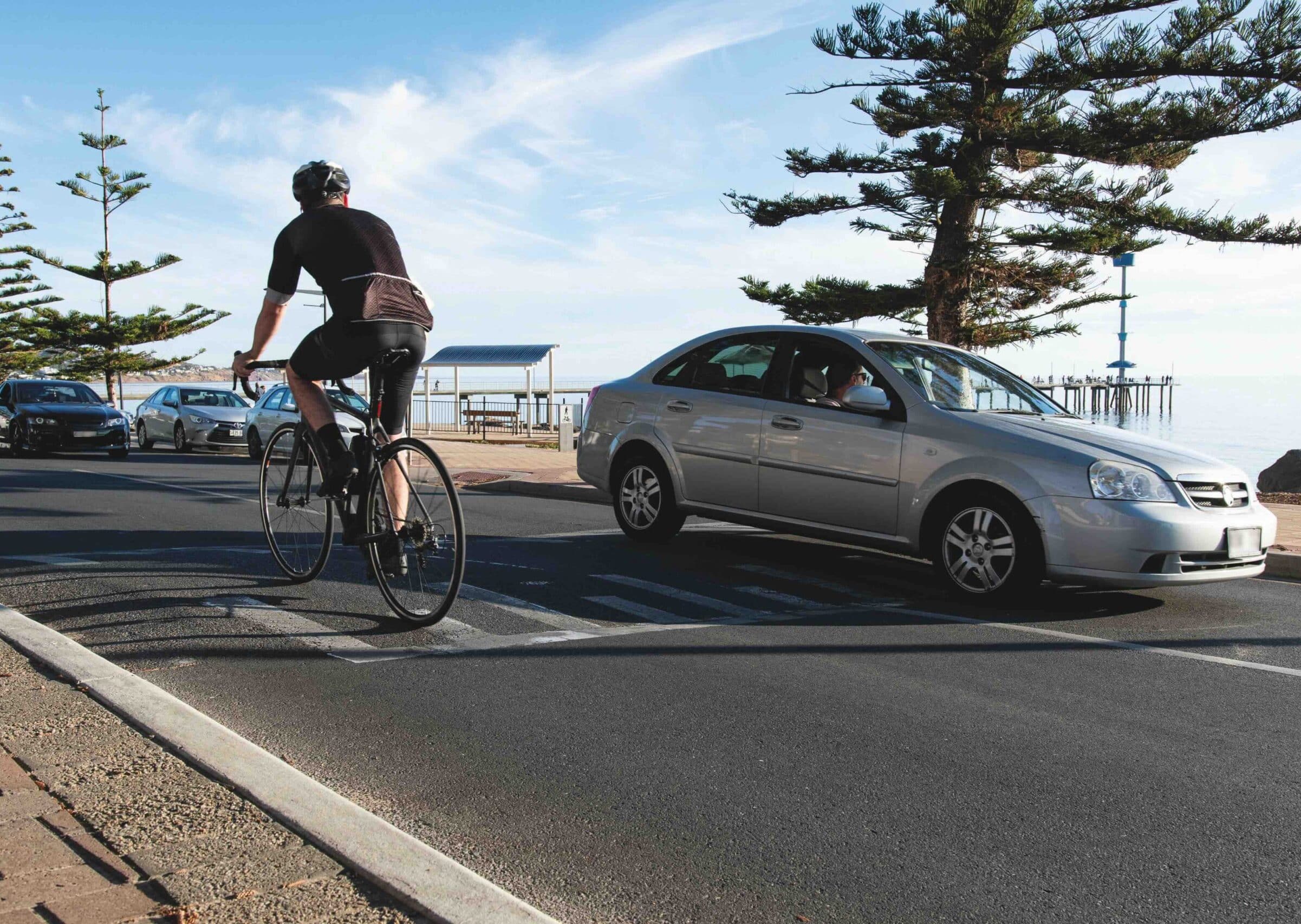
Adelaide University researchers are stress‑testing Australia’s transport networks against severe and extreme weather using the Federal Government’s first National Climate Risk Assessment (NCRA) as a baseline and extending it to state and council level assets. The work focuses on road and coastal infrastructure in councils such as the City of Holdfast Bay, examining failure modes under compound hazards like storm surge plus fluvial flooding and prolonged heatwaves. Findings are feeding into corridor‑scale adaptation options, including revised pavement design lives, drainage capacity upgrades and relocation or armouring of low‑lying links.
Cyngor Gwynedd has let a £3.8M Gwynedd and Anglesey Structures & Coastal Maintenance Framework 2026 covering general maintenance of bridges, retaining walls and coastal defences, alongside major works and specialist geotechnical engineering services. The framework consolidates routine inspections, structural repairs and coastal asset upkeep for both mainland and island sites into a single multi-year procurement vehicle. Contractors can expect packages involving scour protection, slope stabilisation and structural strengthening on existing assets rather than large new-build schemes.
WSP and KPMG have been appointed to provide technical and advisory support to National Highways as it develops strategic electric vehicle charging infrastructure across England’s Strategic Road Network for the Office for Zero Emission Vehicles (OZEV). The work will focus on planning and delivering high-capacity charging hubs at motorway service areas and key A-road junctions, addressing grid connection constraints and demand forecasting. For civil and electrical engineers, this signals upcoming programmes involving substation upgrades, high-power cabling, pavement and bay reconfiguration, and integration with existing roadside assets.
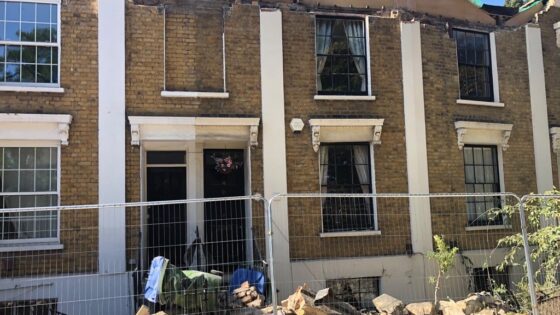
Lovell has paused construction on a nearby housing development in Charlton, south London, after three homes on Woodland Terrace suffered a partial collapse. Lovell took the decision to pause work while it works with the Royal Borough of Greenwich and other relevant parties to understand what happened. The cause of the incident has not been established. Lovell commissioned an independent structural engineer to carry out a visual survey of the properties.
Amey has secured a one-year extension to its facilities management contract with National Highways, covering operational support for England’s strategic road network of motorways and major A-roads. The deal keeps Amey responsible for maintaining critical roadside assets and buildings that support control centres and maintenance depots, directly affecting uptime of traffic management systems and incident response. For civil and asset engineers, the extension signals continuity in existing inspection, planned maintenance and reactive repair regimes rather than a near-term shift to a new FM delivery model.
Major UK infrastructure schemes such as HS2 and the Lower Thames Crossing are increasingly stalled by multi-year Development Consent Order processes, overlapping environmental assessments and repeated judicial reviews. Industry voices are pushing for a single integrated consenting regime, statutory time limits on planning examinations and clearer National Policy Statements to cut delays on projects involving multi-bore tunnels, high-speed rail viaducts and 400kV grid reinforcements. For civil and geotechnical teams, this could mean earlier certainty on alignments, ground investigation scopes and procurement of specialist contractors.
An innovative Komatsu HD1500-8 dump truck tray, branded Titan, is now operating at Mineral Resources’ Mt Marion lithium project in Western Australia, developed entirely in-house by its subsidiary CSI Mining Services. CSI becomes the first Australian mining company to design and control its own dump truck tray, rather than relying on OEM or third-party tray suppliers. Full design ownership allows MinRes to tailor tray geometry, wear package and payload configuration specifically to Mt Marion ore characteristics and haul profiles, with potential to roll out variants across its wider haul fleet.
Troilus Mining has issued Metso Corporation a Letter of Award and Limited Notice to Proceed for the first phase of major process equipment procurement at its gold-copper Troilus project in north-central Québec. The selection follows a detailed evaluation of technical performance, commercial terms, commissioning strategy, ramp-up support and life-cycle services, signalling early lock-in of a single OEM for core plant. Early engagement with Metso is likely to shape flowsheet design, equipment sizing and maintainability for the project’s primary crushing, grinding and downstream processing circuits.
Norwegian autonomy specialist Steer has secured its first North American quarry customer and two of Europe’s largest limestone producers for its Next Generation Autonomous Haulage model. The system uses centrally supported, low‑cost driverless haulage tailored to short, repeatable quarry cycles rather than ultra‑class open‑pit fleets, targeting sites constrained by staffing shortages and thin margins. For mine planners and fleet engineers, the model signals growing interest in retrofittable autonomy on smaller rigid and articulated trucks, with remote supervision replacing in‑cab operators.
MeiTeng’s 15th wheel-mounted mobile XRT ore sorting system has completed 24 months of continuous operation at the Zhalixikang lead-zinc polymetallic mine in Longzi County, Tibet, working at an altitude of nearly 4,800 m since its 2024 commissioning. The unit has just finished sorting at one mining face and is being relocated to the next, showing that containerised, trailer-based XRT plants can maintain stable performance under extreme elevation, low-oxygen conditions and frequent moves between faces.