RWE’s three new UK offshore windfarms: design and geotechnical notes for engineers
Reviewed by Tom Sullivan
First reported on New Civil Engineer
30 Second Briefing
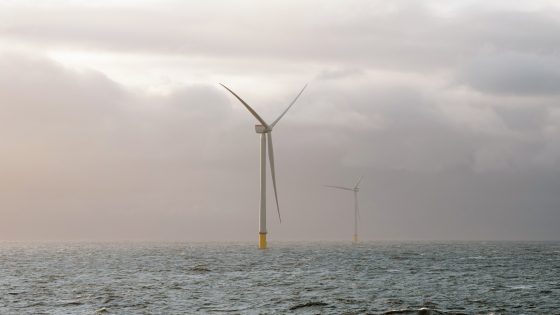
German utility RWE has secured UK Government development consent for three large offshore wind farms, including two projects off the north-east coast and one in the southern North Sea. The schemes will require multiple high-capacity export cable routes, offshore substations and new onshore grid connection works, adding significant marine geotechnical investigation, pile design and scour protection packages. Contractors can expect deep-water foundation installation, challenging metocean conditions in the North Sea and tight integration with National Grid reinforcement programmes.
Technical Brief
- Consent packages typically lock in maximum turbine numbers, tip heights, rotor diameters and array layouts for detailed design.
- Environmental impact assessment obligations will drive seasonal marine survey windows and constrain piling and cable-lay campaigns.
- Offshore construction will require large jack-up or floating installation vessels, subject to North Sea weather and port access limits.
- Port infrastructure upgrades for marshalling, blade storage and heavy-lift quay capacity are likely prerequisites before main works.
Our Take
RWE’s consented offshore schemes off the UK north-east coast and in the southern North Sea sit alongside its recently completed 36 MW Camster II onshore wind farm in Caithness, signalling a UK portfolio that mixes grid‑firming onshore assets with larger offshore generation in the same regulatory environment.
The recent power purchase agreement where Network Rail will source 65% of its non‑traction demand from an RWE offshore wind farm in Wales suggests these new UK offshore projects could be positioned not just for wholesale markets but also for long‑term corporate or public-sector offtake deals.
Prepared by collating external sources, AI-assisted tools, and Geomechanics.io’s proprietary mining database, then reviewed for technical accuracy & edited by our geotechnical team.
Related Articles


Related Industries & Products
Construction
Quality control software for construction companies with material testing, batch tracking, and compliance management.
Mining
Geotechnical software solutions for mining operations including CMRR analysis, hydrogeological testing, and data management.
QCDB-io
Comprehensive quality control database for manufacturing, tunnelling, and civil construction with UCS testing, PSD analysis, and grout mix design management.