Geomechanics, Streamlined.
© 2026 Geomechanics.io. All rights reserved.
Western Australia will invest more than $900,000 in five 2027 Minerals Research Institute of Western Australia (MRIWA) PhD scholarships targeting safer, more efficient and lower-emission mining across the state. The funded projects will focus on critical operational challenges in WA’s resources sector, including improved mine safety systems and productivity in high-tonnage operations. For engineers, the programme signals future research capacity in areas such as low‑carbon extraction methods, advanced geotechnical characterisation and process optimisation tailored to WA orebodies.
Maritana Minerals has completed over 17,000m of reverse-circulation drilling in 119 holes at the Boorara gold project near Kalgoorlie, progressing it as the first planned ore source for the Black Swan processing hub ahead of a targeted mid-2027 restart. The campaign focuses on resource conversion and was run in parallel with grade-control drilling to tighten pre-production mine planning. For geotechnical and mine design teams, the dense drilling grid should materially refine orebody geometry, grade continuity and pit optimisation for the initial restart phase.
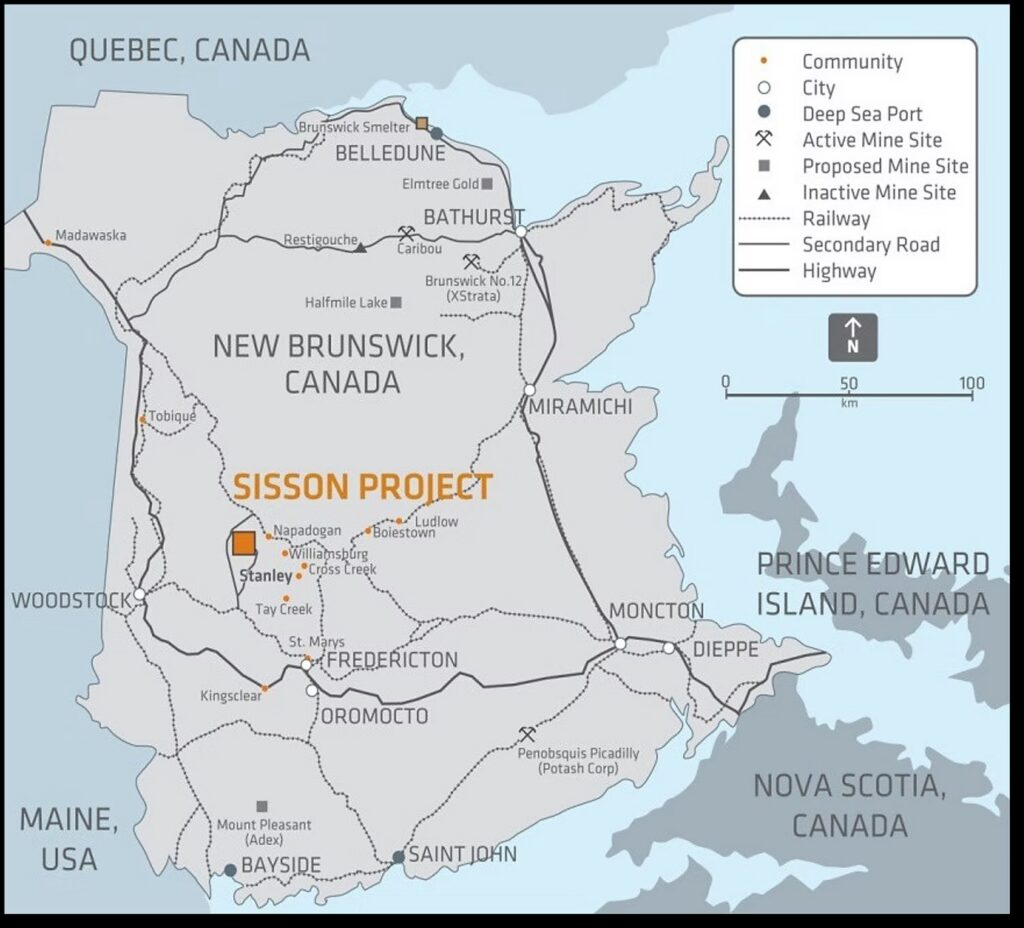
Northcliff Resources’ updated feasibility study for the Sisson tungsten-molybdenum project in New Brunswick lifts post-tax NPV to C$6.9 billion at an 8% discount rate, versus C$1.53 billion in initial capital, for a 50% IRR and 1.6-year payback, driven largely by higher tungsten prices and a concentrate-only flowsheet. The planned 27-year open-pit will process 30,000 t/d to produce on average 598,000 mtu of tungsten trioxide and 4.2 million lb of molybdenum annually, rising to 767,000 mtu W03 in the first five years. Proven and probable reserves total 276.8 million tonnes at 0.075% W03 and up to 0.025% Mo, with construction targeted for 2028 and first production in 2030.
Southwest US copper and lithium projects from Thacker Pass and Rhyolite Ridge in Nevada to Ivanhoe Electric’s 24-sq.-km Santa Cruz deposit in Arizona are colliding with hard water limits in basins where legal rights already exceed long-term recharge. Nevada’s Big Smoky Valley-Tonopah Flat basin, hosting Tonopah Flats lithium and Three Hills gold, has 21,940 acre-ft of groundwater committed against a 6,000 acre-ft perennial yield, while Ivanhoe has secured 3,600 acre-ft of type one rights for Santa Cruz and is seeking more. USGS and academic modelling point to mid-century shortfalls in many subbasins, forcing mines towards deeper pumping, aggressive recycling and costly acquisition of senior rights.
Greenland Mines has closed its US$35 million acquisition of the Sarfartoq rare earth project from Neo Performance Materials, securing a carbonatite-hosted NdPr deposit near Kangerlussuaq, about 60 km from Greenland’s main international airport. An independent Initial Assessment on the ST1 deposit alone, which occupies under 1% of the 191 km² licence, reports a pre-tax NPV of ~US$2.05 billion and IRR of 118.6%, based on Indicated and Inferred resources and a nine-year mine plan. The company plans immediate infill drilling, pilot-scale metallurgical test work, mine engineering and expanded environmental and social baseline studies to advance to pre-feasibility.
Sandvik’s SEK260 million expansion of its Tampere, Finland rock drill plant has reached a key phase, with the new factory area, CNC machine tools and automation systems installed and production ramp-up underway. The 2023-launched programme targets higher output of top hammer and down-the-hole drills for both underground and surface rigs, consolidating core component manufacturing at a single European hub. For mine operators and contractors, the added capacity should ease lead times on OEM drill strings and support fleet standardisation across Sandvik’s latest automated drilling platforms.
ME Elecmetal will open its Duluth, Minnesota steel foundry to the public on 3 October 2026 as part of US Manufacturing Day, running a four-hour open house from 10:00 to 14:00. Employees, mining customers, students, educators and local families will be able to see how large cast wear parts and mill liners are produced for crushing and grinding circuits. For mining engineers and plant operators, the visit offers a chance to discuss liner design, casting quality and wear-performance issues directly with foundry and metallurgical staff.
FLSmidth has signed a lifecycle agreement with Lloyds Metals and Energy Limited covering the full FLS equipment flowsheet across LMEL’s iron ore mining and metals processing operations in India. The undisclosed-value deal spans mining, comminution, classification and beneficiation equipment, shifting support from discrete spares and service orders to long-term performance-based coverage. For engineers, this signals tighter OEM involvement in asset reliability, process optimisation and wear-part planning across LMEL’s integrated iron ore value chain.
Epiroc is extending its Automatic Bit Changer (ABC), first deployed on large Pit Viper rotary drills in 2022, to its range of large down-the-hole (DTH) crawler rigs. The system automates drill bit change-out, removing manual handling at the drill string and reducing exposure around the rotary head and deck. Mines can expect shorter non-productive time during bit swaps and lower operator workload, particularly on high‑metreage production benches where frequent bit changes are required.
Sandvik has unveiled “Sami”, a concept underground mining machine shown at the Future of Mining 2026 event in Tampere, Finland, as a testbed for advanced automation and AI-driven operation. The platform is designed to integrate sensor fusion, onboard edge computing and cloud connectivity, enabling autonomous tramming, real-time ground awareness and adaptive control in complex stopes and declines. For mine planners and engineers, Sami signals Sandvik’s direction towards interoperable, software-defined fleets where new automation functions can be trialled and deployed faster than traditional machine development cycles.
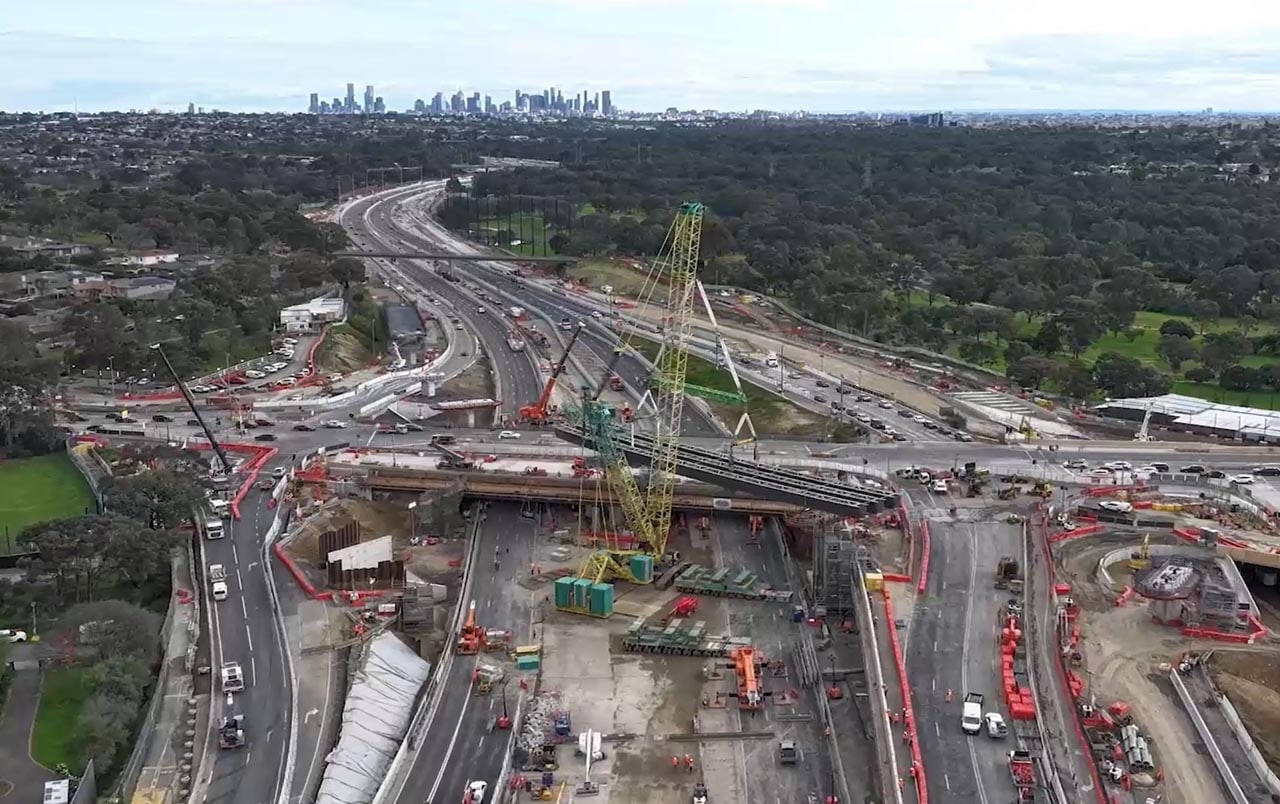
Victoria’s spring transport blitz is centred on the new Melton Station, where trains now run on elevated rail bridges over Exford and Coburns roads, removing two level crossings on a key western corridor. Coburns Road will close from 6–24 September to allow track removal and associated road works beneath the viaduct, with traffic diversions affecting local freight and commuter routes. The works form part of a broader state programme targeting congestion reduction and improved rail–road separation across Melbourne’s growth areas.
Tivan’s Stage Two drilling at the Sandover Fluorite Project in the Northern Territory has intersected 3m at 74.3 per cent CaF₂, with mineralisation remaining open along strike and at depth. The company completed 58 reverse circulation holes totalling 5,884m across seven discrete fluorite reefs, providing tighter control on reef geometry and continuity. Results point to potential for a sizeable, high-grade fluorite resource, with implications for mine design, pit optimisation and future metallurgical testwork focused on acid-grade concentrate.
King River Resources has defined new high-grade gold targets at its Mindoolah project in Western Australia, with surface rock-chip sampling returning up to 44.3g/t Au about 70km north-west of Meekatharra. Structural mapping combined with multi-element geochemistry has identified multiple mineralisation styles over the historically mined trend, refining controls on quartz-vein and shear-hosted gold. The work sets up focused drilling to test near-surface extensions around old workings and unmined structures, with potential to quickly add shallow, high-grade ounces if continuity is confirmed.
Two-phase flow between solid particles and interstitial air is shown to control how powders settle, discharge and move through hoppers, chutes and transfer points, with air pressure gradients often dominating behaviour in fine or aeratable materials. Jenike & Johanson’s microlearning session explains how phenomena such as flooding, ratholing and erratic discharge arise when air cannot escape freely, and why conventional single-phase flow assumptions fail. The content points engineers towards incorporating air permeation, deaeration and venting design into bulk solids handling calculations and equipment selection.
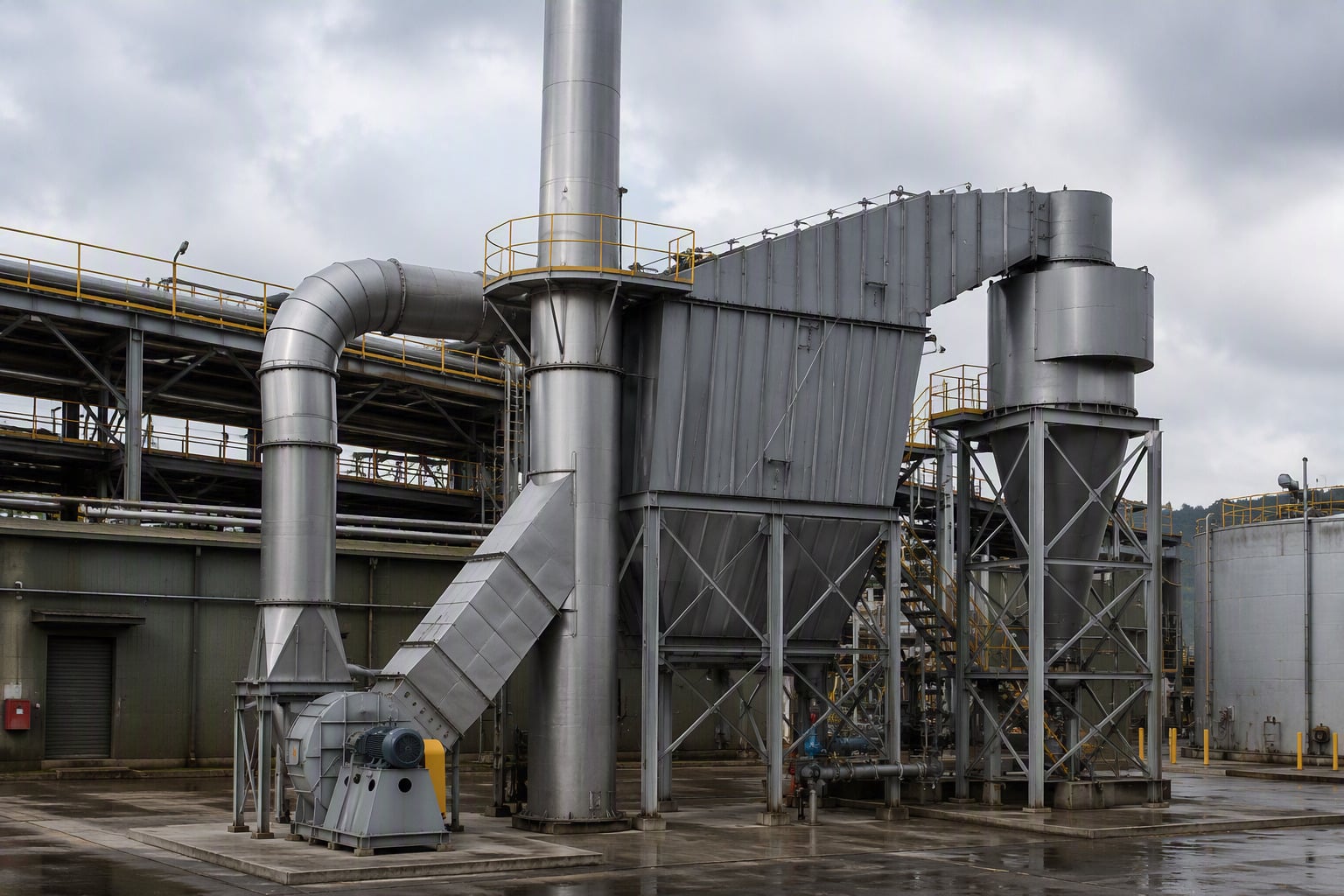
Nederman MikroPul Australia has expanded its global engineering capability by integrating its Indonesia-based engineering team into design and delivery for complex mining and minerals processing dust and fume control systems. The collaboration pairs Indonesian engineers’ on-the-ground project execution with Australian-led process design and compliance to international emissions and occupational exposure standards, using Nederman MikroPul baghouse and filtration technologies. For operators, this signals more capacity to engineer large-scale, custom extraction and filtration plants in Asia–Pacific without compromising on global performance and compliance benchmarks.
Element Zero has secured up to $26 million from the Australian Renewable Energy Agency to scale its electrochemical ironmaking technology via a $53.65 million Green Iron Electroreduction Demonstration Module in Western Australia, backed through the Future Made in Australia Innovation Fund. The project aims to produce green iron by replacing conventional blast furnace routes with an electroreduction process powered by renewable energy, targeting lower direct CO₂ emissions from iron ore reduction. For miners and steelmakers, this signals early-scale validation of an alternative ironmaking flow sheet that could reshape Pilbara ore value chains.
Balfour Beatty has appointed Emma Loxton as chief strategy officer, bringing a decade of experience from McKinsey & Company where she led the UK advanced industries and transport and infrastructure practices. A former senior policy advisor in the UK government’s Prime Minister’s strategy unit, she will take up the role in October to lead the group’s strategy function. Her remit covers long-term growth planning across Balfour Beatty’s end-to-end infrastructure operations in the UK, US and Asia, with priority focus on UK energy, transport, defence and US buildings.
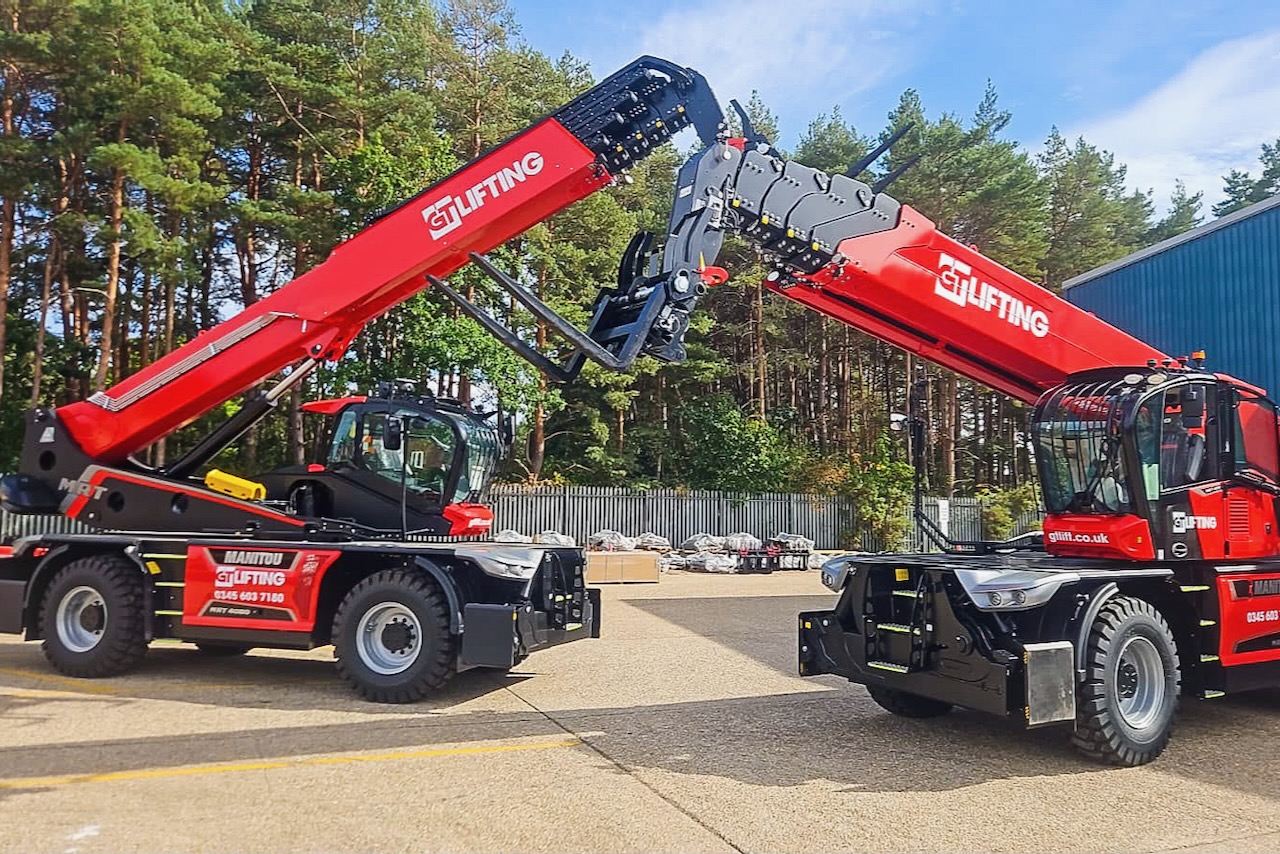
GT Lifting has ordered ten Manitou MRT 4080 rotating telehandlers, each with 40 m reach and 8 t capacity, marking the first UK order of this size for the model and extending Manitou’s Vision+ range into the 40 m category. The deal includes a suite of bespoke attachments to exploit the machines’ 3‑in‑1 role as heavy-duty telehandlers, mobile cranes, and aerial work platforms, targeting complex lifting and access work on constrained sites. Deliveries across the UK hire fleet start in August via GT Lifting’s national network.
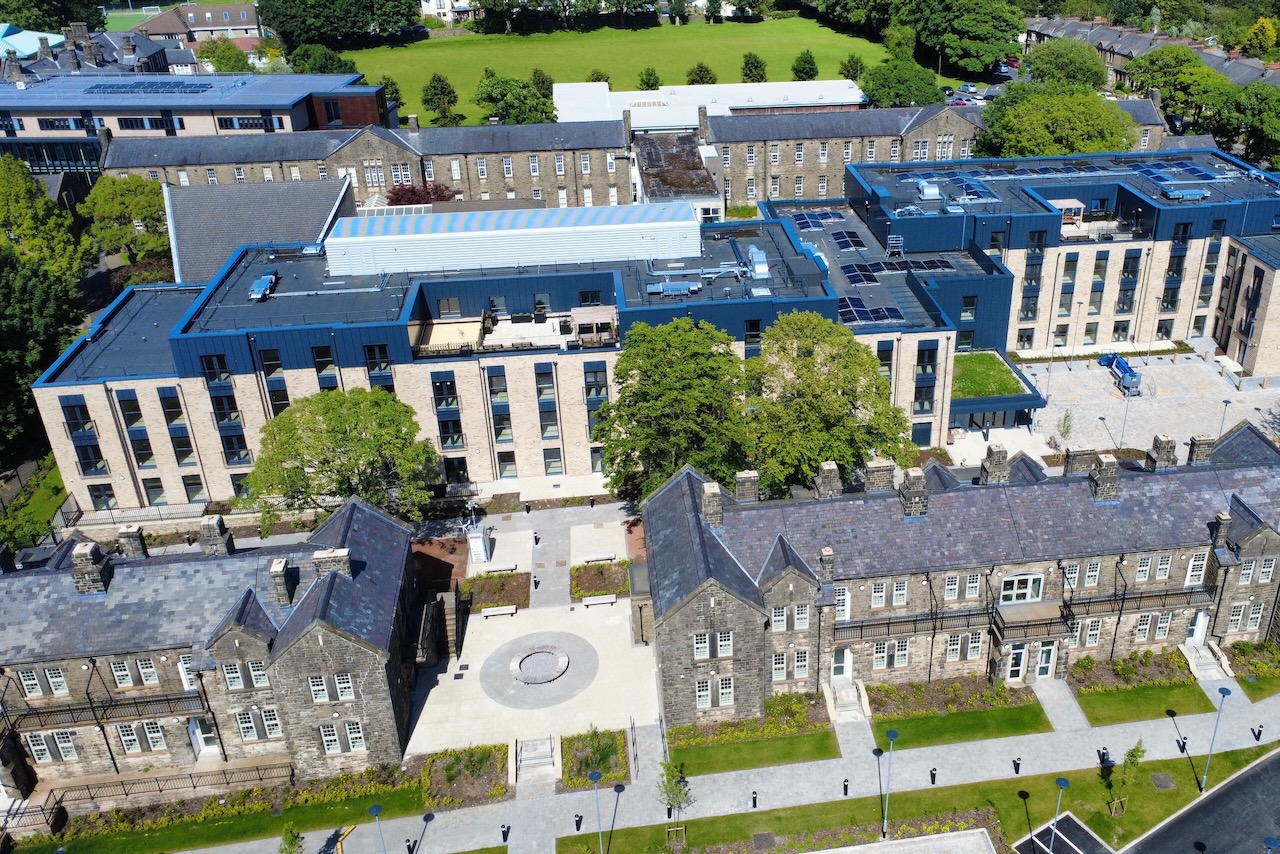
Caddick Construction has completed St Martin’s Court in Lancaster for Progress Housing Association, delivering the city’s first extra care facility for over‑55s with care needs, combining new-build one and two-bedroom apartments with the conversion of two former military barracks into 16 additional affordable units. Three one-bedroom layouts are fully wheelchair-accessible, and the scheme incorporates assisted and spa bathing, a hairdressing facility, games room, laundry room and roof terraces. External works include remodelling the existing stone boundary wall, new external lighting, landscaping and a car park equipped with EV charging points, while retaining and restoring historic sandstone fabric.
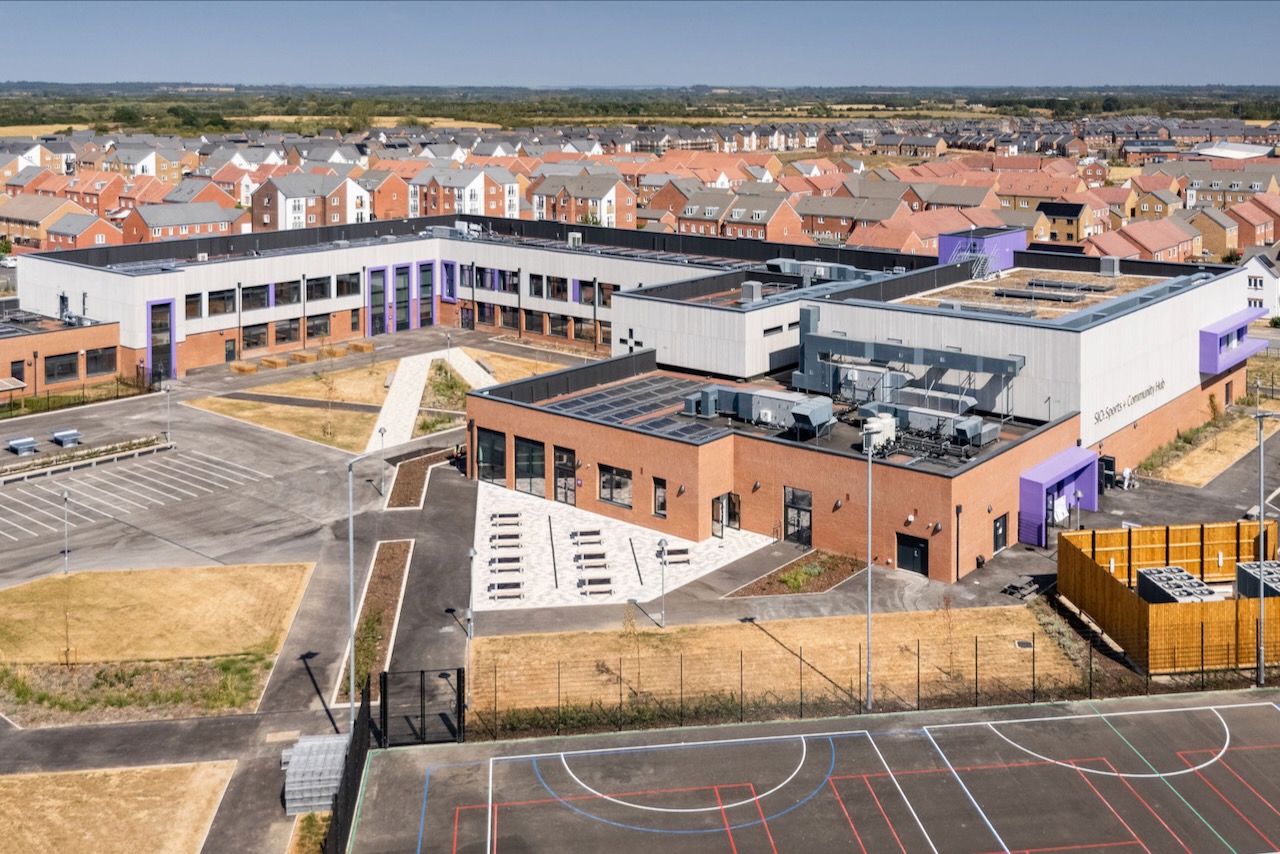
Bouygues UK has completed the new St John’s CE Academy in Grove, Wantage, delivering a 600-place secondary school for Cambrian Learning Trust and the Department for Education using a cross-laminated timber (CLT) structure and offsite manufacturing to cut embodied carbon and site waste. The CLT frame and consistent prefabricated components aim to reduce defects while exposing natural timber internally for occupant comfort. A green roof with photovoltaic panels, grass pitches, a multi-use games area and SuDS with attenuation, swales and porous parking target improved energy performance and surface-water management.
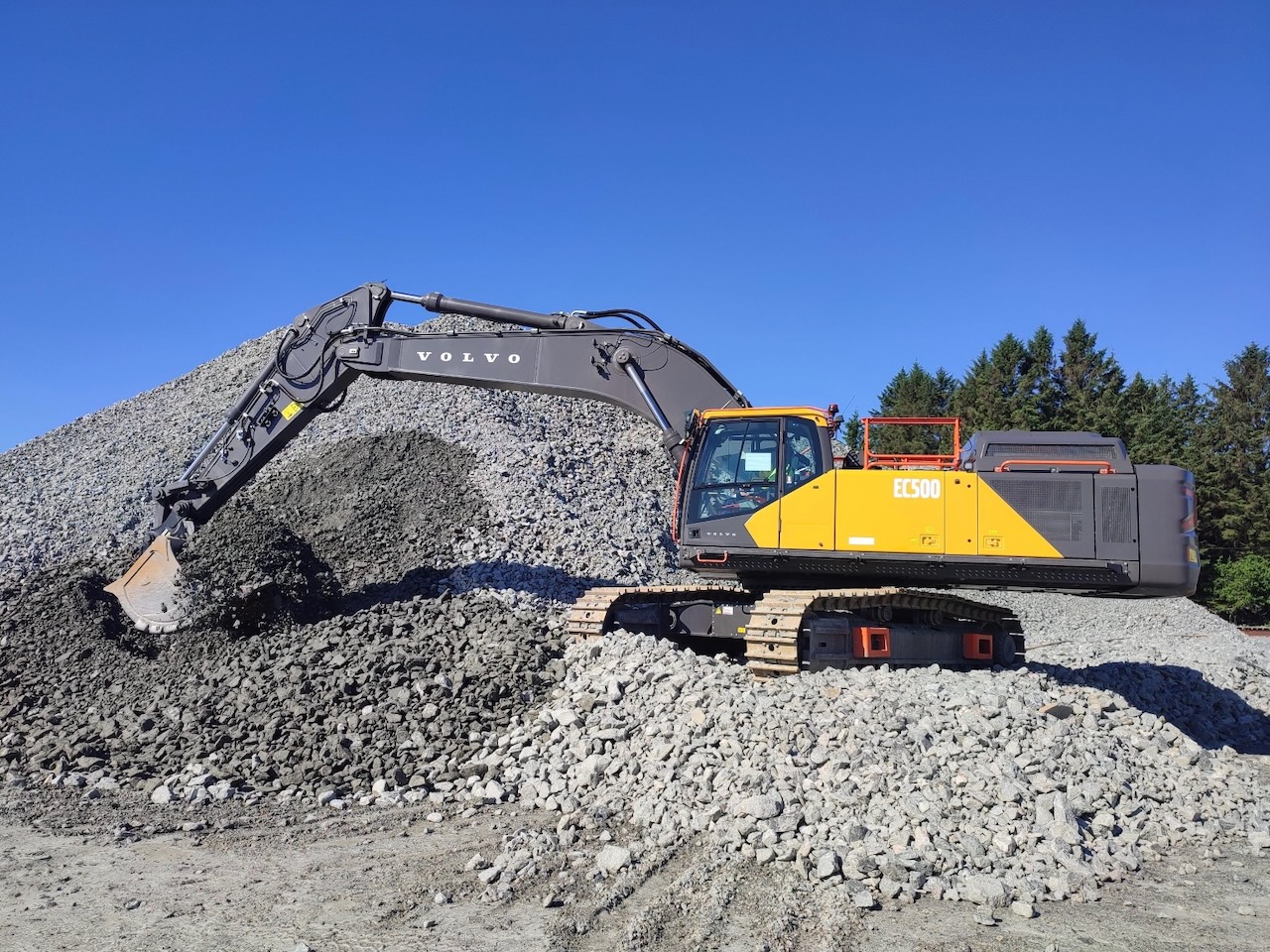
Customer trials are under way in Norway for Volvo Construction Equipment’s 50‑tonne EC500 Electric crawler excavator, a pre‑build machine combining a 400 V grid cable connection with onboard batteries for quarrying, road and tunnel work. The cable‑reel system allows continuous operation on grid power while the battery pack delivers roughly 2–3 hours of off‑grid digging, relocation and loading, depending on duty cycle. An intelligent energy management system supports peak shaving and adapts to weak or variable site supplies, cutting the need for high‑capacity temporary power, with commercial launch targeted from spring 2027.
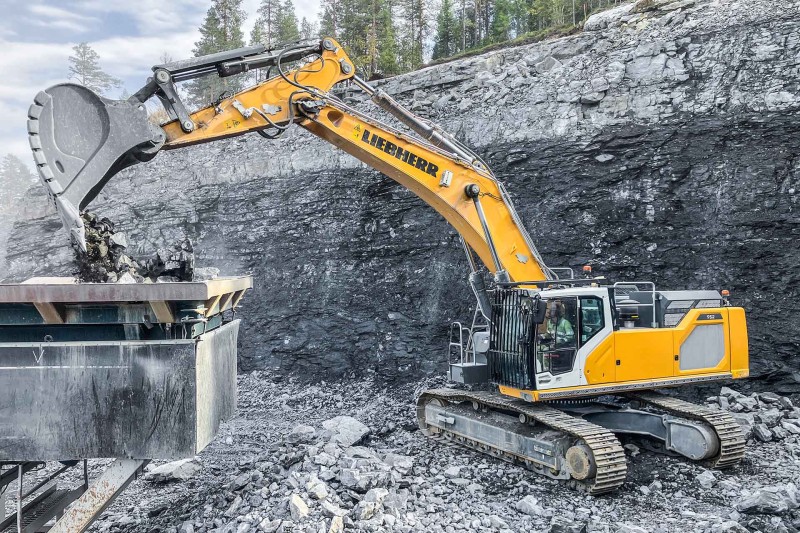
Liebherr has launched three 50‑tonne Generation 8 crawler excavators at Steinexpo – the R 948 G8 for earthmoving, the R 958 G8 for mining with an S‑HD chassis and ME equipment, and the versatile R 952 G8 with three chassis variants and higher engine power. All models feature LPE (Liebherr Power Efficiency) claiming up to 10% lower fuel use, Bucket Fill Assist automation, Modetronic adaptive machine settings, and an automatic central lubrication system. A passive 2D machine control system co‑developed with Leica Geosystems plus on‑board weighing is standard, with upgradeable 3D and semi‑automation options.
Harley Haddow has acquired specialist consultancy Pillar Fire to create a national fire engineering and fire risk management division led by director of fire consultancy Kevin McKeown. Fire engineers will now work in-house alongside Harley Haddow’s structural, civil, mechanical, electrical, geotechnical, building performance and sustainability teams from concept stage, targeting early integration of fire strategies rather than late-stage “bolt-on” solutions. The move responds to post-Grenfell regulatory reforms and the Building Safety Act, amid a shortage of qualified fire engineers and rising demand for demonstrable competency and accountability.
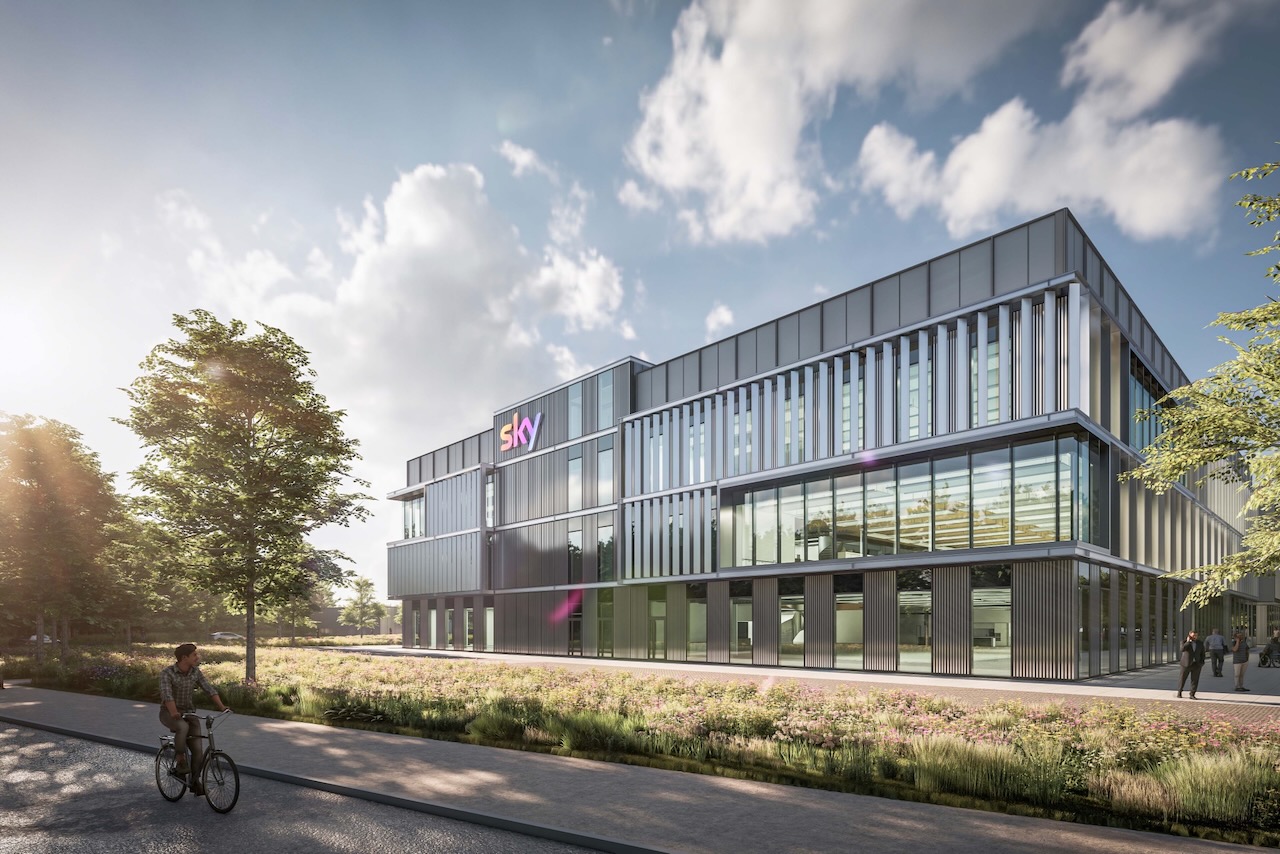
Sky has secured planning approval for a new 15‑acre customer support campus in Livingston, Scotland, consolidating 3,000 employees from four Kirkton buildings and leased space at the Alba Campus. Graham has been appointed principal contractor for the next delivery phase, with regional director Chris MacLeod calling it one of Scotland’s most significant recent workplace developments. The project will prioritise sustainability and use local suppliers and businesses, aiming to drive long-term economic benefit for West Lothian.