Geomechanics, Streamlined.
© 2026 Geomechanics.io. All rights reserved.
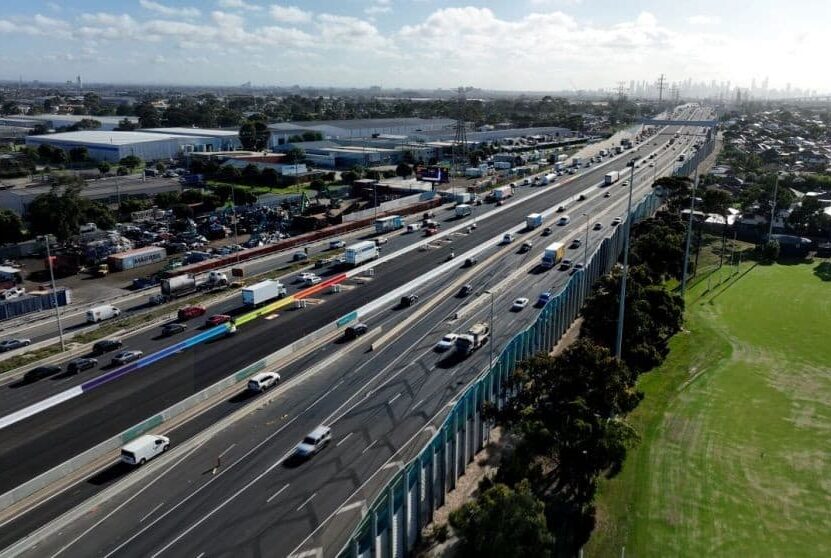
Victoria will spend a record $1.04 billion in 2025–26 to rebuild and resurface arterial roads, maintain bridges and traffic signals, and fund emergency roadworks across the state, with around 70 per cent of the package directed to regional networks. The programme covers pavement rehabilitation, barrier upgrades and sign replacement, alongside vegetation control such as mowing, slashing and herbicide spraying on verges. Contractors can expect sustained demand for asphalt, spray sealing, bridge maintenance and traffic management services across both metropolitan and rural corridors.
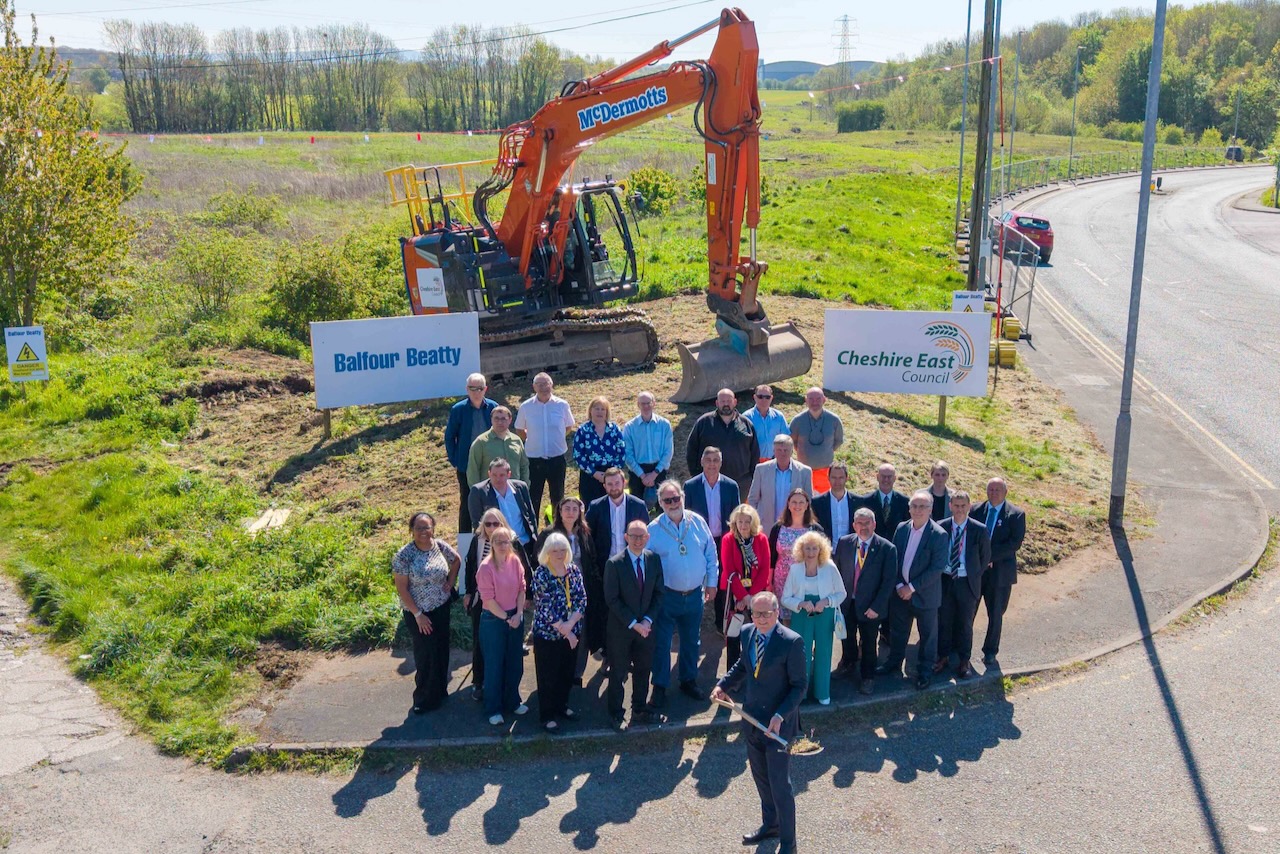
Balfour Beatty has received notice to proceed on the £54m Middlewich Eastern Bypass for Cheshire East Council, delivering a 2.5 km carriageway east of the town with two new major junctions, a highway bridge over the Trent and Mersey Canal and a separate bridge over the Sandbach–Northwich railway line. Designed with Jacobs UK under the SCAPE framework, the scheme includes integrated active travel infrastructure and requires close interface management with Network Rail and the Canal & River Trust. Main construction starts in May 2026 for completion in summer 2028, with a peak workforce of about 150.
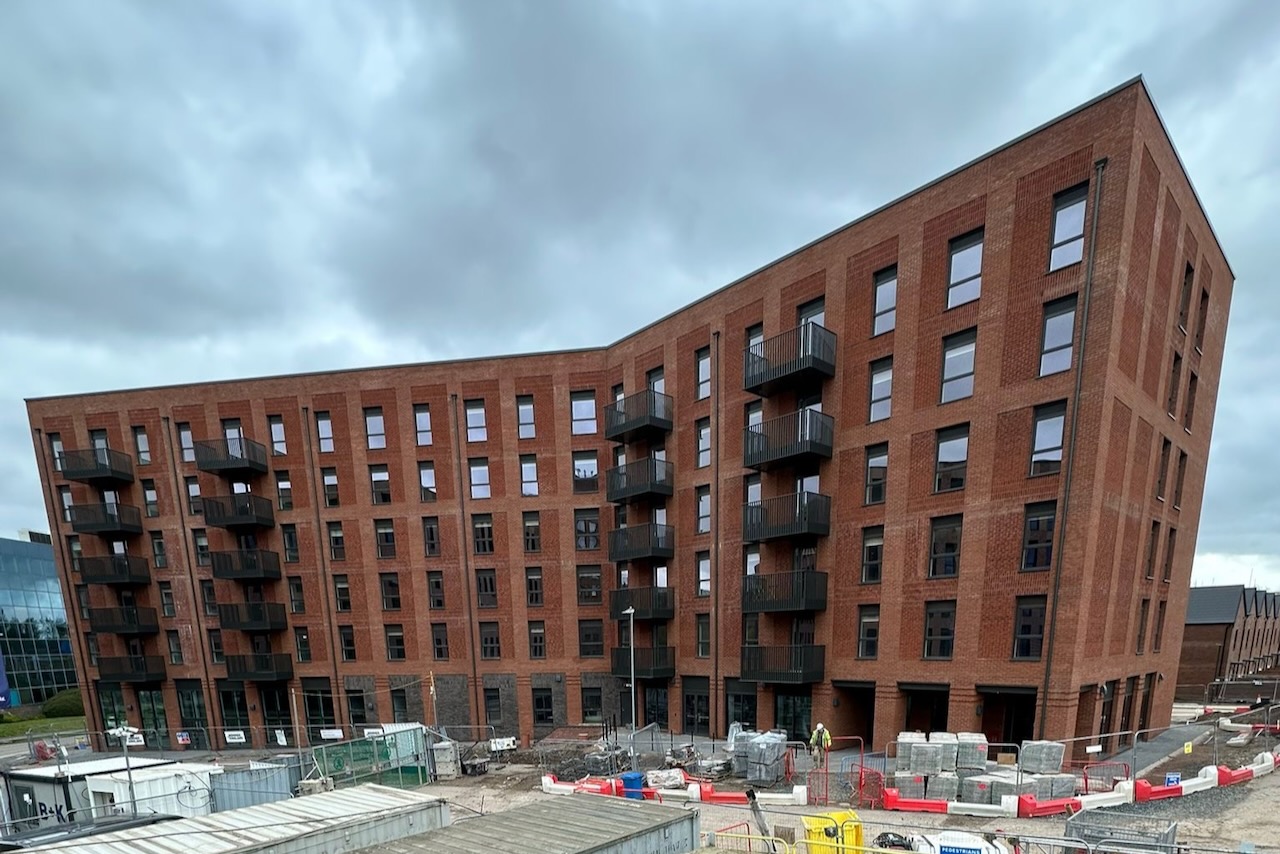
Kimpton is completing a £5m mechanical package at Telford’s Station Quarter, a six-storey scheme with 84 apartments, a commercial unit and a Hampton by Hilton hotel, installing hard-piped traditional bathrooms and individual air source heat pumps in each flat. In Glasgow, the firm is starting a £6.2m mechanical installation at Portcullis House, a 784-room student block for Watkin Jones, including a centralised air source heat pump, full sprinkler coverage, wet risers, air conditioning and drainage. The projects signal growing adoption of heat pumps and a shift back from bathroom pods to longer-life traditional fit-outs.
Liverpool City Council has approved a BAM UK and Eden Project scheme to create a biophilic nature park at the Royal Liverpool Hospital, featuring native tree and shrub planting, wildlife-friendly features and integrated walking and cycling routes. The landscape design focuses on pollinator-supporting, predominantly native species to improve long-term ecological viability while providing quiet recovery and relaxation areas for patients, staff and local residents. NHS University Hospitals of Liverpool and the Eden Project plan to use the site for community education, volunteering and environmental engagement on nature–health links.
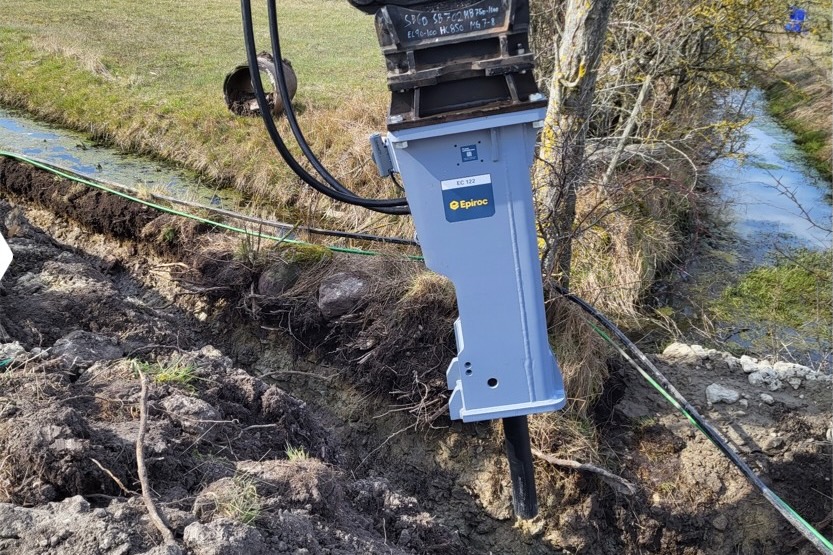
Epiroc has launched the EC 122 hydraulic breaker, 80kg lighter than its predecessor with a 1,120kg service weight for 15–24t carriers, combining a nitrogen piston accumulator with an integrated control valve and energy recovery system to stabilise impact energy and improve hydraulic efficiency. A new turnable lower wear insert and replaceable piston liner allow field rotation and replacement without special tools, cutting downtime and repair costs. VibroSilenced Plus housing with isolated percussion mechanism and sealed openings reduces noise, vibration and internal wear for longer service intervals.
Van Elle’s Rock & Alluvium has installed 594 continuous flight auger piles up to 40m deep and 400–750mm in diameter at Berkeley’s Bow Green development in east London, its deepest CFA work to date and among the deepest in the UK. Specialist rigs including a Llamada P240 and Soilmec SR-45 handled the main piling, with a Klemm 709 used in restricted-access zones between live railway lines, Tower Hamlets Cemetery Park and Bow Common Lane. The foundations will support four residential blocks within a wider scheme of up to 1,764 homes in buildings up to 19 storeys.
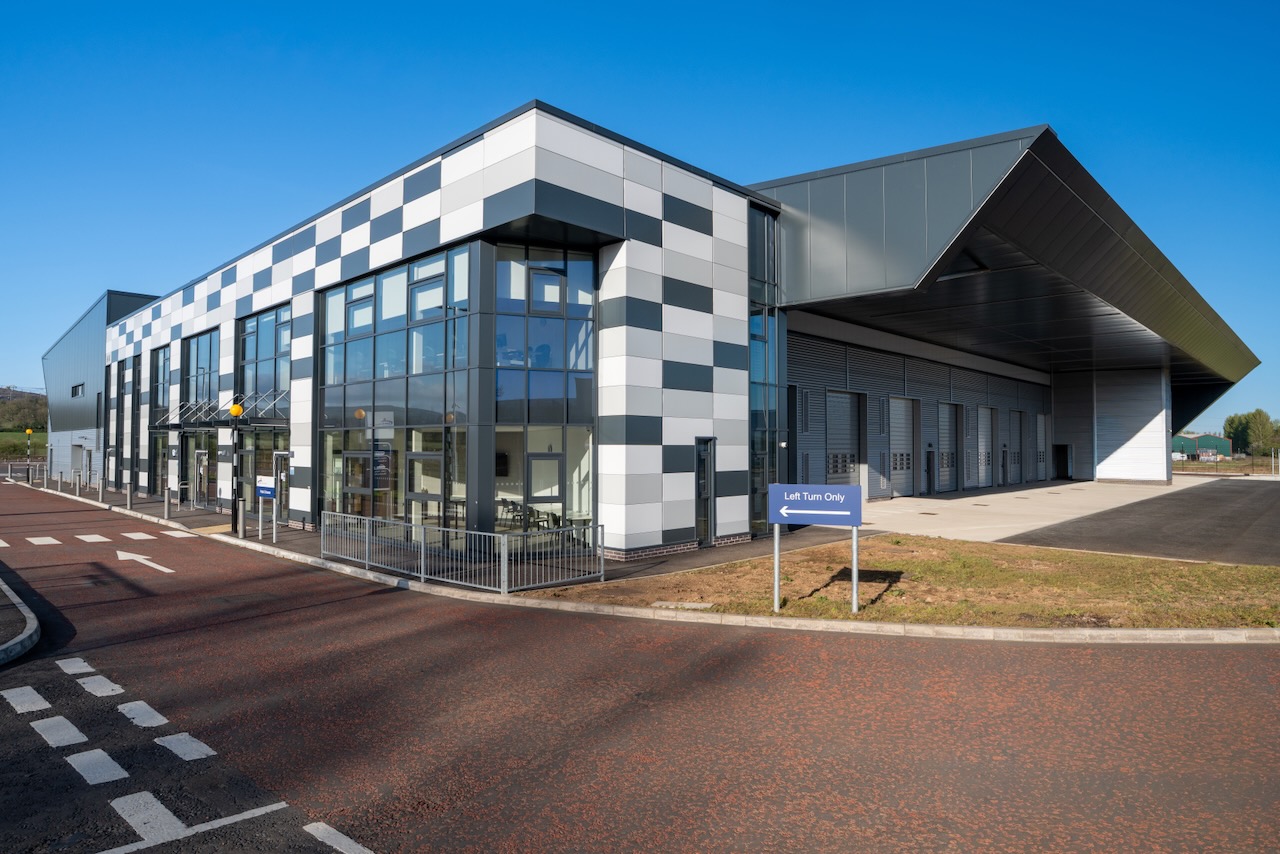
Henry Brothers has completed a £13.5m Driver and Vehicle Agency MOT test centre and administrative building at Mallusk, Northern Ireland, designed for 100,000 vehicle tests per year. The facility incorporates a ten-lane testing hall with seven ramp-based lanes for light vehicles, two lanes for heavy vehicles, a dedicated motorcycle bay, an internal road network, car parking and an off-road motorcycle driving test track. Delivered on time and within budget, the layout is intended to support higher throughput and future changes in vehicle testing requirements.
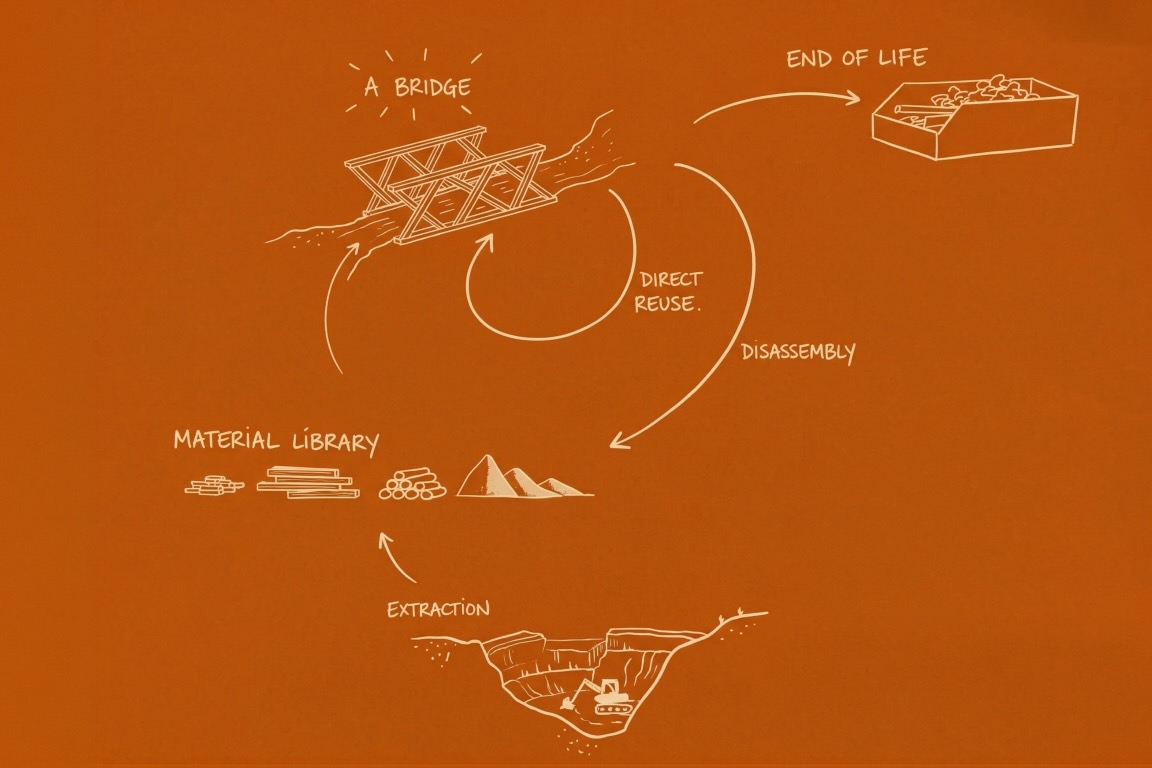
Expedition Engineering and Format Engineers have launched Re-Bridge, a live digital platform that catalogues existing bridge structures and structural steel components for direct reuse, targeting spans and elements from bridges scheduled for replacement or already in storage. Supported by the Useful Simple Trust and ICE, the tool connects asset owners, designers, local authorities and contractors to enable “bridge stock-led design”, shifting early-stage design from specifying new steel to matching available spans. For practitioners, this offers a route to cut embodied carbon and material costs while extending the service life of existing steelwork.
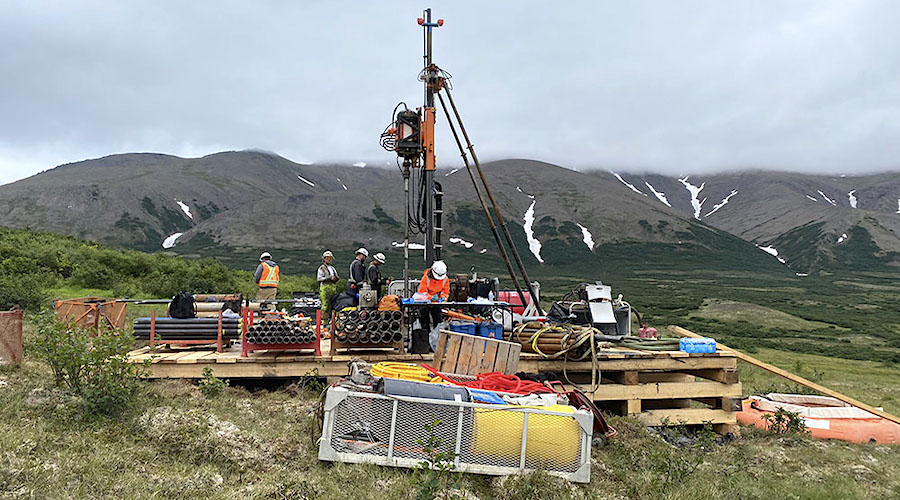
Antipa Minerals has expanded the Minyari gold–copper project resource in Western Australia through new drilling, increasing both scale and exploration upside at the Archean Paterson Province site. Recent holes have extended mineralisation along strike and at depth around the Minyari and WACA deposits, with step-out drilling confirming continuity of high-grade zones in both gold and copper. The updated resource supports further infill and extensional drilling, with implications for pit shell optimisation, underground potential and future processing plant sizing.
29Metals has reported strong final results from its 2025 resource definition drilling program at the Golden Grove copper–zinc operation in Western Australia, extending mine life and supporting plans to lift underground production rates. Drilling targeted the Gossan Hill and Scuddles lenses, with step-out holes confirming down-plunge continuity of high-grade massive sulphide mineralisation beyond current reserve envelopes. The results support updated JORC resource and reserve estimates in 2025, giving mine planners greater confidence for long-hole stoping schedules, ventilation upgrades and potential mill throughput optimisation.
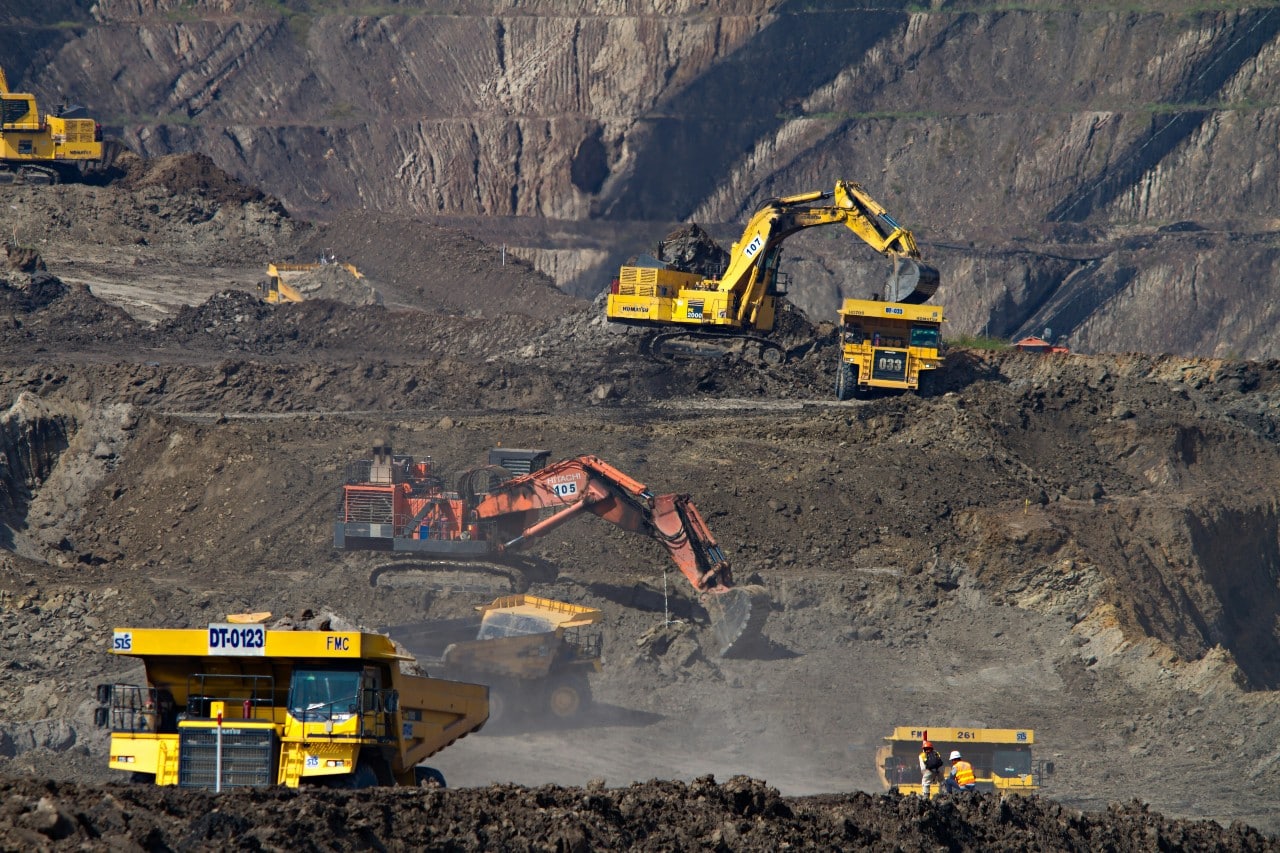
Improving safety across Australia’s mining sites focuses on cutting persistent fatality and injury risks despite a 65 per cent drop in deaths between 2003 and 2015. The piece points to haul truck collisions, fall-of-ground incidents in underground stopes, and maintenance work around conveyors and crushers as continuing high-consequence hazards. Emphasis is placed on controls such as proximity detection on large mobile plant, remote or autonomous operation in high-risk zones, and stronger critical control management tied to real-time monitoring of leading indicators.
The 2026 Women in Industry Awards has released its finalists list, recognising women leading operational, technical and executive roles across mining, manufacturing, transport, engineering and waste management. Finalists span disciplines from mine planning and drill-and-blast optimisation to process plant management and ESG-led project delivery, with strong representation from major Australian miners and METS companies. The awards, run by Prime Creative Media, signal continued industry backing for structured mentoring, leadership pathways and retention of female professionals in site-based and heavy industrial roles.
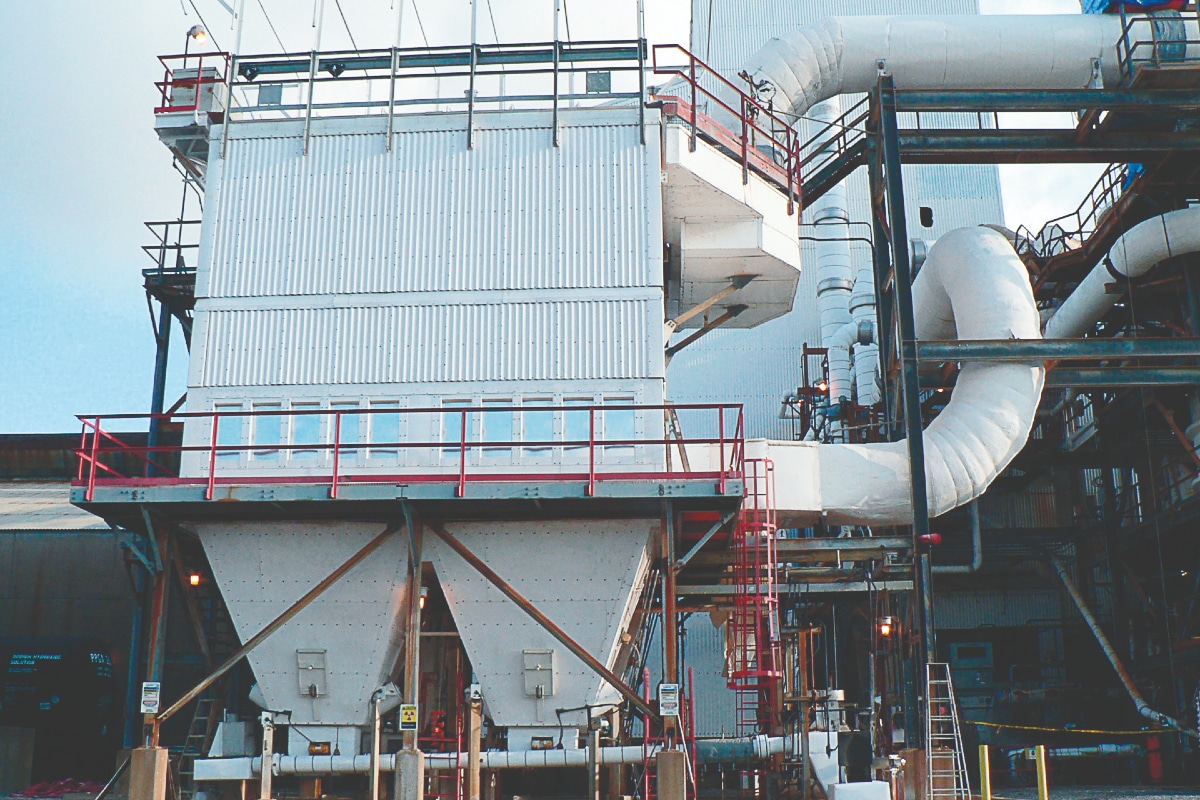
Engineering firm Nederman MikroPul is promoting baghouse dust collectors and engineered air‑pollution control systems designed for demanding mining environments, targeting sources such as crushers, transfer points and fine ore bins. The company stresses reliability through correct filter media selection for abrasive and hygroscopic dusts, robust pulse‑jet cleaning systems, and properly sized hoppers and discharge devices to prevent bridging and re‑entrainment. For operators, the message is that poor design of ducting, airflows and maintenance access can quickly erode collection efficiency and drive up emissions and operating costs.
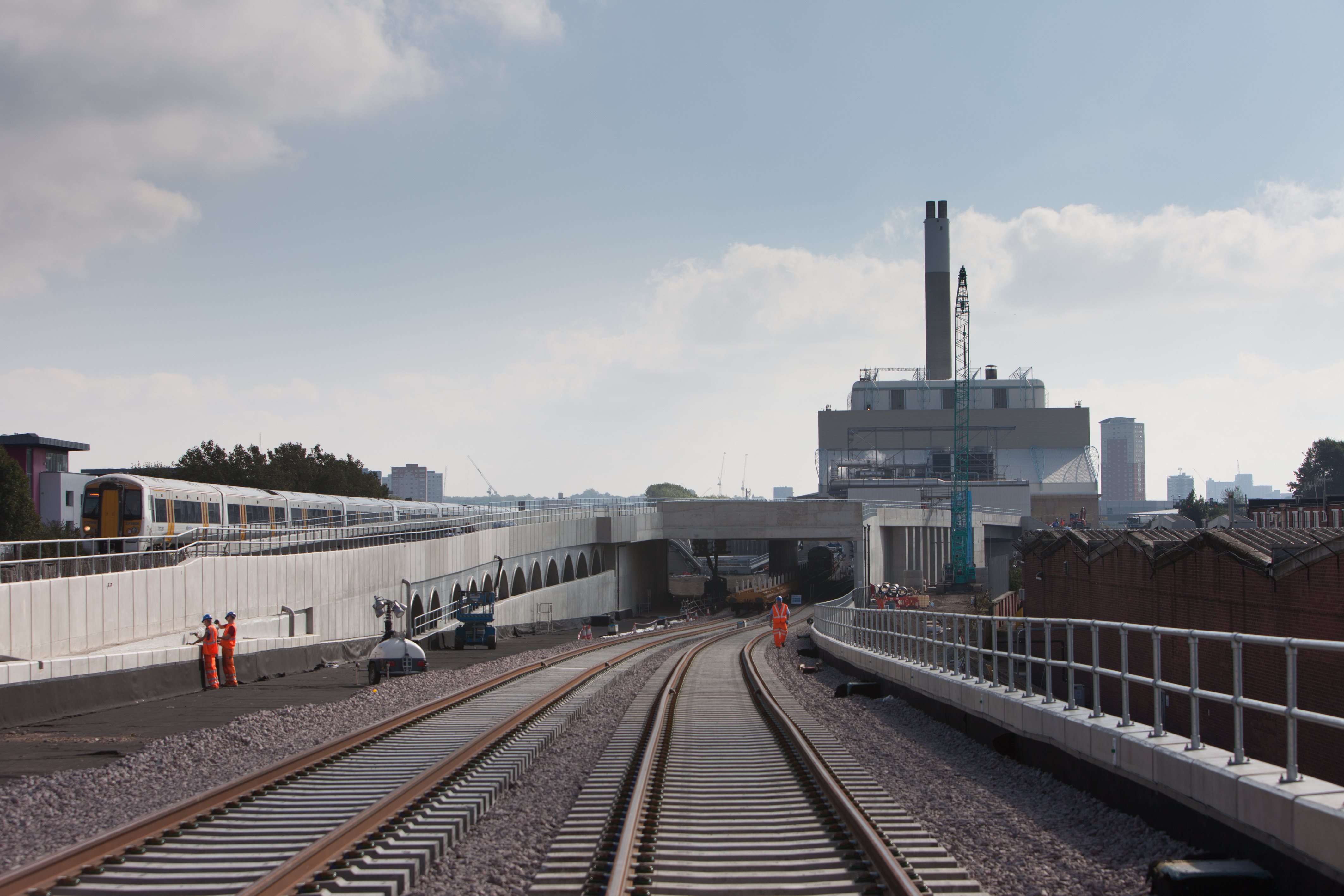
TfL has awarded M Group Transport (Rail & Aviation) a £99.1M contract to maintain critical bridges and civil structures across London’s transport network, covering assets such as viaducts, retaining walls and highway structures. The multi-year programme is expected to focus on structural inspections, defect remediation and life-extension works, including concrete repair, steelwork protection and bearing replacement. Contractors and consultants should anticipate frameworks for night-time access, possession planning and stringent traffic management to keep key corridors operational during intrusive maintenance.
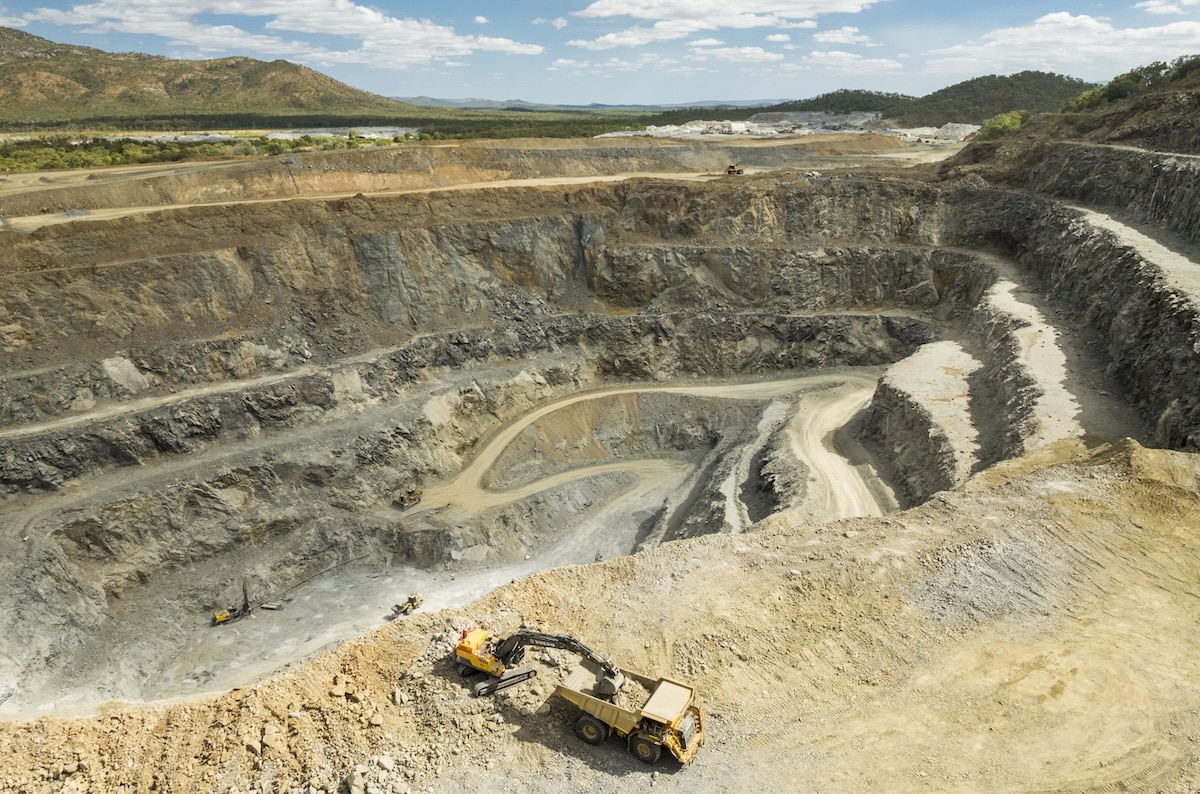
Surging tungsten prices and tightening supply chains are pushing Australian projects such as EQ Resources’ Mt Carbine in far north Queensland and Group 6 Metals’ Dolphin mine on King Island towards higher output and accelerated development. Mt Carbine is ramping up from tailings retreatment to open-pit and underground ore, while Dolphin is restarting historic underground workings with a new processing plant targeting high-grade scheelite concentrates. For geotechnical and mining teams, the shift raises demand for hard-rock stoping, ground support in narrow, high-stress veins, and fine-tuning of gravity–flotation circuits for complex skarn ores.
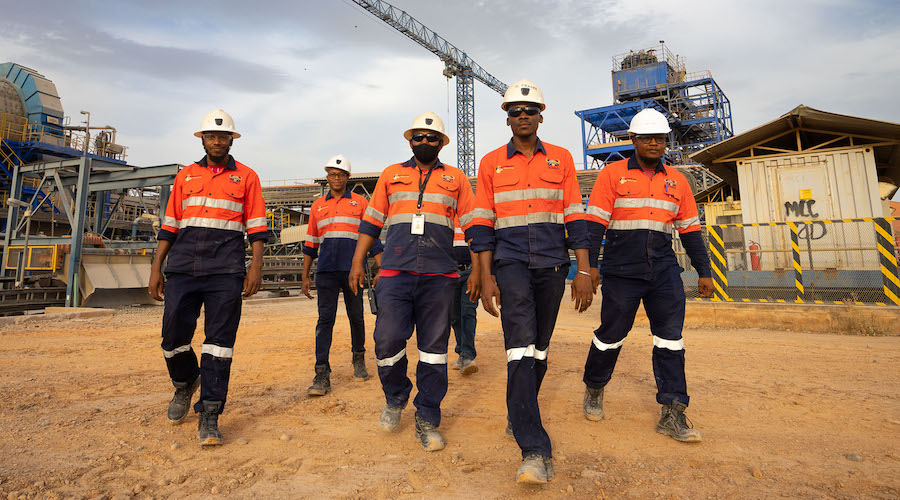
Disinformation campaigns targeting Africa’s critical minerals sector reached nearly 300 million users in the past year, with London-based AI platform Refute tracing 2,778 bot accounts driving over 22 million engagements across 21 mining sites in the DRC, Niger, Mali, Rwanda, Guinea and Côte d’Ivoire. Bot surges tracked specific triggers, including a 114% spike in Mali after more than 90 foreign exploration permits were revoked in October 2025 and a 417% jump as Barrick restarted the Loulo-Gounkoto gold complex. Refute also linked a Kenya-based network to rapid narrative recycling after a 2025 tailings dam failure at a Chinese-owned Zambian copper mine, signalling growing operational and social-licence risk for operators.
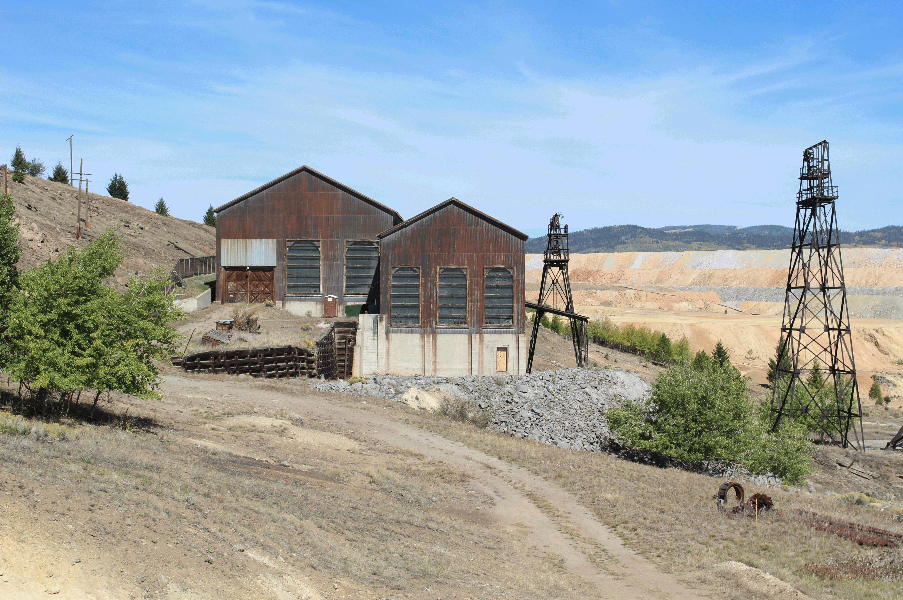
Montana-focused Silver Bow Mining plans to raise about US$50 million in an NYSE-American IPO on Wednesday, listing roughly 4.3 million shares at US$10–13 each under the ticker “SBMT” after filing its SEC registration in January. The company’s Rainbow Block polymetallic project in the historic Butte silver-copper district hosts 11.5 million tons inferred at 4.28 oz/t silver, 0.05 oz/t gold, 4.59% zinc and 1.25% lead, totalling 49.2 million oz silver, 550,000 oz gold, 1.05 billion lb zinc and 287 million lb lead. Mineralisation occurs in more than 40 veins within 305 m of surface and above the current water table, overlying historic workings extending beyond 1,200 m depth.
Gold-copper explorer Meridian Mining plans to list on the London Stock Exchange’s main market on 1 May under ticker MNO, raising about £25 million at 92 pence per share in a dual listing fully fungible with its TSX stock. Proceeds, combined with existing cash of £55.1 million, will fund long-lead equipment, infrastructure and civil works at the Cabaçal open-pit project in Mato Grosso, which has a 2025 PFS showing a US$984 million NPV (5%), 61% post-tax IRR and 141,000 oz/y gold-equivalent output over 10 years. Permitting is advanced with a preliminary licence granted, and a definitive feasibility study is targeted for Q4 ahead of a construction decision.
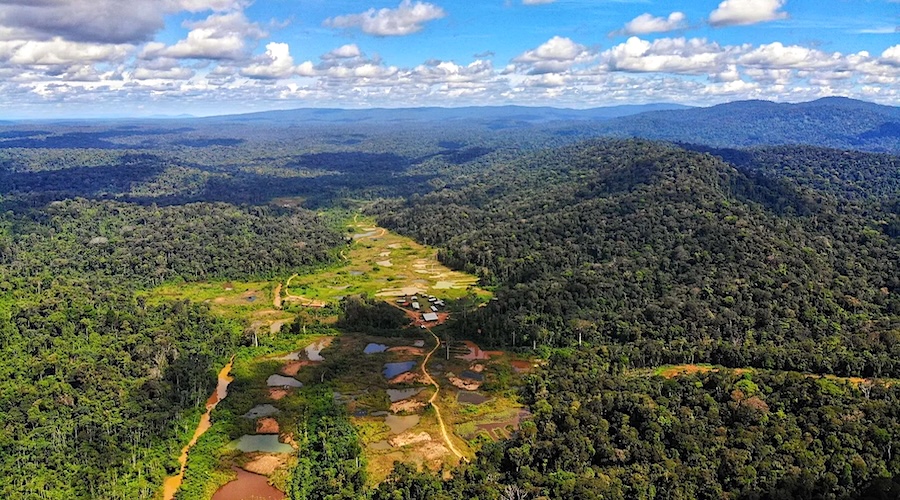
Endeavour Mining is taking a 9.9% stake in Altair Minerals via a A$28.2 million private placement at A4.3¢ per share, a 5% premium to the last close and roughly 40% above the 30-day VWAP, sending Altair’s stock up 34% to A5.5¢ and valuing it at A$336.7 million. The cash will expand drilling at the Greater Oko gold project in Guyana from 30,000 to 50,000 metres, split evenly between diamond and reverse air blast drilling plus geochemical surveys and trenching. A joint technical committee and potential advisory role for Endeavour’s EVP exploration, Sonia Scarselli, signal deeper collaboration on Guiana Shield greenstone targets.
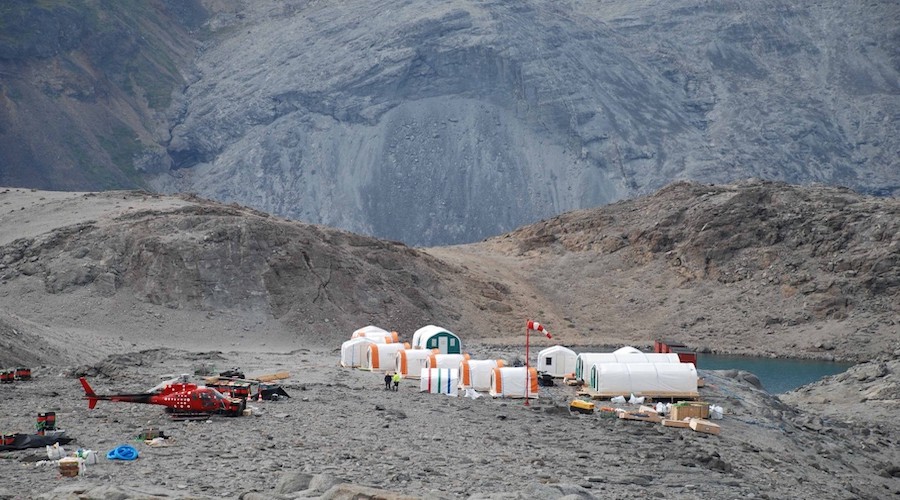
Critical Metals plans an $835 million all‑stock acquisition of European Lithium, offering 0.035 CRML share per EUR share to cancel a 34% stake and secure 100% ownership of the Tanbreez rare earth project in southern Greenland. The deal consolidates a 4.7‑billion‑tonne heavy rare earth resource at Killavaat Alannguat, already subject to a preliminary economic assessment valuing the project at about $3 billion. Critical Metals has offtake agreements covering roughly 75% of planned output, $120 million in US EXIM Bank financing lined up, and targets first ore in late 2028 or early 2029.
Graphite One’s Graphite Creek project in Alaska remains on track for a FAST-41 permitting decision in September, with the U.S. Army Corps of Engineers leading a roughly 13.5‑month environmental review scheduled to conclude by 29 September 2026. The open-pit mine, 60 km north of Nome and described as the largest graphite resource in the US, is planned to produce up to 175,000 tonnes of concentrate annually over a 20‑year life from 2030, feeding a linked battery anode plant in Ohio targeting first output in mid‑2027. The US Export-Import Bank has signalled potential financing support of up to $2 billion for the integrated Alaska-to-Ohio supply chain.
Lundin Mining faces a 7 May shareholder vote on a resolution from investor group SHARE, representing about $148 billion AUM, demanding a comprehensive greenhouse gas strategy covering Scope 1, 2 and full value-chain Scope 3 emissions. SHARE says Lundin is now the only major Canadian miner in its current engagement group without a plan to track and manage supply chain emissions, after Barrick, Kinross, Hudbay, B2Gold and First Quantum made commitments. With Scope 3 typically comprising 75–95% of a miner’s footprint, the vote will influence how Lundin quantifies and manages downstream processing and customer-use emissions.
Maple Gold Mines’ Douay and Joutel projects in Québec’s Abitibi belt have posted a major resource upgrade, with Douay now holding 17.3 million tonnes in-pit indicated at 1.31 g/t (731,000 oz) and 111.1 million tonnes inferred at 0.77 g/t (2.74 million oz), plus underground resources totalling 608,000 oz. Joutel adds 900,000 tonnes indicated at 4.53 g/t (126,000 oz) and 7.5 million tonnes inferred at 4.11 g/t (992,000 oz), a 77% indicated and 70% inferred ounce increase versus 2022. The 481 km² land package along the Casa Berardi deformation zone remains open, with a fully funded C$13.9 million 2026 exploration budget and a 32,000-metre drill programme feeding into scoping and engineering studies.
American Ocean Minerals has deployed its 196‑foot research vessel Anuanua Moana as a dedicated deep-sea exploration and environmental monitoring platform across more than 500,000 km² of Cook Islands EEZ and US‑regulated areas, including AOM Area 1 in the Clarion‑Clipperton Zone and AOM Area 2 in the Penrhyn Basin. The ship carries advanced sonar, subsea tracking, a 6,000‑metre‑rated ROV, and onboard geology, chemistry and biology labs, and has already mapped a 23,500 km² licence in 16 days, supporting estimates exceeding 500 million wet tonnes of polymetallic nodules. Backed by a merger with Odyssey Marine Exploration to form a roughly $1 billion US‑controlled critical minerals company, AOMC has secured compliance for two Deep Seabed Hard Mineral Resources Act applications covering 1.4 billion tonnes of inferred resources, while collecting over three years of baseline ecological data for EIAs and feasibility studies amid strong environmental scrutiny.