Geomechanics, Streamlined.
© 2026 Geomechanics.io. All rights reserved.
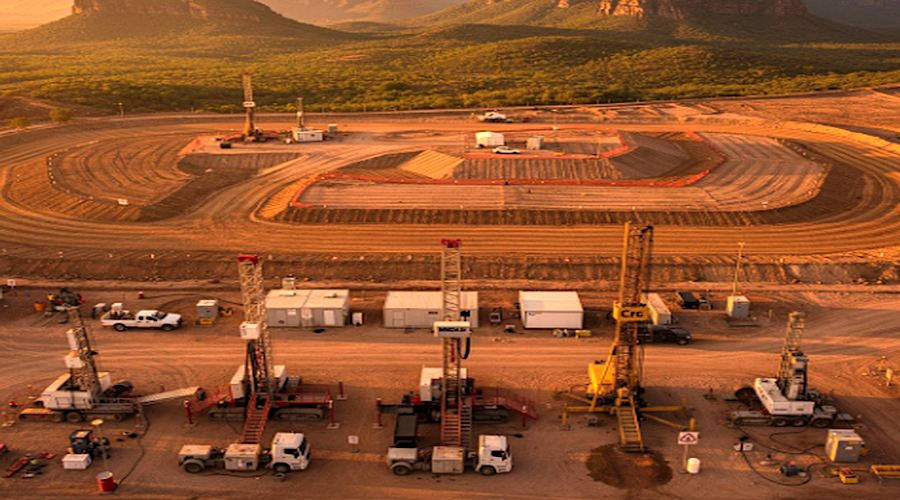
Arafura Rare Earths has moved its Nolans rare earths project in the Northern Territory closer to construction by firming up project funding while keeping a “deliberate and considered” pace on additional offtake deals. The NdPr-focused project, located about 135km north of Alice Springs, already has cornerstone offtake agreements with automotive OEMs including Hyundai and Kia for magnet rare earths. The funding progress reduces execution risk for mine, concentrator and hydromet plant development, but Arafura is signalling it will not trade pricing or contract flexibility for rapid offtake volume.
Victory Metals has reported a metallurgical breakthrough at its North Stanmore project in Western Australia, achieving a globally significant heavy rare earth element (HREE) result from clay-hosted mineralisation. Testwork indicates the ore can support dual revenue streams, with both HREEs and additional payable products recoverable from the same feed, improving project economics compared with single-commodity ionic clay deposits. The development positions North Stanmore for flowsheet design focused on selective leaching and impurity control, critical for scaling commercial rare earth production in WA’s Mid West.
World Day for Safety and Health at Work sees Mott MacDonald showcase five digital tools from a Strategic Design Partnership hackathon aimed at tightening hazard management on infrastructure projects. Concepts include automated hazard identification from design models, mobile apps for site-based risk reporting, and dashboards aggregating incident and near-miss data in real time. For civil and geotechnical teams, the focus is on earlier visibility of construction and ground risks, faster feedback loops between site and design, and more structured capture of lessons learned.
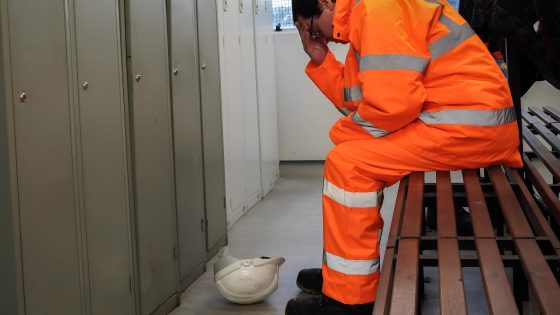
UK construction continues to record the country’s highest suicide rates, with trade bodies, tier one contractors and major consultants now pushing structured interventions such as Mental Health First Aider training on sites, confidential employee assistance programmes and supervisor-level mental health awareness. Firms are trialling rota changes to reduce excessive overtime, clearer workload planning on large infrastructure projects and better welfare facilities on remote sites, where isolation and long commutes are acute. Industry leaders also call for mandatory reporting of wellbeing metrics alongside accident statistics in prequalification and framework procurement.
Free entry for the British Construction & Infrastructure Awards (BCIA) 2026 closes on Friday 1 May, leaving civil engineering and infrastructure teams only days to submit projects without a fee. Last year’s winners set a high bar with complex major works, including multi-span bridge replacements, large urban rail upgrades and digitally enabled programme delivery using BIM and 4D planning. Firms with technically demanding schemes, innovative ground engineering solutions or advanced materials applications will need clear performance data and quantified outcomes to be competitive.
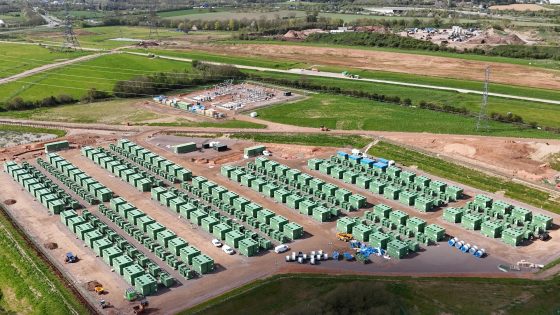
EDF has signed a long‑term optimisation contract with BW ESS for the first phase of the Hams Hall Battery Energy Storage System (BESS) near Birmingham, a grid‑scale asset now under construction in Warwickshire. The agreement covers trading and dispatch of the battery into UK power markets, with EDF providing route‑to‑market and revenue optimisation services for the project’s initial installed capacity. For civil and electrical contractors, the deal signals that grid connection, control systems and market‑ready operational strategies are being locked in early in the construction programme.
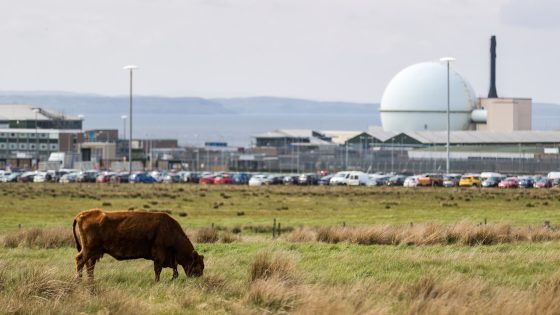
Early market engagement has opened for a proposed £40M delivery partner contract to support Nuclear Restoration Services in decommissioning the Dounreay nuclear site in Caithness, Scotland. The scope is expected to cover multi-disciplinary works across legacy reactor, fuel cycle and waste management facilities, requiring contractors with nuclear-licensed site experience, complex demolition capability and robust radiological protection systems. Prospective bidders will need to demonstrate programme integration skills and proven performance under NEC-style frameworks for long-duration decommissioning projects.
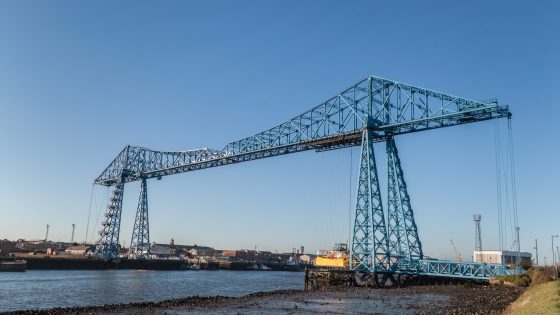
The 1911 Tees Transporter Bridge in Middlesbrough has been named on the Victorian Society’s 2026 Top 10 Endangered Buildings list, signalling serious deterioration in one of the UK’s last working transporter bridges. The 259m-long steel structure, which carries vehicles and pedestrians across the Tees via a suspended gondola, now faces major repair and corrosion-management challenges typical of century-old riveted trusses and mechanical lifting gear. For asset managers, the listing intensifies pressure to secure funding, define viable strengthening strategies and manage operational risk.
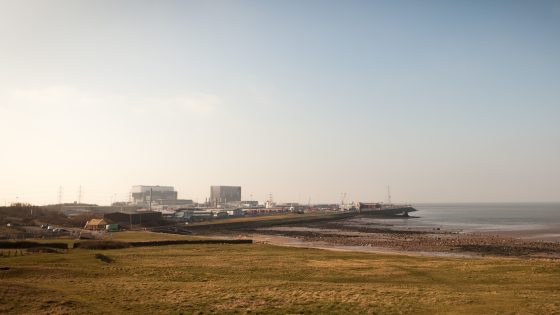
A disused UK carbon dioxide production plant has been recommissioned by the government to address a CO2 shortage triggered by the Iran conflict, with officials calling the gas “vital” for safe nuclear power station operation. CO2 is required for reactor systems such as coolant circuits, pressurisation and fire suppression, making supply-chain resilience a direct nuclear safety and availability issue. Engineers should expect renewed scrutiny of single-point vulnerabilities in industrial gas logistics and potential retrofits to diversify on-site CO2 storage and backup supply routes.
AtkinsRéalis has partnered with the University of Oxford’s Oxford Robotics Institute to accelerate deployment of autonomous robots for nuclear and wider energy-sector work, targeting inspection, maintenance and decommissioning in high-radiation, hard-to-access environments. The collaboration is expected to combine ORI’s expertise in perception, navigation and manipulation with AtkinsRéalis’ nuclear engineering and licensing experience on legacy and new-build sites. For civil and nuclear engineers, this signals faster maturation of robotic solutions for tasks such as remote surveying of contaminated structures and confined-space asset condition assessment.
Barrick Mining has named Wessel Hamman as CFO and Tim Cribb as COO of its new North American Barrick unit as it advances an IPO planned for completion by end-2026, retaining a controlling interest. The standalone business will hold the Carlin, Cortez and Turquoise Ridge operations within Nevada Gold Mines, the adjacent Fourmile project, and the Pueblo Viejo mine in the Dominican Republic, which together produced about 2 million oz of gold in 2025. The company is working with joint venture partner Newmont to align the transaction and improve Nevada Gold Mines performance.
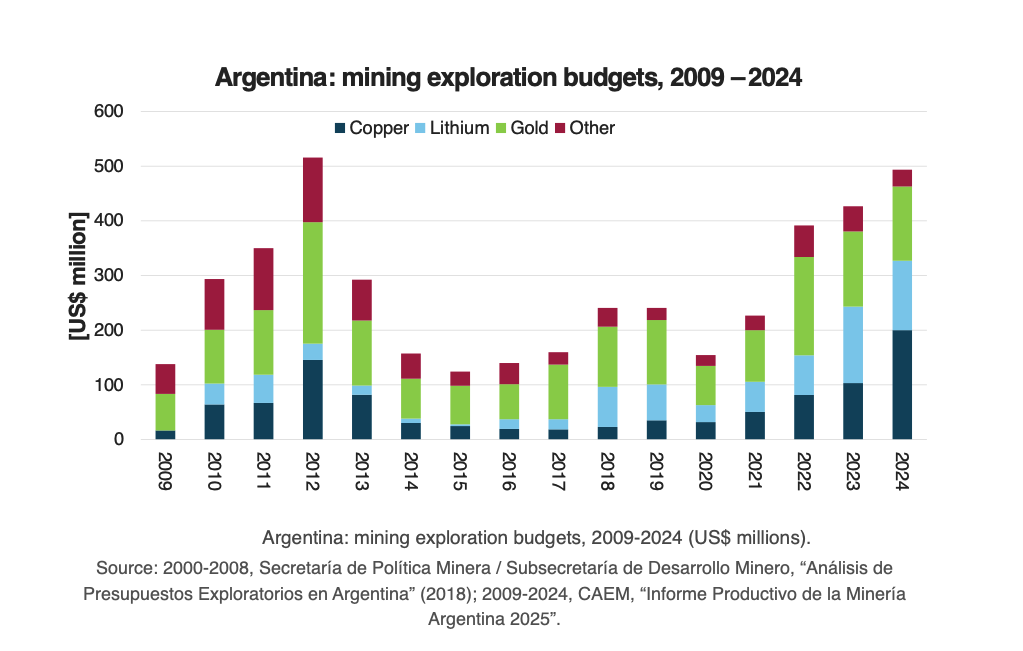
Argentina’s new Large Investment Incentive Regime (RIGI) is being tested as it seeks to convert world-class copper, lithium and gold resources into production, with current copper output below 20,000 tonnes a year versus Chile’s roughly 5.5 million tonnes. The scheme offers fiscal stability and a more predictable currency framework to cut the “option value of waiting” that has stalled large, irreversible capex decisions. About US$8 billion of mainly lithium and brownfield projects are already approved, with a further near-US$30 billion pipeline led by Vicuña, MARA and El Pachón copper developments whose realisation hinges on sustained macro and regulatory stability.
Rare Earths Americas is seeking a US IPO valuation of up to $368.4 million, offering about 2.78 million shares at $17–$19 each to raise as much as $52.8 million, with a 0.4 million-share over-allotment option. Proceeds are earmarked for land acquisition, drilling, metallurgical testing and permitting at the Shiloh heavy rare earth project, plus exploration and engineering at the Alpha and Constellation projects in the US and Brazil. The exploration-stage company aims to emerge as a non-Chinese supplier of high-grade heavy rare earths, trading on NYSE American under ticker REA.
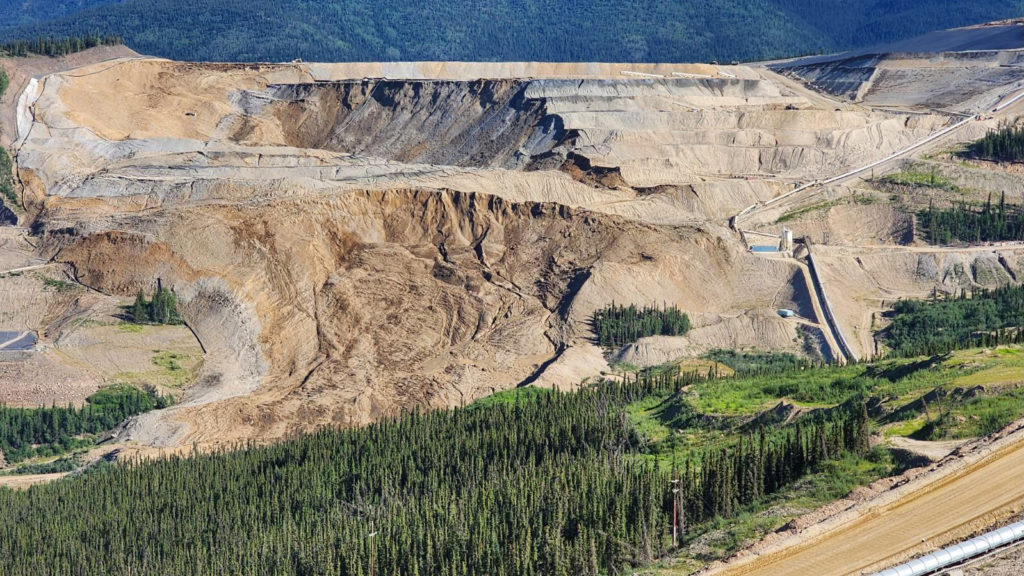
Boroo has entered a 90-day exclusivity agreement with receiver PricewaterhouseCoopers to negotiate the purchase of Victoria Gold’s Eagle gold mine in Yukon, about 375 km north of Whitehorse, after the June 2024 heap leach pad collapse released millions of tonnes of ore and at least 280,000 m³ of cyanide-bearing solution. PwC previously valued Eagle’s assets at about C$824.7 million and has Yukon government authorisation for C$220 million in clean-up spending. Boroo will now complete due diligence and negotiate restart terms with Yukon and the First Nation of Na-Cho Nyäk Dun.
Chile’s National Reconstruction and Economic Development Bill proposes cutting the corporate tax rate from 27% to 23% by 2029 and offering a 25‑year tax invariability regime capping foreign investors’ effective burden at 35%, locking in royalties, mining patents and other levies for major copper, gold, lithium and rare earth projects. The package also targets a $100 billion mining project pipeline by shortening permitting that now exceeds 1,000 days, with limits on environmental review rounds, caps on injunctions and deadlines for archaeological approvals. Investors are watching Congress closely, as any dilution of the tax certainty framework or weaker royalty stabilisation would directly affect project economics and timing.
JPMorgan has increased its holding in Sibanye-Stillwater to 5.66%, joining South Africa’s Public Investment Corp. with more than 20% and BlackRock with over 5% as major shareholders consolidating positions in the Johannesburg- and New York-listed precious metals producer. Despite the strengthened institutional register, Sibanye-Stillwater’s New York-listed shares fell 5.5% to about $11.80, giving a market capitalisation of $8.6 billion, roughly half the January peak after BlackRock’s move. The drop tracks further weakness in gold (-2%), platinum (-2.9%) and palladium (-1.5%), which underpin the group’s multi-continent mining portfolio.
Gold could reach $8,000/oz within five years if bullion’s share of global central bank reserves rises from 30% to 40% amid accelerating de-dollarisation, according to a Deutsche Bank simulation. Central banks have added over 225 million oz of gold since 2008 while cutting US dollar holdings from above 60% to about 40%, with buying now extending beyond China, Russia, India and Turkey to Kazakhstan, Saudi Arabia, Qatar, Egypt and the UAE. For miners and project developers, such a price scenario would materially improve project economics and justify higher cut-off grades and longer mine lives.
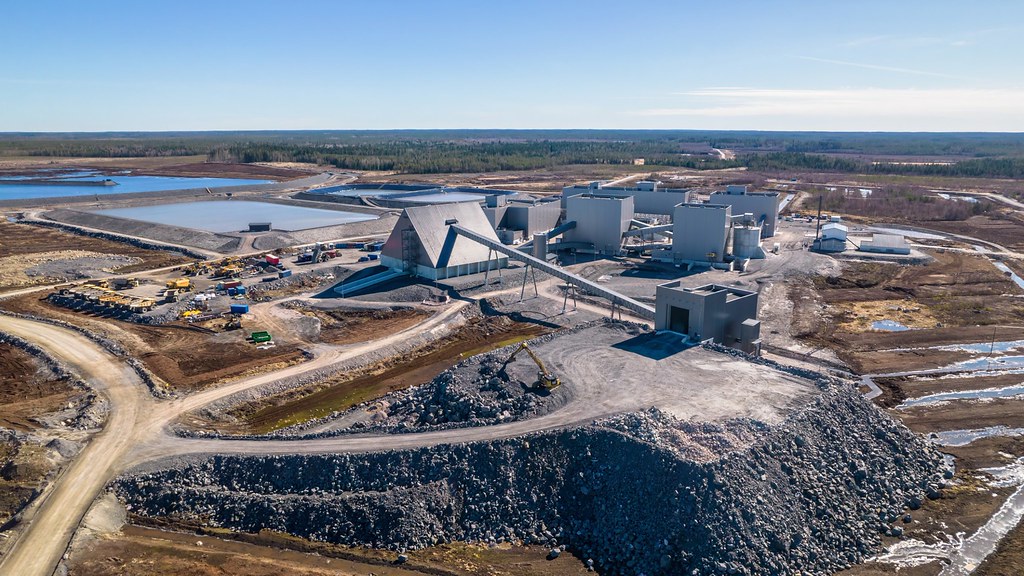
Blue Moon Metals has approved construction of the US$184 million Nussir underground copper-gold-silver mine in northern Norway, designed for 6,000 tonnes per day over a 13-year life, with first concentrate production targeted in Q3 2027 and supported by existing 132‑kV renewable power and an ice-free port at the Øyen industrial site. A C$150 million equity raise and a US$140 million project finance package will fund Nussir, expected to produce about 19,000 tonnes of copper in concentrate annually and generate US$77–125 million in free cash flow per year. In parallel, the company plans a roughly US$50 million restart of the Springer tungsten mine, mill and ammonium paratungstate circuit in Nevada by Q4 2027, aiming to produce 107,000–124,000 tonnes of concentrate despite relying on historical (2012) tungsten trioxide resource estimates.
Trump has signed H.J.Res. 140 to overturn Biden’s 2023 twenty‑year ban on mining and geothermal leasing across 225,000 acres (91,200 ha) of Superior National Forest in Cook, Lake and Saint Louis counties, Minnesota. The decision clears the way for reissuing federal mining leases and materially advances Antofagasta’s long‑stalled Twin Metals underground copper‑nickel‑cobalt‑PGM project on public land near the Canadian border. Under the 1996 Congressional Review Act, a future administration cannot easily reinstate an equivalent blanket withdrawal, reducing regulatory risk for large greenfield projects in the Duluth Complex.
Carbon Direct has partnered with Arca to co-develop and market Arca’s Industrial Mineralization (IMin) carbon dioxide removal credits, based on accelerated mineralisation of alkaline mine and steelmaking waste. The technology, validated in an 18‑month pilot with BHP at an active Australian mine, has already secured a 10‑year offtake from Microsoft for nearly 300,000 tonnes of CO₂ and an early prepurchase from Frontier. With 16.5 billion tonnes of suitable legacy waste and 3 billion tonnes produced annually, Arca targets durable (>10,000‑year) CO₂ storage with potential tailings stabilisation co‑benefits.
Settlement prediction in layered soils is shown to depend strongly on how vertical stress increments are computed, comparing classical Boussinesq-based methods with numerical analyses in Settle3, RS2, and RS3. The piece contrasts 1D influence-factor approaches against 2D/3D finite element and finite difference models that capture stiffness contrasts, non-linear behaviour, and complex load geometries. For practitioners, it signals when simple elastic solutions become overly conservative and when full numerical stress redistribution is needed to refine serviceability settlement estimates.
Sandvik Mining is expanding its Papua New Guinea footprint with larger service facilities, higher workshop and parts-handling capacity, and upgraded logistics to support major hard-rock operations such as Porgera and Lihir. The company, which has run a local entity in PNG for over five years, is adding in-country technical staff and training to support its underground loaders, TH trucks and rotary drill rigs under long-term maintenance and rebuild contracts. For mine operators, the move reduces reliance on offshore rebuild centres and shortens critical spares lead times.
Jianlong Group and battery giant CATL have signed a strategic cooperation agreement in Ningde, Fujian, to electrify key stages of the steel industry value chain, including green smart mines and on-site logistics. The partnership covers deployment of new energy systems in steel production, mine haulage and plant logistics electrification, and development of zero‑carbon industrial parks. For mine operators and plant engineers, this signals increased demand for battery‑powered mobile equipment, high‑capacity charging infrastructure, and integrated energy‑storage solutions across Chinese steel and mining assets.
Finalists have been announced for the 2026 Women in Industry Awards, which recognise female leaders and organisations across sectors including infrastructure, transport, construction and manufacturing. The awards will be held on 18 June at Doltone House, Darling Island Wharf in Sydney, bringing together contractors, asset owners, engineers and suppliers from road, rail and broader civil works. For infrastructure firms, the event offers a focused networking platform to connect emerging technical leaders with senior decision-makers and project sponsors.