Geomechanics, Streamlined.
© 2026 Geomechanics.io. All rights reserved.
Lampson Australia is leveraging more than three decades of heavy-lift and haulage experience to execute keystone mining projects using ultra-heavy crawler cranes and specialised transporters for components such as mining shovels and draglines. The company’s fleet includes high-capacity Lampson Transi-Lift cranes and multi-axle self-propelled modular transporters (SPMTs) configured for multi-hundred-tonne loads, long load paths and constrained brownfield corridors. For mine expansion and shutdown work, this capability reduces on-site assembly, shortens critical-path outages and lowers ground improvement requirements compared with conventional stick-built approaches.
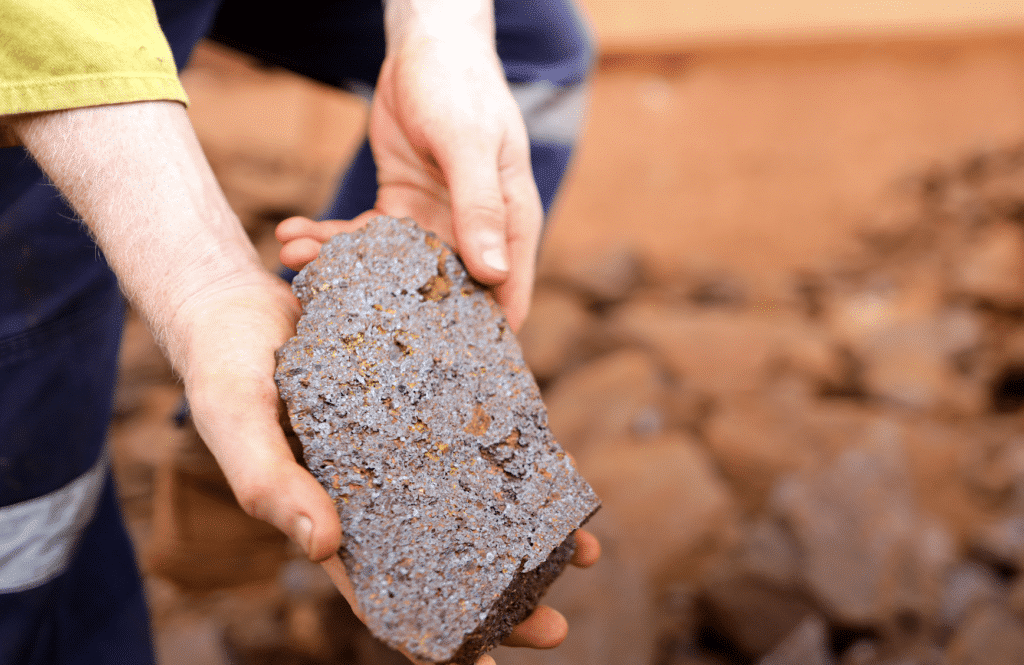
Yilgarn Iron has appointed Thiess to restart iron ore production at the Koolyanobbing operations in Western Australia’s Yilgarn region, reviving a site that previously supplied lump and fines to export markets via the Esperance port rail corridor. Thiess is expected to provide contract mining services including drill-and-blast, load-and-haul and ore handling, with a focus on quickly re-establishing pit access, waste stripping and ROM stockpile capacity. The partnership signals renewed demand for mid-grade hematite from smaller Yilgarn deposits, with implications for local rail logistics and port throughput planning.
Alligator Energy’s first five-spot well pattern at the Samphire in‑situ recovery uranium field trial has met its leach and recovery targets, confirming the project’s ISR concept in South Australia’s Frome Basin. The trial used alkaline leach chemistry in a confined sandstone aquifer to recover uranium from the Blackbush deposit, with solution breakthrough and head grade response tracking closely to pre‑trial hydrogeological models. Results will feed into updated resource, flow‑rate and reagent consumption assumptions for the planned Samphire restart study.
New permanent southbound lane configurations on New South Wales’ Warringah Freeway, introduced on 2 May, have operated smoothly in their first week on what is described as Australia’s busiest road. The reconfiguration alters southbound access to three major structures—the Sydney Harbour Bridge, Sydney Harbour Tunnel and Cahill Expressway—requiring drivers to commit earlier to dedicated lane paths. For designers and traffic engineers, the early performance suggests the complex weaving and merge arrangements can be managed without immediate capacity loss, but long‑term monitoring of bottlenecks at these three nodes will be critical.
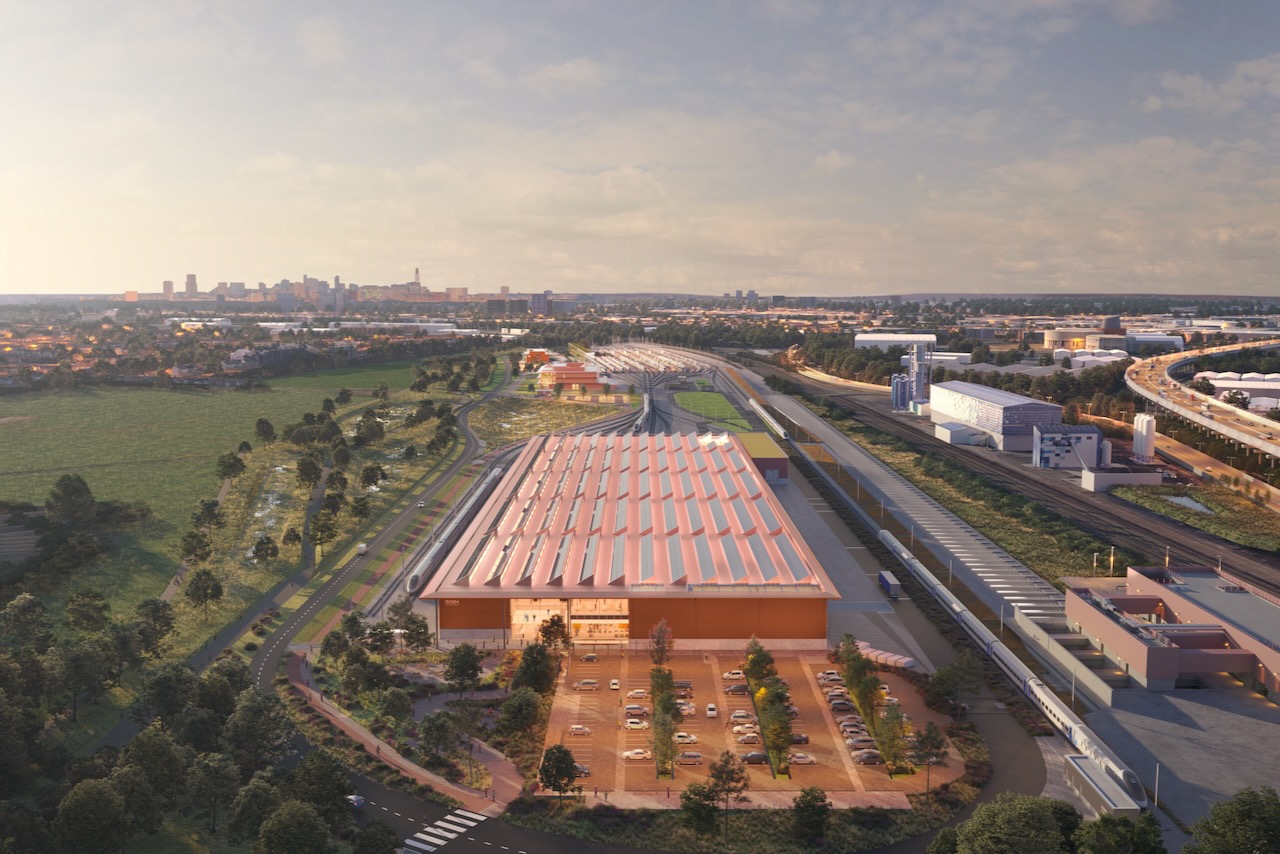
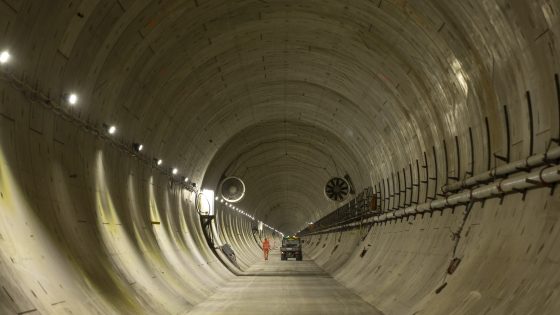
HS2 has awarded the Washwood Heath depot contract to Taylor Woodrow Infrastructure and Aureos Rail (TWA JV) for a 30-hectare site incorporating a rolling stock maintenance building, automatic vehicle inspection facility, carriage wash, overnight sidings and a test track, plus the Network Integrated Control Centre. Balfour Beatty VINCI has already cleared legacy industrial structures, undertaken soil decontamination and constructed a 750m retained cutting linking to the 3.5-mile Bromford tunnel. Remaining land will be released for commercial development and green space, with additional viaducts under construction to connect into Curzon Street station.
US cancellation of uranium supply contract renewals in late 1959 abruptly threatened Canada’s position as the world’s top uranium producer, just months after Elliot Lake opened a C$3-million, 116‑bed hospital built on the boom. With US military contracts due to expire in 1962–63 and domestic American uranium output rising, higher‑cost Canadian mines shut while stronger operators consolidated assets. Mining towns like Elliot Lake faced a rapid bust that lasted until civilian nuclear demand later in the 1960s stabilised the sector.
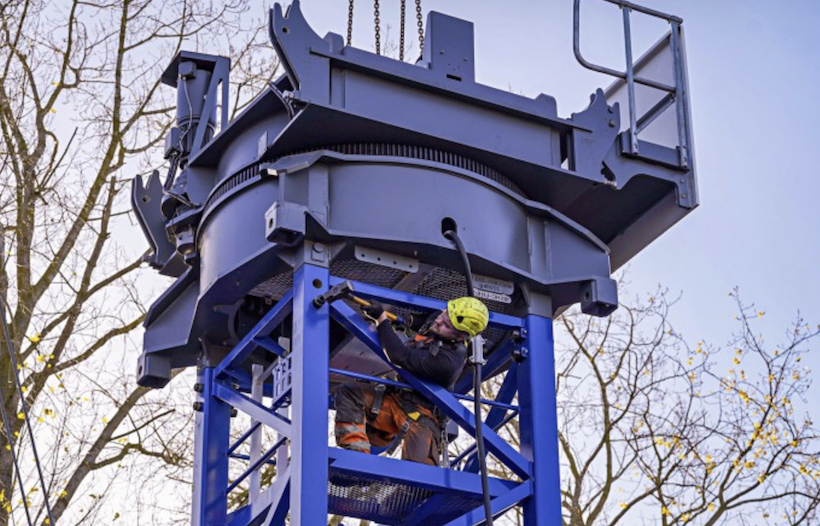
Liebherr has delivered the UK’s first 195 HC-LH luffing jib tower crane to City Lifting, with initial erection and testing carried out at the company’s Leighton Buzzard yard. Liebherr technicians supported City Lifting’s team through the first assembly, giving UK operators early hands-on experience with the new HC-LH series configuration and erection procedures. The crane’s first deployment will be on a housing development in Essex, signalling growing use of high-capacity luffers for constrained residential sites and tight urban lifting envelopes.
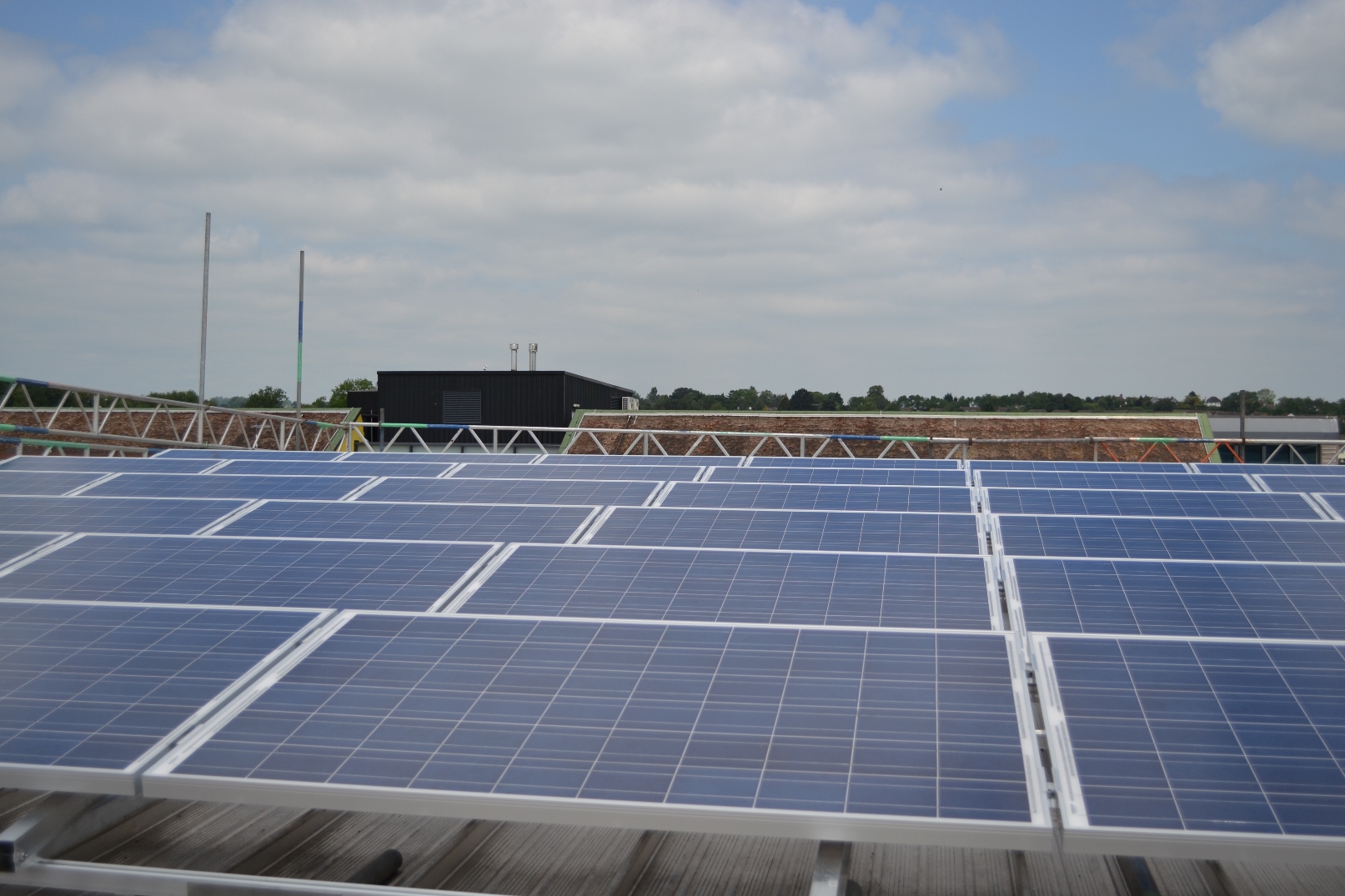
Utiligence has been appointed Independent Connection Provider for Enviromena’s Longpasture solar farm in County Durham, delivering a new 132 kV grid substation for adoption by Northern Powergrid. The scope includes design, construction and commissioning of the primary 132 kV substation, a dedicated 132/33 kV customer substation and an 11 kV backup supply system, with Utiligence managing the full lifecycle to final handover. For grid engineers, the project adds new high‑voltage capacity and a defined 33 kV interface to integrate large‑scale solar into the regional network.
The International Powered Access Federation has issued a new battery safety pack for mobile elevated work platforms, targeting high‑utilisation and rental fleets where maintenance is often fragmented. Led by Brian Parker, head of safety and technical, the guidance covers safe use, charging, storage, inspection, maintenance and end‑of‑life handling for flooded lead‑acid, AGM, gel and lithium‑ion batteries. The pack comprises a technical guidance document, three toolbox talks and two safety posters aimed at owners, rental firms, operators and service technicians.
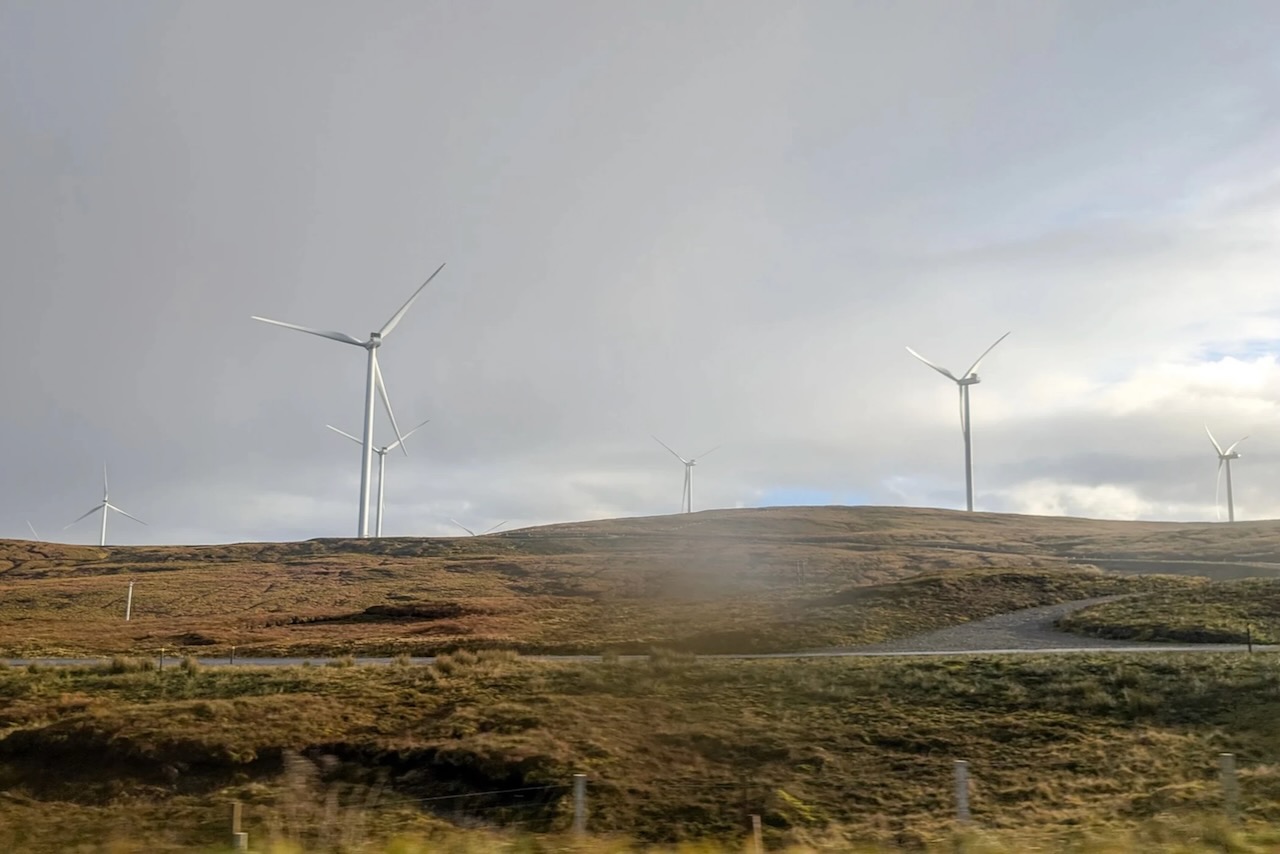
OCU Group has acquired electrical engineering specialist Athena PTS, an Independent Connection Provider delivering contestable grid infrastructure up to 132 kV and electrical balance of plant (EBoP) and private network schemes. Athena brings in-house power systems engineering for feasibility studies, grid connection strategy, and detailed design of grid and private networks, bolstering OCU’s work on projects such as modernising Shetland’s electricity infrastructure. The deal expands OCU’s capability to identify grid constraints and delivery risks earlier and to offer integrated design-to-asset-support services for UK energy transition and utilities projects.
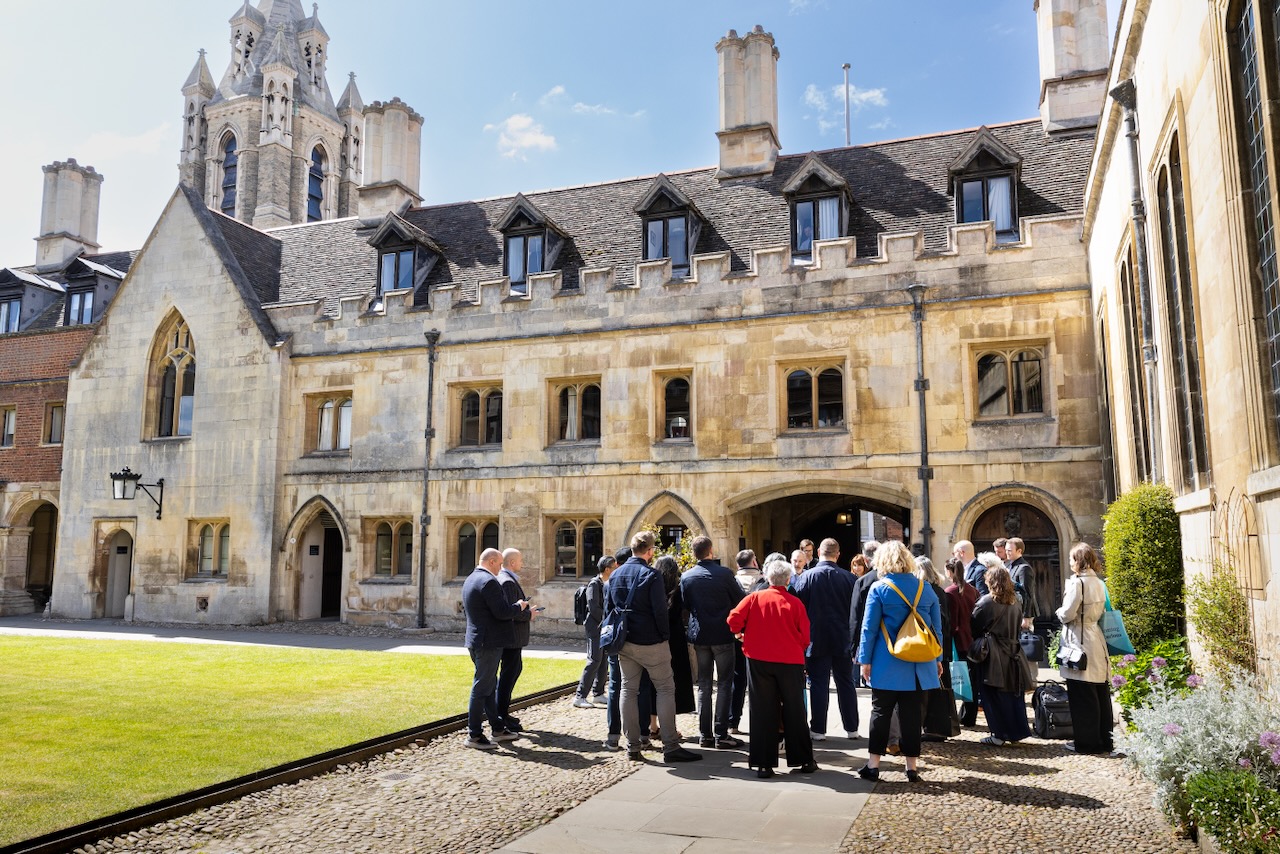
Ukrainian academics and students have toured several UK universities to gather technical and organisational models for rebuilding their country’s leading university, heavily damaged during Russia’s expanded invasion. Delegates examined campus masterplanning, modular teaching blocks, and resilient digital infrastructure, focusing on rapid construction methods, energy‑efficient building envelopes, and blast‑resistant structural detailing. The visit signals early-stage planning for large-scale higher education infrastructure reconstruction, with likely demand for modern reinforced concrete frames, upgraded utilities, and adaptable learning spaces designed for wartime and post-war operating conditions.
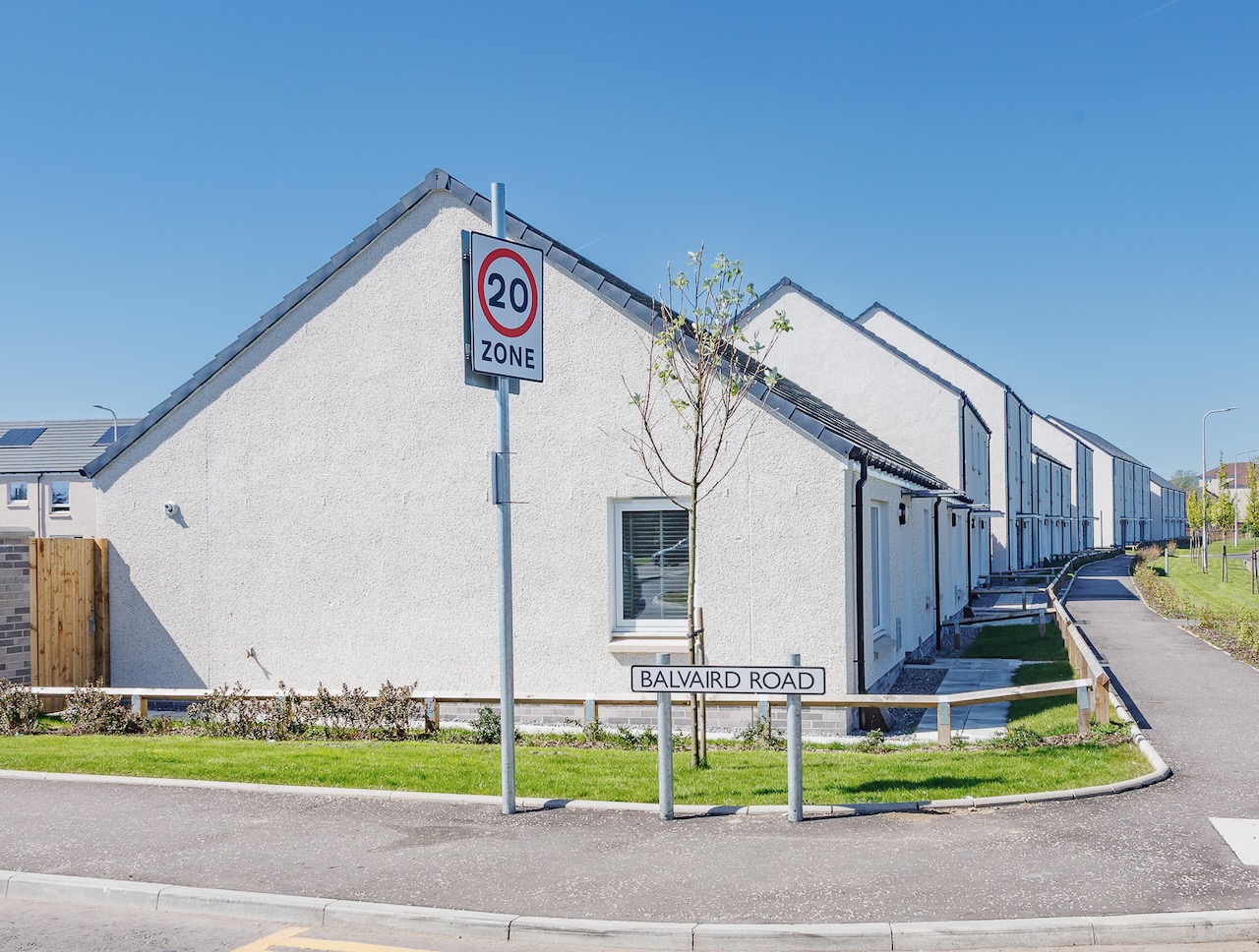
Robertson Partnership Homes has completed the 58-unit Viewfield Park affordable housing scheme in Glenrothes for Fife Council, delivering cottage flats, townhouses, two, three and five-bedroom houses, plus wheelchair-accessible and amenity bungalows on a long-derelict brownfield site. Built to achieve EPC B, the homes use high-performance insulation, upgraded glazing, sprinklers, modern heating systems and roof-mounted solar panels to cut operational energy demand and running costs. Construction, which started in 2024 with phased handover from September 2025, finished the final 12 units ahead of schedule and provided 500 apprenticeship weeks across 257 site jobs.
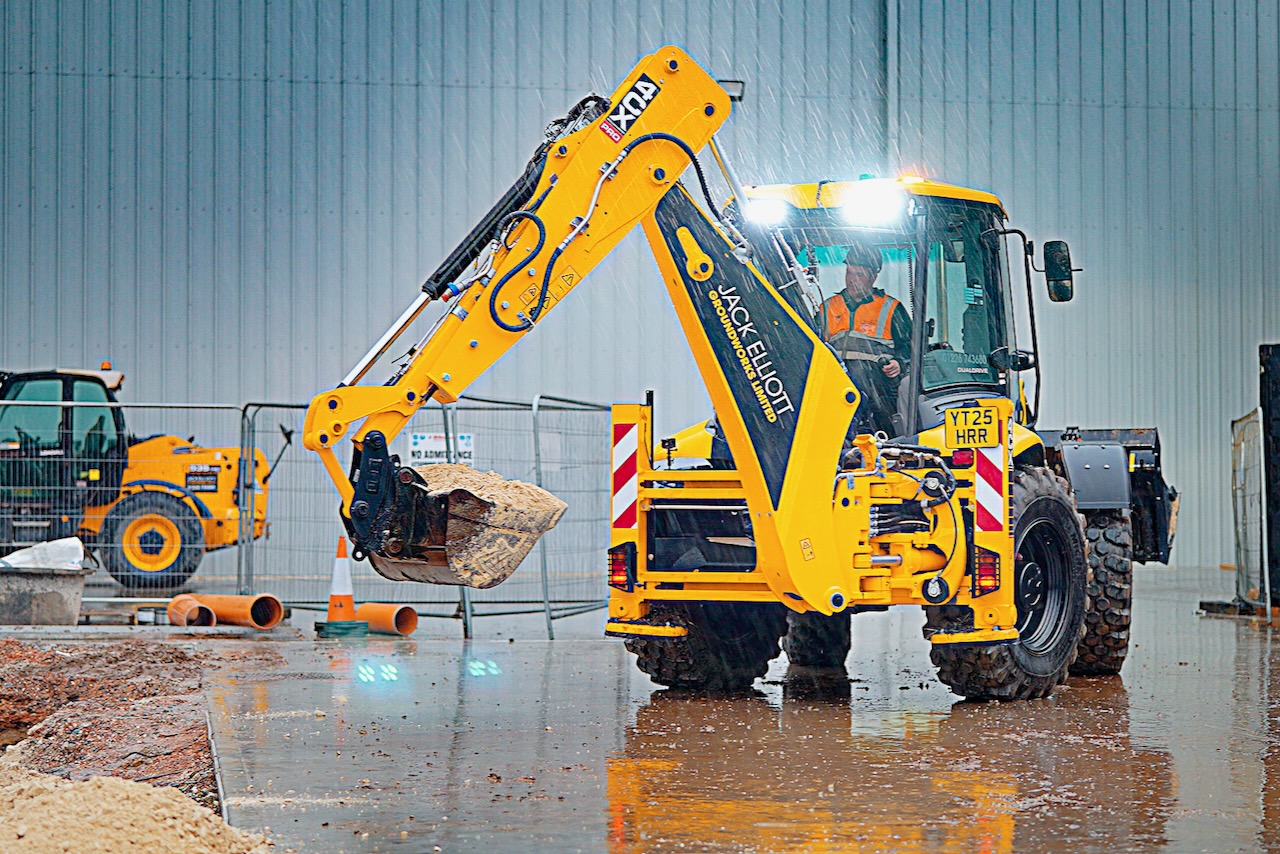
Groundworks contractor Jack Elliott Groundworks in Barnsley reports significant cycle-time savings after deploying a JCB 4CX Pro DualDrive backhoe loader supplied by TC Harrison. The DualDrive system allows repositioning with simultaneous travel, stabiliser and implement functions, eliminating the traditional sequence of lifting the bucket, rotating the seat and raising stabilisers before moving. Director Jack Elliott cites reduced operator fatigue, faster ditching and repositioning on large groundworks sites, and says the firm will specify DualDrive on all future backhoe purchases.
Developer Henry Boot PLC has appointed Edward Hutchinson as its next CEO, succeeding Tim Roberts, who will retire from the board later this year after six years in the role. Hutchinson, who joined the group in 2004, recently served as interim managing director of Stonebridge Homes, the housebuilding subsidiary Henry Boot began acquiring in phases under a deal agreed in December 2024. Roberts’ tenure included disposing of Henry Boot Construction and relocating the head office to Sheffield city centre, signalling a leaner, development-focused structure.
SANY Group has delivered its 1,000th electric excavator and moved its 5G remote-controlled excavator fleet into commercial deployment across construction, quarrying and mining sites. The company has also put an unmanned paving-roller fleet into service and brought integrated “smart port” and “smart mine” solutions online, combining electric mobile plant with centralised remote-control centres. For operators, the key shift is towards zero‑tailpipe‑emission earthmoving and compaction equipment that can be run from offsite control rooms, reducing on-bench exposure and enabling continuous operation.
Seequent has released a major Leapfrog update for mining, adding new workflows for drill hole planning, stratigraphic modelling and data preparation aimed at faster, more consistent resource estimation. The upgrade deepens subsurface modelling by improving handling of complex stratigraphy and drillhole datasets, enabling geologists to iterate models more quickly and reduce manual rework. For mine planning teams, tighter integration of geological models with estimation inputs should sharpen pit optimisation, cut-off decisions and early-stage project evaluation.
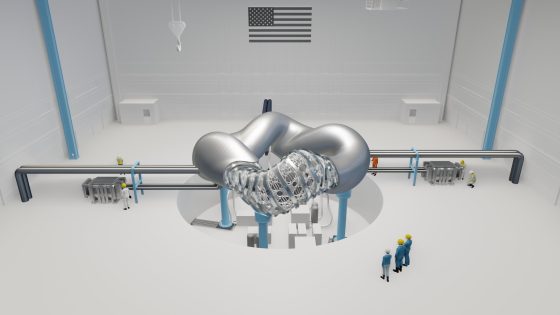
Aecom has formed a consortium with Tokamak Energy and Canadian firm General Fusion to develop what is billed as the UK’s first private‑sector‑led fusion power plant, moving beyond government‑backed demonstrators such as the UKAEA’s STEP programme. Aecom will lead on site selection, grid connection, licensing strategy and balance‑of‑plant design, while the developers provide competing fusion technologies based on spherical tokamaks and magnetised target fusion. The move signals early demand for civil, structural, nuclear safety and high‑heat‑flux materials expertise tailored to commercial‑scale fusion facilities.
HS2’s “reset programme” has slipped again, with chief executive Mark Wild confirming that revised cost estimates and a new completion timeline for the high‑speed railway will not be available until the end of 2026, after a second review delay. The pause leaves contractors and designers on key civil packages, including major viaducts, cuttings and station boxes, without updated budget envelopes or schedule baselines for at least several more months. Supply chain planning for tunnelling, earthworks and rail systems integration now faces prolonged uncertainty on phasing and cashflow.
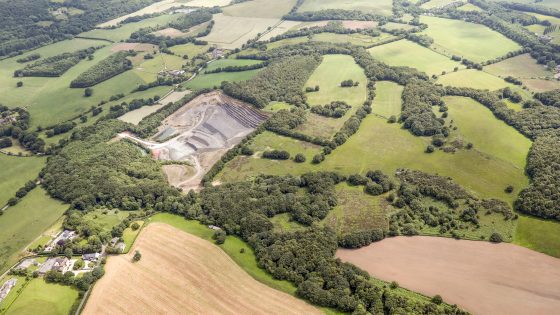
A former Ibstock extraction site, Dalton Quarry, is being converted by Green Earth Developments Group into a biodiversity “bank” of engineered habitats to generate tradable biodiversity net gain (BNG) units for UK infrastructure schemes. The project will create a mosaic of habitat types on previously worked quarry land, allowing developers to purchase pre-accredited BNG units rather than delivering all ecological uplift within constrained project footprints. For civil and geotechnical teams, this model could influence land-take, earthworks design and long-term aftercare obligations on major road, rail and housing projects.
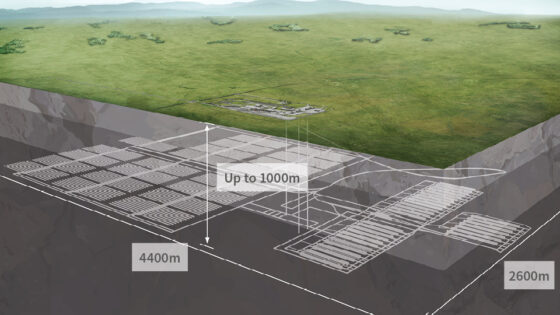
Government is close to choosing a site for the UK’s deep geological disposal facility (GDF) for higher-activity radioactive waste, with NCE reporting that a decision is expected “soon” after several years of community partnerships and site evaluations. The GDF is planned hundreds of metres below ground in stable rock, using multi‑barrier engineered and geological containment for spent fuel and intermediate-level waste currently stored at Sellafield and other sites. A location decision will trigger detailed site characterisation, including long-term hydrogeological modelling, seismic risk assessment and underground repository design.
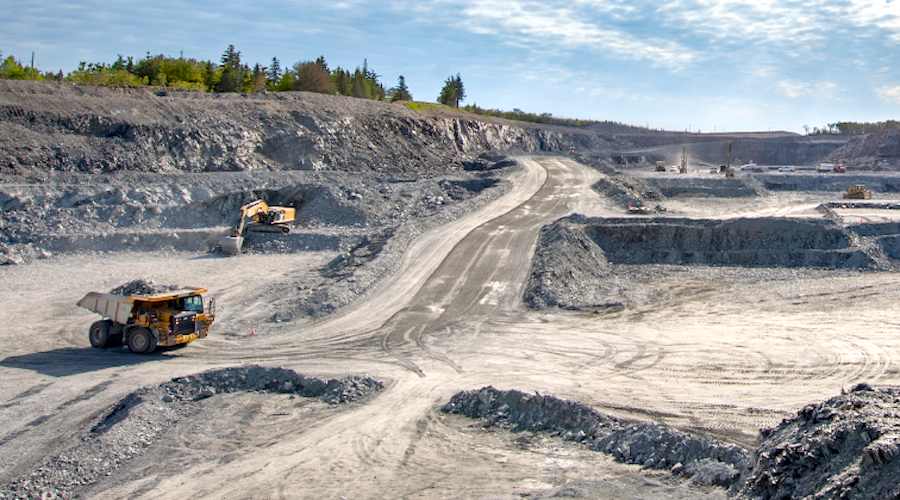
Touquoy gold mine in Nova Scotia will restart processing about three million tonnes of stockpiled ore containing roughly 38,000 oz of gold, a 14‑month campaign expected to generate C$150 million in economic activity and nearly 200 jobs, with first shipments to the Royal Canadian Mint targeted for early 2027. Atlantic Mining Nova Scotia has already awarded over C$56 million in local contracts, including C$48 million to Alva Construction for material movement and waste rock and C$8 million to MacGregors Industrial Group to refurbish the mill. Tailings will be deposited underwater in the exhausted Touquoy pit under a C$79.9‑million reclamation bond, a first for Nova Scotia but consistent with global in‑pit deposition practice and a potential precursor to St Barbara’s proposed 11‑year 15‑Mile Processing Hub.
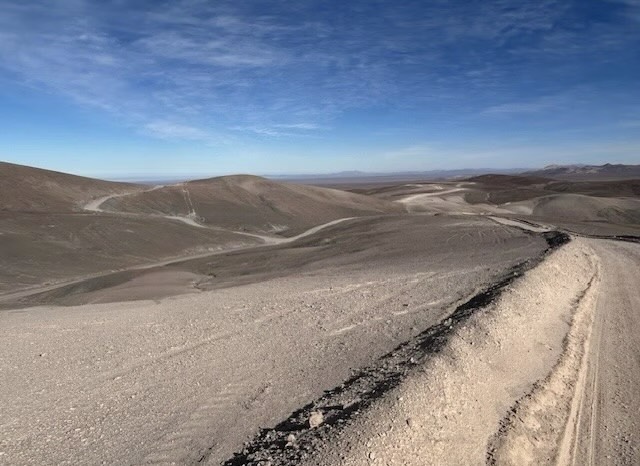
San Lorenzo Gold’s Salvadora project in Chile’s Atacama region returned strong gold intercepts at the Arco de Oro target, with hole SAL-10-25 cutting 102 m at 1.33 g/t Au from 153 m (including 13 m at 2.21 g/t), and nearby SAL-09-25 yielding 59 m at 1.07 g/t Au from 238 m (including 11 m at 3.78 g/t). Exploration VP Terence Walker interprets the results as the upper levels of a gold‑rich porphyry Cu‑Au system, open in all directions and warranting immediate follow‑up drilling. The 90+ sq. km Salvadora property lies about 15 km from Codelco’s El Salvador mine, and a C$20 million March placement is funding ongoing step‑out drilling across five porphyry and epithermal targets.
Focus Graphite’s Lac Tetepisca project in central Quebec now hosts 14.7 million tonnes of contained graphite at 10.2% Cg, an 86% increase over its 2022 resource, ranking fifth globally and second in North America by contained tonnes. The updated estimate, based on 26,095 metres of drilling in 150 holes, includes 12.3 million tonnes contained graphite in measured and indicated resources (120.1 million tonnes at 10.27% Cg) plus 2.3 million tonnes inferred (24.1 million tonnes at 9.88% Cg). Grades above 10% Cg, open-pit geometry with favourable strip ratios, low-cost Quebec hydropower and planned >99.9% purity processing underpin analyst views that Focus trades at an 81% discount to peers.
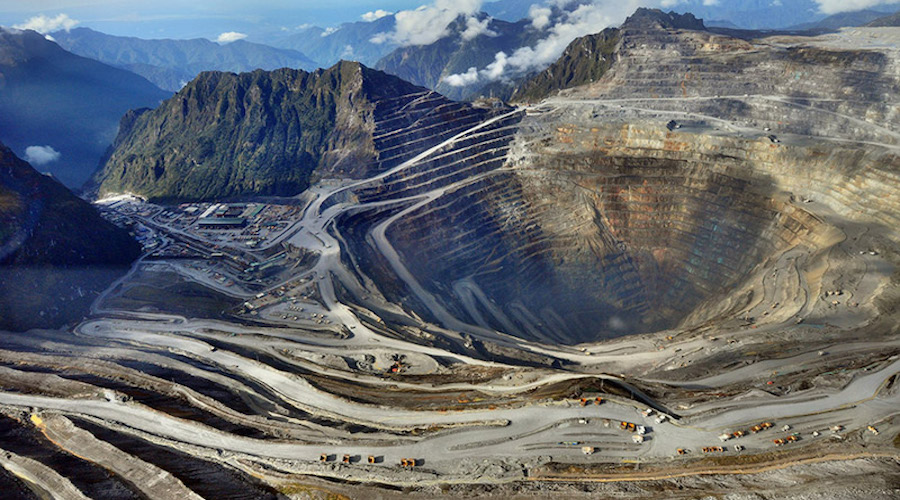
Freeport Indonesia has pushed back Grasberg’s full production restart to early 2028, after a September mudflow in the Grasberg Block Cave killed seven workers, halted underground mining and triggered force majeure on shipments. The complex, which previously supplied about 3% of global copper (1.7 billion lb/year) and 1.4 million oz/year of gold, is currently operating at roughly 40–50% capacity, with copper output for 2026 now guided at 700 million lb versus a prior 1‑billion‑lb target. Ramp-up targets have been reset to 65% capacity in H2 2026 and 80% by mid‑2027, as additional logistics and ore-handling infrastructure work proceeds.