Geomechanics, Streamlined.
© 2026 Geomechanics.io. All rights reserved.
JCHX has broken ground on a new underground high-end intelligent heavy mining equipment factory for its King Ant product line in the Daye Lake High-Tech Zone, Huangshi City, Hubei Province, expanding domestic capacity for loaders, trucks and other mechanised mining fleets. The facility, led by subsidiary JCHX (Hubei) Intelligent Equipment Co Ltd, will focus on intelligent, battery-electric and automation-ready machines tailored to Chinese hard-rock mines. For contractors and mine owners, the project signals stronger local supply options for advanced underground fleets and reduced reliance on imported OEMs.
XCMG Australia has hosted a Wirlu-Murra Enterprises delegation from the Pilbara at XCMG Group’s Xuzhou headquarters to deepen collaboration on mining equipment supply and support. The visit centred on large-scale haul trucks, excavators and autonomous-ready fleets for iron ore operations, along with discussions on parts warehousing, technician training and lifecycle service models tailored to remote Western Australian sites. For geotechnical and mining teams, the partnership signals closer integration of Traditional Owner enterprises into OEM selection, site maintenance contracts and long-term fleet planning.
Barrick Mining has launched a $3 billion share buyback and confirmed plans to spin off a new “North American Barrick” company holding its Nevada joint venture, Fourmile discovery and Pueblo Viejo mine, targeting completion by end‑2026. First‑quarter net earnings jumped to $1.6 billion as the average realised gold price surged 66% year‑on‑year to $4,823/oz and all‑in sustaining costs fell 4% to $1,708/oz, despite a 5% drop in output to 719,000 oz. Operations at the Loulo‑Gounkoto complex in Mali remain below historical production as open‑pit mining restarts are delayed by equipment deterioration, parts shortages and contractor DTP’s exit.
New drilling at Galiano Gold’s 90%-owned Asanko mine in Ghana has extended the Abore underground mineralised footprint up to 180 metres below the current resource and defined a new 200-metre-long zone beneath the main pit. Key intercepts include 53 metres at 3.9 g/t from 179 metres (ABDD26-477), 32 metres at 4.7 g/t from 420 metres (ABDD26-459) and 6 metres at 8.4 g/t from 457 metres (ABDD26-456), within a 30,000-metre programme now about halfway complete. Results will feed a revised life-of-mine plan and 2027 resource update for Asanko, which produced 121,191 oz. in 2025 and is guided at 140,000–160,000 oz. for 2026.
India’s government is urging citizens to halt gold jewellery purchases for 12 months to protect foreign-exchange reserves as Middle East conflict-driven oil prices widen the trade deficit and pressure the rupee. Jewellery demand reached about 440 tonnes in 2025, with a further 280 tonnes in bars and coins, and gold already makes up roughly 17% of India’s FX reserves, so even partial compliance could soften physical premiums, lift London vault inventories and marginally cap global prices. Enforcement is unclear, with past curbs pushing buying into recycling and smuggling rather than cutting total consumption.
The Metals Company has signed a commercial deal with offshore contractor Allseas to design, commission and operate a deep-sea polymetallic nodule recovery system in the Clarion Clipperton Zone, targeting first offshore production by late 2027. The system is planned for 3 million wet tonnes per year using two collector vehicles working at depths greater than 4 km, linked via a riser pipe to the converted drillship Hidden Gem and an at-sea transfer vessel. NOAA has deemed TMC’s US deep-sea mining application fully compliant, opening the way to a potential final permit by early 2027.
Dateline Resources’ bankable feasibility study for its 100%-owned Colosseum gold project in California’s Walker Lane Trend outlines 573,000 oz production over 10.4 years, with 75,000 oz per year for the first six years and peak output of 102,000 oz in year six. At a US$4,200/oz base case, the study reports pre- and post-tax NPVs of US$785 million and US$551 million (5% discount) and IRRs of 49.5% and 38.6%, from a US$313 million capex and a three-year post-tax payback. Located within the Mojave National Preserve and 10 km from MP Materials’ Mountain Pass rare earths mine, Colosseum also sits in an alkaline igneous corridor with stated rare earth potential, while Dateline’s shares fell 13.4% on the BFS release.
US federal critical minerals support under the Trump administration has reached about $18.6 billion across 60 financings, with roughly $15.9 billion in loans, $2.1 billion in equity and $615 million in grants, but BMO Global Commodities Research says the allocation is heavily skewed to rare earths despite their modest $3.5 billion global market. Major rare earth packages include a $565 million DFC facility for Brazil’s Serra Verde, USA Rare Earth’s planned $2.8 billion acquisition of the asset, and a $400 million US DoD stake in MP Materials. By contrast, tungsten projects such as Fireweed Metals’ Mactung and Northcliff Resources’ Sisson have received only about $15–16 million each, with antimony, nickel, cobalt, tantalum and tin seeing minimal support, signalling continued funding gaps for non-REE critical metals.
Silver surged as much as 7% to nearly $86/oz, a two‑month high, as stalled US‑Iran peace talks and a 10‑week Middle East conflict kept geopolitical risk elevated, while gold moved only about 0.4% higher. Analysts note silver has reclaimed two key technical levels over the past six weeks and is challenging its April peak, with a sustained break potentially opening a move towards the psychologically important $90/oz level. Despite dropping over 25% from its late‑January high of $121/oz, silver remains about 5% up year‑to‑date.
80 Mile PLC has secured all exploration permits and a definitive earn-in agreement with USFM to start a 5,000‑metre diamond drilling campaign in early July at the Disko-Nuussuaq nickel‑copper‑cobalt‑PGE project in West Greenland. USFM will spend an initial $30 million to earn up to 51% of Disko, with a $7.5 million budget allocated to the first drill phase, leaving 80 Mile free carried for its remaining 49%. SRK Exploration will act as Geological Manager and Forage Fusion Drilling will supply two diamond rigs for the first systematic drilling on the target, which is considered analogous to Norilsk‑Talnakh nickel/copper sulphide mineralisation.
Ionic Rare Earths has led a UK–European collaboration with Less Common Metals, GKN and Ford UK to complete what it calls the Western world’s first end-to-end recycled rare earth supply chain for EV motor magnets, using “made-in-Belfast” long-loop recycling technology. Recycled neodymium, dysprosium and terbium oxides at >99.5% purity were converted by LCM into strip alloy, then into GKN magnets that passed Ford Dunton rotor durability tests with performance equivalent to production magnets. The Belfast commercial recycling plant will feed LCM alloy production for Ford’s UK EV facilities, directly supporting the UK Critical Minerals Strategy target of sourcing 20% of mineral needs from recycling by 2035.
Gold Candle is acquiring Pan American Silver’s Larder property in Ontario’s Abitibi greenstone belt in an all-share deal worth 15,000,000 common shares, giving Pan American about 12.9% of Gold Candle on closing. The transaction covers the entire Larder package, including the Bear Lake, Cheminis and Fernland gold zones along the Cadillac–Larder Lake break, a major Archean shear-hosted gold corridor. For miners and explorers, the deal consolidates control of a structurally complex, high-potential orogenic gold trend under a single, exploration-focused junior.
Yindjibarndi Energy Corporation has reached financial close on the Jinbi Solar Project in Western Australia’s Pilbara and signed a 30‑year power purchase agreement with Rio Tinto to supply renewable electricity to the miner’s operations on Yindjibarndi Ngurra. The Indigenous-led project will now move into construction, adding large-scale solar generation into Rio Tinto’s Pilbara grid, which is currently dominated by gas and diesel. For miners and project engineers, the deal signals growing long-horizon offtake certainty for utility-scale renewables integrated with remote, heavy-industry loads.
Kinross Tasiast has commissioned a Hitachi EX8000-6 face-shovel excavator, now the largest mining excavator operating in Mauritania and only the fourth EX8000 unit delivered in Africa. The machine, weighing over 800 t and typically paired with ultra-class haul trucks, is expected to materially increase loading rates in the Tasiast open pit. For mine planners and geotechnical teams, the larger bench heights, wider dig faces and higher instantaneous production rates will influence slope design, traffic management and blast fragmentation requirements.
David Campbell has been appointed national director of civil engineering at Harley Haddow, bringing 30 years’ experience including two 11-year stints at international consultancies, and will lead the civils team from the firm’s Glasgow office. Harley Haddow reports its Glasgow team has almost tripled in size in the past year, with recent hires including associate director Daniel Murray and senior structural engineers Elinor Reeves, Eric Graham and Ruaridh Gray. The move strengthens the consultancy’s UK-wide civil capability across its seven offices, with Glasgow positioned as a key growth hub.
CECE’s 2024 Congress will be held at the IET’s Savoy Place in London from 27–29 October, hosted by the UK’s Construction Equipment Association under current CECE president Phil Layton of JCB. Keynotes include economist Joe Nellis on global uncertainty, Warner Bros VP Jason Bevan on innovation and creativity, and Lt Col Stewart Hill on leadership and decision-making from Afghanistan combat experience. A dedicated panel on skills, education and early engagement will examine how equipment manufacturers and contractors can collaborate to attract and train the future workforce.
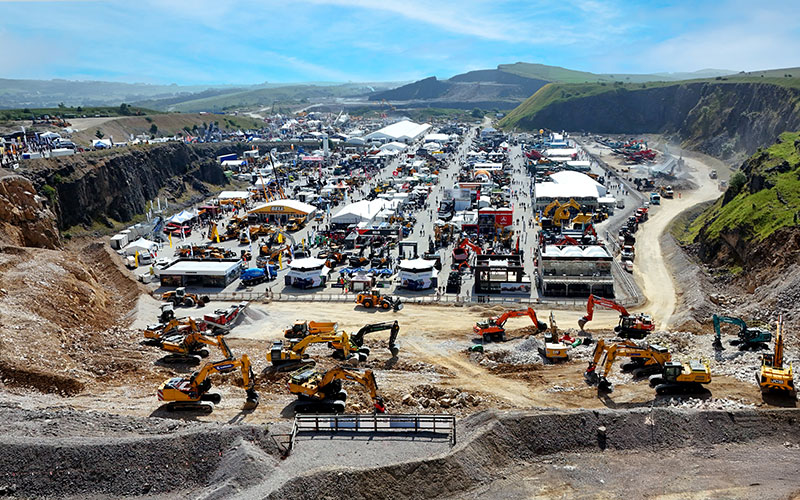
Hillhead 2026 at Hillhead Quarry from 23–25 June will host 600 exhibitors with expanded live demonstrations of crushers, dumpers, tyres, powertrains, hydraulics, and safety systems for quarrying, construction, and recycling. Key launches include Pilot Crushtec’s TwisterTrac VS350E VSI crusher with Stage V Volvo Penta engine claiming up to 40% lower fuel use, Thwaites’ nine-tonne ROPS+ dumper and new electric two- and three-tonne swivel models, and Continental’s LD-Master Rock L5 and MPT 91 tyres with integrated pressure/temperature sensors. Engineers can also assess ACE Plant’s Dromone D80 Ball & Spoon hitch for reduced whole-body vibration, Hyundai G2/DX engines via Marshall’s, and Jihostroj QHDM2 reversible hydraulic motors for mobile crushing plant.
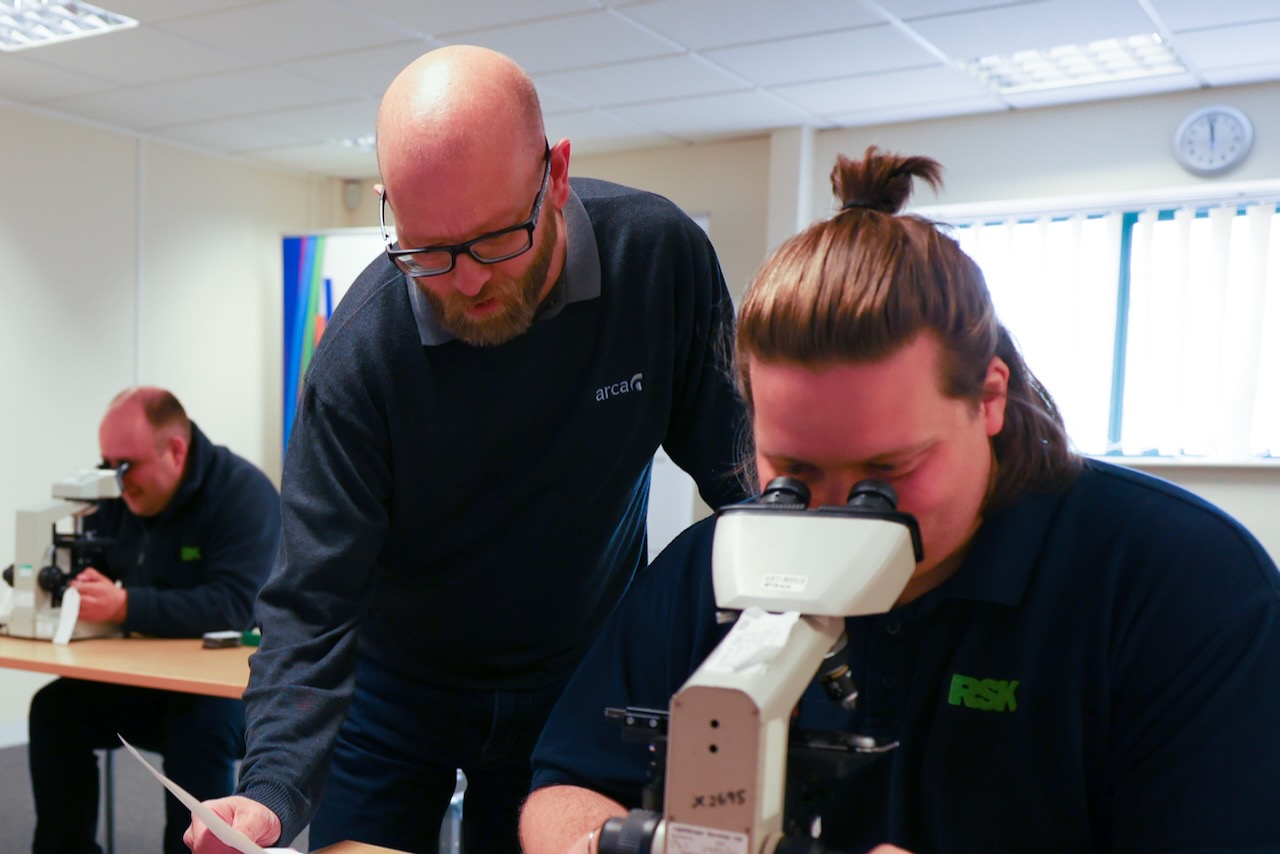
The Asbestos Testing and Consultancy Association (ATaC) and apprenticeships provider Tiro have launched two revised asbestos programmes that cut time to competence from 15 to 12 months, targeting a UK surveying workforce with an average age in the mid-to-late 40s and a looming retirement-driven skills gap. Apprentices now follow distinct routes as site-based analysts/surveyors aligned to the RSPH Level 3 Award in Asbestos Air Monitoring and Clearance Procedures, or as lab-based bulk analysts aligned to the RSPH Level 3 Awards in Asbestos Bulk Analysis. Cohort-based, asbestos-only delivery and completion routes linked to AMI membership and the CSCS-badged AMI Skills Card aim to give employers faster, job-ready technical capability and clearer professional progression.
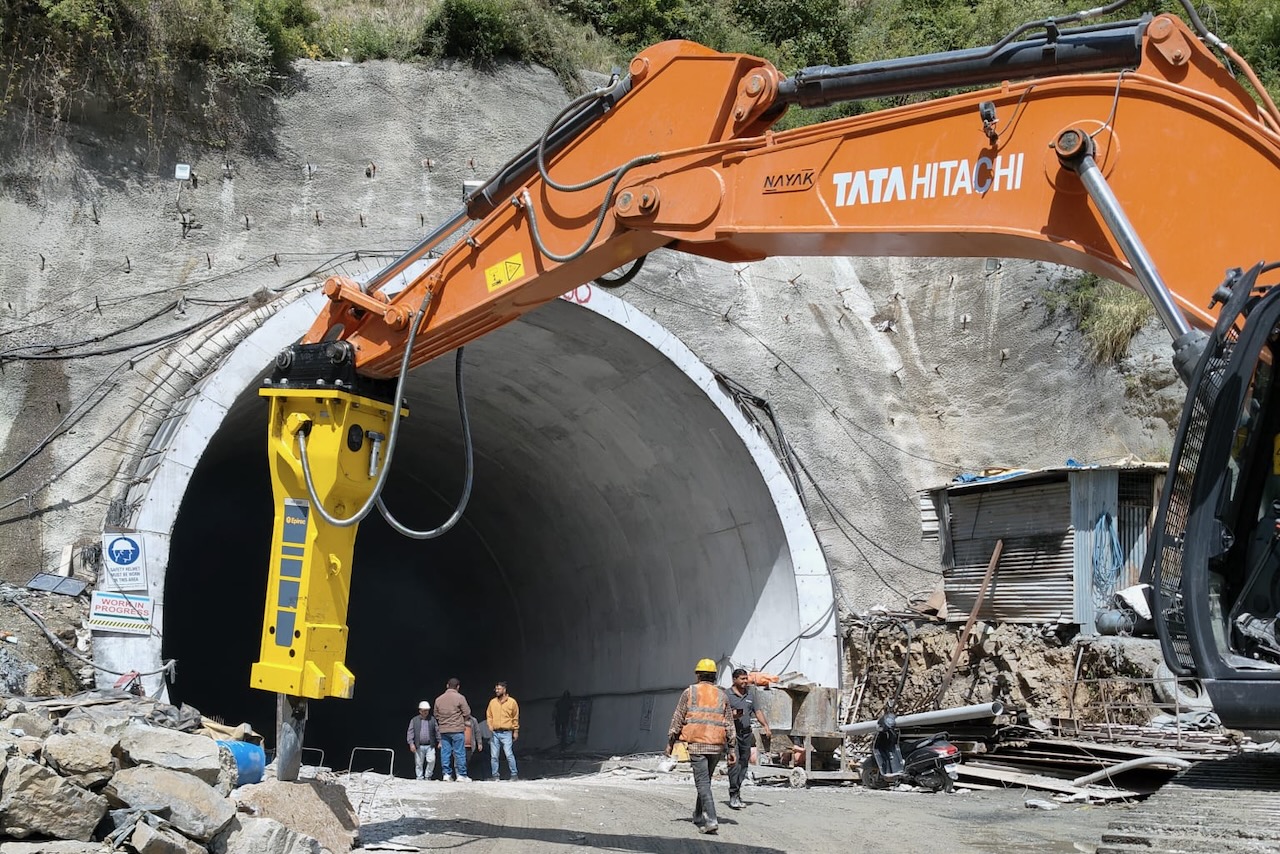
Epiroc has supplied its HB 3600 DP hydraulic breaker to Bharat Constructions for the 27.4km Shimla Bypass Tunnel Project in India, where blasting is restricted in geologically sensitive Himalayan sections close to populated areas. The breaker provides controlled, non‑explosive rock excavation in zones with complex formations and faulted ground, complementing drill‑and‑blast tunnelling supported by the New Austrian Tunnelling Method. Technical adaptations for tunnel clearances, continuous duty and underground working cycles enabled steady advance while keeping vibration and safety within regulatory limits.
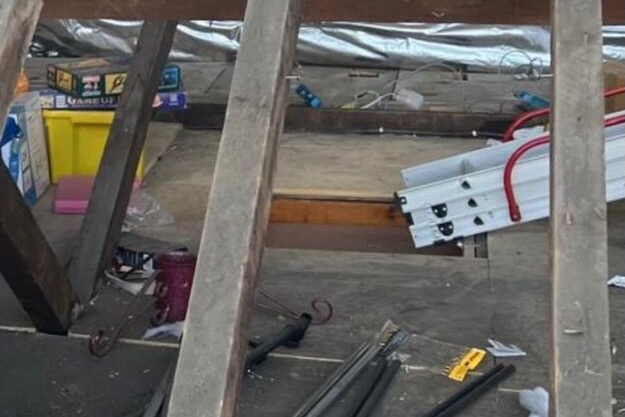
Willow Services (Southern) Ltd has been fined £20,000 plus £5,607 costs at Westminster Magistrates’ Court after roofer Mark Smith fell approximately 11 feet through an unguarded loft hatch while re-roofing a house in Waterlooville on 13 May 2024, suffering fractures to his L1 vertebra and hip. HSE investigators found the company had not planned the work at height, failed to install basic fall prevention around the loft opening, and provided no competent supervision. The case signals continued strict enforcement of Regulation 4(1) of the Work at Height Regulations 2005 on small contractors.
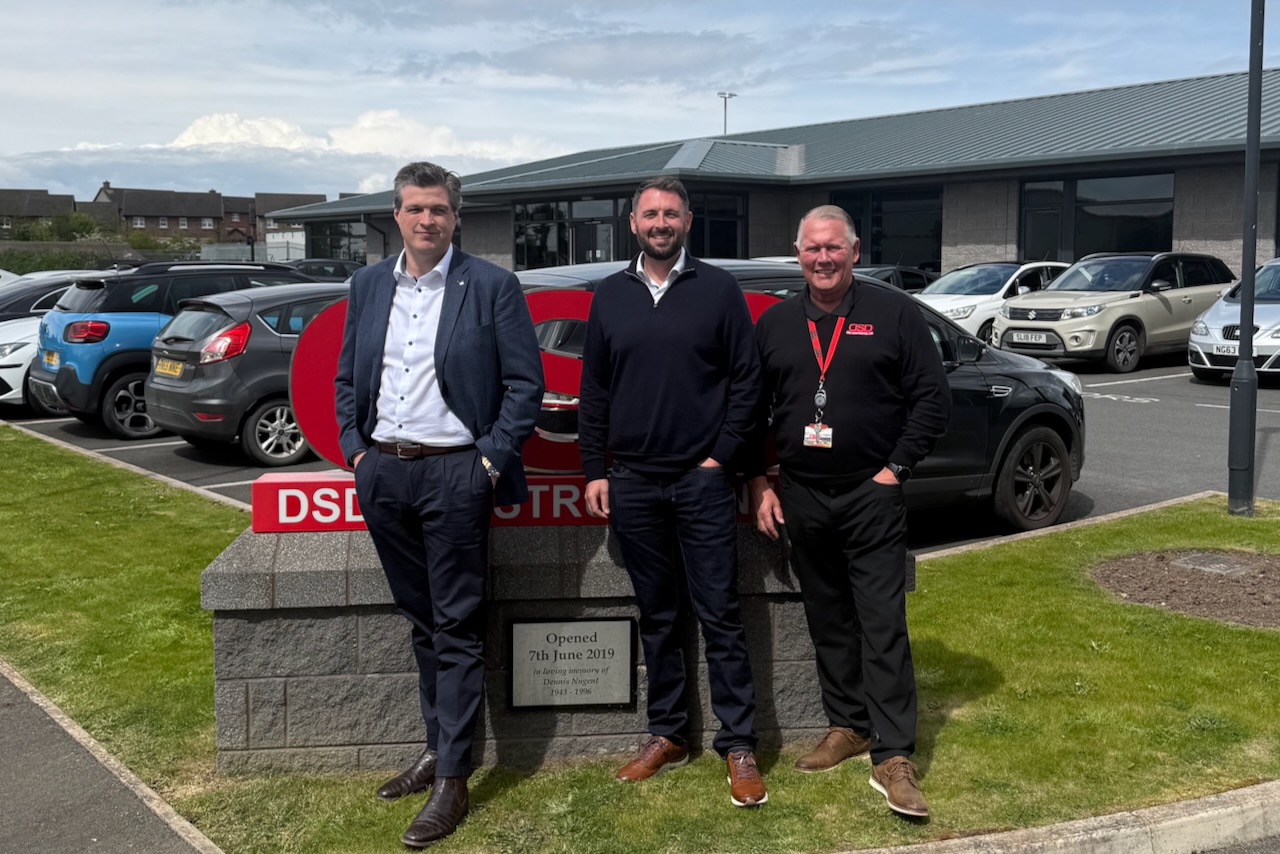
Fox Group has acquired surfacing contractor DSD Construction and concrete producer Moore Readymix, in a Stellex Capital Management-backed deal aimed at building a circular economy-focused construction materials business. The move expands Fox’s footprint in asphalt surfacing and ready-mixed concrete supply, integrating upstream materials with contracting services. For civil and highways projects, the combined group signals tighter control of aggregates, asphalt and concrete logistics, with potential for increased use of recycled materials in pavements and structural concrete mixes.
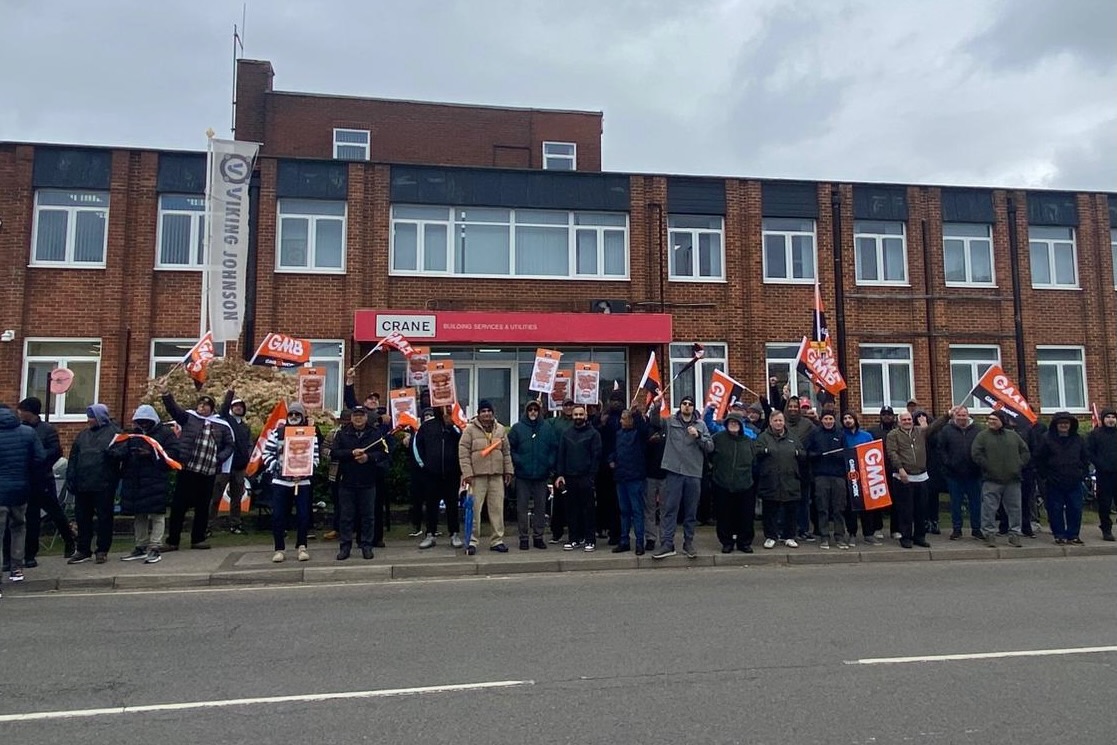
Strike action has begun at Crane Building Services & Utilities (Crane BS&U) in Hitchin, part of US-owned Crane Co’s Process Flow Technologies division, after GMB union members voted for a two-week walkout over pay. The dispute follows a five-day strike in 2024 that ended with a 7% pay rise, with GMB regional organiser Andre Marques now calling for a “fair uplift” and “meaningful dialogue”. Any prolonged stoppage could disrupt supply of valves, fittings and flow-control components to UK building services and utilities projects.
Australia’s drive to expand onshore critical minerals processing has advanced with the opening of new research facilities focused on refining battery and magnet metals such as lithium, rare earths and cobalt. The centres are equipped for pilot‑scale hydrometallurgical and pyrometallurgical testwork, including leaching, solvent extraction and high‑temperature roasting, to bridge the gap between bench chemistry and commercial plants. For process and project engineers, the facilities offer local options to de‑risk flowsheet design, validate recoveries on Australian ores and generate data for bankable feasibility studies.
Greatland Gold has reported one of its strongest intercepts to date at the West Dome Underground project, with new drilling returning a high-grade gold interval that materially extends known mineralisation down-plunge. The WDU target lies adjacent to the Havieron system in Western Australia’s Paterson Province, where existing underground development and decline access provide a pathway to rapid resource conversion and potential mine planning updates. For geotechnical and mine design teams, the result supports further step-out drilling and may justify re-optimising stope shapes and ground support assumptions around the new high-grade zone.