Geomechanics.io

  • Free Tools
Sign UpLog In

Geomechanics.io

Geomechanics, Streamlined.

© 2026 Geomechanics.io. All rights reserved.

Geomechanics.io

CMRR-ioGEODB-ioHYDROGEO-ioQCDB-ioFree Tools & CalculatorsBlogLatest Industry News

Industries

MiningConstructionTunnelling

Company

Terms of UsePrivacy PolicyLinkedIn
    Research
    Safety
    Projects

    Lead‑cooled reactors as water alternatives: corrosion lessons for nuclear designers

    January 8, 2026|

    Reviewed by Tom Sullivan

    Lead‑cooled reactors as water alternatives: corrosion lessons for nuclear designers

    First reported on New Civil Engineer

    30 Second Briefing

    Researchers in Sweden have characterised how stainless steel corrodes in contact with liquid lead, providing data critical for structural components in lead‑cooled fast reactors proposed as alternatives to pressurised water designs. The work focuses on corrosion mechanisms at the steel–lead interface, including dissolution and oxide layer behaviour, which directly affect cladding integrity, vessel wall thickness allowances and inspection intervals. Findings are expected to inform material selection, allowable temperature windows and safety margins for future Generation IV lead‑cooled reactor projects.

    Technical Brief

    • Liquid lead coolant allows operation at near‑atmospheric pressure, reducing primary circuit pressure vessel demands.
    • Findings can feed into thermo‑mechanical design of reactor vessels, heat exchangers and fuel assemblies using lead coolants.
    • Scope appears limited to specific stainless steel compositions and laboratory conditions, not full‑scale reactor environments.

    Geotechnical Software for Modern Teams

    Centralise site data, logs, and lab results with GEODB-io, CMRR-io, and HYDROGEO-io.

    No credit card required.

    • Save and export unlimited calculations
    • Advanced data visualisation
    • Generate professional PDF reports
    • Cloud storage for all your projects

    Prepared by collating external sources, AI-assisted tools, and Geomechanics.io’s proprietary mining database, then reviewed for technical accuracy & edited by our geotechnical team.

    Related Articles

    Martin Engineering N2 ACI system: control and reliability notes for kiln engineers
    Materials
    3 days ago

    Martin Engineering N2 ACI system: control and reliability notes for kiln engineers

    Martin Engineering has introduced the N2 Air Cannon Intelligence (ACI) System, turning conventional air cannons in cement kilns and other high-temperature process lines into monitored, connected assets. Wireless N2 sensors mounted on each cannon feed real-time pressure, firing and cycle data to a central gateway, allowing operators to detect misfires, blocked valves and suboptimal firing sequences without manual inspection. For materials handling and process engineers, this enables tighter control of build-up removal on preheaters, riser ducts and clinker coolers, reducing unplanned shutdowns and compressed air waste.

    Trelleborg polyurethane seals for fluid power: retrofit notes for mining engineers
    Materials
    3 days ago

    Trelleborg polyurethane seals for fluid power: retrofit notes for mining engineers

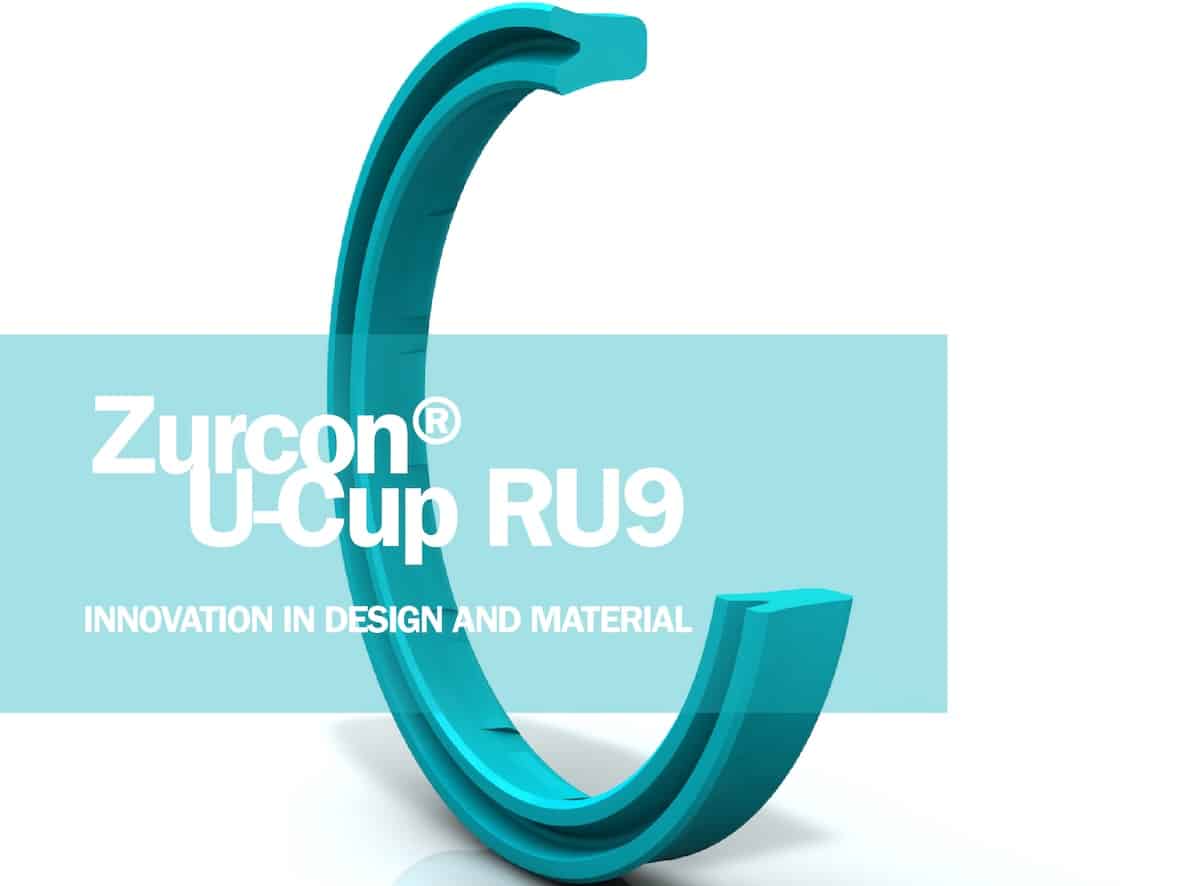
    Trelleborg has launched a new inch-size polyurethane sealing line for light-, medium- and heavy-duty hydraulic cylinders, covering piston, rod and buffer seals plus wipers for linear hydraulic applications. The Zurcon RU9 and Zurcon U-Cup RU9 profiles are engineered to retrofit directly into common American groove sizes in OEM and replacement equipment, targeting mining and other mobile hydraulics. For maintenance and design engineers, the inch-based range simplifies specifying high-performance PU seals without re-machining existing cylinder hardware.

    Holcim starts imports at Tilbury: circular cement plant design notes for engineers
    Materials
    5 days ago

    Holcim starts imports at Tilbury: circular cement plant design notes for engineers

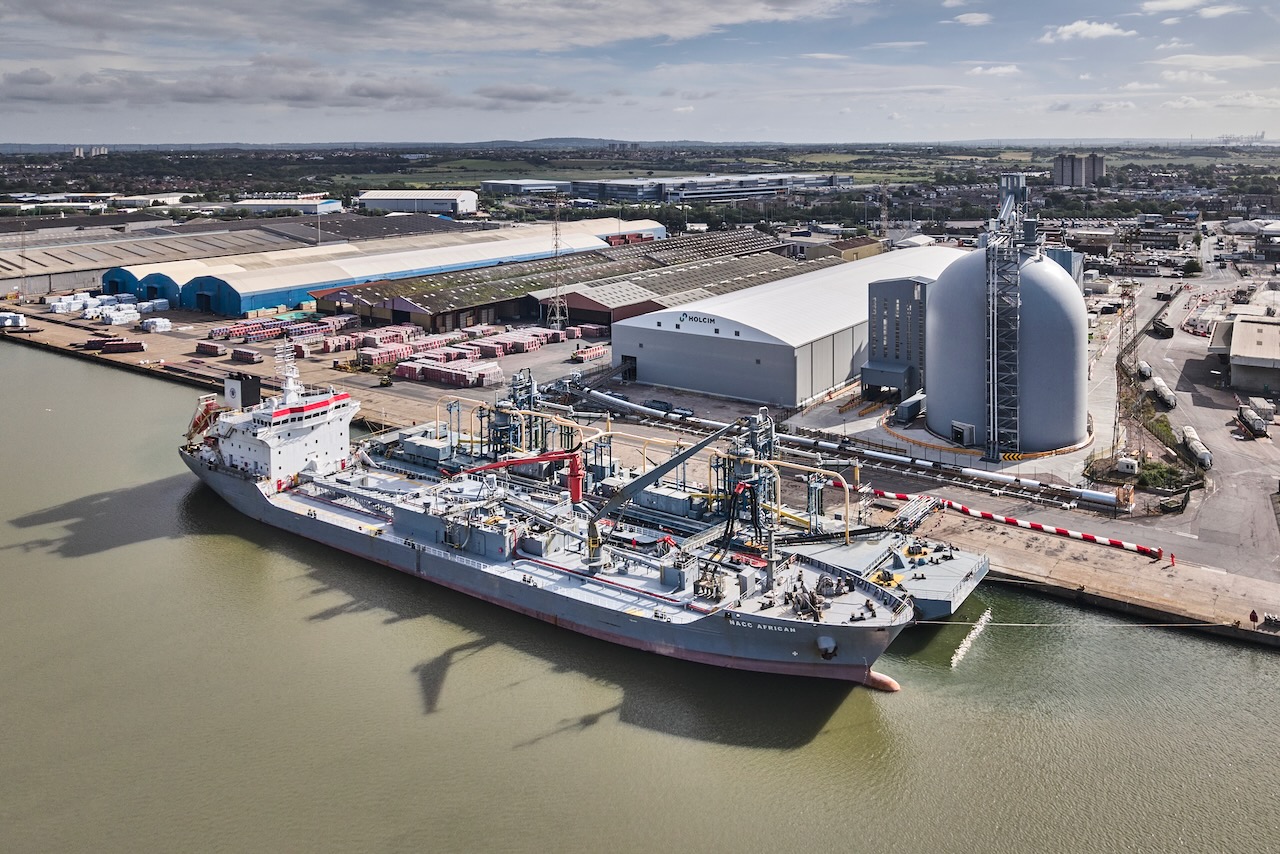
    Holcim’s Tilbury Cement Works has begun importing cementitious materials via a deep‑water berth at the Port of Tilbury, using a new ship‑to‑shore conveyor, enclosed belt conveyors and the UK’s first 30,000‑tonne cement dome silo to feed six loading heads and five weighbridges. A vertical roller mill due in late 2026 will grind GBFS and recycled concrete fines to produce GGBFS and blended cements, with ECOPlanet and ECOPlanet with ECOCycle products scheduled for early 2027. The site has been built using circular practices, reusing 25,000m³ of crushed concrete and 10,000 tonnes of reclaimed asphalt.

    Related Industries & Products

    Mining

    Geotechnical software solutions for mining operations including CMRR analysis, hydrogeological testing, and data management.

    Construction

    Quality control software for construction companies with material testing, batch tracking, and compliance management.

    CMRR-io

    Streamline coal mine roof stability assessments with our cloud-based CMRR software featuring automated calculations, multi-scenario analysis, and collaborative workflows.

    HYDROGEO-io

    Comprehensive hydrogeological testing platform for managing, analysing, and reporting on packer tests, lugeon values, and hydraulic conductivity assessments.

    GEODB-io

    Centralised geotechnical data management solution for storing, accessing, and analysing all your site investigation and material testing data.

    AllGeotechnicalMiningInfrastructureMaterialsHazardsEnvironmentalSoftwarePolicy