Geomechanics, Streamlined.
© 2026 Geomechanics.io. All rights reserved.
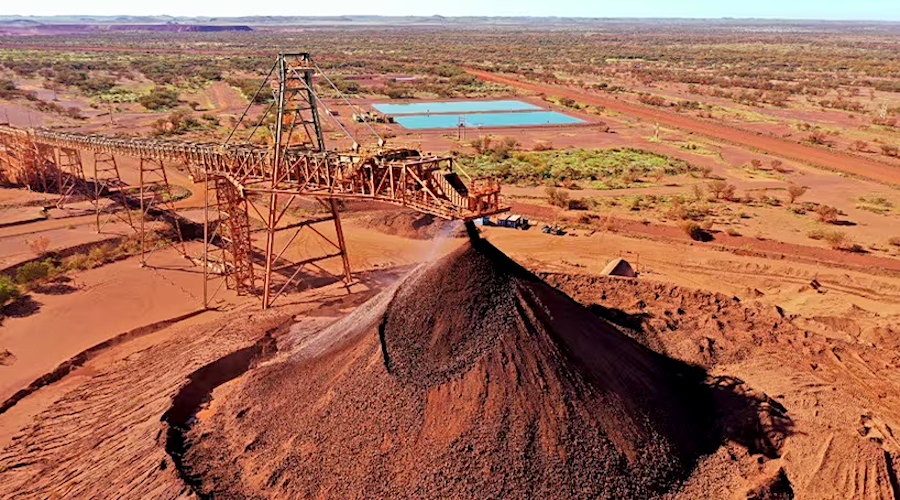
Leaked internal records show BHP has paused or deferred more than $1.7 billion of Pilbara decarbonisation projects, including a board‑approved $400 million solar‑and‑battery plant at Jimblebar and a $1.3 billion regional renewables package to power electric haul trucks and trains, with no major spend planned before 2031. The documents warn that slow emissions cuts in Pilbara, which generates $14.4 billion pre‑tax profit and over one‑third of BHP’s Australian emissions, threaten its “licence to operate”. BHP has instead ordered 62 new diesel trucks for Jimblebar, extending diesel reliance into the late 2030s, while rival Fortescue pushes ahead with electrification.
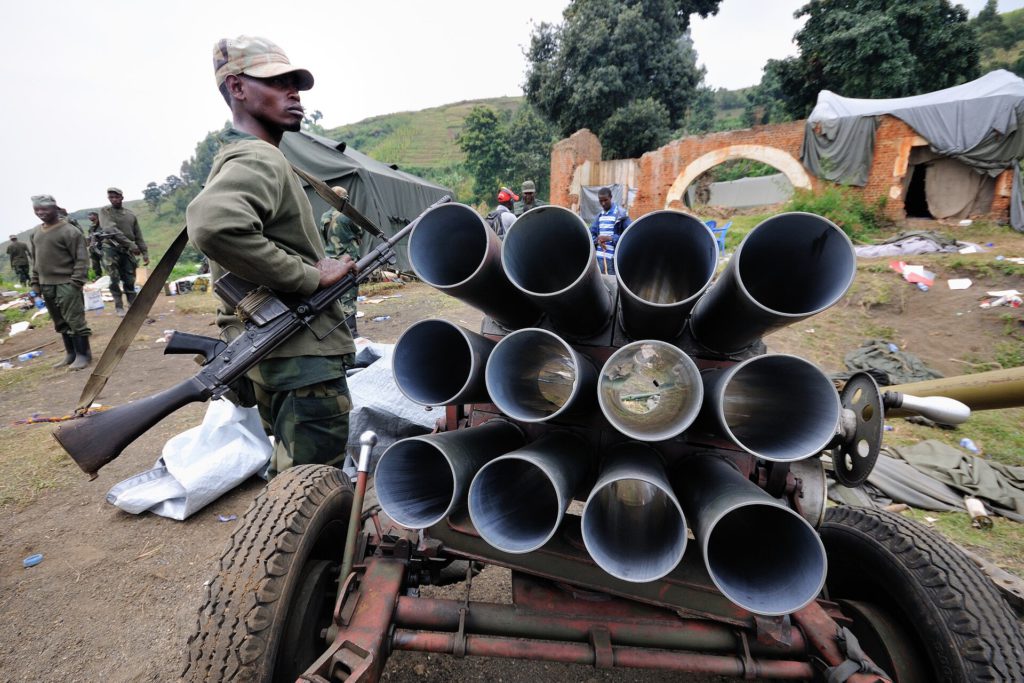
Rwanda-backed M23 rebels controlling coltan-rich Rubaya in eastern DRC are seeking to sell tantalum, tin and tungsten directly to the United States, pitching themselves to the Trump administration as a strategic mineral supplier. Rubaya’s mines, under M23 control since April 2024, produce about 15% of global coltan and are estimated by Global Witness to generate roughly $800,000 per month for the group. Any US engagement would collide with existing DRC–US strategic partnership commitments, sanctions on Rwanda’s army, and conflict-mineral certification regimes.
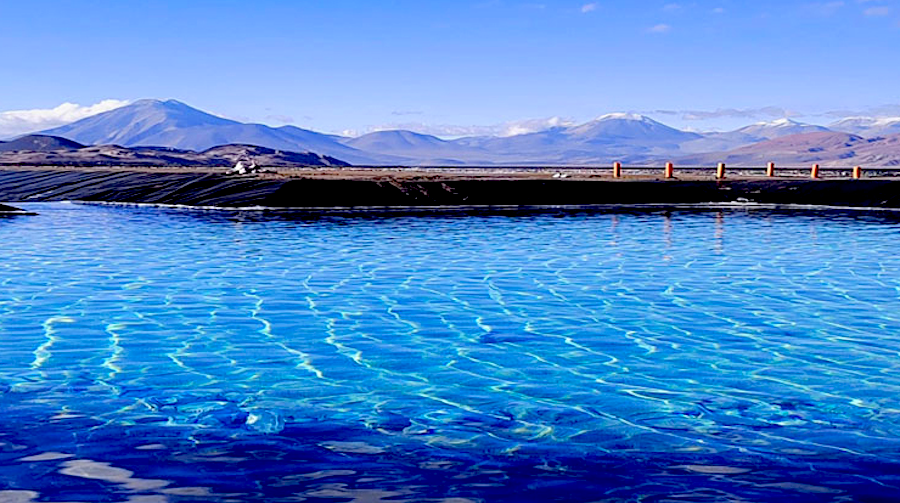
China is projected by Wood Mackenzie to control 39% of global lithium production by 2030 as Chinese capital backs projects such as Huayou Cobalt’s proposed acquisition of Atlantic Lithium and Hainan Mining’s investment in Kodal Minerals’ Bougouni project in Mali. Australia’s share of extraction is forecast to fall from 43% in 2020 to 25% by 2030 while Africa rises to about 13%, with most new African capacity financed from China. Europe is strengthening downstream control via refining and battery plants, including Vulcan Energy in Germany and Sibanye-Stillwater’s Keliber project in Finland, even as North American projects lag.
China’s rare earth dominance is set to “stay firmly in place”, with BMI noting it still controls about 60% of global mined output and almost all processing capacity, while export-controlled shipments of yttrium, dysprosium and terbium to the US remain at just 42%, 41% and 49% of pre-restriction volumes. Yttrium prices have surged 15-fold, disrupting turbine blade thermal barrier coatings and semiconductor insulation supply chains and keeping aerospace OEMs and chip fabs exposed to Chinese licensing decisions. Washington is responding with a $400 million investment into MP Materials and $1.6 billion for USA Rare Earth’s Texas mine-and-processing project, plus targeted partnerships in Australia, Canada, Greenland, Angola, Mozambique, Brazil and Saudi Arabia.
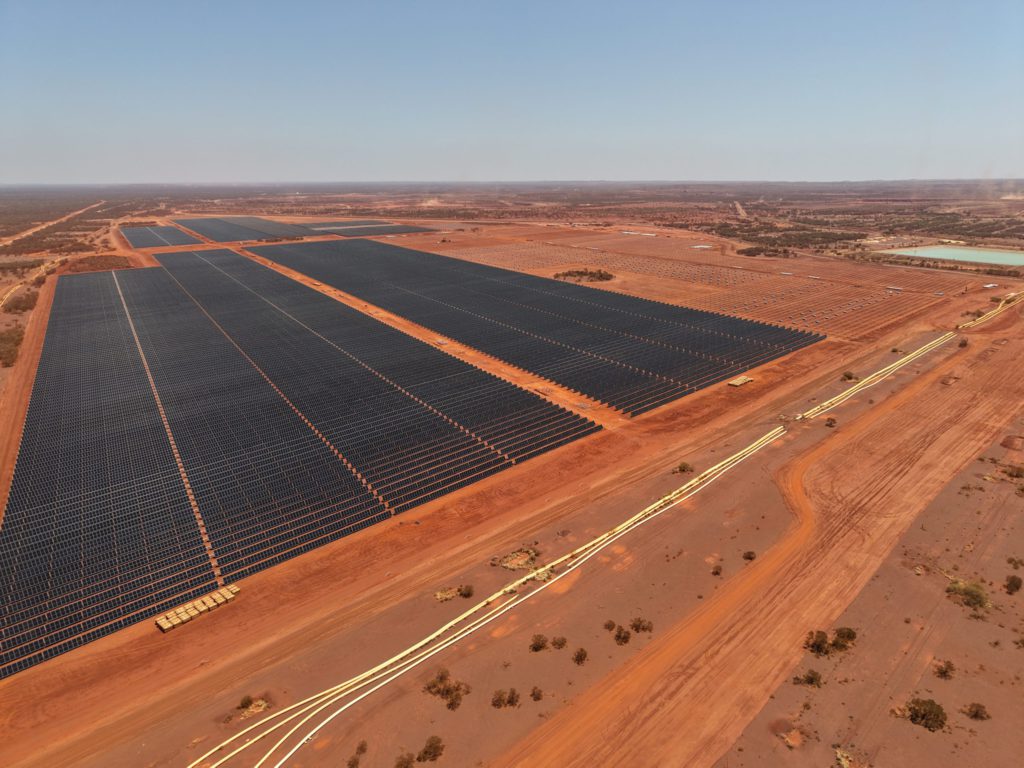
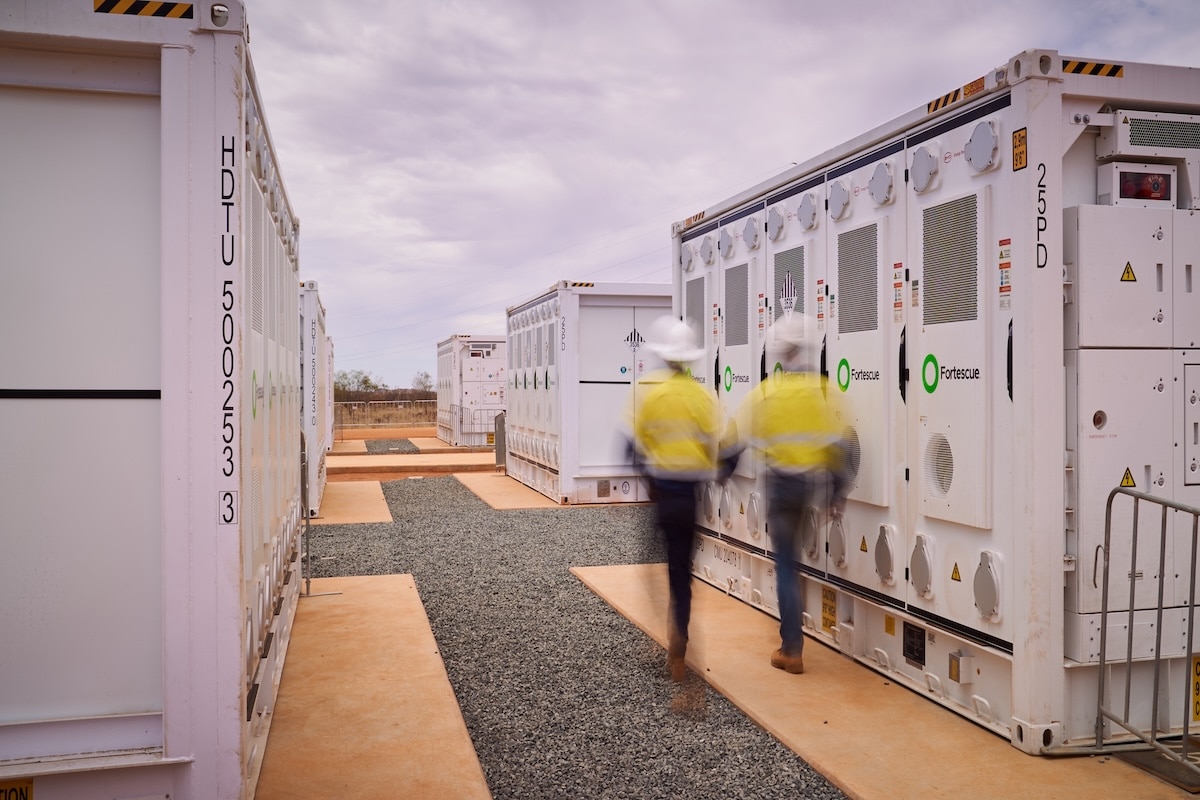
Fortescue has started building the 690MW Turner River solar farm in the Pilbara and a 650MWh BESS at its Cloudbreak mine, completing the solar component of its Real Zero plan alongside existing 440MW Solomon Airport, 190MW Cloudbreak and 100MW North Star Junction plants for a combined 1.4GW. Turner River will install over 1 million panels by 2028, while the Cloudbreak BESS will deliver 74MW for about eight hours via 124 battery units, backed by a 133MW Nullagine wind farm and more than 480 km of high‑voltage transmission, extending to 620 km. For mine operators, Fortescue’s parallel fleet electrification—16 electric excavators in service, a 6MW fast charger capable of fully charging a haul truck in ~30 minutes, and incoming battery electric haul trucks and ancillary XCMG equipment—signals rapid scaling of high‑power electrical infrastructure at remote iron ore sites.
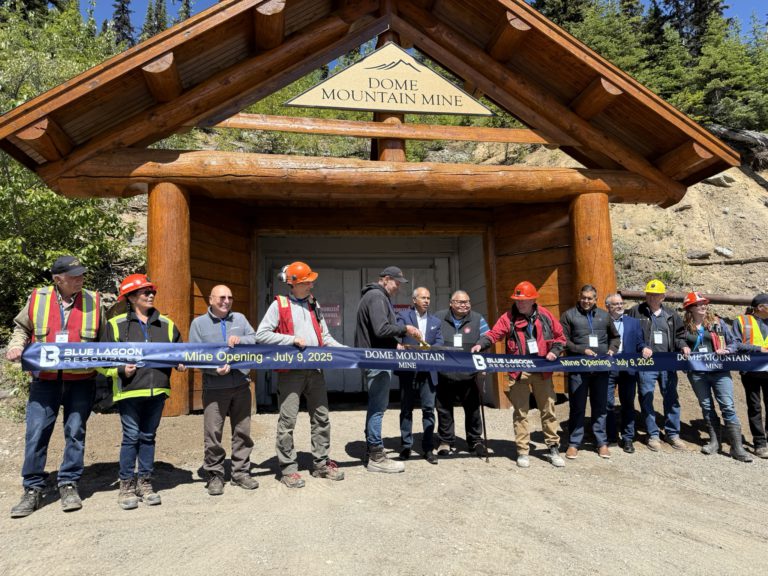
Blue Lagoon Resources has declared commercial production at its 100%-owned Dome Mountain gold-silver project in northwest British Columbia after sustaining underground mining rates above 100 tonnes per day for over 30 consecutive days, within a permit allowing up to 55,000 tonnes per year. The company is targeting a steady-state output of 150 tonnes per day as it advances the Boulder Vein system and seeks permits to mine below the 1290 m level and into the nearby Argillite Vein. Offtake partner Ocean Partners Holdings will invest C$3 million in Blue Lagoon equity at C$0.90 per share, with no warrant coverage.
Meiteng Technology’s full-size intelligent coal dry separation plant in Mongolia has run stably since October 2025, using its proprietary DCP Full-Size Coal Dry Separation Dream Plant system under harsh continental climate conditions. The installation applies fully dry, sensor-based coal separation without process water, reducing reliance on traditional dense medium circuits and associated tailings dams. For mine operators in arid or freezing regions, the project signals growing viability of large-scale dry beneficiation where water supply, freezing pipelines and slurry management constrain conventional plants.
Construction has commenced on Fortescue’s 690 MW Turner River solar farm in the Pilbara and a 650 MWh BYD-based BESS at Cloudbreak, the final major assets in its Real Zero decarbonisation plan for iron ore operations. The utility-scale PV and storage will feed Fortescue’s integrated Pilbara Energy Connect network, designed to displace large diesel and gas loads across multiple mines. For mine planners and electrical engineers, the build-out signals rapid scaling of high-penetration renewables and grid-forming storage in remote, weak-grid conditions.
Victoria’s $21.6 billion North East Link has passed a key tunnelling milestone, with the first of two tunnel boring machines reaching 1 kilometre of excavation on the twin 6.5‑kilometre road tunnels between Watsonia and Bulleen. The project also includes major capacity and geometry upgrades to the Eastern Freeway and M80 Ring Road, integrating the new tunnels into Melbourne’s orbital network. For geotechnical and civil teams, sustained TBM advance over this length signals stable ground conditions and effective segmental lining and spoil management strategies so far.
Meeka Metals has started ore development at the high-grade Judy North orebody within the Andy Well underground mine in Western Australia, with early development faces showing visible gold and strong grades. Judy North, previously unmined, contains an initial resource of 96,000 ounces at 5.4 grams per tonne gold and has been accessed from existing Andy Well underground infrastructure. The move signals a shift from resource definition to production development, with potential to quickly add higher-grade stopes into the mine schedule.
Victory Metals has secured acceptance into the US Defense Industrial Base Consortium (DIBC), giving its North Stanmore rare earths project near Cue in Western Australia direct visibility to US defence procurement and R&D programmes. The clay-hosted project is targeting magnet rare earths such as neodymium and praseodymium, positioning it as a potential non-Chinese supply option for permanent magnets used in missiles, radars and electric drives. For geotechnical and mining teams, DIBC status signals likely pressure to accelerate resource definition, metallurgical testwork on clay processing, and ESG-compliant mine design.
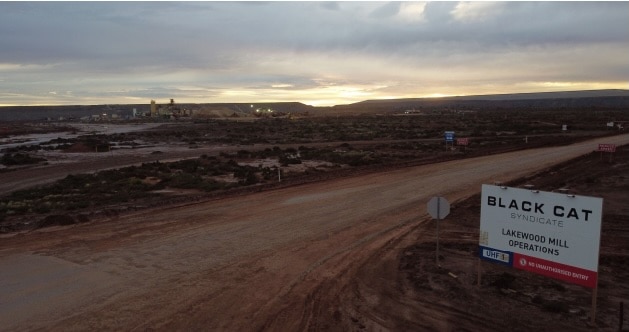
Black Cat Syndicate will spend $11 million on a 35,000m drilling campaign at its Coyote gold operation in Western Australia’s Tanami region, starting in June 2026 and more than tripling the scale of any program since acquisition. The large-scale program signals a step-up in resource definition and extension drilling around existing underground workings, with implications for mine planning, geotechnical characterisation and long-term production scheduling. For contractors and consultants, the 2026 field season will bring demand for additional rigs, drilling crews, core logging, and structural and hydrogeological analysis.
Fortescue has started building a 690‑megawatt solar farm at Turner River in the Pilbara and a 650‑megawatt‑hour battery energy storage system at its Cloudbreak iron ore operations, advancing its Real Zero decarbonisation strategy. The assets form part of the Pilbara Green Grid, an integrated renewables and transmission network intended to displace gas and diesel generation across multiple mine sites. For engineers, the scale of the PV and BESS installations signals future demand for high‑capacity grid connections, foundation design in cyclonic conditions, and mine‑site load management integration.
Forrestania Resources has agreed to acquire 100 per cent of Midas Minerals’ Newington gold project in Western Australia, securing a package of granted mining and exploration tenements in a historically high-yield gold district. The transaction consolidates Forrestania’s Western Australian gold footprint around Newington, giving it full control over both existing mining leases and surrounding exploration ground. For geologists and mine planners, the deal creates a larger, contiguous tenure position that can support district-scale resource definition and staged development drilling.
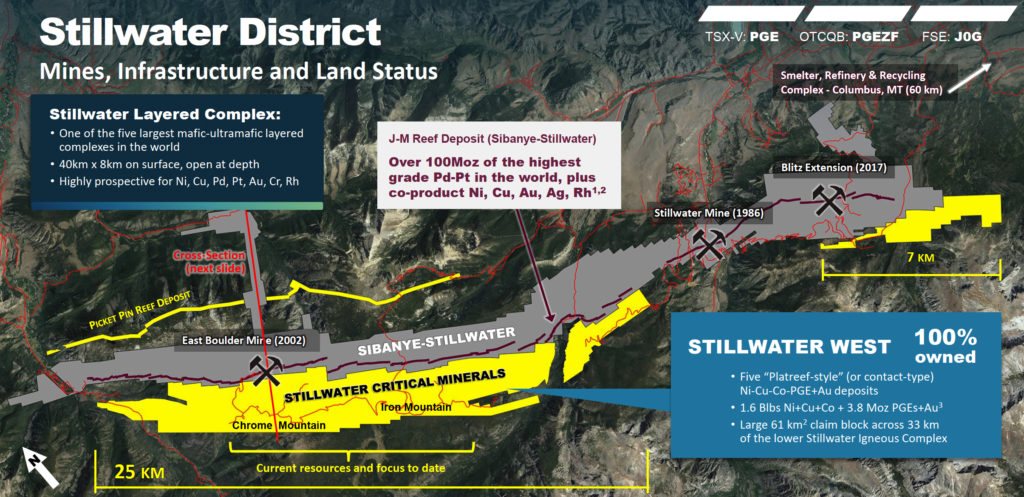
Stillwater Critical Minerals is advancing its Stillwater West project in Montana with new rhodium assays from eight holes in a 3,472-metre 2025 drill campaign at Chrome Mountain and Iron Mountain feeding an updated resource estimate due next month. The current 2023 inferred resource stands at 255 million tonnes at 0.2% nickel-equivalent cut-off, containing 1.64 billion lb nickel-copper-cobalt, 3.81 million oz palladium-platinum-rhodium-gold, 115,000 oz rhodium and 2.3 billion lb chromium in a Platreef-style, bulk-tonnage setting. Backed by Glencore’s 15% stake and more than 40,000 metres of drilling support, the company is funded for its largest drill programme yet and planning a first PEA later this year.
CRCHI’s first mining tunnel boring machine has begun underground cutting at NFCA’s Chambishi copper mine in Zambia’s Copperbelt, with initial rotation of the cutterhead starting on 13 May. Developed in Changsha, Hunan, by China Railway Construction Heavy Industry Corporation, the TBM marks the debut of a China-designed unit specifically for mining applications rather than civil tunnelling. For mine planners and geotechnical teams, successful performance at Chambishi could open wider use of TBMs for long ore drives and access tunnels in hard-rock African operations.
Fortescue has installed its first production-series Fortescue Zero battery-electric power system into a Liebherr T 264, a 240 t class haul truck, at Liebherr’s mining equipment proving grounds near Newport News, Virginia. The integration of the full battery system into the diesel-designed T 264 chassis marks a key step towards OEM-agnostic retrofits of large mining trucks, enabling mine operators to trial high-capacity battery haulage on existing fleets. Engineers will now focus on duty-cycle validation, thermal management and charging interface performance under proving-ground conditions.
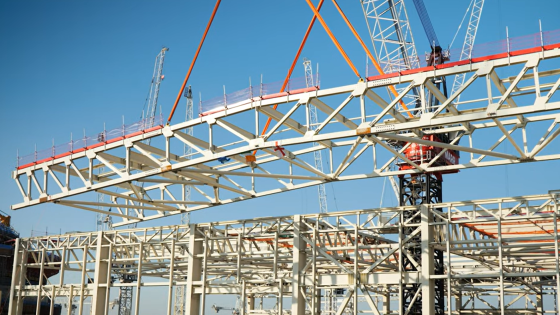
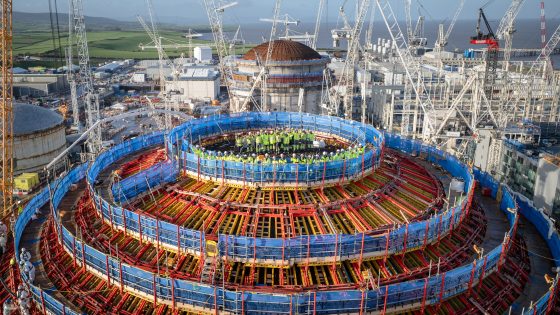
Marr has installed 121t roof trusses for the Unit 2 turbine hall at EDF’s Hinkley Point C nuclear power station, using heavy-lift equipment to position the long-span steel members in a confined site. The timelapse footage shows sequential placement of the trusses over the turbine hall footprint, a critical step in closing the building envelope ahead of heavy mechanical and electrical fit-out. For civil and structural teams, the operation illustrates logistics and lift planning for multi-hundred-tonne steelwork on a congested nuclear construction platform.
Jacobs has been appointed by Great British Energy – Nuclear to deliver environmental consultancy and baselining at the Oldbury site in Gloucestershire, earmarked as a potential location for a new nuclear power station. The work will characterise existing ground, groundwater, ecological and radiological conditions to support future nuclear site licensing, environmental permits and design optioneering. Early baselining data will be critical for later geotechnical investigations, foundation design, flood and coastal risk assessments, and long-term monitoring strategies if the project proceeds.
National Highways has lodged a High Court breach of contract claim against WSP over the consultancy’s role as lead advisor on its roadmap to net zero for the strategic road network. The dispute centres on advisory work underpinning National Highways’ decarbonisation strategy, which covers construction materials, maintenance regimes and operational emissions across England’s motorways and major A-roads. Any adverse ruling or settlement could reshape how UK infrastructure clients scope, procure and manage consultancy input on carbon baselining, lifecycle assessments and compliance with government net zero targets.
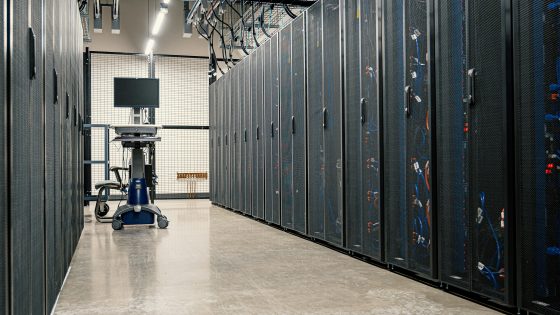
Potential “symbiotic” energy resilience relationships between data centres and airports are being explored, as both require N+1 or higher redundancy, dual grid feeds and on-site backup generation to keep 24/7 operations running. An airports strategy expert suggests co-locating hyperscale data halls with major hubs could justify shared high-voltage substations, large-scale battery storage and potentially hydrogen-ready CHP plant sized for peak aviation and IT loads. However, the expert warns that current demand projections for data centres may be a bubble, risking stranded electrical and civil infrastructure if growth stalls.
Regulation giving Parliament, rather than the courts, final authority to approve large low‑carbon energy schemes has been unveiled by chancellor Rachel Reeves, sharply narrowing the grounds for judicial review. The change is expected to accelerate nationally significant infrastructure projects such as offshore wind farms, grid reinforcement corridors and carbon capture clusters, where planning and consent can currently add years to programme schedules. Developers and designers will need to front‑load environmental impact assessments, land rights strategies and stakeholder engagement, as legal challenge windows and procedural arguments are curtailed.
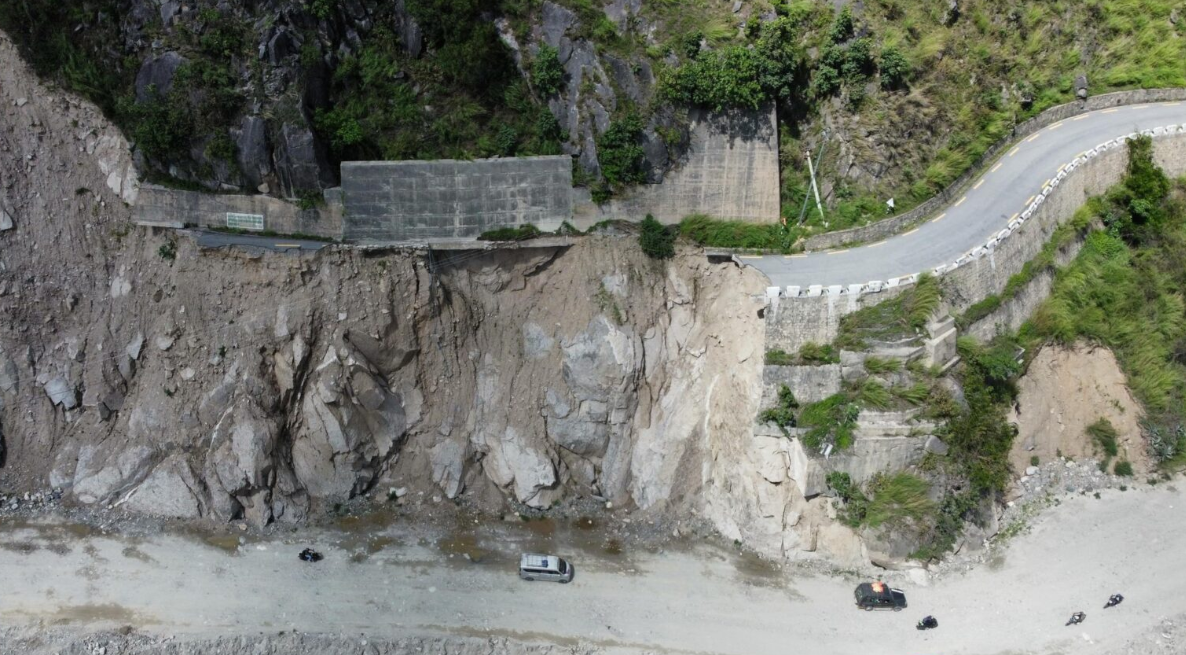
Escalating extreme rainfall and glacial melt are driving more frequent floods and landslides in Nepal’s Himalayan districts, with Karnali Province’s steep, highly fractured slopes and narrow river valleys particularly exposed. Recent events include debris flows cutting off road access to remote settlements and riverbank erosion undermining gabion walls and informal river training works along the Karnali and Bheri rivers. Engineers are being pushed towards slope stabilisation with bioengineering, improved drainage, and relocation or elevation of critical infrastructure away from active channels and unstable colluvium.
Testing of XCMG’s two super large battery electric prototypes for Fortescue – the XC9260BEWL wheel loader and XC9260BEWD wheel dozer – is continuing at the OEM’s Xuzhou proving grounds in China following their official unveiling in February 2026. The ultra-class units are undergoing performance and durability trials under load and duty cycles representative of Pilbara iron ore operations before being shipped to Western Australia. Results will inform battery pack configuration, thermal management and charging strategies for deployment in high-temperature, high-dust mine environments.