Geomechanics, Streamlined.
© 2026 Geomechanics.io. All rights reserved.
Dyno Nobel and TesMan have formed a strategic partnership to combine commercial explosives expertise with underground mining robotics and product development. The collaboration targets automation of hazardous tasks around charging, blasting and post-blast inspection in confined headings, aiming to keep personnel further from faces while maintaining or improving cycle times. For mine operators, the move signals more integrated blast systems where detonator timing, explosive loading and robotic deployment can be engineered as a single package rather than separate technologies.
Americas Gold and Silver will issue 7.96 million shares at $5.57 each to Sprott Mining to cancel the remaining 592,000 oz silver delivery under the Galena complex stream, removing about $45 million in future variable debt and associated derivative earnings volatility. The move increases Sprott Mining’s equity stake to roughly 15% while freeing Galena’s multi-year turnaround—centred on long-hole stoping, fleet upgrades and shaft improvements—from encumbrances as it targets 3.2–3.6 million oz silver output in 2026. Galena’s role as the largest active US antimony producer and the planned integration of the nearby Crescent mine’s 22.9 million oz historical silver resources remain central to the asset strategy.
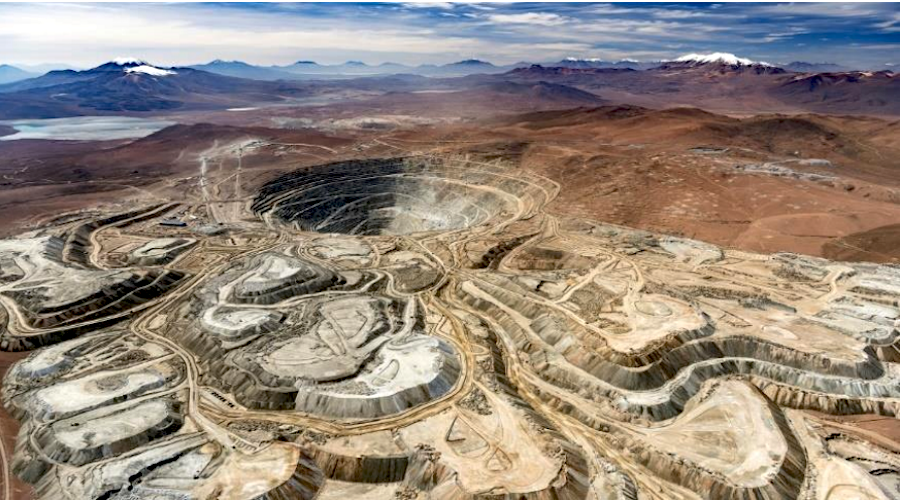
BHP must, under a revised 78‑page Olympic Dam indenture agreement tabled in the South Australian parliament, assess within two years whether rare earths and other critical or strategic minerals such as neodymium and praseodymium can be commercially recovered from current waste streams. If BHP deems extraction technically or economically unviable, third parties must be given an opportunity to commercialise these minerals, while the framework also enables consideration of a A$4 billion copper refinery expansion and up to A$12.7 billion in further mine and concentrator upgrades by 2032. The pact additionally requires BHP to submit by May 2031 a plan to cease Great Artesian Basin groundwater extraction by May 2036, with a Port Augusta seawater desalination scheme being advanced to support a potential lift in South Australian copper output towards 650,000 tonnes per year by the mid‑2030s.
McEwen has already received US$58.2 million in dividends from the San José gold-silver mine in Argentina, above its full-year US$40–50 million target, after a further US$49.4 million payment from 51% operator Hochschild Mining. The stronger balance sheet – including US$56.5 million cash, US$13.5 million in marketable securities and US$457 million invested in McEwen Copper – is expected to let the company fund growth with limited equity issuance. Management is targeting 250,000–300,000 gold-equivalent ounces per year by 2030, with San José contributing 59,000–64,000 GEOs in 2026 and new output from the Stock mine (H2 2026) and El Gallo (mid-2027).
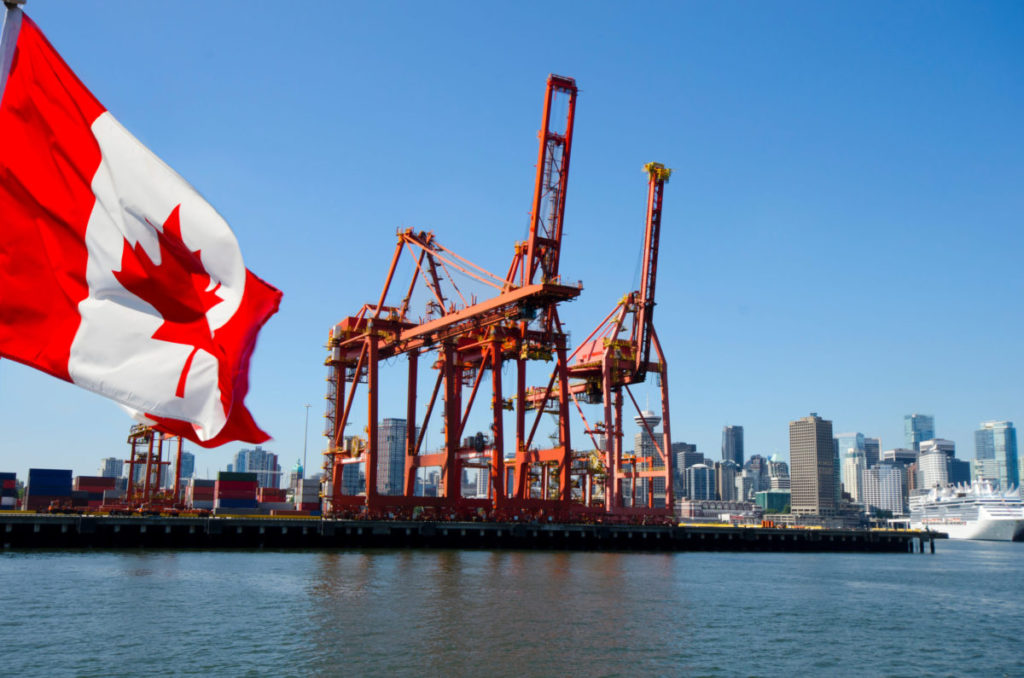
Canadian steel exports to the US have fallen to roughly one-third of pre-tariff values, with PwC Canada’s Gemma Stanton-Hagan estimating monthly steel revenues are about C$500 million lower than before the duties, leaving the sector under deeper and longer pressure than aluminium. Ottawa’s response centres on a C$1‑billion loan facility to address liquidity and a C$500‑million regional tariff response initiative to push diversification, which she characterises as a short-term stopgap. With 85–90% of Canadian steel exports historically bound for the US and global oversupply limiting alternative markets, producers are reassessing investment while policymakers weigh risks to domestic supply for housing, transport, energy and defence projects.
MAX Power Mining has secured C$25 million from Eric Sprott via a private placement of 12.5 million units at C$2.00, each with a warrant at C$2.75, to accelerate drilling at its Lawson natural hydrogen system in Saskatchewan’s 475 km-long Genesis Trend. The company has selected three initial drill targets using 3D seismic to pinpoint structurally optimal zones for natural hydrogen and helium flow, volume and concentration, and will run a 2D seismic programme along the trend to refine additional prospects. For geoscientists and drilling engineers, the work aims to validate what MAX Power calls the world’s first large-scale commercial natural hydrogen discovery.
A Chilean environmental court has annulled the permit for Collahuasi’s $3.2 billion desalination plant, forcing a reassessment of the seawater system that pumps desalinated water nearly 200 km from the Pacific coast to the 4,600‑metre‑elevation mine, which produced over 404,000 tonnes of copper in 2025. The decision affects an expansion intended to add 20 years of mine life and cut reliance on continental water, even though contractor Techint completed the pumping system in April. Industry leaders, including Chilean Mining Chamber president Manuel Viera, cite the case as evidence of a “cursed” regime where a single project can need 500+ permits, raising schedule and cost risk for large‑scale desalination and water‑supply infrastructure.
Mineral Mining Services (MMS) has secured a contract expansion with Tennant Mines at the Nobles project in Tennant Creek, Northern Territory, extending its work into the Juno and Golden Forty box cuts plus the Golden Kangaroo area at the historic goldfield. The deal materially increases MMS’s open-cut mining scope, consolidating multiple adjacent pits under a single contractor. Geotechnical teams will need to manage legacy workings and variable ground conditions typical of Tennant Creek’s narrow, high-grade gold lodes as MMS deepens and widens existing box cuts.
Sandvik Mining has launched a significantly upgraded Toro LH208L low-profile loader for 1.8 m headroom operations, pairing a high payload-to-weight ratio with an improved powertrain and a new Stage V diesel engine for lower emissions. The redesign targets higher productivity and reduced cost-per-tonne in narrow, low-seam stopes where conventional 2 m-class LHDs struggle with clearance and manoeuvrability. Added safety and operator comfort features are aimed at better ergonomics and reduced exposure in constrained underground environments.
Pilar Gold Inc has selected Resemin and Sotreq as strategic equipment partners to supply a new underground fleet for the restart and modernisation of its PGDM gold mining complex in Brazil. The ordered package includes Resemin jumbo drills and production rigs, paired with TEMPUS-branded underground support equipment, to mechanise drilling and production across the mine’s ramp-accessed stopes. The deal signals a shift from legacy fleets towards standardised, OEM-supported rigs, with implications for ground support design, development advance rates and maintenance planning at PGDM.
RKX Rock Extraction is set to unveil an electric pulse rock-breaking system at Hillhead 2026, targeting operations where explosives are restricted or supply-constrained and hydraulic hammers are slow, noisy and maintenance-intensive. The Lisburn-based company’s technology uses high-voltage electrical pulses to fracture rock in situ, eliminating on-site explosive storage and reducing flyrock, vibration and dust. For mines and quarries facing tight vibration limits near infrastructure or communities, the method could open additional extraction zones and simplify permitting for selective breakage and scaling.
Greenland Resources has joined Luleå Tekniska Universitet’s BOREAS consortium, alongside 12 other partners, to develop autonomous robotic systems for its Malmbjerg molybdenum project in central-east Greenland. The collaboration targets robotic support for construction, operation and maintenance in remote, high-relief terrain, where steep slopes, ice, and limited access complicate conventional open-pit development. For mine planners and geotechnical teams, the work signals future deployment of field robots for tasks such as bench inspection, slope monitoring and infrastructure upkeep under Arctic conditions.
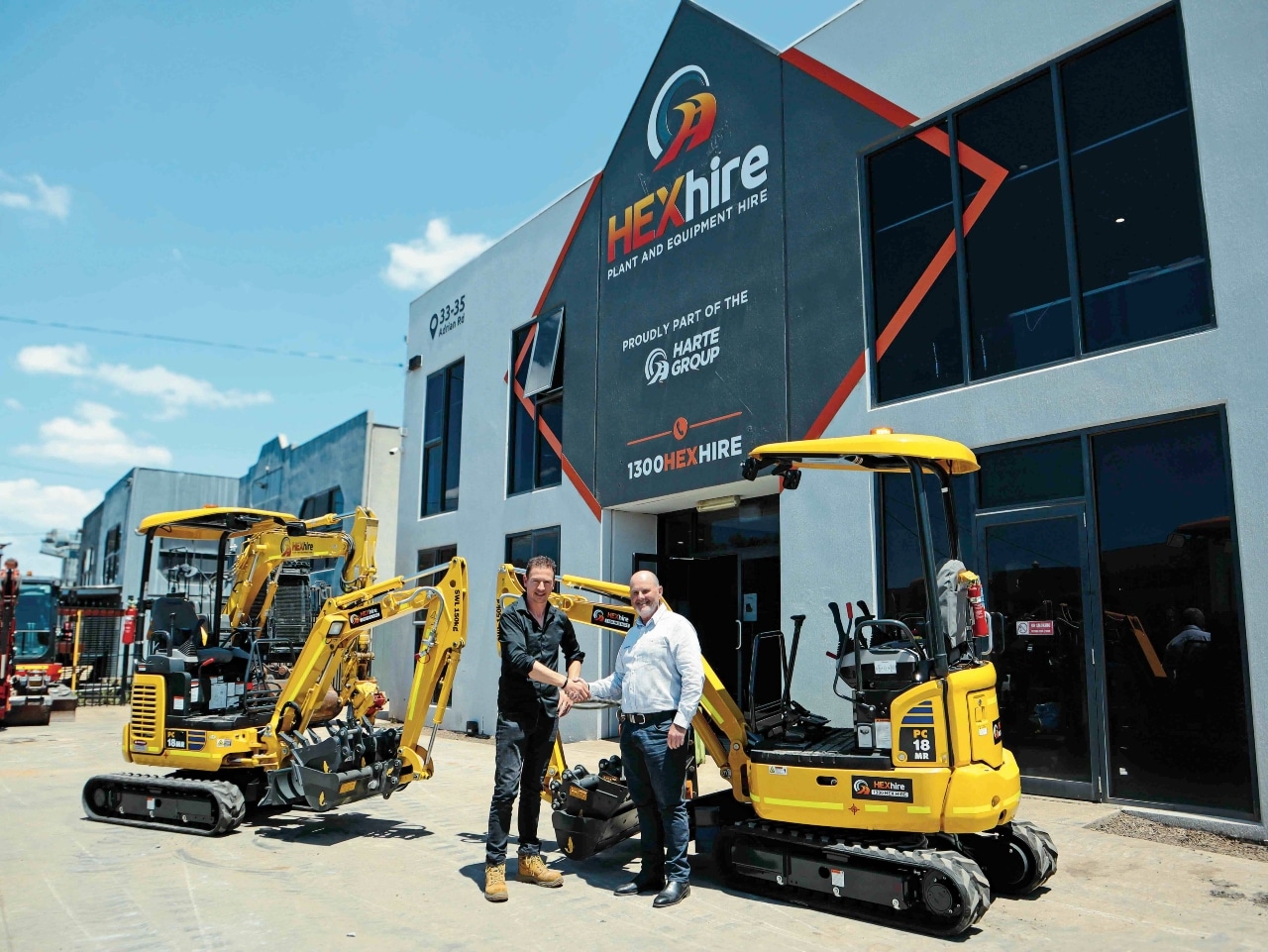
Komatsu is backing HEXhire’s expansion across Victoria and South Australia as the hire company scales its earthmoving fleet to service major road and civil infrastructure programmes. Founded in 2013 as a predominantly wet hire provider, HEXhire has pivoted towards dry hire to supply larger volumes of excavators and ancillary plant for long-duration packages on multi-billion-dollar transport corridors. The partnership gives contractors faster access to late-model Komatsu machinery, supporting tighter programme delivery and more consistent machine performance on high-utilisation sites.
Upgrades have begun on the Barry’s Bay Rest Area on the Hume Freeway in Victoria, with a $2.6 million package jointly funded by the Federal and State governments. Works include new pedestrian walkways, upgraded lighting and toilet blocks, clearer segregation of heavy and light vehicle parking bays, and full road resurfacing within the rest area. For asset managers and designers, the project signals continued investment in heavy vehicle fatigue management infrastructure on one of Australia’s highest-volume interstate freight corridors.
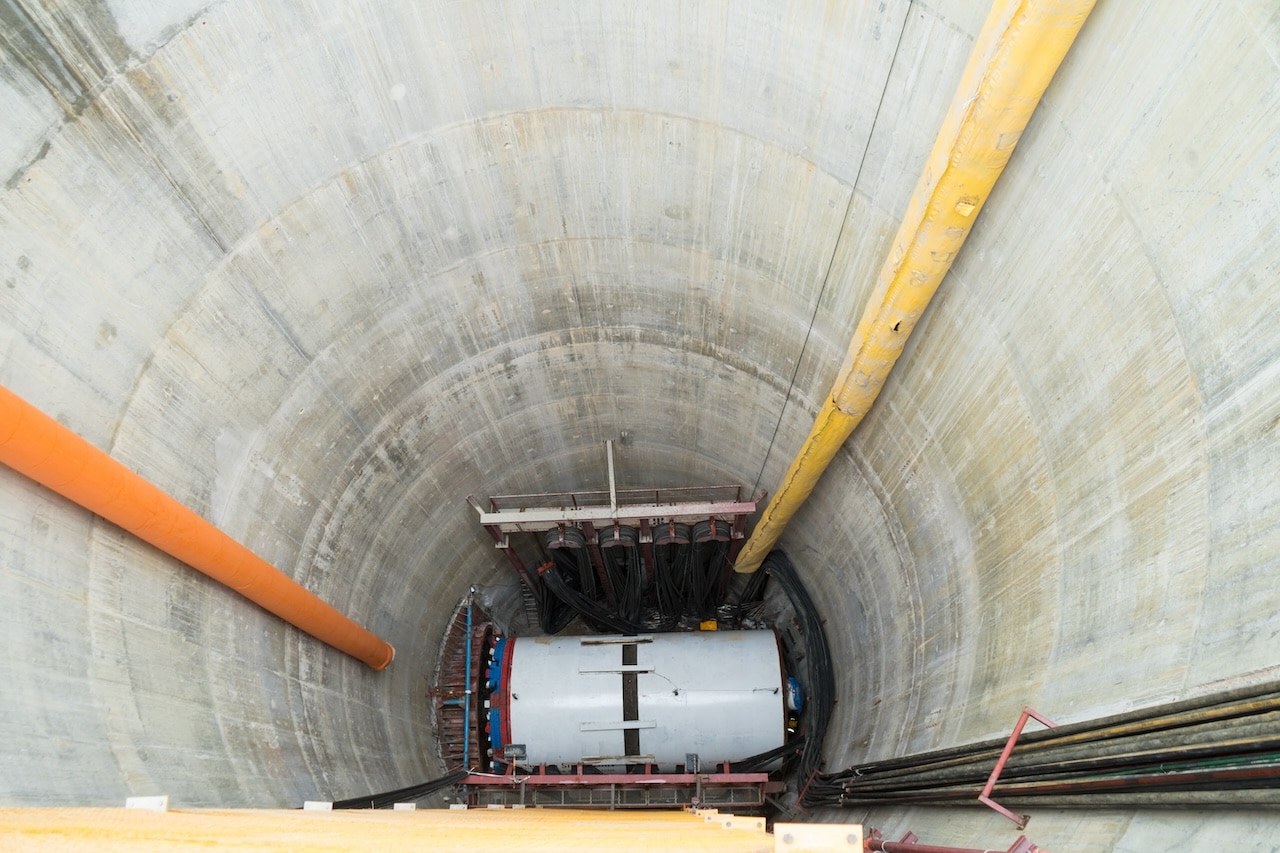
South Australia’s River Torrens to Darlington (T2D) project has craned in the third and final tunnel boring machine (TBM) cutterhead at the Central North Precinct in Adelaide, completing installation of all units. Each cutterhead weighs more than 300 tonnes and will be used to construct what is set to be Australia’s first road tunnels driven by TBMs. The milestone signals imminent commencement of full-face mechanised excavation, with implications for settlement control, lining design and construction staging along this key urban corridor.
Tasmania’s Department of Justice has awarded Fairbrother an $86.5 million contract to construct the new Burnie Courts Complex, relocating and consolidating the Supreme and Magistrates Courts for the state’s North West. The project involves a full greenfield judicial facility rather than refurbishment, signalling substantial new foundations, secure custody transfer zones and blast-resistant detailing typical of modern court infrastructure. Civil and structural teams can expect tight CBD interfaces, staged utility diversions and stringent acoustic and security specifications around courtrooms and holding areas.
Saturn Metals has reported further strong reverse circulation results from 35 holes totalling 6820m at its 100 per cent owned Apollo Hill heap leach gold project near Leonora, Western Australia, supporting plans for a mineral resource upgrade. The drilling targets resource development within the existing Apollo Hill system, where previous work has already defined a large, low‑grade gold inventory amenable to heap leach processing. For mine planners and geotechnical teams, the results point to potential for expanded pit shells and leach pad capacity if continuity and grade are confirmed in the forthcoming resource update.
Brightstar Resources is preparing to move into full-scale construction at its Goldfields gold project in Western Australia within weeks, with final regulatory approvals pending. Managing director Alex Rovira says the approvals will allow Brightstar to execute its development schedule and transition rapidly from pre-development to build and commissioning. For contractors and suppliers in the WA Goldfields, the timing signals imminent demand for earthworks, plant construction and supporting civil and geotechnical services once the approvals land.
Victoria’s push to produce one million ounces of gold annually by 2035 is central to a broader critical minerals strategy outlined by Minerals Council of Australia regional director James Sorahan on the inaugural Australian Mining Podcast. Sorahan points to the state’s established orogenic goldfields and emerging antimony prospects as a dual focus, positioning Victoria for both bullion output and supply of a key battery and alloy element. For miners and explorers, the message is to leverage existing underground gold infrastructure while targeting polymetallic systems with critical mineral credits.
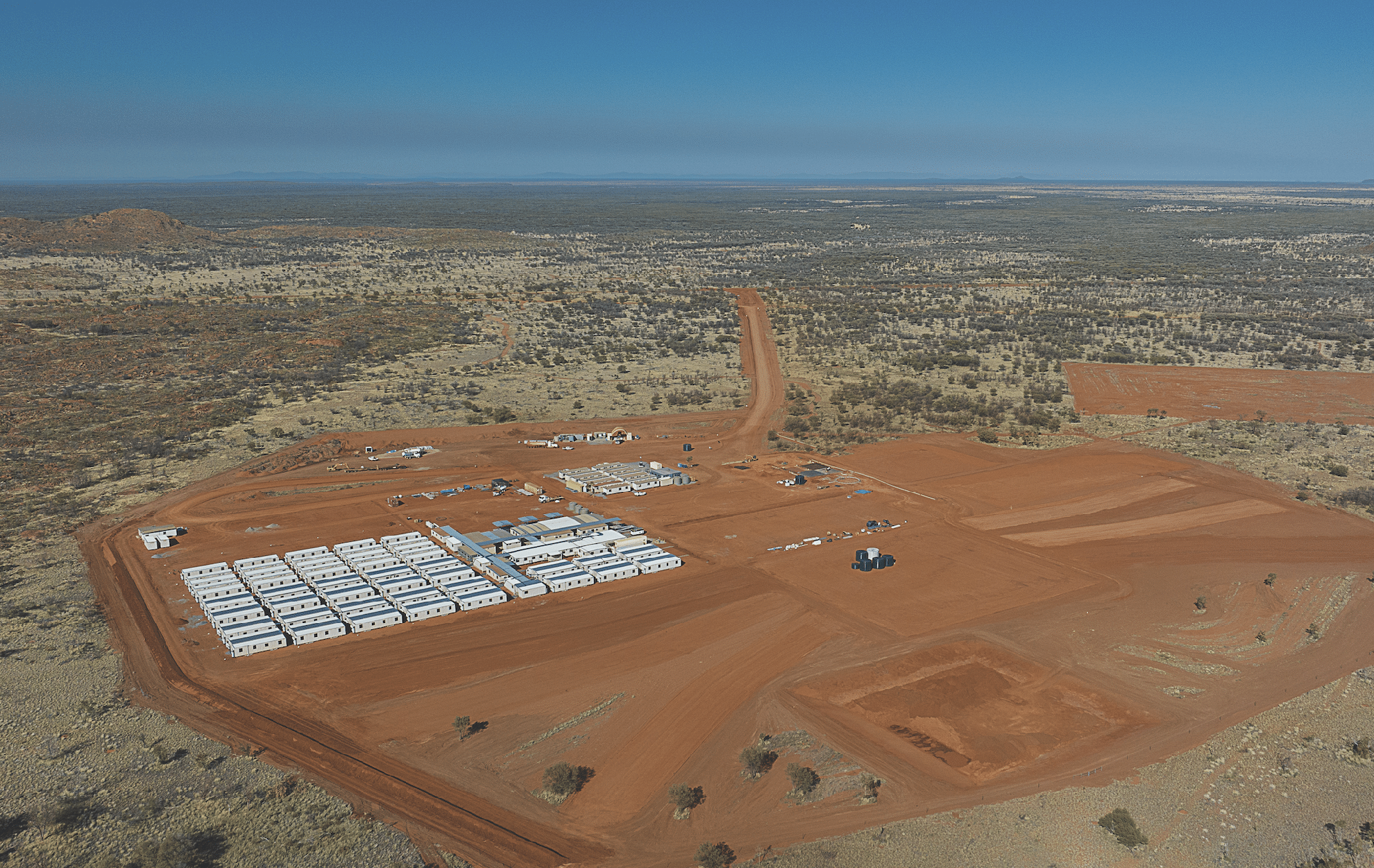
Arafura Rare Earths has approved construction of the Nolans rare earths project, 135km north of Alice Springs in the Northern Territory, after more than 20 years of exploration and feasibility work. Backed by federal funding and offtake support from international customers including Hyundai and Kia, Nolans is designed as an integrated mine and processing plant producing neodymium-praseodymium (NdPr) oxide for permanent magnets. The project strengthens non-Chinese supply options for magnet rare earths, with implications for long-term contracts, processing technology selection and downstream value-adding in Australia.
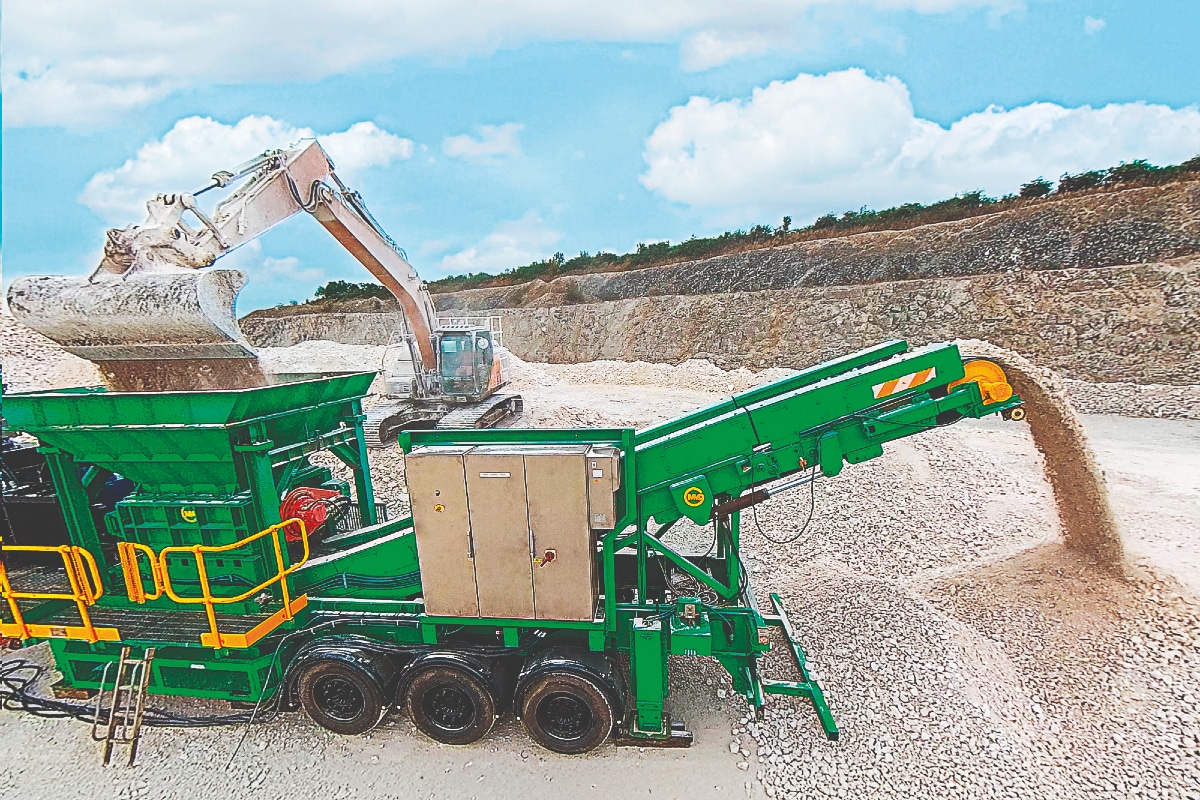
MMD Australia is targeting rare earth element projects with its next-generation HYD Sizer, redesigned for variable ore hardness, higher moisture contents and tighter product size control than earlier MMD sizers. The unit incorporates hydraulic drive and modular tooth configurations to handle both soft overburden and abrasive rare earth-bearing ores in a single machine, reducing the need for multiple crushing stages. For geometallurgy and plant designers, the HYD Sizer’s adaptability to changing feed characteristics offers flexibility for deposits with complex mineralogy and fluctuating throughput.
Utilities contractor Falco has secured renewal of its groundworks framework with UK Power Networks across all three licence areas—London, Eastern and Southern Power Networks—covering nearly 30,000 km² and 8.5 million customers, for six years from February 2026 with two optional one‑year extensions. Falco reports a zero accident frequency rate over the past five years, supported by nearly 1,500 site audits in the last year and more than 3,000 toolbox talks since June 2025. The contractor is targeting net‑zero operations by 2035, including award‑winning trials of zero‑emission electric diggers on UKPN sites.
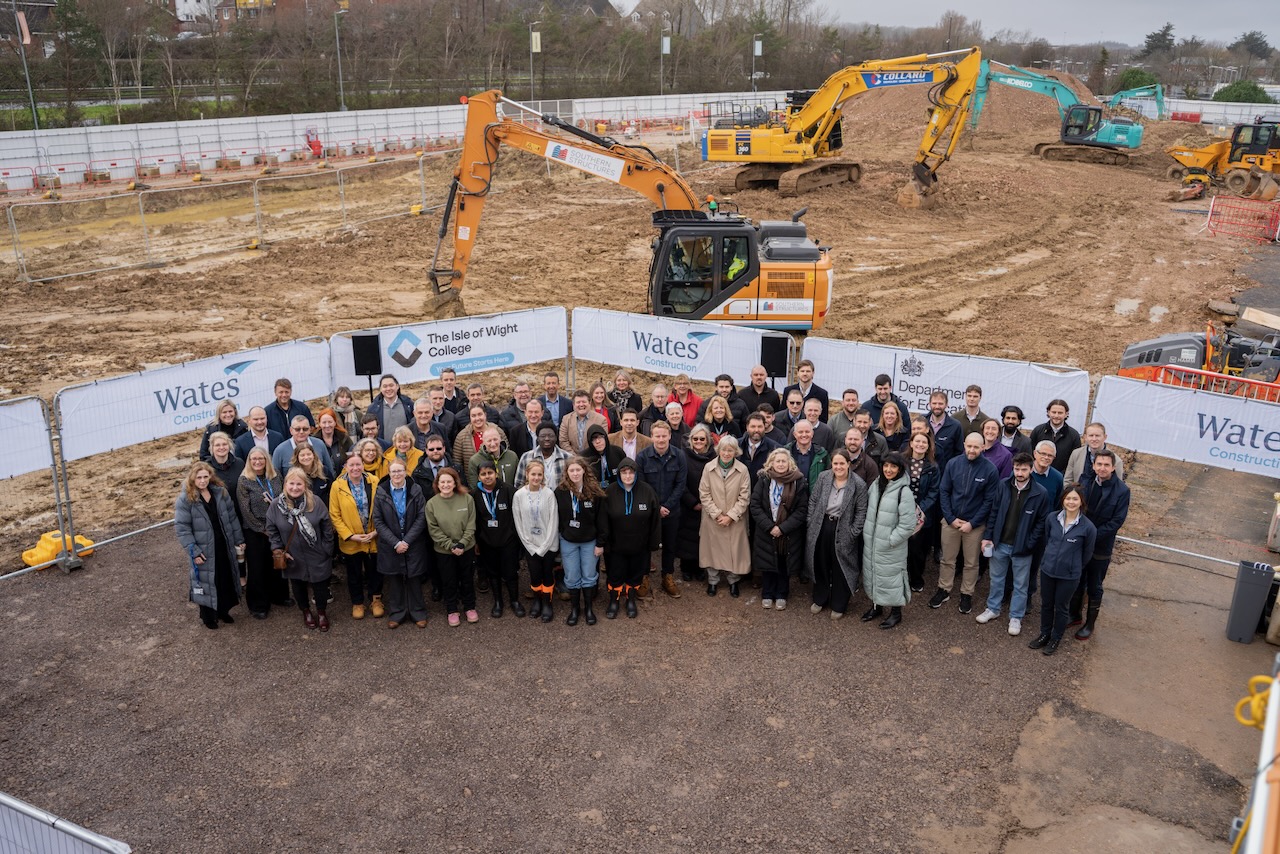
Wates Group has begun a two-phase build of a two-storey Welcome Hub at Isle of Wight College under the Department for Education’s £7bn schools construction framework, creating a new main entrance and vocational teaching centre. The hub will include industry-standard training kitchens, a training restaurant open to external customers, and flexible hybrid learning spaces for performing arts, hospitality, and travel and tourism. Sustainability measures include green roofs, rooftop solar panels, rain gardens, SuDS features and reuse of on-site materials, with completion scheduled for 2028.
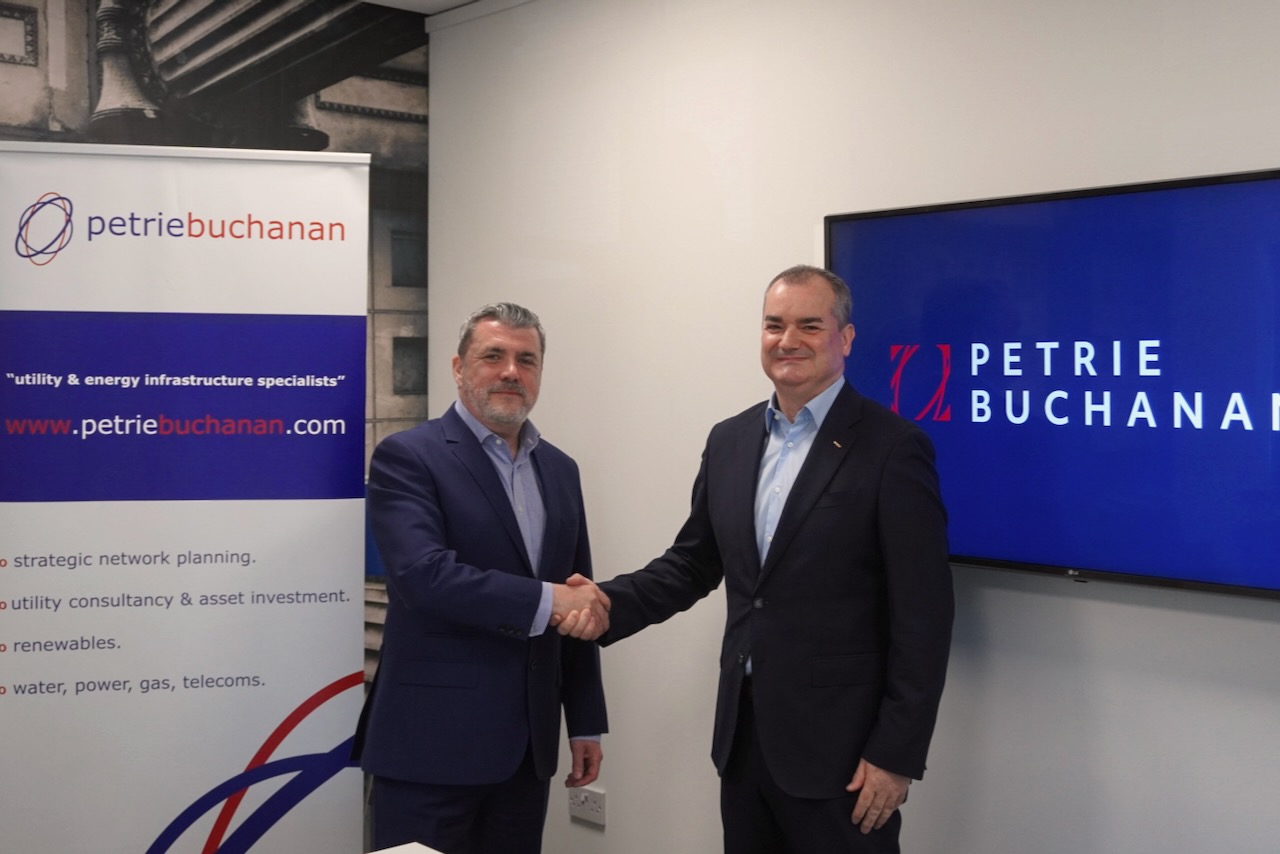
MEP engineering consultancy Wallace Whittle has acquired multi-utility infrastructure specialist Petrie Buchanan, founded in 2002 and focused on end‑to‑end utility design and management for housebuilders and developers. Petrie Buchanan will retain its brand, staff and directors, while Wallace Whittle plans office‑level “champions” to integrate workflows, upskill teams and coordinate with utilities companies and energy network operators. For project teams, the deal aims to create a single interface for MEP and multi‑utility design, potentially cutting programme delays linked to utility connections and diversions.