Geomechanics, Streamlined.
© 2026 Geomechanics.io. All rights reserved.
Iran’s war around the Strait of Hormuz has disrupted more than half of seaborne sulphur trade, shut in about 11 million barrels per day of crude and put 3–3.5 million tonnes of Middle East aluminium output at risk, driving sulphuric acid prices up 245% year-on-year and Europe’s duty-paid aluminium premium to a record $621/t. Indonesian HPAL nickel plants, which import roughly 75% of their sulphur from the Middle East, have already cut battery-feed output by at least 10%, while DRC leach operators face acid at $1,000–$1,400/t versus sub-$500 norms. Integrated sites with captive smelters, such as Ivanhoe’s Kamoa-Kakula producing 1,350 t/d of acid and selling Q1 volumes at $467/t then $725/t for June, are weathering the squeeze and in some cases monetising surplus, as European and US buyers also bid up Canadian aluminium to backfill lost Gulf supply.
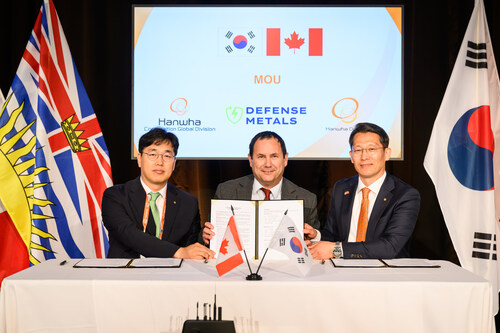
Defense Metals has signed a non-binding MOU with South Korea’s Hanwha Ocean to evaluate supplying rare earth materials from the Wicheeda project in British Columbia into Hanwha’s shipbuilding and marine engineering supply chain. The arrangement could include a direct offtake agreement for rare earth elements used in next‑generation defence and maritime technologies, as Canada advances a multibillion‑dollar submarine procurement. Hanwha is also considering an equity investment in Defense Metals, adding to its Canadian critical minerals links after MOUs with the Automotive Parts Manufacturers’ Association and Algoma Steel.
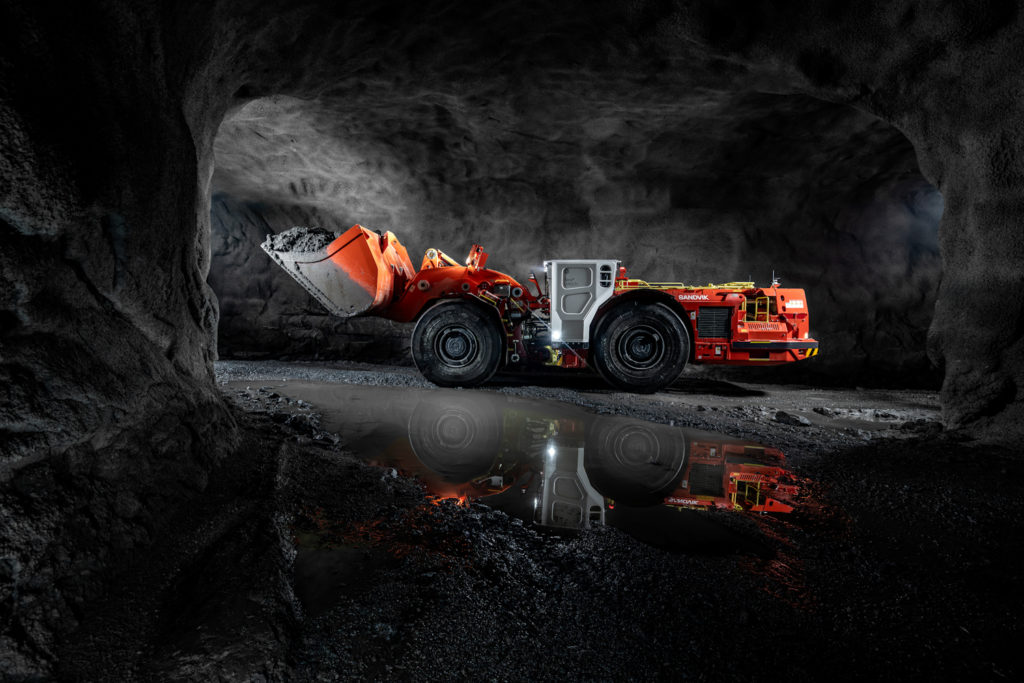
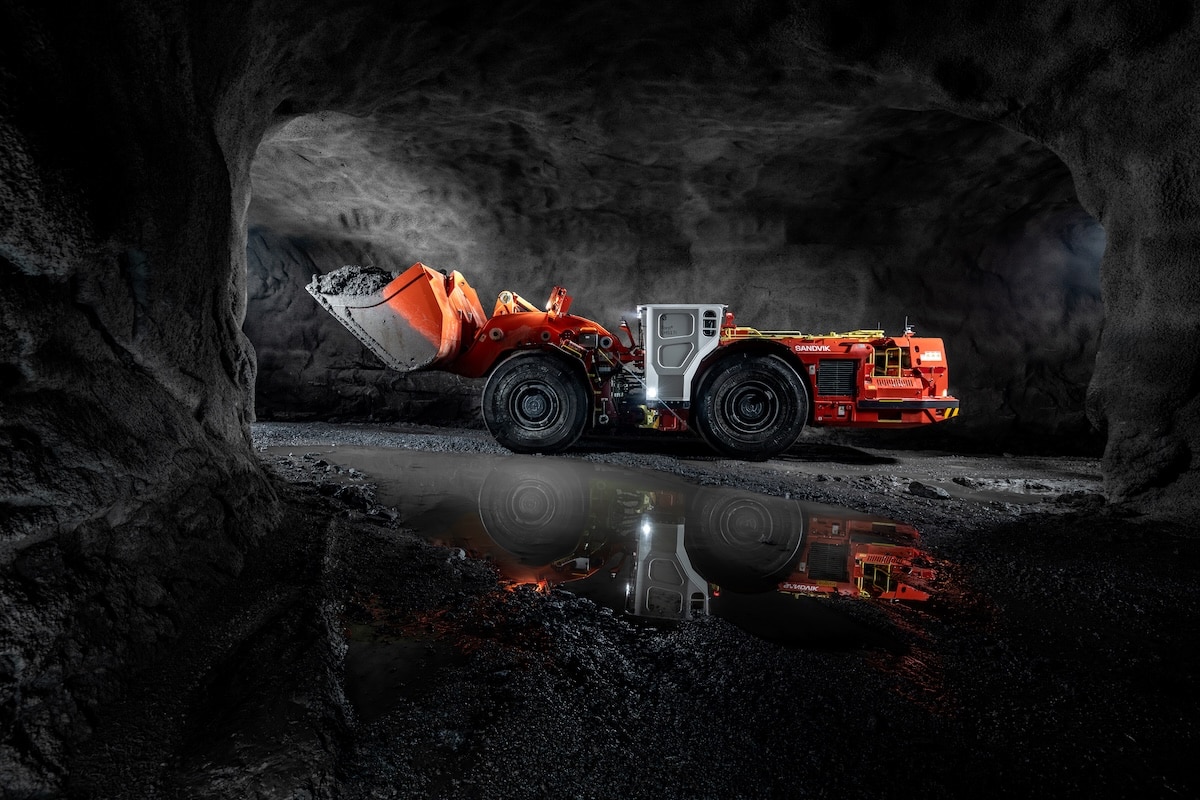
Sandvik has launched AutoMine Aura, a new underground automation platform built on a redesigned architecture with 3D perception, adaptive intelligence and “full situational awareness with zero blind spots”, reporting productivity gains above 15% in one of the world’s harshest underground mines. The system is fully compatible with existing mine networks and access-control systems, and initially targets underground loaders, allowing remote supervision and control of multiple machines to cut operator exposure to dust, noise and vibration. An intuitive interface is intended to improve real-time environmental awareness, with a public showcase planned at Sandvik’s “Future of Mining” event in Tampere, Finland, on 1–3 September.
Montage Gold is nearing first pour at its Koné open-pit project in Côte d’Ivoire, a 4‑million‑oz reserve operation with a 16‑year mine life, projected output of 349,000 oz/year for the first three years at sub‑US$1,000/oz AISC and a US$1.1 billion NPV (5%) with 31% IRR. The company is drilling 90,000 metres across satellite deposits within a 75 km trucking radius to lift throughput towards 400,000 oz/year by 2027 and displace lower‑grade ore in the mine plan. Parallel 40,000‑metre drilling at the 989,000‑oz Didievi project and new greenfield permits in Mauritania and Guinea signal a push to a multi‑asset West African gold platform.
Ionic Rare Earths has signed binding sales agreements and a non-binding MoU with Florida-based Advanced Magnet Lab to supply neodymium/praseodymium and dysprosium oxides into AML’s US Defense Logistics Agency-backed programme for high-grade sintered NdFeB magnets. IonicRE will feed AML’s PM-Wire manufacturing platform and deploy its patented Belfast-based magnet recycling technology to recover REOs from swarf and pre-consumer waste, aiming to “close the loop” on magnet inputs. The deal targets secure, traceable, ex-China rare earth supply for domestically produced military drone motors and other US defence equipment.
Quad partners United States, Japan, Australia and India have launched a Quad Critical Minerals Initiative to mobilise US$20 billion in public and private finance across mining, processing and recycling to reduce reliance on China-centred supply chains. Projects must show a “Quad nexus” by being located in, operated from, or supplying Quad markets, with support channelled via export credit agencies, development finance institutions, guarantees, loans, equity and offtake agreements. The partners will coordinate on permitting practices, geological mapping, resource assessment and e-waste recovery to tighten technical and regulatory alignment across the supply chain.
Macmahon Holdings’ underground subsidiary has secured a 12‑month extension to provide underground mining services at Black Cat Syndicate’s Majestic gold mine in Western Australia, following successful establishment of the underground portal and first access. The contract continues Macmahon’s role in developing stopes beneath the existing open pit, using conventional drill‑and‑blast with truck haulage to surface. For contractors and owners, the extension signals confidence in portal ground support design, early development performance and the viability of Majestic’s underground orebody.
FLS has inaugurated a US$15 million expansion of its Karaganda service centre in Kazakhstan, its main regional hub since 2015 for maintaining and refurbishing mineral processing equipment. The enlarged facility supports onsite services, precision machining, testing, repair and refurbishment across a wide range of FLS flowsheet products, from comminution to separation equipment. For Central Asian mines, the upgrade should shorten overhaul lead times and reduce reliance on overseas workshops for critical mill, crusher and process plant components.
Volvo Trucks India has launched the Volvo FMX Edge, a new-generation off-road dump truck for mining, at its Hoskote manufacturing facility near Bengaluru in front of key mining customers and executives from Volvo Trucks and VE Commercial Vehicles. Positioned for overburden and ore haulage in Indian surface mines, the FMX Edge builds on the FMX platform with higher payload capability and improved fuel efficiency tailored to long, high-gradient haul roads. The model targets lower cost per tonne through optimised driveline, reinforced chassis and uptime-focused service support.
Australia’s latest Federal Budget commits a further $12.1 billion to new transport and infrastructure works even as Consult Australia warns that current procurement and risk allocation models are locking in multi‑billion‑dollar overruns before construction starts. The warning follows the scaling back of the Inland Rail programme after costs blew past $45 billion, with scope creep, fragmented governance and poorly defined early‑stage business cases cited as key drivers. For engineers and contractors, the piece argues for earlier constructability input, realistic risk pricing and staged investment gates to restore cost certainty on major road and rail corridors.
WT is expanding its digital project controls to give asset owners near real-time visibility of cost, schedule and risk across multi‑billion‑dollar transport and civil infrastructure programmes, building on its quantity surveying and project advisory work. Integrated dashboards consolidate data from planning, procurement and delivery systems, replacing static monthly reports with live variance tracking and forecast out‑turn costs. For geotechnical and civil teams, this means earlier warning of scope creep, ground risk contingencies and interface clashes, tightening change control on complex major works.
Reconstruction of the Palmerston Highway in Far North Queensland has been completed, restoring a critical freight corridor that was severed by two major landslides. The works, jointly funded by the Australian Government and Queensland Government under the Disaster Recovery Funding Arrangements (DRFA), focused on stabilising the slope and reinstating the highway’s heavy-vehicle capacity. DRFA-funded repairs are continuing across the region to address broader geotechnical damage from ex-Tropical Cyclone Jasper, signalling prolonged remediation needs on other state-controlled routes.
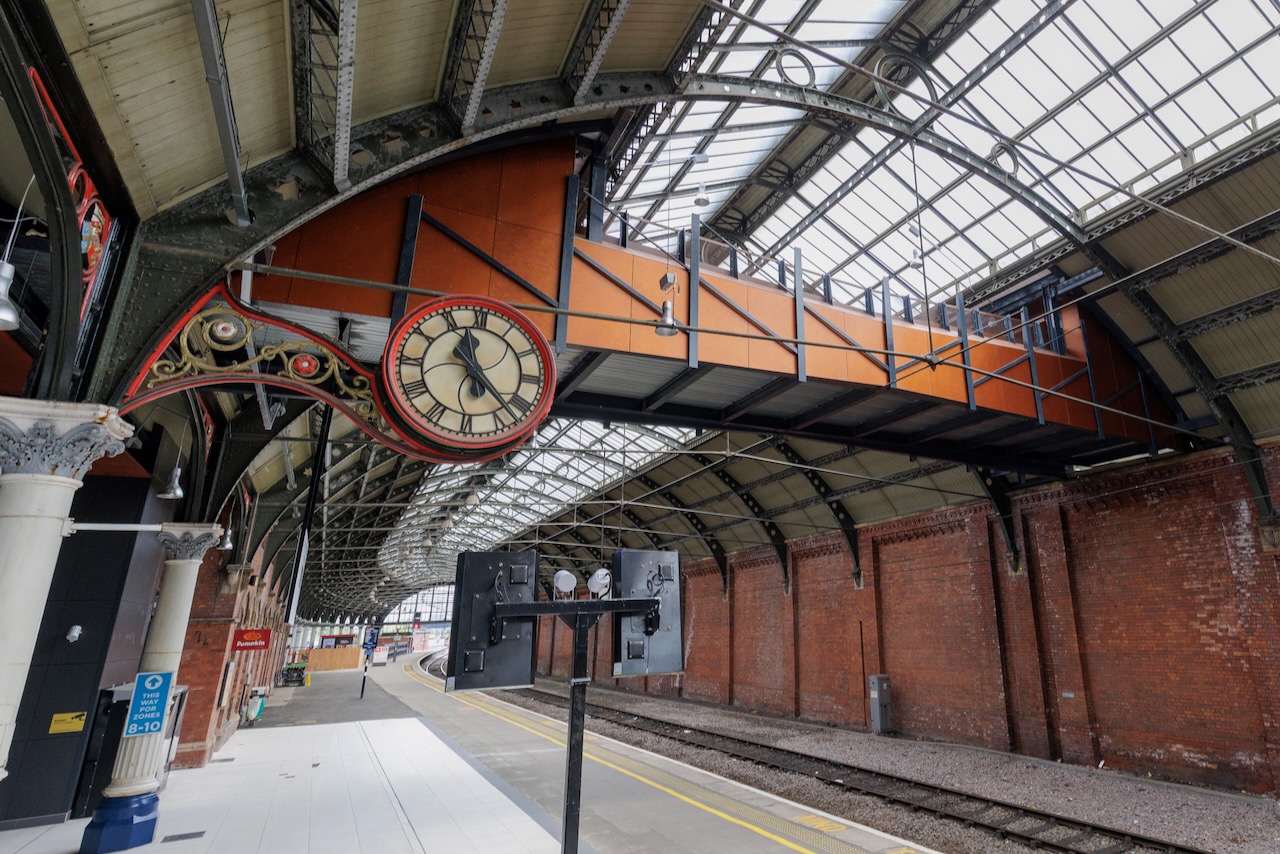
BAM UK & Ireland has completed the expansion of Darlington’s Grade II-listed station, adding two new platforms and a 50‑tonne footbridge that provides step‑free access while the station remained fully operational. The steel footbridge was delivered in two sections, assembled outside the building and then precision‑slid through temporary openings in the Victorian roof to avoid damaging heritage fabric. Works also include a new eastern concourse, escalators and lifts, a multi‑storey car park with 600+ spaces and EV charging, and upgraded cycle routes and secure bike shelters.
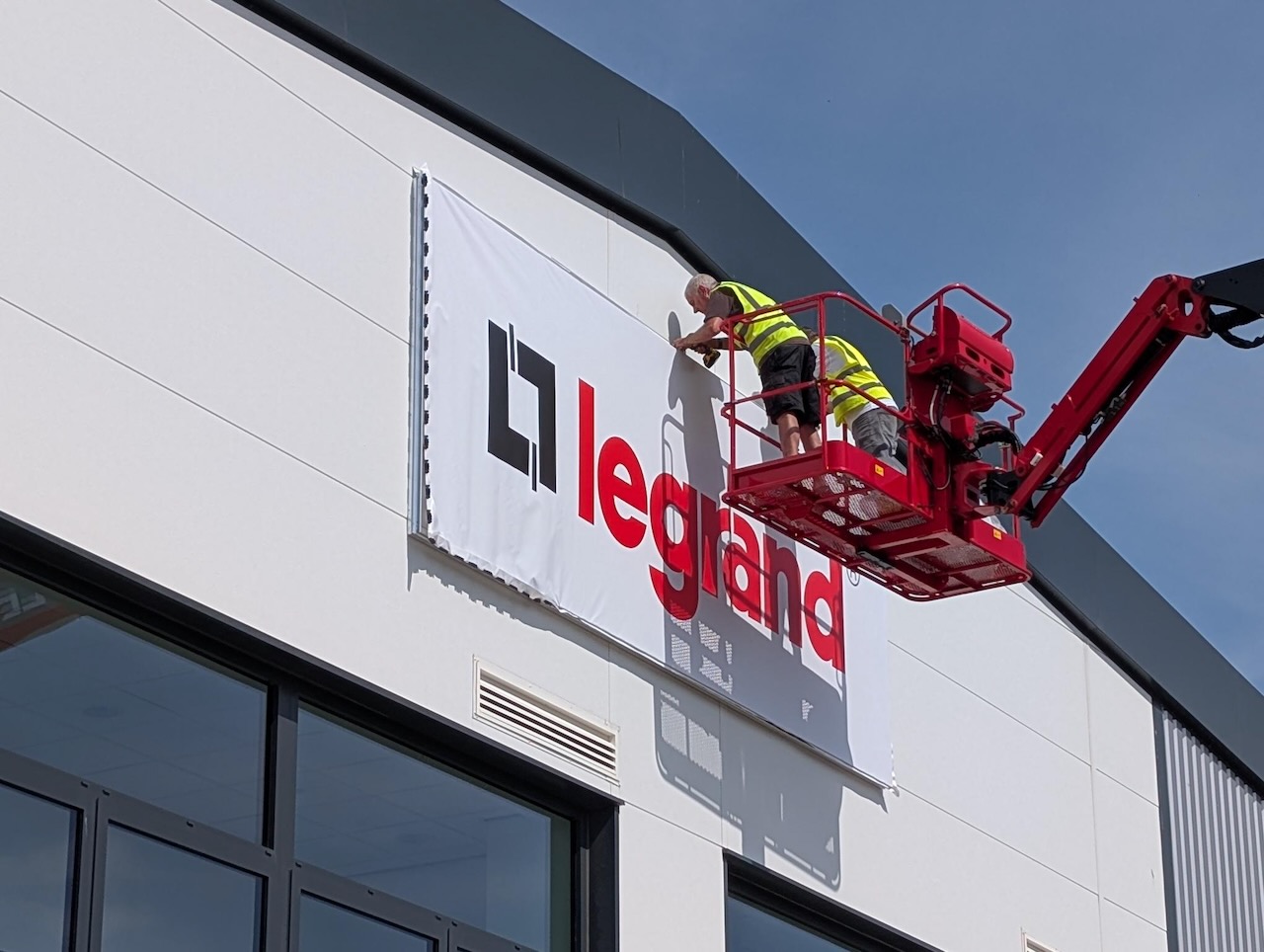
Legrand has opened a new gas-free factory in Cramlington, Northumberland, to manufacture CP Electronics lighting controls and Legrand Care products, using a site-wide high‑efficiency air source heat pump system to eliminate direct Scope 1 emissions. A 163 kWp rooftop solar PV array is designed to generate about 128,000 kWh per year, backed by digital energy metering, EV charging infrastructure, sustainable drainage, permeable paving and high‑performance insulation. The building is fitted extensively with Legrand’s own Linea 5000 door entry panels and cable management systems as a live reference installation.
Staticus has been appointed to deliver the façade package for Vista South Bank, a 60,000 m² redevelopment of the former ITV Studios site on London’s riverside comprising a 25-storey office tower linked to 14- and six-storey buildings, targeting opening in 2029. The scheme uses a Closed Cavity Façade with high-spec, low-iron glazing in stacked “sugar cube” primary elevations, plus darker recessed single-skin façades, to maximise transparency while controlling thermal gain. Designed to support a 5 Star NABERS rating and BREEAM Outstanding, the envelope incorporates openable windows, horizontal shading fins, insulated opaque zones, high-span stick curtain walling, bolt-on steel balconies and living green walls.
Woodalls has appointed Dana Serrano as head of construction, Europe, tasking her with scaling its European construction operations and standardising delivery across multiple territories for a growing international client base. Serrano brings over 23 years’ experience delivering large workplace, retail, hospitality, and life sciences schemes, including Deutsche Bank’s 10,000 sq m Paris headquarters fit out and Louis Vuitton’s flagship Avenue Montaigne store. She previously held senior roles at Unispace and ISG, leading multidisciplinary teams across France, Belgium, the Netherlands, and Luxembourg for clients such as Cartier, Hermès, Blackstone, Pfizer, Boston Scientific, and Nike.
A2Dominion is committing £16m over the next few years to upgrade existing housing stock with improved insulation, ventilation and heating systems, targeting homes with the lowest Energy Performance Certificate (EPC) ratings first. Since 2019, the proportion of its homes rated EPC A–C has risen from 56% to 81%, with further works planned including modern windows and doors, phasing out older gas boilers and installing more efficient, lower‑cost heating. The programme also includes measures to limit overheating, manage heavy rainfall and flooding, and provide residents with practical energy‑saving guidance.
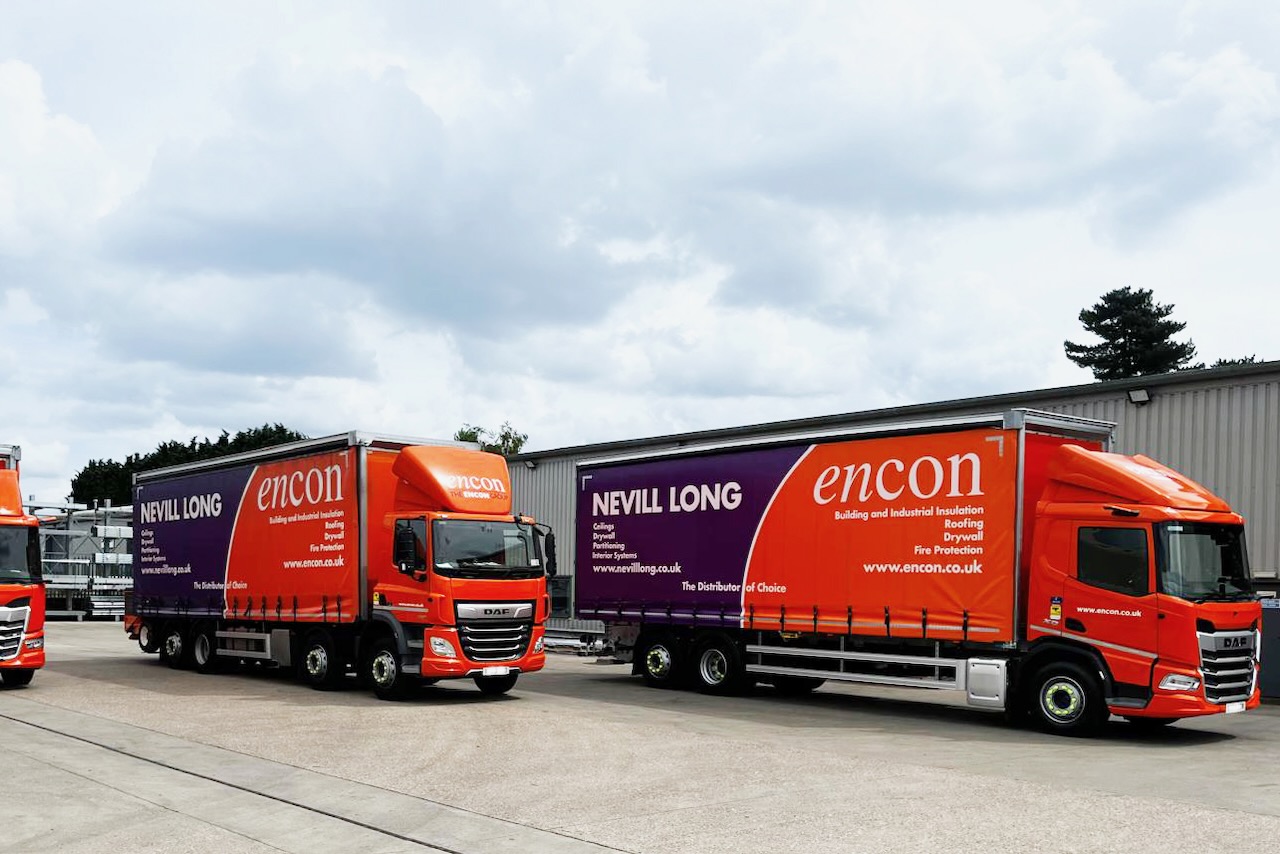
Encon has merged its Newmarket depot into the Encon & Nevill Long Thetford branch, creating a single “Total Solutions” site serving Suffolk, Norfolk and Cambridgeshire from a facility exceeding 80,000 sq ft with strong trunk-road links. The Thetford site, opened in 2021, is ISO 19443 accredited for nuclear supply-chain quality and is positioned to service major projects including Sizewell C. Customers can now source groundworking products through to interior systems from one hub, with Newmarket branch director Jon Pease becoming Site Director for Encon & Nevill Long East Anglia.
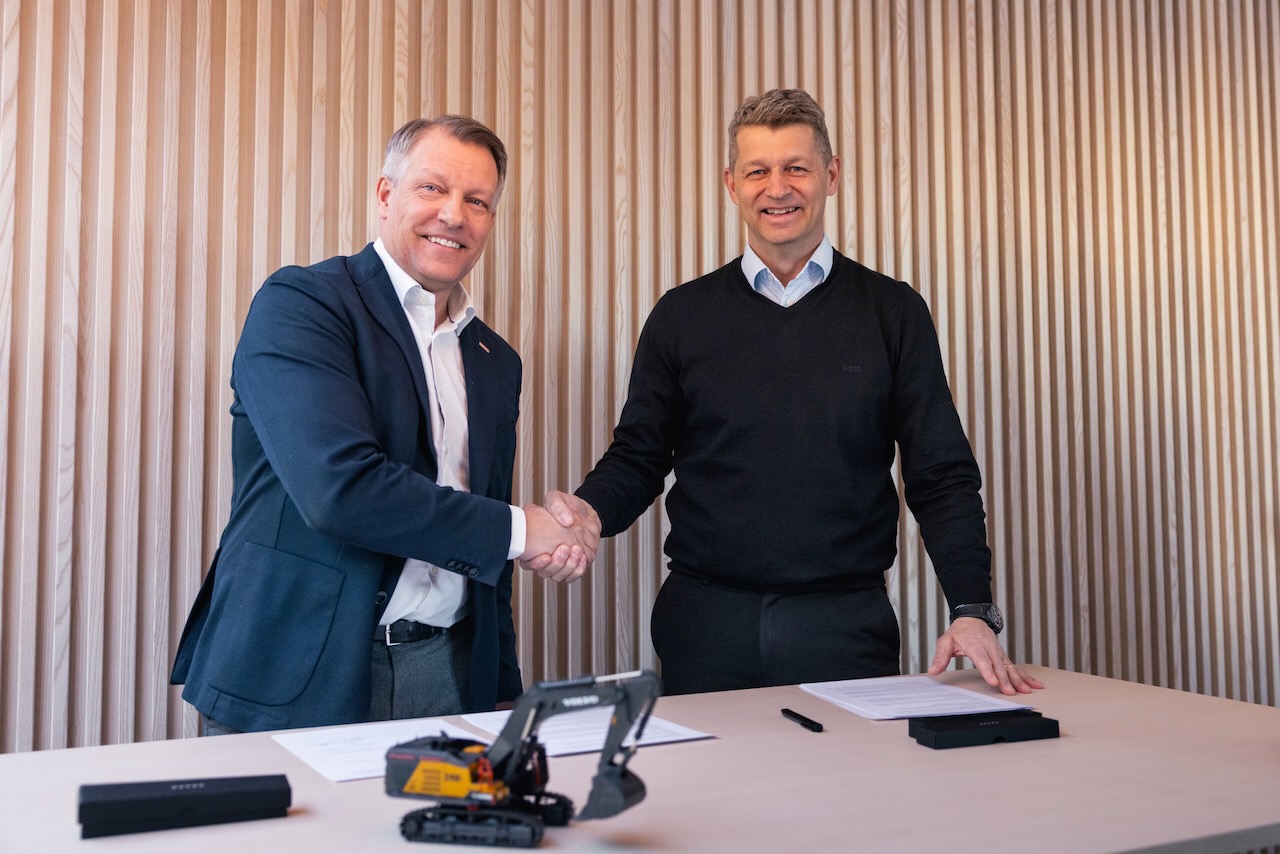
Volvo Construction Equipment and Hitachi Energy have signed a non‑exclusive collaboration to move from standalone electric machines to fully integrated, zero‑emission construction and manufacturing sites, combining Volvo’s electric excavators, wheel loaders and material handlers with Hitachi’s grid integration and energy management systems. The partners will develop end‑to‑end concepts covering clean power supply, site‑level energy management and system integration across plant and temporary electrical infrastructure. For contractors, the focus shifts from buying individual battery‑electric units to designing whole‑site electrical ecosystems and execution plans with a single integrated technical approach.
Sandvik has launched AutoMine Aura, a next-generation underground automation platform that overhauls its 20‑year‑old AutoMine system with full situational awareness and a new software architecture. The platform is designed to coordinate mixed fleets of loaders and trucks across multiple levels, integrating collision avoidance, real‑time 3D visualisation and high‑precision localisation over mine‑wide networks. For engineers, the key shift is from machine‑centric automation to a mine‑wide, data‑driven control layer that can support higher traffic densities and more complex autonomous haulage layouts.
RZ Resources has secured New South Wales Government development approval for its $693 million Copi critical minerals project in the state’s far south-west, about 75km north-west of Wentworth and 180km south-west of Broken Hill, targeting first production in early 2029. The project will produce zircon, rutile and rare earth elements from strandline-style mineral sands, positioning Copi within an established Murray Basin mining corridor with existing haulage and export infrastructure. Geotechnical and civil design will need to address arid-zone tailings storage, groundwater management and long-distance power and road access in a remote environment.
Lynas Rare Earths chief executive and managing director Amanda Lacaze has been appointed chair of the Minerals Council of Australia, placing a rare earths producer at the centre of the country’s peak mining lobby. Her appointment comes as the MCA pushes for streamlined project approvals, stable royalty and tax settings, and large-scale investment in processing capacity for critical minerals such as neodymium–praseodymium. For geotechnical and mining engineers, this signals continued policy pressure to accelerate new pit developments and brownfield expansions in hard-rock rare earth and base metal deposits.
Brightstar Resources has approved the final investment decision for its Goldfields project in Western Australia, enabling full-scale construction of a new 1.5 million‑tonne‑per‑annum gold processing plant at Laverton. The go‑ahead follows receipt of key regulatory clearances, including Mining Development and Closure Proposal approval from the WA Department of Mines, Petroleum and Energy. Plant design, tailings storage and closure planning will now move from study phase to detailed engineering and execution, locking in long‑lead procurement and contractor mobilisation across the Laverton hub.
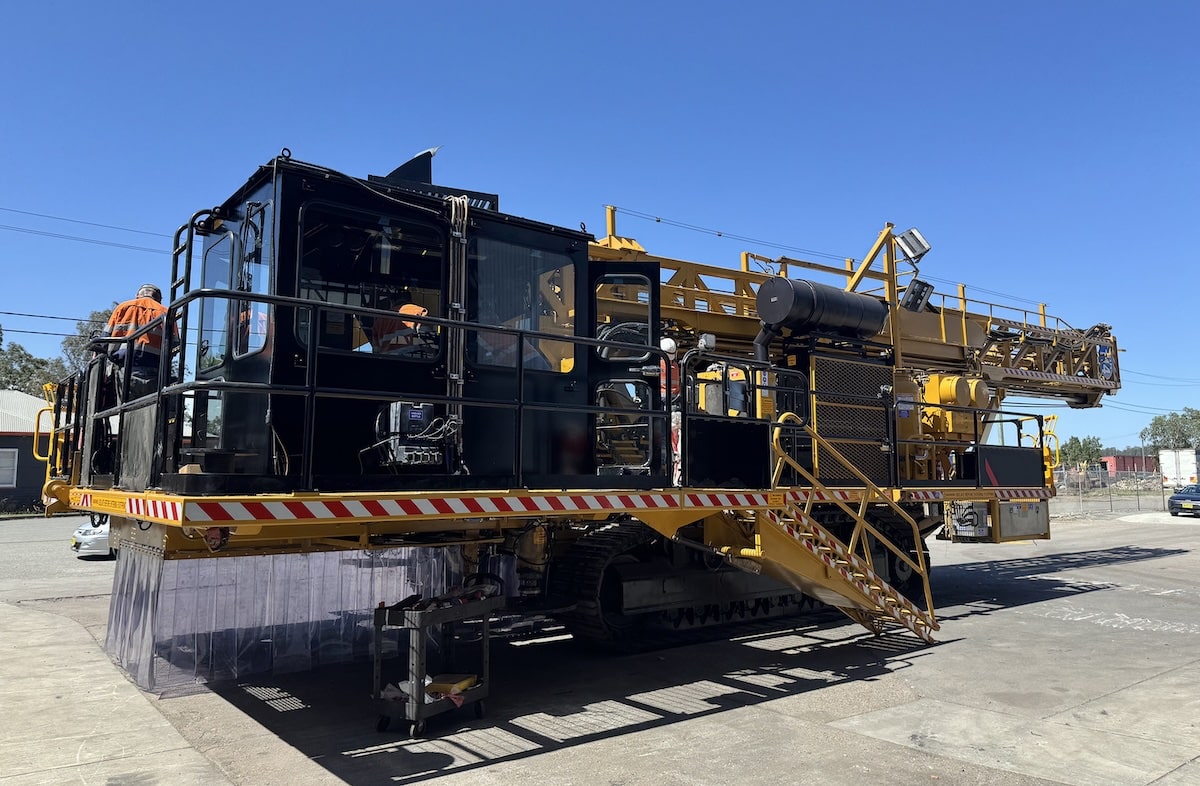
Ageing blast-hole drill rigs on Australian mine sites are being put through structured overhauls by Motion Australia once reactive repairs become uneconomic and reliability drops. The programme uses condition monitoring data, detailed component inspection and controlled workshop execution to rebuild key systems such as rotary heads, feed assemblies and undercarriages rather than relying on ad hoc field fixes. For maintenance planners, the approach shifts spend from frequent unplanned shutdowns to scheduled rebuild intervals, extending rig service life and stabilising drilling availability.