Wolffkran crane operators’ £66k strike: programme and safety impacts for projects
Reviewed by Joe Ashwell
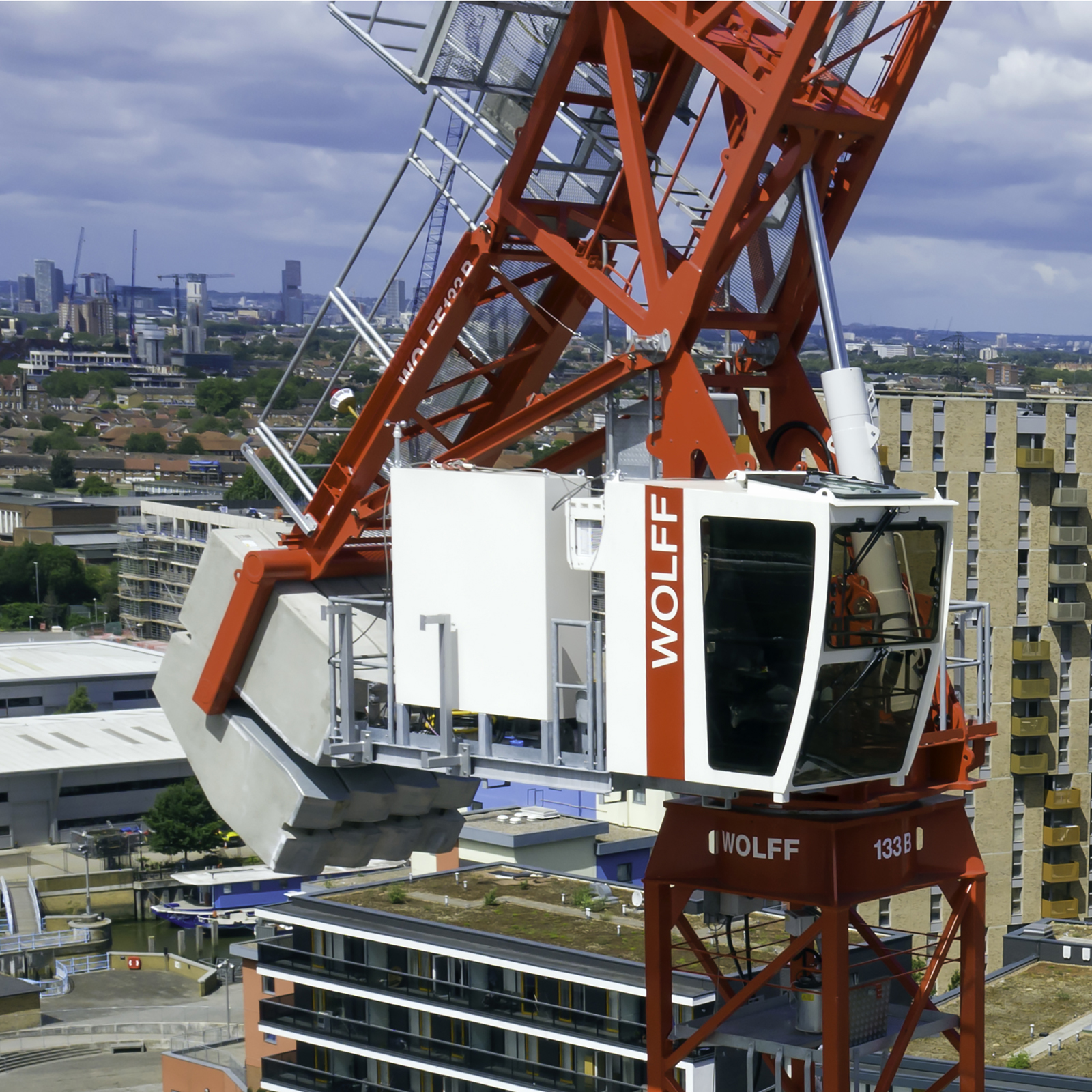
First reported on The Construction Index
30 Second Briefing
Around 100 Wolffkran tower crane operators, averaging nearly £66,000 a year with top earners just under £110,000, have begun intermittent strike action across major UK projects including the Grenfell Tower deconstruction, Cambridge Science Park and the new ECMWF headquarters in Berkshire. Operators, whose par rates have risen 38.3% over 10 years but been frozen for the past three, have rejected the latest pay offer and will select strike days fortnightly to maximise disruption. Wolffkran, which has seen crane utilisation fall 26% and hire fleet drop about 40% since 2016, blames Unite’s “inflexibility” for the dispute.
Technical Brief
- First strike day fixed as Tuesday 27 January, with subsequent stoppages scheduled on a fortnightly cycle.
- Strike days will be chosen independently by members at each site to maximise operational disruption to lifting sequences.
- Wolffkran UK operates a fleet of more than 220 tower cranes across major multi‑storey and complex sites.
- Affected schemes include Grenfell Tower deconstruction, Cambridge Science Park and the ECMWF headquarters build in Berkshire.
- Company reports crane utilisation down 26% since 2016, materially reducing available lifting hours for hire.
- Number of cranes on hire has fallen by around 40% since 2016, shrinking revenue base against wage costs.
- Average rental rates have dropped 20–25% depending on crane model, compressing margins on high‑risk lifting operations.
- Pay rates have increased by approximately 38% since 2015, outpacing both utilisation and rental rate trends.
Our Take
The related 14 January piece on Wolffkran UK’s ballot shows this dispute has been building for weeks, so contractors on schemes like Grenfell Tower deconstruction and the ECMWF Berkshire HQ have had some lead time to plan contingencies rather than facing a sudden stoppage.
Our infrastructure coverage for the UK rarely features quantified drops in plant utilisation as sharp as Wolffkran UK’s 26% utilisation and ~40% cranes-on-hire reduction since 2016, signalling that tower crane supply-demand dynamics are under unusual pressure compared with other site equipment segments.
With average rental rates reportedly down 20–25% while operator pay has risen about 38% since 2015, main contractors relying on Wolffkran’s 220-strong fleet may face upward pressure on crane day-rates once this dispute settles, particularly on high-profile, safety-critical projects where switching suppliers mid-programme is difficult.
Prepared by collating external sources, AI-assisted tools, and Geomechanics.io’s proprietary mining database, then reviewed for technical accuracy & edited by our geotechnical team.
Related Articles


Related Industries & Products
Construction
Quality control software for construction companies with material testing, batch tracking, and compliance management.
Mining
Geotechnical software solutions for mining operations including CMRR analysis, hydrogeological testing, and data management.
QCDB-io
Comprehensive quality control database for manufacturing, tunnelling, and civil construction with UCS testing, PSD analysis, and grout mix design management.