Geomechanics, Streamlined.
© 2026 Geomechanics.io. All rights reserved.
British Columbia’s 2019 Declaration on the Rights of Indigenous Peoples Act (DRIPA) is creating legal uncertainty for miners, with West High Yield Resources’ C$30-million Record Ridge magnesium project halted for six weeks by an injunction despite an agreement with the Osoyoos Indian Band and now facing downriver opposition from a US-based First Nation. A December BC Court of Appeal ruling found the Mineral Tenure Act’s automated claim-staking inconsistent with UNDRIP and confirmed courts can test DRIPA compliance, prompting a Supreme Court of Canada appeal due for responses by 24 September. While exploration and evaluation spending in BC hit a record C$751 million in 2025, AME and financiers warn unclear FPIC and consultation requirements are delaying the “next wave” of junior projects and complicating ground-disturbance permitting.
Hudbay Minerals has secured SENACE approval to lift Constancia’s nominal mill capacity from 31 to 34 mtpa, the fifth amendment to the mine’s environmental permit since operations began in 2014. The new authorisation, aligned with Peru’s Ministry of Energy and Mines rules, also preserves flexibility to run up to 10% above the 34 mtpa limit on a daily basis, after the site processed 30.3 and 31.9 million tonnes of ore in the past two years. Constancia produced 85,155 tonnes of copper in 2025, plus gold, silver and molybdenum by-products.
Almonty Industries has started processing stockpiled run-of-mine ore at its newly commissioned Sangdong tungsten plant in Gangwon, South Korea, moving the historic underground mine into revenue-generating operations. The company has built up about 139,700 tonnes of stockpiled ore at a blended 0.25% WO₃, with contained tungsten valued at roughly $68 million, equivalent to 2.6 months of Phase I feed at current prices. Sangdong, with a stated mine life of more than 45 years and average reserve grade of 0.51% WO₃, is expected to supply around 40% of ex-China tungsten demand at full capacity.
The US Department of Energy has awarded US$75 million to five pilot projects in North Dakota, New York, Pennsylvania, Indiana and Missouri to recover rare earth elements and other critical materials from coal and coal-based feedstocks. University of North Dakota, Valor Metals, CONSOL Innovations, American Resources Corporation and Peabody Energy will target market-ready outputs including rare earths plus germanium, gallium and aluminium, under management by the National Energy Technology Laboratory. The awards form part of a US$275 million programme and a wider near‑US$1 billion push to scale domestic critical minerals technologies.
Newcore Gold’s 80,000-metre diamond drill programme at the Nyam deposit, part of the Enchi project in Ghana, has returned above-reserve grades below existing pit shells, including 3.51 g/t gold over 21 metres from 245 metres (with 5.91 g/t over 9 metres) and 1.40 g/t over 21 metres from 317 metres. The project currently carries probable reserves of 51.3 million tonnes at 0.64 g/t (1.05 million oz.) within an indicated resource of 83.6 million tonnes at 0.56 g/t (1.5 million oz.). A new PFS, based on open-pit milling and CIL, outlines nine years at 104,000 oz./year (NPV US$496 million, IRR 37%), with analysts SCP and Haywood seeing scope for 130,000–140,000 oz./year if deeper high-grade ounces are drilled into the mine plan.
Boliden is in talks to buy Votorantim’s 64.7% controlling stake in zinc producer Nexa Resources, a deal flagged at about 7 billion reais ($1.4 billion) that would expand Boliden’s base metals portfolio into Brazil and Peru. Nexa operates five polymetallic mines, including Cerro Lindo in Peru, and three smelters, giving Boliden potential access to integrated zinc, lead and by-product capacity across two key Latin American jurisdictions. Nexa’s shares rose 2.8% in after-hours trading, valuing the company at roughly $1.8 billion, but both parties warn there is no certainty of completion.
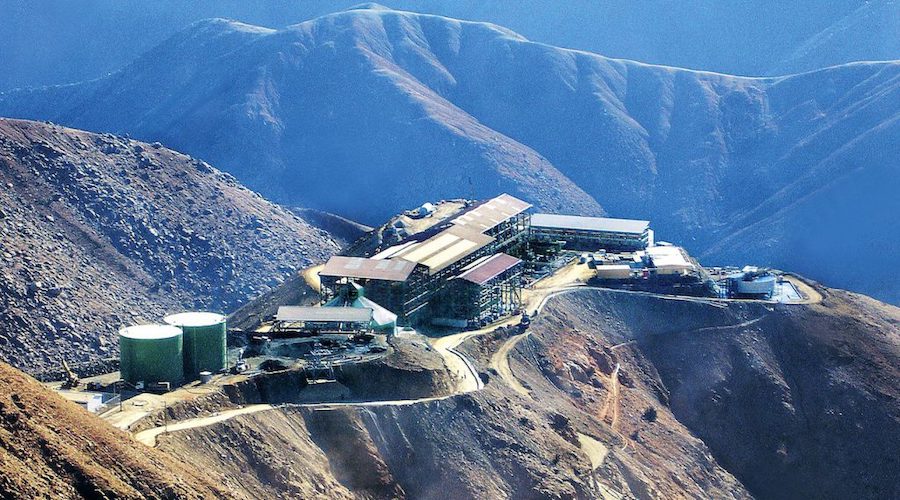
BHP is seeking to restart the Cerro Colorado copper mine in Chile with a $1.5 billion plan centred on a new environmental permit and a 20‑year mine life. The proposal replaces contested groundwater use with leaching technologies supplied by treated wastewater pumped over more than 100 km from Alto Hospicio via a dedicated pipeline across the Atacama Desert. For engineers, the key issues will be permitting risk, long-distance water pipeline design in hyper‑arid terrain, and integration of seawater-desalination and wastewater streams into heap leach circuits.
Seequent’s OpenGround Civil 3D Extension links live geotechnical data from OpenGround into Autodesk Civil 3D, allowing borehole logs, interpreted strata and lab test results to update directly within corridor, grading and earthworks models. Designers can generate 3D ground models, cross-sections and surfaces that automatically reflect new investigations, rather than relying on static AGS or CSV imports. The workflow reduces manual rework and helps geotechnical and civil teams keep alignments, cut/fill volumes and foundation layouts consistent with the latest ground model.
Orica Digital Solutions’ BlastIQ™ Underground platform is being used at two underground mines on different continents to replace fragmented drill-and-blast workflows built on spreadsheets, paper plans and disconnected charging logs. By centralising design, charging and firing data in a single digital system, engineers can track hole-by-hole compliance, explosives usage and blast outcomes in near real time, improving reconciliation between design and as-built conditions. The case studies point to fewer misfires and re-drills, more consistent fragmentation and clearer accountability across drill, charge and production teams.
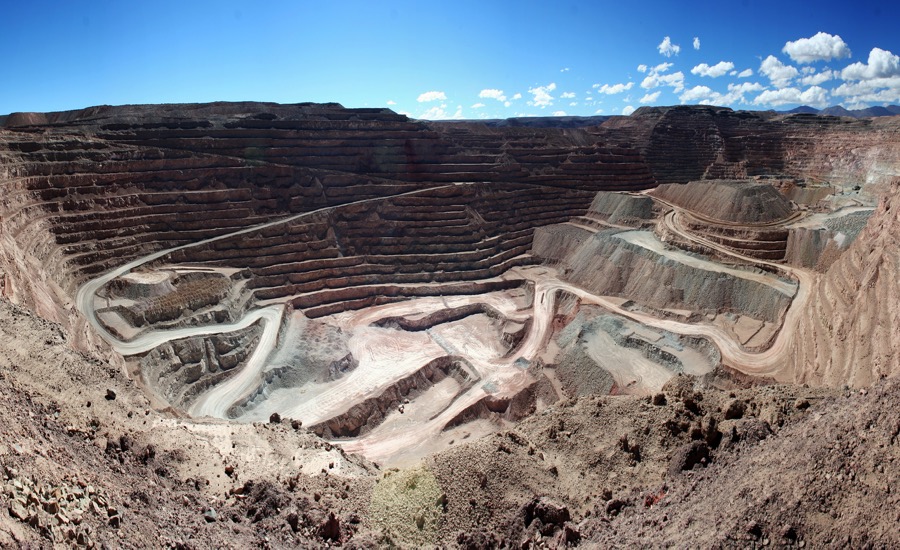
Sierra Gorda, the Chilean open-pit copper mine in which South32 holds a 45% interest, has approved construction of a fourth grinding line following a completed feasibility study. The brownfield plant expansion is designed to lift processing capacity by about 25%, debottlenecking the existing concentrator rather than adding new mining fronts. For process and geotechnical teams, the project signals higher mill throughput demands on existing tailings and water circuits, with scope for re-optimising grinding media, liner wear strategies and cyclone classification.
LGMG is partnering with autonomous driving specialist Boonray to develop the RTE156, a factory‑fitted autonomous, battery electric mining truck aimed at the Chinese surface mining market. The collaboration integrates Boonray’s AHS stack directly into LGMG’s haul truck platform, avoiding aftermarket retrofits and allowing tighter control of drive‑by‑wire, perception and fleet management systems. For mine operators, the model signals growing availability of OEM‑level autonomous electric haulage options that can be specified at purchase and tuned to local duty cycles and ramp profiles.
ACG Metals has reported sustained improvement in gold recovery at the Gediktepe mine in Türkiye after introducing a proprietary heap leaching process, already patented locally and in progress across 35 other jurisdictions. The new metallurgical approach is applied as an additional product within the existing recovery circuit rather than a full plant redesign, targeting higher extraction from oxide ore heaps. For engineers, the key point is a process-intensification route to lift recoveries on current pads, potentially deferring major capital for new leach infrastructure.
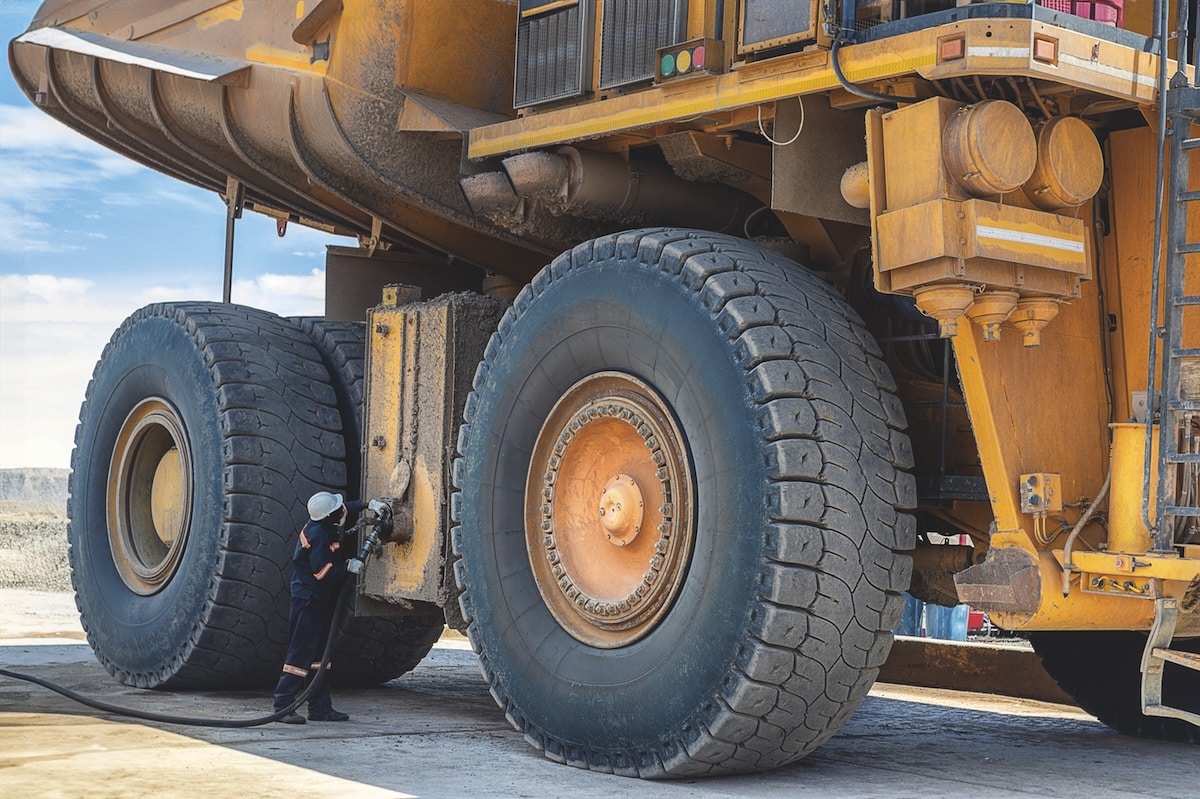
A large South American copper mine has increased crusher availability to production by 2.2% after switching the bushing gear oil to a formulation supplied by Lubrication Engineers. The change also cut lubricant consumption by 83%, delivering direct cost savings alongside reduced handling and storage requirements. For reliability engineers, the case underlines the impact of lubricant selection on crusher uptime without major mechanical modifications.
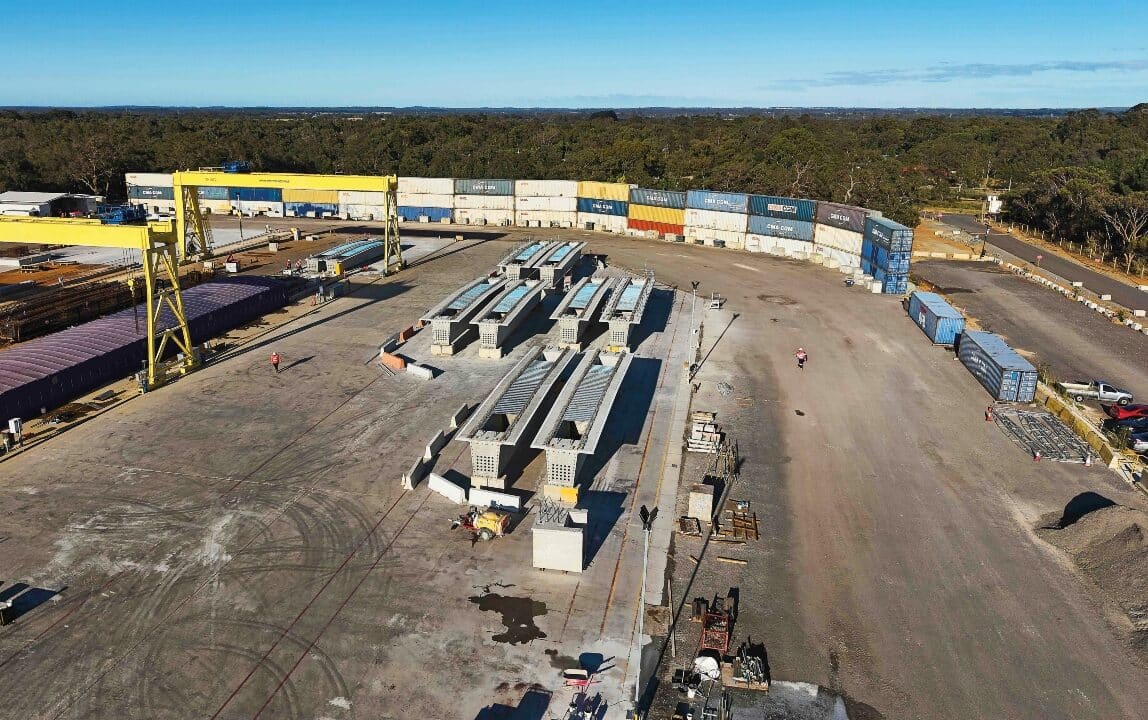
Western Australia’s circular-economy approach is pushing low‑carbon concrete from trials into major road and bridge works by combining precast elements with alternative binders and recycled aggregates to cut Portland cement use. State agencies, local councils and suppliers are jointly validating mixes through performance‑based specifications, durability testing and field pilots rather than prescriptive cement limits. For designers and contractors, the shift means earlier materials engagement, more emphasis on embodied‑carbon baselines, and careful verification of curing, strength gain and long‑term durability for precast infrastructure components.
International No-Dig Auckland has confirmed Auckland Council as an official industry partner for the 28–29 October 2026 trenchless technology conference in New Zealand. The event will focus on pipeline installation and rehabilitation methods that minimise open-cut excavation, directly relevant to the Local Water Done Well reforms reshaping council-owned three‑waters infrastructure. For geotechnical and civil teams, the partnership signals strong local authority interest in trenchless solutions for urban networks with constrained corridors, ageing assets and tight environmental conditions.
New South Wales and the Federal Government are jointly committing $30 million to progress planning for upgrades along the M1 Pacific Motorway between Tweed Heads and Byron Bay, with $15 million allocated in the NSW 2026–27 State Budget to match Commonwealth funding. The package will fund traffic modelling, concept designs and economic assessments for the coastal motorway corridor, which carries heavy freight and tourist traffic between south-east Queensland and northern NSW. Outcomes will guide future widening, interchange upgrades and safety treatments, influencing geotechnical investigations, pavement design and drainage requirements in a high-rainfall coastal environment.
Federal Resources Minister Madeleine King has endorsed Alcoa’s proposed $5.9 billion acquisition of South32’s aluminium assets, calling it a vote of confidence in Australia’s resources and downstream manufacturing base. Alcoa has signed a binding conditional agreement to buy South32’s interests in a portfolio spanning bauxite, alumina and aluminium, including the Worsley Alumina refinery in Western Australia. The deal would consolidate ownership across the integrated bauxite–alumina–aluminium chain, with implications for long-term mine planning, refinery throughput and domestic smelting capacity.
Northern Star Resources has appointed Glencore executive Suresh Vadnagra as its next managing director and chief executive officer, with the transition from long-serving CEO Stuart Tonkin scheduled for 5 October 2026 after a comprehensive global search. The ASX-listed gold producer, which operates large-scale assets including Kalgoorlie Consolidated Gold Mines in Western Australia, also confirmed it has met its revised FY26 production guidance. Leadership continuity and delivery against updated output targets will be central to ongoing capital allocation, mine planning and brownfields expansion decisions across its Australian gold portfolio.
Beacon Minerals has completed its largest drilling campaign to date at the Iguana deposit, part of the Lady Ida gold project in Western Australia, with final reverse circulation results now in from 195 RC holes. The program was focused on resource definition drilling, tightening hole spacing across the Iguana orebody to improve geological confidence and future mine planning. Results will feed into updated block models and pit designs, directly influencing geotechnical parameters, strip ratios and scheduling for potential open-pit expansion.
H2Boost is being promoted as a retrofit hydrogen‑diesel dual‑fuel system that injects on‑demand hydrogen into existing diesel engines to improve combustion and cut emissions without replacing trucks or loaders. The system supplements diesel with small hydrogen volumes generated or stored on site, targeting large mining haul fleets where full battery or trolley‑assist conversion is currently cost‑prohibitive. For mine operators, the key questions are integration with existing fuel supply, engine warranty implications, and quantifying real‑world NOx, particulate and CO₂ reductions under high‑load duty cycles.
Westgold Resources has sold the Peak Hill Gold Project in Western Australia to Great Boulder Resources for $54.4 million, converting the asset into cash, equity and a retained gold royalty. The structure gives Westgold an immediate balance-sheet boost while keeping exposure to any future open-pit or underground development at Peak Hill through a major shareholding and production-linked payments. For mine planners and financiers, the deal illustrates a hybrid divestment model that monetises non-core ounces without fully exiting the geological upside.
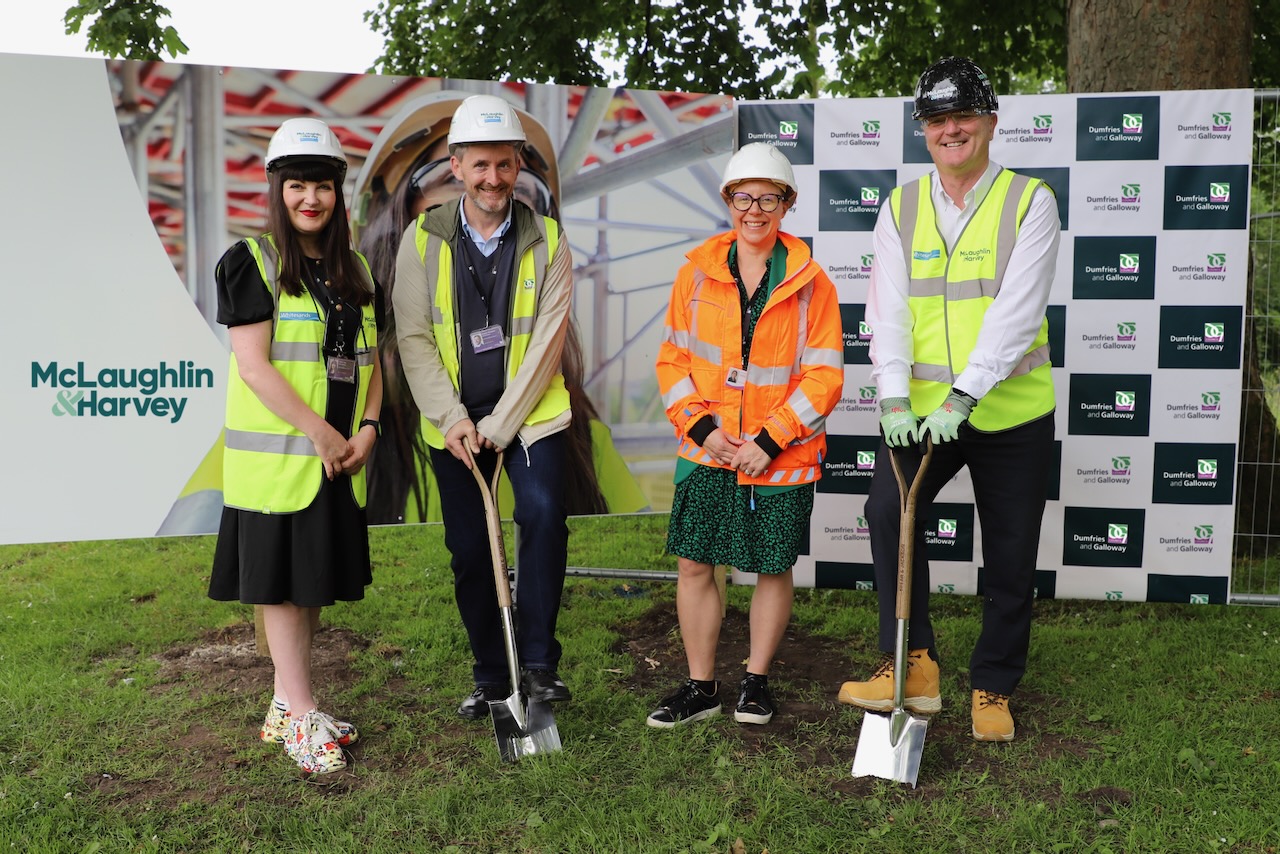
Work has started on the Whitesands Flood Protection Project in Dumfries, with Dumfries and Galloway Council working alongside contractor McLaughlin & Harvey, project manager Turner & Townsend, and design consultant Jacobs. The scheme will deliver engineered flood defences along the River Nith at Whitesands, a town-centre area repeatedly affected by fluvial flooding. Early phases are expected to focus on site clearance, temporary works and establishing construction access, with detailed design and phasing critical to maintaining traffic flow and protecting adjacent riverfront assets.
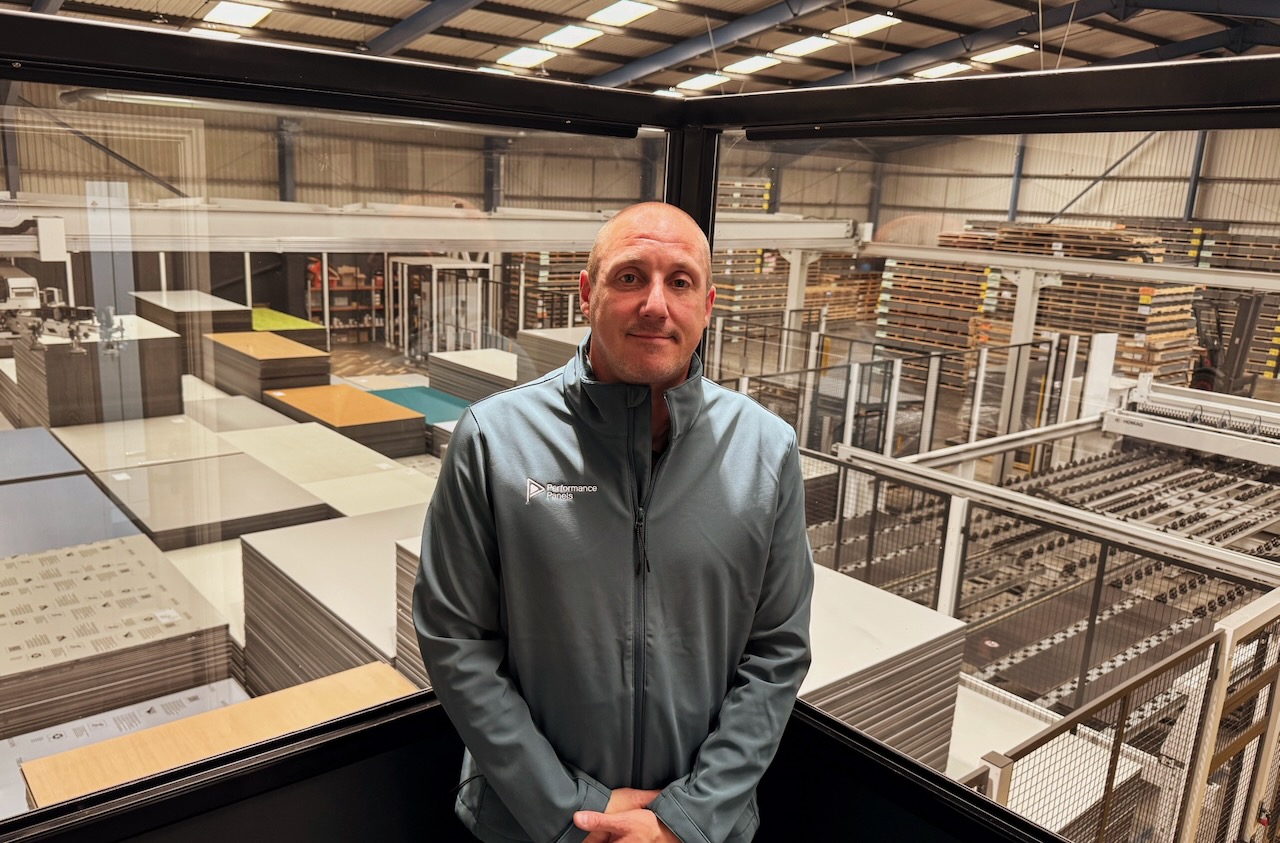
Performance Panels, the distribution arm of See Limited, will now supply Broadview’s Formica Compact Collection across the UK, adding to its existing Trespa distribution agreement. The compact laminate range targets high-wear education, healthcare, and commercial interiors where impact resistance, moisture tolerance, and low-maintenance surfaces are critical for lifecycle cost and hygiene performance. Combining Formica Compact with Trespa panels gives architects, contractors, and fabricators a broader specification palette from a single distributor, simplifying procurement and detailing for robust wall linings, worktops, and façade-adjacent applications.
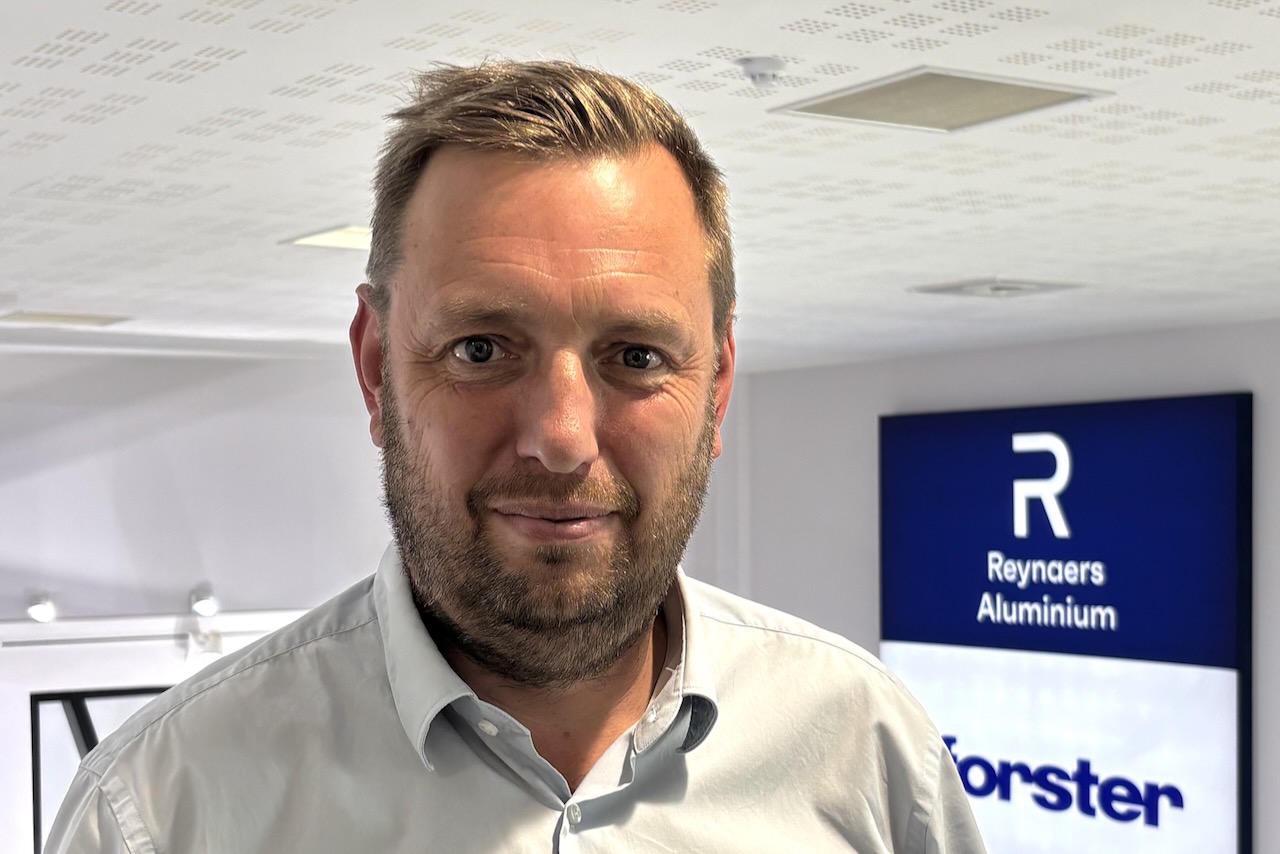
Reynaers Aluminium UK has appointed Jim Smith, a building products veteran with more than 30 years’ experience, as managing director with a mandate to accelerate growth in the architecture and specification markets and strengthen commercial capability. Smith will maintain a core focus on the group’s Science-Based Targets initiative pathway, which commits to a 50% carbon footprint reduction by 2030. For façade, window and door specifiers, Reynaers is pushing aluminium systems designed for energy efficiency, climate resilience, durability and recyclability, embedding circularity and eco-design at project design stage.