Geomechanics, Streamlined.
© 2026 Geomechanics.io. All rights reserved.
Emerald Resources has signed two Letters of Award appointing MACA Mining, a Thiess Group subsidiary, as preferred mining services contractor for its 100% owned Dingo Range Gold Project in Western Australia and Okvau Gold Mine in Cambodia. The mandate covers open-pit mining services across both greenfield and operating assets, consolidating drill-and-blast, load-and-haul and ancillary fleet under a single provider. For engineers, the move signals continuity of contract mining at Okvau and a likely MACA-led ramp-up strategy at Dingo Range once development approvals and mine plans are finalised.
World Mining Congress 2026 in Lima drew more than 5,500 participants from 55 countries, turning Peru into a temporary hub for global mining policy, technology and project development debates. Delegates from industry, government, academia and international organisations focused on mining’s role in tackling major challenges such as energy transition metals, decarbonisation of operations and social licence to operate. For engineers and operators, the scale and diversity of attendance signal strong international interest in Peruvian deposits, project pipelines and regulatory stability.
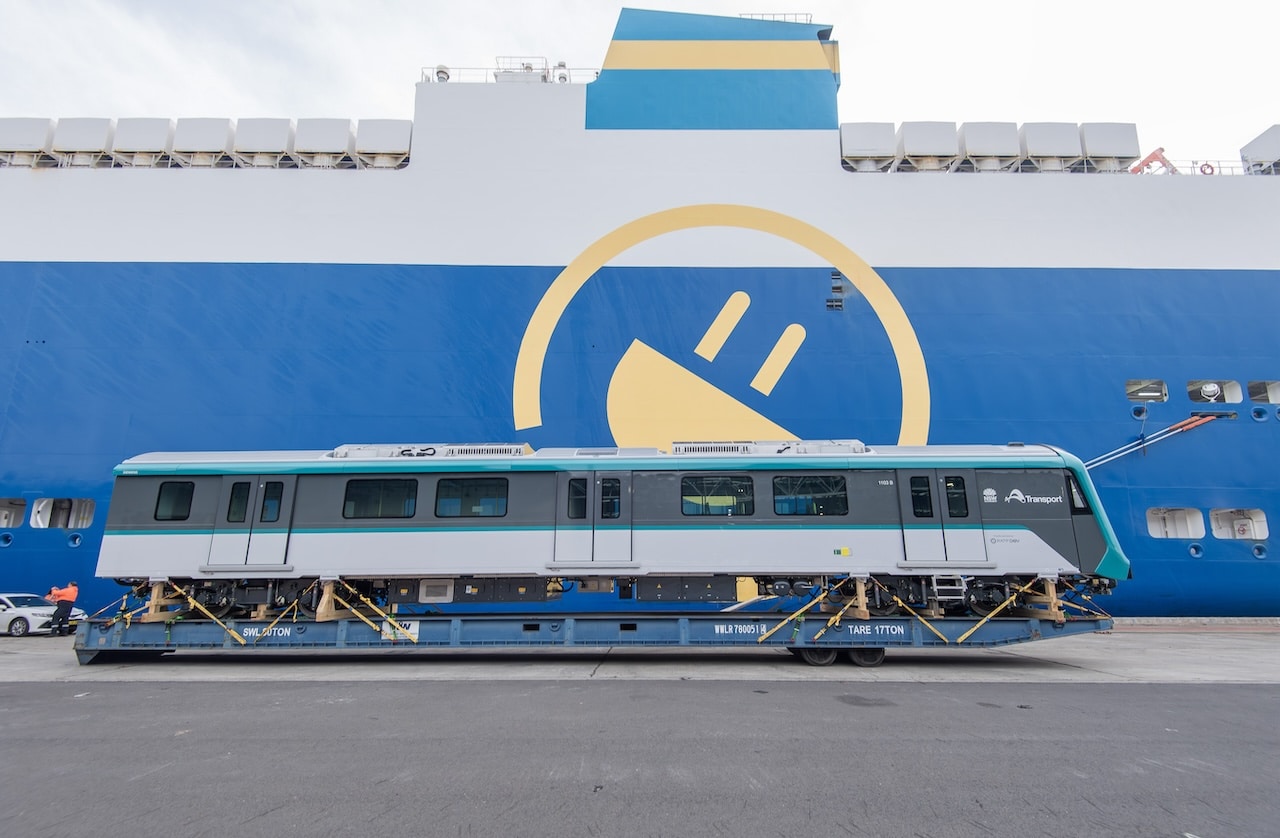
The first of 12 Sydney Metro trains for the Western Sydney Airport line has arrived in New South Wales, with the three-carriage set shipped from Vienna, unloaded at Port Kembla and assembled at the new Stabling and Maintenance Facility at Orchard Hills. The delivery marks a key milestone towards initial metro services to the terminal ahead of airport opening, enabling systems integration, dynamic testing and driver training on the dedicated 23-kilometre line. For civil and rail contractors, the train’s arrival locks in programme pressure on track, power, signalling and station fit-out works along the corridor.
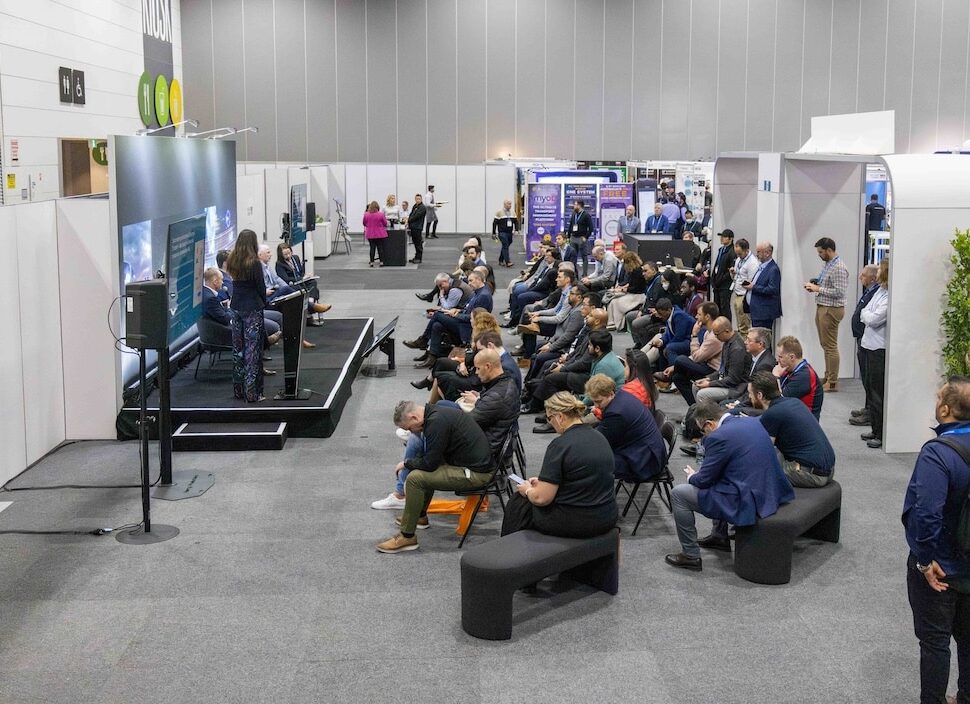
Bulk Expo 2026 has released its exhibitor directory, confirming a broad mix of global OEMs, Australian engineering firms and technology vendors focused on bulk solids handling equipment, storage and transfer systems. The Melbourne event will run alongside mining, agriculture, energy and industrial forums, positioning it as a hub for solutions such as high-capacity conveyors, automated shiploaders, stacker–reclaimers and advanced dust control. For civil, mining and materials engineers, the exhibitor list signals a concentrated opportunity to compare new designs for chutes, silos, feeders and terminal infrastructure in one venue.
Caddick will construct 141 extra care homes at Torus Homes’ £50m Blowick Moss Lane scheme in Southport, backed by over £11m from Homes England. The project comprises 118 apartments in the main extra care block, 18 apartments in two independent living buildings and five mews houses, all designed for older residents with communal facilities to support independent living. All units will use electric panel heaters and hot water heat pumps with no gas boilers, and the contract was let via Torus’ four-year Contractors Framework for North West housing and retrofit works.
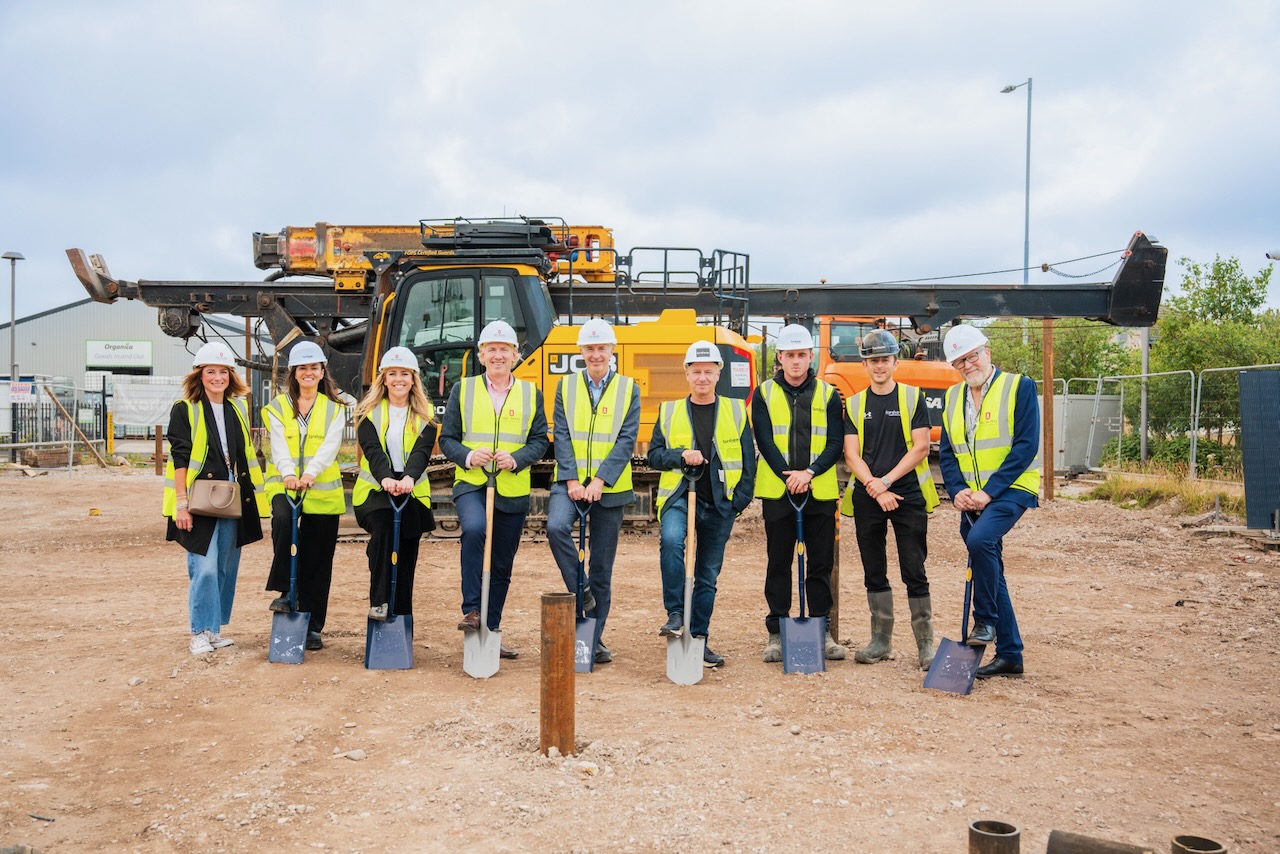
Construction has started on phase two of Redbridge Quay at Wirral Waters, where Peel Waters, Qualis Developments and Forshaw Group are delivering 90 flats in six four-storey blocks comprising 84 one-bedroom and six three-bedroom units. The waterside scheme, approved by Wirral Council earlier in 2026, includes rooftop solar panels, EV charging infrastructure, cycle parking and landscaped communal gardens with new tree planting. Improved public realm will link directly to the waterfront promenade, extending regeneration of complex brownfield land following the Miller’s Quay and phase one completions.
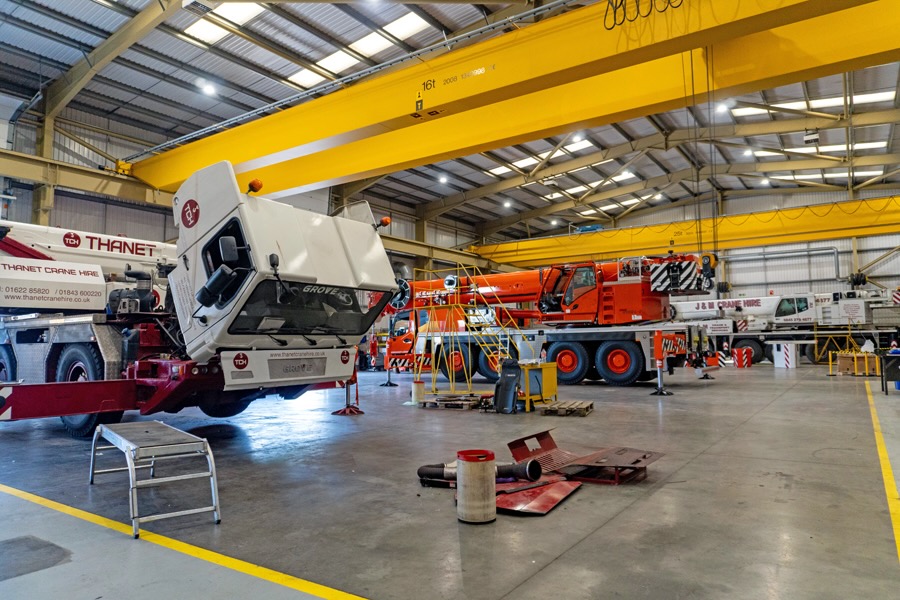
Manitowoc has launched its MGX Equipment Services business in Europe with new UK branches in Buckingham and Barnsley, targeting mixed-brand mobile crane fleets with sales, rental, OEM parts, and repair and remanufacturing. The Buckingham site has four large service bays with two 40‑tonne overhead cranes, an inspection pit, welding from basic repairs to complex structural work, and CPCS operator certification. Barnsley provides two fully equipped bays, full hydraulic and electrical diagnostics, full engine rebuild capability, and a large test area for thorough crane examinations.
North Lincolnshire Council has scrapped the long-delayed Lincolnshire Lakes scheme and launched the Trent Vale plan for Scunthorpe, still targeting around 6,000 new homes on land already benefitting from 2019 flood defences and two approved M181 junctions. Trent Vale proposes six distinct villages – Burgess Croft, Burleigh Green, Woldmere, Ashmere, Southgate Hollow and Brumby Green – each tied to local landscape and heritage. For civil and geotechnical teams, the existing flood mitigation and motorway access works materially de-risk primary infrastructure but detailed layouts and phasing remain to be defined with developers.
AtkinsRéalis has appointed Ian Dyck, formerly head of AECOM’s Canadian water business, as global market lead for water to drive growth in complex water programmes including large-scale wastewater and capital investment schemes in North America. The company’s current portfolio spans flood resilience and water management programmes across the US and Australia and major UK work such as the Thames Tideway sewer project. Based in Calgary, Dyck brings design and senior leadership experience from Matrix Solutions and Worley Parsons on major water and infrastructure programmes.
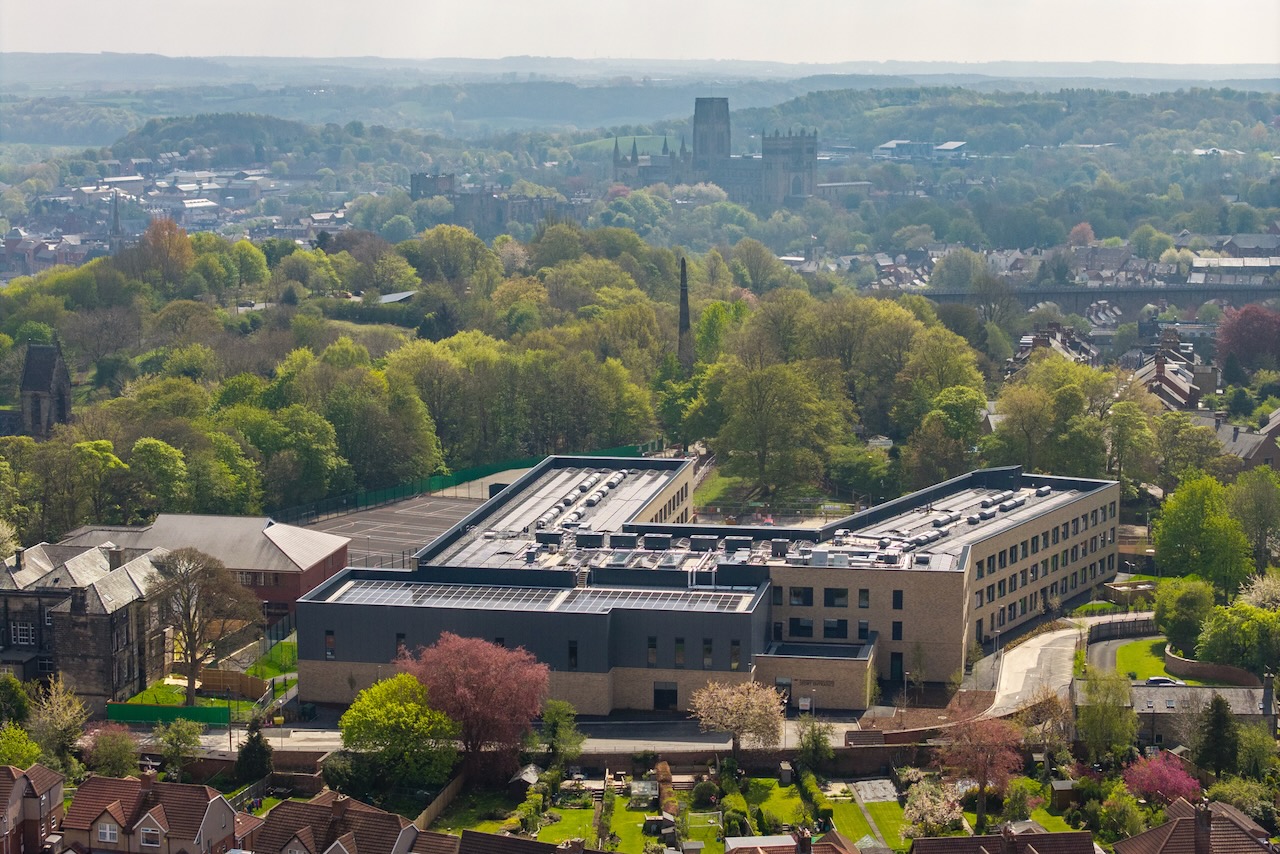
Pupils have returned to St Leonard’s Catholic School in Durham after BAM UK & Ireland rebuilt the campus when more than 80% of the original structure was found to contain reinforced autoclaved aerated concrete (RAAC). The rebuild removes RAAC roof and floor planks that had raised structural integrity and long-term durability concerns, replacing them with conventional reinforced concrete and steel-framed elements. For asset owners, the project signals continued large-scale RAAC remediation, with significant implications for lifecycle assessment and structural inspection regimes across similar 1960s–1990s buildings.
Silver Mines has lodged an updated Biodiversity Development Assessment Report and a formal response to a New South Wales Department of Planning, Housing and Infrastructure request for information for its Bowdens silver project near Mudgee, moving the open-cut development further through the state approvals process. The BDAR revision addresses site-specific flora and fauna impacts and offsets under NSW biodiversity legislation, a key hurdle for final project consent. Geotechnical and mine planners should expect tighter constraints on pit footprint, waste rock emplacement and haul road alignments as biodiversity conditions are finalised.
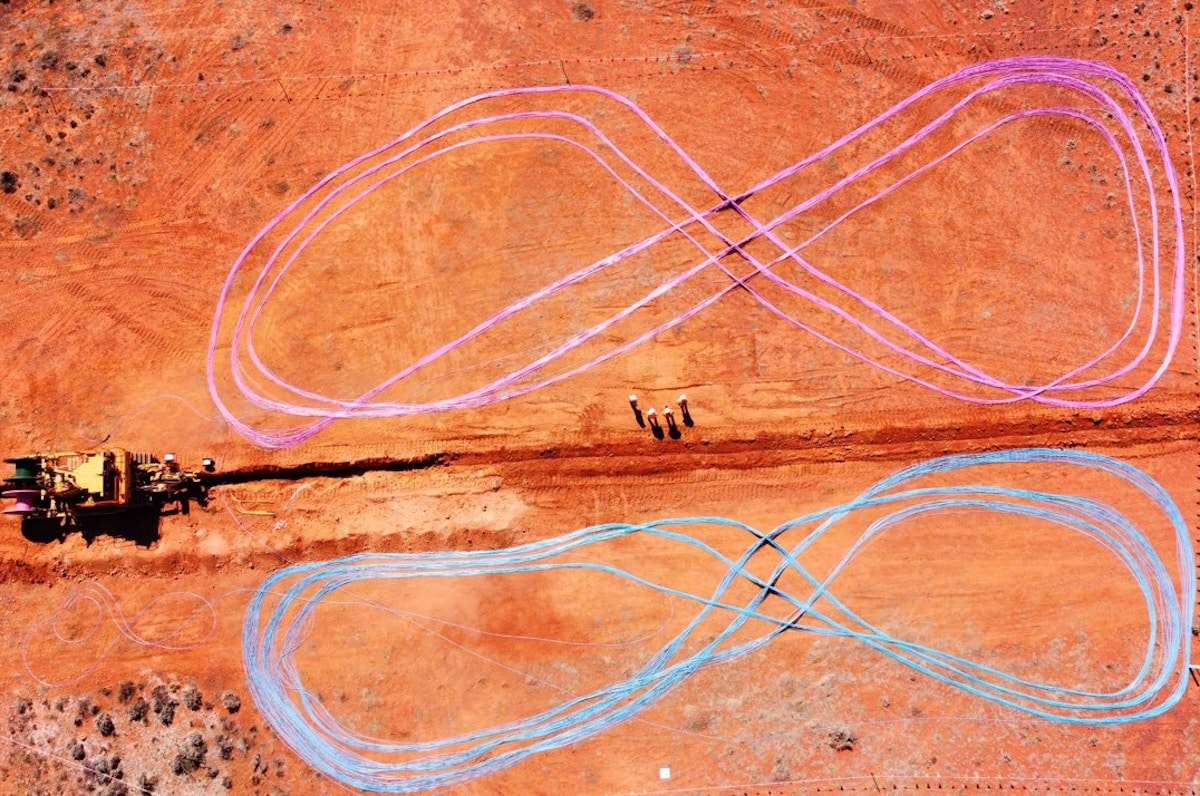
Telstra used the Pilbara Summit to position the Pilbara as a testbed for high-capacity fibre, 5G and private LTE networks to support autonomous haulage, remote operations centres and real-time orebody modelling across Western Australia’s iron ore hubs. Executives pointed to existing backbone fibre along key rail corridors and planned upgrades to edge computing and low-latency links for mine-to-port control, including shiploaders and stockyard stacker–reclaimers. For engineers, the message is that future pit design, fleet automation and regional workforce planning will depend on resilient, carrier-grade digital infrastructure.
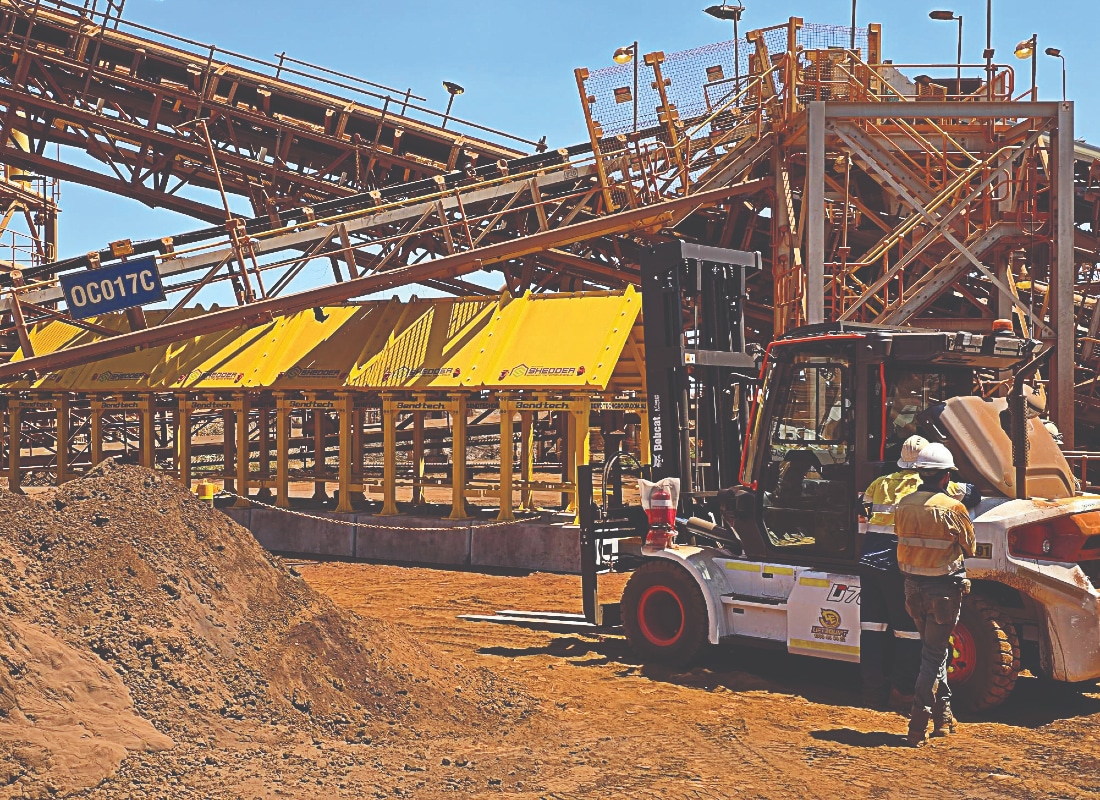
Bend-tech Group is supplying custom machine parts and access systems to surface mines across Australia, targeting critical-path work such as shovels, draglines and haul trucks that cannot sit idle waiting on OEM components. The Perth-based fabricator, now with more than 40 years’ experience and approved-vendor status with multiple tier-one miners including Rio Tinto, focuses on engineered handrails, work platforms and guarding built to site-specific dimensions and load ratings. For maintenance and reliability teams, the key value is rapid design–fabricate–install cycles that keep workshops and production fleets operating.
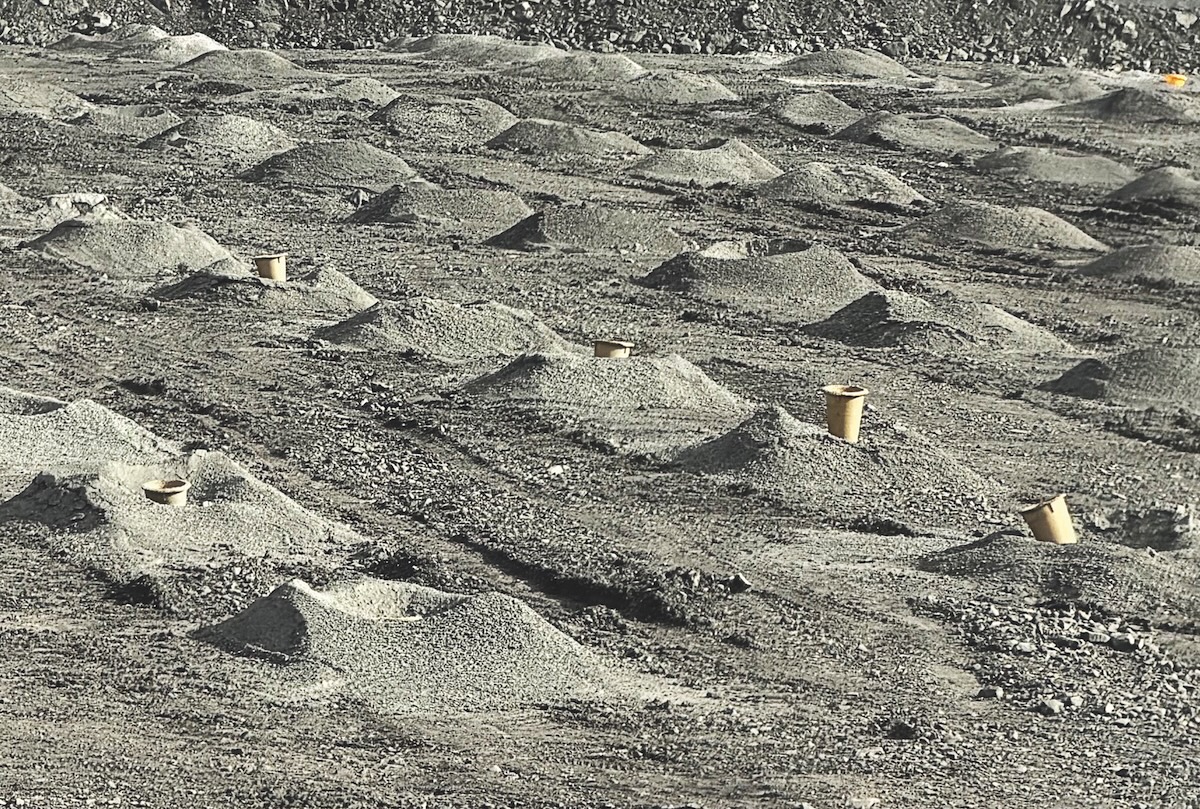
Streamline Blast Solutions has introduced the biodegradable Envirocone blast-hole plug, designed to maintain blasthole integrity to detonation while replacing conventional plastic cones that often fail under water or stemming pressure. The single-piece unit is installed with the primer and detonator, eliminating separate plug handling and reducing manual lifting at the collar, and is formulated to break down after firing rather than leaving plastic fragments in the muckpile. For drill-and-blast engineers, the system targets reduced hole collapse, fewer redrills and lower clean-up costs without changing existing explosive loading practices.
Rincon Resources has signed a binding heads of agreement with Maverick Minerals Australia to restructure its West Arunta exposure, signalling a portfolio shift while Terrain Minerals advances gold exploration and ABx Group pushes rare earths and broader critical minerals work. The activity spans portfolio optimisation, greenfields drilling and technology development across Australian projects, targeting gold and rare earths systems rather than bulk commodities. For geotechnical and mining teams, the moves point to continued demand for early-stage resource definition, structural mapping and metallurgical testwork in remote terrains.
The Tasmanian Government has created Building Tasmania as a central agency to coordinate planning, governance and delivery of state infrastructure, spanning roads, public transport, housing and community assets. Led by the Department of State Growth under Infrastructure and Transport Minister Kerry Vincent, the body will consolidate project management, procurement and approvals that were previously split across multiple departments. For contractors and designers, this signals more standardised processes, single-point client engagement and potentially faster decision cycles on road upgrades, bridge works and social infrastructure packages.
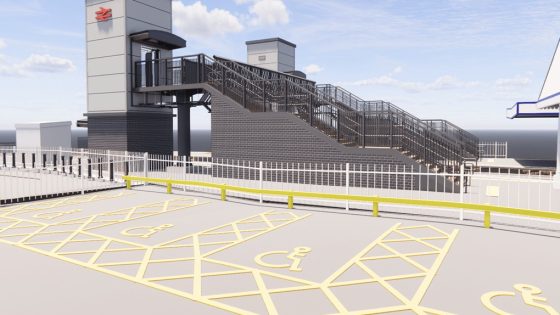
Network Rail engineers have started installing sections of a new pedestrian bridge at Tenby railway station in Pembrokeshire as part of a major accessibility upgrade. The scheme is expected to deliver step-free access between platforms, likely involving new lifts and compliant ramp gradients to meet modern PRM-TSI and Building Regulations standards. For civil and structural teams, key issues will include working within the constrained historic station footprint, maintaining rail operations during possession windows, and managing foundations close to existing track and platform structures.
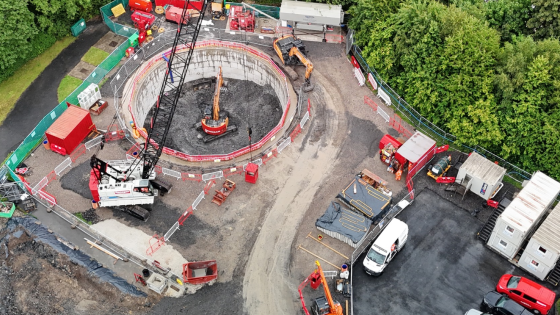
United Utilities has installed a £6M underground stormwater storage tank in St Helens, Merseyside, providing 700,000l of offline capacity to intercept and store peak runoff before controlled discharge to the sewer network. The buried structure is designed to reduce storm-driven spills and associated pollution, improving receiving water quality during intense rainfall events. For civil and drainage engineers, the scheme signals continued investment in high-capacity attenuation infrastructure to manage combined sewer overflows in constrained urban catchments.
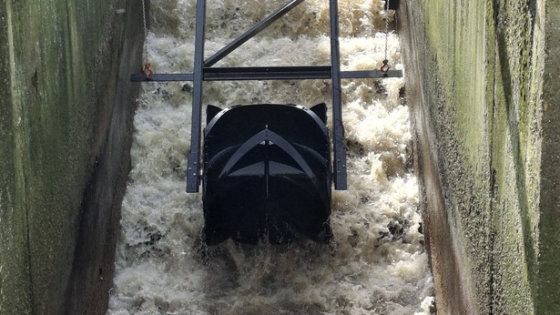
Scottish Water is trialling a modular “plug and play” hydropower unit at its Shieldhall Wastewater Treatment Works in Glasgow, one of Scotland’s largest wastewater facilities, to generate on-site renewable electricity from process flows. The system is designed to be containerised and rapidly installed into existing pipework with minimal civil works, using the existing hydraulic head within the treatment process rather than requiring a new dam or weir. For civil and M&E teams, the trial will test retrofit feasibility, grid-connection performance and maintenance demands of compact hydropower in constrained urban treatment sites.
The shortlist for the 2026 British Construction & Infrastructure Awards (BCIAs) has been announced, spotlighting UK projects and teams delivering major civil engineering and infrastructure works. Categories typically cover complex bridges, highways, rail, water, tunnelling and digital construction, with judging focused on buildability, whole-life performance, carbon reduction and innovation in delivery. For geotechnical, structural and materials specialists, the shortlisted schemes often provide current benchmarks on ground risk management, temporary works design, offsite fabrication and use of low‑carbon concretes and asphalts.
Anglo American is deploying Active Hyperspectral Sensing (AHS) to enable real-time ore selection by directly measuring mineralogy and grade on moving material streams rather than relying solely on delayed drill-core assays and laboratory sampling. Mounted over conveyors or on mobile platforms, the AHS units capture continuous hyperspectral data across hundreds of wavelengths, allowing rapid classification of ore and waste domains and tighter control of feed variability to crushers and mills. For geometallurgists and plant operators, this supports shorter reconciliation loops, more precise stockpiling and blending, and faster response to geological heterogeneity.
TNC Kazchrome JSC, part of Eurasian Resources Group, has completed in-house high-precision laser scanning of a 1 km skip shaft at more than 600 m depth at the Bolashak mine, Donskoy GOK, to build a full digital twin. The survey captures detailed shaft geometry and equipment condition, enabling predictive maintenance on guides, buntons and conveyance clearances rather than relying on periodic manual inspections. For geotechnical and shaft engineers, the model supports early detection of deformation, misalignment and wear, and allows scenario testing before physical interventions.
FLS has secured a two-year contract, with a five-year extension option, to supply complete mill liner solutions to a gold mining operation in the Australia South-East Asia region, expanding an existing supply relationship. The scope covers design, manufacture and delivery of integrated liner systems for the site’s grinding mills, likely including SAG and ball mills, with performance tied to wear life and mill availability. For operators, the deal signals continued consolidation of liner design, supply and optimisation with a single OEM to stabilise throughput and maintenance planning.
Volvo Autonomous Solutions has signed a Letter of Intent with Jokkmokk Iron Mines AB to develop an autonomous haulage fleet for the planned Kallak/Gállok iron ore project north of the Arctic Circle, targeting operation in sub-zero, snow and ice conditions. The partners will test downsized, purpose-built autonomous vehicles rather than conventional 220–300 t trucks, aiming to optimise haul profiles, ramp geometry and energy use for a relatively compact open pit. For engineers, the project offers an early Arctic testbed for integrating autonomy with mine design, traffic management and winter road maintenance strategies.