Open-pit gold miners and high oil prices: cost and risk takeaways for engineers
Reviewed by Tom Sullivan
First reported on MINING.com
30 Second Briefing
Open-pit gold miners face the sharpest margin squeeze from rising oil prices linked to conflict-driven disruptions in the Strait of Hormuz, with Jefferies estimating energy already accounts for about 12% of the average cost base and a 10% oil increase adding roughly US$10/oz to all-in sustaining costs. G Mining Ventures is 100% exposed at its Tocantinzinho open pit in Brazil, while Endeavour Mining, B2Gold, OceanaGold, Barrick and Kinross each source more than half their output from open pits, making diesel for haul fleets and on-site power a key risk. Jefferies expects performance to diverge based on mine type, diesel hedging and exposure to “second-order” inflation in consumables such as sodium cyanide, explosives, grinding media and tyres.
Technical Brief
- Diesel at open pits powers haul trucks, on-site power generation and much of the processing chain.
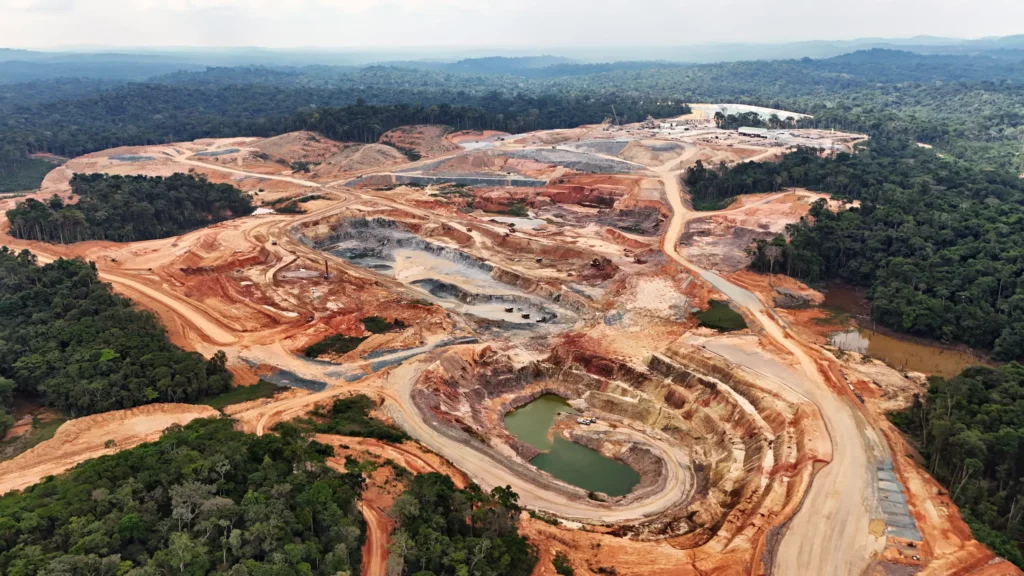
- G Mining Ventures’ Tocantinzinho in Brazil is 100% open pit, making its cost base fully diesel-exposed.
- Endeavour Mining’s production is about 85% open pit; B2Gold’s is estimated between 78% and 83%.
- OceanaGold sources about 71% of output from open pits; Barrick 52–66%; Kinross about 55%.
- Energy accounts for ~12% of average gold mining costs, versus 46% labour/contractors and 33% consumables/materials.
Our Take
The Jefferies analysis on open-pit exposure dovetails with BMO’s 13 March work using Wood Mackenzie data, which flagged that sustained Brent above $100/bbl could lift gold cash costs by about 9%, implying that names like Endeavour Mining and B2Gold with 70%+ open-pit exposure sit at the sharper end of that cost curve risk.
With the S&P/TSX Global Gold Index already up 14% so far in 2026 and our database showing multiple gold–oil cross-coverage pieces, operators such as Barrick Mining and Kinross Gold may find it easier to pass through a US$10/oz AISC uplift to investors than to absorb it via further cost-cutting.
The same Middle East–Strait of Hormuz disruption highlighted in the 12 March oil and critical minerals piece underpins Jefferies’ oil-price scenarios here, meaning open-pit gold operations in Brazil like Tocantinzinho are indirectly exposed to a geopolitical chokepoint far from their host jurisdiction through diesel and consumables pricing.
Prepared by collating external sources, AI-assisted tools, and Geomechanics.io’s proprietary mining database, then reviewed for technical accuracy & edited by our geotechnical team.
Related Articles


Related Industries & Products
Mining
Geotechnical software solutions for mining operations including CMRR analysis, hydrogeological testing, and data management.
CMRR-io
Streamline coal mine roof stability assessments with our cloud-based CMRR software featuring automated calculations, multi-scenario analysis, and collaborative workflows.
HYDROGEO-io
Comprehensive hydrogeological testing platform for managing, analysing, and reporting on packer tests, lugeon values, and hydraulic conductivity assessments.
GEODB-io
Centralised geotechnical data management solution for storing, accessing, and analysing all your site investigation and material testing data.