Geomechanics.io

  • Free Tools
Sign UpLog In

Geomechanics.io

Geomechanics, Streamlined.

© 2026 Geomechanics.io. All rights reserved.

Geomechanics.io

CMRR-ioGEODB-ioHYDROGEO-ioQCDB-ioFree Tools & CalculatorsBlogLatest Industry News

Industries

MiningConstructionTunnelling

Company

Terms of UsePrivacy PolicyLinkedIn
    Projects
    Sustainability

    US $500m critical minerals push: key supply chain takeaways for engineers

    March 15, 2026|

    Reviewed by Tom Sullivan

    US $500m critical minerals push: key supply chain takeaways for engineers

    First reported on MINING.com

    30 Second Briefing

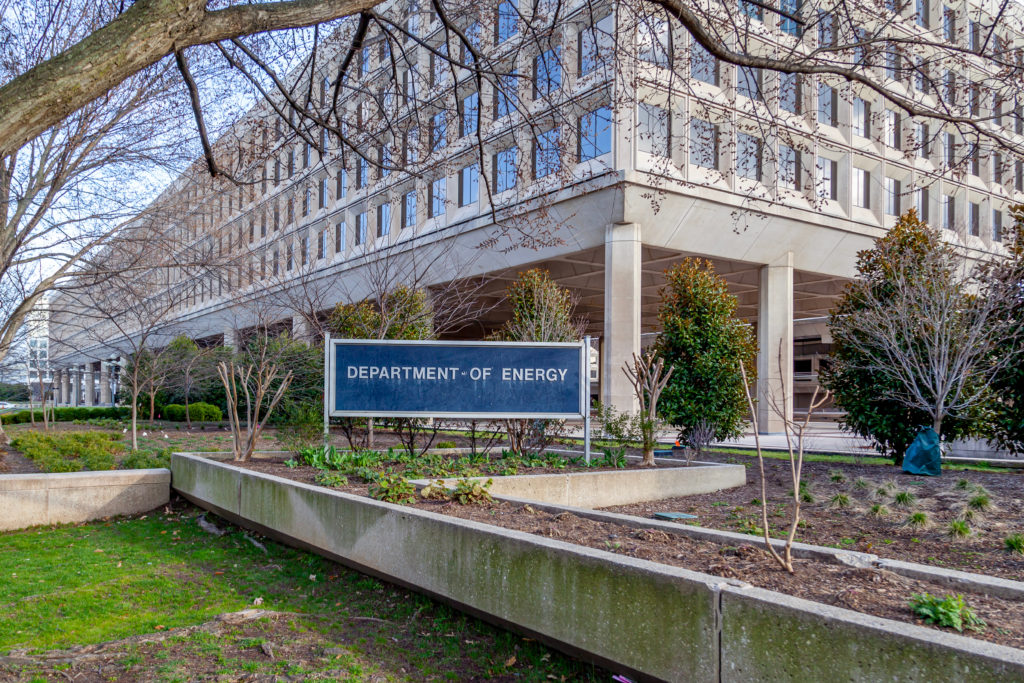
    The US Department of Energy has launched a $500 million funding call through its Office of Critical Minerals and Energy Innovation to back demonstration and commercial-scale plants for critical minerals processing, battery materials manufacturing and recycling. Targeting lithium, graphite, nickel, copper, aluminium and other battery materials, the third-round programme will fund projects in three streams: processing from raw feedstocks, critical materials recycling, and battery component production. Officials including Assistant Secretary Audrey Robertson are pairing the domestic push with Indo-Pacific supply chain cooperation talks in Japan, signalling tighter upstream and midstream control for EV and grid-storage supply chains.

    Technical Brief

    • Funding is issued via DOE’s Office of Critical Minerals and Energy Innovation (CMEI), shaping eligibility.
    • Facilities must be either demonstration-scale or commercial-scale; early-stage R&D plants are implicitly excluded.
    • Target materials explicitly include lithium, graphite, nickel, copper and aluminium used in commercial battery systems.
    • Strengthening upstream and midstream capacity is framed as necessary to meet AI-driven electricity demand growth.
    • US officials link the programme to energy security objectives, reducing exposure to “hostile foreign actors” in processing.
    • Audrey Robertson is aligning the funding push with Indo-Pacific Energy Security Ministerial discussions in Japan on supply resilience.
    • Policy intent is to displace processing currently concentrated in overseas hubs, with China named as the dominant comparator.

    Our Take

    The US Department of Energy also features in recent coverage on Nuclear Lifecycle Innovation Campuses and CHIPS-linked rare earth initiatives, signalling that this $500m critical minerals push is part of a broader federal build‑out of fuel cycle and materials capabilities rather than a standalone programme.

    Because this DOE financing round targets processing, recycling and battery materials manufacturing for aluminium, copper, graphite, lithium and nickel, it is likely to favour mid‑stream US projects that can demonstrate near‑term commercialisation and displace Chinese and Indo‑Pacific supply in those specific value chain segments.

    Within our Policy category, critical minerals and battery metals now appear across many of the 141 stories, suggesting that applicants to this DOE call will be competing in a policy environment where parallel support is also flowing to rare earths and nuclear‑linked critical materials, not just EV batteries.

    Geotechnical Software for Modern Teams

    Centralise site data, logs, and lab results with GEODB-io, CMRR-io, and HYDROGEO-io.

    No credit card required.

    • Save and export unlimited calculations
    • Advanced data visualisation
    • Generate professional PDF reports
    • Cloud storage for all your projects

    Prepared by collating external sources, AI-assisted tools, and Geomechanics.io’s proprietary mining database, then reviewed for technical accuracy & edited by our geotechnical team.

    Related Articles

    UK nuclear regulation overhaul: key consenting shifts for project engineers
    Policy
    2 days ago

    UK nuclear regulation overhaul: key consenting shifts for project engineers

    Government has accepted key Nuclear Regulatory Taskforce recommendations and pledged a “proportionate” regime for consenting new nuclear projects, including large gigawatt-scale plants and small modular reactors. Planned changes include streamlining Development Consent Order examinations, tighter statutory timescales for the Office for Nuclear Regulation and Environment Agency, and clearer interfaces with the generic design assessment process. For civil and geotechnical teams, this signals earlier certainty on site licensing, ground investigation programmes and nuclear island design, potentially reducing pre-construction delay and rework.

    Infrastructure Unit and faster consents: key implications for UK project engineers
    Policy
    3 days ago

    Infrastructure Unit and faster consents: key implications for UK project engineers

    The UK Government has announced changes to the way the Environment Agency and Natural England handle planning casework, aiming to speed up consents for major housing and infrastructure schemes. A new central Infrastructure Unit will triage and coordinate environmental assessments on nationally significant projects, with standardised templates and earlier engagement intended to cut repeated requests for information. For civil and geotechnical teams, the shift could compress timelines for flood risk, groundwater, habitat and nutrient neutrality assessments, increasing pressure on front‑loaded site investigation and design.

    Canada’s critical minerals buyers’ club: project finance lens for Australia
    Policy
    3 days ago

    Canada’s critical minerals buyers’ club: project finance lens for Australia

    Canada’s proposed “buyers’ club” for critical minerals, raised by Prime Minister Mark Carney in meetings with Rio Tinto and Australian officials, would see like‑minded countries jointly contracting long‑term offtake for battery and magnet metals such as lithium, nickel and rare earths. For Australia, participation could de‑risk financing for new mines and refineries by underpinning bankable offtake, but would also expose producers to tighter ESG conditions and potential price caps. The move signals a shift from ad‑hoc spot sales towards coordinated, government‑backed demand aggregation in critical minerals supply chains.

    Related Industries & Products

    Mining

    Geotechnical software solutions for mining operations including CMRR analysis, hydrogeological testing, and data management.

    Construction

    Quality control software for construction companies with material testing, batch tracking, and compliance management.

    QCDB-io

    Comprehensive quality control database for manufacturing, tunnelling, and civil construction with UCS testing, PSD analysis, and grout mix design management.

    AllGeotechnicalMiningInfrastructureMaterialsHazardsEnvironmentalSoftwarePolicy