Geomechanics, Streamlined.
© 2026 Geomechanics.io. All rights reserved.
50 articles tagged with Product
Epiroc has launched the ET55 drill string, replacing the long‑running ST58 system and extending its ET next‑generation family with a fully shoulder‑drive connection from top hammer to bit. The ET55 applies the same design principles as earlier ET systems, using a shoulder drive interface along the entire string to improve energy transfer and reduce thread wear compared with conventional threaded couplings. For mine operators running top‑hammer production drilling, the unified shoulder drive geometry should simplify string configuration and potentially extend service life in abrasive ground.
Dyno Nobel has prototyped a fully autonomous, end-to-end blasthole inspection and loading system that removes personnel from the drill and blast bench, one of mining’s last highly manual and safety‑critical activities. Developed over five years of intensive R&D and unveiled to investors in New York, the technology autonomously orchestrates hole condition inspection, explosives loading and initiation sequencing. For mine operators, this points to tighter control of powder factors and timing, more consistent bench conditions, and reduced exposure of crews around loaded patterns.
GBM Konect has released Konect 2, a complete rebuild of its 15‑year‑old Australian field data capture and mobile mapping platform used on infrastructure sites and remote corridors with poor connectivity. The new version is designed to synchronise geospatial and asset data from tablets and phones to central systems once coverage is restored, reducing manual re‑entry and gaps between as‑built field records and office GIS/asset databases. For civil and road projects, this targets more reliable inspection, defect logging and construction QA data directly from the workfront.
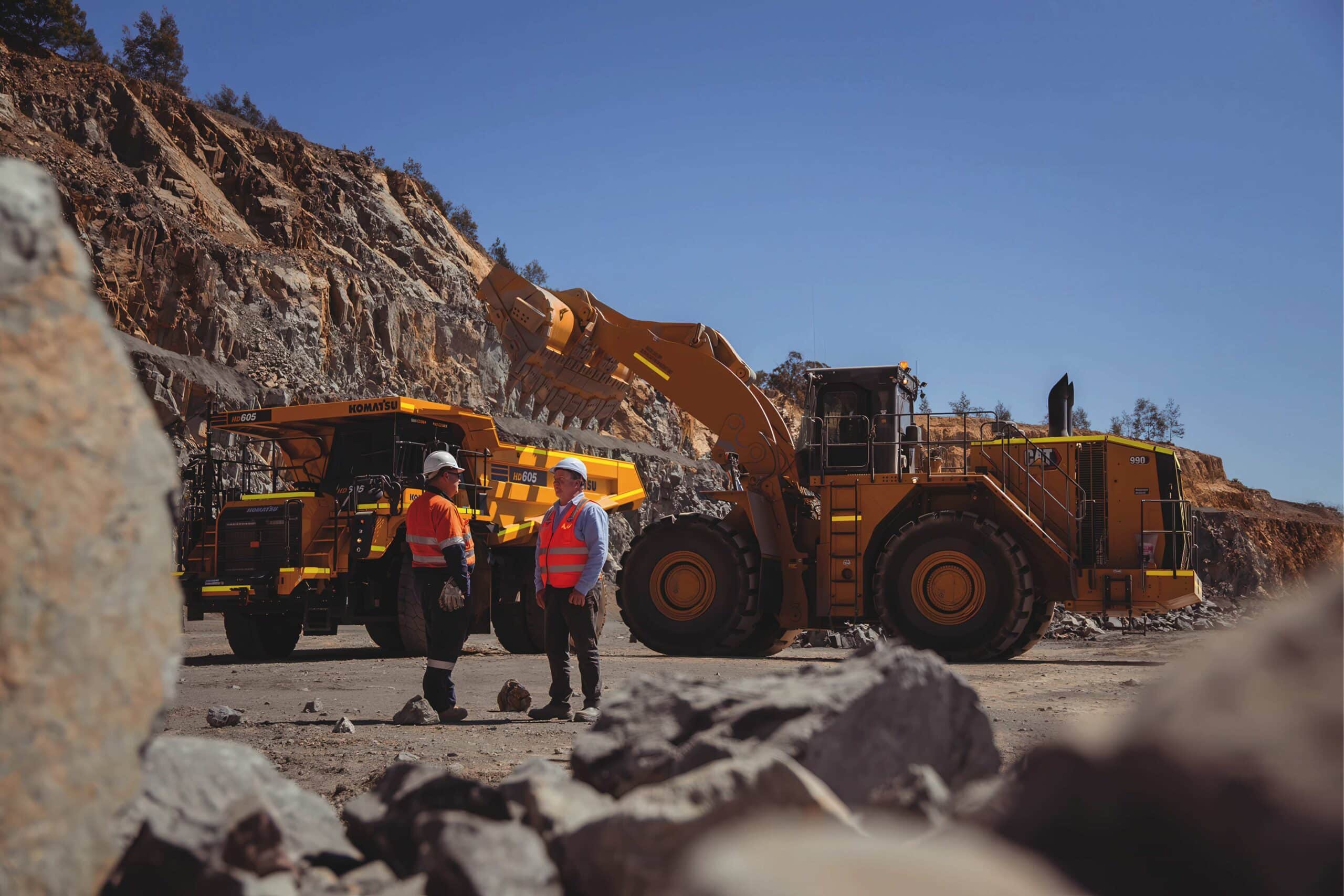
Gunlake Quarries has expanded its New South Wales fleet with seven Komatsu HD605 rigid dump trucks to service higher production across its hard rock operations. The HD605 units, typically configured for around 60-tonne payloads with high-impact body liners and retarder braking suited to steep quarry haul roads, are being integrated into existing load-and-haul circuits alongside Gunlake’s concrete batching supply chain. For quarry and civil contractors, the move signals continued investment in high-capacity off-highway haulage to support aggregate supply into regional road and infrastructure projects.
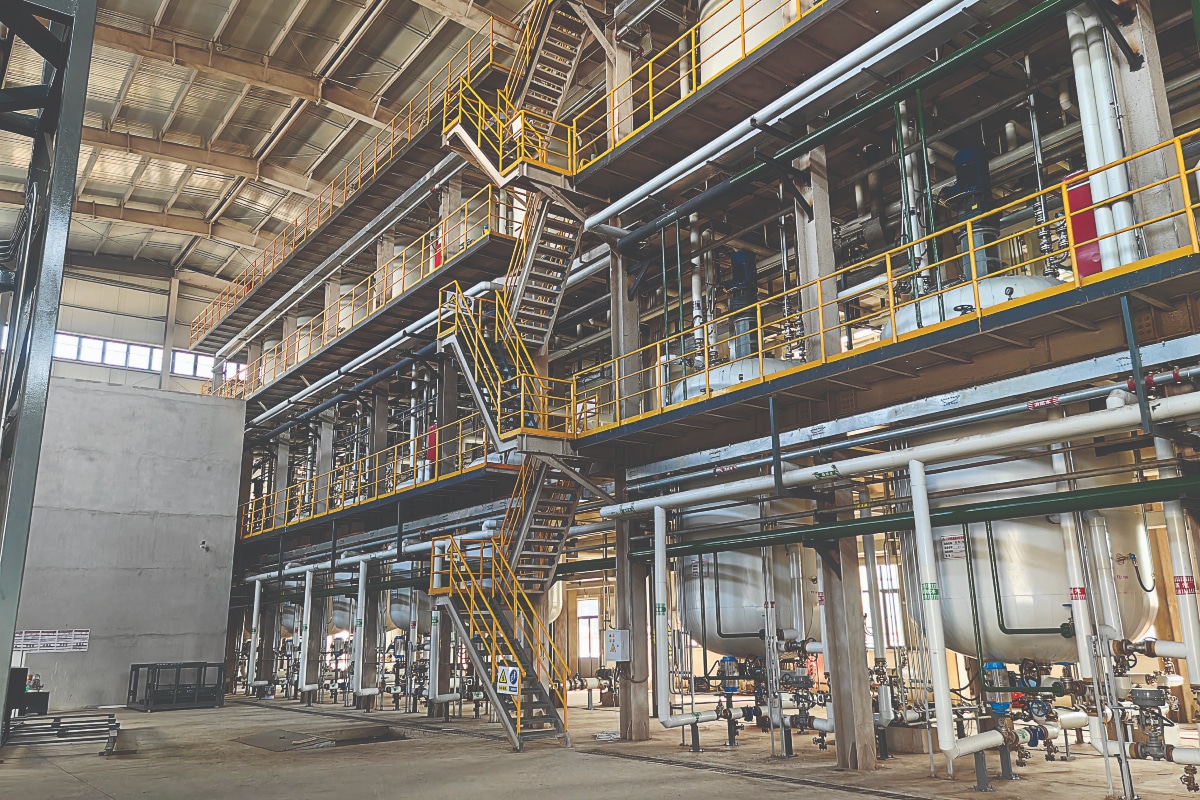
Shandong Zhuocheng, a Chinese lithium reagent producer, is moving downstream into global spodumene processing, targeting higher lithium recoveries from hard-rock ores. The company supplies key flotation and conversion reagents used to upgrade spodumene concentrate into battery-grade lithium carbonate equivalent, positioning itself alongside Australian producers that dominate new spodumene capacity. For process engineers, the shift signals tighter integration between reagent design and plant flowsheets, with potential gains in recovery and impurity control across crushing, flotation and conversion circuits.
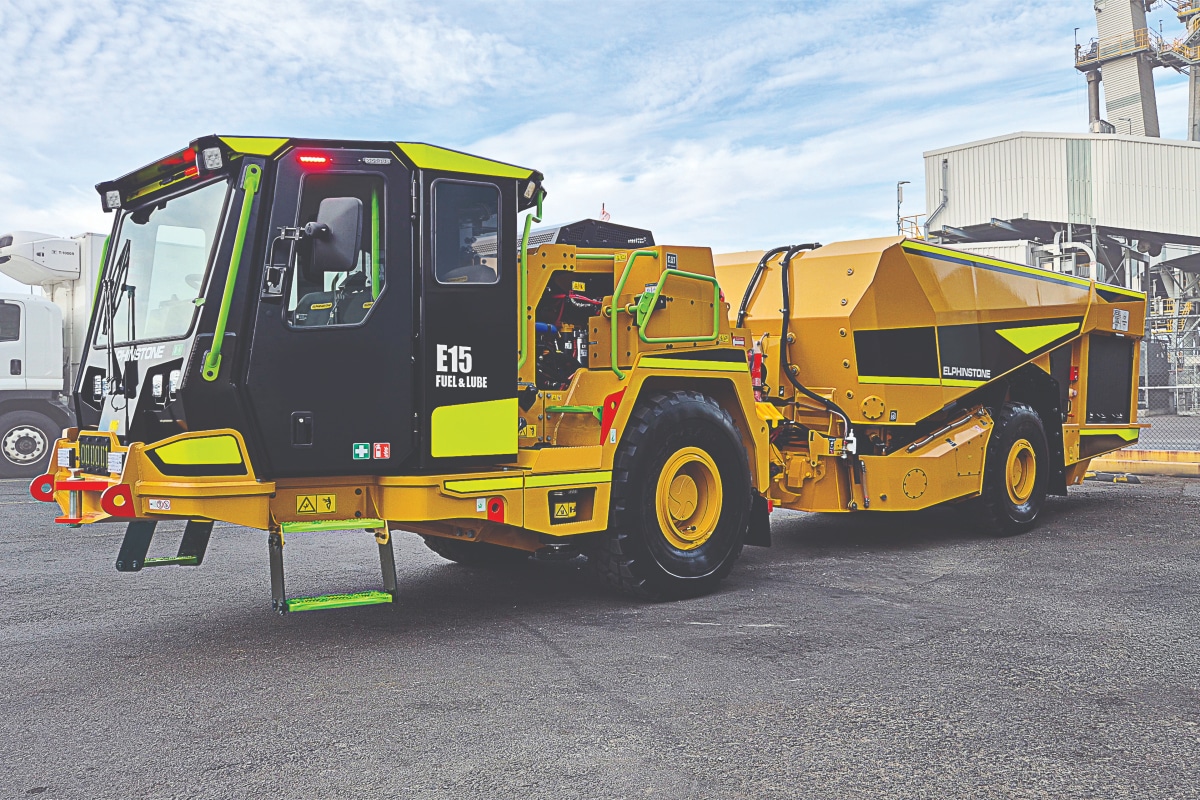
Elphinstone has added the E15 Fuel & Lube to its 15-tonne-class underground support platform, purpose-built for bulk diesel and lubricant transport as well as in-situ servicing in hard-rock mines. The carrier can be configured with dedicated fuel tanks, multiple segregated oil and coolant compartments, and integrated dispensing reels and metering, allowing refuelling and fluid top-ups at the face rather than at fixed workshops. For mine planners, the unit supports shorter service cycles, reduced non-productive travel for production fleets, and tighter control of fluid handling underground.
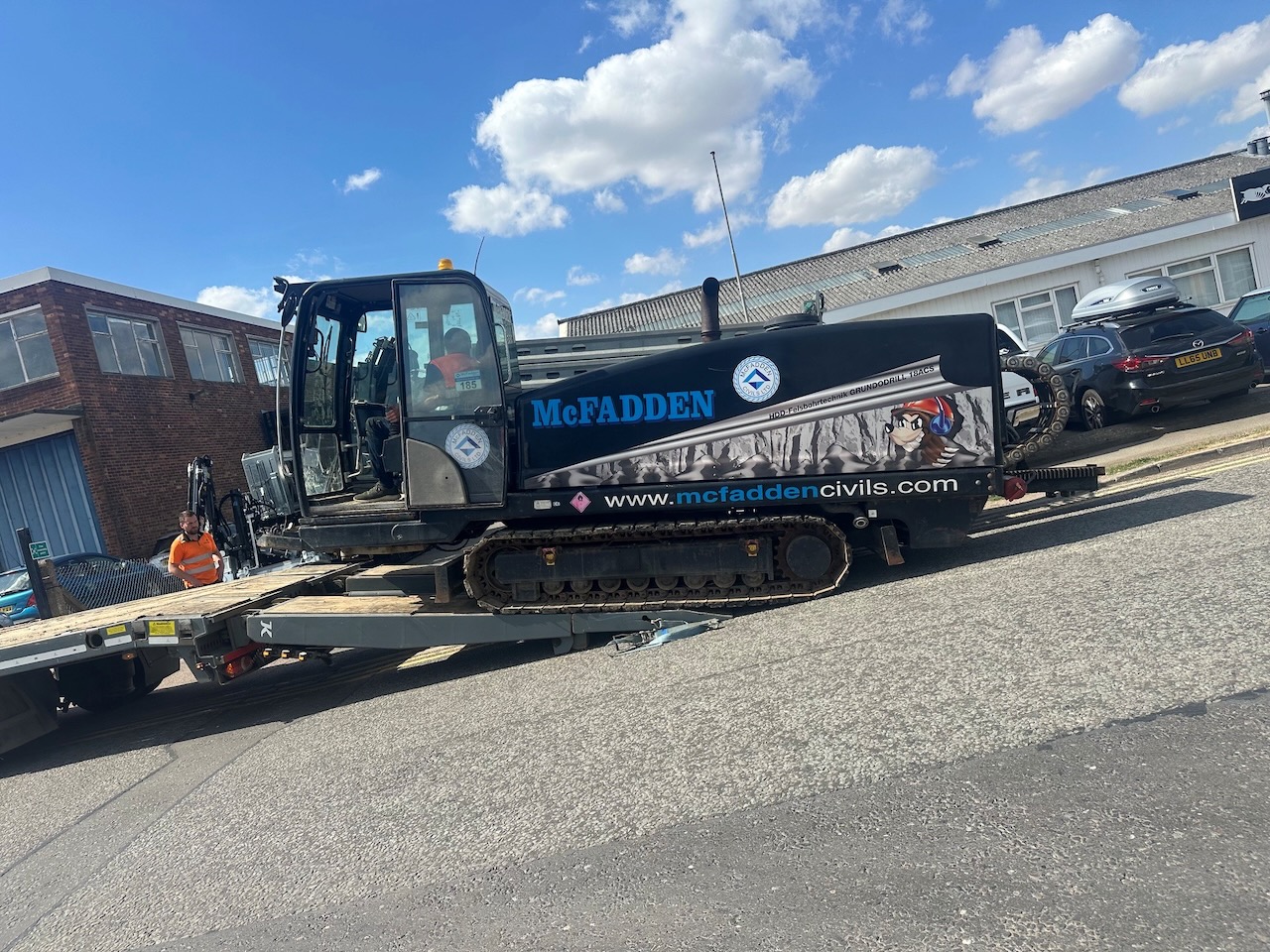
McFadden (Civils) in Northern Ireland has acquired a new Tracto Grundodrill 20ACS HDD rig, trading in its existing Grundodrill 18ACS and 15XPT units now being remarketed by Tracto UK. The 20ACS combines rock drilling and jet drilling on a single, highly automated platform, giving McFadden capacity for larger diameter bores and faster progress in complex mixed ground on water and utilities schemes for clients such as Northern Ireland Water and Irish Water. The full-spec rig was collected from Tracto’s Bedford office, with comprehensive familiarisation training completed before first deployment.
Jennmar has expanded dynamic ground support testing with the DIT105Z rig, which can load 3 m reinforcement tendons at up to 105 kJ and 8.6 m/s, and the new Alpha Dynamic Test Rig, a multi‑modal system delivering single impacts to 286 kJ under direct impact, momentum transfer and oscillatory loading. Laboratory work now uses standard jumbos for installation and full‑scale mesh tests to better mirror underground variability, feeding into interactive specification databases. These data are driving products such as the Falcon Bolt self‑drilling, fully tensionable, groutable tendon and pumpable resins like J‑Lok P, Marisil Thixo and Jennthix to support highly mechanised, dynamic ground conditions.
Chinese battery-electric mining truck supplier Breton is targeting overseas growth in Latin America, Africa, Southeast Asia and Australia, competing with larger domestic OEMs such as XCMG and SANY. The company is positioning integrated offerings that pair BEV haul trucks with on-site microgrid infrastructure, aiming to supply both mobile equipment and charging/power systems. For mine operators, the move could increase options for high-capacity electric haulage fleets and bundled energy solutions, potentially shifting procurement dynamics away from traditional diesel truck–grid power combinations.
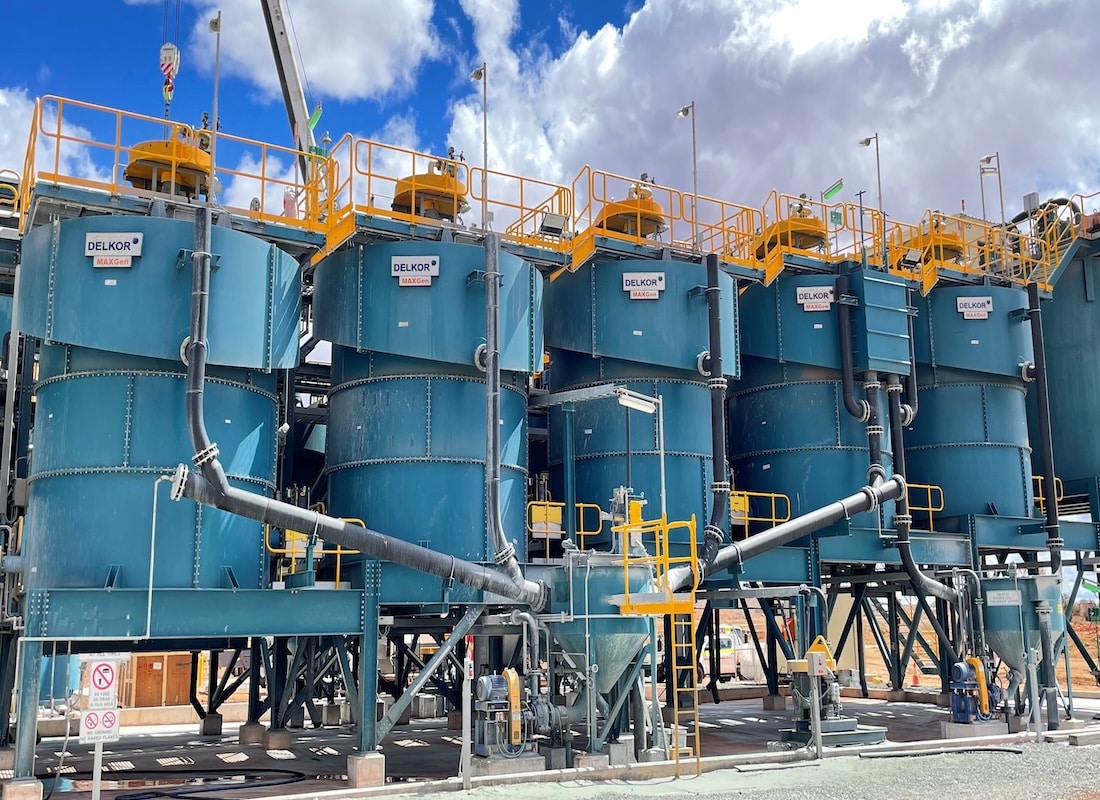
TAKRAF Group is upgrading flotation performance with its DELKOR BQR MAXGen cells, using optimised hydrodynamics and improved bubble–particle interaction to boost recovery from increasingly complex ore bodies while cutting energy use. The MAXGen design focuses on controlled air dispersion, high shear zones and stable froth conditions to improve fine particle attachment and reduce reagent consumption. For brownfield concentrators, retrofitting these cells into existing circuits offers a relatively low-footprint route to higher metallurgical performance without major layout changes.
Epiroc has secured a large order from Sibanye-Stillwater to supply low-profile underground equipment for the Siphumelele shaft at the Rustenburg platinum operations in South Africa. The package includes low-profile loaders and utility vehicles tailored for the mine’s constrained stopes, where equipment height and manoeuvrability are critical for production and ground control. For engineers, the move signals continued investment in mechanised low-profile fleets in mature PGM orebodies, with implications for layout design, ground support access and maintenance planning in tight headings.
Sandvik Mining is shifting battery-electric underground development drilling from simply powering tramming to directly improving drilling performance, with President Underground Drilling Johannes Välivaara outlining new BEV rigs that integrate high-power battery packs with drilling hydraulics and control systems. Building on a decade of experience with at least one battery-electric development drill in its portfolio, Sandvik is now targeting faster penetration rates, reduced heat load and lower ventilation demand in deep, hot mines. For geotechnical and mine engineers, the move signals closer coupling of energy storage, drilling kinematics and automation-ready control for future heading development.
Geological Survey of Finland (GTK) has purchased two Roxia Smart Filter Press (SFP) units for the GTK Mintec pilot plant in Outokumpu to advance mineral processing and filtration research for mining and circular economy flowsheets. The installation includes the compact SFP 470 model, which offers fully automatic pressure filtration with integrated IIoT-based monitoring and control. For process engineers, the move provides an industrial-scale testbed to optimise dewatering performance, cake quality and water recovery before full-scale plant adoption.
Liebherr-Canada has delivered a new 150-tonne-class R 9150 excavator to Hammerstone Infrastructure Materials, bringing the fleet of this model at Muskeg Quarry in Alberta to three units. All three R 9150s are deployed at Muskeg Quarry, one of Western Canada’s largest limestone operations supplying high-quality aggregates to the oil sands sector. The additional machine signals continued high-volume production requirements and reinforces demand for large-class hydraulic excavators in regional aggregate supply chains.
Metso has commissioned a 4 MW extra-large slurry pump test rig at its Test and Training Center in Sala, Sweden, expanding full‑scale product development and performance verification for high-capacity pumps. The facility, described as among the largest slurry pump test rigs globally, allows controlled testing of large-duty units under realistic flow, head and solids-loading conditions. For mine operators and designers, this should provide more reliable hydraulic data, improved wear-life validation and better sizing guidance for demanding mill discharge and tailings applications.
Topcon’s new MC-Mobile machine control platform, distributed by Aptella, targets mixed fleets by running the same GNSS and total station hardware across excavators, skid steers and compact track loaders, with a single control box and interchangeable brackets. The system integrates with Topcon’s MAGNET and Sitelink3D software, allowing survey set-out, as-built capture and machine guidance from one kit, reducing idle time when swapping between 2D and 3D or between brands. For contractors and councils, the key gain is faster deployment on small urban and maintenance jobs where frequent machine changes typically erode productivity.
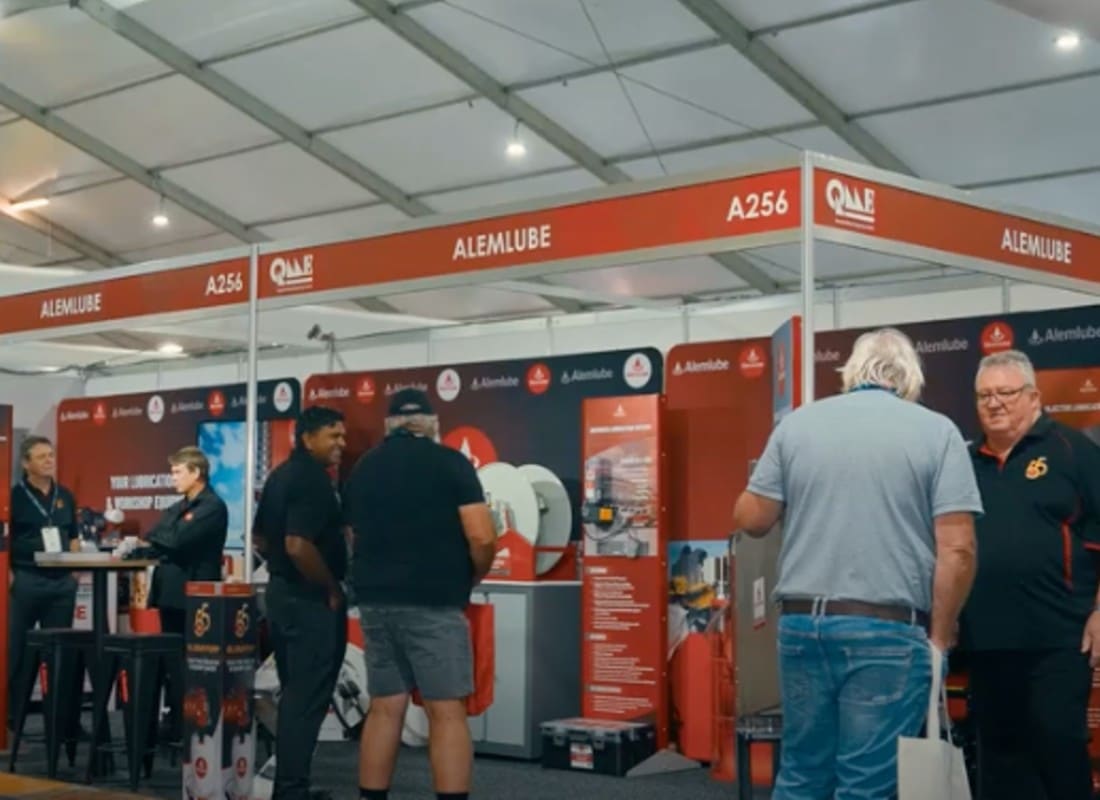
Alemlube marked its 57th year in operation by showcasing a full suite of lubrication, fluid transfer and workshop equipment solutions at the Queensland Mining Exhibition (QME) 2026 in Mackay. The stand featured centralised automatic lubrication systems for mobile plant, bulk fluid handling hardware for diesel and oils, and contamination-control products aimed at extending component life in haul trucks and fixed plant. For site engineers, the display signalled continued supplier depth in mine-wide lubrication management, from field service trucks to heavy-equipment bays.
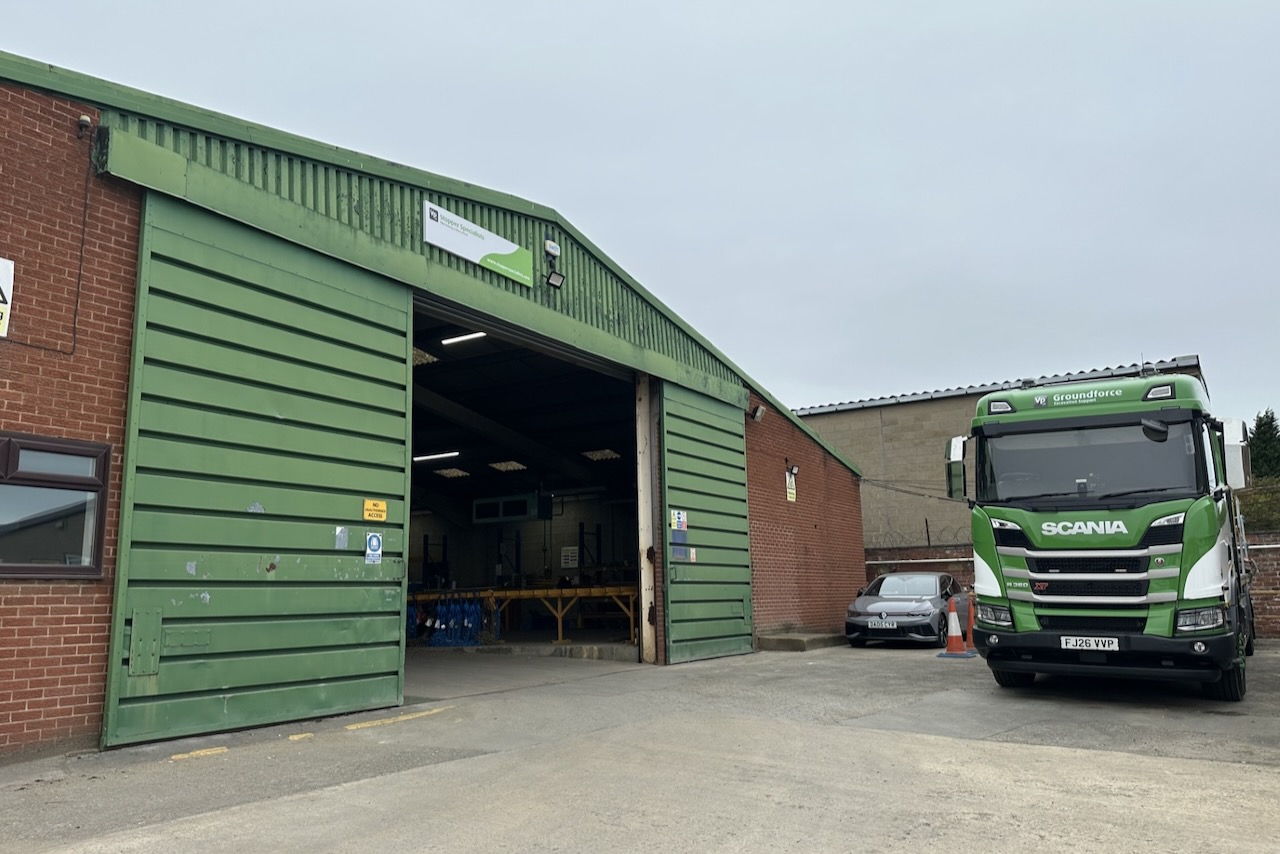
Vp Plc is opening a new Stopper Specialists depot in Morley, Leeds, on 1 October, colocated with Groundforce Shorco and Groundforce Bridge to create a single hub for flow control, pipe testing and temporary works support. Positioned near the M62/M621 junctions, the site will stock the full portfolio of pipe stoppers and pressure testing equipment, targeting faster delivery across Yorkshire and neighbouring regions. The depot complements existing locations in Darlington, Wigan, Glasgow and Lymington, tightening regional logistics for utility, civils and trenchless contractors.
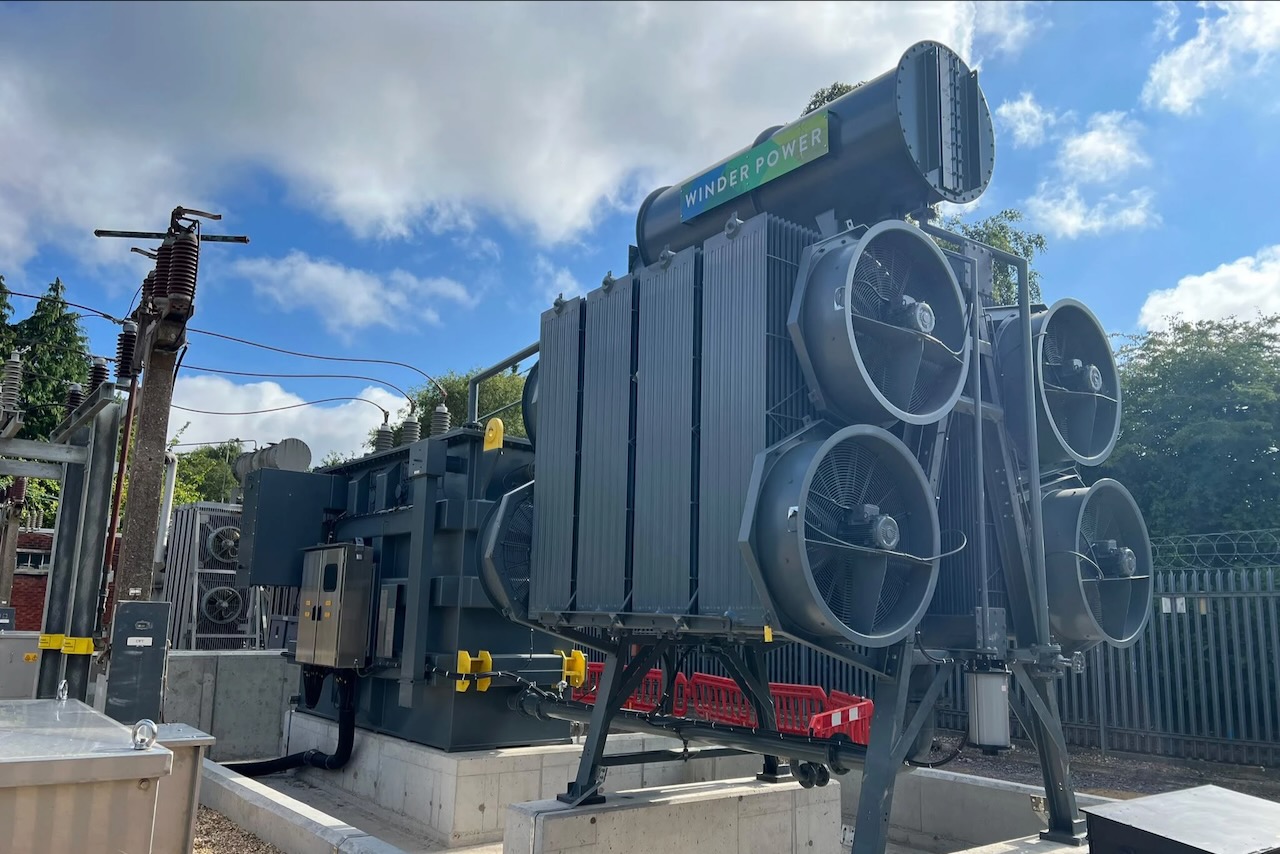
Aureos has acquired WhiteSpider, a 40+ person AI and IT specialist and Cisco partner, to integrate enterprise networking, sovereign AI and cyber security capabilities directly into critical infrastructure projects such as substation transformer installations. The deal brings WhiteSpider’s UK-controlled, on‑premise and cloud solutions, plus its existing accreditations and IP, inside Aureos rather than via partnership models. Infrastructure owners gain a single accountable supplier across OT and enterprise IT layers, with simplified contracts, supply chains and compliance for resilient, regulated operations.
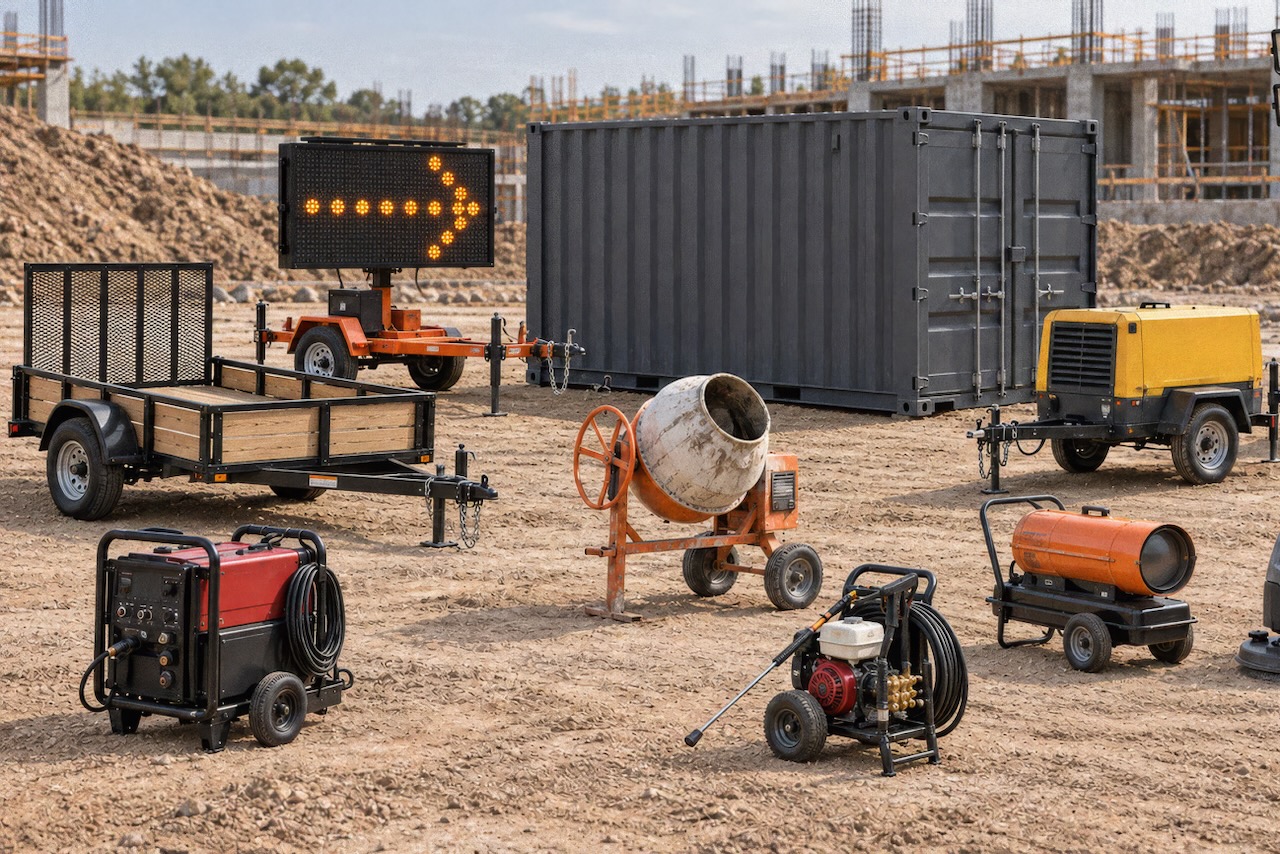
Trackunit has launched the battery-powered Spot S300 tracker to bring frequently moved unpowered assets – such as trailers, containers, portable heaters, welders and message boards – into the connected fleet without any wiring. The LTE Cat 1 bis device, operating on standard 4G networks, reports location typically four times per day, with adjustable frequency via Trackunit’s apps, and activates simply by peeling a sticker for near-instant reporting. Data from Spot S300 feeds directly into Trackunit Manager and the IrisX platform, allowing mixed powered/unpowered fleet dashboards and utilisation reporting.
Construction projects are losing productivity not from lack of BIM, drones or field apps, but from fragmented information spread across client CDEs, ERPs, email, shared folders and specialist platforms. Procore/Dodge data show UK and Irish professionals spend about 18% of project time – over eight working weeks a year – just searching for information, while 74% of US professionals move AI-generated work between applications at least three times a day. The emerging focus is on permission-aware integration so tools like Autodesk, Dropbox Sign and AI search (e.g. ChatGPT connected to Dropbox) can surface authoritative, up-to-date records without forcing all parties onto a single system.
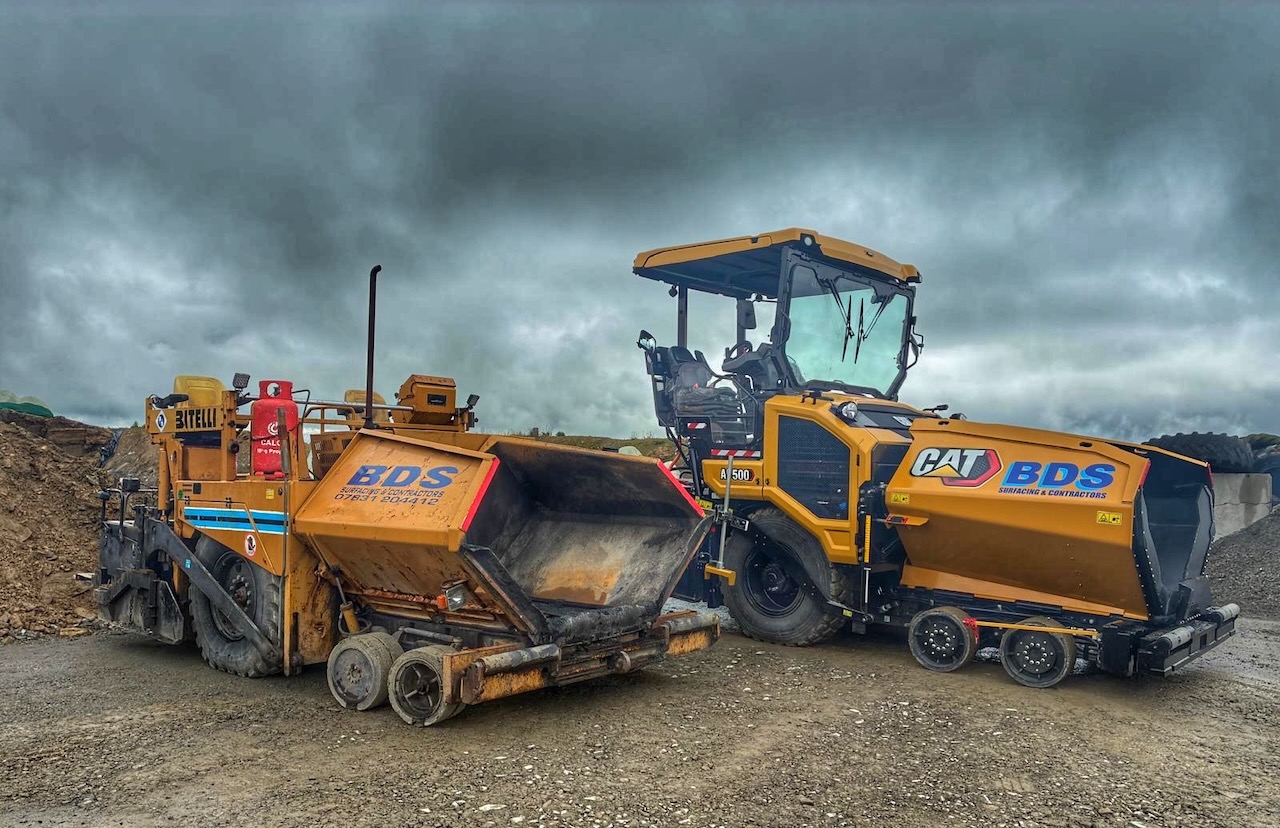
BDS Plant Hire (Orkney) Ltd has replaced its long‑used Bitelli units with a new Cat AP500 wheel asphalt paver supplied by Finning UK & Ireland to modernise its paving fleet. The AP500 offers compact dimensions suitable for Scottish single‑track and rural roads, permit‑free transport, Stage V emissions compliance and a wide screed range, giving BDS more flexibility across mixed urban and trunk‑road work. Finning provided application guidance during the transition, with BDS targeting higher laying efficiency and more consistent mat quality on infrastructure projects.
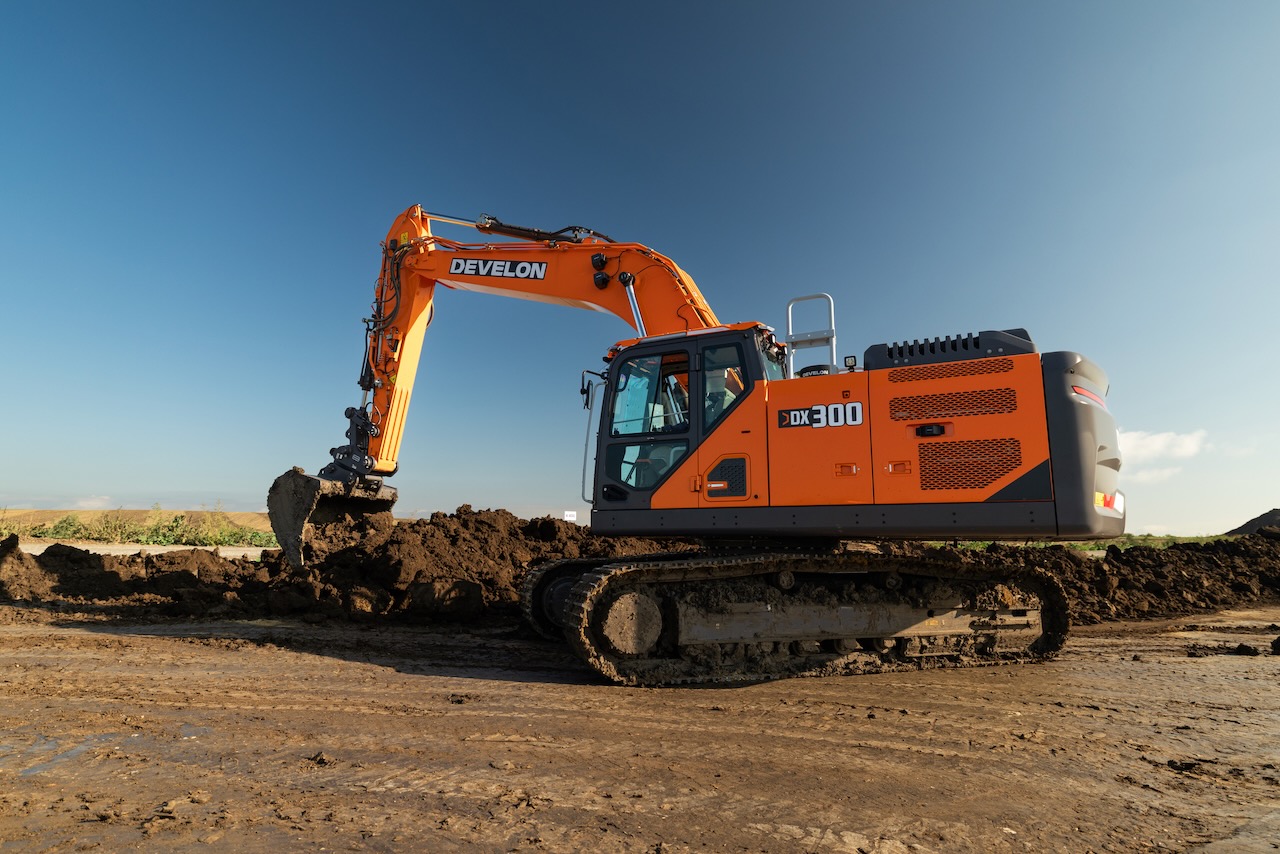
Develon has launched the 32‑tonne DX300LC‑9 excavator to its Series 9 range, powered by a DX08 engine delivering 207 kW at 1,800 rpm and 1,230 kgf·m torque, with a maximum digging depth of 7.3 m and reach of 10.5 m. A super long reach variant, the DX300SLR‑9, extends reach by a further metre over the previous DX300SLR‑7 for applications such as riverworks and slope stabilisation. The machine adds electro‑hydraulic control, 360° Smart Around View Monitor, AI‑based person detection with E‑Stop, virtual walls, Advanced Lift Assist and ultra‑low 67 dBA cab noise.
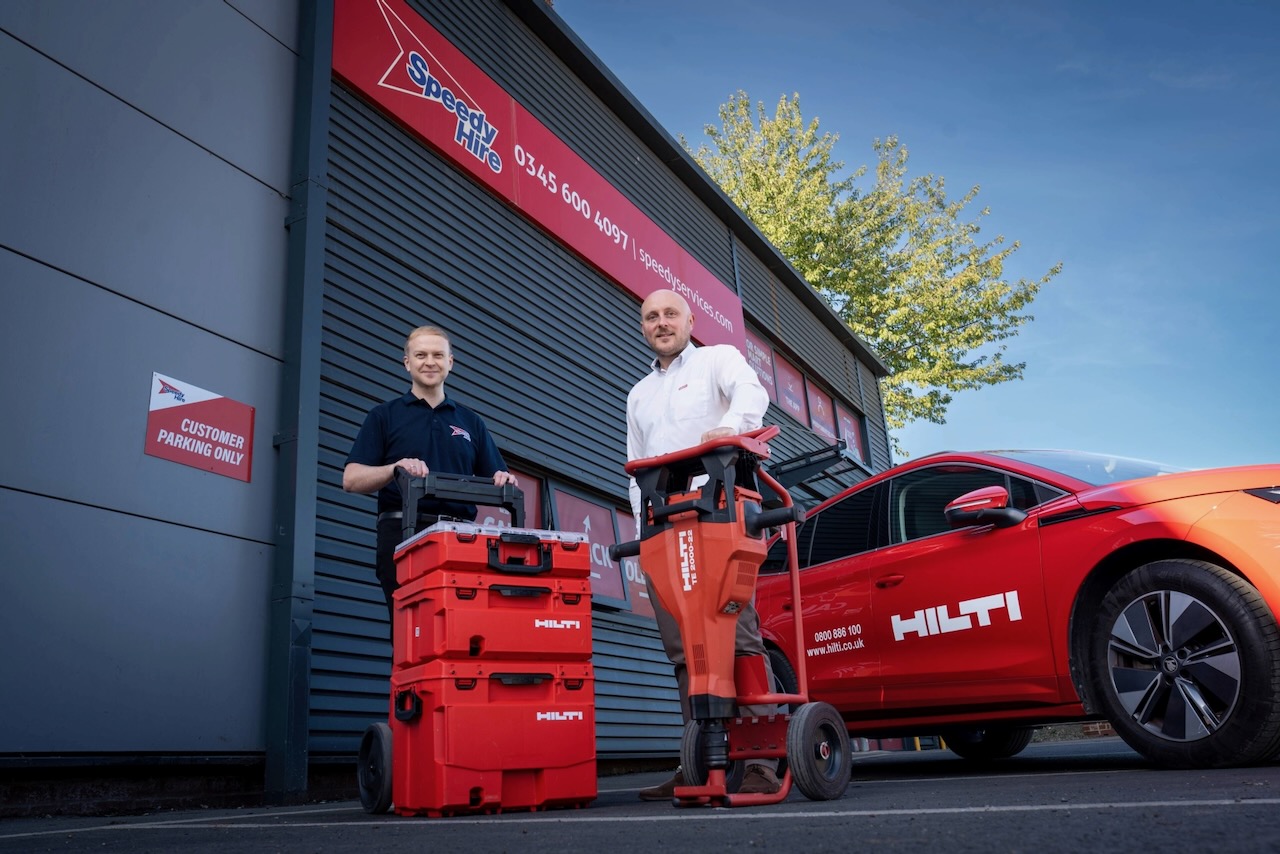
Speedy Hire has signed a rolling five-year deal to purchase 25,000 Hilti assets, expanding its fleet to more than 60 Hilti product lines including the Nuron 22V single-platform cordless range with interchangeable batteries. Hilti will provide servicing through its dedicated repair centre in Glasgow and give Speedy customers access to its digital fleet management programme for tool tracking and utilisation data. The move positions Speedy with a highly standardised, battery-powered small tools fleet, simplifying site logistics and maintenance planning for contractors.
Fifteen of 19 major miners tracked by McKinsey reported third‑quarter financial gains from AI, with the consultancy estimating potential EBITDA uplifts of 10%–15% from roughly 5% higher production and 10% lower C1 cash costs. The strongest evidence is in processing, where AI-driven mill and flotation control has reached “proven in the P&L” status, with ore-blending, stockpile optimisation and shutdown planning also rated proven, while leaching, water‑and‑reagent optimisation and most mine planning, dispatch and exploration tools remain emerging or aspirational. McKinsey’s Ferran Pujol and Freeport-McMoRan’s Ravi Malladi stressed that value depends on robust data flows, condition-based maintenance and embedded site-level tech teams, not just standalone pilots.
Robert Friedland is pushing to replace conventional SAG and ball mills with I-Pulse’s I-ROX pulsed-power comminution, which stores electricity then releases nanosecond–microsecond bursts to fracture ore internally along mineral boundaries, with projected energy cuts of up to 80% and about 5% higher metal recoveries. A 2,500 m² I-ROX research centre in Toulouse is testing Kamoa-Kakula copper ore and tailings, while I-Pulse has also secured a US$250 million CHIPS Act award for silicon-carbide semiconductors. The same platform underlies G-Pulse drilling, claimed to triple penetration rates and extend bit life sixfold, to be trialled on the Millungera Basin geothermal project in Queensland.
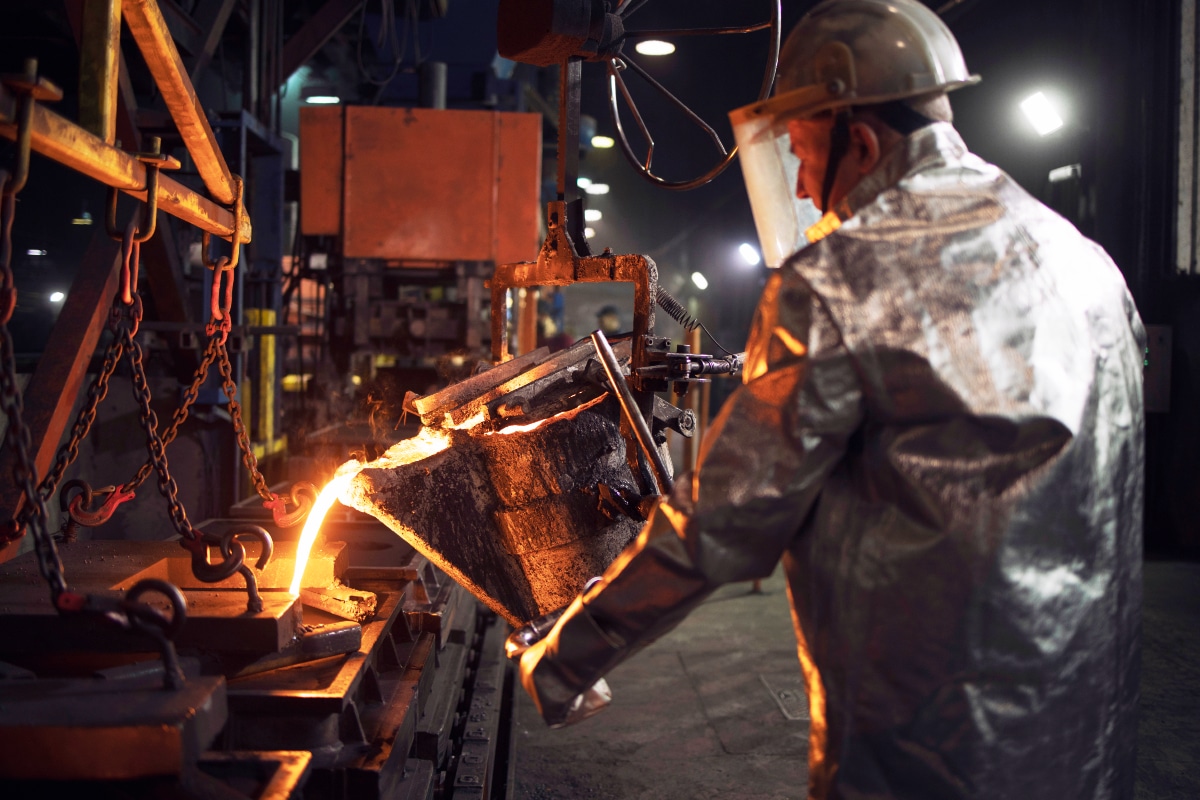
Texas startup Hertha Metals has raised $133.65 million in Series A funding, including $65 million from the US government’s IBAS programme, to build its Hertha Chalyx plant targeting 10,000 tonnes per year of steel-grade and magnet-grade high-purity iron. The facility will deploy the FLEXHERS process—a single continuous hydrogen/natural-gas reduction reactor coupled with electric arc furnace technology—claiming 25% lower production costs than blast furnaces and emissions cuts of 50% (natural gas) to up to 98% (hydrogen). Chalyx, alongside the existing 360 t/y Pi100 pilot in Conroe, aims to create a fully domestic feedstock source for NdFeB magnet and defence manufacturers.
We Recycle Solar will build the US’ first end-to-end critical materials recovery facility for retired solar panels on a 10-acre campus outside Dallas, targeting Q3 2027 start-up. The Arizona-based firm says the commercial-scale plant will process one panel per minute and recover up to 96% of contained silver, copper, silicon, aluminium and glass through a proprietary extraction process that avoids any offshore smelting. WRS plans a further $100 million investment in four additional US facilities within four years, aiming to capture value from an $80 billion projected 2050 solar-panel waste stream.
Caterpillar is extending its Command for hauling autonomous haulage system into quarry-scale operations with a new deployment at Dolese Bros’ Richards Spur quarry in Oklahoma, following its earlier rollout on Cat 777 trucks at Carmeuse’s Drummond Island quarry in Michigan supported by Fabick Cat. The Richards Spur project applies AHS to a high-production limestone operation using rigid-frame haul trucks on short, repetitive quarry cycles rather than traditional large open-pit layouts. For geotechnical and quarry planners, this signals OEM confidence that AHS can handle tighter haul roads, variable bench conditions and more constrained traffic patterns typical of aggregates sites.
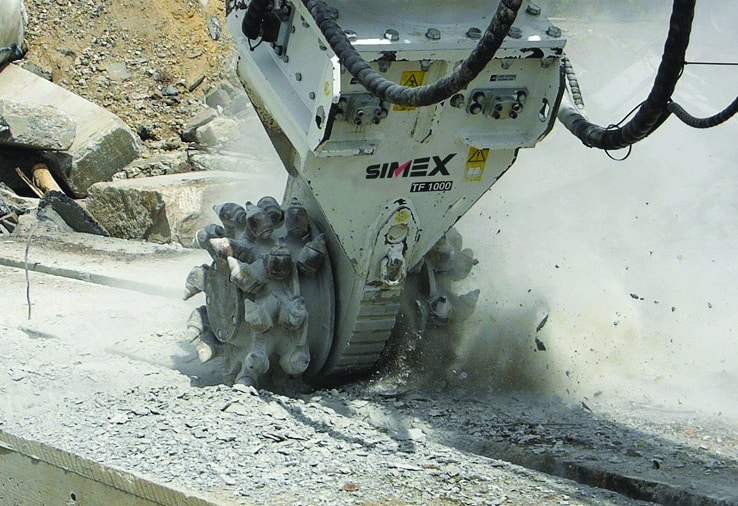
SIMEX rotary cutters distributed by GroundTec Equipment across New South Wales are being used as excavator attachments with dual drums and reinforced carbide teeth to break and mill hard rock, concrete and asphalt. The hydraulic units deliver controlled profiling for trenches, tunnel cross-sections and rock face scaling where impact hammers risk overbreak or vibration damage to adjacent structures and buried services. For civil contractors, the cutters enable tighter tolerances on excavation geometry and smoother surfaces, reducing secondary trimming and improving productivity on constrained urban and roadside works.
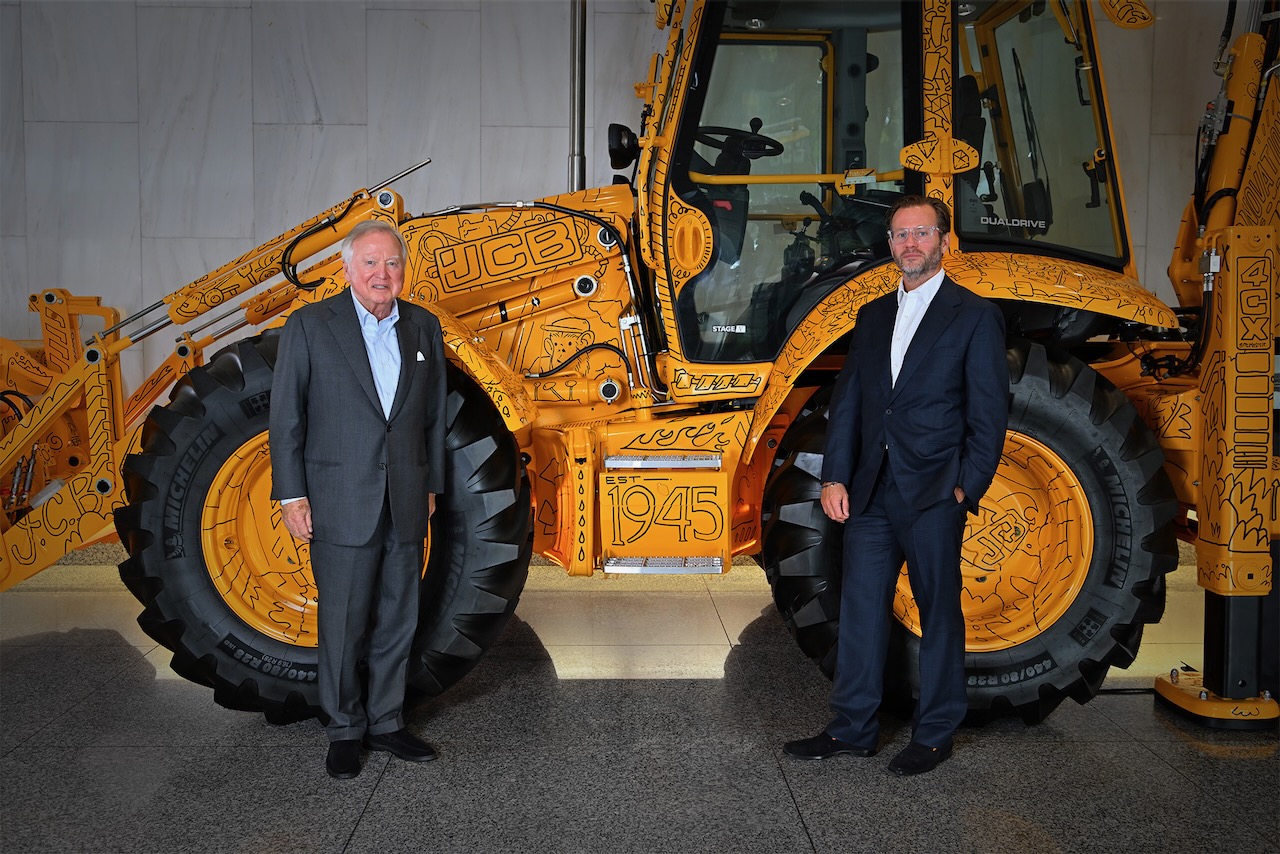
George Bamford has been appointed joint chairman of JCB as the privately owned manufacturer reported 2025 turnover of £5.7bn and profit before tax of £642m, with machine sales dipping to 113,948 units amid flat demand in North America and a 12% market contraction in India. JCB remains debt-free and says it has grown global market share while committing £100m to hydrogen combustion R&D, including a hydrogen-fuelled engine now in commercial production. The technology’s performance was showcased when Andy Green reached 406.32mph at Bonneville in the world’s fastest hydrogen-powered vehicle.
EACON Mining Technology has validated an autonomous haulage capability at Zijinshan copper-gold mine that keeps trucks running driverless through extended tunnel sections where GNSS/RTK positioning and network connectivity drop out. The system uses on-board perception and localisation to operate without full dependence on conventional high-definition maps, targeting long underground or covered haul segments rather than short blind spots. For mine planners and automation teams, this points to AHS designs that can tolerate sustained signal loss in complex pit–portal–tunnel layouts.
Sandvik will supply a 27-unit underground fleet to Orken LLP, the iron ore division of Qarmet JSC, to mechanise development at the Atasu operation in the Western Karazhal mine, Kazakhstan. The package includes 13 Toro TH430 trucks and five Toro LH410 loaders, shifting the mine from manual development headings to fully mechanised haulage and loading. The move signals higher development advance rates and more consistent ground support installation, with implications for ventilation design, traffic management and maintenance planning in existing drifts.
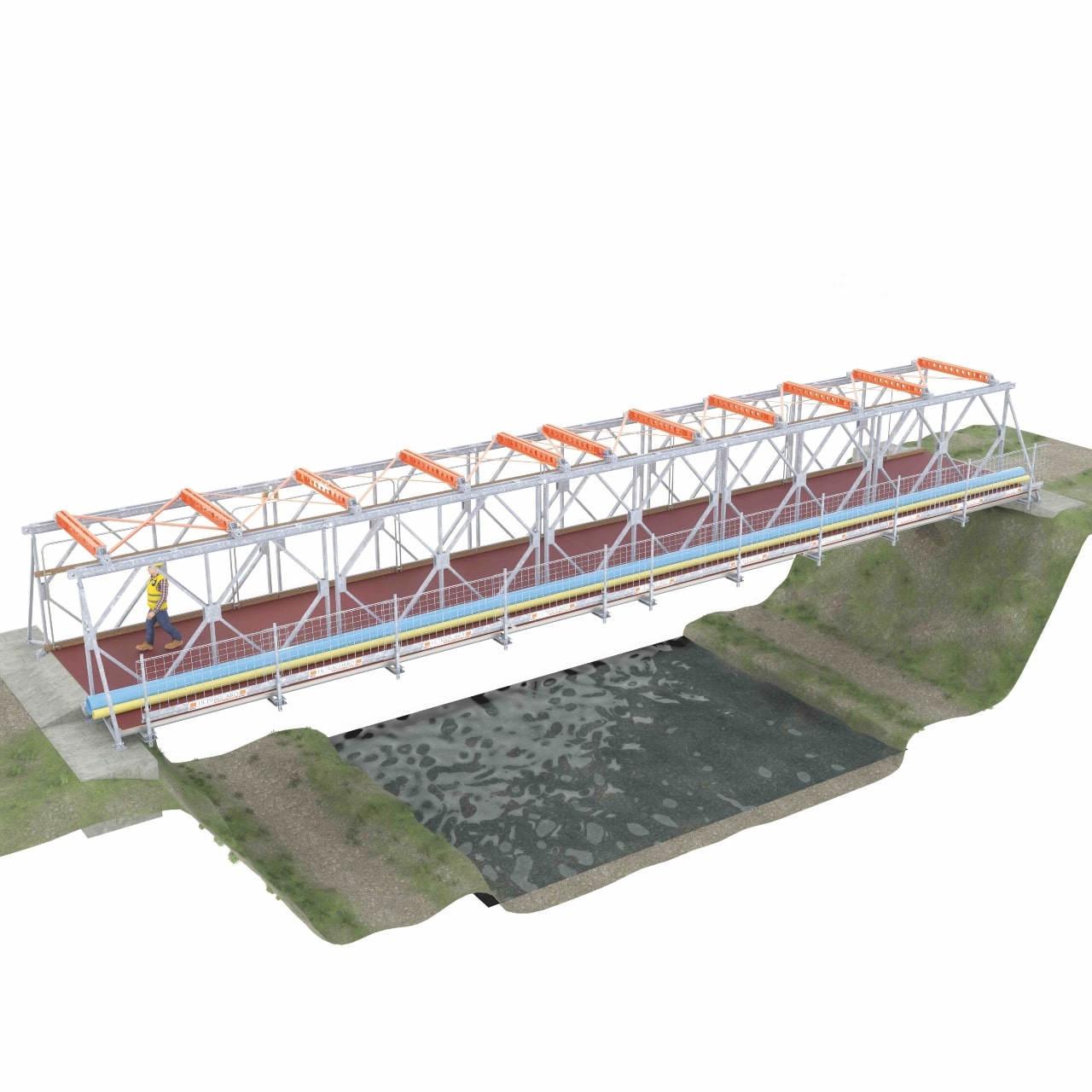
ARMD Australia has launched the R800 Footbridge system, a modular temporary works solution designed to span roads, railways and waterways while keeping traffic and rail operations running during construction. The steel system is supplied in pre-engineered modules for rapid assembly and crane placement, allowing contractors to install pedestrian access over live corridors without full closures or extensive foundations. For temporary works planners, the key shift is a standardised, reusable bridge package that can be redeployed across multiple sites instead of bespoke scaffold or one-off fabricated structures.
Aston University is partnering with Jesmonite Ltd under an Innovate UK knowledge transfer partnership to redevelop Jesmonite’s low‑carbon acrylic, resin-based composites with added biochar as potential cement alternatives for façades and surface applications. Researchers from Aston’s Energy and Bioproducts Research Institute and Department of Civil Engineering will characterise the materials at molecular level and test mechanical and durability performance while targeting further reductions in embodied carbon. The work aims to move Jesmonite’s currently niche, film-set and design products into mainstream construction specifications, offering designers non‑cementitious façade and cladding options.
Asset Vision is promoting a “connected operational intelligence” layer for road asset management, integrating condition data, work orders and contractor performance across entire networks for road authorities, service providers and self-delivery teams. The cloud-based platform is pitched to handle ageing pavements and structures under tighter maintenance budgets by centralising inspections, defect logging and response times in near real time. For engineers, the approach aims to link field data capture, network-level dashboards and contract KPIs so maintenance priorities, risk and funding trade-offs can be managed from a single system.
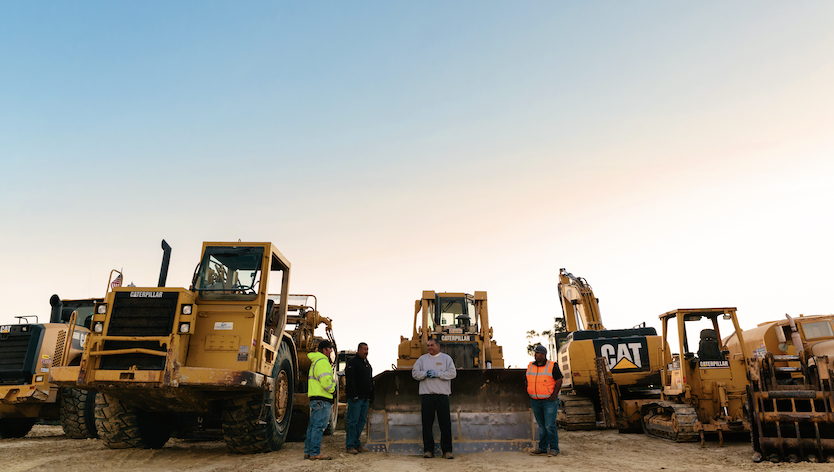
Titan International has signed a definitive agreement to sell its Italtractor ITM undercarriage business, which supplies track systems for mining and construction equipment, to Modena-based USCO SpA, owner of Australian mining equipment group Schlam. The deal, expected to close in early January 2027 subject to customary approvals, will consolidate ITM’s global undercarriage manufacturing and distribution network under USCO’s ground-engaging tools and wear parts portfolio. For mine operators and OEMs, the move signals potential changes in sourcing strategies, pricing, and product integration across track systems and truck bodies.
Volvo Autonomous Solutions has passed 3 Mt of autonomously hauled material in mining and quarrying operations, signalling growing commercial-scale deployment of its driverless haulage systems. The tonnage spans current and completed customer sites using Volvo’s integrated autonomous transport platform, combining automated trucks with site infrastructure and fleet management. For mine planners and owners, the milestone gives real-world evidence on autonomous haul durability and consistency over multi‑million‑tonne volumes, supporting business cases for retrofits and greenfield autonomous haulage layouts.
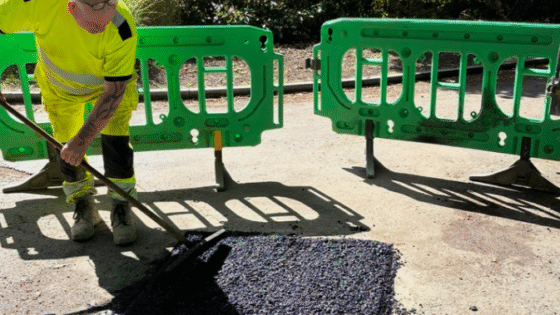
Maidstone Borough Council has started a small-scale trial in two parks using a proprietary pothole repair mix that incorporates recycled clothing fibres as a partial replacement for conventional bituminous or aggregate content. The material is being laid in localised defects rather than full-width resurfacing, targeting reduced embodied carbon and lower-temperature installation compared with standard hot asphalt. If performance on ravel resistance, adhesion and durability under light vehicular loading proves acceptable, the council may extend the approach to wider footpath and car park maintenance.
Martin Engineering is expanding its presence in Ghana by partnering with Aggrey & Associates, a UK- and Ghana-based consultancy with a long track record in bulk materials handling across mining and industrial operations. The collaboration is aimed at deploying Martin’s conveyor belt cleaners, transfer point sealing, and flow aid technologies more widely across Ghanaian mines and ports, using Aggrey’s local engineering and project management capability. For operators, this signals easier access to specialist support on carryback control, spillage reduction, and chute performance without relying on overseas service teams.
BQE Water has restarted the selenium removal plant at Centerra Gold’s Kemess project in British Columbia, using its patented Selen-IX™ ion exchange process to treat mine-impacted water. The Kemess installation was the first full-scale Selen-IX™ plant, designed to remove dissolved selenium to low µg/L levels without generating large volumes of sludge typical of lime co-precipitation systems. The restart confirms long-term operability of the modular Selen-IX™ circuit, relevant for sites facing tightening selenium discharge limits in mountainous, high-runoff catchments.
Geopolitical and economic uncertainty is pushing 61% of construction businesses to increase their commitment to innovation, according to Ayming’s International Innovation Barometer 2027. The survey points to firms prioritising digital tools, new construction materials and process optimisation to manage cost volatility and supply chain disruption. For civil and infrastructure engineers, this signals stronger client appetite for technologies such as BIM-based design coordination, offsite fabrication and alternative material specifications to de-risk programme and budget.
Accenture has launched Accenture Construct, a global business combining its capital projects advisory, engineering, project delivery and technology services to support large, complex infrastructure and mining developments. The unit consolidates a capital projects practice that has grown fourfold in three years, targeting fragmented delivery across EPCM contracts, multi-vendor digital systems and dispersed project controls. For mine owners, the move signals more integrated support for mega-project planning, schedule and cost control, and data-driven optimisation across the full asset lifecycle.
Roads & Traffic AU 2026 will convene in Sydney’s International Convention Centre on 14–15 October, bringing together government, engineers, contractors and technology suppliers to tackle Australia’s next wave of road and transport investment. The conference program is split into seven technical tracks, each focused on a specific pressure point such as project delivery, procurement, traffic management, digital systems, and asset operations. For practitioners, the event signals where agencies and Tier 1s are likely to steer specifications, procurement models and technology adoption over the next programme cycle.
WindowMaster and Fieger have agreed a façade partnership that combines EN 12101-2 tested smoke extraction and natural/hybrid ventilation into a single, integrated louvre-window system planned from the first design meeting. The deal gives WindowMaster exclusive sales rights for Fieger louvre solutions in the UK, Ireland, Nordics, Baltic states and North America, with non-exclusive rights in Germany, Switzerland and France, targeting major façade markets. For high-rises, multi-storey stairwells, atriums and public buildings, one façade opening now provides both everyday comfort ventilation and automatic smoke and heat exhaust linked to detectors and fire panels.
Accenture has launched Accenture Construct, a global owner-side capital projects business led by CEO Adam J. Shaw, uniting more than 5,000 practitioners across the Americas, EMEA and APAC and integrating specialist acquisitions such as Anser Advisory (US), Soben (UK), BOSLAN and Alfa Consulting (Spain). Targeting AI data centres, energy transition assets and long-life infrastructure like airports, rail and power grids, the unit addresses a $260bn market forecast to reach $348bn by 2030. The offer centres on a single project data foundation to give owners one accountable partner and a unified operational view across fragmented delivery teams.
Geoscience Australia has released the Green Iron StoryMap, an interactive tool within the Digital Atlas of Australia that layers iron ore deposits, renewable energy zones, existing rail and port corridors, and water resources to map green iron potential. Users can interrogate spatial data on proximity of high‑grade ore bodies to wind and solar resources, transmission lines and gas pipelines, helping screen locations for hydrogen‑based direct reduction or electrified pelletising. For miners and infrastructure planners, it offers a first‑pass, national‑scale view of where integrated green iron hubs could be technically viable.
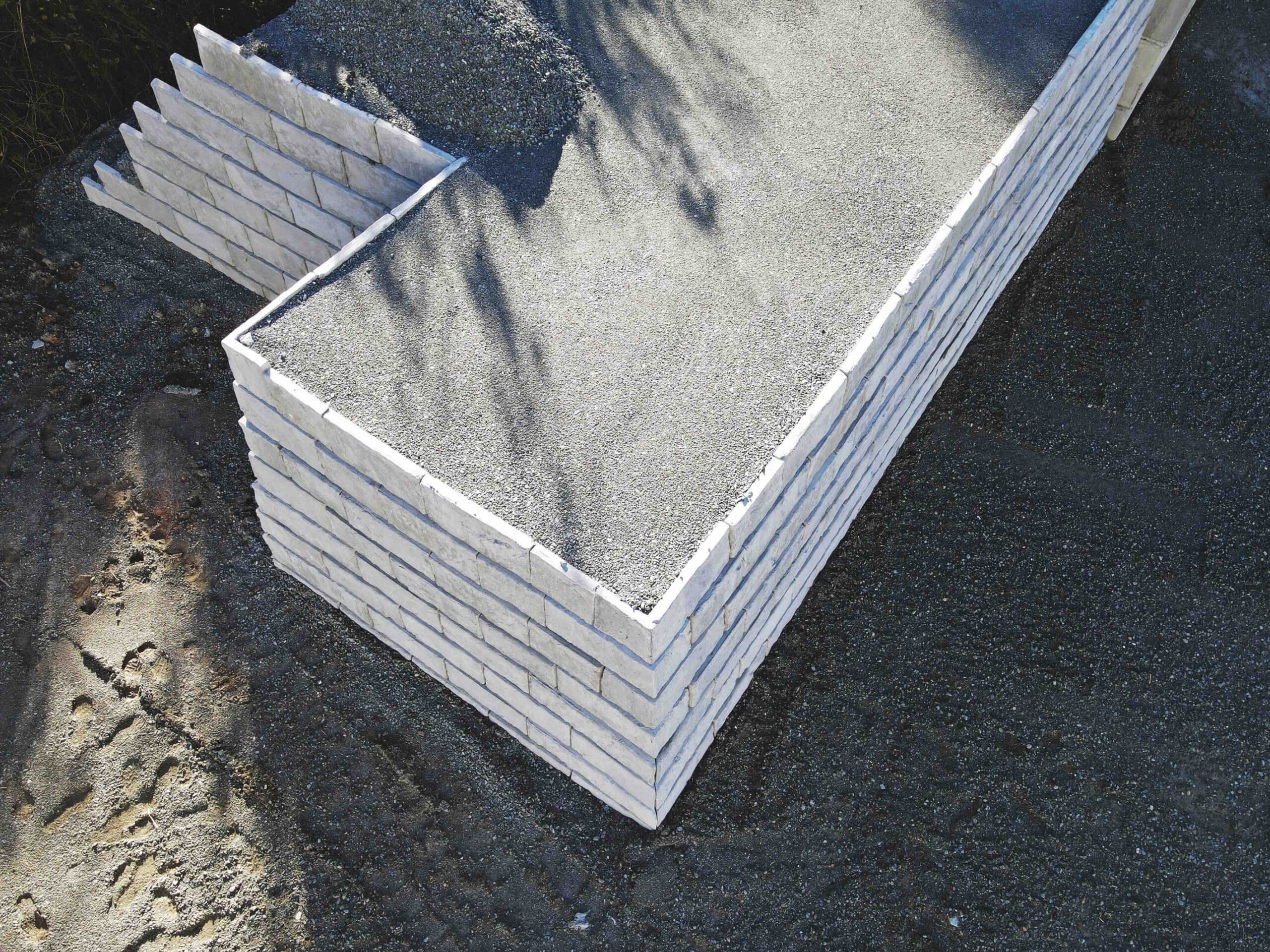
Geoquest Australia has launched TerraStack, a modular precast concrete retaining wall system engineered for Australian and New Zealand conditions and already applied on major transport projects including Cross River Rail, West Gate Tunnel and Sydney Gateway. The system uses stacked, interlocking units to form gravity or reinforced soil walls, enabling rapid installation with standard lifting equipment and minimising on-site formwork. For designers and contractors, TerraStack offers a repeatable solution for cuttings, bridge abutments and approach embankments where tight footprints and staged construction are critical.
Barrick’s North American business has selected Avathon’s Physical AI Autonomy Platform as a strategic layer to connect data, operational knowledge and AI models across its mining value chain. The deployment will span exploration, mine planning, safety, production, processing and maintenance, creating a single environment for ingesting sensor data, operational KPIs and engineering rules. For mine operators and engineers, this signals a push towards integrated decision support, where planning, plant control and asset health monitoring are driven from one AI-enabled operational backbone rather than siloed systems.
BHP and Amazon have launched an “industry-first” pilot to trade credits linked to lower greenhouse gas emissions from copper concentrate and cathodes produced at Escondida, the world’s largest copper mine in Chile. Escondida already sources 100% of its electricity from renewable power contracts and uses desalinated water for processing, reducing Scope 2 emissions intensity relative to conventional operations. The pilot will test traceable, emissions-differentiated copper units in Amazon’s supply chain, signalling potential future premiums and contract structures for low‑carbon copper in OEM and data centre procurement.