Bristol–Airport mass transit: early design and corridor risks for project teams
Reviewed by Tom Sullivan
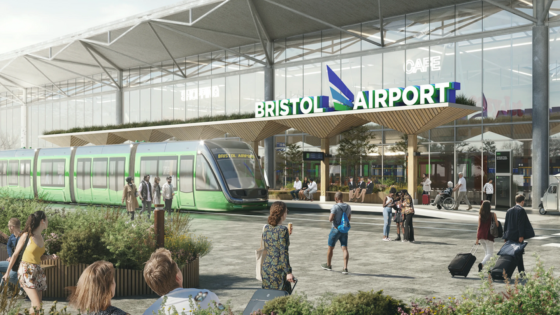
First reported on New Civil Engineer
30 Second Briefing
Construction of a new mass transit link between Bristol city centre and Bristol Airport is being prioritised by the West of England Combined Authority, with construction targeted to begin within four to five years. The scheme is expected to provide a high-capacity, segregated corridor along the heavily congested A38 route, replacing or supplementing existing bus services that currently face peak-hour delays. Early work will need to address tight urban corridors, airport security and access constraints, and integration with Bristol’s wider public transport upgrades.
Technical Brief
- Utility diversions in dense urban sections are likely to be a critical path pre-construction activity.
Our Take
Within our 694 Infrastructure stories, only a small subset concern regional combined authorities like the West of England Combined Authority, signalling that this Bristol–airport mass transit push is part of a relatively selective group of devolved-transport initiatives rather than central government-led megaprojects.
A four-to-five-year construction start horizon in the West of England aligns with typical UK major transport scheme lead times in our database, implying that statutory processes, route safeguarding and funding assembly are likely to dominate the near-term workload for Weca rather than early physical works.
Given Bristol’s role as a regional hub in the United Kingdom, projects in our coverage with similar airport links often become anchor corridors for later transit extensions, so early design choices here may lock in long-term capacity and technology options for the wider West of England network.
Prepared by collating external sources, AI-assisted tools, and Geomechanics.io’s proprietary mining database, then reviewed for technical accuracy & edited by our geotechnical team.


